Tag Archives: metabolic syndrome

The new dietary guidelines, a major improvement

The new Dietary Guidelines for Americans (DGA) represent a major improvement over previous guidelines. The storm of criticism registered by some “experts” and quoted by the media is NOT based on valid evidence. There has been excessive and irrational criticism over inverting the food pyramid, with animal sources of protein on the top. Until now recommendations for daily protein intake have been based upon estimates to avoid protein deficiency rather than optimization. The recommendations for 1.2-1.6 grams per kilogram bodyweight per day (up from 0.8 g/kg/day) is supported by data on muscle building, muscle maintenance and bone health (when combined with resistance exercise), especially for elderly individuals.

 Unfortunately, the 10% restriction on saturated fat remains, but the guidelines appropriately state that there is a lack of evidence to keep that restriction at 10% of caloric intake. The controversy over saturated fat remains despite meta-analyses of randomized controlled clinical trials that conclude that restriction of saturated fat has not been found to improve cardiovascular, metabolic, or cancer outcomes.

I doubt that those critical of the new DGA have read the 416-page appendices that document scientific references and explanations for each of the dietary recommendations. That’s right, 416 pages of narrative and scientific references are in the appendices of the DGA.

If you go here, you can download 4 documents including the Scientific Foundation Appendices (416 pages), the Scientific Foundation for DGA (90 pages), The Daily Servings Guide (3 pages) and the DGA (10 pages)

Here is an excerpt that is very useful.

How can you identify highly processed foods? Highly processed foods tend to have: 1. Refined grains and/or added sugars 2. Refined fats and oils 3. Long, complicated ingredient lists including chemical additives (e.g., artificial sweeteners, flavor enhancers, artificial colors, and emulsifiers). Examples are provided in Figures 4.3 and 5.8.

And a good explanation for why refined grains (any food made with flour) causes rapid and high blood sugar responses.

Refined Grains and Starches are Sugar • Refined grains are highly purified sources of starch. • Starches are long chains of glucose—a form of sugar. • During chewing and digestion, enzymes rapidly break down starch into glucose, raising blood sugar much like table sugar does. • Refined grain foods—white bread, crackers, breakfast cereals, chips, pastries, and pasta—can therefore act metabolically like sugar, delivering fast-absorbing carbohydrates with few nutrients or fiber to slow absorption. Take-home message: Refined grains are sugar in disguise. Choose whole grains, beans, or vegetables instead.

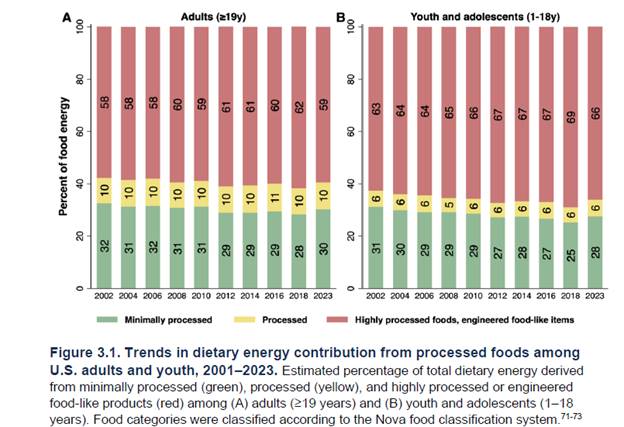
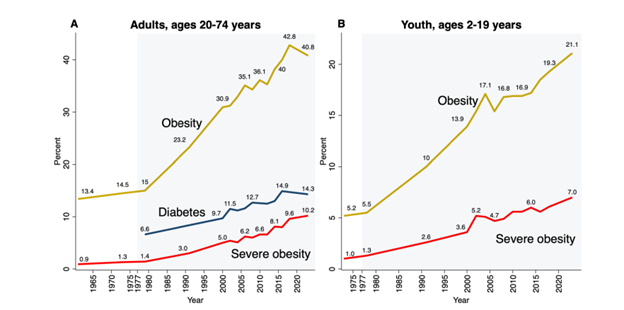
The following two graphics demonstrate the results of previous dietary guidelines that demonized healthy fats and animal sources of protein. The first shows the rise in obesity and diabetes but does not address the insulin resistance that evolves over decades before crossing the arbitrary threshold of diabetes, wreaking metabolic havoc long before diabetes occurs. The second graphic reveals how Americans consume 60% or more caloric intake in the form of refined carbohydrates (equivalent to sugar)

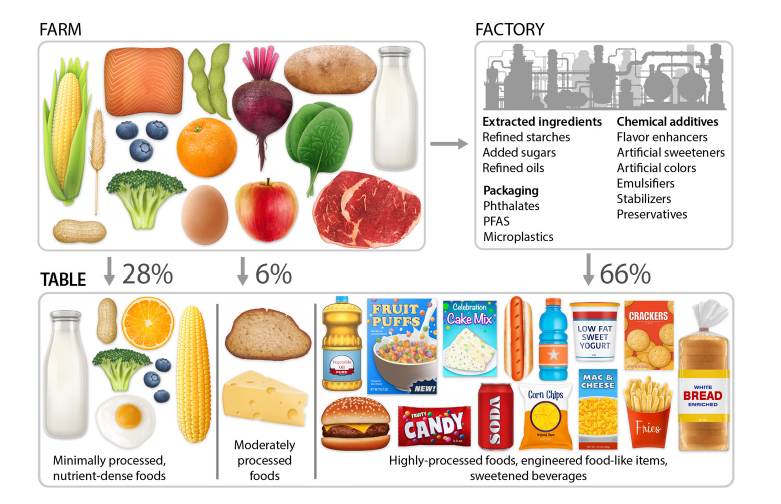
The following graphic displays the difference between minimally processed, moderately processed and highly processed foods according to the NOVA classification system (a system I will discuss and criticize in future posts). For now, suffice it to say that a simpler and more practical definition of “processed food” would include any food with one or more of the following: added sugar, artificial sweeteners, refined starch especially flour made from grains, refined “vegetable” oils, emulsifiers, artificial coloring, preservatives, and other additives found to disrupt the microbiome, intestinal barrier function or cause cancer. This graphic importantly covers the issue of food packaging which can contribute to the consumption of micro plastics, phthalates and PFAs

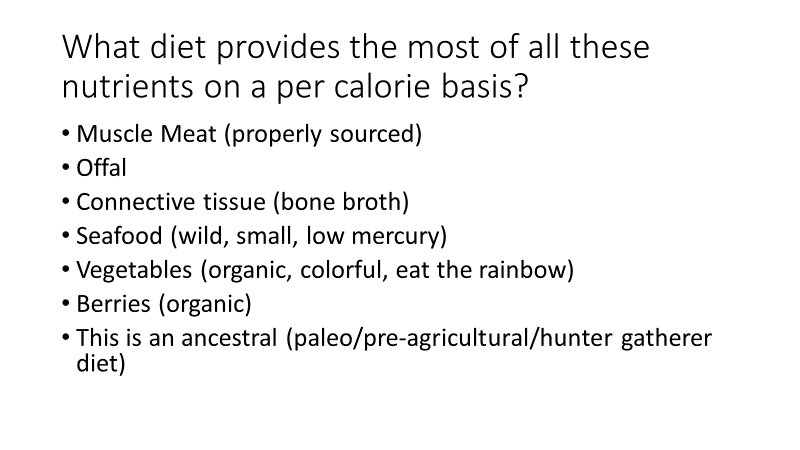
I have consistently advocated for a diet that consists of free-range meat, poultry, eggs, seafood (low mercury varieties), organic vegetables, fruits, nuts, seeds, an ancestral or paleo diet. The new DGA go a long way to produce evidence-based recommendations to help Americans eat healthy food. I continue to advocate for getting fiber from vegetables and fruits, eliminating grains, for reasons previously discussed but if you want to eat grains and are not gluten sensitive or suffer from celiac disease, consume the grains as a whole food, not in a food made from flour. “Whole grain bread” is not a whole grain food, nor is “whole grain” pasta. Once flour is made from grains the cellular components are destroyed producing a product with a glycemic index akin to sugar with the resultant metabolic disturbance which over the long run leads to insulin resistance, obesity and chronic disease.

If you want to consume dairy it makes much more sense to consume full fat fermented dairy foods instead of the low-fat dairy products advocated by prior DGA. The new DGA go into great detail to describe the nutrient deficiencies associated with vegan and vegetarian diets unless specific supplements are consumed. Specific recommendations for pregnant and breast-feeding mothers cover most important points as do age specific recommendations for infants and children. The importance of choline could have received a little more attention (best sources include eggs and liver). The importance of marine omega-3 fats (EPA, DHA, DPA) received adequate attention.

Overall, I consider the 2026 DGA a major improvement compared to previous iterations which ignored a large body of nutritional science.

The following references support my position on SFA and properly raised and prepared animal protein.

https://pubmed.ncbi.nlm.nih.gov/32562735/

Astrup A, Magkos F, Bier DM, Brenna JT, de Oliveira Otto MC, Hill JO, King JC, Mente A, Ordovas JM, Volek JS, Yusuf S, Krauss RM. Saturated Fats and Health: A Reassessment and Proposal for Food-Based Recommendations: JACC State-of-the-Art Review. J Am Coll Cardiol. 2020 Aug 18;76(7):844-857. doi: 10.1016/j.jacc.2020.05.077. Epub 2020 Jun 17. PMID: 32562735.

Reimara Valk, James Hammill, Jonas Grip, Saturated fat: villain and bogeyman in the development of cardiovascular disease?, European Journal of Preventive Cardiology, Volume 29, Issue 18, December 2022, Pages 2312–2321, https://doi.org/10.1093/eurjpc/zwac194

Associations of fats and carbohydrate intake with cardiovascular disease and mortality in 18 countries from five continents (PURE): a prospective cohort study Dehghan, MahshidDiaz, R et al. The Lancet, Volume 390, Issue 10107, 2050 – 2062

https://pubmed.ncbi.nlm.nih.gov/36216940/

Lescinsky H, Afshin A, Ashbaugh C, Bisignano C, Brauer M, Ferrara G, Hay SI, He J, Iannucci V, Marczak LB, McLaughlin SA, Mullany EC, Parent MC, Serfes AL, Sorensen RJD, Aravkin AY, Zheng P, Murray CJL. Health effects associated with consumption of unprocessed red meat: a Burden of Proof study. Nat Med. 2022 Oct;28(10):2075-2082. doi: 10.1038/s41591-022-01968-z. Epub 2022 Oct 10. PMID: 36216940; PMCID: PMC9556326.

Red and processed meat consumption and risk of incident coronary heart disease, stroke, and diabetes mellitus: a systematic review and meta-analysis Renata Micha1Sarah K WallaceDariush Mozaffarian, Circulation CIRCULATIONAHA.109.924977. Epub 2010 May 17. https://pubmed.ncbi.nlm.nih.gov/20479151/

Unprocessed Red Meat and Processed Meat Consumption: Dietary Guideline Recommendations from the Nutritional Recommendations (NutriRECS) Consortium Bradley C. Johnston, PhD, Dena Zeraatkar, Msc, et. al. Ann Intern Med 2019: 1:756-764 doi: 10.7326/M19-1621

Reduction of Red and Processed Meat Intake and Cancer Mortality and Incidence A Systematic Review and Meta-analysis of Cohort Studies Mi Ah Han, MD, PhD; Dena Zeraatkar, MSc; et. al., Ann Intern Med. 2019;171:711-720. doi:10.7326/M19-0699

Patterns of Red and Processed Meat Consumption and Risk for Cardiometabolic and Cancer Outcomes A Systematic Review and Meta-analysis of Cohort Studies Robin W.M. Vernooij, PhD*; Dena Zeraatkar, MSc Ann Intern Med.2019;171:732-741. doi:10.7326/M19-1583

Red and Processed Meat Consumption and Risk for All-Cause Mortality and Cardiometabolic OutcomesA Systematic Review and Meta-analysis of Cohort Studies Dena Zeraatkar, MSc, Mi Ah Han MD, PhD, et. al, Annals of Internal Medicine 1 October 2019: 171-710 doi: 10.7326/M19-0655

Effect of Lower Versus Higher Red Meat Intake on Cardiometabolic and Cancer Outcomes

A Systematic Review of Randomized Trials Dena Zeraatkar, MSc, Bradley C Johnston, PhD, et. al. Ann Intern Med. 2019;171:721-731. doi:10.7326/M19-https://doi.org/10.7326/M19-0622

E, Lavie CJ, Hill JO. The Failure to Measure Dietary Intake Engendered a Fictional Discourse on Diet-Disease Relations. Front Nutr. 2018 Nov 13;5:105. doi: 10.3389/fnut.2018.00105. PMID: 30483510 Archer; PMCID: PMC6243202.

Archer E, Hand GA, Blair SN (2013) Validity of U.S. Nutritional Surveillance: National Health and Nutrition Examination Survey Caloric Energy Intake Data, 1971–2010. PLoS ONE 8(10): e76632. https://doi.org/10.1371/journal.pone.0076632

O’Connor, Lauren E., et al. “Effects of total red meat intake on glycemic control and inflammatory biomarkers: a meta-analysis of randomized controlled trials.” Advances in Nutrition 12.1 (2021): 115-127.

Kiani AK, Dhuli K, Donato K, Aquilanti B, Velluti V, Matera G, Iaconelli A, Connelly ST, Bellinato F, Gisondi P, Bertelli M. Main nutritional deficiencies. J Prev Med Hyg 2022;63(suppl.3):E93-E101.https://doi.org/10.15167/2421-4248/jpmh2022.63.2S3.2752

Bailey RL, West KP Jr, Black RE. The epidemiology of global micronutrient deficiencies. Ann Nutr Metab. 2015;66 Suppl 2:22-33. doi: 10.1159/000371618. Epub 2015 Jun 2. PMID: 26045325.

Global, regional and national burdens of common micronutrient deficiencies from 1990 to 2019: A secondary trend analysis based on the Global Burden of Disease 2019 study. Zu Han et. al., eClinicalMedicine, February 11, 2022 https://doi.org/10.1016/j.eclinm.2022.101299

Sean R. Lynch, Why Nutritional Iron Deficiency Persists as a Worldwide Problem, The Journal of Nutrition, Volume 141, Issue 4, April 2011, Pages 763S–768S, https://doi.org/10.3945/jn.110.130609

Meat supplementation improves growth, cognitive, and behavioral outcomes in Kenyan children , J Nutr. 2007 Apr;137(4):1119-23.

Animal source foods have a positive impact on the primary school test scores of Kenyan schoolchildren in a cluster-randomised, controlled feeding intervention trial – PubMed (nih.gov), Hulett JL, Weiss RE, Bwibo NO, Galal OM, Drorbaugh N, Neumann CG.Br J Nutr. 2014 Mar 14;111(5):875-86. doi: 10.1017/S0007114513003310. Epub 2013 Oct 30.PMID: 24168874 Clinical Trial.

Meat supplementation increases arm muscle area in Kenyan schoolchildren – PubMed (nih.gov), Br J Nutr. 2013 Apr 14;109(7):1230-40. doi: 10.1017/S0007114512003121. Epub 2012 Aug 2.PMID: 22856533 Clinical Trial.

School snacks decrease morbidity in Kenyan schoolchildren: a cluster randomized, controlled feeding intervention trial.

Neumann CG, Bwibo NO, Jiang L, Weiss RE.Public Health Nutr. 2013 Sep;16(9):1593-604. doi: 10.1017/S1368980013000876. Epub 2013 Mar 28.PMID: 23537728

Effects of animal source foods, with emphasis on milk, in the diet of children in low-income countries.

Allen LH, Dror DK.Nestle Nutr Workshop Ser Pediatr Program. 2011;67:113-30. doi: 10.1159/000325579. Epub 2011 Feb 16.PMID: 21335994

https://www.bmj.com/content/351/bmj.h4962

The scientific report guiding the US dietary guidelines: is it scientific?

BMJ 2015; 351 doi: https://doi.org/10.1136/bmj.h4962 (Published 23 September 2015)

https://pmc.ncbi.nlm.nih.gov/articles/PMC9794145/

Teicholz N. A short history of saturated fat: the making and unmaking of a scientific consensus. Curr Opin Endocrinol Diabetes Obes. 2023 Feb 1;30(1):65-71. doi: 10.1097/MED.0000000000000791. Epub 2022 Dec 8. Erratum in: Curr Opin Endocrinol Diabetes Obes. 2025 Aug 1;32(4):166. doi: 10.1097/01.med.0001118356.22843.75. PMID: 36477384; PMCID: PMC9794145.

THIS WEBSITE PROVIDES INFORMATION FOR EDUCATIONAL PURPOSES ONLY. CONSULT YOUR HEALTH CARE PROVIDER FOR MEDICAL ADVICE.

Eat clean, drink filtered water, love, laugh, exercise outdoors in a greenspace, get some morning sunlight, block the blue light before bed, engage in meaningful work, find a sense of purpose, spend time with those you love, AND sleep well tonight.

Doctor Bob
AHS 2022 Lecture, Acute and Long Covid, Nutritional and Lifestyle Immunology

I recently gave a talk at the AHS 2022 meeting held at UCLA. You can view the video here:

This first slide gives a good overview.

The presentation covers a quick review of my presentations given last year at the PAH 2021 annual meeting (virtual) with additional information on long Covid.

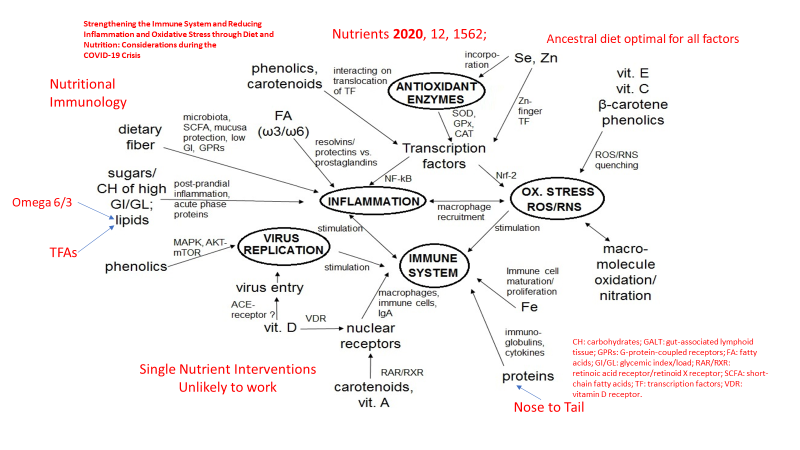
Multiple nutrients acting synergistically support a balanced response to viral infections, including SARS CoV-2. Here is a picture.

The take home message is that no single nutritional intervention is likely to have significant impact with an acute infection unless all but one nutritional component is optimal. Nevertheless, there is compelling evidence that Vitamin D deficiency is rampant in the developed world and if one nutritional intervention is likely to be of benefit, Vitamin D supplementation, particularly in high risk populations, presents the most likely candidate. As usual, preventive supplementation would be preferable to rescue high dose intervention.

In a study of frail elderly hospitalized patients, regular vitamin D supplementation was associated with decreased mortality as demonstrated here. Compared to no supplementation, regular supplementation was associated with a 93% reduction in risk of death.

A study from Spain with very high dose Vitamin D in the form of Calcifediol showed significant benefit in hospitalized patients, suggesting that Vitamin D deficiency was prevalent in that population and that such a treatment intervention should be widely considered.

Calcifediol Treatment and COVID-19-Related Outcomes

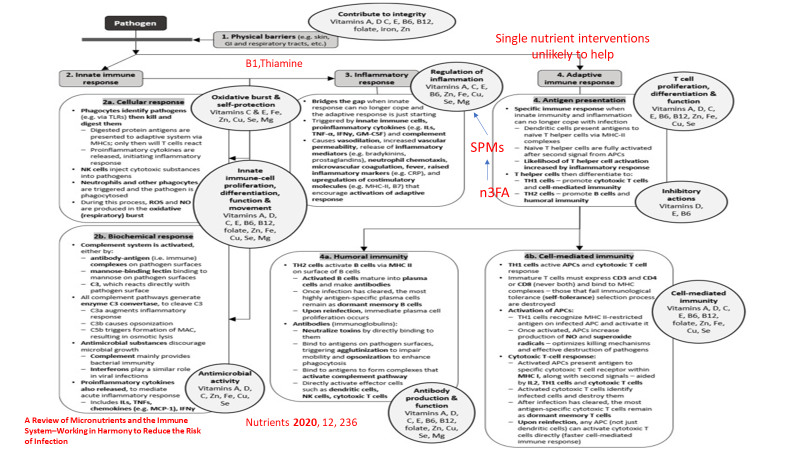
The following graphic from another nutrition review article, with red additions added by myself, demonstrates the complex interaction between nutrition and the two main components of our immune system, innate immunity (immediate response) and adaptive immunity (based on immune memory). Again red highlights added by yours truely.

And here is a slide from my lecture with quotes from that article.

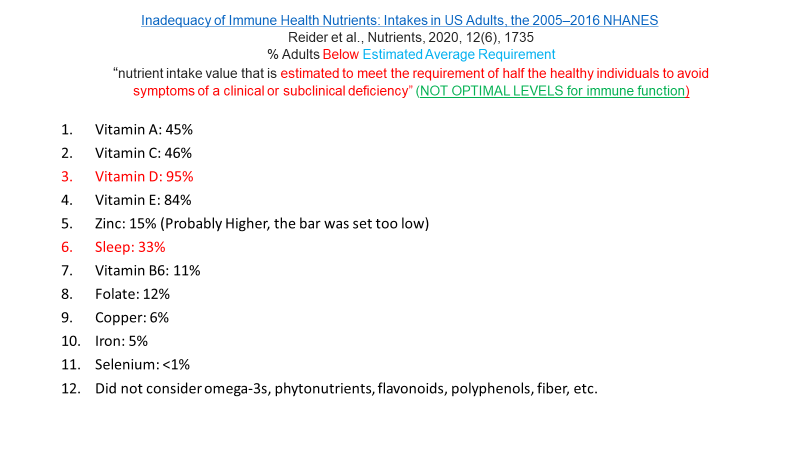
Yet most Americans are deficient in many of these essential nutrients as depicted here. The percentages represent the % of Americans that fall below the estimated amount required to prevent deficiency in HALF of adults (a very low standard).

The EAR is a very low bar to meet, yet many Americans fall below even that low standard.

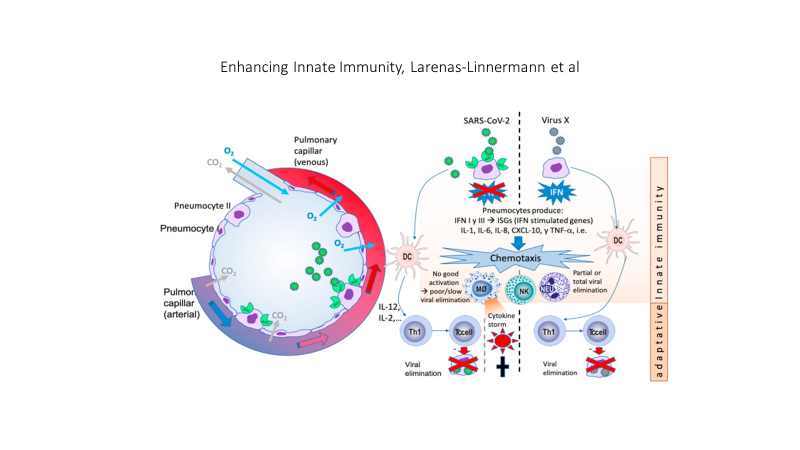
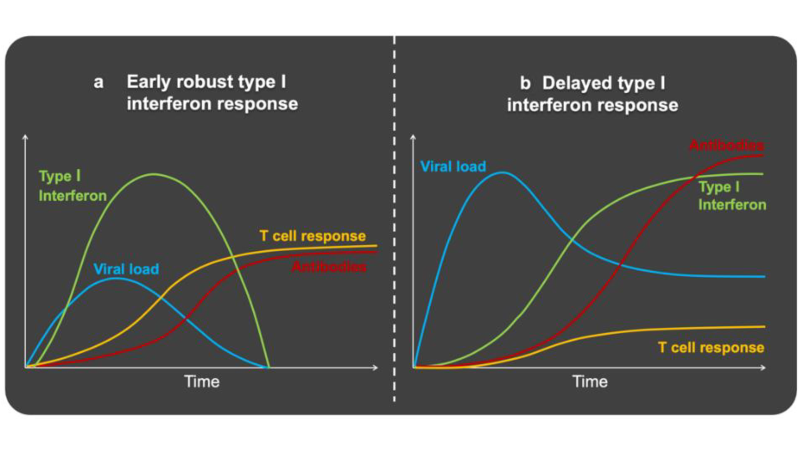
The SARS CoV2 virus interferes with a crucial component of the the initial (innate) immune response, the production of interferon 1 and the signaling of interferon one to immune cell mediators as depicted in this graphic.

SARS CoV2 on the left is compared to Virus X on the right. On the left interferon 1 (IFN) production and signaling is blocked by the virus, interfering with an effective and controlled immune response, on the right IFN is not blocked. A cascade of events results in TOO LITTLE, TOO LATE, AND THEN TOO MUCH of an immune response, producing a cytokine storm.

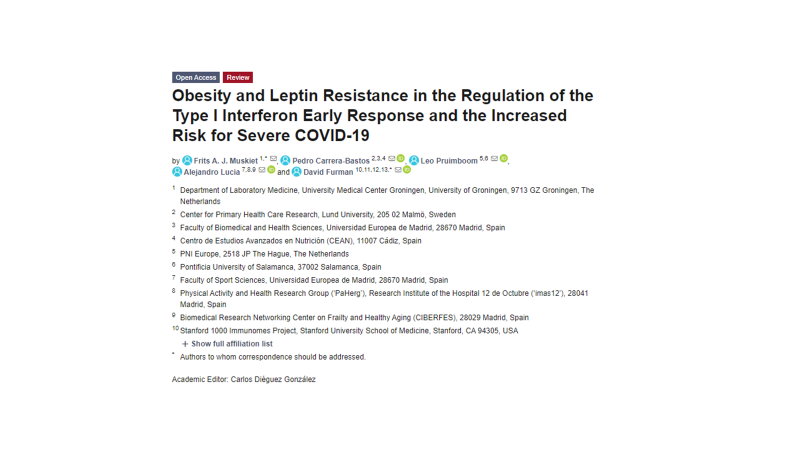
Obesity, insulin and leptin resistance, also interfere with the production and signaling of interferon. The result is that people with insulin and leptin resistance (pre-diabetes, Type 2 Diabetes as well as sarcopenia) experience a double hit. First the virus itself disrupts the immune response and superimposed upon the viral effect is the effect of insulin and leptin resistance on the immune response.

SOCS: suppressor of cytokine signaling. Several recent viral studies have shown that viral genes can hijack SOCS1 to inhibit host antiviral pathways, as a strategy to evade host immunity
On the left Interferon production and signaling are normal and a successful immune response is mounted. On the right the presence of insulin and leptin resistance, associated with obesity results in an initial inadequate response and a late excessive response. TOO LITTLE, TOO LATE, THEN TOO MUCH.

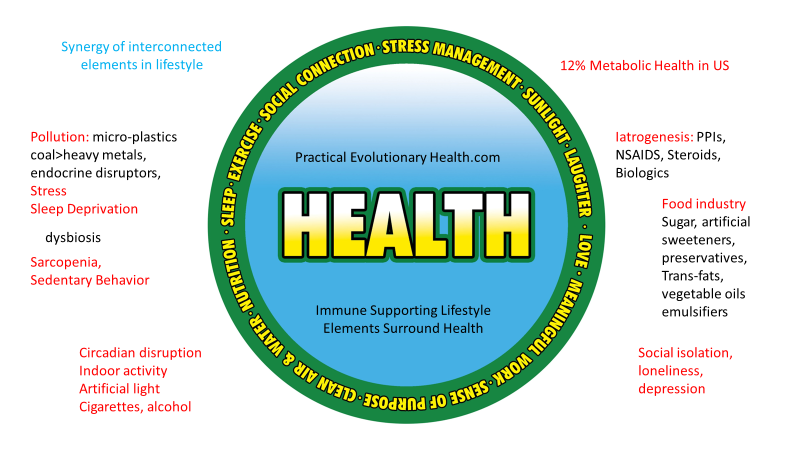
Factors that can quickly impact insulin and leptin resistance include all the components of an ancestral lifestyle depicted in my website graphic. A paleolithic or ancestral diet that eliminates sugar added foods and beverages, replacing those empty calories with nutrient dense foods, exercise, adequate restorative sleep, stress reduction, avoidance of environmental toxins, social connection. All of these affect health in general, mitigate insulin and leptin resistance, and support a balanced immune response to viral infection. The circle of health depicted below is surrounded by the many deleterious aspects of modern living. Thus, a mismatch between our evolutionary biology and present day life.

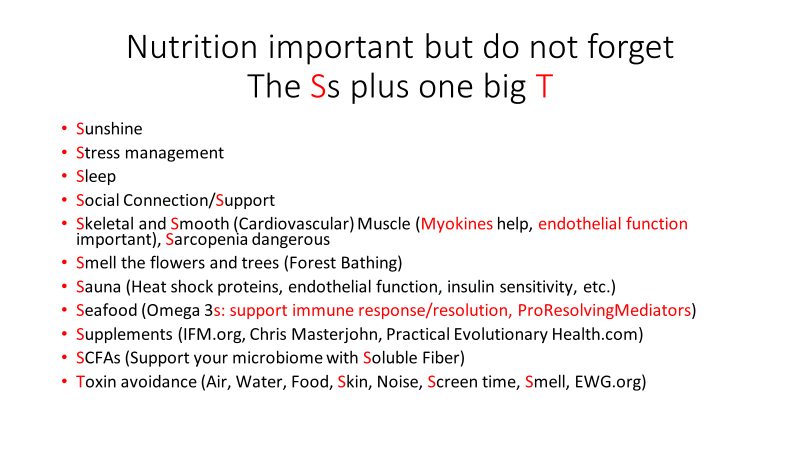
Here is a slide from my lecture that lists many lifestyle factors that can impact infection with any virus, including SARS CoV-2

My lecture also included discussion of Long COVID, theories of etiology and pathophysiology which will be discussed in my next post.

For the full lecture which is about 34 minutes long, please follow the link above.

THIS WEBSITE PROVIDES INFORMATION FOR EDUCATIONAL PURPOSES ONLY. CONSULT YOUR HEALTH CARE PROVIDER FOR MEDICAL ADVICE.

Eat clean, drink filtered water, love, laugh, exercise outdoors in a greenspace, get some morning sunlight, block the blue light before bed, engage in meaningful work, find a sense of purpose, spend time with those you love, AND sleep well tonight.

Doctor Bob
COVID 19: Link to Vitamin D status. Should doctors prescribe sunshine?

Preliminary (not yet peer reviewed) data on mortality rates with COVID-19 infection from Indonesia show a dramatic increase in death rates associated with low vitamin D status.

Relative Risk of DEATH Corrected for age, sex, and co-morbidities

Vitamin D level (ng/ml)


10.1 <20
7.6

21-29


1


>= 30

Prabowo, Patterns of COVID 19 Mortality and Vitamin D, Indonesian Study, Ap 26, 2020 BMJ

This study was a retrospective cohort study of 780 cases of laboratory confirmed COVID-19 in Indonesia. Age, sex, co-morbidity (hypertension, diabetes, obesity etc.) and Vitamin D levels were extracted from medical records. The differences between patients with various levels of vitamin D were statistically significant and CLINICALLY SIGNIFICANT.

If there were a drug that reduced mortality by 10 fold it would be a best-seller/blockbuster drug.

“When controlling for age, sex, and comorbidity, Vitamin D status is strongly associated with COVID-19 mortality outcome of cases.”

Association does not equal causation but this profound degree of association warrants further consideration. Is it possible that Vitamin D insufficiency could cause such a profound influence on death rates with a viral infection?

Before we answer that question let’s look at some other data. Risk of death with COVID-19 dramatically changes with latitude (sunlight exposure reflecting Vitamin D making capability):

Latitudes Hospitalizations COVID-19 Deaths COVID-19
Northern 22% 5.2%
Equator 9.5% 3.1%
Southern 8.7% 0.7%

You can read about this data here.

The authors state:

“Although it is more likely that any protective effect of vitamin D against
Covid19 is related to suppression of cytokine response and reduced severity/risk for ARDS, there is also evidence from a meta-analysis that regular oral vitamin D2/D3 intake (in doses up to 2000 IU/d without additional bolus), is safe and protective against acute respiratory tract infection, especially in subjects with vitamin D deficiency. It therefore seems plausible that Vitamin D prophylaxis (without over-dosing) may contribute to reducing the severity of illness caused by SARS-CoV-2, particularly in settings where hypovitaminosis D is frequent. This will include people currently living in Northern countries and those with underlying gastroenterological conditions where vitamin D deficiency is more prevalent. This may become even more important with absence of sunlight exposure as a consequence of “shut-down” measures to control the spread of Covid19. For this to be effectively implemented will require worldwide government guidelines, and further studies looking at possible impacts of vitamin D deficiency on Covid-19 outcomes are urgently needed.”

Plenty of references are provided for their discussion so I encourage you to not only read the publication but further explore their references.

The importance of Vitamin D for proper immune function has been well studied and known for a long time.

“Vitamin D metabolizing enzymes and vitamin D receptors are present in many cell types including various immune cells such as antigen-presenting-cells, T cells, B cells and monocytes. In vitro data show that, in addition to modulating innate immune cells, vitamin D also promotes a more tolerogenic immunological status. In vivo data from animals and from human vitamin D supplementation studies have shown beneficial effects of vitamin D on immune function, in particular in the context of autoimmunity”

“Especially in the field of human immunology, the extra-renal synthesis of the active metabolite calcitriol—1,25(OH)2D—by immune cells and peripheral tissues has been proposed to have immunomodulatory properties similar to locally active cytokines”

Now consider this startling fact. At the turn of the century (2001-2004) 70% of the US population over age 12 had 25 Hydroxy-Vitamin D levels LESS THAN 30 ng/ml. 

And the situation has not improved since that study. In the chart above that places 70% of the US population in the groups with 7.6 to 10.1 times increased risk of death from COVID 19 compared with those having “normal” levels (>30 ng/ml).

Conclusions

“National data demonstrate a marked decrease in serum 25(OH)D levels from the 1988–1994 to the 2001–2004 NHANES data collections. Racial/ethnic differences have persisted and may have important implications for known health disparities. Current recommendations for vitamin D supplementation are inadequate to address the growing epidemic of vitamin D insufficiency.”

Multiple studies on COVID-19 have shown higher mortality rates amongst blacks. Although this is likely related to many socio-economic and nutritional factors, blacks have consistently shown significantly lower Vitamin D levels in the US compared with other ethnic/racial groups.

During the 2009 Viral Pandemic, death rates were observed to increase with distance from the equator, similar to the COVID-19 observations.

Death rates from COVID-19  in ITALY, where Vitamin D status is much lower compared to the rest of Europe, have been higher than other countries in Europe.

And a large report on Vitamin D status in Europe and the Middle East states:

“A low vitamin D status was also associated with increased mortality risks as extensively reviewed”  with references (327206209).

A brilliant video podcast on the relationship between Vitamin D and COVID-19 can be viewed here.

And if you wish to further explore the health effects of Vitamin D you can watch this:

Insufficient Vitamin D levels are associated with almost every risk factor for Morbidity and Mortality with COVID-19 including Diabetes, Insulin Resistance, Obesity, Hypertension and Cardiovascular Disease.

Many of the concerns covered in Ivor Cummin’s podcast above have been covered in previous posts here including the importance of Vitamin K2 and other fat soluble vitamins, the importance of SUNSHINE for general health and immune function, and the importance of a nutrient dense whole food diet rich in wild seafood and grass fed animal sources of protein. Almost every cell in the body has receptors for Vitamin D. The most beneficial sources of Vitamin D include sunshine and food sources. Supplementation is often necessary to achieve levels above 30 ng/ml, especially during the winter months (when respiratory viruses strike) and increase with distance from the equator.

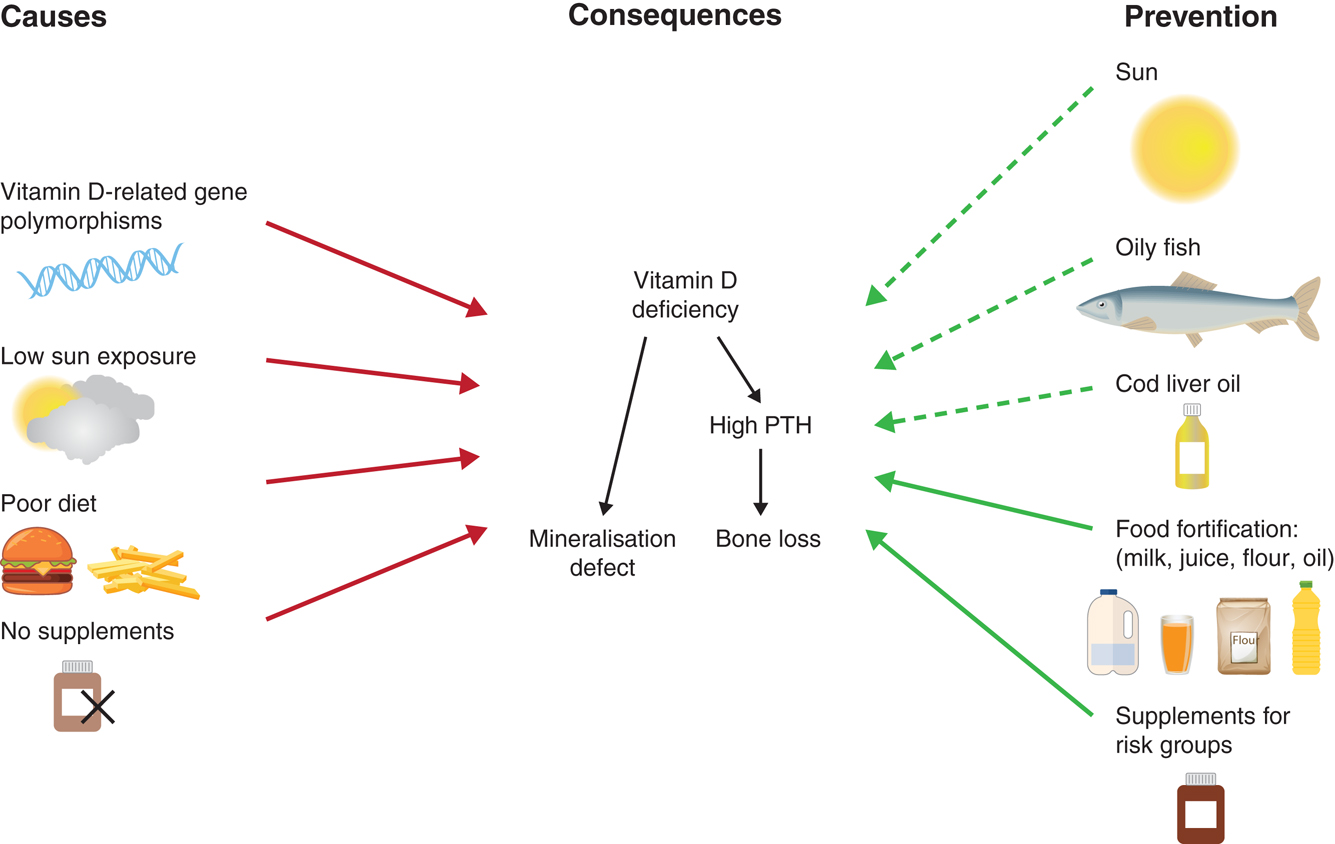
The deleterious effects of inadequate Vitamin D cannot be overstated. The consequences below only address the effects of Vitamin D insufficiency on bone health but the causes and prevention are important to understand. Vitamin D deficiency = Immune Deficiency and is likely strongly and causally related to increased risk of death with COVID-19.

Vit D status, sources.jpeg


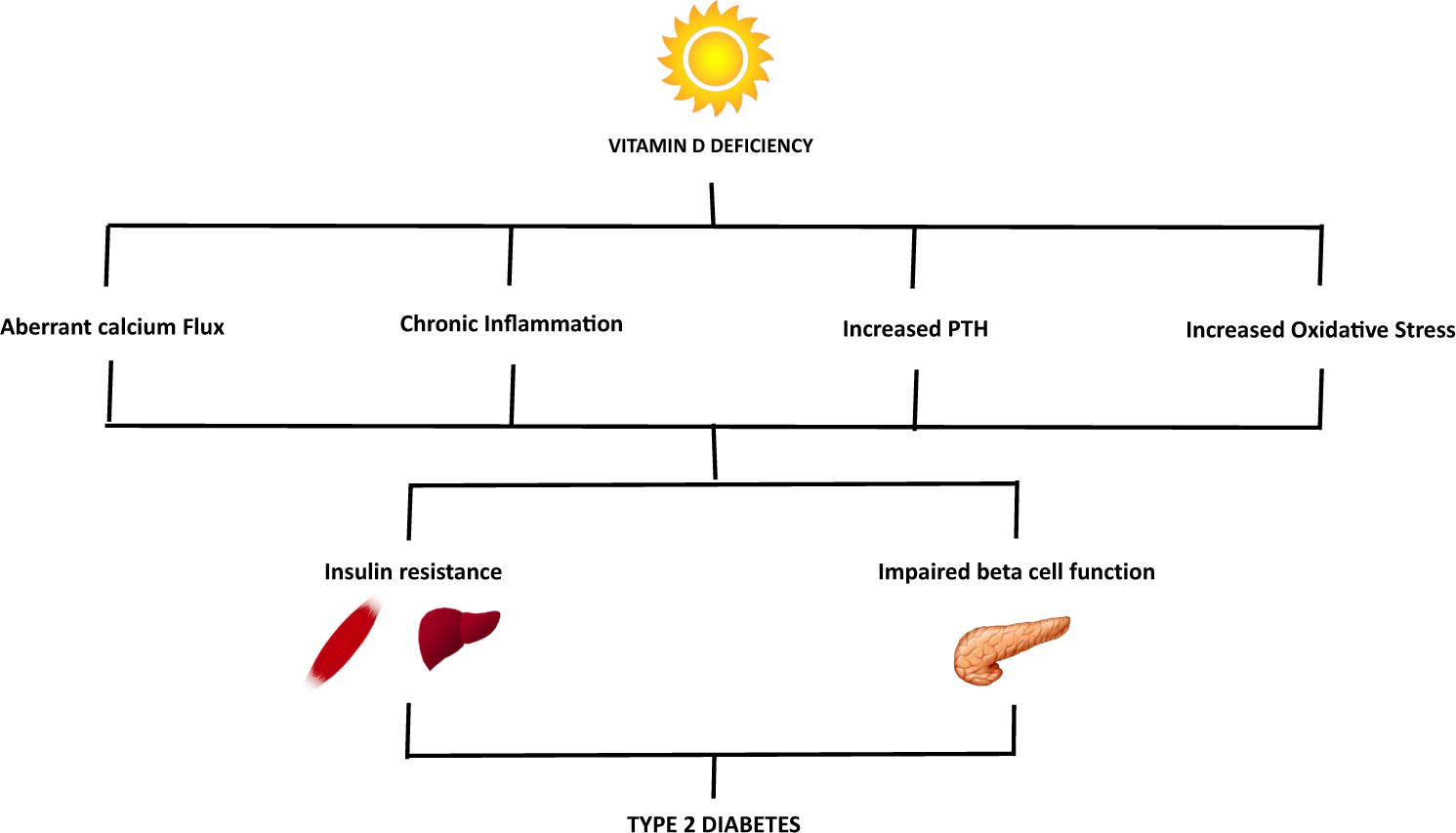
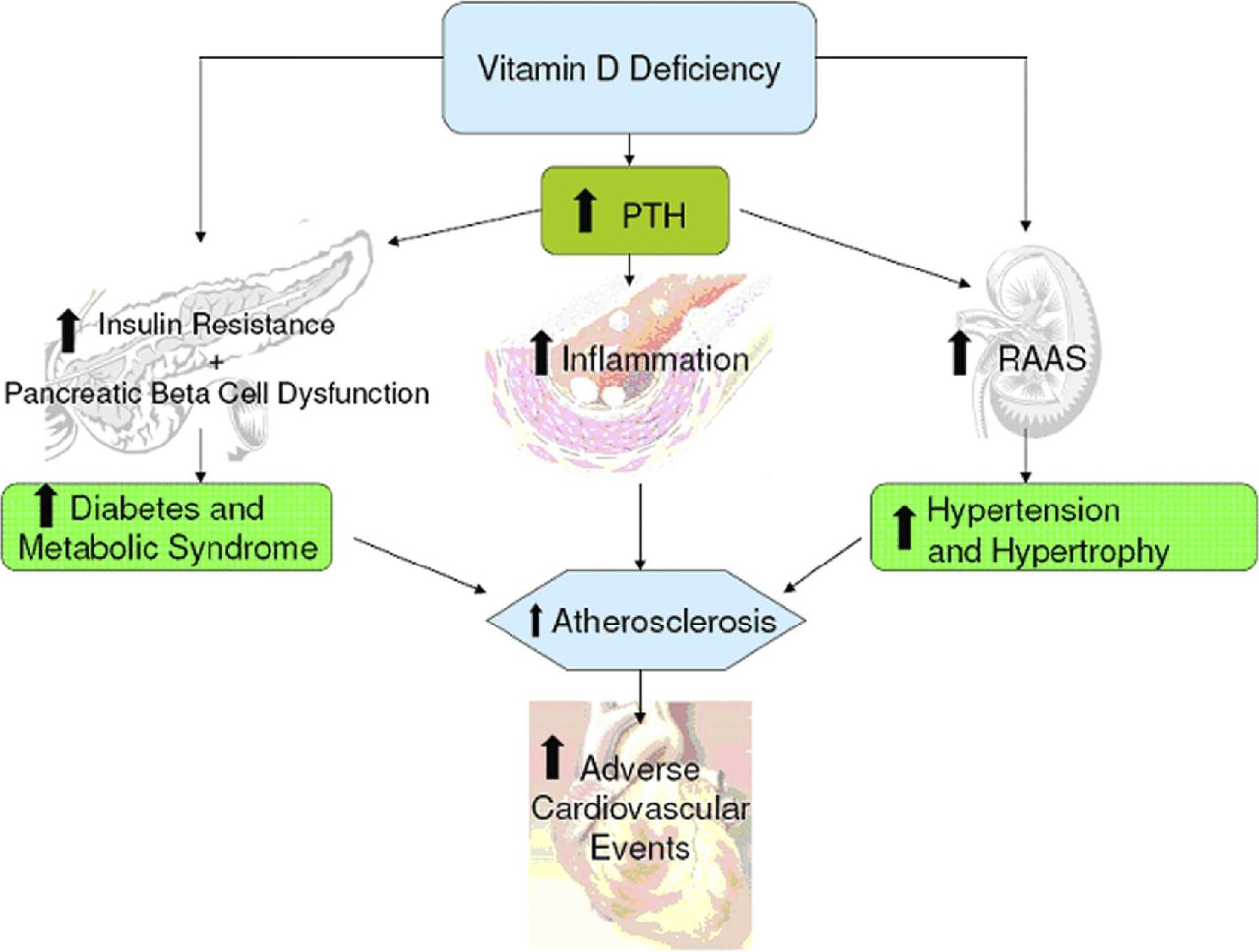
Here is an image that links Vitamin D deficiency to Diabetes, inflammation and oxidative stress:

inflamation, PTH, Oxidative stress, calcium, IR, DM2.png

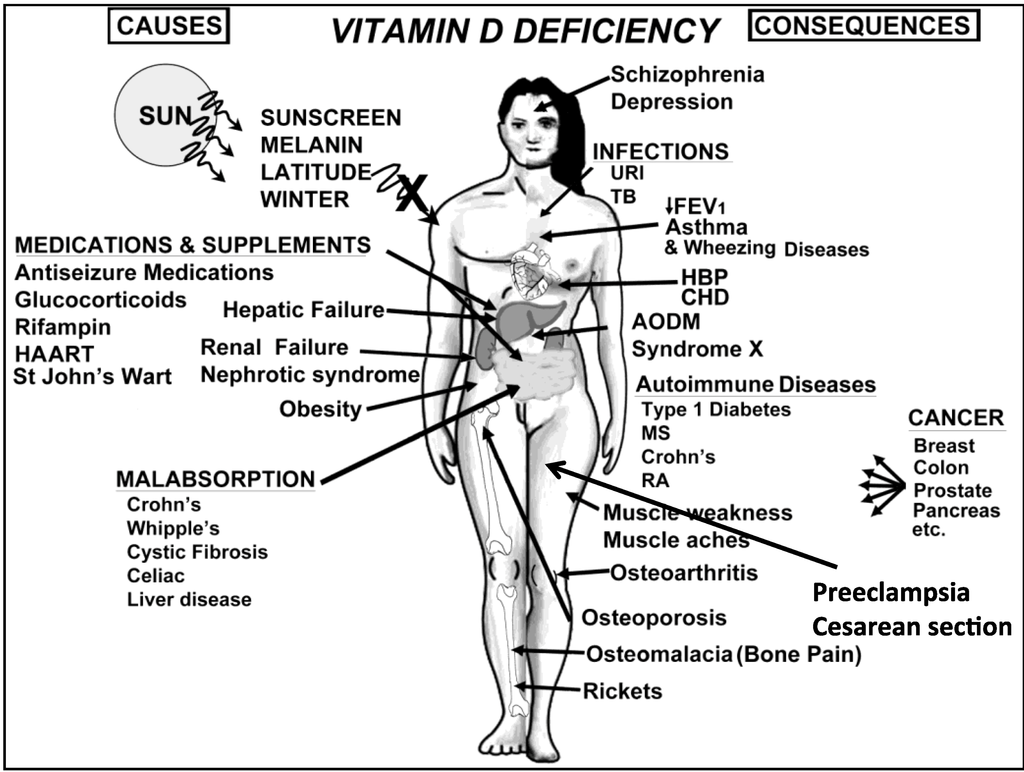
And here is a good description of the consequences of inadequate Vitamin D.

vitamin-d-deficiency-causes and consequences.png

So what do you think? Is it possible that Vitamin D insufficiency could cause such a profound influence on death rates with a viral infection? Lets look a little closer.

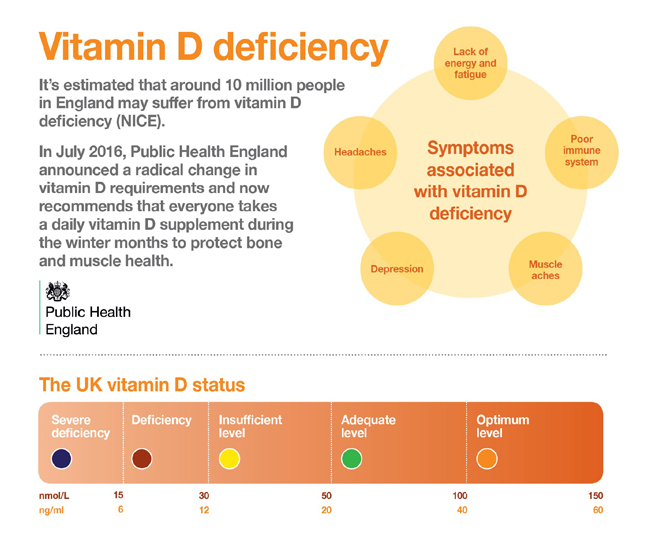
The Public Health system in UK has been concerned about Vitamin D deficiency:


vitamin-d-deficiency-symptoms UK Public Health.jpg

And once again here is how inadequate Vitamin D interacts with the co-morbidities that are unequivocally associated with increased death rates associated with COVID-19 infection.

Vit D and inflammation.jpg

PTH is parathyroid hormone. The RAAS above refers to the renin-angiotensin system hypertension effects mediated through the kidney. The chronic inflammation associated with inadequate Vitamin D leads to atherosclerosis and cardiovascular events, diabetes, insulin resistance, metabolic syndrome which all have positive feedback effects on each other. They all increase risk of death with COVID-19.

Again I ask, what do you think? Is it possible that Vitamin D insufficiency could cause such a profound influence on death rates with a viral infection?

Res-Ipsa-Loquitur.jpg

(The thing speaks for itself)

RX from the doctor could read:

Sunbath for 15 minutes daily between 1100 AM and 1 PM (wear a hat, sunglasses, bathing suit optional depending on circumstances and privacy)

Eat fatty fish frequently.

Get your 25 hydroxy-vitamin D levels checked, if < 30 ng/ml increase the above.

Supplement in the winter.

Further reading can be found here:

Vitamin D Insufficiency is Prevalent in Severe COVID-19

The Possible Role of Vitamin D in Suppressing Cytokine Storm and Associated Mortality in COVID-19 Patients

Vitamin D Supplementation Could Possibly Improve Clinical Outcomes of Patients Infected with Coronavirus-2019 (COVID-2019)


Latitude Dependence of the COVID-19 Mortality Rate—A Possible Relationship to Vitamin D Deficiency?


Vitamin D supplementation could prevent and treat influenza, coronavirus, and pneumonia infections


low population mortality from COVID19 in countries south of latitude 35 degrees North–supports vitamin D as a factor determining severity


Covid19, and vitamin D

THIS WEBSITE PROVIDES INFORMATION FOR EDUCATIONAL PURPOSES ONLY. CONSULT YOUR HEALTH CARE PROVIDER FOR MEDICAL ADVICE.

Eat clean, drink filtered water, love, laugh, exercise outdoors in a greenspace, get some morning sunlight, block the blue light before bed, engage in meaningful work, find a sense of purpose, spend time with those you love, AND sleep well tonight.

Doctor Bob


Study shows only 12% of US adults are metabolically healthy!

What does this mean? The authors of this study looked at several important markers of health: waist circumference, fasting blood sugar, hemoglobin A1c, blood pressure, triglycerides, HDL, and whether someone was taking any medication related to these markers. They used data from the National Health and Nutrition Examination Survey 2009-2016. Only 12.3% of US adults qualified as healthy on all measures. So how did we get into this horrible situation?

Let’s step back and look at modifiable factors that play into these health measures.

  • Adequate restorative sleep
  • Stress
  • Nutrition
  • Exercise
  • Sunlight (Vitamin D)
  • Social connection
  • Environmental toxins
  • Rest

I have discussed the importance of sleep in several posts. Following this link you will find recommendations for good sleep habits that can enhance the quality and duration of your sleep.

If you have not watched Dan Pardi’s discussion of “HOW TO OPTIMIZE LIGHT FOR HEALTH” I recommend you watch this.

STRESS

Stress reduction is a huge topic. Managing stress involves so many areas it deserves a separate discussion. But here are some basics. Getting adequate sleep is the place to start. Activities like Meditation, Yoga, moderate exercise (walking outdoors in a green space) Tai Chi, music, practicing Mindfulness, and spending time with family and friends are all potential avenues to reduce the deletrious effects of stress in our lives.

NUTRITION

I have presented one approach to an anti-inflammatory diet  and if you have not read through the details just follow the link. The low hanging fruit begins with elimination of processed foods, sweetened beverages, and pro-inflammatory “vegetable oils” (OILS made from corn, soy, cottonseed, safflower, sunflower, canola, margarine). EAT WHOLE FOODS.

TO LEARN ABOUT THE ILL-EFFECTS OF “VEGETABLE OILS” LISTEN TO NINA:

EXERCISE

My post about exercise as medicine can be found here. 

The best way to exercise is to play as described by my friend Daryl Edwards in his TED talk.


Most Americans do not get enough, but some get too much. Moderation is important.

SUNLIGHT

Getting outdoor light exposure early in the day and avoiding the deleterious effects of artificial light in the evening (wear blue light blocking glasses in the evening) are two important ways to get the most benefit from light exposure, improve your sleep and enhance your Vitamin D level. Exercise outdoors in a green space provides more benefit than walking the treadmill indoors.

SOCIAL CONNECTION

Blue Zones are areas in the world that have the greatest numbers of individuals living to age 100. The climates and food varies among the various areas. They  all have two things in common. First is a high degree of social connection, strong family ties, lifelong friends. Social connection within a supportive community is arguably one of the most important factors affecting health, longevity, and healthspan. Second, they eat REAL WHOLE FOOD.

blue zones longevity hotspots.jpg


ENVIORNMENTAL TOXINS

Part of eliminating environmental toxins includes consuming organic fruits and vegetables and eating meat, poultry and eggs from hormone-free, antibiotic-free, free- range/pastured sources. (ALL PART OF AN ANCESTRAL/PALEO DIET) If you are not familiar with the “dirty dozen” and the “clean 15” head on over to EWG.org where you will learn not only about what foods have the most/least residual pesticides, but also what personal care products and household cleaners are safe for you and your family.

WATER: Because humans have spent the last 4-5 decades polluting our air and water there is probably no water supply that is totally free of enviornmental toxins. To minimize your consumption of enviornmental toxins, filter your drinking water through a high quality system.

REST

Matthew Redlund MD has written a great book “THE POWER OF REST”. Here he discusses why sleep is not enough.

The fact that only 12% of American adults are metabolically healthy should be cause for great alarm. All chronic and degenerative  diseases including dementia, heart disease, stroke, arthritis and cancer rise as metabolic health deteriorates.

Remember, this website offers educational information only. Consult your health care provider for medical advice.

Sleep well, exercise outdoors, laugh, love, engage in meaningful work, drink filtered water, eat clean, eat whole foods, get plenty of sunshine, spend time with those you love.

Doctor Bob


Ketogenic Diet, Keto-Medicine

I have spent a few days watching lectures from various low-carb-healthy-fat meetings. There is an impressive amount of solid clinical data to support Very Low Carb (with healthy fat)  diets to treat obesity, insulin resistance, diabetes, pre-diabetes, metabolic syndrome, and seizure disorders. Eric Westman MD, author, Associate Professor of Medicine, Past Chairman of the Obesity Medicine Association,  and director of Duke University Lifestyle Medical Clinic gave an impassioned and authoritative talk on the success of LCHF in treating all of these disorders here.


Dr. Steven Phinney,  Professor Emeritus UC Davis and presently Chief Medical Officer for VIRTA has given numerous talks on the beneficial effects of a ketogenic diet. He and Jeff Volek Ph.D. have done research for decades on the physiology of low carbohydrate diets. They elucidated the changes that occur in high level athletes as they adapt to burning fat as their major fuel source during and after a period of “fat adaptation”. It turns out that endurance athletes, after a period of 1 to 3 months of adaptation to a low carb-high fat diet (variable from person to person) perform at equal or higher levels as compared to their performance when previously on a high carbohydrate diet. In fact, because lean athletes have much greater energy stored in fat as compared to glycogen (carbohydrate) they can go for many hours longer than an athlete who is dependent on carbohydrate metabolism (not fat adapted). Glycogen is the starch source of energy that humans store in the liver (100 grams) and in muscle (400 grams). Compared to glycogen, fat stores in lean individuals, including buff athletes,  can provide more than 10 times the amount of energy. Endurance athletes who are keto-adapted (fat burners) can ride a bike all day or run an ultra-marathon (100 miles) without taking in any energy source. (They must of course replace fluid and electrolytes). Whereas athletes who have followed a traditional high carb diet must start consuming calories after about 3 hours of moderate-high intensity exercise. Doctors Phinney and Volek have done clinical research on humans with obesity, pre-diabetes and diabetes and they have demonstrated superior results when compared to any other dietary approach.

You can learn about their work here:

And here:

So what is this all about? If carbohydrates are restricted to very low levels and instead we consume (healthy) fat as our major source of energy with moderate amounts of protein, then the human body starts to burn fat. This process results in the production of ketones (in the liver) which serve not only as a source of energy but also act as “signaling” molecules that turn on beneficial genes that fight inflammation and turn off genes that produce inflammation. When a well formulated ketogenic diet is followed under medical supervision, diabetics can often get off most or all of their diabetes medications within weeks to months as they lose weight. Improvements are seen quickly in blood pressure, fasting blood sugar, liver function tests, insulin sensitivity, inflammatory markers, subjective energy levels, mental clarity and mood. Triglycerides are reduced, HDL increases, and improvements are seen in the “atherogenic profile” with reductions in small dense LDL particles with a shift to large buoyant LDL particles. On a ketogenic diet humans spontaneously consume lower caloric intake because fat and protein are more satiating compared to carbohydrate. Circulating saturated fat in the blood DECREASES on a keto-genic diet. Refined carbohydrates and sugar (so prevalent in processed foods) produce increased circulating fat in the blood and increased fat storage throughout the body, often leading to fatty liver disease and the long list of chronic diseases caused by and associated with insulin resistance.

A ketogenic diet is also part of Dr. Dale Bredesen’s effective treatment program for early dementia (ReCoDe-Reversal of Cognitive Decline). I have discussed Dr. Bredesen’s approach before. Here is one of his discussions.

You can read Dr. Bredesen’s report of 100 patients who have reversed cognitive decline using a ketogenic diet as PART of the ReCoDe program here.

So what are the healthy fats in a low carb high fat diet?

They include fats found in whole foods such as nuts and avocados, pasture raised animals free of hormones and antibiotics, free range poultry and eggs, wild fish and seafood (avoiding large fish that have high mercury levels), extra virgin olive oil, avocado oil, butter from pastured grass-fed animals, and coconut oil. (yes butter is included despite that fact that strict paleo excludes dairy)

You should avoid all of the processed/refined oils that come from seeds, grains and legumes including soy oil, corn oil, cottonseed oil, canola oil, safflower oil, sunflower oil, sesame oil. You can learn why these (misnamed) “vegetable oils” are dangerous and how they were marketed to an unwitting public with the help and support of faulty science by listening to Nina Teicholz here:

There are many great lectures about the low-carb-high-fat ketogenic diet in addressing obesity, insulin resistance, pre-diabetes, metabolic syndrome, diabetes, seizures and more. Go to youtube and search “keto diet”, “low carb high fat”.

Before I sign off I will provide one more link:

Remember, this website offers educational information only. Consult your health care provider for medical advice.

Sleep well, exercise outdoors, laugh, love, engage in meaningful work, drink filtered water, eat clean, eat whole foods, get plenty of sunshine, spend time with those you love.

Doctor Bob


Exercise as Medicine

For many chronic health problems, regular exercise is more effective than any drug.

Exercise as Medicine is a major movement at John’s Hopkins School of Medicine.

You can visit this website for links to many topics on the benefits of exercise.

You can find the top 10 things you need to know about exercise here. They include the following evidence based recommendations from the Physical Activity Guidelines for Americans.

any amount of physical activity has some health benefits. Americans can benefit from small amounts of moderate-to-vigorous physical activity throughout the day.

The benefits of exercise are cumulative, walk 10 minutes 3 times per day and you get the same benefit as a 30 minute walk. Walk  5 minutes 6 times and the benefit equals that of 30 minutes continuous walking. So you can break up your exercise in little pieces throughout the day. No requirement for a specific long period devoted to exercise.

New evidence shows that physical activity has immediate health benefits. For example, physical activity can reduce anxiety and blood pressure and improve quality of sleep and insulin sensitivity.

Exercise improves cognition, decreases cancer risk, decreases risk of depression, hypertension, diabetes, stroke and heart disease. It lowers risk of falls and injuries from falls. It decreases pain and helps a variety of conditions. Exercise reduces all cause mortality (death rates from all causes)

Here are some direct quotes from the second edition of the  Physical Activity Guidelines.

  • For youth, physical activity can help improve cognition,* bone health, fitness, and heart health. It can also reduce the risk of depression.
  • For adults, physical activity helps prevent 8 types of cancer (bladder,* breast, colon, endometrium,* esophagus,* kidney,* stomach,* and lung*); reduces the risk of dementia* (includingAlzheimer’s disease*), all-cause mortality, heart disease, stroke, high blood pressure, type 2 diabetes, and depression; and improves bone health, physical function, and quality of life.
  • For older adults, physical activity also lowers the risk of falls and injuries from falls.*
  • For pregnant women, physical activity reduces the risk of postpartum depression.*
  • New evidence shows that physical activity can help manage more health conditions that Americans already have. For example, physical activity can decrease pain for those with osteoarthritis, reduce disease progression for hypertension and type 2 diabetes, reduce symptoms of anxiety and depression, and improve cognition for those with dementia, multiple sclerosis, ADHD, and Parkinson’s disease.

You can choose from a variety of TEDtalks on exercise here.

I particularly enjoyed my friend Darryl Edwards talk here.


So sleep well, exercise often, eat clean, filter your water, avoid environmental toxins, get plenty of sunshine, and most important of all, stay connected with friends and family.

Doctor Bob


Can LED light bulbs, computer screens and TV make your pain worse?

The answer is probably yes.

The mechanism(s) go like this:

Exposure to full spectrum light in the evening > reduces quantity and quality of restorative sleep which in turn > increases chronic inflammation and contributes to depression both of which make pain worse.

Exposure to full spectrum light in the evening also > reduces nitric oxide production > which increases blood pressure and risk of cardiovascular disease and metabolic disorders.

In animal studies interruption of circadian rhythm with artificial light exposure when the animal would typically be sleeping decreases memory capacity.

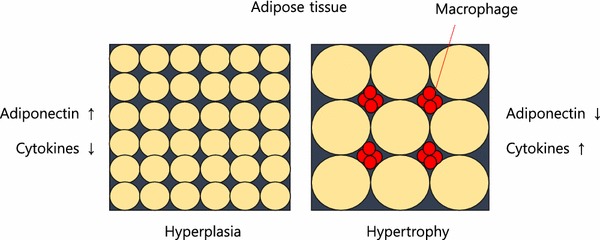
And fat tissue has specific receptors for light which alters fat storage. Increased visceral fat produces more inflammatory cytokines and chemokines which sensitize pain fibers and increase inflammation throughout the body.

Exposure to artificial light in the evening even worsens the grades of children in school.

Adequate restorative sleep is so important that I prescribe all patients with chronic pain 2 pages of  sleep hygiene recommendations.

To optimize your circadian rhythm get some early morning light exposure (without sunglasses) before 12 noon and at sundown reduce your ambient light exposure to mimic the natural light outdoors. Sleep in absolute darkness and wear blue light blocking glasses in the evening.

You can learn more about this topic by listening to a 12 minute TEDtalk by Dan Pardi who does research in the Circadian LAB at Stanford.

Hat tip to Tommy Wood for bringing this TEDtalk to my attention.

Sleep well.

Doctor Bob.

Sleep! You can’t live without it.

Circadian rhythm refers to the cycling of hormones according to the time of day. Every hormone cycles with daylight and darkness, each in it’s own way. Our brain has a master clock, called the circadian clock, controlled by specialized cells deep in the brain. There is a direct connection from our retina (in the back of the eyes) to the circadian clock in the brain. Blue light (part of the normal outdoor spectrum of light) stimulates very specific receptor cells in the retina which in turn communicates directly with the circadian clock telling the brain whether it is day or night. To synchronize our hormones and achieve restorative sleep, we must get outdoor light exposure to our eyes (without sunglasses, early in the day) and limit light exposure in the evening.

Artificial light, especially from cell phones and other devices that emit intense blue light, shift work, late night social activity, poor eating habits, sedentary lifestyle and at the opposite extreme, late evening workouts,  can all disrupt our circadian rhythm preventing adequate restorative sleep. A rare genetic illness called fatal insomnia that strikes adults at middle age prevents sleep and results in death within a few months, highlighting the importance of sleep. Sleep deprivation can kill a human quicker than starvation! Adequate amounts of deep non-REM sleep are required for tissue regeneration, healing, DNA repair and immune function. REM sleep with dreaming provides great benefit by organizing our memory, discharging the emotional content of traumatic events, and facilitating creative brain activity. One night of short-sleep produces a state of inattention and slow reflexes as dangerous as driving under the influence of alcohol intoxication. Chronic  short sleep and disrupted circadian rhythm results in increased risk of depression, cancer, hypertension, diabetes, dementia, obesity, metabolic syndrome, insulin resistance, heart attack and stroke, to name a few. Sleep interruption immediately halts weight loss during a calorie restricted diet (likely the result of hormonal disruption). So getting an adequate amount of restorative sleep every night is essential to good health. Here a few tips to help achieve a good night’s sleep each and every night.

  1. GET OUTDOOR LIGHT EXPOSURE ON YOUR EYES WITHOUT SUNGLASSES EVERY DAY, EARLY IN THE DAY. This helps set your biologic/circadian clock. Even on a cloudy day, outdoor light is much stronger and natural than indoor light. It is essential for setting your biologic/circadian clock. If you cannot get outside, stand or sit in front of a large window for 20-30 minutes in the morning, looking outside. Take a lunch break outside without sunglasses. Wear a shade hat instead of sunglasses. Your brain needs to experience natural outdoor light during the day.
  2. Avoid bright light in the evening, especially the light from TV, computer screens, cell phones, which all emit intense blue light and trick your brain into thinking it is daytime. Wear blue light blocking glasses/goggles for 2-3 hours before bed. (Amber tinted glasses which block blue light can be purchased on-line and can be worn over reading glasses) There is also software available that will decrease the blue light intensity of computer screens and cell phones in the evening.
  3. Practice time restricted eating. Limit all eating to an eight hour period, thus providing for an over-night fast of 16 hours. If that does not seem possible try to limit eating to a 10-hour period which provides a 14-hour overnight fast. This improves sleep, circadian rhythm, blood pressure, blood sugar and reduces stress hormones. NO SNACKS BETWEEN MEALS. NO FOOD FOR 2 HOURS BEFORE BED. For every hour decrease in eating time period from 12 hours to 8 hours you get health benefit.
  4. Eat an anti-inflammatory diet.
  5. If you snore, are overweight/obese, fall asleep during the day, or do not feel refreshed in the morning ask your doctor to order a sleep study. Obstructive Sleep Apnea makes restorative sleep impossible and increases risk of heart attack, stroke and most chronic diseases.
  6. Avoid alcohol altogether and avoid caffeine after late morning.  Alcohol in the evening may help you fall asleep but it results in a withdrawal from alcohol during the night. This disrupts normal sleep patterns.
  7. Sleep in a cold, dark, quiet room. Use black-out curtains, no night lights, no phone charger lights, no lights of any kind should be on in the room. Any amount of light in the room impairs the production of melatonin which facilitates sleep onset.
  8. Have a winddown time every evening. Develop habits of non-stressful activities, soft music, dim light, casual conversation, enjoyable reading. Do not spend evening time dealing with finances, conflict, or emotional activity.
  9. Try a magnesium supplement before bedtime. Magnesium glycinate, magnesium citrate, magnesium gluconate, are absorbed much better than cheaper supplements such as magnesium oxide. Magnesium L-Threonate is expensive, but it crosses the blood brain barrier into the brain with the greatest brain penetration of all magnesium supplements.
  10. Manage stress with yoga, meditation, regular exercise (but no intense exercise in the evening.) Perform most of your exercise outdoors in a green space. This provides much more health benefit than the equivalent exercise indoors.
  11. Regular contact with supportive family and friends is essential to health and reduces stress. The greatest predictor of health vs disease is the amount of social connectedness an individual experiences.
  12. Establish regular wake-up times and go-to-bed times. Regular sleep habits are essential. If you must rely on alarm clocks you do not have good sleep habits.

A few words about alcohol, caffeine and sleeping pills.

A drink or two in the evening may help you relax but it disrupts your sleep by causing a mild episode of alcohol withdrawal as your liver metabolizes the alcohol and your blood levels drop. Even this slight degree of alcohol withdrawal will impair a good night’s sleep.

Caffeine impairs sleep by blocking adenosine receptors in the brain. Adenosine is the neurotransmitter that increases gradually during the day creating a sate referred to as sleep pressure. Some people metabolize caffeine quickly, others slowly. The slower you metabolize caffeine the longer it takes to clear it from your adenosine receptors. Without adequate sleep pressure (adenosine receptors filled with adenosine in the brain) you cannot fall asleep. Many sleep experts recommend complete abstinence from caffeine and suggest that if you need caffeine to get started in the morning you are regularly sleep deprived.

Sleeping pills of all kinds interfere with normal sleep architecture. While they facilitate falling asleep, they impair your ability to achieve deep restorative stages of sleep and can produce many undesirable side effects including addiction, withdrawal symptoms, sleep walking, sleep driving, worsening of asthma and COPD, constipation, diarrhea, daytime drowsiness, burning and tingling sensations, unusual dreams, weakness, heartburn, etc…. Most importantly they all interfere with cycling through the various stages of sleep in a normal, restorative pattern!

If you want to explore these concepts in depth here are two excellent books that discuss sleep and circadian rhythm.

Why We Sleep, by Matthew Walker Ph.D.

The Circadian Code, by Satchin Panda Ph.D.

Eat clean, sleep well, spend time exercising out of doors, love one another.

Bob Hansen MD

Western Diet (high sugar, refined carbs, unhealthy fats) alters genes and causes inflammation

New study (in mice) shows fast food makes the immune system more aggressive in a detrimental way.

Major points:

  1. The immune system reacts similarly to a high sugar, high (unhealthy) fat and high calorie diet as to a bacterial infection.
  2. Unhealthy food seems to make the body’s defenses (innate immune system) more aggressive in the long term. Even long after switching to a healthy diet, inflammation towards innate immune stimulation is more pronounced.
  3. These changes may be involved in the development of arteriosclerosis and diabetes.
  4. These changes are due to alterations in gene transcription (up-regulation of genes associated with inflammation)
  5. This up regulation of pro-inflammatory genes persists even after converting to a healthier diet.

Read more at News from IRT

Here: Fast food makes the immune system more aggressive in the long term: Study shows that even after a change to a healthy diet, the body’s defenses remain hyperactive — ScienceDaily

And here Western Diet Triggers NLRP3-Dependent Innate Immune Reprogramming: Cell

This study is an example of epigenetics, where an environmental factor (diet) alters the expression of genes. We know that regular consumption of a variety of colorful vegetables mediates many beneficial effects and part of that process involves altering the transcription of many genes related to health and our ability to defend against Oxidative Stress .

The epigenetic effect of nutrition can be transmitted to the next generation.

The epigenetic effects of diet include many aspects of health including  cancer risk.

And epigenetic changes in humans can begin  before birth in response to maternal nutrition and maternal exposure to environmental toxins .

Diet also effects the gut microbiome, which in turn affects health .

So avoid fast food and other forms of processed-refined foods. Eat a whole foods-ancestral diet that includes a variety of organic colorful vegetables and fruits, grass fed/finished meats and wild seafood. This will not only provide important micro and macro nutrients but will also turn up and turn on genes that prevent disease.

Live clean, sleep well, laugh and love.

Doctor Bob

Don’t eat plastic foam in your food, another reason to avoid bread, bakery and flour foods

I recently came across an article at EWG.org, Nearly 500 ways to make a yoga mat sandwich | EWG

If you’ve planked on a yoga mat, slipped on flip-flops, extracted a cell phone from protective padding or lined an attic with foam insulation, chances are you’ve had a brush with an industrial chemical called azodicarbonamide, nicknamed ADA. In the plastics industry, ADA is the “chemical foaming agent” of choice. It is mixed into polymer plastic gel to generate tiny gas bubbles, something like champagne for plastics. The results are materials that are strong, light, spongy and malleable. “

Turns out, ADA is in nearly five hundred foods including breads, tortillas, bagels, pizza, hamburger buns, various pastries, hot dog rolls, sandwich buns, Italian bread, bread sticks, dinner rolls, croutons, english muffins, focaccia, wheat bread. Not all food producers include ADA in their products but many do, including fast food chains.

“Over the years, health activists concerned about synthetic chemicals in food have attacked the widespread use of ADA, but it did not attract nationwide headlines until Hari of Food Babe circulated a petition demanding that Subway, among the nation’s biggest fast-food outlets, stop using the chemical in its loaves. Subway responded [http://www.subway.com/subwayroot/about_us/PR_Docs/QualityBread.pdf] that ADA was safe, but even so, it had quietly been seeking a substitute over the past year. The company pointed out that ADA is “found in the breads of most chains such as Starbuck’s, Wendy’s, McDonald’s, Arby’s, Burger King, and Dunkin Donuts.” Those other fast food giants joined Subway on the defensive.”

So head on over to the environmental working group website by clicking the link above and educate yourself. The reasons to avoid flour foods continue to mount, glyphosate (roundup), ADA, obesity, auto-immune disease, metabolic syndrome, diabetes, heart attack, stroke, endotoxemia…..

Live clean, sleep well, love and laugh.

Dr. Bob