Category Archives: endocrine disruptors

The new dietary guidelines, a major improvement

The new Dietary Guidelines for Americans (DGA) represent a major improvement over previous guidelines. The storm of criticism registered by some “experts” and quoted by the media is NOT based on valid evidence. There has been excessive and irrational criticism over inverting the food pyramid, with animal sources of protein on the top. Until now recommendations for daily protein intake have been based upon estimates to avoid protein deficiency rather than optimization. The recommendations for 1.2-1.6 grams per kilogram bodyweight per day (up from 0.8 g/kg/day) is supported by data on muscle building, muscle maintenance and bone health (when combined with resistance exercise), especially for elderly individuals.

 Unfortunately, the 10% restriction on saturated fat remains, but the guidelines appropriately state that there is a lack of evidence to keep that restriction at 10% of caloric intake. The controversy over saturated fat remains despite meta-analyses of randomized controlled clinical trials that conclude that restriction of saturated fat has not been found to improve cardiovascular, metabolic, or cancer outcomes.

I doubt that those critical of the new DGA have read the 416-page appendices that document scientific references and explanations for each of the dietary recommendations. That’s right, 416 pages of narrative and scientific references are in the appendices of the DGA.

If you go here, you can download 4 documents including the Scientific Foundation Appendices (416 pages), the Scientific Foundation for DGA (90 pages), The Daily Servings Guide (3 pages) and the DGA (10 pages)

Here is an excerpt that is very useful.

How can you identify highly processed foods? Highly processed foods tend to have: 1. Refined grains and/or added sugars 2. Refined fats and oils 3. Long, complicated ingredient lists including chemical additives (e.g., artificial sweeteners, flavor enhancers, artificial colors, and emulsifiers). Examples are provided in Figures 4.3 and 5.8.

And a good explanation for why refined grains (any food made with flour) causes rapid and high blood sugar responses.

Refined Grains and Starches are Sugar • Refined grains are highly purified sources of starch. • Starches are long chains of glucose—a form of sugar. • During chewing and digestion, enzymes rapidly break down starch into glucose, raising blood sugar much like table sugar does. • Refined grain foods—white bread, crackers, breakfast cereals, chips, pastries, and pasta—can therefore act metabolically like sugar, delivering fast-absorbing carbohydrates with few nutrients or fiber to slow absorption. Take-home message: Refined grains are sugar in disguise. Choose whole grains, beans, or vegetables instead.

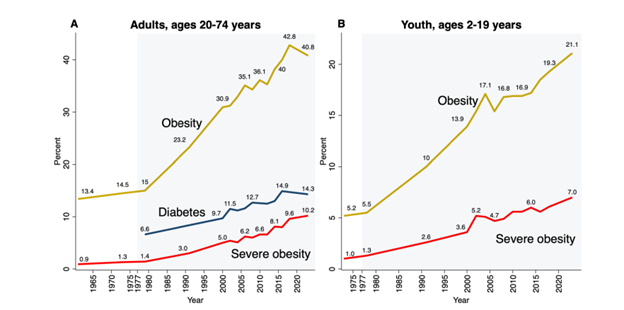
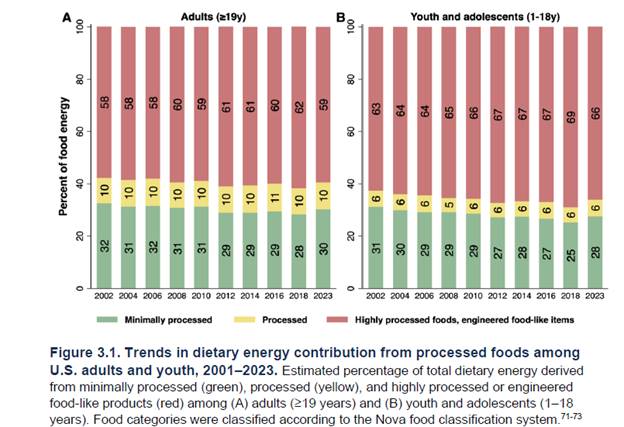
The following two graphics demonstrate the results of previous dietary guidelines that demonized healthy fats and animal sources of protein. The first shows the rise in obesity and diabetes but does not address the insulin resistance that evolves over decades before crossing the arbitrary threshold of diabetes, wreaking metabolic havoc long before diabetes occurs. The second graphic reveals how Americans consume 60% or more caloric intake in the form of refined carbohydrates (equivalent to sugar)
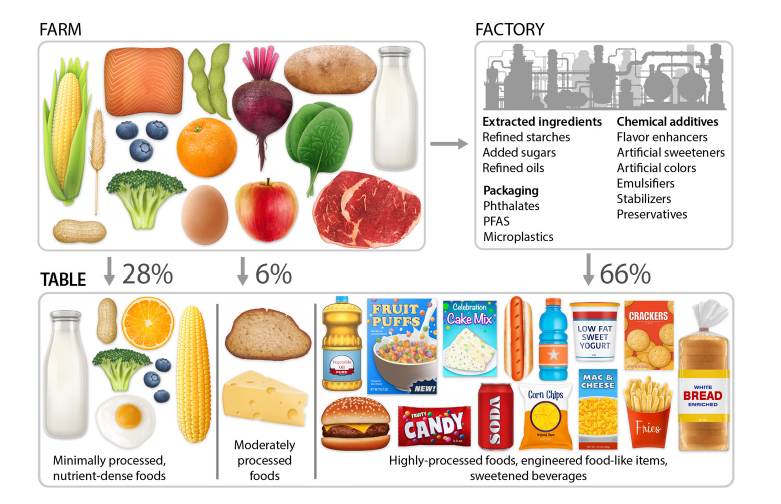
The following graphic displays the difference between minimally processed, moderately processed and highly processed foods according to the NOVA classification system (a system I will discuss and criticize in future posts). For now, suffice it to say that a simpler and more practical definition of “processed food” would include any food with one or more of the following: added sugar, artificial sweeteners, refined starch especially flour made from grains, refined “vegetable” oils, emulsifiers, artificial coloring, preservatives, and other additives found to disrupt the microbiome, intestinal barrier function or cause cancer. This graphic importantly covers the issue of food packaging which can contribute to the consumption of micro plastics, phthalates and PFAs
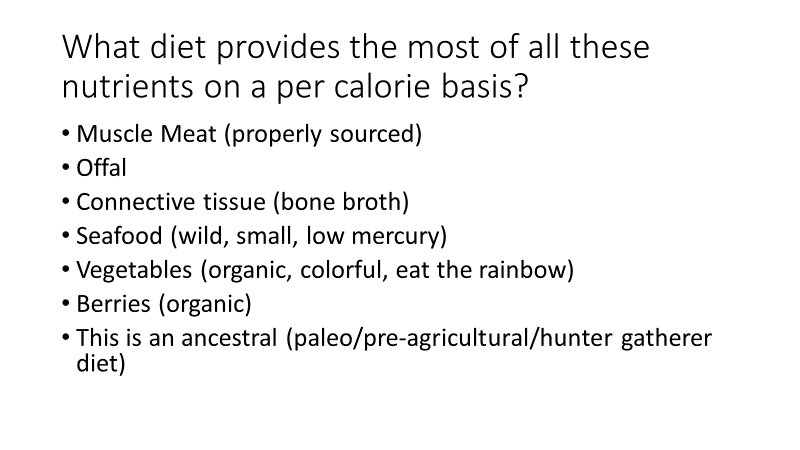
I have consistently advocated for a diet that consists of free-range meat, poultry, eggs, seafood (low mercury varieties), organic vegetables, fruits, nuts, seeds, an ancestral or paleo diet. The new DGA go a long way to produce evidence-based recommendations to help Americans eat healthy food. I continue to advocate for getting fiber from vegetables and fruits, eliminating grains, for reasons previously discussed but if you want to eat grains and are not gluten sensitive or suffer from celiac disease, consume the grains as a whole food, not in a food made from flour. “Whole grain bread” is not a whole grain food, nor is “whole grain” pasta. Once flour is made from grains the cellular components are destroyed producing a product with a glycemic index akin to sugar with the resultant metabolic disturbance which over the long run leads to insulin resistance, obesity and chronic disease.

If you want to consume dairy it makes much more sense to consume full fat fermented dairy foods instead of the low-fat dairy products advocated by prior DGA. The new DGA go into great detail to describe the nutrient deficiencies associated with vegan and vegetarian diets unless specific supplements are consumed. Specific recommendations for pregnant and breast-feeding mothers cover most important points as do age specific recommendations for infants and children. The importance of choline could have received a little more attention (best sources include eggs and liver). The importance of marine omega-3 fats (EPA, DHA, DPA) received adequate attention.

Overall, I consider the 2026 DGA a major improvement compared to previous iterations which ignored a large body of nutritional science.

The following references support my position on SFA and properly raised and prepared animal protein.

https://pubmed.ncbi.nlm.nih.gov/32562735/

Astrup A, Magkos F, Bier DM, Brenna JT, de Oliveira Otto MC, Hill JO, King JC, Mente A, Ordovas JM, Volek JS, Yusuf S, Krauss RM. Saturated Fats and Health: A Reassessment and Proposal for Food-Based Recommendations: JACC State-of-the-Art Review. J Am Coll Cardiol. 2020 Aug 18;76(7):844-857. doi: 10.1016/j.jacc.2020.05.077. Epub 2020 Jun 17. PMID: 32562735.

Reimara Valk, James Hammill, Jonas Grip, Saturated fat: villain and bogeyman in the development of cardiovascular disease?, European Journal of Preventive Cardiology, Volume 29, Issue 18, December 2022, Pages 2312–2321, https://doi.org/10.1093/eurjpc/zwac194

Associations of fats and carbohydrate intake with cardiovascular disease and mortality in 18 countries from five continents (PURE): a prospective cohort study Dehghan, MahshidDiaz, R et al. The Lancet, Volume 390, Issue 10107, 2050 – 2062

https://pubmed.ncbi.nlm.nih.gov/36216940/

Lescinsky H, Afshin A, Ashbaugh C, Bisignano C, Brauer M, Ferrara G, Hay SI, He J, Iannucci V, Marczak LB, McLaughlin SA, Mullany EC, Parent MC, Serfes AL, Sorensen RJD, Aravkin AY, Zheng P, Murray CJL. Health effects associated with consumption of unprocessed red meat: a Burden of Proof study. Nat Med. 2022 Oct;28(10):2075-2082. doi: 10.1038/s41591-022-01968-z. Epub 2022 Oct 10. PMID: 36216940; PMCID: PMC9556326.

Red and processed meat consumption and risk of incident coronary heart disease, stroke, and diabetes mellitus: a systematic review and meta-analysis Renata Micha1Sarah K WallaceDariush Mozaffarian, Circulation CIRCULATIONAHA.109.924977. Epub 2010 May 17. https://pubmed.ncbi.nlm.nih.gov/20479151/

Unprocessed Red Meat and Processed Meat Consumption: Dietary Guideline Recommendations from the Nutritional Recommendations (NutriRECS) Consortium Bradley C. Johnston, PhD, Dena Zeraatkar, Msc, et. al. Ann Intern Med 2019: 1:756-764 doi: 10.7326/M19-1621

Reduction of Red and Processed Meat Intake and Cancer Mortality and Incidence A Systematic Review and Meta-analysis of Cohort Studies Mi Ah Han, MD, PhD; Dena Zeraatkar, MSc; et. al., Ann Intern Med. 2019;171:711-720. doi:10.7326/M19-0699

Patterns of Red and Processed Meat Consumption and Risk for Cardiometabolic and Cancer Outcomes A Systematic Review and Meta-analysis of Cohort Studies Robin W.M. Vernooij, PhD*; Dena Zeraatkar, MSc Ann Intern Med.2019;171:732-741. doi:10.7326/M19-1583

Red and Processed Meat Consumption and Risk for All-Cause Mortality and Cardiometabolic OutcomesA Systematic Review and Meta-analysis of Cohort Studies Dena Zeraatkar, MSc, Mi Ah Han MD, PhD, et. al, Annals of Internal Medicine 1 October 2019: 171-710 doi: 10.7326/M19-0655

Effect of Lower Versus Higher Red Meat Intake on Cardiometabolic and Cancer Outcomes

A Systematic Review of Randomized Trials Dena Zeraatkar, MSc, Bradley C Johnston, PhD, et. al. Ann Intern Med. 2019;171:721-731. doi:10.7326/M19-https://doi.org/10.7326/M19-0622

E, Lavie CJ, Hill JO. The Failure to Measure Dietary Intake Engendered a Fictional Discourse on Diet-Disease Relations. Front Nutr. 2018 Nov 13;5:105. doi: 10.3389/fnut.2018.00105. PMID: 30483510 Archer; PMCID: PMC6243202.

Archer E, Hand GA, Blair SN (2013) Validity of U.S. Nutritional Surveillance: National Health and Nutrition Examination Survey Caloric Energy Intake Data, 1971–2010. PLoS ONE 8(10): e76632. https://doi.org/10.1371/journal.pone.0076632

O’Connor, Lauren E., et al. “Effects of total red meat intake on glycemic control and inflammatory biomarkers: a meta-analysis of randomized controlled trials.” Advances in Nutrition 12.1 (2021): 115-127.

Kiani AK, Dhuli K, Donato K, Aquilanti B, Velluti V, Matera G, Iaconelli A, Connelly ST, Bellinato F, Gisondi P, Bertelli M. Main nutritional deficiencies. J Prev Med Hyg 2022;63(suppl.3):E93-E101.https://doi.org/10.15167/2421-4248/jpmh2022.63.2S3.2752

Bailey RL, West KP Jr, Black RE. The epidemiology of global micronutrient deficiencies. Ann Nutr Metab. 2015;66 Suppl 2:22-33. doi: 10.1159/000371618. Epub 2015 Jun 2. PMID: 26045325.

Global, regional and national burdens of common micronutrient deficiencies from 1990 to 2019: A secondary trend analysis based on the Global Burden of Disease 2019 study. Zu Han et. al., eClinicalMedicine, February 11, 2022 https://doi.org/10.1016/j.eclinm.2022.101299

Sean R. Lynch, Why Nutritional Iron Deficiency Persists as a Worldwide Problem, The Journal of Nutrition, Volume 141, Issue 4, April 2011, Pages 763S–768S, https://doi.org/10.3945/jn.110.130609

Meat supplementation improves growth, cognitive, and behavioral outcomes in Kenyan children , J Nutr. 2007 Apr;137(4):1119-23.

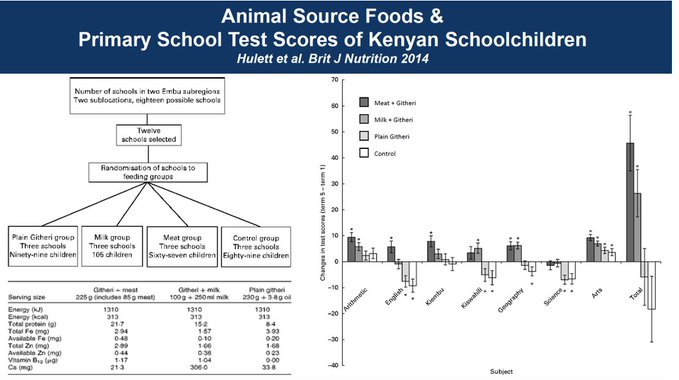
Animal source foods have a positive impact on the primary school test scores of Kenyan schoolchildren in a cluster-randomised, controlled feeding intervention trial – PubMed (nih.gov), Hulett JL, Weiss RE, Bwibo NO, Galal OM, Drorbaugh N, Neumann CG.Br J Nutr. 2014 Mar 14;111(5):875-86. doi: 10.1017/S0007114513003310. Epub 2013 Oct 30.PMID: 24168874 Clinical Trial.

Meat supplementation increases arm muscle area in Kenyan schoolchildren – PubMed (nih.gov), Br J Nutr. 2013 Apr 14;109(7):1230-40. doi: 10.1017/S0007114512003121. Epub 2012 Aug 2.PMID: 22856533 Clinical Trial.

School snacks decrease morbidity in Kenyan schoolchildren: a cluster randomized, controlled feeding intervention trial.

Neumann CG, Bwibo NO, Jiang L, Weiss RE.Public Health Nutr. 2013 Sep;16(9):1593-604. doi: 10.1017/S1368980013000876. Epub 2013 Mar 28.PMID: 23537728

Effects of animal source foods, with emphasis on milk, in the diet of children in low-income countries.

Allen LH, Dror DK.Nestle Nutr Workshop Ser Pediatr Program. 2011;67:113-30. doi: 10.1159/000325579. Epub 2011 Feb 16.PMID: 21335994

https://www.bmj.com/content/351/bmj.h4962

The scientific report guiding the US dietary guidelines: is it scientific?

BMJ 2015; 351 doi: https://doi.org/10.1136/bmj.h4962 (Published 23 September 2015)

https://pmc.ncbi.nlm.nih.gov/articles/PMC9794145/

Teicholz N. A short history of saturated fat: the making and unmaking of a scientific consensus. Curr Opin Endocrinol Diabetes Obes. 2023 Feb 1;30(1):65-71. doi: 10.1097/MED.0000000000000791. Epub 2022 Dec 8. Erratum in: Curr Opin Endocrinol Diabetes Obes. 2025 Aug 1;32(4):166. doi: 10.1097/01.med.0001118356.22843.75. PMID: 36477384; PMCID: PMC9794145.

THIS WEBSITE PROVIDES INFORMATION FOR EDUCATIONAL PURPOSES ONLY. CONSULT YOUR HEALTH CARE PROVIDER FOR MEDICAL ADVICE.

Eat clean, drink filtered water, love, laugh, exercise outdoors in a greenspace, get some morning sunlight, block the blue light before bed, engage in meaningful work, find a sense of purpose, spend time with those you love, AND sleep well tonight.

Doctor Bob

The argument for cattle grazing and meat consumption: COP27

The 2022 United Nations Climate Change Conference or Conference of the Parties of the UNFCCC, more commonly referred to as COP27, is the 27th United Nations Climate Change conference and is being held from 6 November until 18 November 2022 in Sharm El Sheikh, Egypt.

The summit presented an opportunity for nutritionist and healthy food advocate Diana Rogers to offer an alternative to the false narrative so prevalent today regarding beef, global warming, and nutrition.

The false narrative states that methane released by raising cattle is a major contributor to global warming and meat is unhealthy. This narrative diverts attention from the real source of global warming, fossil fuels. Importantly this narrative ignores the importance of meat consumption for human health as well the importance of ruminant grazing for soil regeneration as well as economic and food stability for many poor people. Lastly it ignores the contribution of properly raised cattle, lamb and other animal food sources to carbon sequestration.

By most estimates, the number of ruminants roaming our plains and forests before the industrial era was equal to the number of wild and domestic ruminants in the US today.

Global warming was not a problem before industrialization. This simple fact should belie the false narrative.

Diana Rogers has been a champion for honest science in this debate. She is the only nutritionist to present information at the conference. She has recently posted on twitter the slides presented at the global COP27.

Here are some of her slides that speak for themselves.

Well managed cattle when raised in an integrative fashion with crops in a process called regenerative agriculture:

  • sequester carbon
  • regenerate soils
  • provide high quality nutrition to an increasingly diseased and nutrient deficient population
  • Reduce the need for fossil fuels and fossil-based fertilizer, providing natural fertizlizer

Mono-agriculture, which predominates US farmland (90%)

  • destroys soil, killing essential microbes and converting soil to dirt
  • converts cropland to desert contributing to air pollution (dust storms), soil erosion and floods
  • releases carbon into the atmosphere during tillage
  • utilizes Roundup-ready crops that are sprayed with roundup before harvest (carcinogenic, endocrine disruptor which contaminates our food and water)
  • consumes large amounts of fossil fuel and fossil-based fertilizer creating a large carbon footprint.
  • Kills more innocent bystander animals directly (during tillage, planting, and harvest) and indirectly (habitat destruction), then the number of animals slaughtered for human consumption (are cattle more worthy of protection than rabbits, squirrels, mice, birds, snakes etc., all of which are killed by mono-agriculture practices?)
  • Depletes our soil, and therefore our food, of nutrients, reducing the nutrient content of vegetables and fruits. (example: 8 oranges today have the same nutrients as 1 orange 100 years ago)

Animal protein offers twice the bioavailability of plant protein.

Malnutrition is rampant throughout the world.

This affects health, brain development and educational achievement.

Livestock contribute to food security.

It is time for the narrative about eating and raising animal sources of protein to change. We need to produce rather than destroy soil, enhance rather than degrade the nutrient value of crops, sequester rather than release carbon, utilize ruminant waste for fertilizer instead of fossil based fertilizer, and provide our children and adults with nutrient dense healthy food that includes animal sources of protein.

The cow-methane narrative ignores much of science and diverts our attention from the source of global warming, the burning of fossil fuels.

To learn more about this topic visit the Global Food Justice Alliance

The Global Food Justice Alliance advocates for the right of all people to choose nutrient-dense foods such as meat, milk, and eggs, which are critical for nutritious, environmentally sustainable, and equitable food systems that can sustain both human life and the planet.

Here are some of the bullet points from Diana Rogers’ presentation at COP27

  • Many are claiming meat is unhealthy, unsustainable, unnecessary and unethical, but are these claims justified? Are we looking at livestock agriculture in a holistic way? What strong evidence do we have to prove this?
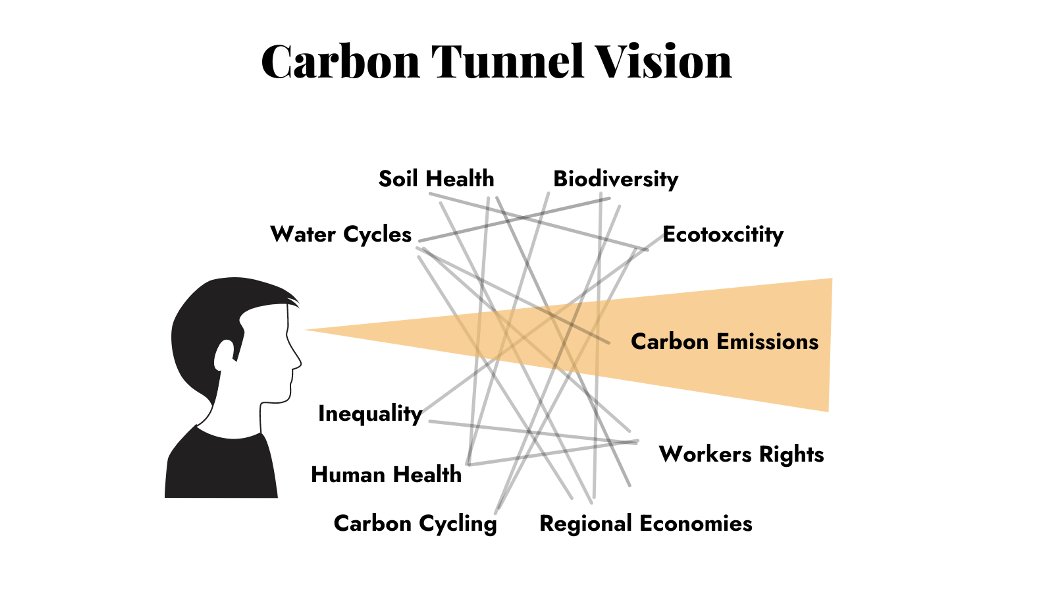
  • Or are policymakers and others pushing for the removal or dramatic reduction in livestock suffering from “carbon tunnel vision”? Are they failing to account for the value meat plays to human health, rural economies, and overall ecosystem function?
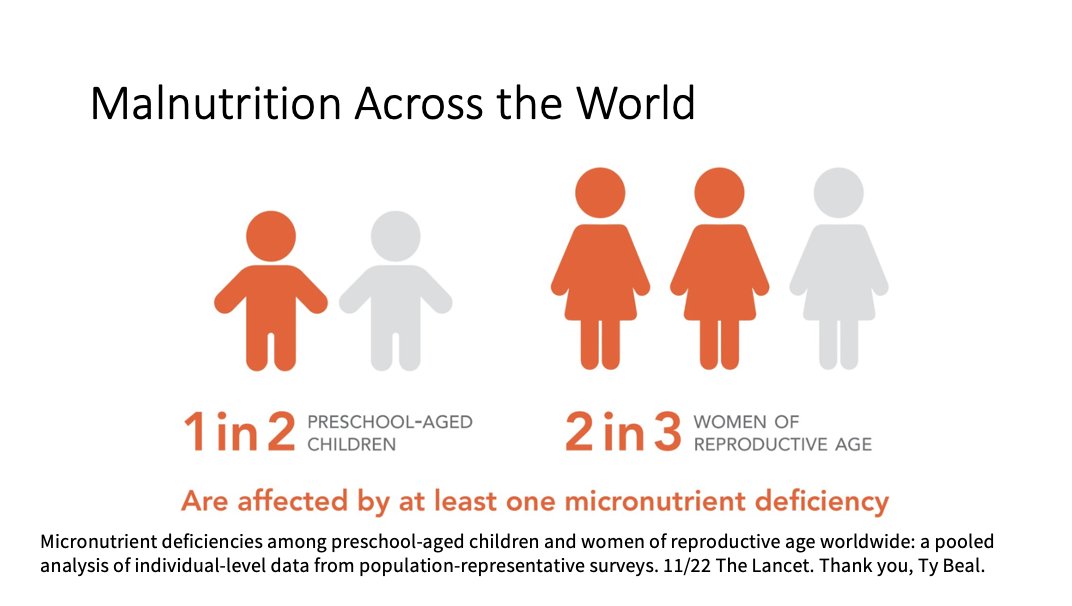
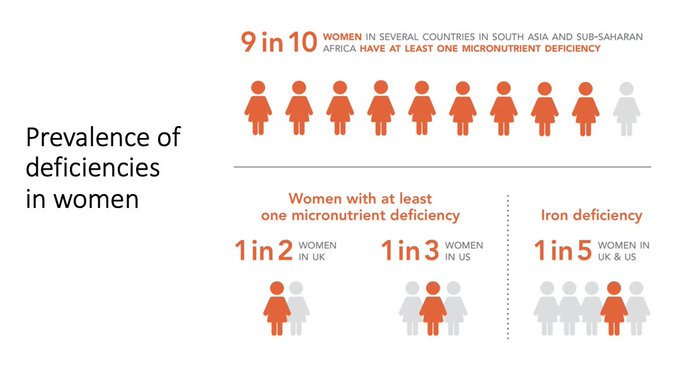
  • Worldwide, 1 in 2 children and 2 in 3 women have at least one micronutrient deficiency, wreaking havoc on immune systems, hindering growth and development, and limiting human potential.
  • These deficiencies are not limited to low- and middle-income countries. Iron deficiency alone impacts 1 in 5 women in the US, where we’re told to eat less meat, which is the best source of iron.
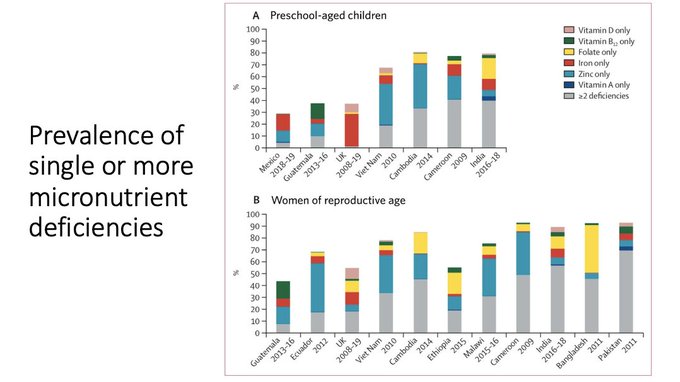
  • The leading micronutrient deficiencies are: iron, zinc, folate, vitamin A, vitamin D, and B12. As many as 40% of children and 70% of women have multiple deficiencies at the same time. Animal-sourced foods are the only or best source of all those above except folate (which is found in liver, but plant-based foods like lentils are also a good source).
  • If we are to discuss a “climate friendly diet”, we need to consider not just “emissions” but the nutritional value of the food per serving (not per calorie), because a further shift away from meat will do more harm, especially to women and children.
  • The evidence against meat for health reasons is based on shaky science. There are no experimental studies showing meat causes harm, only associations, but we know typical meat eaters also tend to partake in other unhealthy behaviors like smoking and drinking. When accounting for these factors, red meat has not been found to cause ill health.
  • When it comes to processed meat, the science is also not significant. Your overall risk of getting colon cancer is 5.6% and eating 5 slices of bacon every single day for your whole life would raise your risk to 6.6%. This is not statistically significant. However, the media reports this as a 20% increase, which is misleading to consumers.
  • We only have one experimental study looking at meat vs. less meat, which was done in Kenyan school children. It proved that adding meat increased their academic scores, their physical ability, and their behavior.
  • Because livestock can “up-cycle” nutrient poor food (food scraps, waste from the plant-protein industry, and grains) into protein, iron, B12, and other critical nutrients, they are a net win for our food system.
  • Livestock are less susceptible to drought or extreme weather.
  • 12% of the world’s population rely solely on livestock for their livelihood.
  • Women in ½ the countries worldwide are unable to own land, but in many cases, they can own livestock, improving gender equality and household nutrition.
  • Plus, most of our agricultural land is too dry, brittle, or rocky to crop, but livestock thrive on this marginal land.
  • Food choice is a privilege. Those with the means to push away nutritious food like meat should not be creating policies limiting access to nutrients in meat, which is also a culturally appropriate food to most. This is moral and cultural imperialism.
  • We need a lot more recognition that livestock can provide critical ecosystem function and micronutrients.

Check out the work of Diana Rogers

info@sacredcow.info
sustainabledish.com

In the context of the COVID 19 pandemic I will close with the usual summary.

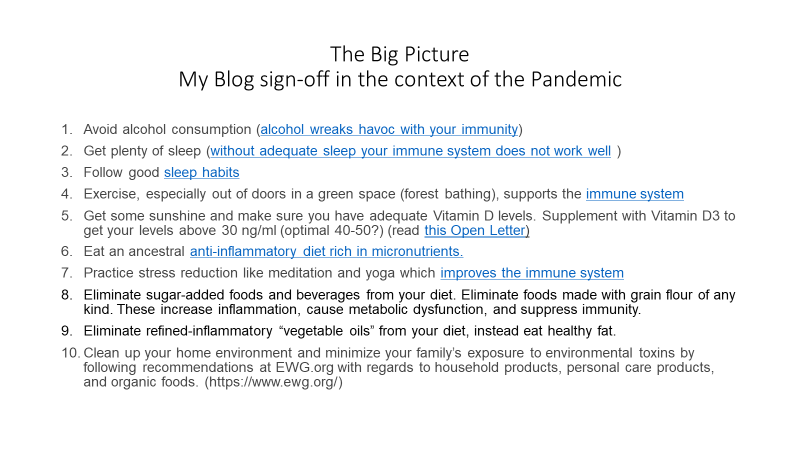
  1. Avoid alcohol consumption (alcohol wreaks havoc with your immunity)
  2. Get plenty of sleep (without adequate sleep your immune system does not work well )
  3. Follow good sleep habits
  4. Exercise, especially out of doors in a green space, supports the immune system
  5. Get some sunshine and make sure you have adequate Vitamin D levels. Supplement with Vitamin D3 to get your levels above 30 ng/ml, >40ng/ml arguably better.
  6. Eat an anti-inflammatory diet rich in micronutrients.
  7. Practice stress reduction like meditation and yoga which improves the immune system
  8. Eliminate sugar-added foods and beverages from your diet. These increase inflammation, cause metabolic dysfunction, and suppress immunity.
  9. Eliminate refined-inflammatory “vegetable oils” from your diet, instead eat healthy fat.
  10. Clean up your home environment and minimize your family’s exposure to environmental toxins by following recommendations at EWG.org with regards to household products, personal care products, and organic foods. (https://www.ewg.org/)
  11. Drink water filtered through a high quality system that eliminates most environmental toxins. (Such as a Berkey or reverse osmosis filter)
  12. HEPA filters or the home-made version (Corsi-Rosenthal box) used in your home or workplace can reduce circulating viral load by 80%. This works for any respiratory virus transmitted by aerosol and this winter we have the triple threat of RSV, Influenza, and SARS-CoV-2. It also decreases indoor air pollution.
  13. If you are eligible for vaccination, consider protecting yourself and your neighbor with a few jabs. Age > 50 and/or risk factors (Diabetes, pre-diabetes, insulin resistance, hypertension, obesity, heart disease, COPD, asthma, cancer treatment, immune suppression) suggests benefit from a booster. Risk for complications of boosters in adolescents, especially males, without risk factors, may equal benefit. Previous infection with Covid can be considered as protective as a booster. Discuss risk vs benefits with your doctor.

THIS WEBSITE PROVIDES INFORMATION FOR EDUCATIONAL PURPOSES ONLY. CONSULT YOUR HEALTH CARE PROVIDER FOR MEDICAL ADVICE.

Eat clean, drink filtered water, love, laugh, exercise outdoors in a greenspace, get some morning sunlight, block the blue light before bed, engage in meaningful work, find a sense of purpose, spend time with those you love, AND sleep well tonight.

Doctor Bob
AHS 2022 Lecture, Acute and Long Covid, Nutritional and Lifestyle Immunology

I recently gave a talk at the AHS 2022 meeting held at UCLA. You can view the video here:

This first slide gives a good overview.

The presentation covers a quick review of my presentations given last year at the PAH 2021 annual meeting (virtual) with additional information on long Covid.

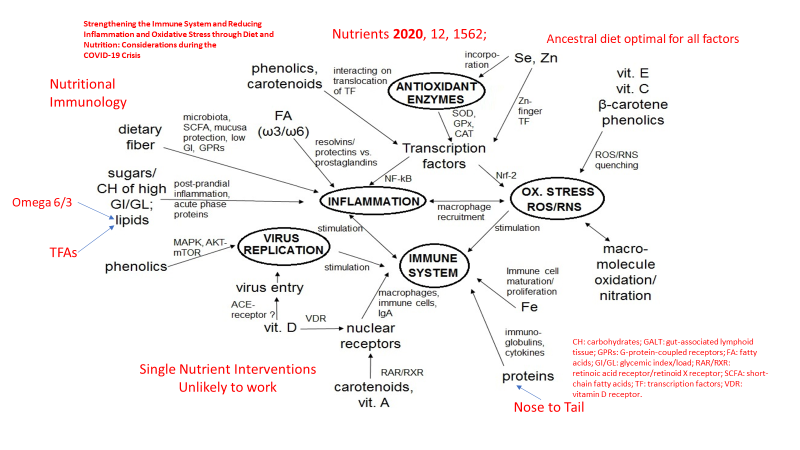
Multiple nutrients acting synergistically support a balanced response to viral infections, including SARS CoV-2. Here is a picture.

The take home message is that no single nutritional intervention is likely to have significant impact with an acute infection unless all but one nutritional component is optimal. Nevertheless, there is compelling evidence that Vitamin D deficiency is rampant in the developed world and if one nutritional intervention is likely to be of benefit, Vitamin D supplementation, particularly in high risk populations, presents the most likely candidate. As usual, preventive supplementation would be preferable to rescue high dose intervention.

In a study of frail elderly hospitalized patients, regular vitamin D supplementation was associated with decreased mortality as demonstrated here. Compared to no supplementation, regular supplementation was associated with a 93% reduction in risk of death.

A study from Spain with very high dose Vitamin D in the form of Calcifediol showed significant benefit in hospitalized patients, suggesting that Vitamin D deficiency was prevalent in that population and that such a treatment intervention should be widely considered.

Calcifediol Treatment and COVID-19-Related Outcomes

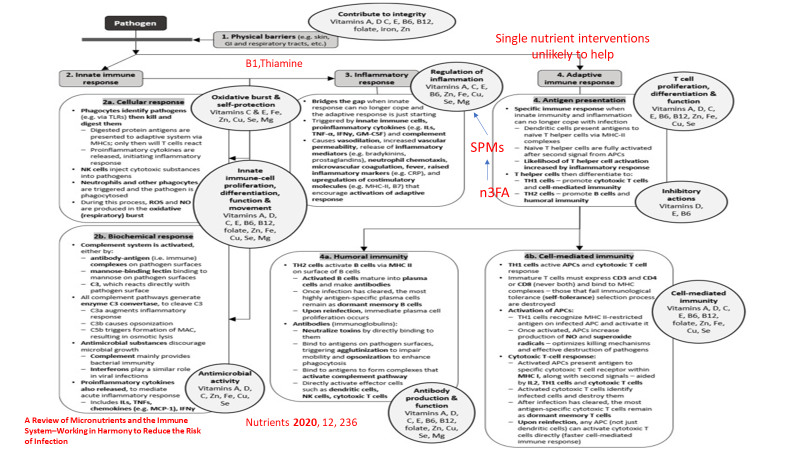
The following graphic from another nutrition review article, with red additions added by myself, demonstrates the complex interaction between nutrition and the two main components of our immune system, innate immunity (immediate response) and adaptive immunity (based on immune memory). Again red highlights added by yours truely.

And here is a slide from my lecture with quotes from that article.

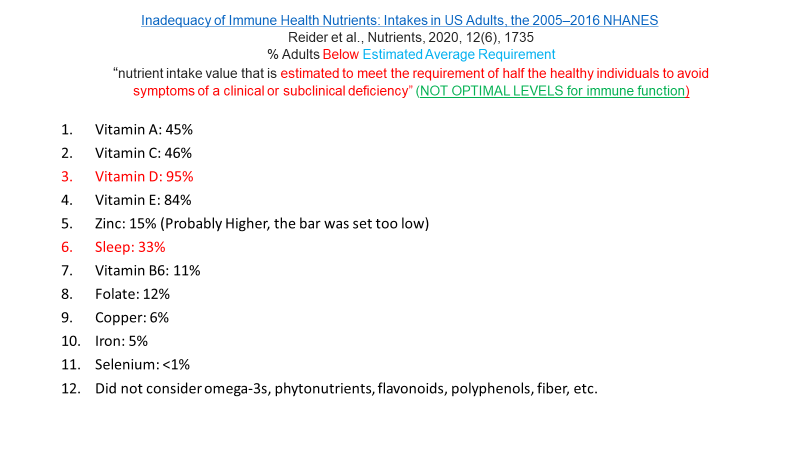
Yet most Americans are deficient in many of these essential nutrients as depicted here. The percentages represent the % of Americans that fall below the estimated amount required to prevent deficiency in HALF of adults (a very low standard).

The EAR is a very low bar to meet, yet many Americans fall below even that low standard.

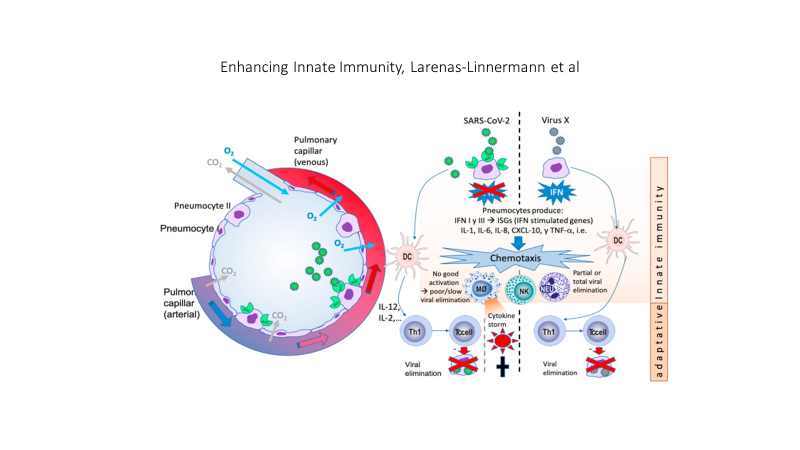
The SARS CoV2 virus interferes with a crucial component of the the initial (innate) immune response, the production of interferon 1 and the signaling of interferon one to immune cell mediators as depicted in this graphic.

SARS CoV2 on the left is compared to Virus X on the right. On the left interferon 1 (IFN) production and signaling is blocked by the virus, interfering with an effective and controlled immune response, on the right IFN is not blocked. A cascade of events results in TOO LITTLE, TOO LATE, AND THEN TOO MUCH of an immune response, producing a cytokine storm.

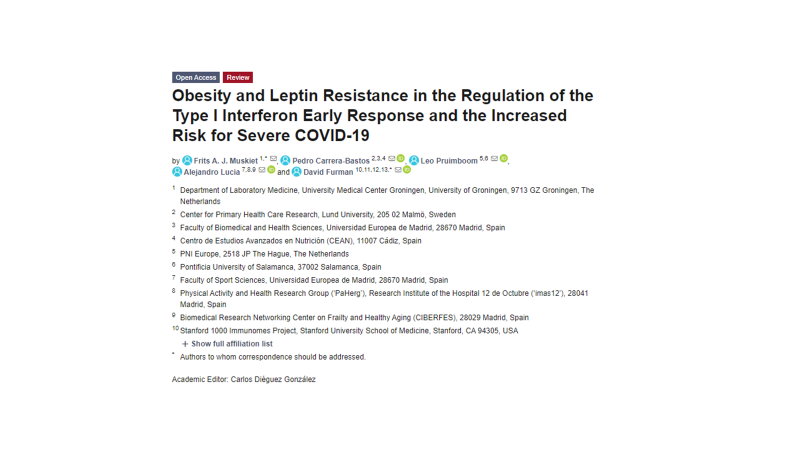
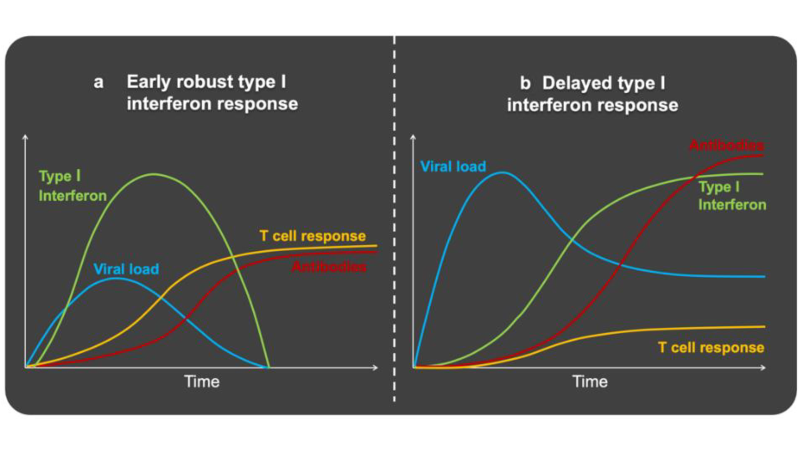
Obesity, insulin and leptin resistance, also interfere with the production and signaling of interferon. The result is that people with insulin and leptin resistance (pre-diabetes, Type 2 Diabetes as well as sarcopenia) experience a double hit. First the virus itself disrupts the immune response and superimposed upon the viral effect is the effect of insulin and leptin resistance on the immune response.

SOCS: suppressor of cytokine signaling. Several recent viral studies have shown that viral genes can hijack SOCS1 to inhibit host antiviral pathways, as a strategy to evade host immunity
On the left Interferon production and signaling are normal and a successful immune response is mounted. On the right the presence of insulin and leptin resistance, associated with obesity results in an initial inadequate response and a late excessive response. TOO LITTLE, TOO LATE, THEN TOO MUCH.

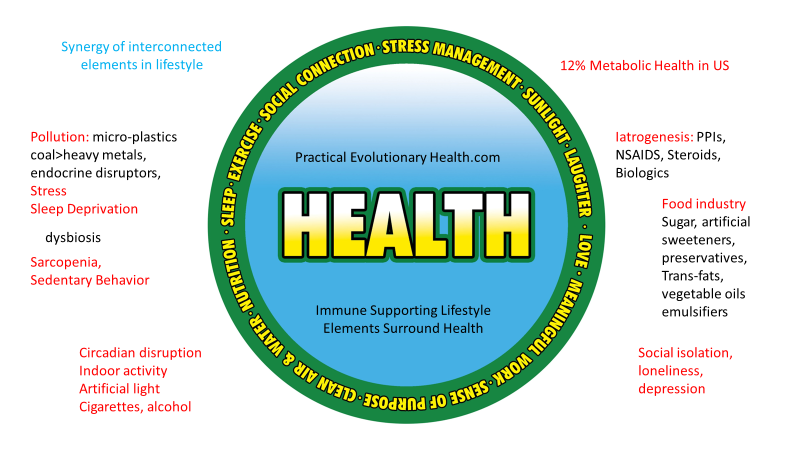
Factors that can quickly impact insulin and leptin resistance include all the components of an ancestral lifestyle depicted in my website graphic. A paleolithic or ancestral diet that eliminates sugar added foods and beverages, replacing those empty calories with nutrient dense foods, exercise, adequate restorative sleep, stress reduction, avoidance of environmental toxins, social connection. All of these affect health in general, mitigate insulin and leptin resistance, and support a balanced immune response to viral infection. The circle of health depicted below is surrounded by the many deleterious aspects of modern living. Thus, a mismatch between our evolutionary biology and present day life.

Here is a slide from my lecture that lists many lifestyle factors that can impact infection with any virus, including SARS CoV-2

My lecture also included discussion of Long COVID, theories of etiology and pathophysiology which will be discussed in my next post.

For the full lecture which is about 34 minutes long, please follow the link above.

THIS WEBSITE PROVIDES INFORMATION FOR EDUCATIONAL PURPOSES ONLY. CONSULT YOUR HEALTH CARE PROVIDER FOR MEDICAL ADVICE.

Eat clean, drink filtered water, love, laugh, exercise outdoors in a greenspace, get some morning sunlight, block the blue light before bed, engage in meaningful work, find a sense of purpose, spend time with those you love, AND sleep well tonight.

Doctor Bob
Soil vs Dirt, our future depends on REGENERATIVE FARMING AND RANCHING.

If we continue to grow crops and raise animals the way we presently do, our topsoil will be gone in 20 years! There will be another dustbowl but this time it will be NATIONWIDE.

Shocking? Yes.

Fake news? NO.

Watch this 2.5 minute trailer to understand the scope of this problem and the simple proven solution that will not only lead to carbon sequestration in the ground but will create soil and improve the profitability of farming and ranching.

Watch this movie to understand why we must create soil with regenerative farming and ranching.

When we destroy soil and turn it into dirt we release CO2 into the atmostphere.

When we create living soil, returning insects, microbes, viruses, worms, fungi and water to their proper ecosystem role, we capture CO2 from the atmosphere and sequester it in the newly created soil through the crops. Moving CO2 from air to plant to soil through the roots, that is the path to saving out planet and providing for world-wide food security.

Biosequestration is the process of using plants, trees, and techniques of farming and raising animals, to capture carbon and store it in the soil. Restoration of grasslands along with regenerative agriculture can accomplish this much quicker and with greater return on investment than planting trees. Of course restoring forests should also be part of a global effort to save our planet from destruction. But the quickest, most efficient way to solve multiple problems at once is to convert present day mono-agriculture system that destroys soil releasing CO2 into the air with the opposite and more profitable system of regenerative agriculture and ranching.

But what about eating meat and raising cattle? We have heard that is bad for the planet. THE SCIENCE SAYS OTHERWISE.

You can watch this BRIEF TRAILER:

That is the science.

Plants capture CO2 and put it back into the soil. Plants and soil capture and sequester rain water as well as CO2, further preventing erosion and runoff. But to create soil we need ruminant animal poop!!!!!!!!!!!

Regenerative agriculture and ranching avoids fossil-fuel based fertilizer and toxic chemicals and uses instead manure from grazing animals to fertilize crops and convert dirt into living soil. This process creates life and habitat for numerous species of animals, plants, microbes etc.

This is a win-win scenario.

What stands in the way?

Ignorance, habit, and Federal subsidy of corn, wheat, soy.

Most (>90%) of the (subsidized) grains grown in the US go into feeding cattle and pigs which are raised on factory farms. After grazing naturally during their early life, most cattle are then moved onto feedlots to be fed GMO glyphosate-resistant grains which degrade the quality of their fat and protein and transfer toxic glyphosate from grain to animal. Those cattle stand in their own excrement and require antibiotics to fend off the inevitable infections that come with feedlot conditions.

The pigs live their lives in a warehouse standing on grated floors dropping their excrement into methane producing lakes of pig poop which overflow into streams and rivers when heavy rains fall.

Antibiotic resistant organisms are created in our feed lots and contribute to our epidemic of antibiotic resistant infections in humans.

But it need not be that way.

After viewing the trailers linked above, watch the movies KISS THE GROUND (already released and available on Netflix) and Sacred Cow (soon to be released) you will learn the path to recovering the health of our planet and the health of our human population.

If you still do not believe this narrative or want to dive deeply into the science, read the book:

Filled with scientific references.

Visit the http://The Carbon Underground and read their decisive scientific review:

https://regenerationinternational.org/2020/09/28/regenerative-agriculture-and-the-soil-carbon-solution-new-paper-outlines-vision-for-climate-action/

The full PDF for a deep science dive is here:

Regenerative Agriculture and the Soil Carbon Solution

“Data from farming and grazing studies show the power of exemplary regenerative systems that, if achieved globally, would drawdown more than 100% of current annual CO2 emissions.”

That is a very bold but hopeful statement, backed by solid science. It will improve the bottom line for farmers and ranchers by increasing production per acre with non-toxic, soil producing simple farmer’s almanac based technology already being practiced and proven today.

“Actual yields in well-designed regenerative organic systems, rather than agglomerated averages, have been shown to outcompete conventional yields for almost all food crops including corn, wheat, rice, soybean, and sunflower.”

A good short read on the topic can be found here:

Desertification is turning the Earth barren – but a solution is still within reach by David R Montgomery. 

Finally, the scoop on methane produced by cattle and the difference between that and fossil fuel generated CO2 is discussed in this very brief animation.

How can livestock be a part of the climate solution? The natural carbon cycle explained. Often missed in climate change discussions is the natural carbon cycle. There’s a huge difference between fossil fuel carbon emissions and methane from cattle. Perhaps short animations like this will help change the narrative around meat.

In the context of the COVID 19 pandemic I will close with the usual summary.

  1. Avoid alcohol consumption (alcohol wreaks havoc with your immunity)
  2. Get plenty of sleep (without adequate sleep your immune system does not work well )
  3. Follow good sleep habits
  4. Exercise, especially out of doors in a green space, supports the immune system
  5. Get some sunshine and make sure you have adequate Vitamin D levels.
  6. Eat an anti-inflammatory diet rich in micronutrients.
  7. Practice stress reduction like meditation and yoga which improves the immune system
  8. Eliminate sugar-added foods and beverages from your diet. These increase inflammation, cause metabolic dysfunction, and suppress immunity.
  9. Eliminate refined-inflammatory “vegetable oils” from your diet, instead eat healthy fat.
  10. Clean up your home environment and minimize your family’s exposure to environmental toxins by following recommendations at EWG.org with regards to household products, personal care products, and organic foods. (https://www.ewg.org/)

THIS WEBSITE PROVIDES INFORMATION FOR EDUCATIONAL PURPOSES ONLY. CONSULT YOUR HEALTH CARE PROVIDER FOR MEDICAL ADVICE.

Eat clean, drink filtered water, love, laugh, exercise outdoors in a greenspace, get some morning sunlight, block the blue light before bed, engage in meaningful work, find a sense of purpose, spend time with those you love, AND sleep well tonight.

Doctor Bob
Regenerative Agriculture: A potential “cure” for climate change.

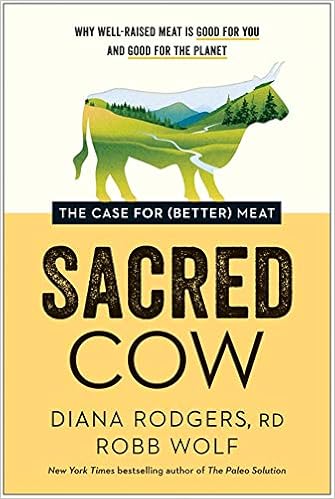
In a previous post I praised the recently released book SACRED COW which discusses regenerative agriculture, creation rather than destruction of soil through better farming models, the need for cattle (ruminants) in soil creation, the myths concerning vegetarian diets-saving-the-planet, and many issues related to nutrition and health of the planet.

A recently published white paper on the topic of regenerative agriculture states “there is hope right beneath our feet” to address the climate crisis and global food security at the same time.

You can read about this topic here:

https://regenerationinternational.org/2020/09/28/regenerative-agriculture-and-the-soil-carbon-solution-new-paper-outlines-vision-for-climate-action/

You can download a PDF for the full paper here: http://Regenerative Agriculture and the Soil Carbon Solution (pdf)

The most profound conclusion of this paper provides hope for the climate crisis:

“Data from farming and grazing studies show the power of exemplary regenerative systems that, if achieved globally, would drawdown more than 100% of current annual CO2 emissions.”

Regenerative agriculture is

“a system of farming principles that rehabilitates the entire ecosystem and enhances natural resources, rather than depleting them.”

Comparing regenerative agriculture to present day industrial farming an eco-artist has created this image.

Mono-agriculture on the left, Regenerative agriculture on the right.

“In contrast to industrial practices dependent upon monocultures, extensive tillage, pesticides, and synthetic fertilizers, a regenerative approach uses, at minimum, seven practices which aim to boost biodiversity both above and underground and make possible carbon sequestration in soil.

  • Diversifying crop rotations
  • Planting cover crops, green manures, and perennials
  • Retaining crop residues
  • Using natural sources of fertilizer, such as compost
  • Employing highly managed grazing and/or integrating crops and livestock
  • Reducing tillage frequency and depth
  • Eliminating synthetic chemicals”

“When compared to conventional industrial agriculture,” the authors write, “regenerative systems improve”:

  • Biodiversity abundance and species richness
  • Soil health, including soil carbon
  • Pesticide impacts on food and ecosystems
  • Total farm outputs
  • Nutrient density of outputs
  • Resilience to climate shocks
  • Provision of ecosystem services
  • Resource use efficiency
  • Job creation and farmworker welfare
  • Farm profitability
  • Rural community revitalization

A movie KISS THE GROUND, highlights the importance of a transition from present day mono-agriculture to a Regenerative approach. You can view the trailer here.

Along these lines, be on the lookout for a similar movie version of the book SACRED COW.

The US military has determined that the greatest threat to global security is CLIMATE CHANGE.

Alternative energy sources and elimination of fossil fuels can cut our carbon emissions but will not sequester the carbon in our atmosphere. REGENERATIVE AGRICULTURE can sequester carbon, create new living soil, and feed the planet a healthy diet.

The following short animation explains the difference between methane from cows and CO2 from burning fossil fuels. The “natural carbon cycle” reveals the difference.

How can livestock be a part of the climate solution? The natural carbon cycle explained.

In the context of the COVID 19 pandemic I will close with the usual summary.

  1. Avoid alcohol consumption (alcohol wreaks havoc with your immunity)
  2. Get plenty of sleep (without adequate sleep your immune system does not work well )
  3. Follow good sleep habits
  4. Exercise, especially out of doors in a green space, supports the immune system
  5. Get some sunshine and make sure you have adequate Vitamin D levels.
  6. Eat an anti-inflammatory diet rich in micronutrients.
  7. Practice stress reduction like meditation and yoga which improves the immune system
  8. Eliminate sugar-added foods and beverages from your diet. These increase inflammation, cause metabolic dysfunction, and suppress immunity.
  9. Eliminate refined-inflammatory “vegetable oils” from your diet, instead eat healthy fat.
  10. Clean up your home environment and minimize your family’s exposure to environmental toxins by following recommendations at EWG.org with regards to household products, personal care products, and organic foods. (https://www.ewg.org/)

THIS WEBSITE PROVIDES INFORMATION FOR EDUCATIONAL PURPOSES ONLY. CONSULT YOUR HEALTH CARE PROVIDER FOR MEDICAL ADVICE.

Eat clean, drink filtered water, love, laugh, exercise outdoors in a greenspace, get some morning sunlight, block the blue light before bed, engage in meaningful work, find a sense of purpose, spend time with those you love, AND sleep well tonight.

Doctor Bob
Chronic Inflammation, the silent killer

I was recently interviewed by a health blogger for his podcast. The topic was chronic inflammation. Here it is.

I prepared some notes for the interview. Here are the questions and answers.

What made you so interested in the topic of chronic inflammation?

Interest in chronic inflammation:

  • Emerging evidence, source of most chronic disease including mental health (depression, etc.) is inflammation
  • family health issues experience personally
  • health care policy interest since graduate school
  •  First started to question USDA dietary advice after reading GOOD CALORIES, BAD CALORIES, by Gary Taubes,
  • Experienced Statin myopathy, researched statin drugs, bad data, financial conflicts of interest. Sought alternative approaches to Coronary Artery Disease prevention.
  • In USA, Profit driven health care system evolved from more benign not-for-profit earlier system in medical insurance and hospital system. Drug and surgery oriented. Corporate ownership of multiple hospitals, concentration of wealth and power in the industry and in society in general
  • Saw this every day: growing obesity, Metabolic Syndrome, DMII, auto-immune disease. Root causes NOT ADDRESSED.
  • While recovering from surgery attended on line functional medicine conference on auto-immune disease, covering diet, sleep, exercise, sunshine, Vitamin D, environmental toxins, gut dysbiosis, intestinal permeability (THE GATEWAY TO AUTOIMMUNITY IS THROUGH THE GUT).
  • Introduced to EVOLUTIONARY BIOLOGY and Paleo Diet by my son

What diseases does chronic inflammation typically lead to? 

  • Cancer
  • Diabetes
  • Obesity epidemic, DIABESITY
  • Hypertension
  • Metabolic Syndrome (3/5: HTN, insulin resistance/high blood sugar, abdominal obesity, high TGs, low HDL),
  • Autoimmune diseases
  • Degenerative arthritis
  • Neurodegenerative disorders (dementia, Parkinson’s, neuropathy, multiple sclerosis)
  • Works of Dale Bredesen (dementia, “The End of Alzheimer’s”), Ron Perlmutter (Grain Brain), Terry Wahls (The Wahls protocol for MS), all FUNCTIONAL MEDICINE looking at root cause of illness, common-overlapping threads.
  • Interplay between sleep, circadian rhythm, exercise, sunlight, stress, environmental toxins, diet, processed foods, nutritional deficiency, gut microbiome, endocrine disruptors, intestinal permeability, oral and skin microbiome, social disruptors, GUT BRAIN AXIS. These are all part of one large ECOSYSTEM.
  • Positive and negative feedback systems requiring a SYSTEMS ENGINEERING approach to understanding root causes.
  • Butyrate is the preferred substrate for colonocytes, providing 60-70% of the energy requirements for colonic epithelial cells1,2Butyrate suppresses colonic inflammation,3 is immunoregulatory in the gut,4 and improves gut barrier permeability by accelerating assembly of tight junction proteins.5,6
  • Improves insulin sensitivity, increase energy expenditure, reduce adiposity, increases satiety hormones,
  • HDAC activity inhibitor, PROTECTS GENES from removal of necessary acetyl groups.
  • Butyrate also influences the mucus layer. A healthy colonic epithelium is coated in a double layer of mucus. The thick, inner layer is dense and largely devoid of microbes, protecting the epithelium from contact with commensals and pathogens alike. The loose, outer layer of mucus is home to many bacteria, some of which feed on the glycoproteins of the outer mucus layer itself. Both of these mucus layers are organized by the MUC2 mucin protein, which is secreted by goblet cells in the epithelium. Supplementation of physiological concentrations of butyrate has been shown to increase MUC2 gene expression and MUC2 secretion in a human goblet cell line.7,8

What are the population groups which have higher risk of chronic inflammation? 

  • Obese
  • Sedentary
  • Poor-urban-polluted environment dwelling (air, water, noise, crowding, violence, racism, oppression)
  • Divergence from ancestral evolutionary biology
  • Working environment: indoors, polluted, oppressive supervisors, no sunlight, noise pollution, air pollution, toxic social situations, repetitive motion, bad ergonomics,
  • night shift, disruption of circadian rhythm
  • both parents working, no time for real food and family interaction, supervision of children.
  • screen time- sedentary behavior, lack of outdoor activity
  • Stress of social inequality, food insecurity, violent neighborhoods, nutritional deserts

What are the “danger signs” or typical symptoms which may signal a chronic inflammation? 

DANGER SIGNS:

  • Waistline (waist to height ratio, BMI)
  • Sarcopenia (muscle as an endocrine organ)
  • Sleep disturbance
  • Pain
  • Headaches
  • Depression
  • Lack of joy.
  • Brain fog, fatigue

What are the typical biomarkers of chronic inflammation?

  • METABOLIC SYNDROME (3 or more of the following: high blood pressure, elevated blood sugar, elevated Triglycerides, low HDL, obesity)
  • CRP predictive of cardiovascular events,
  • ESR associated with arthritis
  • Stress hormones (morning cortisol levels)
  • Resting Heart Rate and Heart Rate Variability

What are the typical sources of systemic chronic inflammation?

Sources of Chronic Inflammation:

Diet

  • N6/N3 FA ratio determined by too much Refined Easily Oxidized Vegetable Oils, not enough marine sources of N3 FA,  grain fed vs grass fed/finished ruminant meat. Loren Cordain research wild game FA composition = grass fed. Margarine vs Butter. Fried foods using Vegetable oils. Oxidized fats/oils, oxy-sterols in diet.
  • Sugar excess leading to insulin resistance
  • Refined carbs leading to insulin resistance (dense acellular….)
  • Disturbance of gut  microbiome from poor nutrition (sugar, refined carbs and vegetable oils all disrupt the microbiome)
  • Gut brain axis.
  • Food ADDITIVES AND PRESERVATIVES
  • Trans Fats (finally banned)

Endocrine disruptors/ BIOACCUMULATION

  • Plastics (microparticles in our fish, food and bottled water)
  • Plastic breakdown products
  • Phthalates added to plastics to increase flexibility ( also pill coatings, binders, dispersants, film formers, personal care products, perfumes, detergents, surfactants, packaging, children’s toys, shower curtains, floor tiles, vinyl upholstery, it is everywhere) 8.4 million tons of plasticizers produced annually. EWG.org
  • Pesticides, herbicides, glyphosate (Monsanto), DIRTY DOZEN, CLEAN FIFTEEN EWG.org
  • Medications
  • ABSORBED skin, eat, drink, breath,
  • BPS is as bad as the BPA it replaced
  • Polychlorinated biphenyls used in INDUSTRIAL COOLANTS AND LUBRICANTS
  • Flame retardants (PBDEs, polybrominated dipheyl ethers) are ubiquitous in furniture and children’s clothing. Also linked to autoimmune disease
  • Dioxins
  • PAHs (polycyclic aromatic hydrocarbons
  • Sunblock
  • CUMULATIVE BURDEN, INTERACTIONS, SYNERGY?

SLEEP DEPRIVATION CHRONIC IN OUR SOCIETY

Eating late vs time restricted eating

Gut Microbiome disrupted by

  • 1/3 of prescribed medications disrupt the microbiome AND increase intestinal permeability
  • Stress
  • Sleep deprivation
  • Sugar
  • Refined carbs
  • Refined veg oils
  • Over exercise and Under exercise, both are bad.
  • Environmental toxins

Gut dysbiosis and infections include (often chronic, low grade, not diagnosed)

  • Pathogenic bacteria, infection or overgrowth/imbalance
  • SIBO
  • Parasites
  • Viruses
  • BAD bugs > good bugs
  • Good bugs make vitamins and SCFAs required for colonocyte energy
  • Gut-Brain axis huge topic, VAGUS NERVE COMMUNICATION both ways, SCFA in gut and in CIRCULATION (butyrate, propionate, acetate), NEUROTRANSMITTER PRODUCTION (SEROTONIN, OTHERS), enterochromaffin cells producing > 30 peptides.
  • Overuse of antibiotics in medicine
  • AND use of antibiotics in raising our food.
  • Vaginal delivery vs C-section
  • Breast feeding vs bottle feeding

INCREASED INTESTINAL PERMEABILITY:

  • Caused by all factors above
  • Leads to higher levels of circulating LPS-endotoxin, bacterial products that create an immune-inflammatory response.
  • Incompletely digested proteins with AA sequences overlapping our own tissue causing autoimmunity/inflammation through molecular mimicry

Heavy Metal toxicity

  • Lead
  • Mercury
  • Cadmium
  • Arsenic

MOLD TOXICITY (> 400 identified mycotoxins, can cause dementia, asthma, allergies, auto-immunity)

  • At home
  • At work

What are the most efficient natural (non-medication) ways to address chronic inflammation?

  • Anti-inflammatory Diet, real whole food that our ancestors ate through evolutionary history (grass fed/finished ruminant meat, free range poultry, antibiotic free, and pesticide free food, wild seafood (low mercury varieties), organic vegetables and fruit, nuts, fermented foods, eggs)
  • Low mercury fish and seafood for omega three fatty acids
  • Sleep hygiene
  • Exercise, not too much, not too little, rest days, out of doors, resistance training, walking, yoga, Pilates, tai chi, chi gong, dancing, PLAYING!!!!!!!!!!!!!
  • Stress reduction: meditation, mindful living, forest bathing, sunlight, Playing, music, praying, SOCIAL CONNECTION, laughter, comedy, quit the toxic job, quit the toxic relationship, SAUNA/SWEAT, heat shock proteins, exercise
  • Vitamin D, sunshine, check levels
  • PLAY, PLAY, PLAY, LAUGH, DANCE, ENJOY, LOVE
  • Be aware of potential dangers of EMF, WiFi, hand held devices, blue tooth headphones.
  • Address environmental justice
  • Address social inequality, food insecurity
  • Tobacco addiction
  • Ethanol
  • Other substance abuse
  • Agricultural subsidies in US distort the food supply
  • Loss of soil threatens food supply
  • Suppression of science (global warming, environment, etc.,) worsens environmental degradation, creating an EXISTENTIAL THREAT.
  1. Avoid alcohol consumption (alcohol wreaks havoc with your immunity)
  2. Get plenty of sleep (without adequate sleep your immune system does not work well )
  3. Follow good sleep habits
  4. Exercise, especially out of doors in a green space, supports the immune system
  5. Get some sunshine and make sure you have adequate Vitamin D levels.
  6. Eat an anti-inflammatory diet rich in micronutrients.
  7. Practice stress reduction like meditation and yoga which improves the immune system
  8. Eliminate sugar-added foods and beverages from your diet. These increase inflammation, cause metabolic dysfunction, and suppress immunity.
  9. Clean up your home environment and minimize your family’s exposure to environmental toxins by following recommendations at EWG.org with regards to household products, personal care products, and organic foods. (https://www.ewg.org/)

THIS WEBSITE PROVIDES INFORMATION FOR EDUCATIONAL PURPOSES ONLY. CONSULT YOUR HEALTH CARE PROVIDER FOR MEDICAL ADVICE.

Eat clean, drink filtered water, love, laugh, exercise outdoors in a greenspace, get some morning sunlight, block the blue light before bed, engage in meaningful work, find a sense of purpose, spend time with those you love, AND sleep well tonight.

Doctor Bob
Study shows only 12% of US adults are metabolically healthy!

What does this mean? The authors of this study looked at several important markers of health: waist circumference, fasting blood sugar, hemoglobin A1c, blood pressure, triglycerides, HDL, and whether someone was taking any medication related to these markers. They used data from the National Health and Nutrition Examination Survey 2009-2016. Only 12.3% of US adults qualified as healthy on all measures. So how did we get into this horrible situation?

Let’s step back and look at modifiable factors that play into these health measures.

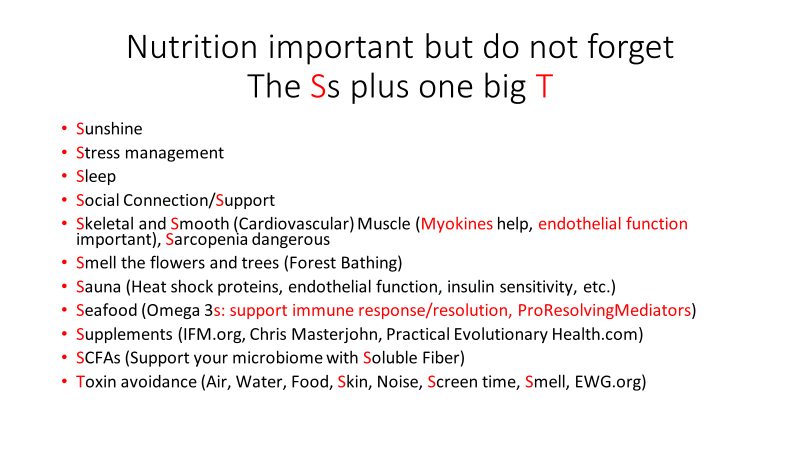
  • Adequate restorative sleep
  • Stress
  • Nutrition
  • Exercise
  • Sunlight (Vitamin D)
  • Social connection
  • Environmental toxins
  • Rest

I have discussed the importance of sleep in several posts. Following this link you will find recommendations for good sleep habits that can enhance the quality and duration of your sleep.

If you have not watched Dan Pardi’s discussion of “HOW TO OPTIMIZE LIGHT FOR HEALTH” I recommend you watch this.

STRESS

Stress reduction is a huge topic. Managing stress involves so many areas it deserves a separate discussion. But here are some basics. Getting adequate sleep is the place to start. Activities like Meditation, Yoga, moderate exercise (walking outdoors in a green space) Tai Chi, music, practicing Mindfulness, and spending time with family and friends are all potential avenues to reduce the deletrious effects of stress in our lives.

NUTRITION

I have presented one approach to an anti-inflammatory diet  and if you have not read through the details just follow the link. The low hanging fruit begins with elimination of processed foods, sweetened beverages, and pro-inflammatory “vegetable oils” (OILS made from corn, soy, cottonseed, safflower, sunflower, canola, margarine). EAT WHOLE FOODS.

TO LEARN ABOUT THE ILL-EFFECTS OF “VEGETABLE OILS” LISTEN TO NINA:

EXERCISE

My post about exercise as medicine can be found here. 

The best way to exercise is to play as described by my friend Daryl Edwards in his TED talk.


Most Americans do not get enough, but some get too much. Moderation is important.

SUNLIGHT

Getting outdoor light exposure early in the day and avoiding the deleterious effects of artificial light in the evening (wear blue light blocking glasses in the evening) are two important ways to get the most benefit from light exposure, improve your sleep and enhance your Vitamin D level. Exercise outdoors in a green space provides more benefit than walking the treadmill indoors.

SOCIAL CONNECTION

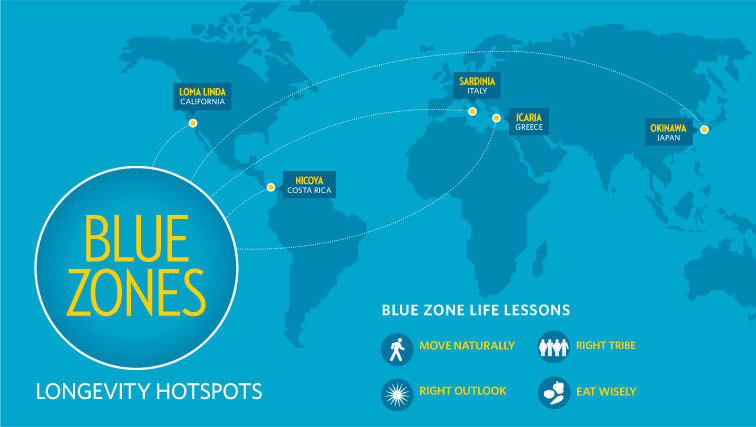
Blue Zones are areas in the world that have the greatest numbers of individuals living to age 100. The climates and food varies among the various areas. They  all have two things in common. First is a high degree of social connection, strong family ties, lifelong friends. Social connection within a supportive community is arguably one of the most important factors affecting health, longevity, and healthspan. Second, they eat REAL WHOLE FOOD.

blue zones longevity hotspots.jpg


ENVIORNMENTAL TOXINS

Part of eliminating environmental toxins includes consuming organic fruits and vegetables and eating meat, poultry and eggs from hormone-free, antibiotic-free, free- range/pastured sources. (ALL PART OF AN ANCESTRAL/PALEO DIET) If you are not familiar with the “dirty dozen” and the “clean 15” head on over to EWG.org where you will learn not only about what foods have the most/least residual pesticides, but also what personal care products and household cleaners are safe for you and your family.

WATER: Because humans have spent the last 4-5 decades polluting our air and water there is probably no water supply that is totally free of enviornmental toxins. To minimize your consumption of enviornmental toxins, filter your drinking water through a high quality system.

REST

Matthew Redlund MD has written a great book “THE POWER OF REST”. Here he discusses why sleep is not enough.

The fact that only 12% of American adults are metabolically healthy should be cause for great alarm. All chronic and degenerative  diseases including dementia, heart disease, stroke, arthritis and cancer rise as metabolic health deteriorates.

Remember, this website offers educational information only. Consult your health care provider for medical advice.

Sleep well, exercise outdoors, laugh, love, engage in meaningful work, drink filtered water, eat clean, eat whole foods, get plenty of sunshine, spend time with those you love.

Doctor Bob


Roundup (Glyphosate) Cancer and Monsanto

I just received this notification from EWG.org.

“Hundreds of cancer victims and their families have filed lawsuits alleging that Monsanto’s signature pesticide Roundup causes cancer.

Now a U.S. judge has denied Monsanto’s attempts to throw out these claims and will allow the case to move forward including expert testimony that links glyphosate, the key ingredient in Roundup, to cancer. These suits allege that Monsanto knew about glyphosate’s cancer risk and failed to warn consumers.

Now hundreds of Americans are seeking to hold Monsanto responsible.

Monsanto has been waging a war on science for years. Just last year, Monsanto colluded with the Environmental Protection Agency to cover up glyphosate’s cancer risk and attacked EWG’s pesticide work, calling it “propaganda.””

I have discussed the risks of glyphosate before. You can read about it here

Glyphosate is a dangerous toxic substance. Most Americans will test positive for glyphosate in the urine. No levels in your body are safe.

It can cause cancer, disrupt your endocrine system, and interfere with brain development in children. There are many other problems with glyphosate. I encourage your to read about the hazards of glyphosate and protect your family. Support the efforts of the environmental working group. (EWG.org.)

Be safe, live clean, shower love on those you love.

Dr. Bob

Agent Orange AND glyphosate in our food? Scott Pruitt Strikes again

Scott Pruitt and the EPA has approved wider use of Dow Chemical’s new pesticide “Enlist Duo”.

The following is taken from the Center for Food Safety’s recent notification.

“Enlist Duo is a combination of glyphosate (the main ingredient in Roundup) and 2,4-D (one of the active ingredients in “Agent Orange”). This is the first time this novel pesticide cocktail will be sprayed directly over-the-top of corn, cotton, and soybeans that are genetically engineered (GE) by Dow specifically to be sprayed with both.

National Cancer Institute scientists highlighted 2,4-D specifically as associated with two- to eight-fold increases in non-Hodgkin’s lymphoma. The International Agency for Research on Cancer of the World Health Organization classified 2,4-D as a possible carcinogen to humans and glyphosate as a probable carcinogen to humans.

Despite these harms, EPA dramatically expanded its approval of Enlist Duo for use on more crops and over more acres in 2017. In fact the U.S. Department of Agriculture conservatively estimates that use of Enlist Duo on just corn and soybeans will increase 2,4-D use by 200 to 600%.”

I have discussed the dangers of glyphosate many times before.

Now the toxicity of glyphosate has been combined with an active ingredient from agent orange which was used during the VietNam war. Many VietNam veterans attribute various chronic illnesses to agent orange exposure. I have frequently heard complaints about nerve damage, chronic pain, memory problems, cognitive impairment, etc., during my consultation visits with Vietnam veterans exposed to agent orange.

“The government of Vietnam says as many as 3 million people have suffered illnesses because of Agent Orange.[3]”

“The aftermath of the use of Agent Orange in Vietnam resulted in massive legal consequences. The United Nations ratified United Nations General Assembly Resolution 31/72 and the Environmental Modification Convention. Lawsuits filed on behalf of both US and Vietnamese veterans sought compensation for damages.”

Scott Pruitt has been busy turning the EPA upside down and reversing the recommendations made by the EPA’s own scientists.

EPA scientists recently re-evaluated the harmful effects of organophosphate pesticides on children’s brain health and behavior. They concluded that  Chlorpyrifos (an organophosphate pesticide) is unsafe and the EPA scheduled a ban on the use of this toxic agent. Scott Pruitt stepped in and canceled the ban! The EPA then announced that it would not finish it’s safety analysis for chlorpyrifos until 2022. Even Dr. Oz and his journalistic partner Dr. Mike Rosen  (Director of the Health and Wellness Center at Cleveland Clinic) have commented on the danger of that decision in their “Health and Spirit” newspaper column.

From Wikipedia:

“Chlorpyrifos is considered moderately hazardous to humans by the World Health Organization.[7] Exposure surpassing recommended levels has been linked to neurological effects, persistent developmental disorders and autoimmune disorders. Exposure during pregnancy may harm the mental development of children, and most home use was banned in 2001 in the U.S.[8] In agriculture, it is “one of the most widely used organophosphate insecticides” in the United States, and before being phased out for residential use was one of the most used residential insecticides”

“Chlorpyrifos exposure may lead to acute toxicity at higher doses. Persistent health effects follow acute poisoning or from long-term exposure to low doses, and developmental effects appear in fetuses and children even at very small doses. [16]”

Organophosphates are used as pesticides and in chemical warfare. Organophosphate pesticide use in agriculture causes an estimated 3 million poisonings per year resulting in 200,000 deaths per year.

Be  careful out there. Make wise choices. Eat organic vegetables and fruits whenever possible and pay attention to the EWG’s list of the Dirty Dozen.

Doctor Bob

Glyphosate update from Responsible Technology.org

The Following comes directly from an e-mail newsletter discussing the increasingly alarming Glyphosate data.

Glyphosate poisoning is the emerging issue from decades of GMO Roundup Ready crops. Earlier this year, the UC San Diego released results from a long-term study that showed a 13x increase in the amount of glyphosate in urine tests of participants over a 20-year period. The State of California listed glyphosate as a known carcinogen effective July, 2017.

Glyphosate is in food, in the air, and in the water.

Glyphosate use in the agricultural sector rose 300-fold from 1974 to 2014. See Table. Glyphosate is also used liberally in landscaping, along roadways, railroad, and power company rights-of-way.

Review of facts.

The existing approval of glyphosate and Roundup is out of date. New research and the conclusions of an international team of reviewers have established ample reason to immediately discontinue use of Roundup and other herbicide formulations that contain glyphosate. Learn more about the documented health risks of glyphosate at RoundupRisks.com.

Be safe, eat only organic, non-GMO foods. Eat meat from animals that have not been exposed to GMOs, herbicides, pesticides, antibiotics or fed foods that are contaminated with these toxins.

Live clean, sleep well, laugh and love.

Dr. Bob