Sorry for the confusion. The website for the International Evolutionary Health Conference changed when the venue changed from Boston to Virtual. Here is the correct website link which gives a list of speakers/topics and sign up information.
I’ve been asked to talk at the fourth International Evolutionary Health Conference on the topic of Cardiovascular Risk Assessment. This year the conference is virtual. Presenters include clinicians and researchers discussing many topics related to health. The underlying principle of this approach attributes modern degenerative and chronic diseases to mismatch between our evolutionary biology and present day life. You can sign up for this virtual event here.
Maladaptive cognitive/emotional processing as the cause of the stress response
Prof. Igor Mitrovic
Physiologic reserve is spare capacity activated when demand exceeds baseline, causing stress. If demand surpasses reserve, it damages the system and leads to death. The brain predicts the future to a… View More
10:30 AM – 11:00 AM
How breathing patterns affect health
Dr. Michael Mew
11:00 AM – 11:15 AM
Round table with Q & A (Moderator: Darryl Edwards)
Dr. Michael Mew
Prof. Igor Mitrovic
11:15 AM – 11:45 AM
Break and Poster session
If you would like to submit a poster, please contact us at evolution.conference@nutriscience.pt
11:45 AM – 12:15 PM
Decoding The Truth: Cancer, Carbs and Cure
Darryl Edwards, MSc
1. We will delve into the extensive evidence showcasing how higher levels of physical activity can reduce the risk of various cancers. 2. While awareness of the importance of exercise exists, we will… View More
12:15 PM – 12:45 PM
Influential factors on sun-induced vitamin D synthesis
Pedro Bastos, PhD candidate
Ultraviolet B radiation is absorbed in the epidermis by 7-dehydrocholesterol, giving rise to previtamin D3 and subsequently to vitamin D3. In the liver, vitamin D is converted to one of the various c… View More
12:45 PM – 1:00 PM
Round table with Q & A (Moderator: Prof. Lynda Frassetto)
Darryl Edwards, MSc
Pedro Bastos, PhD candidate
1:00 PM – 2:15 PM
Lunch Break
2:15 PM – 2:45 PM
How nutrition can impact microbiome composition/permeability/immune response
Prof. Alessio Fasano
Improved hygiene and reduced microorganism exposure are linked to the ‘epidemic’ of chronic inflammatory diseases (CID) in developed nations. This hygiene hypothesis suggests that lifestyle and envir… View More
2:45 PM – 3:15 PM
Comprehensive cardiovascular risk assessment
Dr. Robert Hansen
Assessing insulin resistance is central to predicting CV risk. LDL-C and standard lipid profile is extremely limited in predictive value. A systems engineering understanding of atherosclerosis and ev… View More
3:15 PM – 3:30 PM
Round table with Q & A (Moderator: Pedro Bastos)
Prof. Alessio Fasano
Dr. Robert Hansen
3:30 PM – 3:45 PM
Short Break
3:45 PM – 4:15 PM
Environmental influences on cellular senescence and aging
Prof. Peter Stenvinkel
Planetary health recognizes that human well-being depends on the health of ecosystems. Neglecting this concept has led to an anthropocentric world, causing increased greenhouse gas emissions, heat st… View More
4:15 PM – 4:45 PM
Fueling a Bright Future: The Role of Diet in Preventing Childhood Obesity
Dr. Polina Sayess
Childhood obesity is a global health issue. In my presentation, I’ll explore its origins, classifications, and mitigation strategies. I’ll discuss the definitions and distinctions between “overweight… View More
4:45 PM – 5:00 PM
Round table with Q & A (Moderator: Prof. Lynda Frassetto)
Prof. Peter Stenvinkel
Dr. Polina Sayess
5:00 PM – 5:30 PM
Final discussion with all speakers and moderators
Establishing future research and intervention directions.
I was recently interviewed by a health blogger, Dmitri Konash, with specific questions about COVID 19. The podcast link is below.
Here are the questions and answer notes from the podcast.
QUESTION #1: It has been almost 4 months since Covid19 was declared a global pandemic. What are the main things which we have learned about the virus over these 4 months?
Very contagious, spread by droplet AND aerosol as well as fomites (CLOTHING, surfaces, pillows, blankets, etc). Aerosols are tiny particles suspended in the air for hours following a sneeze or cough or possibly yelling or singing. Droplets are larger particles that fall to the ground or onto surfaces. Depending on the surface the virus can remain infectious for up to 72 hours following droplet spread.
Individuals without symptoms can transmit disease (unlike most viruses) so this in combination with degree of contagion is very dangerous.
The average time from exposure to develop symptoms is 5 DAYS, 97.5% of people who develop symptoms do so within 11.5 days.
Some individuals never develop symptoms but can transmit disease for 2 or more weeks.
Infected individuals can carry the virus for up to 36 days (but we do not know how long an individual can transmit the disease) Average time to clear the virus is 14 days. (nasal PCR test)
Cough and sneeze can project 26 feet through the air, that is why masks can decrease risk but decreasing projection distance and viral load.
Masks Work, they decrease risk of disease transmission and probably decrease viral load, so if transmitted the recipient is probably less likely to develop severe complications (not proven but likely true).
Most infections are transmitted in closed spaces where many people are congregated and socializing such as parties, social gatherings, meetings, bars and restaurants.
Outdoor activity is safer.
The longer the contact between individuals the greater the risk.
The closer the contact the greater the risk.
Anyone can die from the virus but risk increases with age, diabetes, pre-diabetes, obesity, heart and lung disease, immune-compromise.
Any organ can be affected, lungs, brain, heart, kidneys, blood vessels.
Hyper-coaguable state can cause blood clots in the legs, lungs, heart and brain, any organ.
After recovering from infection individuals can suffer permanent damage to these organs.
We do not know how many people who recover will be immune or how long immunity could last. Already one case of re-infection has been reported.
The infection fatality rate (IFR) for COVID-19 IS 25 times greater than the H1N1 FLU pandemic.
A recent analysis comparing the 2009 H1N1 influenza A pandemic to COVID 19 suggested this:
Case Fatality Rate
Infection Fatality Rate
2009 H1N1 Virus (flu)
0.1% to 0.2%
0.02%
COVID-19 New York
8%
0.50%
CFR is # deaths/#cases identified by nasal PCR, IFR is # deaths/actual # cases in a given population, estimated by antibody testing of a large population
For a discussion on the difference between CFR (case fatality rate) and IFR (infection fatality rate) see my previous post.
QUESTION #2: We reached the new high of newly diagnosed cases on June 28th. It looks like the virus is not subsiding. What is the status re drug and vaccine development?
Vaccine will likely take at least a year to develop, test, then manufacture and distribute.
Initially most vulnerable will probably take priority for vaccination. Massive vaccination will take longer.
THEREHAS NEVER BEEN A SUCCESSFUL CORONA VIRUS Vaccine. There are many corona viruses. They mutate quickly and a vaccine that works initially may become ineffective if/when new strains emerge.
Decadron (dexamethasone) IV decreases mortality rates in very sick patients.
Remdesivir shortens illness and might decrease mortality rate (the reduction compared to placebo fell short of statistical significance, p=0.059, cut-off for statistical significance is usually P=0.050)
Hydroxychloroquine and chloroquine have failed to show any benefit. A prevention trial remains underway.
There is no “cure”, just risk reduction.
QUESTION #3: What are the latest recommendations on prevention?
Social distance
Mask
Frequent hand washing
Get adequate sleep, sleep deprivation impairs immunity
Avoid alcohol which suppresses the immune system.
Get sunshine (vitamin D)
Develop a social “bubble”, limit contacts to close, reliable (responsible behavior) individuals
Exercise out of doors.
If overweight or obese, LOSE WEIGHT (Low Carb High Fat diet is MOST EFFECTIVE in combination with time restricted eating)
IF diabetes or pre-diabetes, carbohydrate restriction can rapidly achieve better blood sugar control, which is linked to risk reduction. Regular exercise can also improve insulin sensitivity, as can improved sleep habits.
QUESTION #4: There was some information recently about potential long-term impact on vital body organs for patients who had only mild symptoms. What actions do people who were tested positive for COVID19 should take to minimize long term impact to their health?
Follow general principles of healthy living (visit my website)
Sleep
Nutrition-anti-inflammatory diet
Exercise
Sunshine
Stress reduction
Social-community support
Minimize environmental toxin exposure (organic foods, safe personal and home-care products, visit EWG.org)
QUESTION #5: What actions should be taken by people who have been tested negative for COVID19 ?
Same answer as question #4 above, lifestyle changes to enhance immune function and reduce systemic inflammation.
On July 10, a review article on COVID 19 was published in JAMA.
Pathophysiology, Transmission, Diagnosis, and Treatment of Coronavirus Disease 2019 (COVID-19)
The case-fatality rate for COVID-19 varies markedly by age, ranging from 0.3 deaths per 1000 cases among patients aged 5 to 17 years to 304.9 deaths per 1000 cases among patients aged 85 years or older in the US. Among patients hospitalized in the intensive care unit, the case fatality is up to 40%
And here is a link to the JAMA patient information page for COVID 19.
Eliminate sugar-added foods and beverages from your diet. These increase inflammation, cause metabolic dysfunction, and suppress immunity.
Eliminate refined-inflammatory “vegetable oils” from your diet, instead eat healthy fat.
Clean up your home environment and minimize your family’s exposure to environmental toxins by following recommendations at EWG.org with regards to household products, personal care products, and organic foods. (https://www.ewg.org/)
THIS WEBSITE PROVIDES INFORMATION FOR EDUCATIONAL PURPOSES ONLY. CONSULT YOUR HEALTH CARE PROVIDER FOR MEDICAL ADVICE.
Eat clean, drink filtered water, love, laugh, exercise outdoors in a greenspace, get some morning sunlight, block the blue light before bed, engage in meaningful work, find a sense of purpose, spend time with those you love, AND sleep well tonight.
I was recently interviewed by a health blogger for his podcast. The topic was chronic inflammation. Here it is.
I prepared some notes for the interview. Here are the questions and answers.
What made you so interested in the topic of chronic inflammation?
Interest in chronic inflammation:
Emerging evidence, source of most chronic disease including mental health (depression, etc.) is inflammation
family health issues experience personally
health care policy interest since graduate school
First started to question USDA dietary advice after reading GOOD CALORIES, BAD CALORIES, by Gary Taubes,
Experienced Statin myopathy, researched statin drugs, bad data, financial conflicts of interest. Sought alternative approaches to Coronary Artery Disease prevention.
In USA, Profit driven health care system evolved from more benign not-for-profit earlier system in medical insurance and hospital system. Drug and surgery oriented. Corporate ownership of multiple hospitals, concentration of wealth and power in the industry and in society in general
Saw this every day: growing obesity, Metabolic Syndrome, DMII, auto-immune disease. Root causes NOT ADDRESSED.
While recovering from surgery attended on line functional medicine conference on auto-immune disease, covering diet, sleep, exercise, sunshine, Vitamin D, environmental toxins, gut dysbiosis, intestinal permeability (THE GATEWAY TO AUTOIMMUNITY IS THROUGH THE GUT).
Introduced to EVOLUTIONARY BIOLOGY and Paleo Diet by my son
Whatdiseases does chronic inflammation typically lead to?
Works of Dale Bredesen (dementia, “The End of Alzheimer’s”), Ron Perlmutter (Grain Brain), Terry Wahls (The Wahls protocol for MS), all FUNCTIONAL MEDICINE looking at root cause of illness, common-overlapping threads.
Interplay between sleep, circadian rhythm, exercise, sunlight, stress, environmental toxins, diet, processed foods, nutritional deficiency, gut microbiome, endocrine disruptors, intestinal permeability, oral and skin microbiome, social disruptors, GUT BRAIN AXIS. These are all part of one large ECOSYSTEM.
Positive and negative feedback systems requiring a SYSTEMS ENGINEERING approach to understanding root causes.
Butyrate is the preferred substrate for colonocytes, providing 60-70% of the energy requirements for colonic epithelial cells1,2. Butyrate suppresses colonic inflammation,3 is immunoregulatory in the gut,4 and improves gut barrier permeability by accelerating assembly of tight junction proteins.5,6
HDAC activity inhibitor, PROTECTS GENES from removal of necessary acetyl groups.
Butyrate also influences the mucus layer. A healthy colonic epithelium is coated in a double layer of mucus. The thick, inner layer is dense and largely devoid of microbes, protecting the epithelium from contact with commensals and pathogens alike. The loose, outer layer of mucus is home to many bacteria, some of which feed on the glycoproteins of the outer mucus layer itself. Both of these mucus layers are organized by the MUC2 mucin protein, which is secreted by goblet cells in the epithelium. Supplementation of physiological concentrations of butyrate has been shown to increase MUC2 gene expression and MUC2 secretion in a human goblet cell line.7,8
What are the population groups which have higher risk of chronic inflammation?
Working environment: indoors, polluted, oppressive supervisors, no sunlight, noise pollution, air pollution, toxic social situations, repetitive motion, bad ergonomics,
night shift, disruption of circadian rhythm
both parents working, no time for real food and family interaction, supervision of children.
screen time- sedentary behavior, lack of outdoor activity
Stress of social inequality, food insecurity, violent neighborhoods, nutritional deserts
What are the “danger signs” or typical symptoms which may signal a chronic inflammation?
DANGER SIGNS:
Waistline (waist to height ratio, BMI)
Sarcopenia (muscle as an endocrine organ)
Sleep disturbance
Pain
Headaches
Depression
Lack of joy.
Brain fog, fatigue
What are the typical biomarkers of chronic inflammation?
METABOLIC SYNDROME (3 or more of the following: high blood pressure, elevated blood sugar, elevated Triglycerides, low HDL, obesity)
CRP predictive of cardiovascular events,
ESR associated with arthritis
Stress hormones (morning cortisol levels)
Resting Heart Rate and Heart Rate Variability
What are the typical sources of systemic chronic inflammation?
Sources of Chronic Inflammation:
Diet
N6/N3 FA ratio determined by too much Refined Easily Oxidized Vegetable Oils, not enough marine sources of N3 FA, grain fed vs grass fed/finished ruminant meat. Loren Cordain research wild game FA composition = grass fed. Margarine vs Butter. Fried foods using Vegetable oils. Oxidized fats/oils, oxy-sterols in diet.
Sugar excess leading to insulin resistance
Refined carbs leading to insulin resistance (dense acellular….)
Disturbance of gut microbiome from poor nutrition (sugar, refined carbs and vegetable oils all disrupt the microbiome)
Gut brain axis.
Food ADDITIVES AND PRESERVATIVES
Trans Fats (finally banned)
Endocrine disruptors/ BIOACCUMULATION
Plastics (microparticles in our fish, food and bottled water)
Plastic breakdown products
Phthalates added to plastics to increase flexibility ( also pill coatings, binders, dispersants, film formers, personal care products, perfumes, detergents, surfactants, packaging, children’s toys, shower curtains, floor tiles, vinyl upholstery, it is everywhere) 8.4 million tons of plasticizers produced annually. EWG.org
Polychlorinated biphenyls used in INDUSTRIAL COOLANTS AND LUBRICANTS
Flame retardants (PBDEs, polybrominated dipheyl ethers) are ubiquitous in furniture and children’s clothing. Also linked to autoimmune disease
Dioxins
PAHs (polycyclic aromatic hydrocarbons
Sunblock
CUMULATIVE BURDEN, INTERACTIONS, SYNERGY?
SLEEP DEPRIVATION CHRONIC IN OUR SOCIETY
Eating late vs time restricted eating
Gut Microbiome disrupted by
1/3 of prescribed medications disrupt the microbiome AND increase intestinal permeability
Stress
Sleep deprivation
Sugar
Refined carbs
Refined veg oils
Over exercise and Under exercise, both are bad.
Environmental toxins
Gut dysbiosis and infections include (often chronic, low grade, not diagnosed)
Pathogenic bacteria, infection or overgrowth/imbalance
SIBO
Parasites
Viruses
BAD bugs > good bugs
Good bugs make vitamins and SCFAs required for colonocyte energy
Gut-Brain axis huge topic, VAGUS NERVE COMMUNICATION both ways, SCFA in gut and in CIRCULATION (butyrate, propionate, acetate), NEUROTRANSMITTER PRODUCTION (SEROTONIN, OTHERS), enterochromaffin cells producing > 30 peptides.
Overuse of antibiotics in medicine
AND use of antibiotics in raising our food.
Vaginal delivery vs C-section
Breast feeding vs bottle feeding
INCREASED INTESTINAL PERMEABILITY:
Caused by all factors above
Leads to higher levels of circulating LPS-endotoxin, bacterial products that create an immune-inflammatory response.
Incompletely digested proteins with AA sequences overlapping our own tissue causing autoimmunity/inflammation through molecular mimicry
Heavy Metal toxicity
Lead
Mercury
Cadmium
Arsenic
MOLD TOXICITY (> 400 identified mycotoxins, can cause dementia, asthma, allergies, auto-immunity)
At home
At work
What are the most efficient natural (non-medication) ways to address chronic inflammation?
Anti-inflammatory Diet, real whole food that our ancestors ate through evolutionary history (grass fed/finished ruminant meat, free range poultry, antibiotic free, and pesticide free food, wild seafood (low mercury varieties), organic vegetables and fruit, nuts, fermented foods, eggs)
Low mercury fish and seafood for omega three fatty acids
Sleep hygiene
Exercise, not too much, not too little, rest days, out of doors, resistance training, walking, yoga, Pilates, tai chi, chi gong, dancing, PLAYING!!!!!!!!!!!!!
Stress reduction: meditation, mindful living, forest bathing, sunlight, Playing, music, praying, SOCIAL CONNECTION, laughter, comedy, quit the toxic job, quit the toxic relationship, SAUNA/SWEAT, heat shock proteins, exercise
Vitamin D, sunshine, check levels
PLAY, PLAY, PLAY, LAUGH, DANCE, ENJOY, LOVE
Be aware of potential dangers of EMF, WiFi, hand held devices, blue tooth headphones.
Address environmental justice
Address social inequality, food insecurity
Tobacco addiction
Ethanol
Other substance abuse
Agricultural subsidies in US distort the food supply
Loss of soil threatens food supply
Suppression of science (global warming, environment, etc.,) worsens environmental degradation, creating an EXISTENTIAL THREAT.
Eliminate sugar-added foods and beverages from your diet. These increase inflammation, cause metabolic dysfunction, and suppress immunity.
Clean up your home environment and minimize your family’s exposure to environmental toxins by following recommendations at EWG.org with regards to household products, personal care products, and organic foods. (https://www.ewg.org/)
THIS WEBSITE PROVIDES INFORMATION FOR EDUCATIONAL PURPOSES ONLY. CONSULT YOUR HEALTH CARE PROVIDER FOR MEDICAL ADVICE.
Eat clean, drink filtered water, love, laugh, exercise outdoors in a greenspace, get some morning sunlight, block the blue light before bed, engage in meaningful work, find a sense of purpose, spend time with those you love, AND sleep well tonight.
Due to popular demand the producers of this terrific series are making it available again on line this weekend. If you have not taken advantage of this information you can do it here:
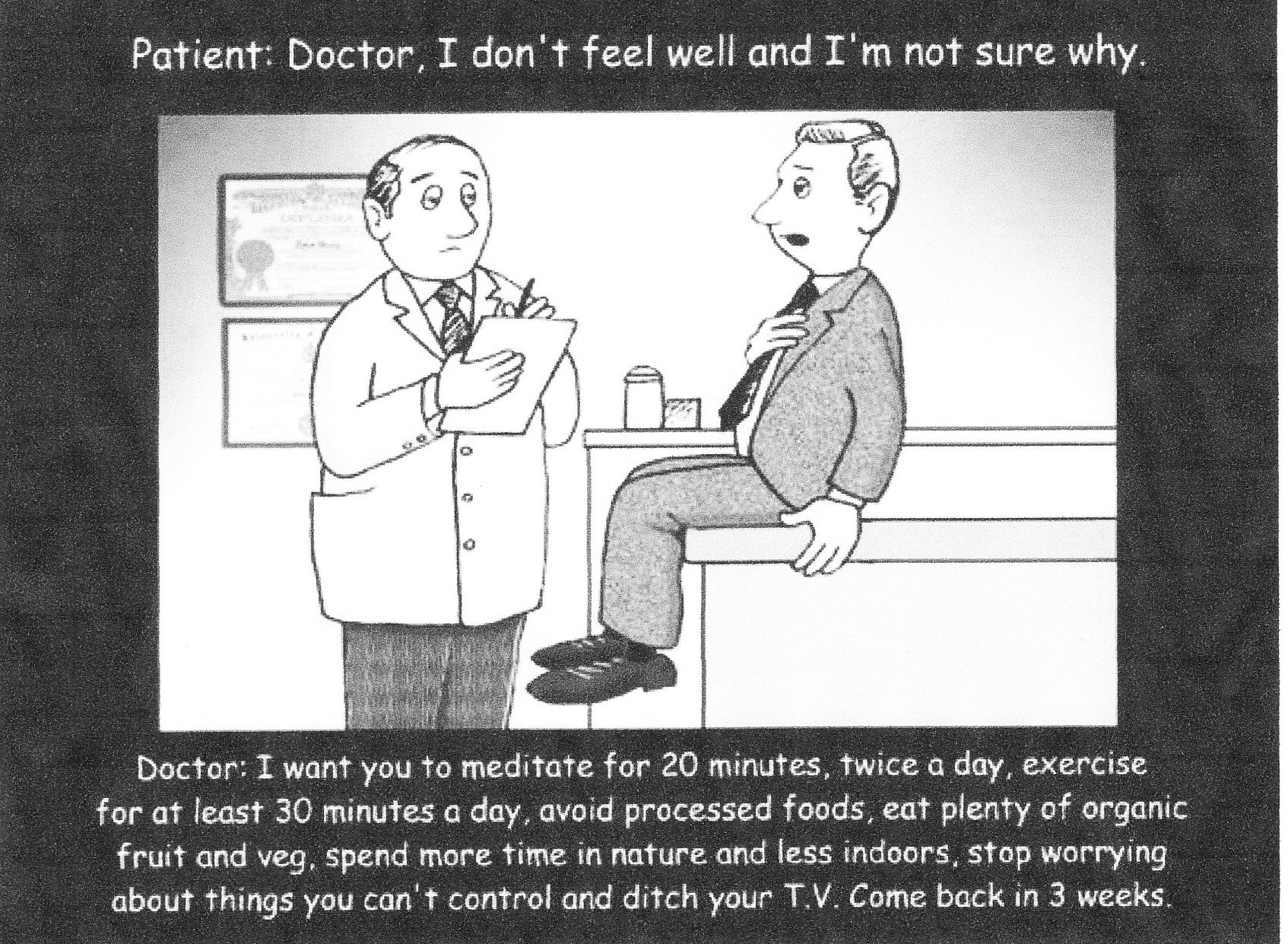
So what would happen if your doctor prescribed this? Would you be shocked? Would you follow the advice? Sadly few doctors make such recommendations as explicitly as this cartoon and fewer patients follow the advice.
How important are the elements in this advice?
They are essential. We too often focus on dietary concerns at the expense of ignoring other important low hanging fruit. Early morning outdoor exercise with exposure to natural light in a green space, even on a cloudy or rainy day, is essential for health. Why? There are many reasons. Click the link above to read fitness expert Darryl Edward’s discussion with references. In fact outdoor exercise in a greenspace is more beneficial than the same exercise indoors. The reasons are many, including but not limited to Vitamin D production.
Early daytime exposure to natural outdoor light helps to maintain our Circadian rhythm and align the biologic clock in all of our cells and organs with the central biological Circadian clock in our brain. Most folks do not know that we have a biologic clock deep within our brain and that all the organs and cells of our body also have clocks. They all need to be synchronized with each other and with the sun for optimal health. When they are not synchronized bad things happen. Night shift workers and other folks with disturbed sleep have higher rates of cancer , depression , hypertension, heart attack and stroke.
These cells are particularly sensitive to blue light and directly connected to our central biological clock . Exposure to artificial light, especially from TV screens, computers, cell phones and other electronic devices after sunset disrupts our sleep cycle and delays the onset of sleep. That is why wearing blue light filtering glasses in the evening helps many folks to improve their sleep quality and duration.
Sleep deprivation for even one night causes elevation in interleukin 6 levels the following day. Interleukin 6 suppresses immune function and excessive levels cause bone and tissue damage (especially cardiovascular). Sleep deprivation increases Stress hormones (cortisol, adrenalin), decreases prolactin and Growth hormone , and decreases the nightly production of ATP .
Melatonin , often called the sleep hormone, is produced most abundantly during restorative sleep and essential for tissue healing, immune function, cancer prevention, and defense against tissue oxidation. These are just a few of the roles melatonin and sleep cycles play in determining our health..
So exercise outdoors in a green space daily to help synchronize your biologic clock with the sun, dim the lights in the evening and if you must watch TV or work on electronic devices before bed wear Blue Light filter glasses .
Of course eating an abundance of colorful fresh organic vegetables and fruits, and practicing some stress reduction techniques every day are equally important and essential to health and functional status.
Finally, not mentioned in the cartoon above is another healthy lifestyle choice, intermittent fasting (IF). IF will be discussed in the next post.
Until then, sleep well, exercise regularly out doors in a green space environment, eat clean, learn and practice some regular stress reduction techniques and read the next post about IF.
Today I watched a great TED talk by Dr. Rangan Chaterjee discussing his own journey in the discovery and implementation of a functional medicine approach to caring for his patients. The concept of using basic science and clinical science to diagnose and treat the root causes of illness, rather than treating symptoms, has been around for more than two decades. This approach has recently started to attract more attention, especially within the community of younger physicians who have become more dissatisfied with the frustrations of traditional allopathic medicine.
Here is the talk. Dr. Chatterjee covers lots of ground in a passionate and informative talk.
Enjoy this talk. If you would like to learn about how a functional medicine approach can CURE ALZHEIMER’S DISEASE then watch this video of Dr. Bredesen who gave this lecture at a meeting of the American College of Nutrition.
Doctor Bredesen, an acclaimed neuroscientist, researcher, and more recently a brilliant clinician, has been criticized by the academic research community for implementing a clinical research protocol that addresses more than one variable at a time! Unfortunately, medical science has been handcuffed by the drug-model of clinical research wherein only one variable (drug vs. placebo for example) is studied. But if an illness has many potential contributing root causes, changing only one variable is doomed to failure, as Dr. Bredesen explains in this lecture.
Sleep well, eat clean, get outdoors every morning to help keep your circadian rhythm and biological clock in order.
By now most of you have already heard about the study published in JAMA that reveals an unsavory historical scenario wherein the sugar industry funded an academic review paper that diverted the medical community’s attention from sugar as a vector for disease and erroneously placed it on saturated fat and cholesterol consumption. You can read about it by clicking on the following link.
Here is a quote from the above cited article in the NY times:
The internal sugar industry documents, recently discovered by a researcher at the University of California, San Francisco, and published Monday in JAMA Internal Medicine, suggest that five decades of research into the role of nutrition and heart disease, including many of today’s dietary recommendations, may have been largely shaped by the sugar industry.
Here is the abstract of the article published in JAMA (Journal of the American Medical Association).
Early warning signals of the coronary heart disease (CHD) risk of sugar (sucrose) emerged in the 1950s. We examined Sugar Research Foundation (SRF) internal documents, historical reports, and statements relevant to early debates about the dietary causes of CHD and assembled findings chronologically into a narrative case study. The SRF sponsored its first CHD research project in 1965, a literature review published in the New England Journal of Medicine, which singled out fat and cholesterol as the dietary causes of CHD and downplayed evidence that sucrose consumption was also a risk factor. The SRF set the review’s objective, contributed articles for inclusion, and received drafts. The SRF’s funding and role was not disclosed. Together with other recent analyses of sugar industry documents, our findings suggest the industry sponsored a research program in the 1960s and 1970s that successfully cast doubt about the hazards of sucrose while promoting fat as the dietary culprit in CHD. Policymaking committees should consider giving less weight to food industry–funded studies and include mechanistic and animal studies as well as studies appraising the effect of added sugars on multiple CHD biomarkers and disease development.
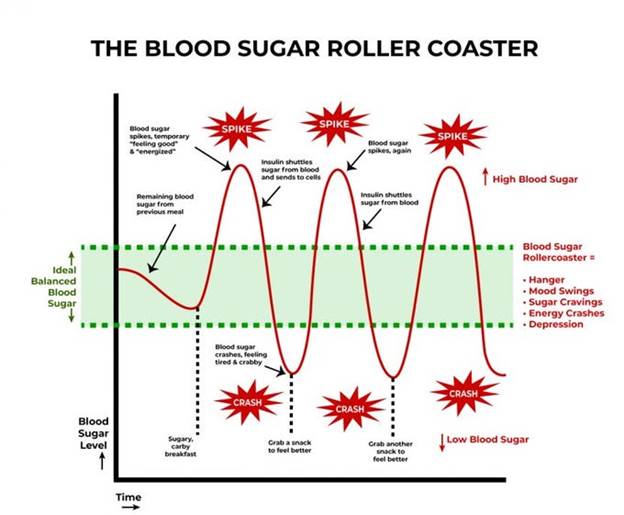
This disturbing conspiracy reveals yet another industry sponsored distortion of science which had great impact on the health of our nation. The impact is accelerating today as the epidemics of obesity and diabetes rage out of control. But sugar consumption has not just been tied to obesity, diabetes, heart attacks and strokes. Sugar added foods and beverages have likely contributed to dementia, many forms of cancer and other chronic debilitating diseases. Sugar and refined carbohydrates mediate these effects by increasing systemic inflammation and contributing to insulin resistance. Inflammation and insulin resistance are pathways to many disease processes. Metabolic syndrome (pre-diabetes) is the hallmark combination of multiple abnormalities with insulin resistance as the underlying root cause. Prolonged insulin resistance leads to type 2 diabetes and contributes to heart attacks, strokes, cancer and dementia. In fact dementia is often referred to as type 3 diabetes, mediated in large part by insulin resistance in the brain.
Here are links to discussions and videos relevant to these topics.
A recent study has demonstrated that brain deterioration detected by MRI scan seems to be linked to higher blood sugar levelseven within the “normal range”.
Here are some important quotes from a Medscape discussion:
“Previous studies have shown that T2D (type 2 diabetes) is associated with brain atrophy, cognitive deficits, and increased risk for dementia. Elevated plasma glucose levels still within the normal range increase the risk for T2D.”
“Studies showed that in apparently healthy individuals, atrophy of the amygdala and hippocampus increased as FPG (fasting plasma glucose) within the normal range increased.”
“You start having abnormalities in the brain even at levels that are within the normal range. This is important because, should we be defining normal glucose levels for different purposes?”
Bottom line, as discussed by neurologist David Perlmutter in his book Grain Brain, even “normal” blood sugars as defined by measurements in our society many not be healthy. If a whole modern culture has higher blood sugars, higher blood pressures, fatter waistlines compared to our healthy hunter gatherer ancestors, then the “normal range” may not really be “normal”. If we define “normal” as individuals within 1 or 2 standard deviations of the mean, but a large portion of the population is unhealthy, is normal healthy?
Do you want to spend your last day in diapers drooling in a nursing home or do you want to go out hiking in the woods and enjoying grandchildren?
The choice is yours, but the next time you have a doughnut or cereal for breakfast, consider the long term consequences.
Live clean and prosper.
Bob Hansen MD
Here is the whole Medscape article for those interested in the nitty-gritty details.
White Matter Lesions Linked to Rising Plasma Glucose
SANTIAGO, Chile — Higher fasting plasma glucose (FPG) levels are associated with a higher burden of brain white matter hyperintensities (WMH), particularly in the frontal lobes.
The association is especially strong in individuals with type 2 diabetes (T2D), a new study shows.
Lead author Nicolas Cherbuin, PhD, and colleagues in the Centre for Research on Ageing, Health and Wellbeing of the Australian National University in Canberra used data from the Personality and Total Health (PATH) Through Life Project, a large, longitudinal, population-based study investigating the time course and determinants of cognitive aging and mental health.
The study findings were presented here at the XXII World Congress of Neurology (WCN).
The PATH Through Life Project aims to follow approximately 7500 randomly selected adults in the greater Australian capital area over 20 years.
From an older age cohort (60 to 64 years; n = 2551), 401 community-living individuals were available for analysis. All were free of neurologic disorders, stroke, and gross brain abnormalities and had a Mini-Mental State Examination (MMSE) score of 27 or greater.
Using linear regression analysis, the researchers tested the association between FPG and WMH volumes, controlling for covariates of age, sex, intracranial volume, education, smoking, hypertension, body mass index (BMI), diabetes, and interactions of diabetes and sex.
Plasma glucose was measured after an overnight fast and was categorized as normal, defined as less than 5.6 mmol/L (<100.8 mg/dL), impaired (5.6 to 7 mmol/L [100.8 to 126 mg/dL]), or T2D (≥7 mmol/L [≥126 mg/dL] or self-report of T2D).
Patient groups with normal FPG (n = 276), impaired FPG (n = 86), or T2D (n = 39) were similar in age (approximately 63 years), education (14 years), and MMSE scores (29.26 to 29.45). BMI was higher in the impaired FPG and T2D groups than in the normal FPG group. There was also more hypertension in the T2D group.
WMH Mostly in Frontal and Temporal Lobes
Dr Cherbuin reported that among the entire cohort, higher FPG was associated with a higher burden of WMH in the right hemisphere (P = .02) but not in the left hemisphere. The effect was most prominent in the frontal and temporal lobes.
These findings were largely attributable to participants with impaired FPG or T2D, and the effect was most pronounced for participants with T2D.
Table. WMH Volumes per FPG Level
Location
Normal FPG (n = 276)
Impaired FPG (n = 86)
T2D (n = 39)
Left hemisphere WMH (mm3)
2343.68 ± 2311.72
2331.07 ± 2528.34
2800.62 ± 2152.87
Right hemisphere WMH (mm3)
2379.59 ± 2645.19
2414.98 ± 2609.72
3199.79 ± 4031.47
Values are expressed as mean ± standard deviation.
Previous studies have shown that T2D is associated with brain atrophy, cognitive deficits, and increased risk for dementia. Elevated plasma glucose levels still within the normal range increase the risk for T2D.
Studies showed that in apparently healthy individuals, atrophy of the amygdala and hippocampus increased as FPG within the normal range increased. Striatum volumes decreased several years later in line with higher FPG or occult T2D. Functionally, poorer performance of fine motor skills is evident with higher FPG.
Session chairman Samuel Wiebe, MD, professor of neurology at the University of Calgary, Alberta, Canada, commented to Medscape Medical News that the present study intrigued him because it addresses the fact that the definition of normal glucose “maybe doesn’t apply to everything…. You start having abnormalities in the brain even at levels that are within the normal range. This is important because, should we be defining normal glucose levels for different purposes?”
Higher levels of glucose even within the normal range may affect facets that are just beginning to be understood, such as white matter changes. “That’s just one aspect. There could be other areas,” he said. “So I think that that’s an intriguing finding that deserves further study.”
Dr Wiebe said the greater effect of elevated glucose seen in the frontal lobes may be related to some degree to their sheer size or to blood flow. “I think that the truth is that it is a spectrum. It begins to have an impact at a range of values that are lower than the cutoff” for traditional interventions, he said.
He feels it would be interesting to follow up this study with assessments that go beyond WMH volume measurements, such as tractography or connectivity studies that look at brain function.
There was no commercial funding for the study. Dr Cherbuin and Dr Wiebe have disclosed no relevant financial relationships.
XXII World Congress of Neurology (WCN). Abstract 434. Presented November, 2, 2015.
Mindfulness based stress reduction (MBSR) has been demonstrated to have beneficial effects relative to several physiologic measurements in humans. These include improved immune status, decreased inflammation as measured by blood tests, improved DNA repair (increased telomere length), and alterations in metabolic activity in areas of the brain that are viewed as beneficial relative to stress, anxiety and pain as measured by functional MRI scan of the brain (fMRI). Similarly other forms of meditation have been studied relative to cardiovascular risk in humans. The results indicate that stress reduction from meditation can decrease the “composite risk of death, heart attack and stroke” by 48% in patients who have experienced a previous heart attack. (1)
“A selected mind-body intervention, the TM program, significantly reduced risk for mortality, myocardial infarction, and stroke in coronary heart disease patients. These changes were associated with lower blood pressure and psychosocial stress factors. Therefore, this practice may be clinically useful in the secondary prevention of cardiovascular disease.”
This degree of protection exceeds the benefits of statin drugs in patients who have had a heart attack and exceeds the risk reduction accomplished by cardiac rehabilitation exercise programs.
A review of studies on the effects of meditation on cardiovascular disease reported: (2)
Psychosocial stress is a nontraditional risk factor for cardiovascular morbidity and mortality that may respond to behavioral or psychosocial interventions. …. Randomized controlled trials, meta-analyses, and other controlled studies indicate this meditation technique reduces risk factors and can slow or reverse the progression of pathophysiological changes underlying cardiovascular disease. Studies with this technique have revealed reductions in blood pressure, carotid artery intima-media thickness, myocardial ischemia, left ventricular hypertrophy, mortality, and other relevant outcomes. The magnitudes of these effects compare favorably with those of conventional interventions for secondary prevention
Dr. Dean Ornish utilized both meditation and yoga training in his lifestyle intervention program along with moderate exercise, smoke cessation and elimination of junk food (low fat vegan diet). The results demonstrated reduced coronary artery plaque within 2 years. Although many have attributed this to the vegan low fat diet, I have suggested in the past that the beneficial results were accomplished by stress reduction, exercise, smoke cessation, and elimination of junk food (especially refined sugar, flour, trans-fats and refined vegetable oils)
Our culture is not attuned to the regular practice of meditation or yoga. When I recommend stress reduction with these techniques to my patients few pursue it despite providing them with detailed descriptions of the physical benefits demonstrated by medical studies. One does not need to become a Buddhist in order to benefit from the practice of meditation. In the early 1970s the first stress reduction clinic utilizing MBSR(Mindfulness Based Stress Reduction) and Yoga was established at the University of Massachusetts Medical Center by Jon Kabat Zinn PhD. Since then many studies have documented the benefits of stress reduction relative to cardiovascular disease, diabetes, hypertension, chronic pain management, depression and anxiety.
Patients who have experienced their first major depressive episode can reduce the risk of a subsequent major depressive episode by 50% simply practicing MBSR regularly.
Unlike drugs, angioplasty, coronary stents, surgery, and injections, meditation and yoga have no potential negative side effects or complications. They simply require time, practice and a modest amount of training. Inexpensive self-help books, CDs and on-line resources are available to get started. Measurable physiologic benefits are experienced within a few weeks. Blood pressure drops, stress hormones decrease, blood sugars come down, insulin sensitivity improves, immune cells work better, sleep improves, suffering from chronic pain decreases, and functional status improves. That’s a considerable amount of benefit achieved by simply sitting quietly and observing your breath as it moves in and out of your body.
Meditation and yoga are two ways to reduce stress. For a healthy life to achieve stress reduction we must examine many areas. What aspects of daily life can increase and decrease stress and our physiologic response to stress?
Important factors to consider include social isolation, physical and social contact with friends/family/pets, meaningful work, laughter and humor, time spent outdoors, exercise, proper sleep habits and exposure to natural rather than artificial light. These all play significant roles in governing our stress levels, physiologic response to stress and the attendant changes in health.
Social isolation is harmful while regular contact with family and friends is beneficial. Caring for a pet seems to reduce blood pressure and enhance longevity. Engaging in meaningful work for pay or as a volunteer is essential for health, longevity and happiness. Spending time outdoors regularly and cycling your daily activity with the sun (circadian rhythm normalization) are essential to health and stress reduction. Laughter and social interaction provide healing while rumination over problems causes illness. All of these aspects to healthy living deserve attention but if you are ill, overweight, suffer chronic pain, disability or substance abuse then meditation and yoga can have profoundly beneficial effects. When combined with a Paleolithic diet and adequate restorative sleep, stress reduction techniques provide a powerful healing pathway.
Below is a long list of links to articles related to stress reduction, meditation, and yoga in the areas of chronic pain, cardiovascular disease, cancer, pre-natal care, anxiety disorders, depression, insomnia, smoke cessation, burnout, immune function, inflammation, migraine, blood pressure control, traumatic brain injury and even psoriasis.
Here is the long list of other references. I have tried to group them in categories. There is allot of overlap between categories so my classification is somewhat arbitrary.