Category Archives: ancestral diet

Anti-inflammatory, vegetable chicken soup, nutritional content, short chain fatty acid production, and health benefits

I recently enjoyed an on-line conversation with physicians and scientists about the benefits of an evolutionary biology approach to human nutrition. During the paleolithic period, fiber consumption was estimated to be 100 grams or more per day. This represents 7 times what most Americans consume and 3-4 times the present daily dietary recommendations. I previously posted a recipe for an anti-inflammatory vegetable soup cooked in broth. I have modified that recipe to a slight degree and did an AI search using Gemini to create tables of nutritional content, the resulting expected production of SCFAs (short chain fatty acids) and the resulting health benefits of this recipe. Here are the results.

You may be surprised by the many health benefits of this nutritional content. Through multiple mechanisms consuming this kind of soup will improve insulin sensitivity, glucose and cholesterol control, increase your production of GLP-1 and other incretins, improve sleep and reduce stress hormones, improve gut barrier function, gut health, and calm your brain. All that from some vegetable soup, easy to make, store, and consume every day.

Conversation with Gemini

Assume this recipe is cooked and separated into 9 equal portions, eating one portion per day. Provide a table with the following nutritional content for each of the components and total each at the bottom of the table. Include fiber, both soluble and insoluble, protein, starch, sugar, fat, micronutrients including all vitamins and minerals, polyphenol total and other important micronutrients. Provide the data for a portion as defined by 1/9 of the total recipe. Finally calculate the production of SCFAs from a portion of this recipe. 

3 quarts of organic chicken broth

fresh garlic, 1 head, crush/press/chop/or use food processor to

release important enzymes before cooking (let prepared garlic sit for 10

minutes before cooking, this allows the enzymes released to produce

important micro nutrients, cooking destroys the enzymes) I use a volume of

fresh garlic equal to the fresh ginger

one large piece (4) inches long)

of fresh ginger root, chop or slice then put into food processor

one large red onion, cut into

small pieces

one bunch of green onions, slice

1 bunch of Italian parsley, cut

and use stems, save greens for end of cooking

two large purple yams slice into

half inch chunks4 fresh large beets with greens,

slice beets, use the greens, cut stems into pieces

one head kale, chop stems into

1–2-inch pieces, cut greens into eat-size pieces

one head Swiss chard, chop stems

into 1–2-inch pieces, cut greens into eat-size pieces

1 head red cabbage, sliced

1 head of napa cabbage

3 carrots, cut each carrot into

thirds or fourths

3 stalks of celery chop into 2

inch pieces

1 whole leek, cut the greens into

2-inch pieces (scissors) and slice the white part into 1/2-inch slices

16 ounces of sliced button mushrooms

2 tablespoons turmeric

4 bay leaves, 4 tsp salt

Here is the nutritional breakdown per portion (1/9th of the total cooked recipe) separated into distinct tables.

Table 1: Fiber Profile (per portion)

Ingredient / ComponentSoluble Fiber (g)Insoluble Fiber (g)Total Fiber (g)
Chicken Broth0.00.00.0
Fresh Garlic0.10.10.2
Fresh Ginger0.10.10.2
Red Onion0.10.20.3
Green Onions0.00.10.1
Italian Parsley0.10.10.2
Purple Yams0.30.71.0
Beets + Greens0.30.60.9
Kale0.10.20.3
Swiss Chard0.10.20.3
Red Cabbage0.71.42.1
Napa Cabbage0.40.71.1
Carrots0.20.40.6
Celery0.10.10.2
Leek0.10.10.2
Button Mushrooms0.10.50.6
Turmeric0.10.20.3
Bay Leaves & Salt0.00.10.1
TOTAL2.8 g5.7 g8.5 g

Table 2: Macronutrients & Carbohydrates (per portion)

Ingredient / ComponentProtein (g)Starch (g)Sugar (g)Fat (g)
Chicken Broth2.10.00.40.8
Fresh Garlic0.30.00.10.0
Fresh Ginger0.10.00.10.0
Red Onion0.20.00.70.0
Green Onions0.00.00.00.0
Italian Parsley0.20.00.10.0
Purple Yams0.54.80.20.0
Beets + Greens0.80.01.80.1
Kale0.30.00.20.1
Swiss Chard0.40.00.20.0
Red Cabbage1.40.03.80.2
Napa Cabbage1.10.01.30.2
Carrots0.20.00.90.0
Celery0.10.00.20.0
Leek0.10.00.30.0
Button Mushrooms1.60.01.00.2
Turmeric0.10.30.00.1
Bay Leaves & Salt0.00.00.00.0
TOTAL9.5 g5.1 g11.1 g1.7 g

Table 3: Vitamin Content Key Highlights (per portion)

Ingredient / ComponentDominant Vitamins Provided
Chicken BrothNiacin (B3), Vitamin B6
Fresh GarlicVitamin C, Vitamin B6
Fresh GingerVitamin B6, Niacin (B3)
Red OnionVitamin C, Folate (B9)
Green OnionsVitamin K, Vitamin A
Italian ParsleyVitamin K, Vitamin C, Vitamin A, Folate (B9)
Purple YamsVitamin C, Vitamin B6
Beets + GreensFolate (B9), Vitamin A, Vitamin C
KaleVitamin K, Vitamin C, Vitamin A
Swiss ChardVitamin K, Vitamin A, Vitamin C
Red CabbageVitamin C, Vitamin K, Vitamin B6
Napa CabbageVitamin C, Folate (B9), Vitamin K
CarrotsVitamin A (Beta-carotene), Vitamin K, Vitamin B6
CeleryVitamin K, Folate (B9)
LeekVitamin K, Vitamin C, Folate (B9)
Button MushroomsRiboflavin (B2), Niacin (B3), Pantothenic Acid (B5)
TurmericTraces of Vitamin C, Vitamin B6
Bay Leaves & SaltVitamin A, Vitamin C (trace amounts from bay leaves)
TOTAL SUMMARYExtremely rich in Vitamins K, C, A, and B-complex (Folate, B6, Niacin, B2)

Table 4: Mineral Content Key Highlights (per portion)

Ingredient / ComponentKey Minerals Provided
Chicken BrothSodium, Potassium, Phosphorus
Fresh GarlicManganese, Selenium, Calcium
Fresh GingerMagnesium, Potassium, Manganese
Red OnionPotassium, Calcium
Green OnionsCalcium, Potassium
Italian ParsleyIron, Potassium, Calcium
Purple YamsPotassium, Manganese, Copper
Beets + GreensManganese, Potassium, Iron, Magnesium
KaleCalcium, Potassium, Copper
Swiss ChardMagnesium, Potassium, Iron
Red CabbagePotassium, Manganese, Calcium
Napa CabbageCalcium, Potassium
CarrotsPotassium, Manganese
CeleryPotassium, Sodium
LeekManganese, Iron
Button MushroomsSelenium, Copper, Potassium, Phosphorus
TurmericIron, Manganese
Bay Leaves & SaltSodium (~900mg per portion from salt), Magnesium
TOTAL SUMMARYHigh in Potassium, Manganese, Sodium, Iron, Selenium, Calcium, & Magnesium

Calculation of SCFA (Short-Chain Fatty Acid) Production

Short-chain fatty acids (primarily Acetate, Propionate, and Butyrate) are synthesized via colonic microbial fermentation of non-digestible carbohydrates (fermentable soluble fibers, insoluble structural fibers, and resistant starches).

Isabel Smith Nutrition

1. Fermentable Substrate Availability (per portion):

  • Soluble Fiber: ~2.8 g (Nearly 100% fermentable)
  • Insoluble Fiber: ~5.7 g (~20–30% fermentable in brassicas/root veggies) → ~ 1.4 g
  • Resistant Starch (RS): If eaten fresh after cooking, RS is low (~0.3 g from yams). If the soup is cooled overnight in the fridge and reheated, retrograde starch formation (RS3) increases this yield to ~1.5 g.
  • Total Fermentable Substrates: ≈2.8 g+1.4 g+0.3 g to 1.5 g=4.5 g to 5.7 g

2. Yield Assumptions: Human metabolic and gut microbiome studies establish that 1 gram of fermentable substrate yields approximately 8 to 10 mmol of total SCFAs (or roughly 0.4 to 0.5 grams of short-chain fatty acids).

3. Estimated Total SCFA Yield:

SCFA (mmol)=(4.5 to 5.7 grams)×8.5 mmol/g≈38 to 48 mmol per portion

SCFA (mass)≈2.2 to 2.8 grams of total SCFAs per portion

4. Typical SCFA Ratio Breakdown:

  • Acetate (~60%): ≈23 to 29 mmol (Energy substrate for peripheral tissues)
  • Propionate (~20%): ≈7.5 to 9.5 mmol (Utilized in hepatic gluconeogenesis)
  • Butyrate (~20%): ≈7.5 to 9.5 mmol (Primary fuel source for colonocytes and gut barrier repair)

(Tip: Letting the cooked soup cool in the refrigerator overnight before portioning maximizes resistant starch content, maximizing the butyrate yield).

Assume the soup is cooled overnight and then reheated, what is the SCFA production?

Cooling the cooked soup overnight triggers starch retrogradation, converting digestible starches (specifically the amylose chains from the purple yams) into Type-3 Resistant Starch (RS3). Reheating the soup at normal eating temperatures retains the vast majority of this crystalline RS3 structure.

GlobalRPH+ 1

Because RS3 resists digestion in the small intestine, it travels into the large intestine where colonic bacteria ferment it into additional Short-Chain Fatty Acids (SCFAs).

GlobalRPH

1. Shift in Fermentable Substrates per Portion

  • Soluble Fiber: ~2.8 g (~100% fermentable)
  • Fermentable Insoluble Fiber: ~1.4 g (~25% of total insoluble fiber)
  • Resistant Starch (RS3): ~1.8 to 2.4 g (up from ~0.3 g when freshly cooked, as ~35–50% of the yam starch retrogrades)
  • Total Fermentable Substrates: ~6.0 to 6.6 grams per portion

2. Recalculated SCFA Production per Portion

Based on standard colonic fermentation yields (~8.5 mmol of total SCFA produced per gram of fermented substrate):

Total SCFA (mmol)=(6.0 to 6.6 g)×8.5 mmol/g≈51 to 56 mmol per portion

Total SCFA (mass)≈3.0 to 3.3 grams of total SCFAs per portion

This represents an approximate 20–35% increase in total SCFA output compared to eating the soup immediately after cooking.

3. SCFA Breakdown by Type

Resistant starch (RS3) specifically favors butyrate-producing bacteria (such as Faecalibacterium prausnitzii and Eubacterium rectale), slightly shifting the overall SCFA balance:

  • Acetate (~55%): ≈28 to 31 mmol
    • Function: Enters systemic circulation; fuels muscle, heart, and brain tissue.
  • Propionate (~20%): ≈10 to 11 mmol
    • Function: Travels to the liver; involved in gluconeogenesis and satiety signaling.

GlobalRPH

  • Butyrate (~25%): ≈13 to 14 mmol
    • Function: Primary energy source for colonocytes (gut lining cells), reduces inflammation, and strengthens the mucosal barrier.

Blue Horizon Blood Tests

Describe the health benefits of these SCFAs, including but not limited to glucose control, cholesterol, appetite suppression, satiety, insulin sensitivity, anti-inflammatory properties, gut barrier function, colonic health, regularity, sleep and stress.

Short-chain fatty acids (SCFAs)—primarily acetate, propionate, and butyrate—act as vital signaling molecules throughout your body, linking gut microbial activity directly to systemic metabolic, immune, and neurological health.

1. Gut Barrier Function & Colonic Health

  • Fuel for Colonocytes: Butyrate serves as the primary energy source for the epithelial cells lining your colon, supplying up to 70% of their total ATP requirements.
  • Tight Junction Integrity: Butyrate and propionate upregulate the expression of key tight-junction proteins (claudin-1, occludin, and ZO-1). This seals the intestinal epithelial layer, preventing “leaky gut” and stopping bacterial lipopolysaccharides (LPS) from entering circulation.
  • Mucus Layer Maintenance: SCFAs stimulate goblet cells to produce MUC2, reinforcing the protective gel-like mucus layer that shields gut tissue from physical and chemical damage.

2. Regularity & Digestive Motility

  • Smooth Muscle Stimulation: SCFAs interact with free fatty acid receptors (FFAR2 and FFAR3) on enteric neurons to stimulate peristaltic reflexes, accelerating colonic transit time and encouraging regular bowel movements.
  • Osmotic Balance: Microbial fermentation alters local pH and osmotic pressure, attracting sufficient water to the stool to prevent constipation without causing osmotic diarrhea.

3. Glucose Control & Insulin Sensitivity

  • Incretin Hormone Release: Propionate and butyrate trigger L-cells in the distal intestine to secrete GLP-1 (Glucagon-Like Peptide-1) and PYY (Peptide YY). GLP-1 enhances glucose-dependent insulin secretion from the pancreas while suppressing glucagon.
  • Skeletal Muscle Glucose Uptake: Acetate and butyrate activate AMPK (AMP-activated protein kinase) in skeletal muscle, increasing GLUT4 transporter translocation to muscle cell membranes, which boosts insulin-independent glucose clearance.
  • Hepatic Gluconeogenesis Regulation: Propionate travels to the liver via the portal vein where it regulates hepatic glucose production, preventing excessive overnight glycogen breakdown.

4. Cholesterol & Lipid Metabolism

  • Inhibition of Cholesterol Synthesis: Propionate inhibits HMG-CoA reductase, the rate-limiting enzyme in liver cholesterol production, helping lower circulating total and LDL cholesterol levels.
  • Upregulation of Bile Acid Excretion: SCFAs lower colonic pH, promoting the conversion of primary bile acids into secondary bile acids, which binds dietary cholesterol and increases its excretion through stool.

5. Appetite Suppression & Satiety

  • Central Brain Signaling: GLP-1 and PYY secreted in response to SCFAs cross the blood-brain barrier to target the hypothalamus, signaling satiety and reducing food intake.
  • Direct Acetate Signaling: Acetate crosses the blood-brain barrier directly and accumulates in the hypothalamus, altering the expression of neuropeptides (POMC/CART) that suppress appetite and reduce cravings.

6. Anti-Inflammatory & Immune Properties

  • HDAC Inhibition: Butyrate acts as a natural Histone Deacetylase (HDAC) inhibitor. By inhibiting HDACs, it upregulates anti-inflammatory gene expression and suppresses pro-inflammatory cytokines like TNF-alpha, IL-6, and IL-1β.
  • T-Regulatory Cell Induction: SCFAs promote the differentiation of naive T-cells into Treg (regulatory T-cells) in the gut-associated lymphoid tissue (GALT), helping prevent autoimmune reactions, food allergies, and inflammatory bowel disease (IBD).

7. Stress, Sleep, & The Gut-Brain Axis

  • Vagus Nerve Activation: SCFAs bind to receptors on the vagus nerve terminal in the gut wall, sending direct inhibitory signals to the central nervous system to dampen stress reactivity.
  • HPA Axis Modulation: By preserving gut barrier integrity and preventing low-grade systemic inflammation (endotoxemia), SCFAs lower baseline cortisol levels and reduce hypothalamic-pituitary-adrenal (HPA) axis overdrive.
  • Neurotransmitter Synthesis & Sleep Architecture: Butyrate and propionate encourage enterochromaffin cells to produce serotonin (the precursor to melatonin) and GABA. Higher SCFA levels promote deeper, more stable slow-wave sleep (NREM stage 3) by calming central nervous system excitability.

How does the SCFA yield and prebiotic diversity of this soup compare to taking a daily commercial prebiotic supplement?

A single daily portion of this cooked-and-cooled vegetable soup outperforms most single-ingredient commercial prebiotic supplements in both total yield and structural diversity.

Direct Comparison: Soup Portion vs. Typical Commercial Prebiotic

AttributeSoup Portion (1/9th Recipe, Cooled & Reheated)Standard Commercial Prebiotic (e.g., Inulin/GOS Powder)
Total Prebiotic Yield~6.0 to 6.6 g per portion (Soluble fiber, RS3, oligosaccharides)~3.0 to 5.0 g per serving (Standard scoop/capsule dose)
SCFA Production~51 to 56 mmol (~3.0 to 3.3 g total SCFAs)~25 to 45 mmol (Varies based on single-substrate fermentation rate)
Substrate Diversity7+ Distinct Prebiotic Types1 to 2 Substrates (Usually single isolated fiber type)
Microbiome SpreadFerments across Upper, Mid, and Lower ColonFerments rapidly in Proximal (Upper) Colon only
TolerabilityHigh (Diverse fibers ferment slowly over time)Moderate to Low (Single isolated fibers often cause rapid gas/bloating)

Key Advantages of Whole-Food Soup Diversity

1. Substrate Complexity Prevents Gut Monoculture

Commercial prebiotics typically rely on isolated fibers like inulin, fructooligosaccharides (FOS), or galactooligosaccharides (GOS). While effective, a single substrate selectively feeds only 1–2 specific bacterial species (such as Bifidobacteria).

The soup provides a complex mixture of distinct fibers that nourish a broader, healthier ecosystem:

  • Inulin & FOS (Garlic, onions, leeks) → Bifidobacterium
  • Beta-Glucans (Button mushrooms) → Lactobacillus and macrophage-activating immune cells
  • Type-3 Resistant Starch / RS3 (Cooled purple yams) → Faecalibacterium prausnitzii (primary butyrate producer)
  • Pectin & Mucilages (Carrots, beets) → Akkermansia muciniphila and Bacteroides
  • Arabinogalactans & Cellulose (Brassicas: kale, cabbages, Swiss chard) → Roseburia and Ruminococcus

2. Full-Length Colonic Fermentation

Isolated prebiotic supplements (especially inulin) ferment very rapidly in the proximal (beginning) colon. This rapid gas production often leads to uncomfortable bloating, while leaving the distal (end) colon under-nourished.

Because the soup combines fast-fermenting soluble fibers with slow-fermenting insoluble structures and resistant starches, fermentation occurs gradually along the entire length of the large intestine. This ensures distal colonocytes receive a steady supply of butyrate, which is critical because the distal colon is where most colonic pathologies (like ulcerative colitis and colorectal cancers) typically develop.

3. Synergistic Bioactive Matrix

Commercial supplements supply isolated fiber without the supporting food matrix. The soup delivers prebiotics alongside polyphenols (curcumin, quercetin, anthocyanins) and glucosinolates.

Microbial enzymes break down these complex polyphenols into secondary active metabolites, while the polyphenols simultaneously act as “selective antimicrobials,” inhibiting pathogenic bacteria (Clostridia, E. coli) so beneficial SCFA producers can thrive.

Eat clean, live clean, sleep well, exercise wisely, rest often, enjoy the company of loved ones, spend time outdoors and live in the present.

Bob Hansen MD
Omega-3 fatty acids, Pain and Arthritis

Before modern pharmacy an early treatment for Rheumatoid Arthritis (RA) was cod liver oil, rich in omega-3 fats and vitamin D. A 2013 study demonstrated that consumption of cod liver oil resulted in a reduction of daily diclofenac in Rheumatoid Arthritis. As early as 1959 cod liver oil was recommended for arthritis in the medical literature. A 2017 review of marine omega-3 fats for arthritis pain found moderate quality evidence in rheumatoid arthritis patients. A 2024 review of prevention and treatment for RA suggested that a diet rich in fiber, vitamins, omega 3 and low glycemic index foods contributes to protection from RA. A comprehensive review of omega-3 fatty acids for RA included analysis of several studies and concluded that omega-3 was a valuable therapeutic option to improve pain symptoms, tender joint count, duration of morning stiffness and the frequency of NSAID consumption. A 2019 review of cumulative data on omega-3 fats to combat autoimmune diseases concluded:

“The promising findings coming from the cumulative research work over the last decade solidified the role of ω-3 PUFAs as a potential candidate to prevent or even treat such autoimmune diseases as type 1 diabetes, RA, SLE, MS”

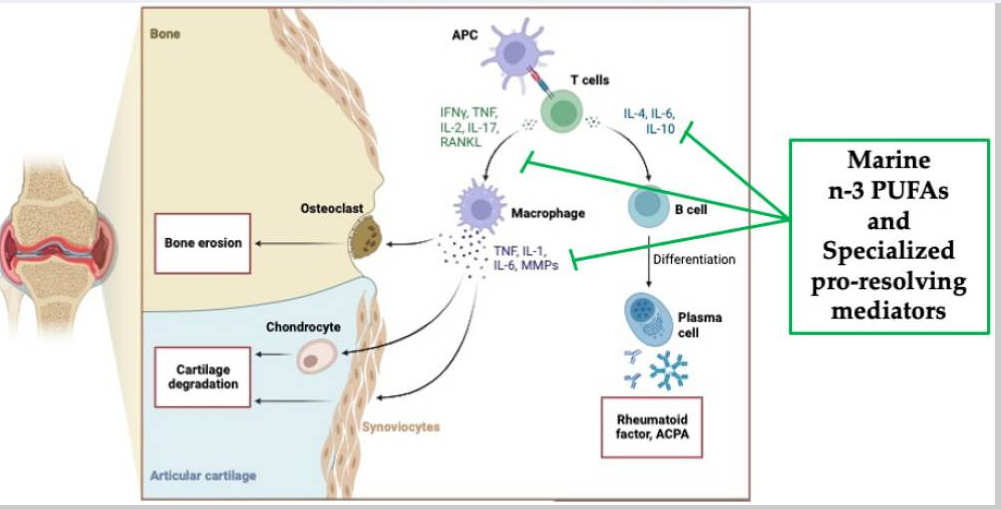
A 2024 review of marine omega-3 PUFA (polyunsaturated fatty acids) for RA reported:

“Altogether the data reported in this review show that anti-inflammatory interventions, i.e., high fish consumption or supplements containing n-3 PUFAs, should be the standard of care, along with pharmacotherapy, in treating patients with RA.”

And here is a graphic from that article showing the effect of SPMs (specialized pro-resolving mediators, derived from omega-3s):

What about osteoarthritis?

A multicenter randomized double blind placebo controlled trial of krill oil containing 0.60 g EPA/d, 0.28 g DHA/d, 0.45 g astaxanthin/d demonstrated improvements in pain, stiffness and physical function.

Some omega-3 supplement studies have demonstrated no significant pain relief in osteoarthritis. Those studies did not reduce the consumption of pro-inflammatory n-6 fatty acids which compete with omega-3 fats for the enzymes which can lead to pro or anti-inflammatory mediators. They also did not measure the omega 6/omega 3 ratio in blood or tissues. Nor did they measure the omega-3 index (% of omega-3 achieved in red blood cell membranes, the gold standard for evaluating tissue levels achieved) This 2018 analysis stated:

“High Omega-3 (n-3) polyunsaturated fatty acids (PUFAs) are associated with lower levels of inflammatory mediators, anti-nociception, and adaptive cognitive/emotional functioning. High Omega-6 (n-6) PUFAs are associated with inflammation, nociception, and psychological distress. While findings related to n-3 supplementation in knee OA are mixed, consideration of the n-6:n-3 ratio and additional outcome measures may provide improved understanding of the potential relevance of these fatty acids in OA”

The authors went on to access blood n-6/n-3 ratios in patients with OA and found the following:

“The high ratio group reported greater pain and functional limitations, (all p’s<0.04), mechanical temporal summation (hand and knee, p<0.05), and perceived stress (p=0.008) but not depressive symptoms.”

“In adults with knee pain, a high n-6:n-3 ratio is associated with greater clinical pain/functional limitations, experimental pain sensitivity, and psychosocial distress compared to a low ratio group.”

The anti-inflammatory diet that I follow and recommend eliminates the major sources of excess omega-6 in the diet, specifically the “vegetable oils” which are actually seed, grain, and legume oils predominated by soy oil, corn oil, peanut and cottonseed oil present in cooking “vegetable oils” and processed foods. A table that displays the ratio of omega 3 to omega 6 in various oils can be found here. Note that this table does not reveal the amounts of MUFA (mono unsaturated fatty acids) which are arguably “heart healthy”. Nor does it address the important issue of protective polyphenols and anti-oxidants (such as in Extra Virgin Olive oil aka EVOO). So do not make choices of oil based only on the omega-3/6 ratio.

Another consideration in choosing oils for cooking (as opposed to salad dressing) is the smoke point. Under high heat, oils are subject to oxidation which creates a proinflammatory effect when consumed. Refined Avocado oil has the highest smoke point (520 degrees F). But we digress. Back to pain and arthritis.

An article just published in Nutrients reviewed Omega-3 Supplementation and Its Effects on Osteoarthritis.

“omega-3 polyunsaturated fatty acids (PUFA) have demonstrated an influential role in the progression of OA, resulting in the reduction of cartilage destruction, inhibition of pro-inflammatory cytokine cascades, and production of oxylipins that promote anti-inflammatory pathways.” 

“Research has demonstrated a positive effect on the modulation of OA symptoms through diet and exercise to promote an anti-inflammatory environment. More specifically, omega-3 PUFAs have demonstrated a reduction in inflammatory biomarkers and cartilage degradation, counteracting the natural disease state of OA. In addition to their chondroprotective role, omega-3 supplementation has been shown to have indirect positive effects on muscle tissue recovery following exercise, which is necessary to prevent the progression of OA and maintain an independent, healthy lifestyle. The effects of omega-3 supplementation on the disease state of OA and its symptoms remain inconclusive. Further clinical trials utilizing human participants are warranted to provide a conclusive recommendation on standardized supplementation of omega-3 for the modulation of osteoarthritis.”

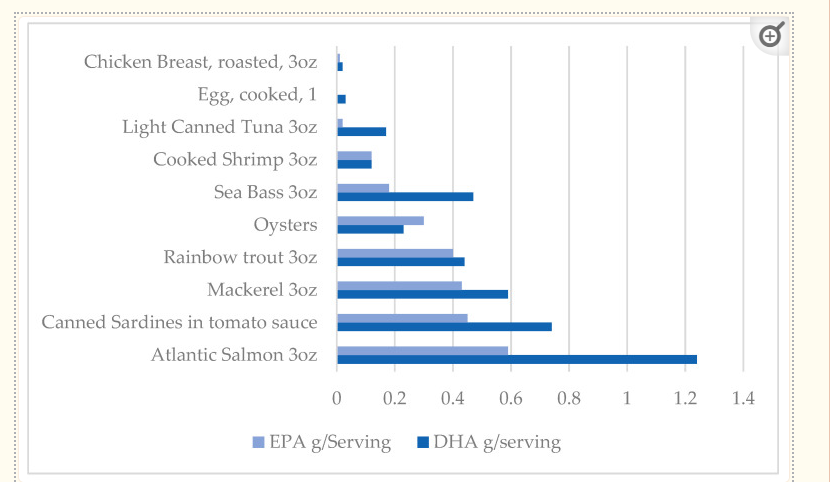
Given the cardioprotective effects, discussed in my last post (including an 80% reduction in sudden death at the highest quintile of omega-3 index) and other benefits (reduction in all cause mortality with high tissue levels), there are many reasons to include large amounts of low mercury fatty fish (wild Alaskan salmon, sardines, herring, trout) in the diet and to consider supplementation when your omega 3 index is < 8%. Likewise, in the presence of arthritis and pain, getting tissue levels of omega 3 up and reducing excessive pro-inflammatory omega 6 will likely provide significant benefit.

Here is a graphic with the omega 3 content of some foods.

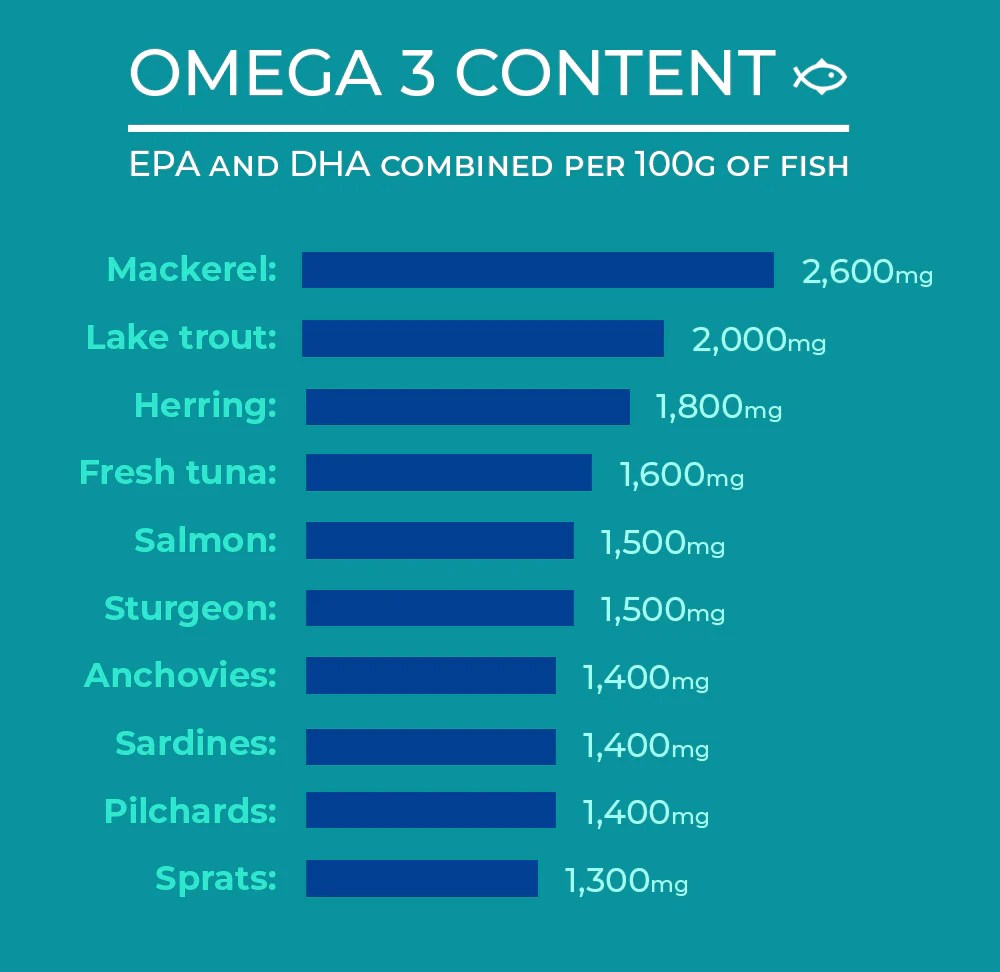
And another:

As mentioned in my previous post about omega-3 and cardiovascular health, 1800 mg of omega-3 FA daily is adequate in most people to achieve and omega-3 index of 8%, the level at which cardiovascular protection is greatest.

THIS WEBSITE PROVIDES INFORMATION FOR EDUCATIONAL PURPOSES ONLY. CONSULT YOUR HEALTH CARE PROVIDER FOR MEDICAL ADVICE.

Eat clean, drink filtered water, love, laugh, exercise outdoors in a greenspace, get some morning sunlight, block the blue light before bed, engage in meaningful work, find a sense of purpose, spend time with those you love, AND sleep well tonight.

Doctor Bob

4th International Evolutionary Health Conference

Sorry for the confusion. The website for the International Evolutionary Health Conference changed when the venue changed from Boston to Virtual. Here is the correct website link which gives a list of speakers/topics and sign up information. 

https://2023.evolutionaryhealthconference.com/

The previously published link will lead you to a site that says “canceled”. The conference is not cancelled, the venue has changed to virtual. 

Dr. Bob

/

Fourth International Evolutionary Health Conference

I’ve been asked to talk at the fourth International Evolutionary Health Conference on the topic of Cardiovascular Risk Assessment. This year the conference is virtual. Presenters include clinicians and researchers discussing many topics related to health. The underlying principle of this approach attributes modern degenerative and chronic diseases to mismatch between our evolutionary biology and present day life. You can sign up for this virtual event here.

https://2023.evolutionaryhealthconference.com/

Agenda

9:45 AM – 10:00 AM

Opening remarks

Prof. Lynda Frassetto

10:00 AM – 10:30 AM

Maladaptive cognitive/emotional processing as the cause of the stress response

Prof. Igor Mitrovic


Physiologic reserve is spare capacity activated when demand exceeds baseline, causing stress. If demand surpasses reserve, it damages the system and leads to death. The brain predicts the future to a…
View More

10:30 AM – 11:00 AM

How breathing patterns affect health

Dr. Michael Mew

11:00 AM – 11:15 AM

Round table with Q & A (Moderator: Darryl Edwards)

Dr. Michael Mew

Prof. Igor Mitrovic

11:15 AM – 11:45 AM

Break and Poster session


If you would like to submit a poster, please contact us at evolution.conference@nutriscience.pt

11:45 AM – 12:15 PM

Decoding The Truth: Cancer, Carbs and Cure

Darryl Edwards, MSc


1. We will delve into the extensive evidence showcasing how higher levels of physical activity can reduce the risk of various cancers. 2. While awareness of the importance of exercise exists, we will…
View More

12:15 PM – 12:45 PM

Influential factors on sun-induced vitamin D synthesis

Pedro Bastos, PhD candidate


Ultraviolet B radiation is absorbed in the epidermis by 7-dehydrocholesterol, giving rise to previtamin D3 and subsequently to vitamin D3. In the liver, vitamin D is converted to one of the various c…
View More

12:45 PM – 1:00 PM

Round table with Q & A (Moderator: Prof. Lynda Frassetto)

Darryl Edwards, MSc

Pedro Bastos, PhD candidate

1:00 PM – 2:15 PM

Lunch Break

2:15 PM – 2:45 PM

How nutrition can impact microbiome composition/permeability/immune response

Prof. Alessio Fasano


Improved hygiene and reduced microorganism exposure are linked to the ‘epidemic’ of chronic inflammatory diseases (CID) in developed nations. This hygiene hypothesis suggests that lifestyle and envir…
View More

2:45 PM – 3:15 PM

Comprehensive cardiovascular risk assessment

Dr. Robert Hansen


Assessing insulin resistance is central to predicting CV risk. LDL-C and standard lipid profile is extremely limited in predictive value. A systems engineering understanding of atherosclerosis and ev…
View More

3:15 PM – 3:30 PM

Round table with Q & A (Moderator: Pedro Bastos)

Prof. Alessio Fasano

Dr. Robert Hansen

3:30 PM – 3:45 PM

Short Break

3:45 PM – 4:15 PM

Environmental influences on cellular senescence and aging

Prof. Peter Stenvinkel


Planetary health recognizes that human well-being depends on the health of ecosystems. Neglecting this concept has led to an anthropocentric world, causing increased greenhouse gas emissions, heat st…
View More

4:15 PM – 4:45 PM

Fueling a Bright Future: The Role of Diet in Preventing Childhood Obesity

Dr. Polina Sayess


Childhood obesity is a global health issue. In my presentation, I’ll explore its origins, classifications, and mitigation strategies. I’ll discuss the definitions and distinctions between “overweight…
View More

4:45 PM – 5:00 PM

Round table with Q & A (Moderator: Prof. Lynda Frassetto)

Prof. Peter Stenvinkel

Dr. Polina Sayess

5:00 PM – 5:30 PM

Final discussion with all speakers and moderators


Establishing future research and intervention directions.

5:30 PM – 5:45 PM

Closing remarks

Prof. Lynda Frassetto

Please join us if you can.

Dr. Bob

Paxlovid is a winner, but lifestyle changes are essential to mitigate Covid risk.

This discussion was originally posted before PAXLOVID WAS AVAILABLE. The title was originally Lifestyle More Effective than Drugs.

But now we have Paxlovid. Paxlovid is very effective in reducing morbidity and mortality associated with Covid-19 infection but also appears to reduce risk of Long Covid. Standard dosing: PAXLOVID two 150-mg tablets of nirmatrelvir, one 100-mg tablet of ritonavir twice daily for 5 days.

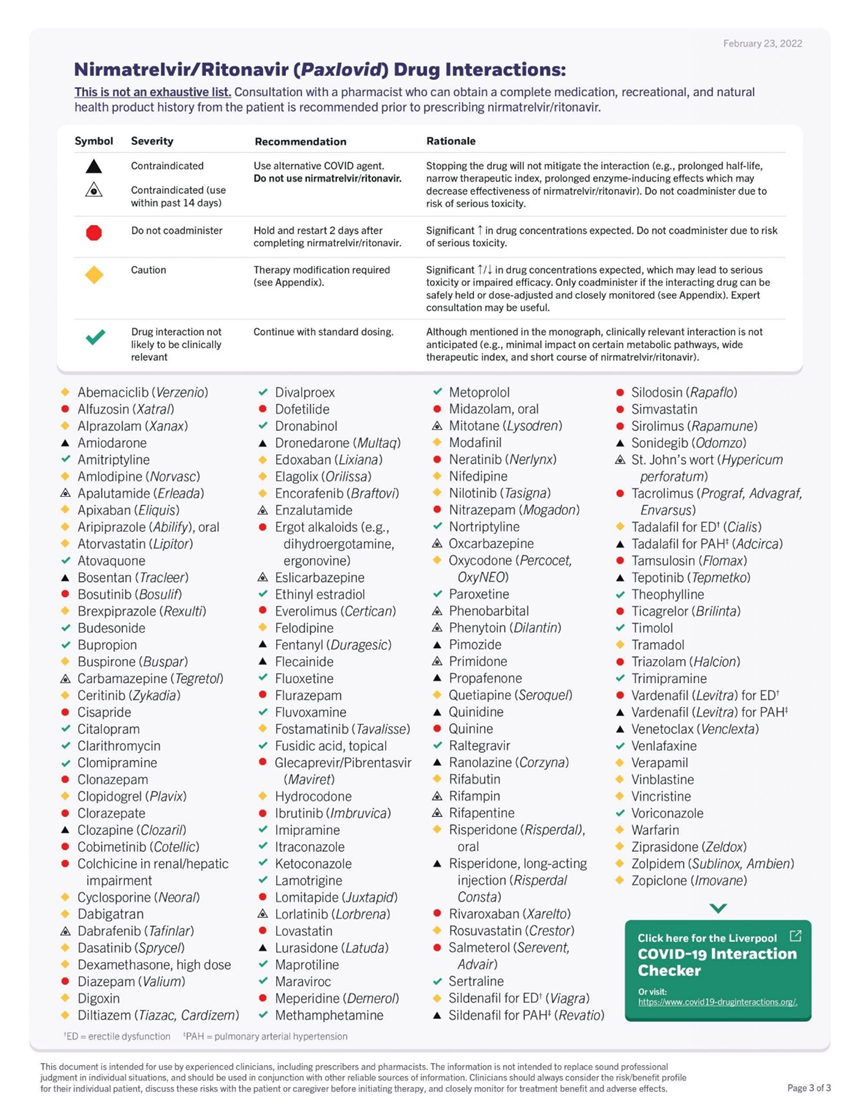
Dose adjustments are necessary for certain medical conditions and there are many drug interactions that should be considered. But do not let that discourage you from asking your provider to prescribe this drug for an acute Covid infection. This is a truly effective drug. It decreases morbidity and mortality as well as risk for Long Covid.

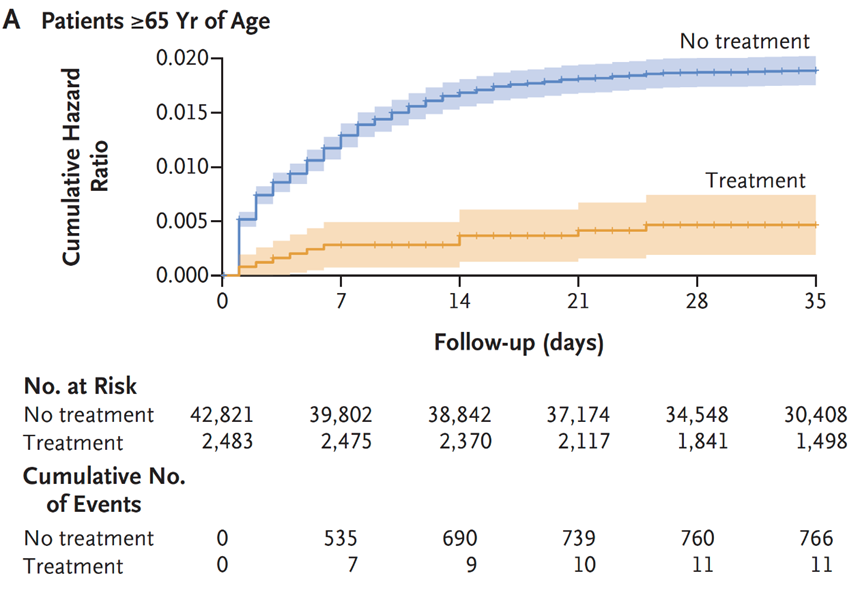
The results of a randomized placebo controlled clinical trial in high risk individuals has been published in the NEJM. The study was done just when Omicron hit. The study demonstrated an 89% reduction of hospitalizations and deaths by day 28 (absolute reduction of 6.2/100) with ZERO deaths in the Paxlovid group (7 in the placebo group). Paxlovid also had LESS side effects than placebo.

Another study from Israel demonstrated equally impressive results as shown here.

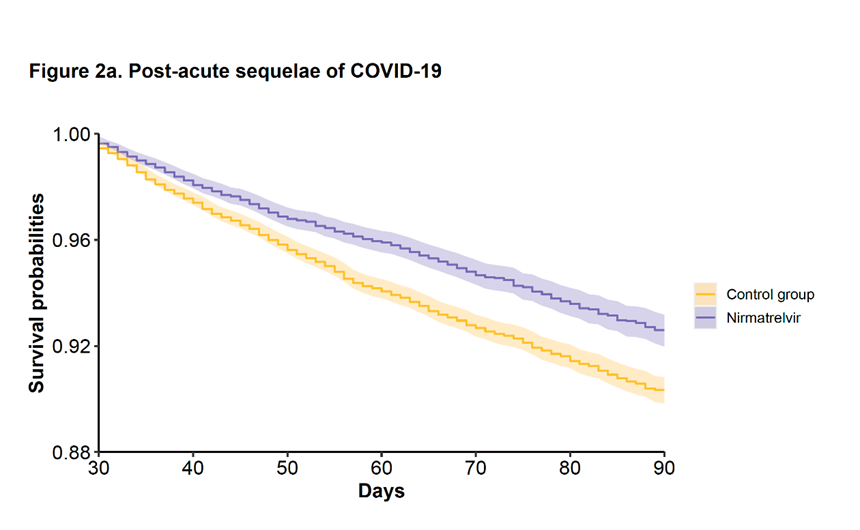
In addition, a study from the VA has looked at longer term effects (pre-print publication, still waiting for peer review.)

The study included 9000 Paxlovid patients treated within 5 days of symptom onset during the Omicron and subvariant waves and compared the treated patients with approximately 47,000 matched controls.

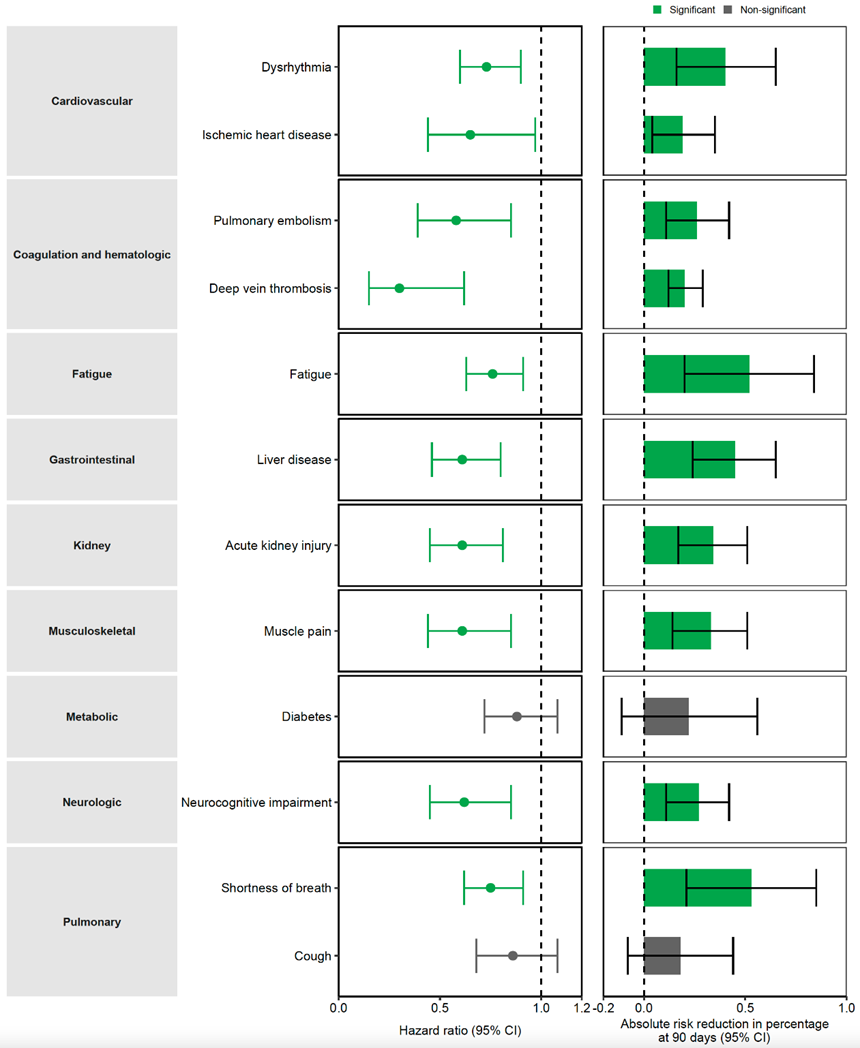
There was a 26% reduction in Long Covid.

Here is a breakdown of the Long Covid Symptoms

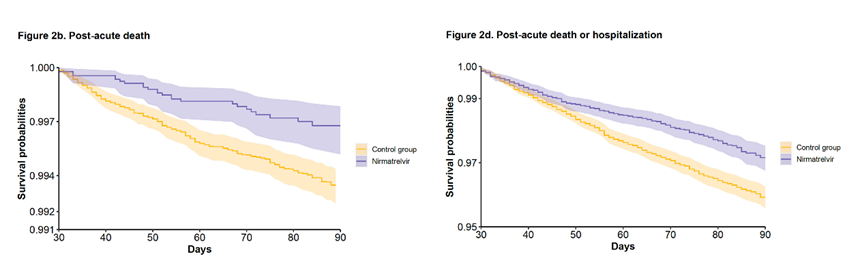
The VA study also showed a 48% reduction of death and 30% reduction in hospitalization after the acute phase (acute phase = first 30 days) as demonstrated here.

Many drug intervention trials for treating COVID-19 early in the pandemic have been disappointing. No studies have shown benefit for hydroxychloroquine, with or without azithromycin. This topic has been covered in previous posts. Remdesivir was FDA approved based upon one study that showed reduction in duration of symptoms. The mortality rate with Remdesivir, however, did not demonstrate a statistically significant difference when compared to “usual care”. https://www.niaid.nih.gov/news-events/nih-clinical-trial-shows-remdesivir-accelerates-recovery-advanced-covid-19

Another study published in Lancet failed to show any clinical benefit from Remdesivir.

“No statistically significant benefits were observed for remdesivir treatment beyond those of standard of care treatment. Our trial did not attain the predetermined sample size because the outbreak of COVID-19 was brought under control in China. Future studies of remdesivir, including earlier treatment in patients with COVID-19 and higher-dose regimens or in combination with other antivirals or SARS-CoV-2 neutralising antibodies in those with severe COVID-19 are needed to better understand its potential effectiveness.”

https://www.thelancet.com/journals/lancet/article/PIIS0140-6736(20)31022-9/fulltext

Likewise well designed studies of Ivermectin have shown no clinical benefit.

Monoclonal antibodies effective against early variants are no longer effective against the newer variants. So in terms of drug therapies for acute Covid infections we have Paxlovid for out patient care and dexamethasone for critically ill patients.

But we do know that certain underlying conditions such as obesity, diabetes, pre-diabetes (insulin resistance) and hypertension significantly increase risk of DEATH AND COMPLICATIONS with COVID-19. Since there are lifestyle interventions that can quickly and effectively mitigate these problems (diet, exercise, sleep, stress reduction….) now would seem like a good time to take our epidemics of obesity and diabetes in hand with aggressive lifestyle interventions to decrease the mortality rate of COVID-19 infection.

Such measures do not require expensive drugs or expensive drug trials, they simply require knowledge, guidelines and the will to implement change in our daily habits. Yet there has been little discussion about this in the media or on the part of public health officials.

Lets look at obesity in the US.

From 1999–2000 through 2017–2018, the age-adjusted prevalence of obesity increased from

30.5% to 42.4%, and the prevalence of severe obesity increased from 4.7% to 9.2%.

The most effective tool for addressing obesity and diabetes is a very low carbohydrate diet.

Effects of the Low Carbohydrate, High Fat Diet on Glycemic Control and Body Weight in Patients With Type 2 Diabetes: Experience From a Community-Based Cohort

https://pubmed.ncbi.nlm.nih.gov/32193200/

This study was a done in a community-based program, not an academic practice setting. That is significant since it demonstrates feasibility outside of academic centers with standard community resources. The results of this study confirmed the results of many previous studies done in academic settings including better blood sugar control, reduction or elimination of diabetic medications, and significant weight loss.

All patients following the LCHF diet who initially took
insulin had either a reduction or discontinuation of
this therapy by their healthcare provider when clinically
indicated, compared with less than a quarter of
those receiving usual care.

In another study done in Italy, significant weight reduction (7 kg), waistline reduction (7 cm.), fat mass reduction (3.8%) and systolic blood pressure reduction (10.5 mmHg) were achieved in 3 months with a Very Low Carbohydrate diet.

Middle and Long-Term Impact of a Very Low-Carbohydrate Ketogenic Diet on Cardiometabolic Factors: A Multi-Center, Cross-Sectional, Clinical Study (https://pubmed.ncbi.nlm.nih.gov/25986079/

Nina Teicholz had an opinion piece published in the Wall Street Journal on May 30, discussing the USDA dietary guidelines that have largely ignored a massive body of evidence supporting a Very Low Carbohydrate Diet for obesity and diabetes. She cites many studies that have been ignored by the USDA dietary guidelines committee. Here is here opening statement.

“Americans with obesity, diabetes, heart disease and other diet-related diseases are about three times more likely to suffer worsened outcomes from Covid-19, including death. Had we flattened the still-rising curves of these conditions, it’s quite possible that our fight against the virus would today look very different.”

You can read the full article here:

https://www.wsj.com/articles/a-low-carb-strategy-for-fighting-the-pandemics-toll-11590811260

But think about that simple statement, THREE TIMES MORE LIKELY TO SUFFER WORSENED OUTCOMES FROM COVID-19. Yet these conditions are highly responsive to lifestyle interventions that not only mitigate obesity, insulin resistance and high blood pressure, but also enhance immune function.

More from Teicholz’s opinion piece:

Other studies have found that dietary changes can rapidly and substantially improve cardiovascular risk factors, including conditions like hypertension that are major risk factors for worsened Covid-19 outcomes. A 2011 study in the journal Obesity on 300 clinic patients eating a very low-carbohydrate diet saw blood pressure quickly drop and remain low for years. And a 2014 trial on 148 subjects, funded by the National Institutes of Health, found a low-carb diet to be “more effective for weight loss and cardiovascular risk factor reduction” than a low-fat control diet at the end of the 1-year experiment.

In a recent letter to the editor published in the journal METABOLISM, Dr. Casey Means points out:

A diagnosis of diabetes has been a key indicator of the severity of
COVID-19, and in this regard, the virus has relentlessly highlighted our
global Achilles heel of metabolic dysfunction, and points to a prime opportunity
to fight back.
That fight, however, is not going to be won with Clorox, Purell,
masks, or anti-IL-6 drugs. The fight will only be won through a serious
commitment to improving everyone’s foundational metabolic health,
starting with the lowest hanging evidence-based fruit: dietary and lifestyle
interventions.

Read the full letter here: https://www.metabolismjournal.com/article/S0026-0495(20)30118-9/pdf

In 2 pages the letter describes multiple benefits of better glucose control relative to COVID -19 infection and the immune system as well as reduction of factors that lead to cytokine storm (terminal event for many COVID-19 patients). The letter also discusses the benefit of reducing environmental toxins (discussed in previous posts about COVID-19 and other health problems) that would likely benefit COVID-19 patients.

Research published April 18th, 2020 found that patients exposed to
highest amount of environmental nitrogen dioxide (NO2) had increased
risk of death fromCOVID-19, and that long-term exposure to this pollutant
may be one of the most important contributors to fatality by
compounding lung inflammation [20].

Minimizing exposure to environmental
pollutants may serve a role in quelling the underlying pro-inflammatory
state that characterizes metabolic disease and COVID-19 associated
cytokine storms
.

Other environmental toxins, including persistent organic pollutants
(POPs) found in air, water, and food generated from pesticides
and industrial chemicals, are also strongly implicated in the pathogenesis
of metabolic syndrome; promoting “clean living,” toxin-avoidant
strategies for patients as simple as emphasizing organic foods, home
air purification, and non-toxic home supplies could be considered, although
the clinical utility of these measures in the acute setting is unknown
[21].

In discussing the white elephant in the room he states:

What is starkly missing is the clear, simple, and strong recommendation for no added
sugar or ultra-refined carbohydrates, both of which are known drivers
of postprandial hyperglycemia and inflammation. As a medical community, we must not miss the opportunity to serve patients with straightforward, evidence-based nutritional and lifestyle strategies to assist in glycemic control.

I would encourage you to follow the link and read the 2 pages supported by multiple peer-reviewed references.

An ancestral (paleo) diet is also very effective for addressing insulin resistance, diabetes type 2 and obesity. Multiple studies have demonstrated this. Although an ancestral approach is typically low carb it is not typically ketogenic, but a ketogenic ancestral diet (high in non starchy vegetables to support the gut microbiome) can be implemented by restricting fruits to one serving of berries per day and limiting starchy vegetables.

Even without severe carbohydrate restriction, an ancestral anti-inflammatory diet will quickly address insulin resistance, type 2 diabetes, and obesity. In this study, insulin resistance was reversed in 10 days.

And another study compared an Ancestral (Paleo) diet to the Mediterranean diet in patients with ischemic heart disease AND insulin resistance (glucose intolerance or type 2 diabetes). Ancestral diet was superior to the Mediterranean diet in improving insulin sensitivity, blood sugar control and greater fat loss. Fasting blood sugars normalized in all patients on the Ancestral diet who had previously had abnormal blood sugars.

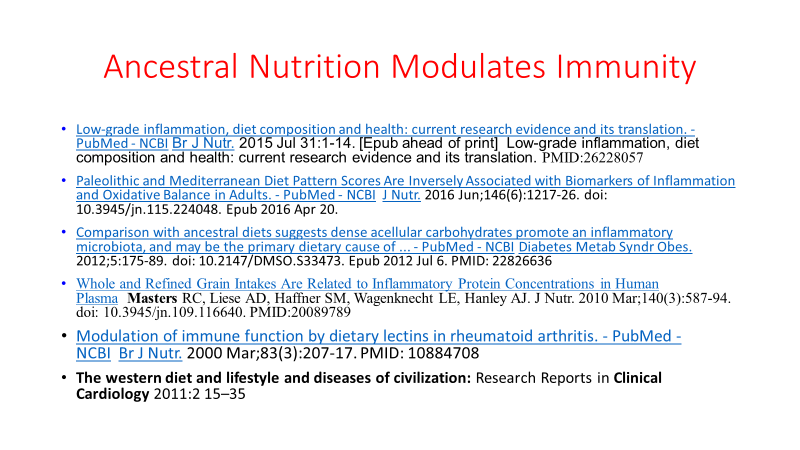
And here is a slide from one of my lectures with references on how an ancestral diet modulates immunity.

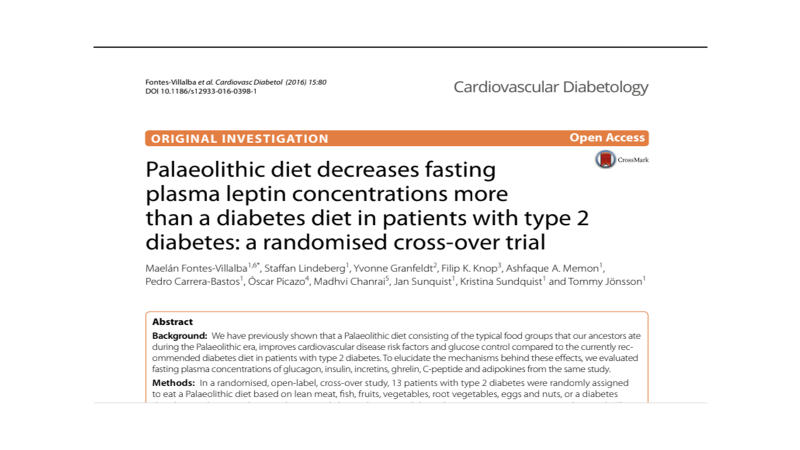
Leptin resistance, insulin resistance and obesity travel together. Here is yet another study demonstrating the effectiveness of an ancestral diet.

If you have obesity, diabetes or pre-diabetes the Very Low Carbohydrate version of the anti-inflammatory diet linked above would be the fastest and most effective intervention you can immediately employ to reduce your risk of succumbing to COVID-19. (Of course wear an N-95, follow good hygiene with hand-washing frequently, and use a HEPA filter or Corsi-Rosenthal box in your home, office, and enclosed work spaces)

In the context of the COVID 19 pandemic I will close with the usual summary.

  1. Avoid alcohol consumption (alcohol wreaks havoc with your immunity)
  2. Get plenty of sleep (without adequate sleep your immune system does not work well )
  3. Follow good sleep habits
  4. Exercise, especially out of doors in a green space, supports the immune system
  5. Get some sunshine and make sure you have adequate Vitamin D levels. Supplement with Vitamin D3 to get your levels above 30 ng/ml, >40ng/ml arguably better.
  6. Eat an anti-inflammatory diet rich in micronutrients.
  7. Practice stress reduction like meditation and yoga which improves the immune system
  8. Eliminate sugar-added foods and beverages from your diet. These increase inflammation, cause metabolic dysfunction, and suppress immunity.
  9. Eliminate refined-inflammatory “vegetable oils” from your diet, instead eat healthy fat.
  10. Clean up your home environment and minimize your family’s exposure to environmental toxins by following recommendations at EWG.org with regards to household products, personal care products, and organic foods. (https://www.ewg.org/)
  11. Drink water filtered through a high quality system that eliminates most environmental toxins.
  12. HEPA filters or the home-made version (Corsi-Rosenthal box) used in your home or workplace can reduce circulating viral load as discussed on this website.
  13. If you are eligible for vaccination, consider protecting yourself and your neighbor with a few jabs. Age > 50 and/or risk factors (Diabetes, pre-diabetes, insulin resistance, hypertension, obesity, heart disease, COPD, asthma, cancer treatment, immune suppression) suggests benefit from a booster. Risk for complications of boosters in adolescents, especially males, without risk factors, may equal benefit. Previous infection with Covid can be considered as protective as a booster. Discuss risk vs benefits with your doctor.

THIS WEBSITE PROVIDES INFORMATION FOR EDUCATIONAL PURPOSES ONLY. CONSULT YOUR HEALTH CARE PROVIDER FOR MEDICAL ADVICE.

Eat clean, drink filtered water, love, laugh, exercise outdoors in a greenspace, get some morning sunlight, block the blue light before bed, engage in meaningful work, find a sense of purpose, spend time with those you love, AND sleep well tonight.

Doctor Bob