Category Archives: heart attack

Insulin Resistance, the silent killer and root cause of modern chronic disease.

Insulin is much more than a blood sugar hormone. Produced by the pancreas primarily in response to carbohydrate and sugar consumption, insulin is a master anabolic signal that dictates how every cell in your body grows, uses energy, and repairs itself. When insulin levels are healthy, it keeps the body in a state of “build and store.” When insulin resistance (IR) develops, the body loses its ability to hear this signal, leading to systemic breakdown. Instead of “build and store” the body deteriorates, causing loss of muscle mass, strength, energy production, memory and cognitive function, bone strength, brain cells and connections, ability of blood vessels to relax, ability for the heart to pump blood, ability to achieve restorative sleep, ability of the liver and kidneys to clear toxins from the body, even the ability to reproduce resulting in infertility and erectile dysfunction. Visceral fat stores increase to destructive levels resulting in obesity and obesity-related complications including chronic inflammation which further drives IR to higher levels.

IR is a root cause of cardiovascular disease (heart attack, stroke, hypertension, heart failure), many kinds of cancer (directly linked to breast, prostate and colon cancer), kidney failure, heart failure, dementia, osteoporosis, osteoarthritis, and much more.  IR is causally linked or a contributor to, every chronic non-communicable disease of modern civilization.

WHAT IS INSULIN RESISTANCE?

Insulin resistance is the inability of cells and organs to respond normally to insulin signaling. Every cell of every organ has insulin receptors that initiate action by the cell and organ.

WHAT CAUSES INSULIN RESISTANCE?

There are many causes of IR. Stress hormones (cortisol, adrenaline), inflammation, and high insulin levels themselves (response to dietary sugar and refined carbohydrates), each alone and in combination, cause immediate (within minutes to hours) insulin resistance. When these conditions persist over time insulin resistance becomes a chronic state. As fat cells grow in size, they reach a point where there is inadequate blood flow to the cells themselves and macrophages (immune cells that reside between the fat cells, most prominently in visceral fat) produce inflammatory chemicals called cytokines. Cytokines flow through the blood stream and effect every organ and every cell in the body creating a state of chronic inflammation which further worsens IR, creating a vicious cycle. As IR continues the pancreas produces increasingly higher amounts of insulin to maintain normal blood sugar levels but eventually IR becomes so great that blood sugar levels move into the “pre-diabetes” and eventually the diabetes range. IR builds for years to decades before blood sugar regulation fails. By the time blood sugar levels are “abnormal” insulin resistance has done great damage throughout the body.

Most doctors tragically do not order fasting insulin levels as routine blood tests. Fasting insulin levels rise long before fasting blood sugars and hemoglobin A1c start to rise. Meanwhile the damage progresses under the radar of routine testing.


1. Metabolic Engines: Muscle and Liver

Muscle

  • Normal Action: Insulin acts as a key that opens “doors” (GLUT4 receptors) to let glucose in for fuel. it also stimulates protein synthesis. Protein synthesis is essential to maintaining and increasing muscle mass and strength.
  • Insulin Resistance Effect: The “doors” stay locked. Glucose stays in the blood, and the muscle becomes “starched,” leading to sarcopenia (muscle wasting) and fatigue. The muscle can no longer utilize dietary protein to maintain or increase muscle mass.

Liver

  • Normal Action: Tells the liver to stop producing glucose and start storing it as glycogen or converting excess into fat.
  • Insulin Resistance Effect: The liver ignores the “stop” signal and keeps pumping out glucose while simultaneously ramping up fat production. This results in Non-Alcoholic Fatty Liver Disease (NAFLD).

2. Fat Cells (Adipose Tissue)

Visceral (Deep Fat) vs. Subcutaneous (Under Skin)

  • Normal Action: Insulin promotes fat storage and inhibits the breakdown of stored fat (lipolysis).
  • Insulin Resistance Effect: Fat cells—especially visceral ones—become “leaky.” They spill free fatty acids into the bloodstream and release inflammatory cytokines. This causes weight gain that is biologically difficult to lose because high insulin levels keep the “fat-burning” switch permanently off.

3. The Vital Organs: Heart, Kidneys, and Arteries

Heart and Arteries

  • Normal Action: Insulin stimulates the release of nitric oxide, which helps arteries relax and dilate.
  • Insulin Resistance Effect: Nitric oxide production drops, causing arteries to stiffen (hypertension). High insulin also damages the endothelial lining, leading to atherosclerosis (plaque buildup). This is the primary driver of heart failure, heart attacks and strokes.

Kidneys

  • Normal Action: Helps regulate sodium reabsorption.
  • Insulin Resistance Effect: The kidneys hold onto too much salt, increasing blood pressure. Over time, high blood sugar and inflammation damage the filtering units, leading to chronic kidney disease (CKD).

4. The Brain, Memory, and Sleep

Brain and Memory

  • Normal Action: Insulin crosses the blood-brain barrier to regulate appetite and support synaptic plasticity (the basis of learning).
  • Insulin Resistance Effect: Often called “Type 3 Diabetes,” brain IR starves neurons of energy and allows amyloid plaques and neurofibrillary tangles to build up. Worse, the brain is unable to utilize glucose to meet energy demands it starts to malfunction. This is a direct pathway to Alzheimer’s disease and dementia. As the small arteries in the brain become atherosclerotic and unable to deliver adequate oxygen and nourishment to brain cells small areas of the brain become permanently damaged eventually leading to vascular dementia.

Sleep

  • Insulin Resistance Effect: IR is heavily linked to Obstructive Sleep Apnea. (OSA) High insulin affects the central respiratory drive and increases fat deposits around the neck (a major contributor to obstructive sleep apnea), disrupting sleep cycles and creating periods of inadequate oxygen flow to the brain resulting in the acute stress response and awakening with each apneic event. Even without OSA, high insulin levels impair the production of melatonin which is essential to normal-restorative sleep. Throughout the day the brain accumulates metabolic toxins that must be cleared through the glymphatic system at night during sleep. As sleep is impaired this clearance system is disrupted, contributing to structural damage and functional loss. Sleep disruption and apneic episodes are stressful events, increasing stress hormones which then worsen IR, creating another vicious cycle. One night of sleep disruption causes acute IR. Chronic sleep disruption contributes to chronic IR.

5. Immunity and Structural Health

Immune System

  • Action: High insulin/glucose impairs white blood cell function.
  • Effect: Chronic inflammation (high CRP levels) and a weakened defense against infections. This is why diabetics often have poor wound healing. As normal immune regulation is impaired the immune system both over-reacts and under-reacts. Under-reaction increases risk of infection. Over-reaction produces cytokine storms seen with Covid-19 and other infections. Chronic inflammation worsens IR creating another vicious cycle. Chronic inflammation contributes to most chronic diseases.

Bone and Joints

  • Action: Insulin is bone-building.
  • Effect: IR leads to poor bone quality (despite high density) and osteoarthritis due to systemic inflammation and the “glycosylation” (sugar-coating) of joint cartilage, making it brittle.

6. The Pancreas: Beta and Alpha Cells

  • Normal Action: Beta cells produce insulin; Alpha cells produce glucagon (which raises sugar). They balance each other.
  • Insulin Resistance Effect:
    • Beta Cells: Work overtime to produce massive amounts of insulin to compensate, eventually “burning out” and dying. This can produce per4manent irreversible damage to the pancreas.
    • Alpha Cells: Become resistant to insulin’s “stop” signal and keep secreting glucagon, further raising blood sugar levels which in turn cause higher insulin secretion, both of which worsen IR, creating another vicious cycle.

7. Reproductive Effects: Infertility

  • In Women: High insulin stimulates the ovaries to produce excess testosterone, which is the primary driver of Polycystic Ovary Syndrome (PCOS) and infertility.
  • In Men: IR is a leading cause of low testosterone and erectile dysfunction (due to the arterial damage mentioned above).

Summary of Systemic Effects

ConditionPrimary Mechanism of Insulin Resistance
AtherosclerosisEndothelial dysfunction, high triglycerides, low HDL, increased TG/HDL ratio, increased small dense LDL and remnant particles, increased endothelial permeability.
DementiaNeuronal glucose starvation and plaque buildup, brain small vessel disease, disruption of blood brain barrier.
Chronic InflammationRelease of cytokines from visceral fat.
Heart FailureStiffening of the heart muscle and high blood pressure.
DiabetesPancreatic beta cell and alpha cell damage

Insulin’s Role vs. Insulin Resistance (IR)

Organ/SystemNormal Insulin ActionEffects of Insulin Resistance
LiverStops glucose production; stores glucose as glycogen.The liver ignores the “stop” signal, pumping out sugar even when you haven’t eaten (fatty liver).Fatty liver disease is the greatest cause of liver failure in the US.
MusclePrimary site for glucose uptake; promotes protein synthesis.Muscles can’t take in fuel efficiently, leading to fatigue and muscle wasting (sarcopenia). Muscle cells cannot use amino acids from dietary protein to maintain or build muscle. Elderly lose muscle and strength, resulting in falls, fractures and head trauma. Loss of muscle (the major sink for blood sugar after a meal) further increases duration and degree of blood sugar and insulin rise after a meal, which in turn increases IR. (vicious cycle)
Fat (Adipose)Stores fat; inhibits the breakdown of stored fat.Fat cells leak fatty acids into the blood, leading to high triglycerides and visceral fat gain. Macrophages (immune cells) produce inflammatory cytokines which circulate through the body contributing to chronic inflammation which worsens IR, another vicious cycle.
BrainRegulates appetite, memory, and cognitive function.Linked to “Type 3 Diabetes”; impaired memory and increased risk of neurodegeneration. Brain loses ability to meet energy demands and clear toxins. Insulin resistance in the brain explains memory loss, cognitive impairment, loss of neurons and synapses, loss of neuroplasticity. BDNF (brain derived neurotrophic factor) production is decreased by IR.
ArteriesStimulates nitric oxide for vasodilation (keeps vessels flexible).Reduced nitric oxide causes vessels to stiffen, raising blood pressure and plaque buildup. This is called endothelial dysfunction, the precursor to heart attack, stroke, peripheral vascular disease and a root cause for neuropathy and amputations.
HeartRegulates fuel use (switching between glucose and fats).The heart becomes “metabolically inflexible,” increasing the risk of heart failure.
KidneyManages sodium reabsorption and filtration.High insulin causes the kidneys to hold onto salt, driving up blood pressure and damaging filters. Oxidative stress leads to kidney failure.
Immune SystemModulates inflammation and helps T-cell function.Creates a state of “chronic low-grade inflammation” and weakens the response to infections.
BoneStimulates bone-forming cells (osteoblasts).Bone quality decreases; despite higher bone density in some cases, the bones are more brittle.
JointsMaintains cartilage and reduces systemic inflammation.High insulin promotes pro-inflammatory cytokines, accelerating osteoarthritis and gout.

 A meal with sugar and refined carbohydrates causes excessive swings in blood sugar and insulin levels, creating insulin resistance and downstream damage. Alcohol consumption contributes to this process. Fat consumption does not cause a rise in blood sugar or insulin levels. Protein consumption produces a minimal rise in insulin levels in the absence of IR.
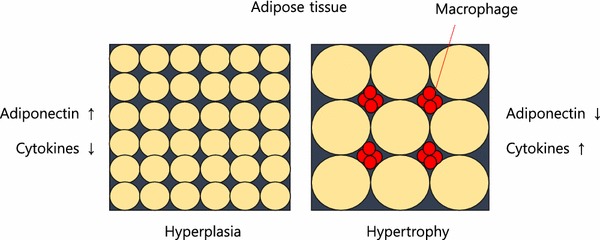
Fat storage can occur through hyperplasia (increase in number of fat cells) or hypertrophy (increase in size). Some ethnic groups are more prone to hypertrophy (south and east Asian). Hypertrophy in visceral fat (fat around the internal organs as opposed to fat under the skin) results in macrophage production of inflammatory cytokines. Eventually, the fat cells themselves can literally burst from too much volume.

 In my next post, I will discuss what we can do to prevent and reverse IR.

REFERENCES

Chadt A, Al-Hasani H. Glucose transporters in adipose tissue, liver, and skeletal muscle in metabolic health and disease. Pflugers Arch. 2020 Sep;472(9):1273-1298. doi: 10.1007/s00424-020-02417-x. Epub 2020 Jun 26. PMID: 32591906; PMCID: PMC7462924.

https://pmc.ncbi.nlm.nih.gov/articles/PMC7462924/

Fujita S, Rasmussen BB, Cadenas JG, Grady JJ, Volpi E. Effect of insulin on human skeletal muscle protein synthesis is modulated by insulin-induced changes in muscle blood flow and amino acid availability. Am J Physiol Endocrinol Metab. 2006 Oct;291(4):E745-54. doi: 10.1152/ajpendo.00271.2005. Epub 2006 May 16. PMID: 16705054; PMCID: PMC2804964.

https://pmc.ncbi.nlm.nih.gov/articles/PMC2804964

Vargas E, Joy NV, Carrillo Sepulveda MA. Biochemistry, Insulin Metabolic Effects. [Updated 2022 Sep 26]. In: StatPearls [Internet]. Treasure Island (FL): StatPearls Publishing; 2025 Jan-. Available from: https://www.ncbi.nlm.nih.gov/books/NBK525983/

https://www.ncbi.nlm.nih.gov/books/NBK525983/

Bugianesi E, Moscatiello S, Ciaravella MF, Marchesini G. Insulin resistance in nonalcoholic fatty liver disease. Curr Pharm Des. 2010 Jun;16(17):1941-51. doi: 10.2174/138161210791208875. PMID: 20370677.

https://pubmed.ncbi.nlm.nih.gov/20370677/

Cardillo C, Nambi SS, Kilcoyne CM, Choucair WK, Katz A, Quon MJ, Panza JA. Insulin stimulates both endothelin and nitric oxide activity in the human forearm. Circulation. 1999 Aug 24;100(8):820-5. doi: 10.1161/01.cir.100.8.820. PMID: 10458717.

https://pubmed.ncbi.nlm.nih.gov/10458717/

Ke JF, Wang JW, Zhang ZH, Chen MY, Lu JX, Li LX. Insulin Therapy Is Associated With an Increased Risk of Carotid Plaque in Type 2 Diabetes: A Real-World Study. Front Cardiovasc Med. 2021 Feb 1;8:599545. doi: 10.3389/fcvm.2021.599545. PMID: 33598483; PMCID: PMC7882504.

https://pubmed.ncbi.nlm.nih.gov/33598483/

Brosolo G, Da Porto A, Bulfone L, Vacca A, Bertin N, Scandolin L, Catena C, Sechi LA. Insulin Resistance and High Blood Pressure: Mechanistic Insight on the Role of the Kidney. Biomedicines. 2022 Sep 23;10(10):2374. doi: 10.3390/biomedicines10102374. PMID: 36289636; PMCID: PMC9598512.

https://pubmed.ncbi.nlm.nih.gov/36289636/

Kumar M, Dev S, Khalid MU, Siddenthi SM, Noman M, John C, Akubuiro C, Haider A, Rani R, Kashif M, Varrassi G, Khatri M, Kumar S, Mohamad T. The Bidirectional Link Between Diabetes and Kidney Disease: Mechanisms and Management. Cureus. 2023 Sep 20;15(9):e45615. doi: 10.7759/cureus.45615. PMID: 37868469; PMCID: PMC10588295.

https://pmc.ncbi.nlm.nih.gov/articles/PMC10588295/

Banks WA, Owen JB, Erickson MA. Insulin in the brain: there and back again. Pharmacol Ther. 2012 Oct;136(1):82-93. doi: 10.1016/j.pharmthera.2012.07.006. Epub 2012 Jul 17. PMID: 22820012; PMCID: PMC4134675.

https://pubmed.ncbi.nlm.nih.gov/22820012/

Rahman MS, Hossain KS, Das S, Kundu S, Adegoke EO, Rahman MA, Hannan MA, Uddin MJ, Pang MG. Role of Insulin in Health and Disease: An Update. Int J Mol Sci. 2021 Jun 15;22(12):6403. doi: 10.3390/ijms22126403. PMID: 34203830; PMCID: PMC8232639.

https://pmc.ncbi.nlm.nih.gov/articles/PMC8232639/

Scherrer U, Sartori C. Insulin as a vascular and sympathoexcitatory hormone: implications for blood pressure regulation, insulin sensitivity, and cardiovascular morbidity. Circulation. 1997 Dec 2;96(11):4104-13. doi: 10.1161/01.cir.96.11.4104. PMID: 9403636.

https://pubmed.ncbi.nlm.nih.gov/9403636/

Affuso F, Micillo F, Fazio S. Insulin Resistance, a Risk Factor for Alzheimer’s Disease: Pathological Mechanisms and a New Proposal for a Preventive Therapeutic Approach. Biomedicines. 2024 Aug 19;12(8):1888. doi: 10.3390/biomedicines12081888. PMID: 39200352; PMCID: PMC11351221.

https://pmc.ncbi.nlm.nih.gov/articles/PMC11351221/

Park MH, Kim DH, Lee EK, Kim ND, Im DS, Lee J, Yu BP, Chung HY. Age-related inflammation and insulin resistance: a review of their intricate interdependency. Arch Pharm Res. 2014 Dec;37(12):1507-14. doi: 10.1007/s12272-014-0474-6. Epub 2014 Sep 20. PMID: 25239110; PMCID: PMC4246128.

https://pubmed.ncbi.nlm.nih.gov/25239110/

Hardy OT, Czech MP, Corvera S. What causes the insulin resistance underlying obesity? Curr Opin Endocrinol Diabetes Obes. 2012 Apr;19(2):81-7. doi: 10.1097/MED.0b013e3283514e13. PMID: 22327367; PMCID: PMC4038351.

https://pmc.ncbi.nlm.nih.gov/articles/PMC4038351/

THIS WEBSITE PROVIDES INFORMATION FOR EDUCATIONAL PURPOSES ONLY. CONSULT YOUR HEALTH CARE PROVIDER FOR MEDICAL ADVICE.

Eat clean, drink filtered water, love, laugh, exercise outdoors in a greenspace, get some morning sunlight, block the blue light before bed, engage in meaningful work, find a sense of purpose, spend time with those you love, AND sleep well tonight.

Doctor Bob

4th International Evolutionary Health Conference

Sorry for the confusion. The website for the International Evolutionary Health Conference changed when the venue changed from Boston to Virtual. Here is the correct website link which gives a list of speakers/topics and sign up information. 

https://2023.evolutionaryhealthconference.com/

The previously published link will lead you to a site that says “canceled”. The conference is not cancelled, the venue has changed to virtual. 

Dr. Bob

/

Fourth International Evolutionary Health Conference

I’ve been asked to talk at the fourth International Evolutionary Health Conference on the topic of Cardiovascular Risk Assessment. This year the conference is virtual. Presenters include clinicians and researchers discussing many topics related to health. The underlying principle of this approach attributes modern degenerative and chronic diseases to mismatch between our evolutionary biology and present day life. You can sign up for this virtual event here.

https://2023.evolutionaryhealthconference.com/

Agenda

9:45 AM – 10:00 AM

Opening remarks

Prof. Lynda Frassetto

10:00 AM – 10:30 AM

Maladaptive cognitive/emotional processing as the cause of the stress response

Prof. Igor Mitrovic


Physiologic reserve is spare capacity activated when demand exceeds baseline, causing stress. If demand surpasses reserve, it damages the system and leads to death. The brain predicts the future to a…
View More

10:30 AM – 11:00 AM

How breathing patterns affect health

Dr. Michael Mew

11:00 AM – 11:15 AM

Round table with Q & A (Moderator: Darryl Edwards)

Dr. Michael Mew

Prof. Igor Mitrovic

11:15 AM – 11:45 AM

Break and Poster session


If you would like to submit a poster, please contact us at evolution.conference@nutriscience.pt

11:45 AM – 12:15 PM

Decoding The Truth: Cancer, Carbs and Cure

Darryl Edwards, MSc


1. We will delve into the extensive evidence showcasing how higher levels of physical activity can reduce the risk of various cancers. 2. While awareness of the importance of exercise exists, we will…
View More

12:15 PM – 12:45 PM

Influential factors on sun-induced vitamin D synthesis

Pedro Bastos, PhD candidate


Ultraviolet B radiation is absorbed in the epidermis by 7-dehydrocholesterol, giving rise to previtamin D3 and subsequently to vitamin D3. In the liver, vitamin D is converted to one of the various c…
View More

12:45 PM – 1:00 PM

Round table with Q & A (Moderator: Prof. Lynda Frassetto)

Darryl Edwards, MSc

Pedro Bastos, PhD candidate

1:00 PM – 2:15 PM

Lunch Break

2:15 PM – 2:45 PM

How nutrition can impact microbiome composition/permeability/immune response

Prof. Alessio Fasano


Improved hygiene and reduced microorganism exposure are linked to the ‘epidemic’ of chronic inflammatory diseases (CID) in developed nations. This hygiene hypothesis suggests that lifestyle and envir…
View More

2:45 PM – 3:15 PM

Comprehensive cardiovascular risk assessment

Dr. Robert Hansen


Assessing insulin resistance is central to predicting CV risk. LDL-C and standard lipid profile is extremely limited in predictive value. A systems engineering understanding of atherosclerosis and ev…
View More

3:15 PM – 3:30 PM

Round table with Q & A (Moderator: Pedro Bastos)

Prof. Alessio Fasano

Dr. Robert Hansen

3:30 PM – 3:45 PM

Short Break

3:45 PM – 4:15 PM

Environmental influences on cellular senescence and aging

Prof. Peter Stenvinkel


Planetary health recognizes that human well-being depends on the health of ecosystems. Neglecting this concept has led to an anthropocentric world, causing increased greenhouse gas emissions, heat st…
View More

4:15 PM – 4:45 PM

Fueling a Bright Future: The Role of Diet in Preventing Childhood Obesity

Dr. Polina Sayess


Childhood obesity is a global health issue. In my presentation, I’ll explore its origins, classifications, and mitigation strategies. I’ll discuss the definitions and distinctions between “overweight…
View More

4:45 PM – 5:00 PM

Round table with Q & A (Moderator: Prof. Lynda Frassetto)

Prof. Peter Stenvinkel

Dr. Polina Sayess

5:00 PM – 5:30 PM

Final discussion with all speakers and moderators


Establishing future research and intervention directions.

5:30 PM – 5:45 PM

Closing remarks

Prof. Lynda Frassetto

Please join us if you can.

Dr. Bob

3 Respiratory Viruses Threaten World Health this winter

Winter approaches with a perfect storm of 3 respiratory viruses, increased indoor activity, dry spaces, and holiday gatherings. The 3 viruses already filling many hospitals (including children’s hospitals) include RSV (Respiratory Syncytial Virus), Influenza, and SARS-CoV-2.

Respiratory viruses spread by aerosol typically enter through the nose and throat. Dry nasal and oral-pharyngeal mucosa (the lining of the nose and throat) presents an ideal incubator for respiratory viruses. With winter comes drier indoor environments created by heating systems.

A recently published study concluded:

Indoor conditions, particularly indoor RH (relative humidity) modulate the spread and severity of COVID-19 outbreaks.

The sweet spot was between 40% and 60% humidity to minimize spread and severity of infection.

Here is a picture of the temperature and humidity monitor in my home office.

Note that while outdoor humidity is 55%, indoor humidity is only 34%, short of the “ideal” range for decreased viral transmission and severity. We have a humidifier in our bedroom where the RH is higher.

In addition to a bedroom humidifier we have several HEPA filters dispersed throughout the house. HEPA filters can decrease aerosol (viral load) by 80% or more as can the homemade Corsi-Rosenthal box. HEPA filters and the Corsi-Rosenthal Box also significantly reduce indoor air pollution, potentially protecting us from not only respiratory disease but also heart attacks, strokes, dementia and cancer.

As the winter approaches consider protecting your family and friends from RSV, Influenza, and COVID-19 by utilizing a humidifier and free standing HEPA filters. Improving indoor air quality will have many health benefits.

In the context of the COVID 19 pandemic I will close with the usual summary.

  1. Avoid alcohol consumption (alcohol wreaks havoc with your immunity)
  2. Get plenty of sleep (without adequate sleep your immune system does not work well )
  3. Follow good sleep habits
  4. Exercise, especially out of doors in a green space, supports the immune system
  5. Get some sunshine and make sure you have adequate Vitamin D levels. Supplement with Vitamin D3 to get your levels above 30 ng/ml, >40ng/ml arguably better.
  6. Eat an anti-inflammatory diet rich in micronutrients.
  7. Practice stress reduction like meditation and yoga which improves the immune system
  8. Eliminate sugar-added foods and beverages from your diet. These increase inflammation, cause metabolic dysfunction, and suppress immunity.
  9. Eliminate refined-inflammatory “vegetable oils” from your diet, instead eat healthy fat.
  10. Clean up your home environment and minimize your family’s exposure to environmental toxins by following recommendations at EWG.org with regards to household products, personal care products, and organic foods. (https://www.ewg.org/)
  11. Drink water filtered through a high quality system that eliminates most environmental toxins. (Such as a Berkey or reverse osmosis filter)
  12. HEPA filters or the home-made version (Corsi-Rosenthal box) used in your home or workplace can reduce circulating viral load by 80%. This works for any respiratory virus transmitted by aerosol and this winter we have the triple threat of RSV, Influenza, and SARS-CoV-2. It also decreases indoor air pollution.
  13. If you are eligible for vaccination, consider protecting yourself and your neighbor with a few jabs. Age > 50 and/or risk factors (Diabetes, pre-diabetes, insulin resistance, hypertension, obesity, heart disease, COPD, asthma, cancer treatment, immune suppression) suggests benefit from a booster. Risk for complications of boosters in adolescents, especially males, without risk factors, may equal benefit. Previous infection with Covid can be considered as protective as a booster. Discuss risk vs benefits with your doctor.

THIS WEBSITE PROVIDES INFORMATION FOR EDUCATIONAL PURPOSES ONLY. CONSULT YOUR HEALTH CARE PROVIDER FOR MEDICAL ADVICE.

Eat clean, drink filtered water, love, laugh, exercise outdoors in a greenspace, get some morning sunlight, block the blue light before bed, engage in meaningful work, find a sense of purpose, spend time with those you love, AND sleep well tonight.

Doctor Bob

Red Meat and Health, another round of nonsense

Again, another biased article claims to demonstrate the dangers of red meat. There are so many problems with the author’s analysis and conclusions it is hard to know where to begin. Rather than go through the nitty gritty here, just head on over to this analysis to read another debunking of the same litany of bad science.

https://www.globalfoodjustice.org/nutrition/does-the-global-meat-trade-lead-to-poor-health

In the context of the COVID 19 pandemic I will close with the usual summary.

  1. Avoid alcohol consumption (alcohol wreaks havoc with your immunity)
  2. Get plenty of sleep (without adequate sleep your immune system does not work well )
  3. Follow good sleep habits
  4. Exercise, especially out of doors in a green space, supports the immune system
  5. Get some sunshine and make sure you have adequate Vitamin D levels. Supplement with Vitamin D3 to get your levels above 30 ng/ml. (read this Open Letter)
  6. Eat an anti-inflammatory diet rich in micronutrients.
  7. Practice stress reduction like meditation and yoga which improves the immune system
  8. Eliminate sugar-added foods and beverages from your diet. These increase inflammation, cause metabolic dysfunction, and suppress immunity.
  9. Eliminate refined-inflammatory “vegetable oils” from your diet, instead eat healthy fat.
  10. Clean up your home environment and minimize your family’s exposure to environmental toxins by following recommendations at EWG.org with regards to household products, personal care products, and organic foods. (https://www.ewg.org/)
  11. If you are eligible for vaccination, consider protecting yourself and your neighbor with a few jabs.

THIS WEBSITE PROVIDES INFORMATION FOR EDUCATIONAL PURPOSES ONLY. CONSULT YOUR HEALTH CARE PROVIDER FOR MEDICAL ADVICE.

Eat clean, drink filtered water, love, laugh, exercise outdoors in a greenspace, get some morning sunlight, block the blue light before bed, engage in meaningful work, find a sense of purpose, spend time with those you love, AND sleep well tonight.

Doctor Bob

COVID 19: Masks and Distance not enough, where we have faltered and failed

  1. Test
  2. Trace
  3. Isolate

That is where we have failed. Those countries that rapidly instituted masks, social distance, frequent hand washing, PLUS Test/Trace/Isolate succeeded in limiting the speed of spread, protected the Medical Care (hospital) system from being over-run, and protected it’s citizens and economy. Those countries bought time to learn enough about the virus to lower the mortality rates by developing treatments that decrease risk of death AND probably disability and to ramp up the hospital care system and PPE.

The US has failed to meet the challenge.

Death may not be the worst outcome, depending on one’s views relative to the balance between longevity and quality of life. Chronic disability (such as congestive heart failure, severe pulmonary insufficiency, kidney failure requiring dialysis, stroke, etc.) can be lifelong and devastating following this infection. Some may consider that shortness of breath after walking 100 feet, requiring a rest before moving on, or kidney dialysis 3 times per week the price one must pay to survive a serious infection. Others may think this sort of severe disability is not acceptable. Many in our society are clueless about these potential outcomes (usually that means they are in denial, a very common defense mechanism used to deal with a terrible threat).

This did not have to be our present state, but it is.

In December US intelligence agencies (including the CIA) and the US military intelligence were already issuing reports about an emerging deadly respiratory virus in China. This went up the chain of command but was ignored by the Whitehouse. In January, Doctor Fauci, at the annual BIOTHREATS CONFERENCE in Washington DC, announced to the bio-tech industry representatives in attendance that this virus was already “beyond containment” and stated that aggressive biomedical development (drugs, vaccines, etc.) would be required. He told attendees that the NIH would “find the money” to support these efforts and that this was a national and global emergency.

Undoubtedly, this was reported to the Whitehouse. These early warnings were not only ignored, they were also widely denied publicly by our highest public official. (The warnings issued in senatorial and congressional committee meetings however, prompted many privileged senators and congress people to sell pandemic-sensitive stocks very early in the “denial phase”).

It is clear that masks and social distancing are effective in limiting spread. Super-spreader cases, case studies of spread in restaurants (China) , call centers (South Korea), and choir rehearsals (Washington State) suggest that both droplet and aerosol transmission occur in non-medical procedure settings.

We already knew that aerosol spread occurred in operating rooms when nasopharyngeal surgery and similar aerosol generating medical procedures were performed. In one operating room event, all 11 doctors and nurses who spent any amount of time in that operating room (despite everyone wearing N95 masks) became infected and the surgeon died from the infection (he had the most exposure). This was reported early on documenting aerosol spread in medical settings.

For those who have not read my previous discussion of aerosol vs droplet spread:

Aerosol = very small lighter-than-air particles containing infectious virus that float in the air and can be recirculated through air-conditioning vents or linger suspended in the air, especially indoors where the air is still.

Droplets = larger particles that fall quickly onto surfaces but can also with a cough, sneeze, scream or singing be transmitted to someone in very close proximity before falling .

Then we learned that carriers/transmitters of the virus can either remain completely without symptoms or develop symptoms as late as 10 days after initial exposure, all the while transmitting the virus to others around them. Assymptomatic transmission makes COVID 19 different from and more dangerous than most other viruses that infect humans.

Let me say that again.

Aerosol transmission makes this virus more dangerous than most other viruses.

Asymptomatic transmission makes this virus more dangerous than most other viruses.

And finally we have learned that this virus is more lethal than most other viruses. For example, COVID 19 is 25 times more lethal than the H1N1 influenza pandemic (references provided in previous post).

https://practical-evolutionary-health.com/2020/07/12/covid-19-update-what-have-we-learned/

To summarize, the combination of easy transmission, asymptomatic transmission, and high mortality rate make this virus exceptionally dangerous and difficult to control.

How did the US respond?

Instead of rapidly ramping up PPE, testing, tracing, and isolation public health capability we instead had national leadership that said this was just like “another flu” virus and would “go away”. The narrative constantly shifted, but more importantly, effective action was not taken, and still has not been taken.

Testing remains woefully inadequate.

In many areas of our country it can take 5 days to schedule a test and 10 days to get the results. Such tests are useless. To effectively implement TEST/TRACE/ISOLATE we need rapid and widespread testing, rapid reporting, and a system to then trace contacts and isolate infected and exposed individuals. The US still shamefully lacks these essential services.

John’s Hopkins University early on developed an on-line contact tracing training program. But public funding to hire such trained individuals has been inadequate.

Isolation requires facilities in which exposed or infected individuals have their own bathroom and bedroom, have food provided, and are medically supervised until they are no longer infectious.

The US does not have such facilities. Individuals, unless they are financially very secure, do not have access to a home or other environment where this is possible. Worse, those essential workers (meat packers, food delivery, nursing aids, etc.) who earn the least, usually live in cramped housing conditions with multi-generation households in which isolation is impossible. Such individuals often live from paycheck to paycheck, so staying home from work means the family does not eat or the rent is not paid. So they go to work infecting others.

The result has been not just death and disability but horrible economic consequences.

Our shutdowns could have been shorter had we acted quickly and effectively.

Had we responded rapidly and appropriately, we would not be in our present economic predicament. So ironically and tragically, those that complain that shutdowns “were not necessary” and masks “are not necessary” contribute to the worsening economic consequences. As the virus surges following relaxation of restrictions, further restrictions and economic consequences become necessary.

Compounding this situation is the denial on the part of many individuals regarding the science and facts about this virus. Part of this denial is the result of our con-artist in chief, (and some governors) misrepresenting the facts to the public and displaying inappropriate behavior (such as refusal to wear a mask until most recently).

The other component of this denial is based on the natural tendency of humans to ignore data that is threatening and not consistent with personal ideology and beliefs. Beliefs such as “the government lies, the government is not to be trusted, the government cannot tell me what to do” presents obstacles to social behavior that would protect not just oneself and family, but the community (and economy) in general.

Contact tracers have reported that sometimes people hang up on them, refuse to cooperate, sometimes saying that it is an “invasion of privacy” or a “government hoax”.

Such beliefs and behaviors are encouraged by misinformation in the social media, shock-jocks such as Rush Limbaugh, conspiracy theories, and supported by dangerous politicians who have placed party over country, ideology over science, the next election over the good of the country.

The best way to mitigate the dire health and ECONOMIC CONSEQUENCES of this pandemic include all those components that have worked in other countries:

  • MASKS4ALL
  • SOCIAL DISTANCE
  • FREQUENT HAND WASHING
  • SOCIAL BUBBLE

TEST/TRACE/ISOLATE

This is a sad state. In the meantime what can you do?

In the context of the COVID 19 pandemic I will close with the usual summary.

  1. Avoid alcohol consumption (alcohol wreaks havoc with your immunity)
  2. Get plenty of sleep (without adequate sleep your immune system does not work well )
  3. Follow good sleep habits
  4. Exercise, especially out of doors in a green space, supports the immune system
  5. Get some sunshine and make sure you have adequate Vitamin D levels.
  6. Eat an anti-inflammatory diet rich in micronutrients.
  7. Practice stress reduction like meditation and yoga which improves the immune system
  8. Eliminate sugar-added foods and beverages from your diet. These increase inflammation, cause metabolic dysfunction, and suppress immunity.
  9. Eliminate refined-inflammatory “vegetable oils” from your diet, instead eat healthy fat.
  10. Clean up your home environment and minimize your family’s exposure to environmental toxins by following recommendations at EWG.org with regards to household products, personal care products, and organic foods. (https://www.ewg.org/)

THIS WEBSITE PROVIDES INFORMATION FOR EDUCATIONAL PURPOSES ONLY. CONSULT YOUR HEALTH CARE PROVIDER FOR MEDICAL ADVICE.

Eat clean, drink filtered water, love, laugh, exercise outdoors in a greenspace, get some morning sunlight, block the blue light before bed, engage in meaningful work, find a sense of purpose, spend time with those you love, AND sleep well tonight.

Doctor Bob

COVID 19 UPDATE: What have we learned?

I was recently interviewed by a health blogger, Dmitri Konash, with specific questions about COVID 19. The podcast link is below.

Here are the questions and answer notes from the podcast.

QUESTION #1: It has been almost 4 months since Covid19 was declared a global pandemic. What are the main things which we have learned about the virus over these 4 months?

Very contagious, spread by droplet AND aerosol as well as fomites (CLOTHING, surfaces, pillows, blankets, etc). Aerosols are tiny particles suspended in the air for hours following a sneeze or cough or possibly yelling or singing. Droplets are larger particles that fall to the ground or onto surfaces. Depending on the surface the virus can remain infectious for up to 72 hours following droplet spread.

Individuals without symptoms can transmit disease (unlike most viruses) so this in combination with degree of contagion is very dangerous.

The average time from exposure to develop symptoms is 5 DAYS, 97.5% of people who develop symptoms do so within 11.5 days.

Some individuals never develop symptoms but can transmit disease for 2 or more weeks.

Infected individuals can carry the virus for up to 36 days (but we do not know how long an individual can transmit the disease) Average time to clear the virus is 14 days. (nasal PCR test)

Cough and sneeze can project 26 feet through the air, that is why masks can decrease risk but decreasing projection distance and viral load.

Masks Work, they decrease risk of disease transmission and probably decrease viral load, so if transmitted the recipient is probably less likely to develop severe complications (not proven but likely true).

Most infections are transmitted in closed spaces where many people are congregated and socializing such as parties, social gatherings, meetings, bars and restaurants.

Outdoor activity is safer.

The longer the contact between individuals the greater the risk.

The closer the contact the greater the risk.

Anyone can die from the virus but risk increases with age, diabetes, pre-diabetes, obesity, heart and lung disease, immune-compromise.

Any organ can be affected, lungs, brain, heart, kidneys, blood vessels.

Hyper-coaguable state can cause blood clots in the legs, lungs, heart and brain, any organ.

After recovering from infection individuals can suffer permanent damage to these organs.

We do not know how many people who recover will be immune or how long immunity could last. Already one case of re-infection has been reported.

The infection fatality rate (IFR) for COVID-19 IS 25 times greater than the H1N1 FLU pandemic.

A recent analysis comparing the 2009 H1N1 influenza A pandemic to COVID 19 suggested this:

 Case Fatality RateInfection Fatality Rate
2009 H1N1 Virus (flu)0.1% to 0.2%0.02%
COVID-19 New York8%0.50%
CFR is # deaths/#cases identified by nasal PCR, IFR is # deaths/actual # cases in a given population, estimated by antibody testing of a large population

For a discussion on the difference between CFR (case fatality rate) and IFR (infection fatality rate) see my previous post.

https://practical-evolutionary-health.com/2020/04/25/stanford-study-on-santa-clara-county-very-questionable-conclusions/

QUESTION #2: We reached the new high of newly diagnosed cases on June 28th. It looks like the virus is not subsiding. What is the status re drug and vaccine development?

Vaccine will likely take at least a year to develop, test, then manufacture and distribute.

Initially most vulnerable will probably take priority for vaccination. Massive vaccination will take longer.

THERE HAS NEVER BEEN A SUCCESSFUL CORONA VIRUS Vaccine. There are many corona viruses. They mutate quickly and a vaccine that works initially may become ineffective if/when new strains emerge.

Decadron (dexamethasone) IV decreases mortality rates in very sick patients.

Remdesivir shortens illness and might decrease mortality rate (the reduction compared to placebo fell short of statistical significance, p=0.059, cut-off for statistical significance is usually P=0.050)

Hydroxychloroquine and chloroquine have failed to show any benefit. A prevention trial remains underway.

There is no “cure”, just risk reduction.

QUESTION #3: What are the latest recommendations on prevention?

Social distance

Mask

Frequent hand washing

Get adequate sleep, sleep deprivation impairs immunity

Avoid alcohol which suppresses the immune system.

Get sunshine (vitamin D)

Develop a social “bubble”, limit contacts to close, reliable (responsible behavior) individuals

Exercise out of doors.

If overweight or obese, LOSE WEIGHT (Low Carb High Fat diet is MOST EFFECTIVE in combination with time restricted eating)

IF diabetes or pre-diabetes, carbohydrate restriction can rapidly achieve better blood sugar control, which is linked to risk reduction. Regular exercise can also improve insulin sensitivity, as can improved sleep habits.

QUESTION #4: There was some information recently about potential long-term impact on vital body organs for patients who had only mild symptoms. What actions do people who were tested positive for COVID19 should take to minimize long term impact to their health?

Follow general principles of healthy living (visit my website)

Sleep

Nutrition-anti-inflammatory diet

Exercise

Sunshine

Stress reduction

Social-community support

Minimize environmental toxin exposure (organic foods, safe personal and home-care products, visit EWG.org)

QUESTION #5: What actions should be taken by people who have been tested negative for COVID19 ? 

Same answer as question #4 above, lifestyle changes to enhance immune function and reduce systemic inflammation.

On July 10, a review article on COVID 19 was published in JAMA.

Pathophysiology, Transmission, Diagnosis, and Treatment
of Coronavirus Disease 2019 (COVID-19
)

Here is the link.

https://jamanetwork.com/journals/jama/fullarticle/2768391

The case-fatality rate for COVID-19 varies markedly by age, ranging from 0.3 deaths per 1000 cases among patients aged 5 to 17 years to 304.9 deaths per 1000 cases among patients aged 85 years or older in the US. Among patients hospitalized in the intensive care unit, the case fatality is up to 40%

And here is a link to the JAMA patient information page for COVID 19.

https://jamanetwork.com/journals/jama/fullarticle/2768390

In the context of the COVID 19 pandemic I will close with the usual summary.

  1. Avoid alcohol consumption (alcohol wreaks havoc with your immunity)
  2. Get plenty of sleep (without adequate sleep your immune system does not work well )
  3. Follow good sleep habits
  4. Exercise, especially out of doors in a green space, supports the immune system
  5. Get some sunshine and make sure you have adequate Vitamin D levels.
  6. Eat an anti-inflammatory diet rich in micronutrients.
  7. Practice stress reduction like meditation and yoga which improves the immune system
  8. Eliminate sugar-added foods and beverages from your diet. These increase inflammation, cause metabolic dysfunction, and suppress immunity.
  9. Eliminate refined-inflammatory “vegetable oils” from your diet, instead eat healthy fat.
  10. Clean up your home environment and minimize your family’s exposure to environmental toxins by following recommendations at EWG.org with regards to household products, personal care products, and organic foods. (https://www.ewg.org/)

THIS WEBSITE PROVIDES INFORMATION FOR EDUCATIONAL PURPOSES ONLY. CONSULT YOUR HEALTH CARE PROVIDER FOR MEDICAL ADVICE.

Eat clean, drink filtered water, love, laugh, exercise outdoors in a greenspace, get some morning sunlight, block the blue light before bed, engage in meaningful work, find a sense of purpose, spend time with those you love, AND sleep well tonight.

Doctor Bob

Fat Fiction: this movie could save your life

The USDA Dietary Guidelines are about to be published again with an update. Unfortunately, despite much input from the scientific community requesting that the dietary guidelines address the epidemics of obesity and diabetes, it looks like nothing will change. More than 50 scientific papers that support a Very Low Carbohydrate approach to address obesity, diabetes and pre-diabetes will be ignored.

But if you want a more scientific perspective I suggest you watch this movie. You can watch it free on Amazon Prime.

If you have read Good Calories Bad Calories by Gary Taubes or Big Fat Surprise by Nina Teicholtz. then you have already been exposed to the sad history of dietary recommendations in the United States and the tragic results.

Both books are well researched and present accurate science. The movie Fat Fiction reviews the sad history of dietary advice in the US. It presents many examples of patients whose lives were changed and improved by following the advice of nutritionists and physicians who have instead, followed the science and abandoned the ideological-unscientific USDA dietary guidelines.

The American Diabetes Association has finally recognized a VLC ketogenic diet as a valid approach to treating type 2 diabetes. In fact, a ketogenic diet is the only diet that has ever been documented in controlled clinical trials to reverse diabetes type 2 and get patients off insulin and oral medications used to treat diabetes.

Unfortunately, the USDA guidelines and the American Heart Association recommendations continue to recommend unhealthy inflammatory refined “vegetable oils” (processed/refined oils from corn, soy, safflower, peanuts, cottonseed, etc.) and high carbohydrate/low fat meals. The high carb/low fat approach to cardiovascular disease, obesity, and diabetes has been an absolute failure, increasing rather than decreasing the risk of heart attack and stroke as well as contributing to the explosive epidemics of obesity and DM2. The low fat dogma has fostered the obesity and diabetes epidemics since this dogma was first introduced in the mid 20th century. The low-fat ideology remains fully supported by financial contributions from the processed-food industry, creating a financial conflict of interest for the AHA and similar organizations.

In the context of the COVID 19 pandemic, where obesity, insulin resistance, pre-diabetes and diabetes type II are major risk factors for death from the infection, it is even more imperative that individuals suffering from these risk factors stop using medications to treat problems created by food and instead clean up their diet.

You can’t throw drugs at a nutritional disease and expect it to work” (Dr. Sarah Hallberg, TEDtalk)

You can fight systemic inflammation with the anti-inflammatory diet I present on this website, but if you have obesity, diabetes or pre-diabetes, the very low-carb version is the most effective and sustainable nutritional approach. Full fat dairy is optional (although technically not part of our evolutionary nutrition) and if you are obese, overweight, diabetic or pre-diabetic and full fat dairy is necessary for you to achieve a ketogenic diet, then go for it. But make sure you include an abundance of non-starchy vegetables which are an important component of a healthy ketogenic diet.

In the context of our present pandemic I will repeatedly say:

  1. Avoid alcohol consumption (alcohol wreaks havoc with your immunity)
  2. Get plenty of sleep (without adequate sleep your immune system does not work well )
  3. Follow good sleep habits
  4. Exercise, especially out of doors in a green space, supports the immune system
  5. Get some sunshine and make sure you have adequate Vitamin D levels.
  6. Eat an anti-inflammatory diet rich in micronutrients.
  7. Practice stress reduction like meditation and yoga which improves the immune system
  8. Eliminate sugar-added foods and beverages from your diet. These increase inflammation, cause metabolic dysfunction, and suppress immunity.
  9. Eliminate refined-inflammatory vegetable oils from your diet, instead eat healthy fat.
  10. Clean up your home environment and minimize your family’s exposure to environmental toxins by following recommendations at EWG.org with regards to household products, personal care products, and organic foods. (https://www.ewg.org/)

THIS WEBSITE PROVIDES INFORMATION FOR EDUCATIONAL PURPOSES ONLY. CONSULT YOUR HEALTH CARE PROVIDER FOR MEDICAL ADVICE.

Eat clean, drink filtered water, love, laugh, exercise outdoors in a greenspace, get some morning sunlight, block the blue light before bed, engage in meaningful work, find a sense of purpose, spend time with those you love, AND sleep well tonight.

Doctor Bob

Chronic Inflammation, the silent killer

I was recently interviewed by a health blogger for his podcast. The topic was chronic inflammation. Here it is.

I prepared some notes for the interview. Here are the questions and answers.

What made you so interested in the topic of chronic inflammation?

Interest in chronic inflammation:

  • Emerging evidence, source of most chronic disease including mental health (depression, etc.) is inflammation
  • family health issues experience personally
  • health care policy interest since graduate school
  •  First started to question USDA dietary advice after reading GOOD CALORIES, BAD CALORIES, by Gary Taubes,
  • Experienced Statin myopathy, researched statin drugs, bad data, financial conflicts of interest. Sought alternative approaches to Coronary Artery Disease prevention.
  • In USA, Profit driven health care system evolved from more benign not-for-profit earlier system in medical insurance and hospital system. Drug and surgery oriented. Corporate ownership of multiple hospitals, concentration of wealth and power in the industry and in society in general
  • Saw this every day: growing obesity, Metabolic Syndrome, DMII, auto-immune disease. Root causes NOT ADDRESSED.
  • While recovering from surgery attended on line functional medicine conference on auto-immune disease, covering diet, sleep, exercise, sunshine, Vitamin D, environmental toxins, gut dysbiosis, intestinal permeability (THE GATEWAY TO AUTOIMMUNITY IS THROUGH THE GUT).
  • Introduced to EVOLUTIONARY BIOLOGY and Paleo Diet by my son

What diseases does chronic inflammation typically lead to? 

  • Cancer
  • Diabetes
  • Obesity epidemic, DIABESITY
  • Hypertension
  • Metabolic Syndrome (3/5: HTN, insulin resistance/high blood sugar, abdominal obesity, high TGs, low HDL),
  • Autoimmune diseases
  • Degenerative arthritis
  • Neurodegenerative disorders (dementia, Parkinson’s, neuropathy, multiple sclerosis)
  • Works of Dale Bredesen (dementia, “The End of Alzheimer’s”), Ron Perlmutter (Grain Brain), Terry Wahls (The Wahls protocol for MS), all FUNCTIONAL MEDICINE looking at root cause of illness, common-overlapping threads.
  • Interplay between sleep, circadian rhythm, exercise, sunlight, stress, environmental toxins, diet, processed foods, nutritional deficiency, gut microbiome, endocrine disruptors, intestinal permeability, oral and skin microbiome, social disruptors, GUT BRAIN AXIS. These are all part of one large ECOSYSTEM.
  • Positive and negative feedback systems requiring a SYSTEMS ENGINEERING approach to understanding root causes.
  • Butyrate is the preferred substrate for colonocytes, providing 60-70% of the energy requirements for colonic epithelial cells1,2Butyrate suppresses colonic inflammation,3 is immunoregulatory in the gut,4 and improves gut barrier permeability by accelerating assembly of tight junction proteins.5,6
  • Improves insulin sensitivity, increase energy expenditure, reduce adiposity, increases satiety hormones,
  • HDAC activity inhibitor, PROTECTS GENES from removal of necessary acetyl groups.
  • Butyrate also influences the mucus layer. A healthy colonic epithelium is coated in a double layer of mucus. The thick, inner layer is dense and largely devoid of microbes, protecting the epithelium from contact with commensals and pathogens alike. The loose, outer layer of mucus is home to many bacteria, some of which feed on the glycoproteins of the outer mucus layer itself. Both of these mucus layers are organized by the MUC2 mucin protein, which is secreted by goblet cells in the epithelium. Supplementation of physiological concentrations of butyrate has been shown to increase MUC2 gene expression and MUC2 secretion in a human goblet cell line.7,8

What are the population groups which have higher risk of chronic inflammation? 

  • Obese
  • Sedentary
  • Poor-urban-polluted environment dwelling (air, water, noise, crowding, violence, racism, oppression)
  • Divergence from ancestral evolutionary biology
  • Working environment: indoors, polluted, oppressive supervisors, no sunlight, noise pollution, air pollution, toxic social situations, repetitive motion, bad ergonomics,
  • night shift, disruption of circadian rhythm
  • both parents working, no time for real food and family interaction, supervision of children.
  • screen time- sedentary behavior, lack of outdoor activity
  • Stress of social inequality, food insecurity, violent neighborhoods, nutritional deserts

What are the “danger signs” or typical symptoms which may signal a chronic inflammation? 

DANGER SIGNS:

  • Waistline (waist to height ratio, BMI)
  • Sarcopenia (muscle as an endocrine organ)
  • Sleep disturbance
  • Pain
  • Headaches
  • Depression
  • Lack of joy.
  • Brain fog, fatigue

What are the typical biomarkers of chronic inflammation?

  • METABOLIC SYNDROME (3 or more of the following: high blood pressure, elevated blood sugar, elevated Triglycerides, low HDL, obesity)
  • CRP predictive of cardiovascular events,
  • ESR associated with arthritis
  • Stress hormones (morning cortisol levels)
  • Resting Heart Rate and Heart Rate Variability

What are the typical sources of systemic chronic inflammation?

Sources of Chronic Inflammation:

Diet

  • N6/N3 FA ratio determined by too much Refined Easily Oxidized Vegetable Oils, not enough marine sources of N3 FA,  grain fed vs grass fed/finished ruminant meat. Loren Cordain research wild game FA composition = grass fed. Margarine vs Butter. Fried foods using Vegetable oils. Oxidized fats/oils, oxy-sterols in diet.
  • Sugar excess leading to insulin resistance
  • Refined carbs leading to insulin resistance (dense acellular….)
  • Disturbance of gut  microbiome from poor nutrition (sugar, refined carbs and vegetable oils all disrupt the microbiome)
  • Gut brain axis.
  • Food ADDITIVES AND PRESERVATIVES
  • Trans Fats (finally banned)

Endocrine disruptors/ BIOACCUMULATION

  • Plastics (microparticles in our fish, food and bottled water)
  • Plastic breakdown products
  • Phthalates added to plastics to increase flexibility ( also pill coatings, binders, dispersants, film formers, personal care products, perfumes, detergents, surfactants, packaging, children’s toys, shower curtains, floor tiles, vinyl upholstery, it is everywhere) 8.4 million tons of plasticizers produced annually. EWG.org
  • Pesticides, herbicides, glyphosate (Monsanto), DIRTY DOZEN, CLEAN FIFTEEN EWG.org
  • Medications
  • ABSORBED skin, eat, drink, breath,
  • BPS is as bad as the BPA it replaced
  • Polychlorinated biphenyls used in INDUSTRIAL COOLANTS AND LUBRICANTS
  • Flame retardants (PBDEs, polybrominated dipheyl ethers) are ubiquitous in furniture and children’s clothing. Also linked to autoimmune disease
  • Dioxins
  • PAHs (polycyclic aromatic hydrocarbons
  • Sunblock
  • CUMULATIVE BURDEN, INTERACTIONS, SYNERGY?

SLEEP DEPRIVATION CHRONIC IN OUR SOCIETY

Eating late vs time restricted eating

Gut Microbiome disrupted by

  • 1/3 of prescribed medications disrupt the microbiome AND increase intestinal permeability
  • Stress
  • Sleep deprivation
  • Sugar
  • Refined carbs
  • Refined veg oils
  • Over exercise and Under exercise, both are bad.
  • Environmental toxins

Gut dysbiosis and infections include (often chronic, low grade, not diagnosed)

  • Pathogenic bacteria, infection or overgrowth/imbalance
  • SIBO
  • Parasites
  • Viruses
  • BAD bugs > good bugs
  • Good bugs make vitamins and SCFAs required for colonocyte energy
  • Gut-Brain axis huge topic, VAGUS NERVE COMMUNICATION both ways, SCFA in gut and in CIRCULATION (butyrate, propionate, acetate), NEUROTRANSMITTER PRODUCTION (SEROTONIN, OTHERS), enterochromaffin cells producing > 30 peptides.
  • Overuse of antibiotics in medicine
  • AND use of antibiotics in raising our food.
  • Vaginal delivery vs C-section
  • Breast feeding vs bottle feeding

INCREASED INTESTINAL PERMEABILITY:

  • Caused by all factors above
  • Leads to higher levels of circulating LPS-endotoxin, bacterial products that create an immune-inflammatory response.
  • Incompletely digested proteins with AA sequences overlapping our own tissue causing autoimmunity/inflammation through molecular mimicry

Heavy Metal toxicity

  • Lead
  • Mercury
  • Cadmium
  • Arsenic

MOLD TOXICITY (> 400 identified mycotoxins, can cause dementia, asthma, allergies, auto-immunity)

  • At home
  • At work

What are the most efficient natural (non-medication) ways to address chronic inflammation?

  • Anti-inflammatory Diet, real whole food that our ancestors ate through evolutionary history (grass fed/finished ruminant meat, free range poultry, antibiotic free, and pesticide free food, wild seafood (low mercury varieties), organic vegetables and fruit, nuts, fermented foods, eggs)
  • Low mercury fish and seafood for omega three fatty acids
  • Sleep hygiene
  • Exercise, not too much, not too little, rest days, out of doors, resistance training, walking, yoga, Pilates, tai chi, chi gong, dancing, PLAYING!!!!!!!!!!!!!
  • Stress reduction: meditation, mindful living, forest bathing, sunlight, Playing, music, praying, SOCIAL CONNECTION, laughter, comedy, quit the toxic job, quit the toxic relationship, SAUNA/SWEAT, heat shock proteins, exercise
  • Vitamin D, sunshine, check levels
  • PLAY, PLAY, PLAY, LAUGH, DANCE, ENJOY, LOVE
  • Be aware of potential dangers of EMF, WiFi, hand held devices, blue tooth headphones.
  • Address environmental justice
  • Address social inequality, food insecurity
  • Tobacco addiction
  • Ethanol
  • Other substance abuse
  • Agricultural subsidies in US distort the food supply
  • Loss of soil threatens food supply
  • Suppression of science (global warming, environment, etc.,) worsens environmental degradation, creating an EXISTENTIAL THREAT.
  1. Avoid alcohol consumption (alcohol wreaks havoc with your immunity)
  2. Get plenty of sleep (without adequate sleep your immune system does not work well )
  3. Follow good sleep habits
  4. Exercise, especially out of doors in a green space, supports the immune system
  5. Get some sunshine and make sure you have adequate Vitamin D levels.
  6. Eat an anti-inflammatory diet rich in micronutrients.
  7. Practice stress reduction like meditation and yoga which improves the immune system
  8. Eliminate sugar-added foods and beverages from your diet. These increase inflammation, cause metabolic dysfunction, and suppress immunity.
  9. Clean up your home environment and minimize your family’s exposure to environmental toxins by following recommendations at EWG.org with regards to household products, personal care products, and organic foods. (https://www.ewg.org/)

THIS WEBSITE PROVIDES INFORMATION FOR EDUCATIONAL PURPOSES ONLY. CONSULT YOUR HEALTH CARE PROVIDER FOR MEDICAL ADVICE.

Eat clean, drink filtered water, love, laugh, exercise outdoors in a greenspace, get some morning sunlight, block the blue light before bed, engage in meaningful work, find a sense of purpose, spend time with those you love, AND sleep well tonight.

Doctor Bob

Obesity Epidemic Requires a Paradigm Shift

The obesity epidemic requires a paradigm shift. Several medical myths stand in the way of taking the most effective steps to safely help patients lose weight. The most important myth relates to saturated fat. Saturated fat consumption does not contribute to cardiovascular disease. This must be understood and accepted by the medical community so that sound advice can be given.

A meta-analysis of prospective epidemiologic studies showed that there is no significant evidence for concluding that dietary saturated fat is associated with an increased risk of CHD or CVD.( Am J Clin Nutr. 2010 Mar;91(3):497-9. )

In fact, as early as 2004, Mozaffarian et. al. investigated the influence of diet on atherosclerotic progression in postmenopausal women with quantitative angiography and found that:

In multivariate analyses, a higher saturated fat intake was associated with a smaller decline in mean minimal coronary diameter (P = 0.001) and less progression of coronary stenosis (P = 0.002) during follow-up. (Am J Clin Nutr. 2004 Nov;80(5):1175-84)

In addition, they further found that:

Carbohydrate intake was positively associated with atherosclerotic progression (P = 0.001), particularly when the glycemic index was high.

            Polyunsaturated fat intake was positively associated with progression when replacing other fats (P = 0.04)

These findings should come as no surprise given the basic science of atherosclerosis. Oxidized and glycated LDL stimulate macrophages to become foam cells initiating the creation of plaque. Cellular receptors that allow macrophages to ingest oxidized LDL are specific for oxidized LDL. These receptors do not recognize normal LDL to a significant degree.

Holovet et. al. studied the ability of oxidized LDL versus the Global Risk Factor Assessment Score (GRAS) to detect coronary artery disease. GRAS identified coronary artery disease 49% of the time, while oxidized LDL was correct 82% of the time.

In a large prospective study, Meisinger et al found that plasma oxidized LDL was the strongest predictor of CHD events when compared to conventional lipoprotein risk assessment and other risk factors for CHD.

Polyunsaturated fats are easily oxidized, saturated fats are not. It is the polyunsaturated fatty acids (PUFA) in the membrane of LDL particles that become oxidized and then initiate the cascade of inflammatory events leading to atherosclerosis. The major source of these PUFA in the American diet are “vegetable oils” (corn oil, soy oil etc.)  rich in the omega-6 PUFA, linoleic acid.

So why is this important to understand relative to the obesity epidemic? Because the most effective weight loss “diet” is arguably a low carbohydrate/high fat (LCHF) diet. This approach does not require calorie counting. This approach has been demonstrated to spontaneously reduce caloric intake whereas low fat diets require calorie counting and result in persistent hunger.

When compared to low fat calorie restricted diets  the LCHF approach has been equal or superior with respect to weight loss, insulin sensitivity, blood pressure reduction, and lipid profiles whenever these parameters have been measured.

But LCHF has not been embraced by the medical community due to the perceived dangers of saturated fat consumption and a low-fat ideology that lacks legitimate scientific evidence.

Once we dispel the mythology of saturated fat, the safety and efficacy of LCHF will be more readily accepted by physicians, the media and the lay public.

The nutritional villains in our society are highly refined and easily oxidized “vegetable oils” filled with pro-inflammatory omega-6 PUFA (linoleic acid), added sugar (especially HFCS) so prevalent in most processed foods and soft drinks, and the nutrient poor wasted calories of processed flour foods. These three culprits are responsible for our epidemics of obesity, insulin resistance and metabolic syndrome. These three conspire together to generate fatty liver disease, atherosclerotic plaque, and chronic inflammation.

When a LCHF approach is combined with  eating only fresh whole foods and avoiding added sugar, refined flour, and unhealthy  “vegetable oils”, we have the perfect recipe for our obesity epidemic.

The following references provide examples of studies that have demonstrated the efficacy, safety and  usual superiority of the LCHF  approach to weight loss.

Dig Dis Sci. 2007 Feb;52(2):589-93. Epub 2007 Jan 12. The effect of a low-carbohydrate, ketogenic diet on nonalcoholic fatty liver disease: a pilot study. Tendler D, Lin S, Yancy WS Jr, Mavropoulos J, Sylvestre P, Rockey DC Westman EC.