Category Archives: COVID19

LONG COVID, WHAT IS IT?

I recently read an outstanding review of the topic “LONG COVID”. This has been defined in various ways. It can include persistent symptoms and/or organ damage following apparent “recovery” from the illness. There is no agreed upon definition. Our understanding is evolving. Time will tell how long symptoms can persist. It is clear that persistent symptoms and/or organ damage can occur even after minor illness or subsequent to asymptomatic positive PCR.

Full report can be found HERE

The following are EXCERPTS from the full report. References provided in the full report:

It has become clear in more recent months that an increasing number of individuals have been afflicted with persisting symptoms following a SARS-CoV-2 infection. Of these individuals, who have been referred to as “long-haulers” or as having “long COVID,” many did not initially experience a severe case of COVID-19, but rather had mild symptoms or were asymptomatic (Marshall, 2020)

According to Harvard Health, COVID-19 “long-haulers” include two groups of people affected by the virus (Komaroff, 2020):

· Those who experience some permanent damage to their lungs, heart, kidneys, or brain that may affect their ability to function.

· Those who continue to experience debilitating symptoms despite no detectable damage to these organs.

A team from the United Kingdom estimated that roughly 10% of individuals who have had COVID-19 experience prolonged symptoms (Greenhalgh et al., 2020). A guidance published on September 7, 2020 by Public Health England indicated that roughly 10% of “mild” COVID-19 cases who were not admitted to the hospital reported symptoms lasting more than four weeks (Public Health England, 2020).

Examples of some of the symptoms reported include:

· Prolonged low-grade fevers that do not respond to standard fever-reducing medications

· Neurological manifestations, such as memory loss and changes in the ability to recall words in a primary or secondary language

· Exercise-induced fatigue from walking around the block that led to a relapse of symptoms

· Symptoms in the central and peripheral nervous systems, gastrointestinal symptoms, skin problems, cardiovascular system occurrences

Some of the more commonly reported symptoms of long-COVID include: fatigue, cough, dyspnea, loss of taste and smell, muscle weakness, muscle and joint pain, headache, confusion, conjunctivitis, chest pain, decreased mobility and falls (Marshall, 2020; Paice et al., 2020).

On November 10th, 2020, the CDC updated its report entitled, “LongTerm Effects of COVID-19” (Centers for Disease Control and Prevention, 2020) to include the following information on long COVID: The most commonly reported long-term symptoms include:

· Fatigue

· Shortness of breath

· Cough

· Joint pain

· Chest pain

Other reported long-term symptoms include:

· Difficulty with thinking and concentration (sometimes referred to as “brain fog”)

· Depression

· Muscle pain

· Headache

· Intermittent fever

· Fast-beating or pounding heart (also known as heart palpitations)

More serious long-term complications appear to be less common but have been reported. These have been noted to affect different organ systems in the body. These include:

· Cardiovascular: inflammation of the heart muscle (in a German study 70% of patients had evidence of this, 80% of those patients had not been hospitalized)

· Respiratory: lung function abnormalities

· Renal: acute kidney injury

· Dermatologic: rash, hair loss

· Neurological: smell and taste problems, sleep issues, difficulty with concentration, memory problems

· Psychiatric: depression, anxiety, changes in mood

An organized study from Italy assessed the prevalence and types of persistent symptoms observed in 143 individuals after they were discharged from the hospital (Carfì et al., 2020)

The mean age of participants was 56.5 years old, with a range from 19 to 84 years of age, and 37% were female. The mean length of hospital stay was 13.5 days, and while in the hospital, 15% had received non-invasive ventilation, and 5% of the participants had received mechanical ventilation. The assessment described in the report occurred a mean 60.3 days after the onset of the first COVID-19 symptoms, and 12.6% were completely free of any virus related symptoms. The researchers reported that at a mean evaluation time of 60.3 days following COVID-19 symptom onset, 32% of the participants still had one to two symptoms, while 55% were still experiencing three or more symptoms.

The concept of chronic fatigue syndrome has been observed in individuals following infection with both viral and non-viral micro-organisms (Hickie et al., 2006). A study describing survivors of a SARS outbreak in Hong Kong stated that 40% had chronic-fatigue problems after three years and 27% met the criteria for chronic fatigue syndrome. The fatigue, also called postexertional malaise, results from a severe multi-organ crash following even light activities like a short walk. Similar effects have been reported after other large disease outbreaks (Hickie et al., 2006)

In summary, because the COVID-19 pandemic commenced only months ago, rather than years ago, the relatively long-term sequelae of COVID-19 are unknown; however, it seems that not unlike prior coronavirus outbreaks, COVID-19 has yielded reduced pulmonary and physical function, compromised quality of life and emotional distress. Unfortunately, prior outbreaks – including the SARS-CoV-1 epidemic — suggest that these associated effects can last for years (Marshall, 2020).

Challenges for people experiencing longer term effects from COVID19 can include:

· Widespread perception that people either die, get admitted to hospital, or recover after two weeks; however, it is clear that some individuals experience ongoing, or long COVID.

· Long COVID is a multisystem disease; thus, the symptoms vary significantly among the individuals with persisting effects from COVID19.

· It is unknown why some experience a prolonged recovery while others do not.

· Many individuals with mild or asymptomatic COVID-19 cases experience long-term COVID-19, but oftentimes, they were never initially tested for a SARS-CoV-2 infection, and therefore have not been flagged for a positive test result.

· There is a lack of consensus on diagnostic criteria for long COVID.

· Lack of guidance for reaching a working diagnosis and code for clinical datasets.

In the context of the COVID 19 pandemic I will close with the usual summary.

  1. Avoid alcohol consumption (alcohol wreaks havoc with your immunity)
  2. Get plenty of sleep (without adequate sleep your immune system does not work well )
  3. Follow good sleep habits
  4. Exercise, especially out of doors in a green space, supports the immune system
  5. Get some sunshine and make sure you have adequate Vitamin D levels.
  6. Eat an anti-inflammatory diet rich in micronutrients.
  7. Practice stress reduction like meditation and yoga which improves the immune system
  8. Eliminate sugar-added foods and beverages from your diet. These increase inflammation, cause metabolic dysfunction, and suppress immunity.
  9. Eliminate refined-inflammatory “vegetable oils” from your diet, instead eat healthy fat.
  10. Clean up your home environment and minimize your family’s exposure to environmental toxins by following recommendations at EWG.org with regards to household products, personal care products, and organic foods. (https://www.ewg.org/)

THIS WEBSITE PROVIDES INFORMATION FOR EDUCATIONAL PURPOSES ONLY. CONSULT YOUR HEALTH CARE PROVIDER FOR MEDICAL ADVICE.

Eat clean, drink filtered water, love, laugh, exercise outdoors in a greenspace, get some morning sunlight, block the blue light before bed, engage in meaningful work, find a sense of purpose, spend time with those you love, AND sleep well tonight.

Doctor Bob
COVID-19 update: Vaccines, Drugs, Good News and Bad News.

This week has brought good news and bad news.

First the good news, preliminary data on two vaccines (from Pfizer and Moderna) show 95% efficacy. Today Pfizer applied to the FDA for EUA (Emergency Use Authorization) for their mRNA VACCINE. Both vaccines use an approach never used before. The vaccines both involve injecting messenger RNA (mRNA) which enters human cells where the cell machinery produces a sequence of amino acids which reside on the spike protein of the SARS-COV-2 virus. The immune system then responds to that portion or the virus protein. Both vaccines reduced the rate of moderate to severe illness by about 95% compared to the placebo group. No study subjects were younger than 18. We do not yet know the age distribution or underlying medical condition profile of the vaccine and placebo recipients.

Data are being released to the medical community for review. Hopefully there will be a broad representation of our population in the study groups.

If approved for Emergency Use Pfizer estimates that about 40 million doses could be produced by year’s end. That would cover 20 million people (each person receives a series of two shots).

Cautions:

  1. So far safety looks good, but rare complications will not be known for a long time.
  2. Safety and efficacy in folks younger than 18 not known.
  3. The Pfizer vaccine requires very cold storage which is not available in pharmacies, doctor’s offices and clinics. Distribution logistics will be complicated and will require storage in hospitals or other facilities that have minus 70 degree F capability.
  4. We do not know if the vaccine reduces death rate with infection, that will not be known for at least a year or two.
  5. We do not know how long immunity will last.
  6. It will take more than a year to ramp up production and administer the vaccine to adequate numbers of people to achieve herd immunity.
  7. Even after large numbers of people are vaccinated, masks, social distancing and hand washing will remain important parts of protecting the public.
  8. If availability of a vaccine causes people to be less adherent to behavioral guidelines, the net effect could be greater illness and death rather than less protection.

You can listen to an interview with vaccine specialist Dr. Paul Offit here:

http://For COVID-19 Vaccines, ACIP Will Be a Critical Gatekeeper

A transcipt is also available at that site.

The interview describes how the vaccine trials were designed and discusses the independent groups of scientists and doctors who review data on vaccines. The important roles of the DSMB (Data Safety Monitoring Board) and ACIP (Advisory Committee on Immunization Practices) are discussed. Many areas are covered. They include problems with previous vaccines, realistic expectations about production and distribution, the many kinds of vaccines still under various stages of study, the process of EUA and the differences between EUA and FDA final approval.

There’s a DSMB for each of these phase 3 trials, which is a multidisciplinary group,
including people who are experienced with clinical trials, biostatisticians, bioethicists,
immunologists, vaccinologists, and virologists. You have this big crew, they’re reviewing the blinded data, and they have a pre-programmed time of review. Also, they have stopping rules that are defined ahead of time for both futility and for overwhelming efficacy.

Drugs for Covid:

Dexamethasone, an anti-inflammatory steroid, has been demonstrated to reduce death rates in very sick patients.

The study, published in The New England Journal of Medicine in July, found the drug cut mortality by a third among severely ill COVID-19 patients who were on ventilators, and by a fifth for patients receiving supplemental oxygen. It was found not to have any benefits for patients with mild illness, and there was some evidence of potential harm.

So far, no other drugs have been shown to reduce risk of death. Remdesivir at best reduces duration of illness.

But today a combination drug (Baricitinib plus Remdesivir), was granted an EUA by the FDA. Like Remdesivir, the combination reduced length of illness. In the case of the combination, the duration of illness was reduced by only ONE DAY which is less than the reduction previously reported with Remdesivir alone (3 days). This discrepancy has not been explained and it concerns me. Why would an effective drug combination produce less reduction in duration of illness than one of the drugs used alone? Hmmmmmmmmmmmm

But more importantly:

The odds of a patient dying or being ventilated at day 29 was lower in the combination group compared with those taking placebo + remdesivir, the press release said without providing specific data. For all of these endpoints, the effects were statistically significant.”

Data on the actual reduction in risk of death has not yet been released for scientific review.

Remember EUA was previously granted for Hydroxychloroquine, then revoked when larger controlled studies showed no benefit and possible harm. Likewise, use of convalescent plasma from recovered COVID patients was granted EUA but the data so far do not support its use.

So we have very hopeful preliminary data on 2 vaccines and we have dexamethasone and a new combination drug reported to reduce mortality in very sick patients. The data on dexamethasone is convincing. All we have on the combination treatment is a press release so far.

Now the bad news.

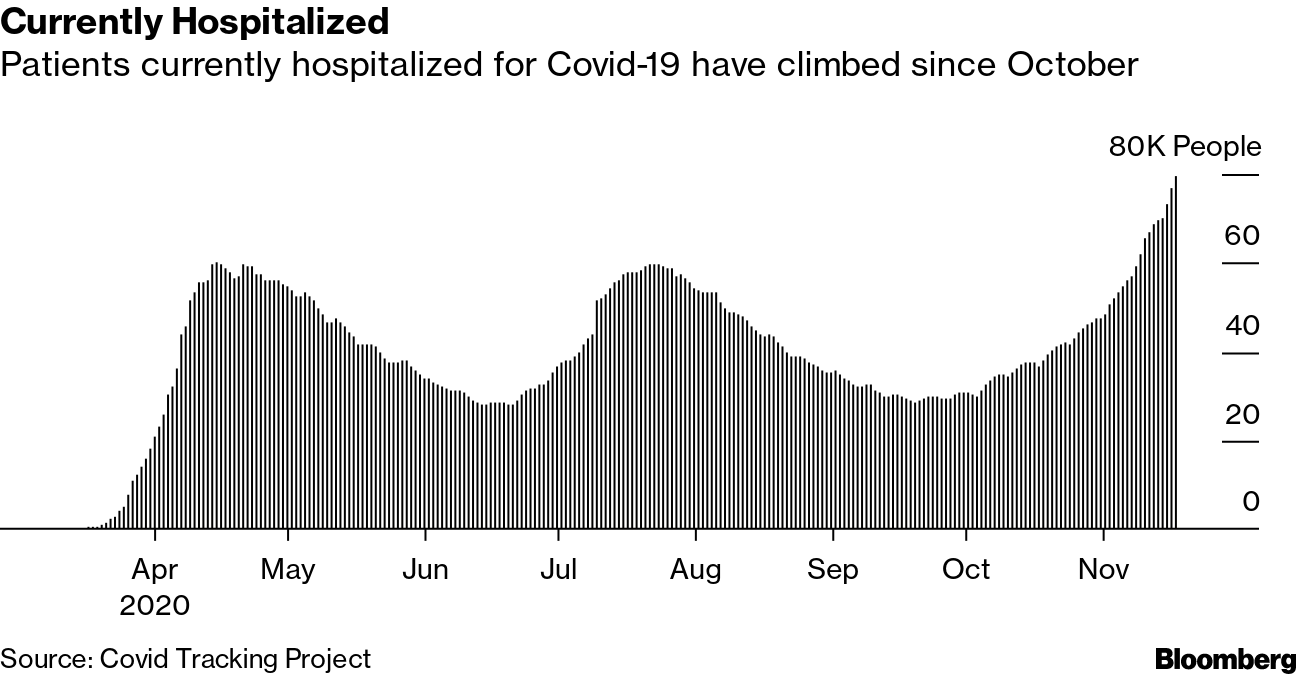
Hospitalization rates and infection rates are at record highs.

One out of five hospitals this week in the US anticipate a critical staffing shortage of health care workers within a week.

Last week I heard an interview with an ICU doctor in Billings Montana. The ICU COVID-19 cases were so great in number that in order to meet the demand the hospital did the following:

  1. Converted single bed ICU rooms to doubles
  2. Converted the cardiac care unit to a COVID ICU
  3. Converted recovery room beds to ICU beds
  4. Converted ER beds to ICU beds.

All of those ICU beds were full. The doctor said if the growth in cases did not slow down they would be left with “difficult choices”. Read that as triage. Patients most likely to survive get critical care, those less likely get comfort measures. Meanwhile non-COVID patients who need critical care may not get the level of service they need.

Doctors and nurses across the country are suffering burnout. Many have become infected. Some have died. The American Nurses Association report over 1200 nurses have died from COVID-19 in the US.

In a survey of hospital nurses conducted last week 80% reported inadequate PPE.

Interviews with nurses reveal that some patients dying of COVID do not believe they have the disease. There is a cult of Trump followers who believe his dangerous lies, misinformation and conspiracy theories. Despite death staring them in the face, some still refuse to believe the virus is real. Amazing.

So it will get worse before it gets better.

Next post will discuss “Long Covid”.

In the context of the COVID 19 pandemic I will close with the usual summary.

  1. Avoid alcohol consumption (alcohol wreaks havoc with your immunity)
  2. Get plenty of sleep (without adequate sleep your immune system does not work well )
  3. Follow good sleep habits
  4. Exercise, especially out of doors in a green space, supports the immune system
  5. Get some sunshine and make sure you have adequate Vitamin D levels.
  6. Eat an anti-inflammatory diet rich in micronutrients.
  7. Practice stress reduction like meditation and yoga which improves the immune system
  8. Eliminate sugar-added foods and beverages from your diet. These increase inflammation, cause metabolic dysfunction, and suppress immunity.
  9. Eliminate refined-inflammatory “vegetable oils” from your diet, instead eat healthy fat.
  10. Clean up your home environment and minimize your family’s exposure to environmental toxins by following recommendations at EWG.org with regards to household products, personal care products, and organic foods. (https://www.ewg.org/)

THIS WEBSITE PROVIDES INFORMATION FOR EDUCATIONAL PURPOSES ONLY. CONSULT YOUR HEALTH CARE PROVIDER FOR MEDICAL ADVICE.

Eat clean, drink filtered water, love, laugh, exercise outdoors in a greenspace, get some morning sunlight, block the blue light before bed, engage in meaningful work, find a sense of purpose, spend time with those you love, AND sleep well tonight.

Doctor Bob

COVID-19 and Death Certificates, Trumps Allegations

Trump has recently accused doctors of falsifying death certificates for financial gain. Let’s be clear.

  1. If a patient is hospitalized with viral pneumonia and dies, the cause of death has ALWAYS been listed as the viral pneumonia, no matter what complications occurred, no matter what the pre-existing conditions were. Viral pneumonia can cause heart attack, stroke, kidney failure, multiple organ failure but the proper cause of death to be listed is the initial presenting causative agent.
  2. Doctor’s caring for COVID-19 patients in the hospital do not get paid more because of the diagnosis. Hospitals may get extra payment because of the pandemic circumstances, doctors do not. Recently the AMA has recommended additional payment to OFFICE PRACTICES for the extra expense of COVID-19 precautions. This does not impact hospital doctor payment.
  3. Death is not the only bad outcome. “Long COVID” is a state of persistent symptoms and disability that can occur even after mild illness not requiring hospitalization. Post viral syndromes such as this have long been recognized and can last a lifetime. Consequences can include shortness of breath with minimal exertion, chronic fatigue, heart failure, kidney failure, chronic pain to name a few. A recent study from Germany demonstrated MYOCARDITIS (chronic heart inflammation) in 70% of patients “recovered” from COVID-19. 80% of those patients were not hospitalized. We do not yet know the extent of long term morbidity caused by this virus. Viral Myocarditis is a common cause of cardiomyopathy that can lead to heart transplant, shortened life, and decreased quality of life.
  4. Misleading and untruthful statements that downplay the serious nature of this pandemic, especially by national leadership, cause great harm to our nation, bringing unnecessary death, suffering, and economic ruin. Such lies result in many people defying necessary and effective public health measures such as wearing masks, washing hands, social distancing.
  5. In any pandemic public health recommendations change as more information becomes available. This is to be expected. Trump has dangerously and tragically criticized our public health leaders for changing recommendations as new information and new circumstances have evolved.
  6. The greatest nation in the world still has not implemented an adequate TEST-TRACE-ISOLATE infrastructure. Our testing is inadequate, takes too long, has too many false positives and false negatives. Similarly, tracing and isolating are not widely and effectively implemented. This requires NATIONAL COORDINATION AND LEADERSHIP. It also requires that all Americans take this seriously. Trumps denial of the truth has led many Americans to disregard the necessary steps to safely reopen our economy.
  7. By now business shut downs and severe restrictions would be unnecessary if America had instituted early and effective TEST-TRACE-ISOLATE. By now, our economy would be out of trouble. Instead lies, deceit, and incompetence has led to unnecessary death, suffering, chronic illness, and economic disaster.
  8. Even after a vaccine is available, MASKS, HAND WASHING, SOCIAL DISTANCE, will still be necessary for a long time.

The Republican leadership has consistently failed to call out TRUMP on this issue and many others. The Republican leaders have failed to fulfill their sworn duty to protect our citizens from harm and instead placed party over country. This deplorable behavior threatens Balance of Power and Democracy itself.

In the context of the COVID 19 pandemic I will close with the usual summary.

  1. Avoid alcohol consumption (alcohol wreaks havoc with your immunity)
  2. Get plenty of sleep (without adequate sleep your immune system does not work well )
  3. Follow good sleep habits
  4. Exercise, especially out of doors in a green space, supports the immune system
  5. Get some sunshine and make sure you have adequate Vitamin D levels.
  6. Eat an anti-inflammatory diet rich in micronutrients.
  7. Practice stress reduction like meditation and yoga which improves the immune system
  8. Eliminate sugar-added foods and beverages from your diet. These increase inflammation, cause metabolic dysfunction, and suppress immunity.
  9. Eliminate refined-inflammatory “vegetable oils” from your diet, instead eat healthy fat.
  10. Clean up your home environment and minimize your family’s exposure to environmental toxins by following recommendations at EWG.org with regards to household products, personal care products, and organic foods. (https://www.ewg.org/)

THIS WEBSITE PROVIDES INFORMATION FOR EDUCATIONAL PURPOSES ONLY. CONSULT YOUR HEALTH CARE PROVIDER FOR MEDICAL ADVICE.

Eat clean, drink filtered water, love, laugh, exercise outdoors in a greenspace, get some morning sunlight, block the blue light before bed, engage in meaningful work, find a sense of purpose, spend time with those you love, AND sleep well tonight.

Doctor Bob

COVID 19 Fatality Rate vs Flu, the social media incorrect comparisons persist despite the data demonstrating a large difference.

I have previously posted an analysis of the IFR (infection fatality rate) of COVID 19 vs influenza.

Here it is again, an excerpt from my previous post:

The infection fatality rate (IFR) for COVID-19 IS 25 times greater than the H1N1 FLU pandemic of 2009.

An analysis comparing the 2009 H1N1 influenza A pandemic to COVID 19 suggests this:

 Case Fatality RateInfection Fatality Rate
2009 H1N1 Virus (flu)0.1% to 0.2%0.02%
COVID-19 New York8%0.50%
CFR is # deaths/#cases identified by nasal PCR, IFR is # deaths/actual # cases in a given population, estimated by antibody testing of a large population

References and more discussion can be found here.

https://practical-evolutionary-health.com/2020/04/25/stanford-study-on-santa-clara-county-very-questionable-conclusions/

But since that post, more data has become available suggesting that the IFR for COVID 19 may be 50 to 100 times greater than the aggregate of multiple flu viruses experienced during the past several years.

You can find an informative discussion about this data here.

https://medium.com/@gidmk/covid-19-is-far-more-lethal-than-influenza-69b6628e69f2

A common problem has been that various bloggers, social media discussions, and news reports have compared the CFR of previous flu pandemics with the IFR of COVID 19. In fact the CDC website presents a fatality rate for the “flu” to be in the range of 0.1 to 0.2 %, and this number is widely quoted. But if you dig a little deeper you will learn that this is the CFR for the flu, not the IFR. Yet it has been directly compared to the IFR for COVID 19, which is very misleading.

What is the most recent data on COVID 19?

First a quote from the study:

Conclusion Based on a systematic review and meta-analysis of published evidence on COVID-19 until May, 2020, the IFR of the disease across populations is 0.68% (0.53-0.82%). However, due to very high heterogeneity in the meta-analysis, it is difficult to know if this represents the true point estimate. It is likely that, due to age and perhaps underlying comorbidities in the population, different places will experience different IFRs due to the disease. Given issues with mortality recording, it is also likely that this represents an underestimate of the true IFR figure.

And here is a graphic from the study showing the range of IFR in various populations:

Here is a link to the study:

https://www.medrxiv.org/content/10.1101/2020.05.03.20089854v4 A systematic review and meta-analysis of published research data on COVID-19 infection-fatality rates

Note that this is a preprint with the following caveat: This article is a preprint and has not been peer-reviewed [what does this mean?]. It reports new medical research that has yet to be evaluated and so should not be used to guide clinical practice.

I will follow this up to make sure it is published after peer review but so far the data looks reliable.

So a more thorough and updated look at COVID 19 infection fatality rate utilizing a larger data base suggests an IFR higher than the one I originally reported, based upon a NY study. (0.65% vs 0.5%, but the same ballpark)

Now for the data on the IFR for “the flu”.

Here is the link to CDC data on the flu for various years.

https://www.cdc.gov/flu/about/burden/index.html

But when you explore this data please keep in mind the difference between CFR and IFR. Because asymptomatic + subclinical flu infections can be > 50% depending on the year, when you adjust the CFR for the greater denominator (to include asymptomatic and subclinical infections) to calculate an IFR for the flu you will understand the dramatic difference, consistent with the 2009 H1N1 South Korea data presented in the table above.

http://Heterogeneous and Dynamic Prevalence of Asymptomatic Influenza Virus Infections

Abstract

Influenza infection manifests in a wide spectrum of severity, including symptomless pathogen carriers. We conducted a systematic review and meta-analysis of 55 studies to elucidate the proportional representation of these asymptomatic infected persons. We observed extensive heterogeneity among these studies. The prevalence of asymptomatic carriage (total absence of symptoms) ranged from 5.2% to 35.5% and subclinical cases (illness that did not meet the criteria for acute respiratory or influenza-like illness) from 25.4% to 61.8%. Statistical analysis showed that the heterogeneity could not be explained by the type of influenza, the laboratory tests used to detect the virus, the year of the study, or the location of the study. Projections of infection spread and strategies for disease control require that we identify the proportional representation of these insidious spreaders early on in the emergence of new influenza subtypes or strains and track how this rate evolves over time and space.

Calculate the average of asymptomatic and subclinical flu cases. They average 15.3% and 48.6% respectively. (5.2% plus 35.5% divided by 2, 25.4% plus 61.8% divided by 2 respectively). Add the two and you get an average of 63.95% of the US population being asymptomatic or subclinical cases of the flu in any given year. Yes that is high, and yes it is the best data available.

Now take a more conservative 50 % as applied in my calculation below. But first the CDC website.

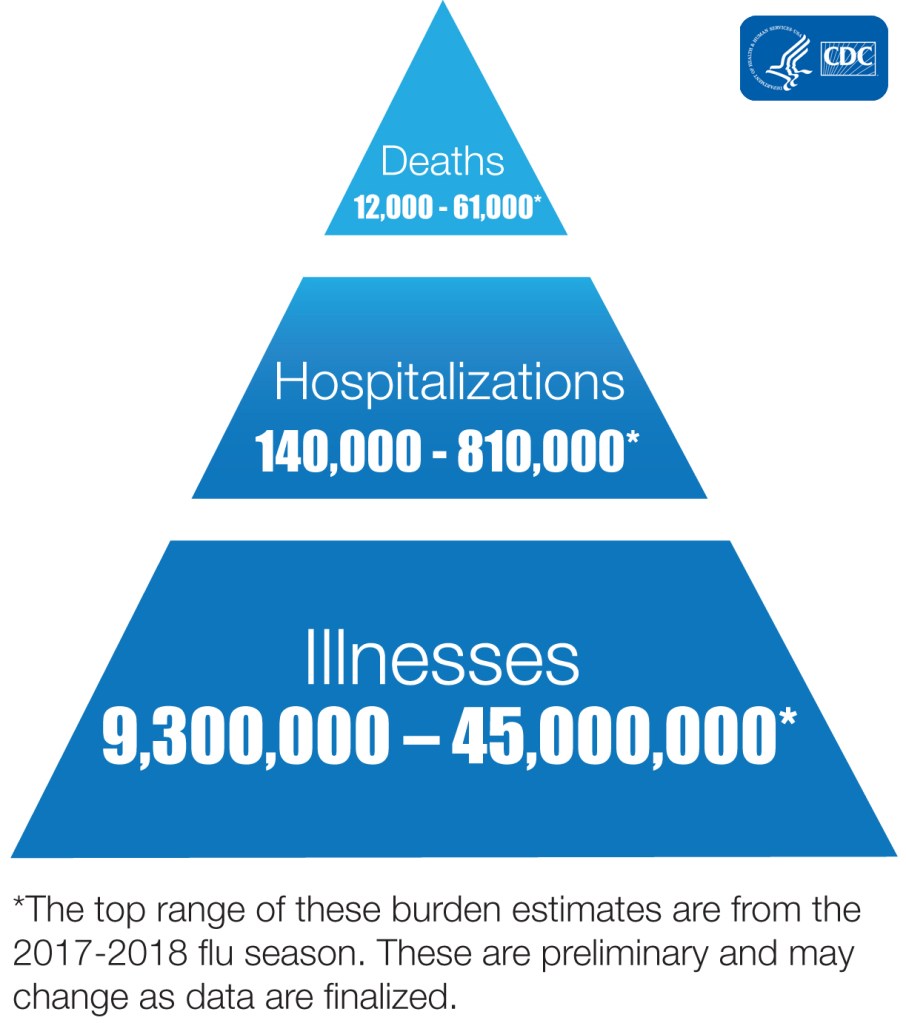
If you go to the CDC website you will see a table that shows data for “symptomatic illnesses” with hospitalizations and deaths. Which means the fatality rates are CFRs not IFRs. The CFR for multiple flu seasons averages out to about 0.1%. Here is the chart.

Symptomatic IllnessesMedical VisitsHospitalizationsDeaths
SeasonEstimate95% U IEstimate95% U IEstimate95% U IEstimate95% U I
2010-201121,000,000(20,000,000 – 25,000,000)10,000,000(9,300,000 – 12,000,000)290,000(270,000 – 350,000)37,000(32,000 – 51,000)
2011-20129,300,000(8,700,000 – 12,000,000)4,300,000(4,000,000 – 5,600,000)140,000(130,000 – 190,000)12,000(11,000 – 23,000)
2012-201334,000,000(32,000,000 – 38,000,000)16,000,000(15,000,000 – 18,000,000)570,000(530,000 – 680,000)43,000(37,000 – 57,000)
2013-201430,000,000(28,000,000 – 33,000,000)13,000,000(12,000,000 – 15,000,000)350,000(320,000 – 390,000)38,000(33,000 – 50,000)
2014-201530,000,000(29,000,000 – 33,000,000)14,000,000(13,000,000 – 16,000,000)590,000(540,000 – 680,000)51,000(44,000 – 64,000)
2015-201624,000,000(20,000,000 – 33,000,000)11,000,000(9,000,000 – 15,000,000)280,000(220,000 – 480,000)23,000(17,000 – 35,000)
2016-201729,000,000(25,000,000 – 45,000,000)14,000,000(11,000,000 – 23,000,000)500,000(380,000 – 860,000)38,000(29,000 – 61,000)
Preliminary estimates*Estimate95% UIEstimate95% UIEstimate95% UIEstimate95% UI
2017-2018*45,000,000(39,000,000 – 58,000,000)21,000,000(18,000,000 – 27,000,000)810,000(620,000 – 1,400,000)61,000(46,000 – 95,000)
2018-2019*35,520,883(31,323,881 – 44,995,691)16,520,350(14,322,767 – 21,203,231)490,561(387,283 – 766,472)34,157(26,339 – 52,664)

* Estimates from the 2017-2018 and 2018-2019 seasons are preliminary and may change as data are finalized.

And here is another graphic.

“Illnesses” above include only symptomatic cases, that number does not include the much greater subclinical and completely asymptomatic cases.

Looking at the table and graphics above remember that the population of the US is 331 million. If 50% of the population has subclinical or asymptomatic flu infection that means the denominator would be 165 million plus the number of symptomatic cases. Run the math for the lowest and highest symptomatic infection years. You get an IFR range of 0.0069% to 0.0290% for the flu. The higher of these two is very close to the number in my chart above from my earlier post. Here it is again.

 Case Fatality RateInfection Fatality Rate
2009 H1N1 Virus (flu)0.1% to 0.2%0.02%
COVID-19 New York8%0.50%
CFR is # deaths/#cases identified by nasal PCR, IFR is # deaths/actual # cases in a given population, estimated by antibody testing of a large population

So the data are consistent over time.

So next time someone quotes a fatality rate of 0.1% for the flu, remember that this is the CFR (based upon symptomatic illness) not the IFR (based upon the true population prevalence which would include all infections, with symptoms, without symptoms, and subclinical infections). The CDC denominator (# cases) includes only “symptomatic illness.”

If these numbers do not convince those who claim no difference between “the flu” and COVID 19, they should also consider the following observations.

No influenza pandemic in the past several decades has ever overwhelmed the NYC hospital system and the NYC morgues as the COVID 19 pandemic has.

No influenza pandemic has required 200 refrigerated trucks sitting outside of hospitals, each filled with 100 chilled corpses per truck in a single city, with all morgues filled, on the verge of bulldozing mass graves (yes, that is what happened in NYC). NYC did not shelter in place as early as Seattle and San Francisco, NYC delayed about 11 days compared with the later two. Of course NYC has a subway system which made things worse but here is the point: never happened before with any flu in NYC.

No influenza pandemic has required a national guard unit specifically trained to handle mass casualties (dead bodies) which has been the case in NYC. Members of that national guard unit reported that they had never experienced a war zone or natural disaster that compared with COVID 19 in NYC. Remember this unit responded to hurricane Katrina and many war zones. Their sole job is to handle dead bodies. Their members experienced high rates of PTSD in NYC as did doctors and nurses in ERs and ICUs.

These events have not occurred with any previous flu pandemic. They occurred with COVID 19. Why the difference? If COVID 19 is just another flu, why have these events not occurred with previous flu seasons?

One must also consider the large number of disabled (cardiac and respiratory cripples) survivors of COVID-19, being reported on an increasing basis. These are not included in fatality rates, but represent an additional burden of COVID-19 compared to the survivors of influenza infections who have faired much better historically.

And finally consider a recent study comparing the 2019 H1N1 (“Spanish flu”) to COVID 19. The Spanish flu killed 50 million worldwide (some estimates higher). This study compared all-cause deaths in both pandemics.

You can view it here. http://Full text COVID-19 and 1918 Flu Mortality in NYC ‘In the Same Ballpark’

Deaths in New York City During the 1918 H1N1 Influenza Pandemic and the Coronavirus Disease 2019 (COVID-19) Pandemic and During the Preceding Years of Both Pandemics

Res Ipsa Loquitur.

In the context of the COVID 19 pandemic I will close with the usual summary.

  1. Avoid alcohol consumption (alcohol wreaks havoc with your immunity)
  2. Get plenty of sleep (without adequate sleep your immune system does not work well )
  3. Follow good sleep habits
  4. Exercise, especially out of doors in a green space, supports the immune system
  5. Get some sunshine and make sure you have adequate Vitamin D levels.
  6. Eat an anti-inflammatory diet rich in micronutrients.
  7. Practice stress reduction like meditation and yoga which improves the immune system
  8. Eliminate sugar-added foods and beverages from your diet. These increase inflammation, cause metabolic dysfunction, and suppress immunity.
  9. Eliminate refined-inflammatory “vegetable oils” from your diet, instead eat healthy fat.
  10. Clean up your home environment and minimize your family’s exposure to environmental toxins by following recommendations at EWG.org with regards to household products, personal care products, and organic foods. (https://www.ewg.org/)

THIS WEBSITE PROVIDES INFORMATION FOR EDUCATIONAL PURPOSES ONLY. CONSULT YOUR HEALTH CARE PROVIDER FOR MEDICAL ADVICE.

Eat clean, drink filtered water, love, laugh, exercise outdoors in a greenspace, get some morning sunlight, block the blue light before bed, engage in meaningful work, find a sense of purpose, spend time with those you love, AND sleep well tonight.

Doctor Bob
COVID 19: Masks and Distance not enough, where we have faltered and failed

  1. Test
  2. Trace
  3. Isolate

That is where we have failed. Those countries that rapidly instituted masks, social distance, frequent hand washing, PLUS Test/Trace/Isolate succeeded in limiting the speed of spread, protected the Medical Care (hospital) system from being over-run, and protected it’s citizens and economy. Those countries bought time to learn enough about the virus to lower the mortality rates by developing treatments that decrease risk of death AND probably disability and to ramp up the hospital care system and PPE.

The US has failed to meet the challenge.

Death may not be the worst outcome, depending on one’s views relative to the balance between longevity and quality of life. Chronic disability (such as congestive heart failure, severe pulmonary insufficiency, kidney failure requiring dialysis, stroke, etc.) can be lifelong and devastating following this infection. Some may consider that shortness of breath after walking 100 feet, requiring a rest before moving on, or kidney dialysis 3 times per week the price one must pay to survive a serious infection. Others may think this sort of severe disability is not acceptable. Many in our society are clueless about these potential outcomes (usually that means they are in denial, a very common defense mechanism used to deal with a terrible threat).

This did not have to be our present state, but it is.

In December US intelligence agencies (including the CIA) and the US military intelligence were already issuing reports about an emerging deadly respiratory virus in China. This went up the chain of command but was ignored by the Whitehouse. In January, Doctor Fauci, at the annual BIOTHREATS CONFERENCE in Washington DC, announced to the bio-tech industry representatives in attendance that this virus was already “beyond containment” and stated that aggressive biomedical development (drugs, vaccines, etc.) would be required. He told attendees that the NIH would “find the money” to support these efforts and that this was a national and global emergency.

Undoubtedly, this was reported to the Whitehouse. These early warnings were not only ignored, they were also widely denied publicly by our highest public official. (The warnings issued in senatorial and congressional committee meetings however, prompted many privileged senators and congress people to sell pandemic-sensitive stocks very early in the “denial phase”).

It is clear that masks and social distancing are effective in limiting spread. Super-spreader cases, case studies of spread in restaurants (China) , call centers (South Korea), and choir rehearsals (Washington State) suggest that both droplet and aerosol transmission occur in non-medical procedure settings.

We already knew that aerosol spread occurred in operating rooms when nasopharyngeal surgery and similar aerosol generating medical procedures were performed. In one operating room event, all 11 doctors and nurses who spent any amount of time in that operating room (despite everyone wearing N95 masks) became infected and the surgeon died from the infection (he had the most exposure). This was reported early on documenting aerosol spread in medical settings.

For those who have not read my previous discussion of aerosol vs droplet spread:

Aerosol = very small lighter-than-air particles containing infectious virus that float in the air and can be recirculated through air-conditioning vents or linger suspended in the air, especially indoors where the air is still.

Droplets = larger particles that fall quickly onto surfaces but can also with a cough, sneeze, scream or singing be transmitted to someone in very close proximity before falling .

Then we learned that carriers/transmitters of the virus can either remain completely without symptoms or develop symptoms as late as 10 days after initial exposure, all the while transmitting the virus to others around them. Assymptomatic transmission makes COVID 19 different from and more dangerous than most other viruses that infect humans.

Let me say that again.

Aerosol transmission makes this virus more dangerous than most other viruses.

Asymptomatic transmission makes this virus more dangerous than most other viruses.

And finally we have learned that this virus is more lethal than most other viruses. For example, COVID 19 is 25 times more lethal than the H1N1 influenza pandemic (references provided in previous post).

https://practical-evolutionary-health.com/2020/07/12/covid-19-update-what-have-we-learned/

To summarize, the combination of easy transmission, asymptomatic transmission, and high mortality rate make this virus exceptionally dangerous and difficult to control.

How did the US respond?

Instead of rapidly ramping up PPE, testing, tracing, and isolation public health capability we instead had national leadership that said this was just like “another flu” virus and would “go away”. The narrative constantly shifted, but more importantly, effective action was not taken, and still has not been taken.

Testing remains woefully inadequate.

In many areas of our country it can take 5 days to schedule a test and 10 days to get the results. Such tests are useless. To effectively implement TEST/TRACE/ISOLATE we need rapid and widespread testing, rapid reporting, and a system to then trace contacts and isolate infected and exposed individuals. The US still shamefully lacks these essential services.

John’s Hopkins University early on developed an on-line contact tracing training program. But public funding to hire such trained individuals has been inadequate.

Isolation requires facilities in which exposed or infected individuals have their own bathroom and bedroom, have food provided, and are medically supervised until they are no longer infectious.

The US does not have such facilities. Individuals, unless they are financially very secure, do not have access to a home or other environment where this is possible. Worse, those essential workers (meat packers, food delivery, nursing aids, etc.) who earn the least, usually live in cramped housing conditions with multi-generation households in which isolation is impossible. Such individuals often live from paycheck to paycheck, so staying home from work means the family does not eat or the rent is not paid. So they go to work infecting others.

The result has been not just death and disability but horrible economic consequences.

Our shutdowns could have been shorter had we acted quickly and effectively.

Had we responded rapidly and appropriately, we would not be in our present economic predicament. So ironically and tragically, those that complain that shutdowns “were not necessary” and masks “are not necessary” contribute to the worsening economic consequences. As the virus surges following relaxation of restrictions, further restrictions and economic consequences become necessary.

Compounding this situation is the denial on the part of many individuals regarding the science and facts about this virus. Part of this denial is the result of our con-artist in chief, (and some governors) misrepresenting the facts to the public and displaying inappropriate behavior (such as refusal to wear a mask until most recently).

The other component of this denial is based on the natural tendency of humans to ignore data that is threatening and not consistent with personal ideology and beliefs. Beliefs such as “the government lies, the government is not to be trusted, the government cannot tell me what to do” presents obstacles to social behavior that would protect not just oneself and family, but the community (and economy) in general.

Contact tracers have reported that sometimes people hang up on them, refuse to cooperate, sometimes saying that it is an “invasion of privacy” or a “government hoax”.

Such beliefs and behaviors are encouraged by misinformation in the social media, shock-jocks such as Rush Limbaugh, conspiracy theories, and supported by dangerous politicians who have placed party over country, ideology over science, the next election over the good of the country.

The best way to mitigate the dire health and ECONOMIC CONSEQUENCES of this pandemic include all those components that have worked in other countries:

  • MASKS4ALL
  • SOCIAL DISTANCE
  • FREQUENT HAND WASHING
  • SOCIAL BUBBLE

TEST/TRACE/ISOLATE

This is a sad state. In the meantime what can you do?

In the context of the COVID 19 pandemic I will close with the usual summary.

  1. Avoid alcohol consumption (alcohol wreaks havoc with your immunity)
  2. Get plenty of sleep (without adequate sleep your immune system does not work well )
  3. Follow good sleep habits
  4. Exercise, especially out of doors in a green space, supports the immune system
  5. Get some sunshine and make sure you have adequate Vitamin D levels.
  6. Eat an anti-inflammatory diet rich in micronutrients.
  7. Practice stress reduction like meditation and yoga which improves the immune system
  8. Eliminate sugar-added foods and beverages from your diet. These increase inflammation, cause metabolic dysfunction, and suppress immunity.
  9. Eliminate refined-inflammatory “vegetable oils” from your diet, instead eat healthy fat.
  10. Clean up your home environment and minimize your family’s exposure to environmental toxins by following recommendations at EWG.org with regards to household products, personal care products, and organic foods. (https://www.ewg.org/)

THIS WEBSITE PROVIDES INFORMATION FOR EDUCATIONAL PURPOSES ONLY. CONSULT YOUR HEALTH CARE PROVIDER FOR MEDICAL ADVICE.

Eat clean, drink filtered water, love, laugh, exercise outdoors in a greenspace, get some morning sunlight, block the blue light before bed, engage in meaningful work, find a sense of purpose, spend time with those you love, AND sleep well tonight.

Doctor Bob

COVID 19: Can you get it twice?

There have been some case reports of individuals who have developed symptomatic COVID-19, tested positive, then negative, then several weeks later positive again. Does this mean they were re-infected? Probably not (but we are not certain).

For a great, short interview on science Friday that addresses this topic listen here.

https://www.sciencefriday.com/segments/coronavirus-antibodies/

This is an interview with Columbia University Virologist Angela Rasmussen.

Quick summary:

Some studies have demonstrated that “neutralizing antibodies” initially detected in recovered COVID 19 patients can disappear (not measurable) after several weeks. But this does not mean those patients do not have immunity.

The immune response involves several cell types including B memory cells, T memory cells, and T helper cells. When a previously infected patient no longer has detectable antibodies they can still have memory cells of both types as well as T helper cells. When challenged (exposed) to the virus again those memory cells can become activated. They can then proliferate and respond to the virus. The B memory cells produce antibodies and the T memory cells become “killer cells” which can kill infected cells, stopping replication of the virus and controlling infection.

A T helper cell is a type of immune cell that stimulates killer T cells, macrophages, and B cells to make immune responses. A helper T cell is a type of white blood cell and a type of lymphocyte. Also called CD4-positive T lymphocyte.

A study in South Korea looked at 300 patients who were infected, cleared the virus (symptoms resolved and PCR test turned negative) but then subsequently tested positive again (nasal PCR). All of the contacts for these patients were traced and there was no evidence of virus transmission from any of the 300 patients, suggesting that the positive PCR nasal swab represented non-infectious residual virus remnant particles. In addition, cell culture tests in all of these patients was negative for infectious virus, further pointing to false positive repeat tests in all 300 patients.

One study found that some patients with no symptoms of Covid-19 had T-cells that recognized the virus — even when they had no detectable antibodies. 

ABSTRACT

SARS-CoV-2-specific memory T cells will likely prove critical for long-term immune protection against COVID-19. We systematically mapped the functional and phenotypic landscape of SARS-CoV-2-specific T cell responses in a large cohort of unexposed individuals as well as exposed family members and individuals with acute or convalescent COVID-19. Acute phase SARS-CoV-2-specific T cells displayed a highly activated cytotoxic phenotype that correlated with various clinical markers of disease severity, whereas convalescent phase SARS-CoV-2-specific T cells were polyfunctional and displayed a stem-like memory phenotype. Importantly, SARS-CoV-2-specific T cells were detectable in antibody-seronegative family members and individuals with a history of asymptomatic or mild COVID-19. Our collective dataset shows that SARS-CoV-2 elicits robust memory T cell responses akin to those observed in the context of successful vaccines, suggesting that natural exposure or infection may prevent recurrent episodes of severe COVID-19 also in seronegative individuals.

The last sentence is good news, supporting immunity after infection or exposure with COVID-19 specific memory T cells in the absence of measurable antibodies. Future studies will tell us more about whether the presence of these T cells can prevent re-infection or at least limit the degree of illness.

There is also the possibility that there is some cross reactivity between one of the four common cold Corona viruses and the COVID 19 virus, as suggested by the low incidence of COVID 19 infection on an Island off the coast of Tuscany despite infected travelers from the mainland bringing the virus across to the island. The previous year the island had experienced a particularly bad bout of the common cold.

Another study of COVID-19 specific T cells in Sweden has recently supported sustained memory T cells in previously infected patients and their contacts in the absence of antibodies . It also demonstrated antibodies against COVID 19 in unexposed individuals suggesting cross reactive antibodies from previous infection with other corona viruses.

Targets of T Cell Responses to SARS-CoV-2 Coronavirus in Humans with COVID-19 Disease and Unexposed Individuals

https://www.sciencedirect.com/science/article/pii/S0092867420306103?via%3Dihub

Using HLA class I and II predicted peptide “megapools,” circulating SARS-CoV-2-specific CD8+ and CD4+ T cells were identified in ∼70% and 100% of COVID-19 convalescent patients, respectively. CD4+ T cell responses to spike, the main target of most vaccine efforts, were robust and correlated with the magnitude of the anti-SARS-CoV-2 IgG and IgA titers. The M, spike, and N proteins each accounted for 11%–27% of the total CD4+ response, with additional responses commonly targeting nsp3, nsp4, ORF3a, and ORF8, among others. For CD8+ T cells, spike and M were recognized, with at least eight SARS-CoV-2 ORFs targeted. Importantly, we detected SARS-CoV-2-reactive CD4+ T cells in ∼40%–60% of unexposed individuals, suggesting cross-reactive T cell recognition between circulating “common cold” coronaviruses and SARS-CoV-2.”

There is much more to learn about this novel virus. Because of it’s high lethal rate (25 times greater than the previous H1N1 flu virus pandemic) and it’s greater transmission capability (from asymptomatic as well as symptomatic patients, both droplet and aerosol transmission) intensive and unprecedented research efforts are being made.

There are 100 different vaccines under early study. Two vaccines (Oxford University and Moderna) have completed phase 1/2 and phase 1 studies respectively, demonstrating safety and anti-body responses. Phase 3 studies will determine whether and how effective they might be and provide more data on safety.

In the context of the COVID 19 pandemic I will close with the usual summary.

  1. Avoid alcohol consumption (alcohol wreaks havoc with your immunity)
  2. Get plenty of sleep (without adequate sleep your immune system does not work well )
  3. Follow good sleep habits
  4. Exercise, especially out of doors in a green space, supports the immune system
  5. Get some sunshine and make sure you have adequate Vitamin D levels.
  6. Eat an anti-inflammatory diet rich in micronutrients.
  7. Practice stress reduction like meditation and yoga which improves the immune system
  8. Eliminate sugar-added foods and beverages from your diet. These increase inflammation, cause metabolic dysfunction, and suppress immunity.
  9. Eliminate refined-inflammatory “vegetable oils” from your diet, instead eat healthy fat.
  10. Clean up your home environment and minimize your family’s exposure to environmental toxins by following recommendations at EWG.org with regards to household products, personal care products, and organic foods. (https://www.ewg.org/)

THIS WEBSITE PROVIDES INFORMATION FOR EDUCATIONAL PURPOSES ONLY. CONSULT YOUR HEALTH CARE PROVIDER FOR MEDICAL ADVICE.

Eat clean, drink filtered water, love, laugh, exercise outdoors in a greenspace, get some morning sunlight, block the blue light before bed, engage in meaningful work, find a sense of purpose, spend time with those you love, AND sleep well tonight.

Doctor Bob
Three Major Threats to Global Health

Our world faces three major threats.

  1. Global Warming
  2. Daily loss of nutrient rich top soil with desertification of arable land
  3. COVID-19 pandemic

The first two threats are intimately related to each other. As the climate and our oceans warm and seas rise, the ecologic and economic consequences will be profound. Species are threatened and become extinct, biodiversity which sustains the global ecology and global economy diminishes on a daily basis. Loss of trees and native plants accelerates global warming. Melting of the polar ice caps and mountain glaciers results in less reflectance of solar energy back into space and more absorption of solar energy by the planet, producing a positive feedback loop that is cooking our planet.

Warming climate combined with loss of habitat (especially loss of rainforests) has produced a non-sustainable advance that has already caused tens of thousands of insect species to become extinct. Loss of insects, at the base of the food chain, and loss of essential microbes in our soil, threaten all species on earth, including humans.

Mono-agriculture has produced quantitative and qualitative loss of topsoil and arable land. Soil is a living organism. Arable land requires not just nutrient rich topsoil but also a diverse abundance of microorganisms that support agriculture, native plants, and the entire food chain. Ditto the effects on the health of our oceans, seas, rivers, streams and lakes.

There has been a pseudo-scientific movement away from raising animals as a food source. We have been told that only a vegetarian or vegan diet can sustain the planet. Nothing can be further from the truth!

Creation rather than destruction of arable land requires animal waste. Feeding the world with health-supporting food will require animal and plant foods. Sustainable agriculture requires animals and their poop.

To be blunt, the future of the world’s food supply and arable fertile land depends upon the poop of wild and domestic animals, the elimination of Monoagriculture, GMOs, Roundup-ready crops, and deforestation as well as addressing the threat of global warming.

How many news headlines, films, books and friends of yours say that beef is the unhealthiest and environmentally destructive foods you could be eating? Have you cut down on your meat consumption or feel frustrated about the vilification of meat, something humans have eaten for millions of years?

The most pivotal food and environment book of 2020 is coming soon!

My friends Diana Rodgers and Robb Wolf have been trying to get the word out for years about the importance of sustainability when it comes to diet, and have just finished a new book (due out July 14) and documentary film (slated for Fall release) that addresses this complex, yet critically important topic.

What is Sacred Cow? 

Beef is framed as the most environmentally destructive and least healthy of foods, but while many argue that greatly reducing, or even eliminating it from our diets, Sacred Cow takes a more critical look at the assumptions and misinformation presented about meat – and has the science to back it up!

Where can you get it? 

Sacred Cow is available now for pre-order everywhere books are sold. They’re also offering over $200 in pre-order incentives, including a free sneak peek preview link to the film Sacred Cow! Click here for more info.

After spending years analyzing the science, the book presents a solid case that: 

  • Meat and animal fat are essential for our bodies 
  • A sustainable food system cannot exist without animals 
  • A vegan diet may destroy more life than sustainable cattle farming 
  • Regenerative cattle ranching is one of our best tools at mitigating climate change 

Sacred Cow proposes a new way to look at sustainable diets. The book takes a deep dive into the nutritional claims against meat, why cattle raised well are actually good for the environment, and address the ethical considerations surrounding killing animals for food. The truth is, you cannot have life without death, and eliminating animals from our food system could cause more harm than good.  

But even if this way of raising animals is better than our current system, surely you can’t feed the world this way, right? Yep, they tackle that too!

Order it today and get all of your questions about the impacts of eating and raising meat answered in one place.   

Have a great week! 

PS – Don’t forget to order Sacred Cow today to take advantage of their valuable pre-order incentives and the preview link to the film. Receipts must be submitted to sacredcow.info/book by July 14th!

In the context of the COVID 19 pandemic I will close with the usual summary.

  1. Avoid alcohol consumption (alcohol wreaks havoc with your immunity)
  2. Get plenty of sleep (without adequate sleep your immune system does not work well )
  3. Follow good sleep habits
  4. Exercise, especially out of doors in a green space, supports the immune system
  5. Get some sunshine and make sure you have adequate Vitamin D levels.
  6. Eat an anti-inflammatory diet rich in micronutrients.
  7. Practice stress reduction like meditation and yoga which improves the immune system
  8. Eliminate sugar-added foods and beverages from your diet. These increase inflammation, cause metabolic dysfunction, and suppress immunity.
  9. Eliminate refined-inflammatory “vegetable oils” from your diet, instead eat healthy fat.
  10. Clean up your home environment and minimize your family’s exposure to environmental toxins by following recommendations at EWG.org with regards to household products, personal care products, and organic foods. (https://www.ewg.org/)

THIS WEBSITE PROVIDES INFORMATION FOR EDUCATIONAL PURPOSES ONLY. CONSULT YOUR HEALTH CARE PROVIDER FOR MEDICAL ADVICE.

Eat clean, drink filtered water, love, laugh, exercise outdoors in a greenspace, get some morning sunlight, block the blue light before bed, engage in meaningful work, find a sense of purpose, spend time with those you love, AND sleep well tonight.

Doctor Bob

COVID 19 UPDATE: What have we learned?

I was recently interviewed by a health blogger, Dmitri Konash, with specific questions about COVID 19. The podcast link is below.

Here are the questions and answer notes from the podcast.

QUESTION #1: It has been almost 4 months since Covid19 was declared a global pandemic. What are the main things which we have learned about the virus over these 4 months?

Very contagious, spread by droplet AND aerosol as well as fomites (CLOTHING, surfaces, pillows, blankets, etc). Aerosols are tiny particles suspended in the air for hours following a sneeze or cough or possibly yelling or singing. Droplets are larger particles that fall to the ground or onto surfaces. Depending on the surface the virus can remain infectious for up to 72 hours following droplet spread.

Individuals without symptoms can transmit disease (unlike most viruses) so this in combination with degree of contagion is very dangerous.

The average time from exposure to develop symptoms is 5 DAYS, 97.5% of people who develop symptoms do so within 11.5 days.

Some individuals never develop symptoms but can transmit disease for 2 or more weeks.

Infected individuals can carry the virus for up to 36 days (but we do not know how long an individual can transmit the disease) Average time to clear the virus is 14 days. (nasal PCR test)

Cough and sneeze can project 26 feet through the air, that is why masks can decrease risk but decreasing projection distance and viral load.

Masks Work, they decrease risk of disease transmission and probably decrease viral load, so if transmitted the recipient is probably less likely to develop severe complications (not proven but likely true).

Most infections are transmitted in closed spaces where many people are congregated and socializing such as parties, social gatherings, meetings, bars and restaurants.

Outdoor activity is safer.

The longer the contact between individuals the greater the risk.

The closer the contact the greater the risk.

Anyone can die from the virus but risk increases with age, diabetes, pre-diabetes, obesity, heart and lung disease, immune-compromise.

Any organ can be affected, lungs, brain, heart, kidneys, blood vessels.

Hyper-coaguable state can cause blood clots in the legs, lungs, heart and brain, any organ.

After recovering from infection individuals can suffer permanent damage to these organs.

We do not know how many people who recover will be immune or how long immunity could last. Already one case of re-infection has been reported.

The infection fatality rate (IFR) for COVID-19 IS 25 times greater than the H1N1 FLU pandemic.

A recent analysis comparing the 2009 H1N1 influenza A pandemic to COVID 19 suggested this:

 Case Fatality RateInfection Fatality Rate
2009 H1N1 Virus (flu)0.1% to 0.2%0.02%
COVID-19 New York8%0.50%
CFR is # deaths/#cases identified by nasal PCR, IFR is # deaths/actual # cases in a given population, estimated by antibody testing of a large population

For a discussion on the difference between CFR (case fatality rate) and IFR (infection fatality rate) see my previous post.

https://practical-evolutionary-health.com/2020/04/25/stanford-study-on-santa-clara-county-very-questionable-conclusions/

QUESTION #2: We reached the new high of newly diagnosed cases on June 28th. It looks like the virus is not subsiding. What is the status re drug and vaccine development?

Vaccine will likely take at least a year to develop, test, then manufacture and distribute.

Initially most vulnerable will probably take priority for vaccination. Massive vaccination will take longer.

THERE HAS NEVER BEEN A SUCCESSFUL CORONA VIRUS Vaccine. There are many corona viruses. They mutate quickly and a vaccine that works initially may become ineffective if/when new strains emerge.

Decadron (dexamethasone) IV decreases mortality rates in very sick patients.

Remdesivir shortens illness and might decrease mortality rate (the reduction compared to placebo fell short of statistical significance, p=0.059, cut-off for statistical significance is usually P=0.050)

Hydroxychloroquine and chloroquine have failed to show any benefit. A prevention trial remains underway.

There is no “cure”, just risk reduction.

QUESTION #3: What are the latest recommendations on prevention?

Social distance

Mask

Frequent hand washing

Get adequate sleep, sleep deprivation impairs immunity

Avoid alcohol which suppresses the immune system.

Get sunshine (vitamin D)

Develop a social “bubble”, limit contacts to close, reliable (responsible behavior) individuals

Exercise out of doors.

If overweight or obese, LOSE WEIGHT (Low Carb High Fat diet is MOST EFFECTIVE in combination with time restricted eating)

IF diabetes or pre-diabetes, carbohydrate restriction can rapidly achieve better blood sugar control, which is linked to risk reduction. Regular exercise can also improve insulin sensitivity, as can improved sleep habits.

QUESTION #4: There was some information recently about potential long-term impact on vital body organs for patients who had only mild symptoms. What actions do people who were tested positive for COVID19 should take to minimize long term impact to their health?

Follow general principles of healthy living (visit my website)

Sleep

Nutrition-anti-inflammatory diet

Exercise

Sunshine

Stress reduction

Social-community support

Minimize environmental toxin exposure (organic foods, safe personal and home-care products, visit EWG.org)

QUESTION #5: What actions should be taken by people who have been tested negative for COVID19 ? 

Same answer as question #4 above, lifestyle changes to enhance immune function and reduce systemic inflammation.

On July 10, a review article on COVID 19 was published in JAMA.

Pathophysiology, Transmission, Diagnosis, and Treatment
of Coronavirus Disease 2019 (COVID-19
)

Here is the link.

https://jamanetwork.com/journals/jama/fullarticle/2768391

The case-fatality rate for COVID-19 varies markedly by age, ranging from 0.3 deaths per 1000 cases among patients aged 5 to 17 years to 304.9 deaths per 1000 cases among patients aged 85 years or older in the US. Among patients hospitalized in the intensive care unit, the case fatality is up to 40%

And here is a link to the JAMA patient information page for COVID 19.

https://jamanetwork.com/journals/jama/fullarticle/2768390

In the context of the COVID 19 pandemic I will close with the usual summary.

  1. Avoid alcohol consumption (alcohol wreaks havoc with your immunity)
  2. Get plenty of sleep (without adequate sleep your immune system does not work well )
  3. Follow good sleep habits
  4. Exercise, especially out of doors in a green space, supports the immune system
  5. Get some sunshine and make sure you have adequate Vitamin D levels.
  6. Eat an anti-inflammatory diet rich in micronutrients.
  7. Practice stress reduction like meditation and yoga which improves the immune system
  8. Eliminate sugar-added foods and beverages from your diet. These increase inflammation, cause metabolic dysfunction, and suppress immunity.
  9. Eliminate refined-inflammatory “vegetable oils” from your diet, instead eat healthy fat.
  10. Clean up your home environment and minimize your family’s exposure to environmental toxins by following recommendations at EWG.org with regards to household products, personal care products, and organic foods. (https://www.ewg.org/)

THIS WEBSITE PROVIDES INFORMATION FOR EDUCATIONAL PURPOSES ONLY. CONSULT YOUR HEALTH CARE PROVIDER FOR MEDICAL ADVICE.

Eat clean, drink filtered water, love, laugh, exercise outdoors in a greenspace, get some morning sunlight, block the blue light before bed, engage in meaningful work, find a sense of purpose, spend time with those you love, AND sleep well tonight.

Doctor Bob
USDA Dietary Guidelines Flawed

The NUTRITION COALITION is a non-profit organization dedicated to bringing science to dietary recommendations in the US. The COALITION recently called upon the USDA to hold off on publishing it’s updated Dietary Guidelines for US Citizens because of reported improprieties in the process of scientific review.

https://www.nutritioncoalition.us/news/usda-members-blow-whistle-flaws-in-process

The guidelines since their inception have been biased and flawed, ignoring much of the dissenting scientific opinion in testimony before the committee and cherry picking studies without a balanced approach to the scientific literature.

The confluence of the Covid-19 pandemic with the epidemics of obesity and diabetes in the US have created a perfect public health storm, as discussed in my last post. The USDA Dietary Guidelines Committee chose to ignore more than 50 studies that confirm the benefits of a Very Low Carbohydrate nutritional approach to address obesity and diabetes.

Because of the importance of the guidelines influencing US dietary choices in the context of COVID-19 I have copied the informative letter from the NUTRITION COALITION below. There is a link in the letter that will allow you to send emails to your senators, congressman, and the Secretary of Agriculture, supporting the recommendations of the NUTRITION COALITION.

Here is the letter.

Dear Friends and Colleagues, 

In a remarkable development, one or more member(s) of the Dietary Guidelines Advisory Committee recently came forth and blew the whistle, identifying serious flaws in the Dietary Guidelines process. I write to you today to ask that you contribute your voice to our effort to have these allegations taken seriously by the U.S. Departments of Agriculture and Health and Human Services (USDA-HHS). We are specifically asking these federal agencies to delay the Committee’s report, which is due out in just a matter of weeks, until the allegations can be investigated and addressed.  

The Dietary Guidelines are considered the “gold standard” of science and are a powerful lever on government feeding programs, military rations, professional medical associations, and much more—including nutrition guidelines around the world. It is imperative that they be based on good science.  

However, the current 2020 process is clearly flawed. We know, for instance, that almost all studies on weight loss have been excluded from consideration. We also know that virtually all studies on carbohydrate restriction have been excluded. Some USDA reviews of the science include the science only up to 2016, despite a Congressional mandate that the Dietary Guidelines include a comprehensive review of the science “that is current at the time.” It’s clear that the expert committee, in addition to excluding crucial science, has not been given enough time to do its work and has, essentially, had to cut corners.  

Moreover, the Advisory Committee, in its draft conclusions, indicated that the cap on saturated fats is likely to stay firmly in place. The evidence linking saturated fats to heart disease was judged to be “strong,” not only for adults, but also, for the first time, children. Yet scientific justification for a continuation of these caps is lacking, and the Subcommittee presented weak evidence to make its case. The past decade has seen a thorough reconsideration of saturated fats, and now, there are close to 20 review papers reexamining the evidence—which have near-universally concluded that saturated fats have no effect on cardiovascular or total mortality.  

Delaying the report will give time for a thorough investigation into these allegations. 

By signing this letter, you are helping to push for Dietary Guidelines that are based on a comprehensive review of the science and are therefore more likely to help the public regain its health. Thank you for any contribution to this effort!  

Click here to sign a physicians’ letter of support. In addition, it would be extremely helpful if you could also take time here to contact your representatives in Congress and let them know the importance of getting the Guidelines right. As an expert in the field, your voice will be able to resonate more than most, I hope you will take some time to try to help generate change to our far-reaching nutrition policy. 

Thank you,  

Nina Teicholz 

Executive Director 

The Nutrition Coalition  

Read more about the allegations in our press release and letter to USDA-HHS. 

THIS WEBSITE PROVIDES INFORMATION FOR EDUCATIONAL PURPOSES ONLY. CONSULT YOUR HEALTH CARE PROVIDER FOR MEDICAL ADVICE.

Eat clean, drink filtered water, love, laugh, exercise outdoors in a greenspace, get some morning sunlight, block the blue light before bed, engage in meaningful work, find a sense of purpose, spend time with those you love, AND sleep well tonight.

Doctor Bob
COVID-19, Lifestyle interventions more effective than most drugs. (But Paxlovid is a winner)

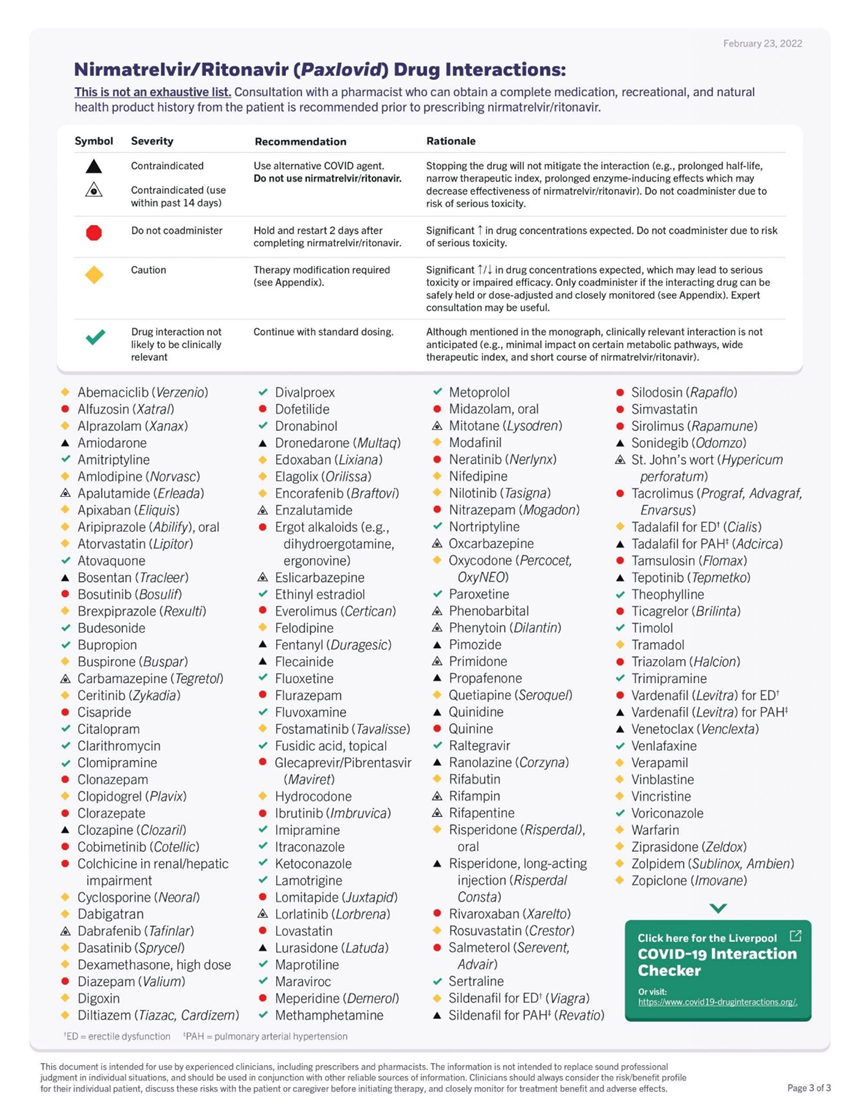
This discussion was originally posted before PAXLOVID WAS AVAILABLE. Paxlovid is very effective in reducing morbidity and mortality associated with Covid-19 infection. Standard dosing: PAXLOVID two 150-mg tablets of nirmatrelvir, one 100-mg tablet of ritonavir twice daily for 5 days.

Dose adjustments are necessary for certain medical conditions and there are many drug interactions that should be considered.

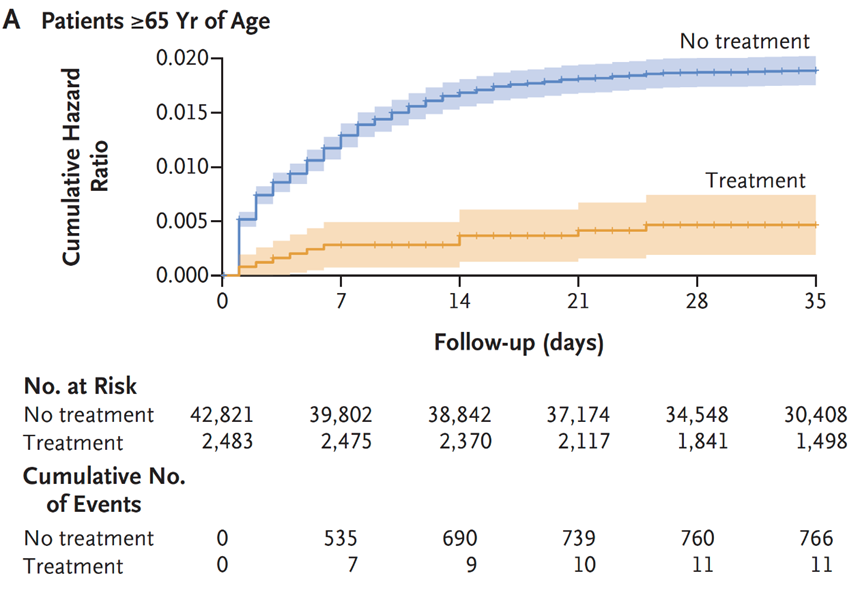
The results of a randomized placebo controlled clinical trial in high risk individuals has been published in the NEJM. The study was done just when Omicron hit. The study demonstrated an 89% reduction of hospitalizations and deaths by day 28 (absolute reduction of 6.2/100) with ZERO deaths in the Paxlovid group (7 in the placebo group). Paxlovid also had LESS side effects than placebo.

Another study from Israel demonstrated equally impressive results as shown here.

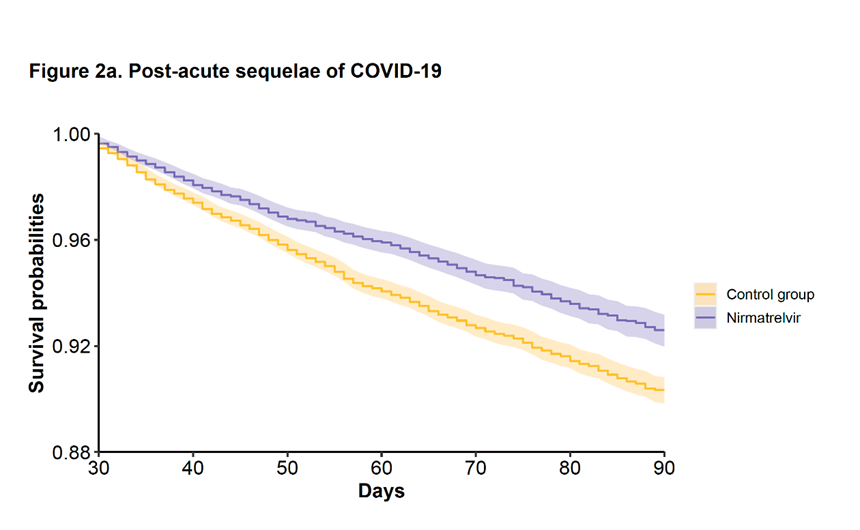
In addition, a study from the VA has looked at longer term effects (pre-print publication, still waiting for peer review.)

The study included 9000 Paxlovid patients treated within 5 days of symptom onset during the Omicron and subvariant waves and compared the treated patients with approximately 47,000 matched controls.

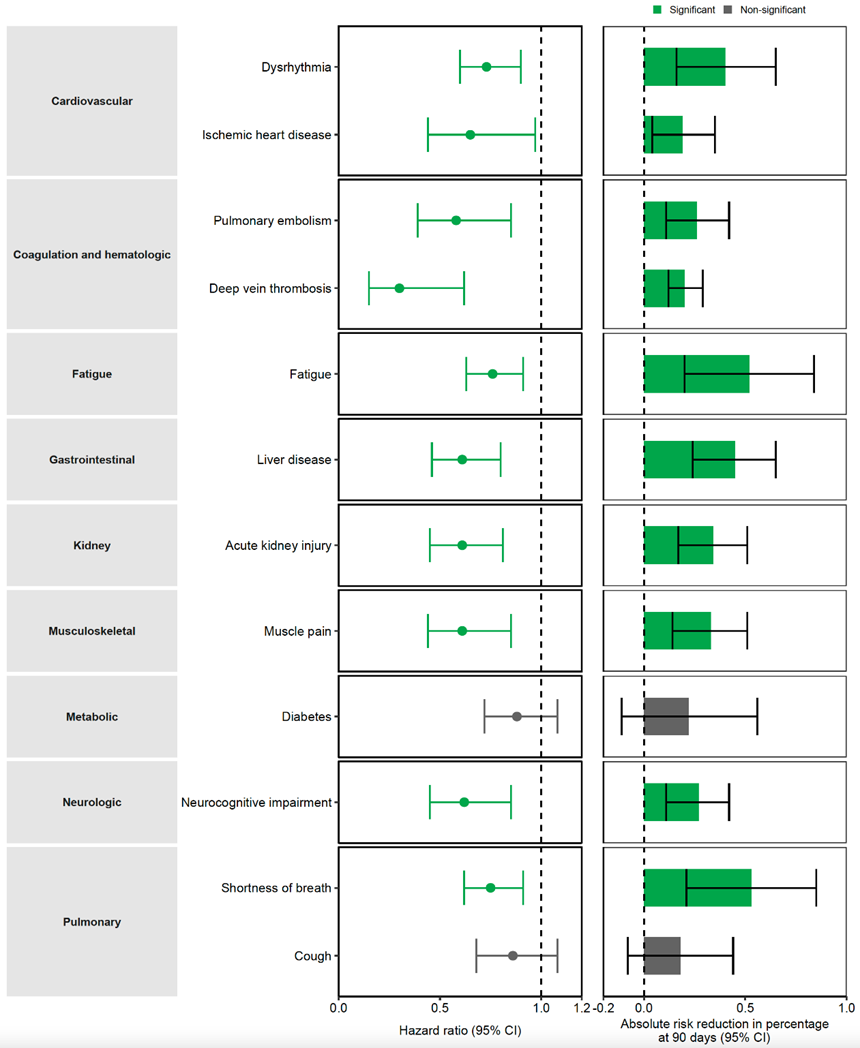
There was a 26% reduction in Long Covid.

Here is a breakdown of the Long Covid Symptoms

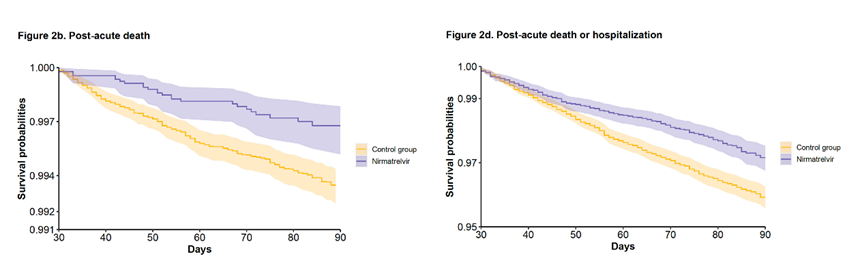
The VA study also showed a 48% reduction of death and 30% reduction in hospitalization after the acute phase (acute phase = first 30 days) as demonstrated here.

Many drug intervention trials for treating COVID-19 early in the pandemic have been disappointing. No studies have shown benefit for hydroxychloroquine, with or without azithromycin. This topic has been covered in previous posts. Remdesivir was FDA approved based upon one study that showed reduction in duration of symptoms. The mortality rate with Remdesivir, however, did not demonstrate a statistically significant difference when compared to “usual care”. https://www.niaid.nih.gov/news-events/nih-clinical-trial-shows-remdesivir-accelerates-recovery-advanced-covid-19

Another study published in Lancet failed to show any clinical benefit from Remdesivir.

“No statistically significant benefits were observed for remdesivir treatment beyond those of standard of care treatment. Our trial did not attain the predetermined sample size because the outbreak of COVID-19 was brought under control in China. Future studies of remdesivir, including earlier treatment in patients with COVID-19 and higher-dose regimens or in combination with other antivirals or SARS-CoV-2 neutralising antibodies in those with severe COVID-19 are needed to better understand its potential effectiveness.”

https://www.thelancet.com/journals/lancet/article/PIIS0140-6736(20)31022-9/fulltext

Likewise well designed studies of Ivermectin have shown no clinical benefit.

Monoclonal antibodies effective against early variants are no longer effective against the newer variants. So in terms of drug therapies for acute Covid infections we have Paxlovid for out patient care and dexamethasone for critically ill patients.

But we do know that certain underlying conditions such as obesity, diabetes, pre-diabetes (insulin resistance) and hypertension significantly increase risk of DEATH AND COMPLICATIONS with COVID-19. Since there are lifestyle interventions that can quickly and effectively mitigate these problems (diet, exercise, sleep, stress reduction….) now would seem like a good time to take our epidemics of obesity and diabetes in hand with aggressive lifestyle interventions to decrease the mortality rate of COVID-19 infection.

Such measures do not require expensive drugs or expensive drug trials, they simply require knowledge, guidelines and the will to implement change in our daily habits. Yet there has been little discussion about this in the media or on the part of public health officials.

Lets look at obesity in the US.

From 1999–2000 through 2017–2018, the age-adjusted prevalence of obesity increased from

30.5% to 42.4%, and the prevalence of severe obesity increased from 4.7% to 9.2%.

The most effective tool for addressing obesity and diabetes is a very low carbohydrate diet.

Effects of the Low Carbohydrate, High Fat Diet on Glycemic Control and Body Weight in Patients With Type 2 Diabetes: Experience From a Community-Based Cohort

https://pubmed.ncbi.nlm.nih.gov/32193200/

This study was a done in a community-based program, not an academic practice setting. That is significant since it demonstrates feasibility outside of academic centers with standard community resources. The results of this study confirmed the results of many previous studies done in academic settings including better blood sugar control, reduction or elimination of diabetic medications, and significant weight loss.

All patients following the LCHF diet who initially took
insulin had either a reduction or discontinuation of
this therapy by their healthcare provider when clinically
indicated, compared with less than a quarter of
those receiving usual care.

In another study done in Italy, significant weight reduction (7 kg), waistline reduction (7 cm.), fat mass reduction (3.8%) and systolic blood pressure reduction (10.5 mmHg) were achieved in 3 months with a Very Low Carbohydrate diet.

Middle and Long-Term Impact of a Very Low-Carbohydrate Ketogenic Diet on Cardiometabolic Factors: A Multi-Center, Cross-Sectional, Clinical Study (https://pubmed.ncbi.nlm.nih.gov/25986079/

Nina Teicholz had an opinion piece published in the Wall Street Journal on May 30, discussing the USDA dietary guidelines that have largely ignored a massive body of evidence supporting a Very Low Carbohydrate Diet for obesity and diabetes. She cites many studies that have been ignored by the USDA dietary guidelines committee. Here is here opening statement.

“Americans with obesity, diabetes, heart disease and other diet-related diseases are about three times more likely to suffer worsened outcomes from Covid-19, including death. Had we flattened the still-rising curves of these conditions, it’s quite possible that our fight against the virus would today look very different.”

You can read the full article here:

https://www.wsj.com/articles/a-low-carb-strategy-for-fighting-the-pandemics-toll-11590811260

But think about that simple statement, THREE TIMES MORE LIKELY TO SUFFER WORSENED OUTCOMES FROM COVID-19. Yet these conditions are highly responsive to lifestyle interventions that not only mitigate obesity, insulin resistance and high blood pressure, but also enhance immune function.

More from Teicholz’s opinion piece:

Other studies have found that dietary changes can rapidly and substantially improve cardiovascular risk factors, including conditions like hypertension that are major risk factors for worsened Covid-19 outcomes. A 2011 study in the journal Obesity on 300 clinic patients eating a very low-carbohydrate diet saw blood pressure quickly drop and remain low for years. And a 2014 trial on 148 subjects, funded by the National Institutes of Health, found a low-carb diet to be “more effective for weight loss and cardiovascular risk factor reduction” than a low-fat control diet at the end of the 1-year experiment.

In a recent letter to the editor published in the journal METABOLISM, Dr. Casey Means points out:

A diagnosis of diabetes has been a key indicator of the severity of
COVID-19, and in this regard, the virus has relentlessly highlighted our
global Achilles heel of metabolic dysfunction, and points to a prime opportunity
to fight back.
That fight, however, is not going to be won with Clorox, Purell,
masks, or anti-IL-6 drugs. The fight will only be won through a serious
commitment to improving everyone’s foundational metabolic health,
starting with the lowest hanging evidence-based fruit: dietary and lifestyle
interventions.

Read the full letter here: https://www.metabolismjournal.com/article/S0026-0495(20)30118-9/pdf

In 2 pages the letter describes multiple benefits of better glucose control relative to COVID -19 infection and the immune system as well as reduction of factors that lead to cytokine storm (terminal event for many COVID-19 patients). The letter also discusses the benefit of reducing environmental toxins (discussed in previous posts about COVID-19 and other health problems) that would likely benefit COVID-19 patients.

Research published April 18th, 2020 found that patients exposed to
highest amount of environmental nitrogen dioxide (NO2) had increased
risk of death fromCOVID-19, and that long-term exposure to this pollutant
may be one of the most important contributors to fatality by
compounding lung inflammation [20].

Minimizing exposure to environmental
pollutants may serve a role in quelling the underlying pro-inflammatory
state that characterizes metabolic disease and COVID-19 associated
cytokine storms
.

Other environmental toxins, including persistent organic pollutants
(POPs) found in air, water, and food generated from pesticides
and industrial chemicals, are also strongly implicated in the pathogenesis
of metabolic syndrome; promoting “clean living,” toxin-avoidant
strategies for patients as simple as emphasizing organic foods, home
air purification, and non-toxic home supplies could be considered, although
the clinical utility of these measures in the acute setting is unknown
[21].

In discussing the white elephant in the room he states:

What is starkly missing is the clear, simple, and strong recommendation for no added
sugar or ultra-refined carbohydrates, both of which are known drivers
of postprandial hyperglycemia and inflammation. As a medical community, we must not miss the opportunity to serve patients with straightforward, evidence-based nutritional and lifestyle strategies to assist in glycemic control.

I would encourage you to follow the link and read the 2 pages supported by multiple peer-reviewed references.

An ancestral (paleo) diet is also very effective for addressing insulin resistance, diabetes type 2 and obesity. Multiple studies have demonstrated this. Although an ancestral approach is typically low carb it is not typically ketogenic, but a ketogenic ancestral diet (high in non starchy vegetables to support the gut microbiome) can be implemented by restricting fruits to one serving of berries per day and limiting starchy vegetables.

Even without severe carbohydrate restriction, an ancestral anti-inflammatory diet will quickly address insulin resistance, type 2 diabetes, and obesity. In this insulin resistance was reversed in 10 days.

And another study:

And another study

And here is a slide from one of my lectures with references on how an ancestral diet modulates immunity.

Leptin resistance, insulin resistance and obesity travel together. Here is yet another study demonstrating the effectiveness of an ancestral diet.

If you have obesity, diabetes or pre-diabetes the Very Low Carbohydrate version of the anti-inflammatory diet linked above would be the fastest and most effective intervention you can immediately employ to reduce your risk of succumbing to COVID-19. (Of course wear an N-95, follow good hygiene with hand-washing frequently, and use a HEPA filter or Corsi-Rosenthal box in your home, office, and enclosed work spaces)

In the context of the COVID 19 pandemic I will close with the usual summary.

  1. Avoid alcohol consumption (alcohol wreaks havoc with your immunity)
  2. Get plenty of sleep (without adequate sleep your immune system does not work well )
  3. Follow good sleep habits
  4. Exercise, especially out of doors in a green space, supports the immune system
  5. Get some sunshine and make sure you have adequate Vitamin D levels. Supplement with Vitamin D3 to get your levels above 30 ng/ml, >40ng/ml arguably better.
  6. Eat an anti-inflammatory diet rich in micronutrients.
  7. Practice stress reduction like meditation and yoga which improves the immune system
  8. Eliminate sugar-added foods and beverages from your diet. These increase inflammation, cause metabolic dysfunction, and suppress immunity.
  9. Eliminate refined-inflammatory “vegetable oils” from your diet, instead eat healthy fat.
  10. Clean up your home environment and minimize your family’s exposure to environmental toxins by following recommendations at EWG.org with regards to household products, personal care products, and organic foods. (https://www.ewg.org/)
  11. Drink water filtered through a high quality system that eliminates most environmental toxins.
  12. HEPA filters or the home-made version (Corsi-Rosenthal box) used in your home or workplace can reduce circulating viral load as discussed on this website.
  13. If you are eligible for vaccination, consider protecting yourself and your neighbor with a few jabs. Age > 50 and/or risk factors (Diabetes, pre-diabetes, insulin resistance, hypertension, obesity, heart disease, COPD, asthma, cancer treatment, immune suppression) suggests benefit from a booster. Risk for complications of boosters in adolescents, especially males, without risk factors, may equal benefit. Previous infection with Covid can be considered as protective as a booster. Discuss risk vs benefits with your doctor.

THIS WEBSITE PROVIDES INFORMATION FOR EDUCATIONAL PURPOSES ONLY. CONSULT YOUR HEALTH CARE PROVIDER FOR MEDICAL ADVICE.

Eat clean, drink filtered water, love, laugh, exercise outdoors in a greenspace, get some morning sunlight, block the blue light before bed, engage in meaningful work, find a sense of purpose, spend time with those you love, AND sleep well tonight.

Doctor Bob