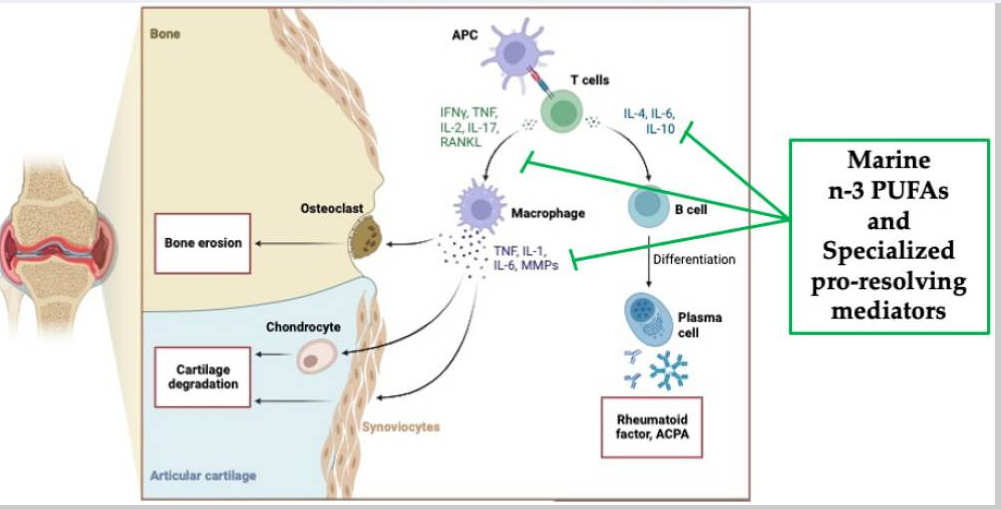
“The promising findings coming from the cumulative research work over the last decade solidified the role of ω-3 PUFAs as a potential candidate to prevent or even treat such autoimmune diseases as type 1 diabetes, RA, SLE, MS”
“Altogether the data reported in this review show that anti-inflammatory interventions, i.e., high fish consumption or supplements containing n-3 PUFAs, should be the standard of care, along with pharmacotherapy, in treating patients with RA.”
And here is a graphic from that article showing the effect of SPMs (specialized pro-resolving mediators, derived from omega-3s):
Some omega-3 supplement studies have demonstrated no significant pain relief in osteoarthritis. Those studies did not reduce the consumption of pro-inflammatory n-6 fatty acids which compete with omega-3 fats for the enzymes which can lead to pro or anti-inflammatory mediators. They also did not measure the omega 6/omega 3 ratio in blood or tissues. Nor did they measure the omega-3 index (% of omega-3 achieved in red blood cell membranes, the gold standard for evaluating tissue levels achieved) This 2018 analysis stated:
“High Omega-3 (n-3) polyunsaturated fatty acids (PUFAs) are associated with lower levels of inflammatory mediators, anti-nociception, and adaptive cognitive/emotional functioning. High Omega-6 (n-6) PUFAs are associated with inflammation, nociception, and psychological distress. While findings related to n-3 supplementation in knee OA are mixed, consideration of the n-6:n-3 ratio and additional outcome measures may provide improved understanding of the potential relevance of these fatty acids in OA”
The authors went on to access blood n-6/n-3 ratios in patients with OA and found the following:
“The high ratio group reported greater pain and functional limitations, (all p’s<0.04), mechanical temporal summation (hand and knee, p<0.05), and perceived stress (p=0.008) but not depressive symptoms.”
“In adults with knee pain, a high n-6:n-3 ratio is associated with greater clinical pain/functional limitations, experimental pain sensitivity, and psychosocial distress compared to a low ratio group.”
The anti-inflammatory diet that I follow and recommend eliminates the major sources of excess omega-6 in the diet, specifically the “vegetable oils” which are actually seed, grain, and legume oils predominated by soy oil, corn oil, peanut and cottonseed oil present in cooking “vegetable oils” and processed foods. A table that displays the ratio of omega 3 to omega 6 in various oils can be found here. Note that this table does not reveal the amounts of MUFA (mono unsaturated fatty acids) which are arguably “heart healthy”. Nor does it address the important issue of protective polyphenols and anti-oxidants (such as in Extra Virgin Olive oil aka EVOO). So do not make choices of oil based only on the omega-3/6 ratio.
Another consideration in choosing oils for cooking (as opposed to salad dressing) is the smoke point. Under high heat, oils are subject to oxidation which creates a proinflammatory effect when consumed. Refined Avocado oil has the highest smoke point (520 degrees F). But we digress. Back to pain and arthritis.
“omega-3 polyunsaturated fatty acids (PUFA) have demonstrated an influential role in the progression of OA, resulting in the reduction of cartilage destruction, inhibition of pro-inflammatory cytokine cascades, and production of oxylipins that promote anti-inflammatory pathways.”
“Research has demonstrated a positive effect on the modulation of OA symptoms through diet and exercise to promote an anti-inflammatory environment. More specifically, omega-3 PUFAs have demonstrated a reduction in inflammatory biomarkers and cartilage degradation, counteracting the natural disease state of OA. In addition to their chondroprotective role, omega-3 supplementation has been shown to have indirect positive effects on muscle tissue recovery following exercise, which is necessary to prevent the progression of OA and maintain an independent, healthy lifestyle. The effects of omega-3 supplementation on the disease state of OA and its symptoms remain inconclusive. Further clinical trials utilizing human participants are warranted to provide a conclusive recommendation on standardized supplementation of omega-3 for the modulation of osteoarthritis.”
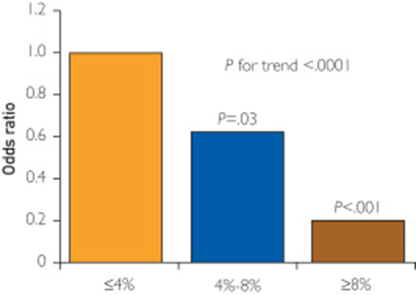
Given the cardioprotective effects, discussed in my last post (including an 80% reduction in sudden death at the highest quintile of omega-3 index) and other benefits (reduction in all cause mortality with high tissue levels), there are many reasons to include large amounts of low mercury fatty fish (wild Alaskan salmon, sardines, herring, trout) in the diet and to consider supplementation when your omega 3 index is < 8%. Likewise, in the presence of arthritis and pain, getting tissue levels of omega 3 up and reducing excessive pro-inflammatory omega 6 will likely provide significant benefit.
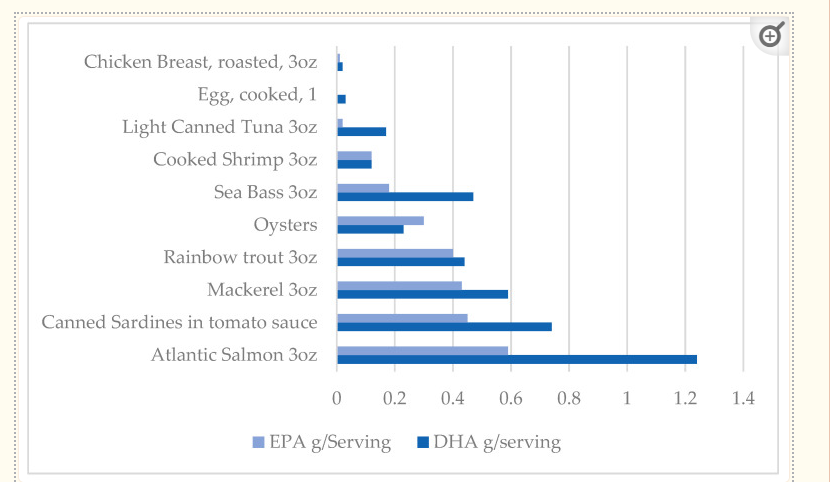
Here is a graphic with the omega 3 content of some foods.
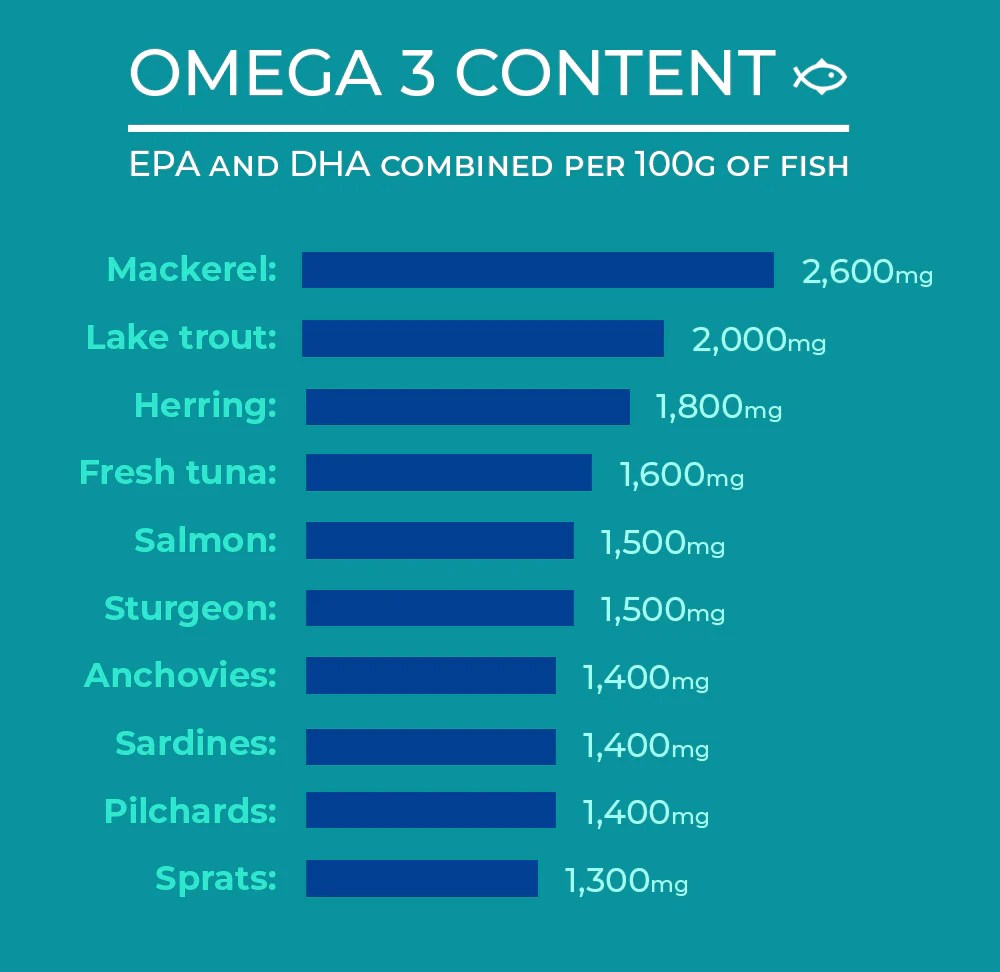
And another:
As mentioned in my previous post about omega-3 and cardiovascular health, 1800 mg of omega-3 FA daily is adequate in most people to achieve and omega-3 index of 8%, the level at which cardiovascular protection is greatest.
THIS WEBSITE PROVIDES INFORMATION FOR EDUCATIONAL PURPOSES ONLY. CONSULT YOUR HEALTH CARE PROVIDER FOR MEDICAL ADVICE.
Eat clean, drink filtered water, love, laugh, exercise outdoors in a greenspace, get some morning sunlight, block the blue light before bed, engage in meaningful work, find a sense of purpose, spend time with those you love, AND sleep well tonight.
The benefit of omega-3 supplementation has been debated in the cardiology and nutritional literature for many years. Most studies of supplementation have failed to measure tissue levels achieved and often used very low doses. But when tissue levels were measured, either in the serum or red blood cell membrane, the studies consistently demonstrated significant reductions in all-cause mortality and cardiovascular mortality associated with high levels of omega-3 fatty acids.
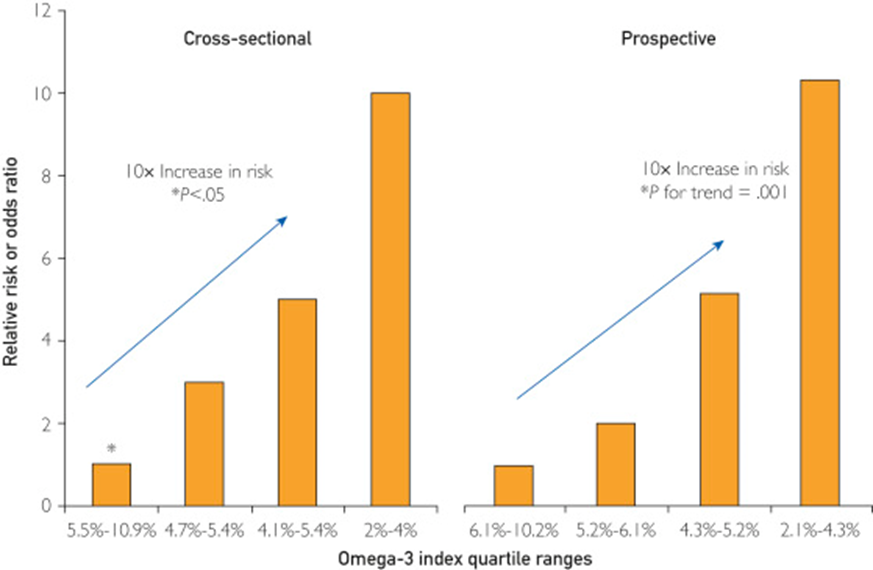
In addition, higher levels of omega 3 are associated with >=80% reduction in sudden death associated with acute myocardial infarction (acute MI) and > 80% reduction in sudden death in cohorts without known coronary artery disease followed long term.
Two Coronary CT Angiogram (CCTA) studies demonstrated that patients with stable coronary artery disease on statin therapy randomized to high dose EPA and DHA had “prevention of coronary plaque progression when an omega-3 fatty acid index >= 4% was achieved.”
Another CCTA study demonstrated that patients receiving omega 3 supplementation had significantly less coronary atherosclerotic “high risk” lipid rich plaque prevalence (3.8% versus 32%) and lower total non-calcified plaque burden independent of cardiovascular risk factors compared to matched controls not receiving omega 3 supplements.
Omega 3 supplementation after an acute myocardial infarction has been found to reduce infarct size, reduce scaring (fibrosis), and enhance heart tissue healing. (Randomized controlled clinical trial) However a post MI study in 1027 elderly patients randomized to receive 1.8 grams per day of EPA+DHA versus a control group receiving corn oil showed no reduction in the primary composite cardiovascular endpoint between the two groups at 2 years but a higher incidence of AF in the omega 3 group that did not reach statistical significance.
Recently a study, widely reported by the lay press, suggested that high dose omega-3 supplementation was associated with increased risk of atrial fibrillation (AF). These results conflicted with previous studies which demonstrated just the opposite, specifically prior studies demonstrated reduced risk of AF. The more recent study suffered a significant design flaw. The study in question failed to make statistical adjustment for the increased life span associated with higher levels of omega-3. Since age is a primary risk factor for AF, any intervention which increases life span would be expected to result in more AF over the lifetime of the patients as they aged (i.e., more elder years results in increased risk of AF). Therefore, statistical adjustment for that effect should be employed, but was not done in the study.
Unfortunately, science journalism has deteriorated to a state where the conclusions of study authors are most often quoted without interpretation or context, and without critical analysis or comparisons with previous studies that may have demonstrated opposing results.
In addition to large well-designed studies that have suggested a reduced risk of AF associated with omega-3 fatty acids, there have been natural experiments that provide reassuring information. The indigenous Inuit people of Greenland, for example, historically consumed large amounts of omega-3 in their diet with no evidence of increased risk of AF. In fact, before the introduction of western processed foods, estimates of AF among the Inuit were 0.6% (1963) compared to a “worldwide prevalence of AF in adults between 2 and 4%, between one and two percent in Canadian and the general US population and between 0.5% and 3% in most low- and middle-income countries.” A more recent study of Greenland yielded a prevalence of 1.4% likely reflecting a change in habits consisting of less exercise, more tobacco use and a shift to a more Western diet.
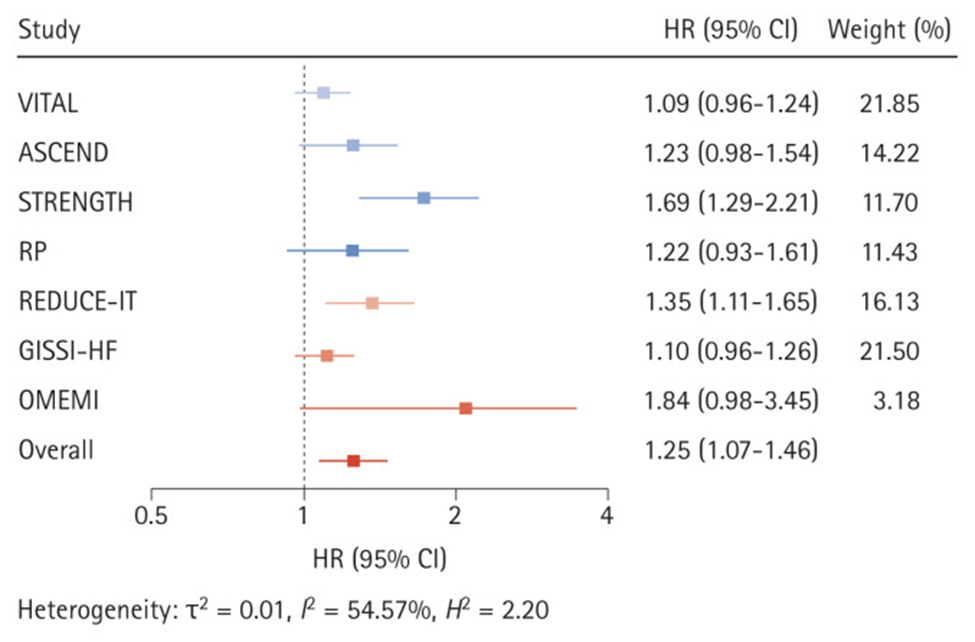
Still, multiple studies that used high dose omega 3 supplements in patients with known cardiac disease suggest an increased risk of AF. A good review of omega-3 fatty acids and atrial fibrillation was published in the Korean Journal of Internal Medicine, referenced below.
My interpretation of the complex data in this area is as follows.
At supplemental doses of EPA+DHA above 1.8 grams per day (and perhaps above 1 gram per day) in patients with known coronary artery disease (CAD), at high risk of CAD, or following a myocardial infarction, the risk of AF is increased by about 25% (relative risk). But the risk of lethal ventricular arrythmias (sudden death) associated with myocardial infarction (heart attack) is 80% lower in patients with a red blood cell omega 3 index of >=8. In people without known CAD, an omega-3 index >=8% is associated with an 80% reduction in sudden cardiac death. CCTA studies show significantly lower unstable “vulnerable” plaque in patients on omega-3 supplements. Similarly, omega 3 supplementation in patients on statins associates with halted plaque progression determined by serial CCTA in non-diabetics.
In addition, higher tissue levels of omega 3 are associated with significantly reduced all-cause, cardiovascular, and cancer mortality.
Omega-3 fatty acids are the chemical precursors of SPMs, specialized pro-resolving lipid mediators which help resolve inflammation. We know that cardiovascular events are driven by chronic inflammation in the walls of arteries, often mediated by insulin resistance. Chronic inflammation contributes to atherosclerosis (production of plaque in the artery wall) as well as cardiovascular events that result when unstable plaque ruptures. Studies suggest that n-3 fatty acids may have antiarrhythmic properties with membrane-stabilizing effects in addition to antithrombotic and anti-inflammatory properties on the endothelial level. Basic science, observational studies and clinical trials have demonstrated that higher tissue levels of omega 3 fatty acids are associated with longer health span and lifespan. This understanding must be balanced with a probable increased risk of AF in certain clinical situations associated with high dose omega-3 supplements as described above (people with known CAD, high risk for CAD, or following and MI). Note that current AHA and ACC dietary guidelines include at least 2 servings of fatty fish per week, one serving provides approximately 1800 mg of omega-3.
Getting omega-3 fatty acids from cold water fatty fish would be ideal. Unfortunately, many individuals do not like salmon, sardines, mackerel or herring and simply will not consume enough of this fish to achieve protective tissue levels. Other species of fish and seafood provide much less amounts of omega 3. Another consideration is that individuals process omega 3 fats differently so different amounts of omega 3 will be necessary to reach the same protective levels in tissue. You can obtain a red blood cell omega-3 index using a home kit and a finger prick without a prescription (https://omegaquant.com/). The sample is mailed in to the lab and results reported directly to you. I have no financial relationship with these folks.
Bill Harris, PhD, is widely published in the area of omega-3 science. He developed the first clinically useful tissue assay which measures the % of omega 3 fat in red blood cell membranes, the “omega-3 index” which is the gold standard for omega 3 research and clinical testing. Although serum levels correlate with the red blood cell index, the later reveals dietary consequences of a 2-3 month period while serum levels reflect just a few days of most recent dietary habits. The red blood cell omega 3 index is analogous to the hemoglobin A1c which reveals average blood sugars over a 2–3-month period. Bill Harris suggests that 1800 mg per day of omega 3 fat consumption (food plus supplements) will achieve an index of >= 8% in most individuals.
Here are some references.
Harris WS, Tintle NL et.al., Fatty Acids and Outcomes Research Consortium (FORCE). Blood n-3 fatty acid levels and total and cause-specific mortality from 17 prospective studies. Nat Communications. 2021 Apr 22;12(1):2329. doi: 10.1038/s41467-021-22370-2. PMID: 33888689; PMCID: PMC8062567. https://pubmed.ncbi.nlm.nih.gov/33888689/
“Here we report the results of a de novo pooled analysis conducted with data from 17 prospective cohort studies examining the associations between blood omega-3 fatty acid levels and risk for all-cause mortality. Over a median of 16 years of follow-up, 15,720 deaths occurred among 42,466 individuals. We found that, after multivariable adjustment for relevant risk factors, risk for death from all causes was significantly lower (by 15-18%, at least p < 0.003) in the highest vs the lowest quintile for circulating long chain (20-22 carbon) omega-3 fatty acids (eicosapentaenoic, docosapentaenoic, and docosahexaenoic acids).Similar relationships were seen for death from cardiovascular disease, cancer and other causes”
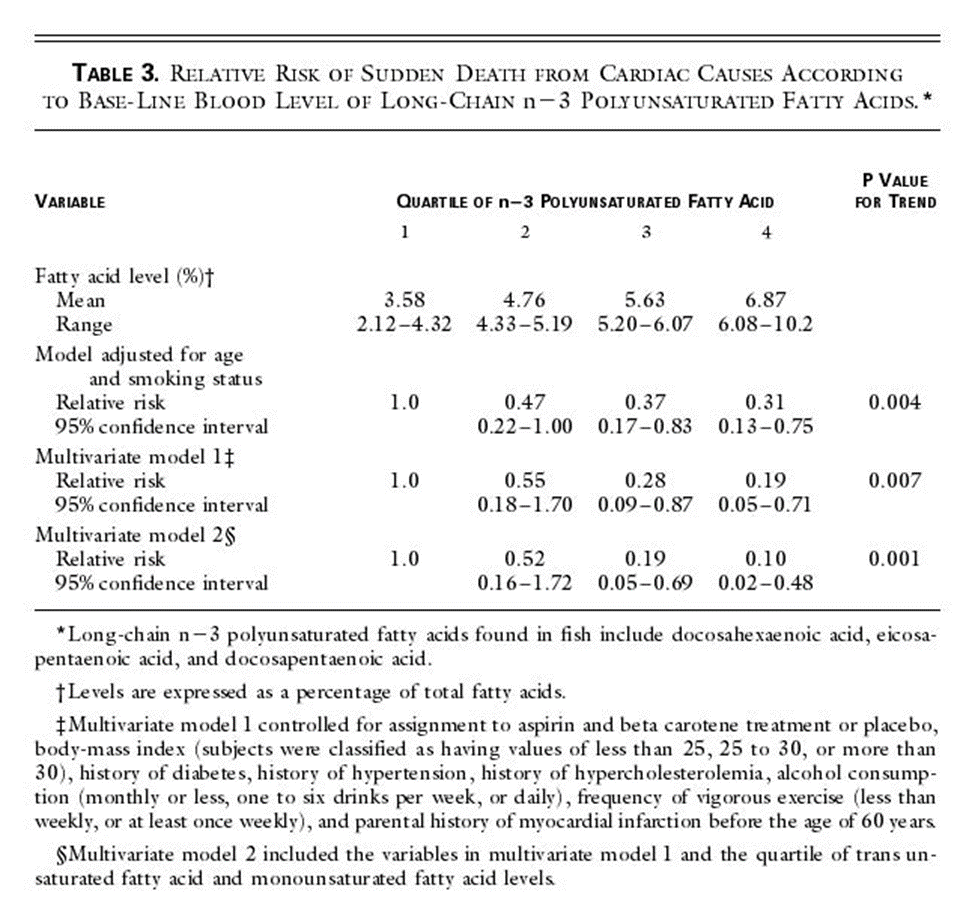
Blood Levels of Long-Chain n–3 Fatty Acids and the Risk of Sudden Death Authors: Christine M. Albert, M.D., M.P.H., Hannia Campos, Ph.D., Meir J. Stampfer, M.D., Dr.P.H., Paul M. Ridker, M.D., M.P.H., JoAnn E. Manson, M.D., Dr.P.H., Walter C. Willett, M.D., Dr.P.H., and Jing Ma, M.D., Ph.D.
We conducted a prospective, nested case–control analysis among apparently healthy men who were followed for up to 17 years in the Physicians’ Health Study. The fatty-acid composition of previously collected blood was analyzed by gas–liquid chromatography for 94 men in whom sudden death occurred as the first manifestation of cardiovascular disease and for 184 controls matched with them for age and smoking status.
RESULTS
Base-line blood levels of long-chain n–3 fatty acids were inversely related to the risk of sudden death both before adjustment for potential confounders (P for trend = 0.004) and after such adjustment (P for trend = 0.007). As compared with men whose blood levels of long-chain n–3 fatty acids were in the lowest quartile, the relative risk of sudden death was significantly lower among men with levels in the third quartile (adjusted relative risk, 0.28; 95 percent confidence interval, 0.09 to 0.87) and the fourth quartile (adjusted relative risk, 0.19; 95 percent confidence interval, 0.05 to 0.71).
CONCLUSIONS
The n–3 fatty acids found in fish are strongly associated with a reduced risk of sudden death among men without evidence of prior cardiovascular disease.
Heydari B, Abdullah S, Pottala JV, Shah R, Abbasi S, Mandry D, Francis SA, Lumish H, Ghoshhajra BB, Hoffmann U, Appelbaum E, Feng JH, Blankstein R, Steigner M, McConnell JP, Harris W, Antman EM, Jerosch-Herold M, Kwong RY. Effect of Omega-3 Acid Ethyl Esters on Left Ventricular Remodeling After Acute Myocardial Infarction: The OMEGA-REMODEL Randomized Clinical Trial. Circulation. 2016 Aug 2;134(5):378-91. doi: 10.1161/CIRCULATIONAHA.115.019949. PMID: 27482002; PMCID: PMC4973577. https://www.ahajournals.org/doi/10.1161/CIRCULATIONAHA.115.019949
Conclusions: Treatment of patients with acute myocardial infarction with high-dose omega-3 fatty acids was associated with reduction of adverse left ventricular remodeling, noninfarct myocardial fibrosis, and serum biomarkers of systemic inflammation beyond current guideline-based standard of care.
Effect of Different Antilipidemic Agents and Diets on Mortality A Systematic Review
Studer M, Briel M, Leimenstoll B, Glass TR, Bucher HC. Effect of Different Antilipidemic Agents and Diets on Mortality: A Systematic Review. Arch Intern Med. 2005;165(7):725–730. doi:10.1001/archinte.165.7.725
Compared with control groups, risk ratios for cardiac mortality indicated benefit from statins (0.78; 95% CI, 0.72-0.84), resins (0.70; 95% CI, 0.50-0.99) and n-3 fatty acids (0.68; 95% CI, 0.52-0.90).
Feuchtner G, Langer C, Barbieri F, Beyer C, Dichtl W, Friedrich G, Schgoer W, Widmann G, Plank F. The effect of omega-3 fatty acids on coronary atherosclerosis quantified by coronary computed tomography angiography. Clin Nutr. 2021 Mar;40(3):1123-1129. doi: 10.1016/j.clnu.2020.07.016. Epub 2020 Jul 22. PMID: 32778459. https://pubmed.ncbi.nlm.nih.gov/32778459/
Conclusions: Omega-3-PUFA supplementation is associated with less coronary atherosclerotic “high-risk” plaque (lipid-rich) and lower total non-calcified plaque burden independent on cardiovascular risk factors. Our study supports direct anti-atherogenic effects of Omega-3-PUFA.
Conclusions: EPA and DHA added to statins prevented coronary plaque progression in nondiabetic subjects with mean LDL-C <80 mg/dL, when an omega-3 index ≥4% was achieved. Low omega-3 index <3.43% identified nondiabetic subjects at risk of coronary plaque progression despite statin therapy
Among 3326 US men and women ≥65 years of age and free of AF or heart failure at baseline, plasma phospholipid levels of eicosapentaenoic acid, docosapentaenoic acid, and docosahexaenoic acid were measured at baseline by use of standardized methods. Incident AF (789 cases) was identified prospectively from hospital discharge records and study visit ECGs during 31 169 person-years of follow-up (1992-2006).
Conclusions: In older adults, higher circulating total long-chain n-3 PUFA and docosahexaenoic acid levels were associated with lower risk of incident AF (atrial fibrillation). These results highlight the need to evaluate whether increased dietary intake of these fatty acids could be effective for the primary prevention of AF.
An omega-3 index of less than 4% is associated with increased CHD risk, particularly for sudden cardiac death. In contrast, an omega-3 index of more than 8% is associated with low CHD risk, whereas the range between 4% and 8% is considered intermediate risk
Risk of sudden death
Alfaddagh A, Elajami TK, Ashfaque H, Saleh M, Bistrian BR, Welty FK. Effect of Eicosapentaenoic and Docosahexaenoic Acids Added to Statin Therapy on Coronary Artery Plaque in Patients with Coronary Artery Disease: A Randomized Clinical Trial. J Am Heart Assoc. 2017; 6: e006981. 10.1161/JAHA.117.006981. https://pubmed.ncbi.nlm.nih.gov/29246960/
“High-dose eicosapentaenoic acid and docosahexaenoic acid provided additional benefit to statins in preventing progression of fibrous coronary plaque in subjects adherent to therapy with well-controlled low-density lipoprotein cholesterol levels.”
Huh JH, Jo SH. Omega-3 fatty acids and atrial fibrillation. Korean J Intern Med. 2023 May;38(3):282-289. doi: 10.3904/kjim.2022.266. Epub 2022 Dec 14. PMID: 36514212; PMCID: PMC10175873 https://pubmed.ncbi.nlm.nih.gov/36514212/
.
Effects of omega-3 fatty acid supplementation on the risk of atrial fibrillation. HR, hazard ratio; CI, confidence interval; VITAL, Vitamin D and Omega-3 Trial; ASCEND, A Study of Cardiovascular Events in Diabetes; STRENGTH, Statin Residual Risk with Epanova in High Cardiovascular Risk Patients with Hypertriglyceridemia; RP, Risk and Prevention Study; REDUCE-IT, Reduction of Cardiovascular Events With Icosapent Ethyl-Intervention Trial; GISSI-HF, Gruppo Italiano per lo Studio della Sopravvivenza nell’Insufficienza Cardiaca-Heart Failure; OMEMI, Omega-3 Fatty Acids in Elderly With Myocardial Infarction. Effects of omega-3 fatty acid supplementation on the risk of atrial fibrillation. HR, hazard ratio; CI, confidence interval; VITAL, Vitamin D and Omega-3 Trial; ASCEND, A Study of Cardiovascular Events in Diabetes; STRENGTH, Statin Residual Risk with Epanova in High Cardiovascular Risk Patients with Hypertriglyceridemia; RP, Risk and Prevention Study; REDUCE-IT, Reduction of Cardiovascular Events With Icosapent Ethyl-Intervention Trial; GISSI-HF, Gruppo Italiano per lo Studio della Sopravvivenza nell’Insufficienza Cardiaca-Heart Failure; OMEMI, Omega-3 Fatty Acids in Elderly With Myocardial Infarction. Effects of omega-3 fatty acid supplementation on the risk of atrial fibrillation. HR, hazard ratio; CI, confidence interval; VITAL, Vitamin D and Omega-3 Trial; ASCEND, A Study of Cardiovascular Events in Diabetes; STRENGTH, Statin Residual Risk with Epanova in High Cardiovascular Risk Patients with Hypertriglyceridemia; RP, Risk and Prevention Study; REDUCE-IT, Reduction of Cardiovascular Events With Icosapent Ethyl-Intervention Trial; GISSI-HF, Gruppo Italiano per lo Studio della Sopravvivenza nell’Insufficienza Cardiaca-Heart Failure; OMEMI, Omega-3 Fatty Acids in Elderly With Myocardial Infarction
THIS WEBSITE PROVIDES INFORMATION FOR EDUCATIONAL PURPOSES ONLY. CONSULT YOUR HEALTH CARE PROVIDER FOR MEDICAL ADVICE.
Eat clean, drink filtered water, love, laugh, exercise outdoors in a greenspace, get some morning sunlight, block the blue light before bed, engage in meaningful work, find a sense of purpose, spend time with those you love, AND sleep well tonight.
What does this mean? The authors of this study looked at several important markers of health: waist circumference, fasting blood sugar, hemoglobin A1c, blood pressure, triglycerides, HDL, and whether someone was taking any medication related to these markers. They used data from the National Health and Nutrition Examination Survey 2009-2016. Only 12.3% of US adults qualified as healthy on all measures. So how did we get into this horrible situation?
Let’s step back and look at modifiable factors that play into these health measures.
Adequate restorative sleep
Stress
Nutrition
Exercise
Sunlight (Vitamin D)
Social connection
Environmental toxins
Rest
I have discussed the importance of sleep in several posts. Following this link you will find recommendations for good sleep habits that can enhance the quality and duration of your sleep.
If you have not watched Dan Pardi’s discussion of “HOW TO OPTIMIZE LIGHT FOR HEALTH” I recommend you watch this.
STRESS
Stress reduction is a huge topic. Managing stress involves so many areas it deserves a separate discussion. But here are some basics. Getting adequate sleep is the place to start. Activities like Meditation, Yoga, moderate exercise (walking outdoors in a green space) Tai Chi, music, practicing Mindfulness, and spending time with family and friends are all potential avenues to reduce the deletrious effects of stress in our lives.
NUTRITION
I have presented one approach to an anti-inflammatory diet and if you have not read through the details just follow the link. The low hanging fruit begins with elimination of processed foods, sweetened beverages, and pro-inflammatory “vegetable oils” (OILS made from corn, soy, cottonseed, safflower, sunflower, canola, margarine). EAT WHOLE FOODS.
TO LEARN ABOUT THE ILL-EFFECTS OF “VEGETABLE OILS” LISTEN TO NINA:
EXERCISE
My post about exercise as medicine can be found here.
The best way to exercise is to play as described by my friend Daryl Edwards in his TED talk.
Most Americans do not get enough, but some get too much. Moderation is important.
SUNLIGHT
Getting outdoor light exposure early in the day and avoiding the deleterious effects of artificial light in the evening (wear blue light blocking glasses in the evening) are two important ways to get the most benefit from light exposure, improve your sleep and enhance your Vitamin D level. Exercise outdoors in a green space provides more benefit than walking the treadmill indoors.
SOCIAL CONNECTION
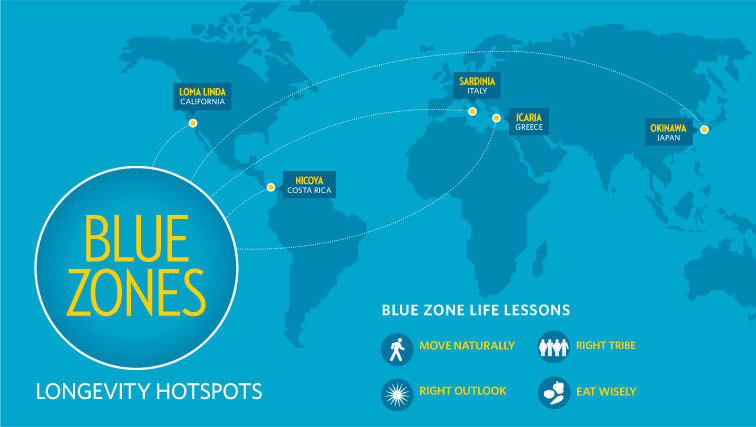
Blue Zones are areas in the world that have the greatest numbers of individuals living to age 100. The climates and food varies among the various areas. They all have two things in common. First is a high degree of social connection, strong family ties, lifelong friends. Social connection within a supportive community is arguably one of the most important factors affecting health, longevity, and healthspan. Second, they eat REAL WHOLE FOOD.
ENVIORNMENTAL TOXINS
Part of eliminating environmental toxins includes consuming organic fruits and vegetables and eating meat, poultry and eggs from hormone-free, antibiotic-free, free- range/pastured sources. (ALL PART OF AN ANCESTRAL/PALEO DIET) If you are not familiar with the “dirty dozen” and the “clean 15” head on over to EWG.org where you will learn not only about what foods have the most/least residual pesticides, but also what personal care products and household cleaners are safe for you and your family.
WATER: Because humans have spent the last 4-5 decades polluting our air and water there is probably no water supply that is totally free of enviornmental toxins. To minimize your consumption of enviornmental toxins, filter your drinking water through a high quality system.
REST
Matthew Redlund MD has written a great book “THE POWER OF REST”. Here he discusses why sleep is not enough.
The fact that only 12% of American adults are metabolically healthy should be cause for great alarm. All chronic and degenerative diseases including dementia, heart disease, stroke, arthritis and cancer rise as metabolic health deteriorates.
Remember, this website offers educational information only. Consult your health care provider for medical advice.
Sleep well, exercise outdoors, laugh, love, engage in meaningful work, drink filtered water, eat clean, eat whole foods, get plenty of sunshine, spend time with those you love.
I have spent a few days watching lectures from various low-carb-healthy-fat meetings. There is an impressive amount of solid clinical data to support Very Low Carb (with healthy fat) diets to treat obesity, insulin resistance, diabetes, pre-diabetes, metabolic syndrome, and seizure disorders. Eric Westman MD, author, Associate Professor of Medicine, Past Chairman of the Obesity Medicine Association, and director of Duke University Lifestyle Medical Clinic gave an impassioned and authoritative talk on the success of LCHF in treating all of these disorders here.
Dr. Steven Phinney, Professor Emeritus UC Davis and presently Chief Medical Officer for VIRTA has given numerous talks on the beneficial effects of a ketogenic diet. He and Jeff Volek Ph.D. have done research for decades on the physiology of low carbohydrate diets. They elucidated the changes that occur in high level athletes as they adapt to burning fat as their major fuel source during and after a period of “fat adaptation”. It turns out that endurance athletes, after a period of 1 to 3 months of adaptation to a low carb-high fat diet (variable from person to person) perform at equal or higher levels as compared to their performance when previously on a high carbohydrate diet. In fact, because lean athletes have much greater energy stored in fat as compared to glycogen (carbohydrate) they can go for many hours longer than an athlete who is dependent on carbohydrate metabolism (not fat adapted). Glycogen is the starch source of energy that humans store in the liver (100 grams) and in muscle (400 grams). Compared to glycogen, fat stores in lean individuals, including buff athletes, can provide more than 10 times the amount of energy. Endurance athletes who are keto-adapted (fat burners) can ride a bike all day or run an ultra-marathon (100 miles) without taking in any energy source. (They must of course replace fluid and electrolytes). Whereas athletes who have followed a traditional high carb diet must start consuming calories after about 3 hours of moderate-high intensity exercise. Doctors Phinney and Volek have done clinical research on humans with obesity, pre-diabetes and diabetes and they have demonstrated superior results when compared to any other dietary approach.
You can learn about their work here:
And here:
So what is this all about? If carbohydrates are restricted to very low levels and instead we consume (healthy) fat as our major source of energy with moderate amounts of protein, then the human body starts to burn fat. This process results in the production of ketones (in the liver) which serve not only as a source of energy but also act as “signaling” molecules that turn on beneficial genes that fight inflammation and turn off genes that produce inflammation. When a well formulated ketogenic diet is followed under medical supervision, diabetics can often get off most or all of their diabetes medications within weeks to months as they lose weight. Improvements are seen quickly in blood pressure, fasting blood sugar, liver function tests, insulin sensitivity, inflammatory markers, subjective energy levels, mental clarity and mood. Triglycerides are reduced, HDL increases, and improvements are seen in the “atherogenic profile” with reductions in small dense LDL particles with a shift to large buoyant LDL particles. On a ketogenic diet humans spontaneously consume lower caloric intake because fat and protein are more satiating compared to carbohydrate. Circulating saturated fat in the blood DECREASES on a keto-genic diet. Refined carbohydrates and sugar (so prevalent in processed foods) produce increased circulating fat in the blood and increased fat storage throughout the body, often leading to fatty liver disease and the long list of chronic diseases caused by and associated with insulin resistance.
A ketogenic diet is also part of Dr. Dale Bredesen’s effective treatment program for early dementia (ReCoDe-Reversal of Cognitive Decline). I have discussed Dr. Bredesen’s approach before. Here is one of his discussions.
You can read Dr. Bredesen’s report of 100 patients who have reversed cognitive decline using a ketogenic diet as PART of the ReCoDe program here.
So what are the healthy fats in a low carb high fat diet?
They include fats found in whole foods such as nuts and avocados, pasture raised animals free of hormones and antibiotics, free range poultry and eggs, wild fish and seafood (avoiding large fish that have high mercury levels), extra virgin olive oil, avocado oil, butter from pastured grass-fed animals, and coconut oil. (yes butter is included despite that fact that strict paleo excludes dairy)
You should avoid all of the processed/refined oils that come from seeds, grains and legumes including soy oil, corn oil, cottonseed oil, canola oil, safflower oil, sunflower oil, sesame oil. You can learn why these (misnamed) “vegetable oils” are dangerous and how they were marketed to an unwitting public with the help and support of faulty science by listening to Nina Teicholz here:
There are many great lectures about the low-carb-high-fat ketogenic diet in addressing obesity, insulin resistance, pre-diabetes, metabolic syndrome, diabetes, seizures and more. Go to youtube and search “keto diet”, “low carb high fat”.
Before I sign off I will provide one more link:
Remember, this website offers educational information only. Consult your health care provider for medical advice.
Sleep well, exercise outdoors, laugh, love, engage in meaningful work, drink filtered water, eat clean, eat whole foods, get plenty of sunshine, spend time with those you love.
New study (in mice) shows fast food makes the immune system more aggressive in a detrimental way.
Major points:
The immune system reacts similarly to a high sugar, high (unhealthy) fat and high calorie diet as to a bacterial infection.
Unhealthy food seems to make the body’s defenses (innate immune system) more aggressive in the long term. Even long after switching to a healthy diet, inflammation towards innate immune stimulation is more pronounced.
These changes may be involved in the development of arteriosclerosis and diabetes.
These changes are due to alterations in gene transcription (up-regulation of genes associated with inflammation)
This up regulation of pro-inflammatory genes persists even after converting to a healthier diet.
This study is an example of epigenetics, where an environmental factor (diet) alters the expression of genes. We know that regular consumption of a variety of colorful vegetables mediates many beneficial effects and part of that process involves altering the transcription of many genes related to health and our ability to defend against Oxidative Stress .
The epigenetic effect of nutrition can be transmitted to the next generation.
The epigenetic effects of diet include many aspects of health including cancer risk.
So avoid fast food and other forms of processed-refined foods. Eat a whole foods-ancestral diet that includes a variety of organic colorful vegetables and fruits, grass fed/finished meats and wild seafood. This will not only provide important micro and macro nutrients but will also turn up and turn on genes that prevent disease.
I often recommend a specific diet to decrease inflammation, decrease pain, and improve healing of tissue. I have been asked by patients to post this nutritional plan on my website so here it is (see below). In addition to this post, I will place the diet on a separate page along with recipes for vegetable soup and bone broth.
The recipes (vegetable soup and bone broth) meet the anti-inflammatory diet guidelines and also follow the more restrictive “Autoimmune Protocol”. This nutritional approach provides an array of micro nutrients that fight inflammation, support tissue repair, decrease the risk of chronic disease, and help maintain a healthy gut flora (good bacteria in the intestines).
When I recommend 9 servings per day of vegetables patients often tell me it is impossible to achieve. But it is not impossible, nor is it impractical. Every Sunday afternoon I make a large pot of vegetable soup that will keep all week in the refrigerator. I bring generous servings to work every day for breakfast, brunch, and/or lunch and add some meat or seafood prepared the evening before (left-overs) on the side. The key to eating 9 servings per day is to have a variety of vegetables at every meal. The vegetable soup makes that goal not just achievable but convenient.
The anti-inflammatory diet described below provides ample fiber to feed your healthy gut bacteria and avoids the sugar and refined starches that can produce gut dysbiosis (unhealthy balance of bacteria in the intestines). Vegetables provide five times the amount of fiber per calorie compared to grains. You do not need to eat bread or cereal to get fiber.
So here is the anti-inflammatory diet. it is consistent with the Mediterranean diet as well as an Ancestral-Paleo diet.
Caution: if you have diabetes and are taking medications, this diet reduces carbohydrates and eliminates added sugar so adjustments in diabetes medications are necessary to avoid potentially dangerous low blood sugars. So consult your physician or primary care practitioner.
Berries (any kind) ½ cup per day. This can be substituted for one serving of vegetables.
OMEGA-3 rich fish-seafood (at least 16 ounces per week)
Anchovies, clams, herring, mackerel, mussels, oysters, salmon, sardines, trout, calamari (squid), saltwater fish should be wild, shellfish farmed OK, farmed trout OK.
Meat ideally grass fed and grass finished, hormone and antibiotic free.
Poultry and eggs free range, any wild game meat or poultry.
Drink only filtered water, coffee, tea, bone broth (homemade is best) and kombucha.
No grains, cereal, bread, pasta, no food made from flour, no oats, wheat, barley, corn etc.
No legumes (beans), no peanuts
No dairy except Ghee for cooking (optional)
No processed food made with added sugar or hydrogenated oils (which contain trans-fats)
No “vegetable oils” (soy oil, corn oil, etc.)
Use only extra-virgin olive oil, coconut oil, avocado oil and ghee. Limit EVOO to low heat cooking or add after food is cooked. The other oils on this list have higher smoke points.
Do not use store-bought salad dressing which usually has added sugar and inflammatory vegetable oils. Make your own salad dressing with EVOO and vinegar or lemon juice.
For more information about the AIP (Autoimmune protocol) I suggest you visit these websites:
Turns out, ADA is in nearly five hundred foods including breads, tortillas, bagels, pizza, hamburger buns, various pastries, hot dog rolls, sandwich buns, Italian bread, bread sticks, dinner rolls, croutons, english muffins, focaccia, wheat bread. Not all food producers include ADA in their products but many do, including fast food chains.
“Over the years, health activists concerned about synthetic chemicals in food have attacked the widespread use of ADA, but it did not attract nationwide headlines until Hari of Food Babe circulated a petition demanding that Subway, among the nation’s biggest fast-food outlets, stop using the chemical in its loaves. Subway responded [http://www.subway.com/subwayroot/about_us/PR_Docs/QualityBread.pdf] that ADA was safe, but even so, it had quietly been seeking a substitute over the past year. The company pointed out that ADA is “found in the breads of most chains such as Starbuck’s, Wendy’s, McDonald’s, Arby’s, Burger King, and Dunkin Donuts.” Those other fast food giants joined Subway on the defensive.”
So head on over to the environmental working group website by clicking the link above and educate yourself. The reasons to avoid flour foods continue to mount, glyphosate (roundup), ADA, obesity, auto-immune disease, metabolic syndrome, diabetes, heart attack, stroke, endotoxemia…..
The Following comes directly from an e-mail newsletter discussing the increasingly alarming Glyphosate data.
Glyphosate poisoning is the emerging issue from decades of GMO Roundup Ready crops. Earlier this year, the UC San Diego released results from a long-term study that showed a 13x increase in the amount of glyphosate in urine tests of participants over a 20-year period. The State of California listed glyphosate as a known carcinogen effective July, 2017.
Glyphosate is in food, in the air, and in the water.
Glyphosate use in the agricultural sector rose 300-fold from 1974 to 2014. See Table. Glyphosate is also used liberally in landscaping, along roadways, railroad, and power company rights-of-way.
Review of facts.
The existing approval of glyphosate and Roundup is out of date. New research and the conclusions of an international team of reviewers have established ample reason to immediately discontinue use of Roundup and other herbicide formulations that contain glyphosate. Learn more about the documented health risks of glyphosate at RoundupRisks.com.
Be safe, eat only organic, non-GMO foods. Eat meat from animals that have not been exposed to GMOs, herbicides, pesticides, antibiotics or fed foods that are contaminated with these toxins.
I have discussed the dangers of GMO foods and Roundup before.
The evidence continues to mount.
“A peer-reviewed article, published November 7, 2017, in the International Journal of Human Nutrition and Functional Medicine, demonstrates that GMOs are likely taking a heavy toll on our health. And a survey of 3,256 people who avoided them reported astonishing improvements in 28 health conditions.”
You can find a summary of the salient points from this scientific article here.
But I suggest you read the first few pages of the full article here.
The first few pages of this article describe the history of GMOs and how the warnings of FDA scientists were silenced by regulatory executives who were shills for the likes of Monsanto and other dangerous players in this sad history.
11 genetically modified food crops are currently grown for commercial consumption. The six major crops are soy, corn, cotton, canola, sugar beets and alfalfa which are used to feed humans and animals. Cottonseed and canola are also processed into “food-grade” oils and sugar beets are refined to make sugar.
All six major GMOs are engineered to be herbicide tolerant, to survive spray of weed killer (such as Roundup)
89% of GMOs grown in the US are herbicide tolerant
The most common herbicide involved is Roundup
94% of soybeans grown in the US are Roundup Resistant (RR)
Some varieties of corn and cotton have genes inserted that produce a toxic insecticide called Bt toxin.
76% of corn grown in the US is both Bt-producing and herbicide tolerant, 80% of cotton are both Bt and herbicide tolerant.
Roundup is not only used to kill weeds, but it is now sprayed heavily on crops immediately before harvest as a desiccant (drying agent) and large measurable amounts are found in the foods that you purchase in the supermarket.
In 1998 the FDA was sued by the Alliance for Bio-integrity and forced to turn over tens of thousands of pages of internal memos related to GMOs. FDA scientists repeatedly warned their superiors that GMO foods could create serious health risks such as allergies, toxins, antibiotic resistant diseases and nutritional problems. Michael Taylor, the former outside attorney for Monsanto and subsequent vice president of government and regulatory affairs for Monsanto was the political appointee in the FDA charged with overseeing GMOs!
On May 8, 2009,, the American Academy of Environmental Medicine published their policy paper on GMOs citing animal studies that revealed:
infertility,
immune dysregulation,
accelerated aging,
dysregulation of genes associated with cholesterol synthesis,
faulty insulin regulation, cell signaling and protein formation,
changes in the liver, kidney, spleen and gastrointestinal system
The AAEM recommended that the US government implement a moratorium on all GM foods and urged physicians to prescribe non-GMO diets.
But Monsanto prevailed and FDA officials ignored the warnings of their own scientists.
The three general categories of GMO danger include:
consequences of the GMO transformation process
the Bt toxin found in GMO corn and cotton
the herbicides-particularly Roundup, that are sprayed on most GMO foods and consumed by those who eat GMO food.
A study of Monsanto’s RR corn revealed 117 proteins and 91 small molecule biochemicals significantly different from natural corn. Some of those differences “enhance the effects of histamine, thus heightening allergic reactions” and two of the polyamines in the GMO corn have been implicated in the formation of carcinogens (nitrosamines).
The GMO process can produce a host of unintended changes in RNA, DNA, proteins and genes. And these changes can migrate and hybridize with non-GMO foods when the wind blows seeds from GMO plants into fields planted with non-GMO plants.
Altered Genes (transgenes) from GMO foods may “horizontally transfer” to humans or other organisms including the gut bacteria in humans that control much of our physiology.
Studies of rats fed GMO potatoes demonstrated adverse effects on every organ in young rats. Most changes occurred within 10 days. Disruption of organ growth, immune suppression and damage to organs of the immune system, thickening of the stomach and intestinal lining were noted.
Monsanto’s own data show that GM soybeans contain up to seven times the level of a natural allergen (trypsin inhibitor which also impairs protein digestion) and a doubling of soy lectin which impairs nutrient absorption. These were unintended consequences of the GMO process.
Monsanto’s MON810 Bt corn has 43 genes significantly altered in levels of expression. One of these genes which is normally switched off in non-GMO corn is switched on in the GMO version and it produces an allergenic protein.
Glyphosate is the major antibiotic in Roundup (yes Roundup is classified as an antibiotic). I have discussed the great hazards of glyphosate before. On October 24, 2017 JAMA published a study of the increase in measurable levels of glyphosate in humans.
The researchers compared urine excretion levels of glyphosate and aminomethylphosphonic acid (AMPA) in 100 people living in a Southern California community who provided samples during five clinic visits that took place between 1993 to 1996 and 2014 to 2016.
“What we saw was that prior to the introduction of genetically modified foods, very few people had detectable levels of glyphosate,” . “As of 2016, 70 percent of the study cohort had detectable levels.”
In July 2017, glyphosate was listed as a carcinogen by California.
A 2014 review concluded that:
Evidence is mounting that glyphosate interferes with many metabolic processes in plants and animals and glyphosate residues have been detected in both. Glyphosate disrupts the endocrine system and the balance of gut bacteria, it damages DNA and is a driver of mutations that lead to cancer.
There are many reasons to follow an organic, GMO-free, whole foods ancestral diet. Contamination with Roundup presents yet another compelling reason to choose your food wisely.
Some folks prefer videos to research articles, so below you will find both.
Here are a few links that will take you to articles related to this topic and quoted above.
The obesity epidemic requires a paradigm shift. Several medical myths stand in the way of taking the most effective steps to safely help patients lose weight. The most important myth relates to saturated fat. Saturated fat consumption does not contribute to cardiovascular disease. This must be understood and accepted by the medical community so that sound advice can be given.
A meta-analysis of prospective epidemiologic studies showed that there is no significant evidence for concluding that dietary saturated fat is associated with an increased risk of CHD or CVD.(Am J Clin Nutr. 2010 Mar;91(3):497-9. )
In fact, as early as 2004, Mozaffarian et. al. investigated the influence of diet on atherosclerotic progression in postmenopausal women with quantitative angiography and found that:
In multivariate analyses, a higher saturated fat intake was associated with a smaller decline in mean minimal coronary diameter (P = 0.001) and less progression of coronary stenosis (P = 0.002) during follow-up. (Am J Clin Nutr. 2004 Nov;80(5):1175-84)
In addition, they further found that:
Carbohydrate intake was positively associated with atherosclerotic progression (P = 0.001), particularly when the glycemic index was high.
Polyunsaturated fat intake was positively associated with progression when replacing other fats (P = 0.04)
These findings should come as no surprise given the basic science of atherosclerosis. Oxidized and glycated LDL stimulate macrophages to become foam cells initiating the creation of plaque. Cellular receptors that allow macrophages to ingest oxidized LDL are specific for oxidized LDL. These receptors do not recognize normal LDL to a significant degree.
Holovet et. al. studied the ability of oxidized LDL versus the Global Risk Factor Assessment Score (GRAS) to detect coronary artery disease. GRAS identified coronary artery disease 49% of the time, while oxidized LDL was correct 82% of the time.
In a large prospective study, Meisinger et al found that plasma oxidized LDL was the strongest predictor of CHD events when compared to conventional lipoprotein risk assessment and other risk factors for CHD.
Polyunsaturated fats are easily oxidized, saturated fats are not. It is the polyunsaturated fatty acids (PUFA) in the membrane of LDL particles that become oxidized and then initiate the cascade of inflammatory events leading to atherosclerosis. The major source of these PUFA in the American diet are “vegetable oils” (corn oil, soy oil etc.) rich in the omega-6 PUFA, linoleic acid.
So why is this important to understand relative to the obesity epidemic? Because the most effective weight loss “diet” is arguably a low carbohydrate/high fat (LCHF) diet. This approach does not require calorie counting. This approach has been demonstrated to spontaneously reduce caloric intake whereas low fat diets require calorie counting and result in persistent hunger.
When compared to low fat calorie restricted diets the LCHF approach has been equal or superior with respect to weight loss, insulin sensitivity, blood pressure reduction, and lipid profiles whenever these parameters have been measured.
But LCHF has not been embraced by the medical community due to the perceived dangers of saturated fat consumption and a low-fat ideology that lacks legitimate scientific evidence.
Once we dispel the mythology of saturated fat, the safety and efficacy of LCHF will be more readily accepted by physicians, the media and the lay public.
The nutritional villains in our society are highly refined and easily oxidized “vegetable oils” filled with pro-inflammatory omega-6 PUFA (linoleic acid), added sugar (especially HFCS) so prevalent in most processed foods and soft drinks, and the nutrient poor wasted calories of processed flour foods. These three culprits are responsible for our epidemics of obesity, insulin resistance and metabolic syndrome. These three conspire together to generate fatty liver disease, atherosclerotic plaque, and chronic inflammation.
When a LCHF approach is combined with eating only fresh whole foods and avoiding added sugar, refined flour, and unhealthy “vegetable oils”, we have the perfect recipe for our obesity epidemic.
The following references provide examples of studies that have demonstrated the efficacy, safety and usual superiority of the LCHF approach to weight loss.
The A to Z Weight Loss Study: A Randomized Trial, JAMA March 7, 2007, .
Effects of a low-intensity intervention that prescribed a low-carbohydrate vs. a low-fat diet in obese, diabetic participants. Obesity (Silver Spring). 2010 Sep;18(9):1733-8.)
On July 17, 2008, the New England Journal of Medicine published an article describing a two-year study of men and women in Israel. The study showed that, compared with the low-fat diet, the low-carbohydrate diet produced greater weight loss and had more favorable effects on lipids.
August 3, 2010, the Annals of Internal Medicine published an article describing a two-year low-carb low-fat study of men and women in the United States. The authors concluded that, “Successful weight loss can be achieved with either a low-fat or low-carbohydrate diet when coupled with behavioral treatment. A low-carbohydrate diet is associated with favorable changes in cardiovascular disease risk factors at 2 years.”
Nutr J. 2011 Oct 12;10:112. Effect of ketogenic Mediterranean diet with phytoextracts and low carbohydrates/high-protein meals on weight, cardiovascular risk factors, body composition and diet compliance in Italian council employees. Paoli A, Cenci L, Grimaldi KA.