Author Archives: Bob Hansen MD

Unknown's avatar

About Bob Hansen MD

I am a practicing physician, board certified in Anesthesiology and Internal Medicine with Certificate of Special Qualifications in Critical Care. My interests include the effects of lifestyle on health and health care policy.

Normal Thyroid function tests (T4 and TSH) do not guarantee you have normal thyroid function.

In his book Blindspots, Marty Makary MD (slated to be the next FDA commissioner) discusses why routine medical practices are often slow to change, despite mounting evidenced that those practices are not supported by best evidence. Although not discussed in his book, the evaluation and treatment of hypothyroidism presents a prime example of this problem. Before diving into the issues, lets review some basic physiology.

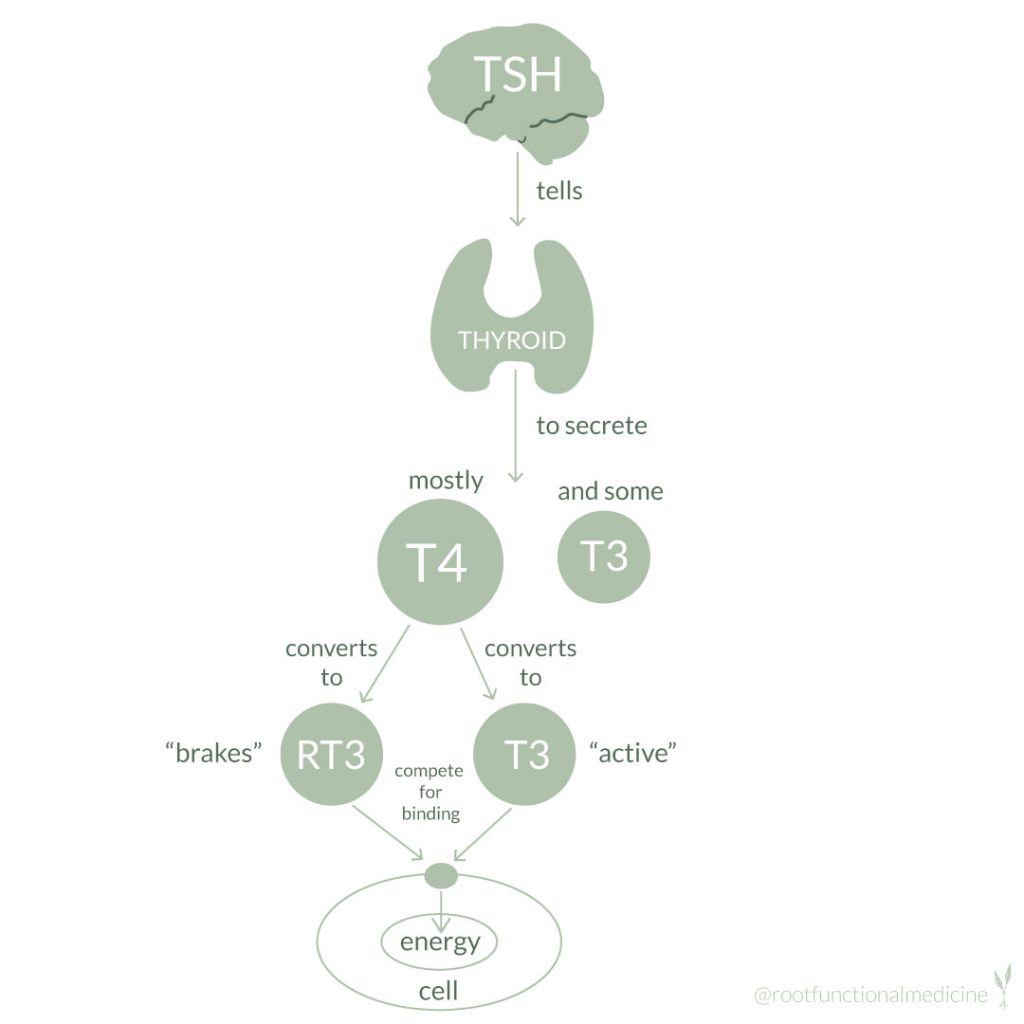
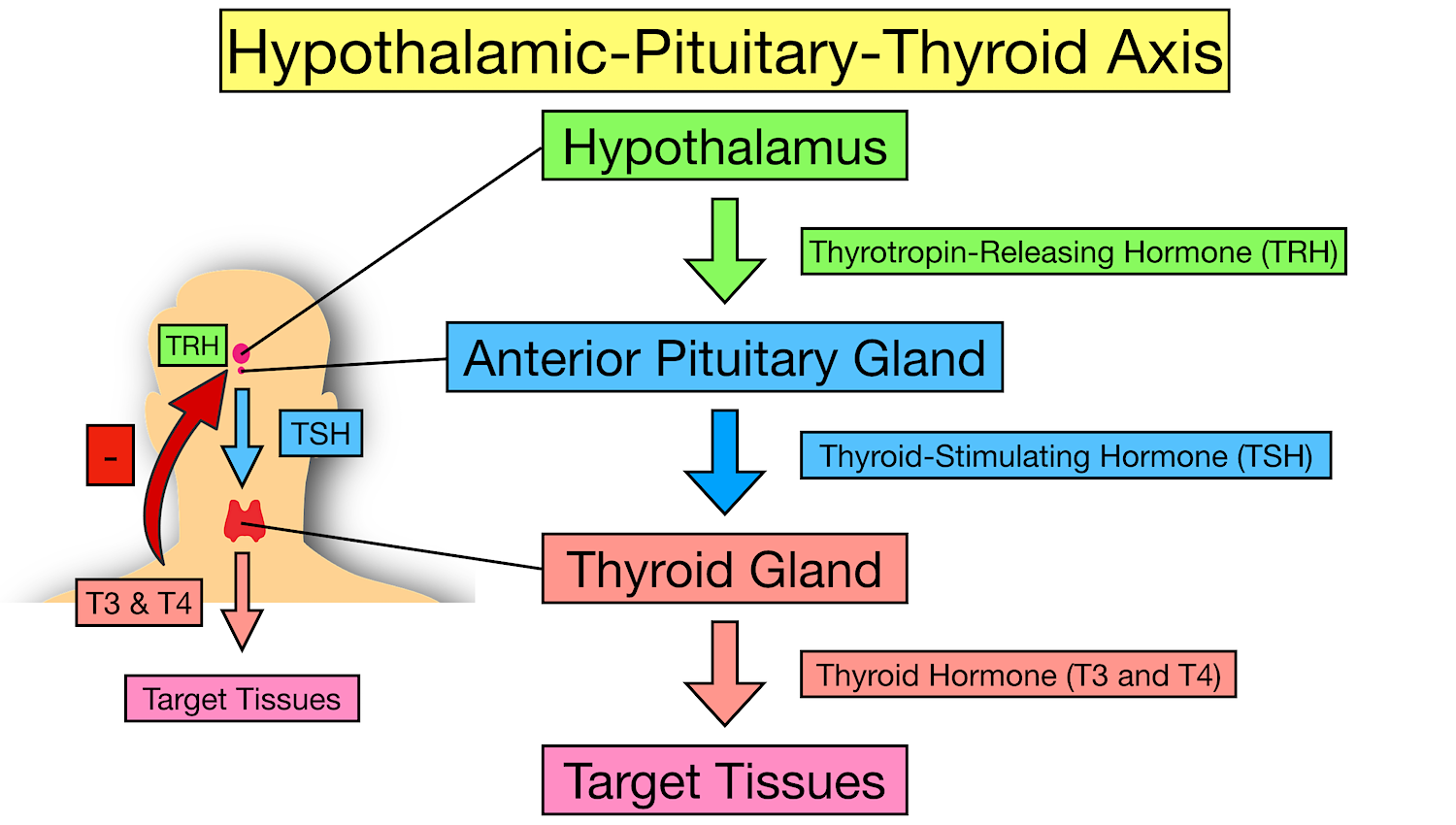
The hypothalamus in the brain produces TRH (thyrotropin releasing hormone) in response to circulating levels of T3 and T4 (two forms of thyroid hormone). TRH then stimulates production and release of TSH (thyroid stimulating hormone) in the pituitary gland. In turn, TSH stimulates the thyroid gland to produce thyroid hormone. The two forms of thyroid hormone produced by the thyroid gland are called T4 and T3 (T3 has 3 iodine molecules, T4 has 4) T4 is the predominant hormone produced by the thyroid gland. In the liver and the kidney T4 is converted to T3 through a process called deiodination, supplying 80% of circulating T3. Importantly, T3 is 7 to 10 times more potent than T4.

Both T3 and T4 directly inhibit TSH synthesis. This feedback system helps maintain homeostasis under conditions of optimal health. (https://www.ncbi.nlm.nih.gov/books/NBK278958/)

Taken from: https://rootfunctionalmedicine.com/conversion-of-t4-to-t3-thyroid-hormone/

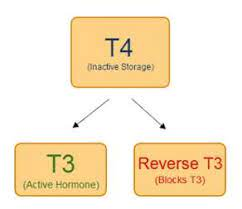
When testing thyroid function, most physicians order only TSH (thyroid stimulating hormone) and T4. But to have normal thyroid function several conditions must be met. Of those many conditions, three are often not considered by most physicians and not evaluated with TSH and T4. First, there must be adequate conversion of T4 into T3, because T3 is the form of thyroid hormone that provides most physiologic effect. Second, there must be adequate transport of T4 and T3 into your cells. Third, levels of reverse T3 should not be high enough to block adequate amounts of Thyroid Hormone binding to receptors on your cells.

The “normal” range of TSH in most labs is 0.4 to 5.0 mU/L. Recently a narrower range of 0.5-2.5 mU/L has been proposed to exclude individuals with “minimal” thyroid dysfunction, but this is controversial. This controversy is the crux of one of the many problems in interpreting “normal” thyroid function tests. Proponents of the narrower range maintain that patients with symptoms of hypothyroidism and a TSH above 2.5 might benefit from treatment. In addition, proponents of the narrower range suggest that some patients with TSH levels above 2.5 may not report symptoms of hypothyroidism but their physiology may be suboptimal for health. (https://www.ncbi.nlm.nih.gov/books/NBK278958/) Physiology of the Hypothalamic-Pituitary-Thyroid Axis.

Treatment with T4 alone, may not provide adequate thyroid replacement.

If a physician orders only T4 and TSH to evaluate thyroid function, but conversion of T4 to T3 is impaired, a normal T4 and normal TSH will be interpreted as normal thyroid function. But with low T3 levels, a patient can experience symptoms of hypothyroidism. Likewise, if a patient is only treated with T4 (levothyroxine) but has issues converting T4 to T3, they may need to receive a prescription for T3 and T4. Using the ratio of Free T3 to Free T4 one can identify patients with problems caused by inadequate deiodination (conversion of T4 to T3). Monotherapy with levothyroxine (T4) has been standard of care for decades. But studies have demonstrated that patients treated with T4 only have relatively low serum levels of T3 (tri-iodothyronine) compared to the general population and symptoms of hypothyroidism persist for some patients despite normal TSH levels.

Issues of active versus passive transport.

T3 and T4 enter the hypothalamus and pituitary glands “passively”, meaning an active transport mechanism is not necessary. But in the rest of the body active transport of T3 and T4 into cells is necessary. If there is a problem with the active transport system, the hypothalamus and pituitary may “see” normal levels of T3 and T4 but the rest of the body may not be getting the full benefit of thyroid hormone. Thus, TSH levels will be normal, T4 levels will be normal, but cellular T3 and T4 levels will not be adequate. Yet physicians will interpret a normal TSH and T4 to mean normal thyroid function. Conditions that impair thyroid hormone transport into cells include: insulin resistance, diabetes, obesity, chronic and acute dieting, diabetes, depression, anxiety, bipolar disorder, neurodegenerative diseases, chronic fatigue syndrome, fibromyalgia, cardiovascular disease, inflammation and chronic illness, and disorders of lipid metabolism.

Reverse T3 can cause problems.

High levels of reverse T3 can occur under many conditions including chronic stress, chronic inflammation and many chronic diseases. As previously discussed, Reverse T3 binds to Thyroid hormone receptors but does not have the beneficial effect of normal T3, thus blocking T3 from doing its job. Most physicians do not measure reverse T3 or calculate the T3/reverse T3 ratio.

Therefore, in addition to problems with deiodinase (conversion of T4 to T3), high levels of reverse t3 can render monotherapy with levothyroxine inadequate, while leaving TSH and T4 levels “normal”.

How to calculate t3/reverse t3 ratio – National Academy of Hypothyroidism

This has been a quick discussion of a complex system. Not all aspects of thyroid testing and treatment have been addressed. Hopefully this discussion will help you understand why simply measuring TSH and T4 (a common practice) will not tell you whether you have normal thyroid function. Ideally, all patients being tested would have free T3 and reverse T3 measured in addition to T4 and TSH. In addition, the free T3/reverse T3 ratio and the free T3/freeT4 ratio would be considered when deciding whether treatment with T4 alone (levothyroxine monotherapy) is adequate. Many patients would benefit from adding T3 (triiodothyronine) to T4 (levothyroxine) therapy. In addition, a TSH level above 2.5 should be carefully evaluated for hypothyroid symptoms as levels above 2.5 are arguably “abnormal” (or at least should raise a red flag as to the possibility). Finally, recognize that this discussion presents controversies in medicine. Most practitioners apply the concept of “sick euthyroid” to patients with acute illness and low T3 levels, considering it a “normal” protective mechanism that does not require thyroid hormone therapy. But under chronic conditions, many practitioners who think “outside the box” would consider poor conversion of T4 to T3 and/or high levels of reverse T3, as possible indications for thyroid hormone therapy when symptoms of hypothyroidism are present. Under these circumstances directly addressing underlying causes such as chronic inflammation may provide the best initial approach. (anti-inflammatory diet, regular exercise, good sleep habits, stress reduction, strengthen social support)

But when a patient is already on monotherapy with T4, consideration of adding T3 to improve quality of life and physiologic function is worthy of consideration when comprehensive laboratory evaluation suggests problems as described above (cellular transport, T4 to T3 conversion, high reverse T3).

For a greater dive into this subject follow these links.

Physiology of the Hypothalamic-Pituitary-Thyroid Axis.

The relevance of T3 in the management of hypothyroidism – The Lancet Diabetes & Endocrinology

Levothyroxine Monotherapy Cannot Guarantee Euthyroidism in All Athyreotic Patients

Is a Normal TSH Synonymous With “Euthyroidism” in Levothyroxine Monotherapy?

Thyroid Hormone Transport into cellular tissue.

HPA axis dysfunction in Chronic Fatigue Syndrome and Fibromyalgia

Hormone replacement therapy in the geriatric patient, part 1.

Hormone replacement therapy in the geriatric patient, part 2.

Peripheral thyroid hormone conversion.

What is reverse T3 syndrome?

A complete pathway map of T4 and T3 metabolism and clearance

The Low T3 syndrome

THIS WEBSITE PROVIDES INFORMATION FOR EDUCATIONAL PURPOSES ONLY. CONSULT YOUR HEALTH CARE PROVIDER FOR MEDICAL ADVICE.

Eat clean, drink filtered water, love, laugh, exercise outdoors in a greenspace, get some morning sunlight, block the blue light before bed, engage in meaningful work, find a sense of purpose, spend time with those you love, AND sleep well tonight.

Doctor Bob
Omega-3 fatty acids, Pain and Arthritis

Before modern pharmacy an early treatment for Rheumatoid Arthritis (RA) was cod liver oil, rich in omega-3 fats and vitamin D. A 2013 study demonstrated that consumption of cod liver oil resulted in a reduction of daily diclofenac in Rheumatoid Arthritis. As early as 1959 cod liver oil was recommended for arthritis in the medical literature. A 2017 review of marine omega-3 fats for arthritis pain found moderate quality evidence in rheumatoid arthritis patients. A 2024 review of prevention and treatment for RA suggested that a diet rich in fiber, vitamins, omega 3 and low glycemic index foods contributes to protection from RA. A comprehensive review of omega-3 fatty acids for RA included analysis of several studies and concluded that omega-3 was a valuable therapeutic option to improve pain symptoms, tender joint count, duration of morning stiffness and the frequency of NSAID consumption. A 2019 review of cumulative data on omega-3 fats to combat autoimmune diseases concluded:

“The promising findings coming from the cumulative research work over the last decade solidified the role of ω-3 PUFAs as a potential candidate to prevent or even treat such autoimmune diseases as type 1 diabetes, RA, SLE, MS”

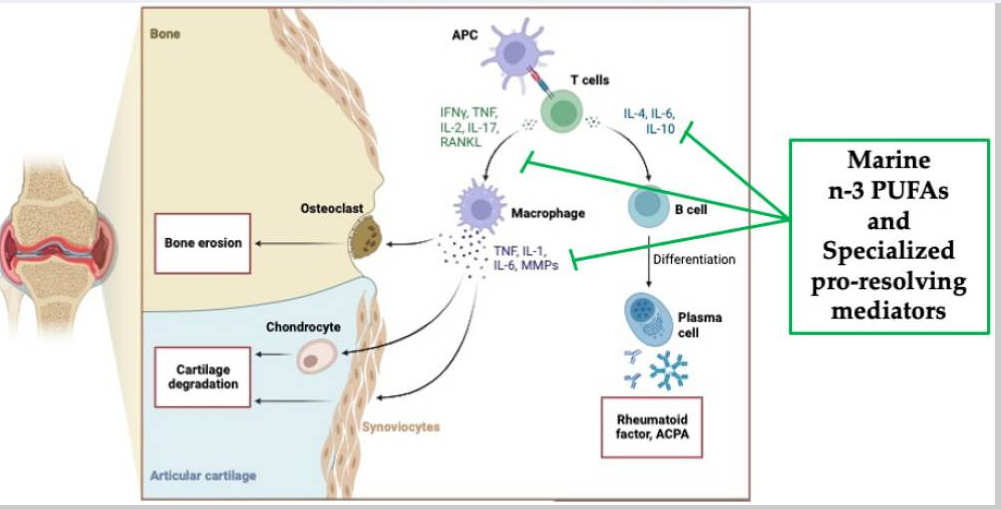
A 2024 review of marine omega-3 PUFA (polyunsaturated fatty acids) for RA reported:

“Altogether the data reported in this review show that anti-inflammatory interventions, i.e., high fish consumption or supplements containing n-3 PUFAs, should be the standard of care, along with pharmacotherapy, in treating patients with RA.”

And here is a graphic from that article showing the effect of SPMs (specialized pro-resolving mediators, derived from omega-3s):

What about osteoarthritis?

A multicenter randomized double blind placebo controlled trial of krill oil containing 0.60 g EPA/d, 0.28 g DHA/d, 0.45 g astaxanthin/d demonstrated improvements in pain, stiffness and physical function.

Some omega-3 supplement studies have demonstrated no significant pain relief in osteoarthritis. Those studies did not reduce the consumption of pro-inflammatory n-6 fatty acids which compete with omega-3 fats for the enzymes which can lead to pro or anti-inflammatory mediators. They also did not measure the omega 6/omega 3 ratio in blood or tissues. Nor did they measure the omega-3 index (% of omega-3 achieved in red blood cell membranes, the gold standard for evaluating tissue levels achieved) This 2018 analysis stated:

“High Omega-3 (n-3) polyunsaturated fatty acids (PUFAs) are associated with lower levels of inflammatory mediators, anti-nociception, and adaptive cognitive/emotional functioning. High Omega-6 (n-6) PUFAs are associated with inflammation, nociception, and psychological distress. While findings related to n-3 supplementation in knee OA are mixed, consideration of the n-6:n-3 ratio and additional outcome measures may provide improved understanding of the potential relevance of these fatty acids in OA”

The authors went on to access blood n-6/n-3 ratios in patients with OA and found the following:

“The high ratio group reported greater pain and functional limitations, (all p’s<0.04), mechanical temporal summation (hand and knee, p<0.05), and perceived stress (p=0.008) but not depressive symptoms.”

“In adults with knee pain, a high n-6:n-3 ratio is associated with greater clinical pain/functional limitations, experimental pain sensitivity, and psychosocial distress compared to a low ratio group.”

The anti-inflammatory diet that I follow and recommend eliminates the major sources of excess omega-6 in the diet, specifically the “vegetable oils” which are actually seed, grain, and legume oils predominated by soy oil, corn oil, peanut and cottonseed oil present in cooking “vegetable oils” and processed foods. A table that displays the ratio of omega 3 to omega 6 in various oils can be found here. Note that this table does not reveal the amounts of MUFA (mono unsaturated fatty acids) which are arguably “heart healthy”. Nor does it address the important issue of protective polyphenols and anti-oxidants (such as in Extra Virgin Olive oil aka EVOO). So do not make choices of oil based only on the omega-3/6 ratio.

Another consideration in choosing oils for cooking (as opposed to salad dressing) is the smoke point. Under high heat, oils are subject to oxidation which creates a proinflammatory effect when consumed. Refined Avocado oil has the highest smoke point (520 degrees F). But we digress. Back to pain and arthritis.

An article just published in Nutrients reviewed Omega-3 Supplementation and Its Effects on Osteoarthritis.

“omega-3 polyunsaturated fatty acids (PUFA) have demonstrated an influential role in the progression of OA, resulting in the reduction of cartilage destruction, inhibition of pro-inflammatory cytokine cascades, and production of oxylipins that promote anti-inflammatory pathways.” 

“Research has demonstrated a positive effect on the modulation of OA symptoms through diet and exercise to promote an anti-inflammatory environment. More specifically, omega-3 PUFAs have demonstrated a reduction in inflammatory biomarkers and cartilage degradation, counteracting the natural disease state of OA. In addition to their chondroprotective role, omega-3 supplementation has been shown to have indirect positive effects on muscle tissue recovery following exercise, which is necessary to prevent the progression of OA and maintain an independent, healthy lifestyle. The effects of omega-3 supplementation on the disease state of OA and its symptoms remain inconclusive. Further clinical trials utilizing human participants are warranted to provide a conclusive recommendation on standardized supplementation of omega-3 for the modulation of osteoarthritis.”

Given the cardioprotective effects, discussed in my last post (including an 80% reduction in sudden death at the highest quintile of omega-3 index) and other benefits (reduction in all cause mortality with high tissue levels), there are many reasons to include large amounts of low mercury fatty fish (wild Alaskan salmon, sardines, herring, trout) in the diet and to consider supplementation when your omega 3 index is < 8%. Likewise, in the presence of arthritis and pain, getting tissue levels of omega 3 up and reducing excessive pro-inflammatory omega 6 will likely provide significant benefit.

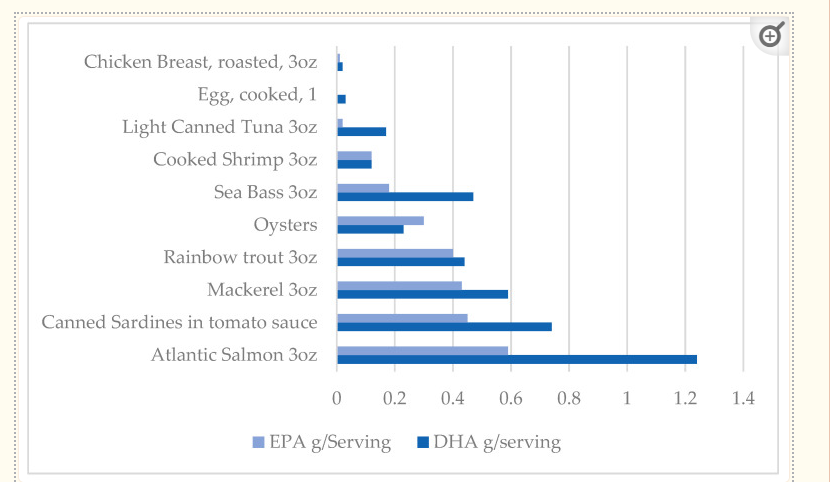
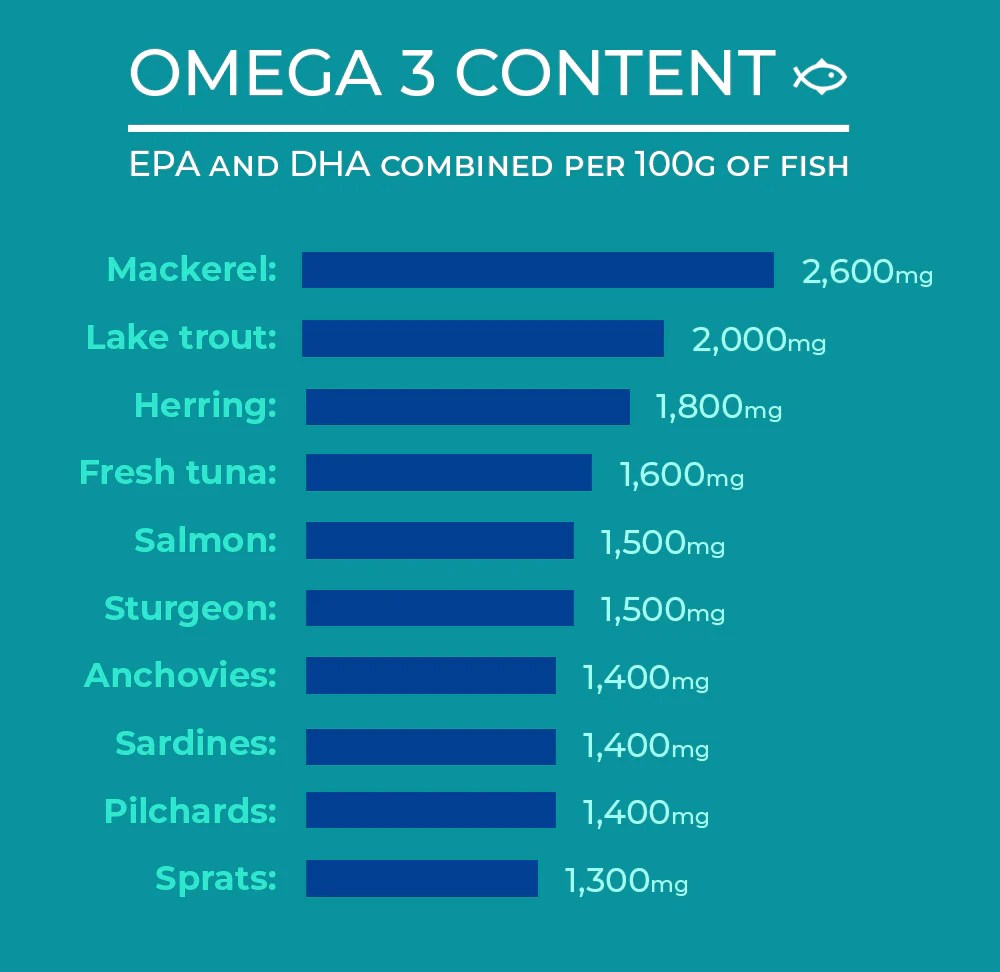
Here is a graphic with the omega 3 content of some foods.

And another:

As mentioned in my previous post about omega-3 and cardiovascular health, 1800 mg of omega-3 FA daily is adequate in most people to achieve and omega-3 index of 8%, the level at which cardiovascular protection is greatest.

THIS WEBSITE PROVIDES INFORMATION FOR EDUCATIONAL PURPOSES ONLY. CONSULT YOUR HEALTH CARE PROVIDER FOR MEDICAL ADVICE.

Eat clean, drink filtered water, love, laugh, exercise outdoors in a greenspace, get some morning sunlight, block the blue light before bed, engage in meaningful work, find a sense of purpose, spend time with those you love, AND sleep well tonight.

Doctor Bob
Omega-3 in your diet and supplements

The benefit of omega-3 supplementation has been debated in the cardiology and nutritional literature for many years. Most studies of supplementation have failed to measure tissue levels achieved and often used very low doses. But when tissue levels were measured, either in the serum or red blood cell membrane, the studies consistently demonstrated significant reductions in all-cause mortality and cardiovascular mortality associated with high levels of omega-3 fatty acids.

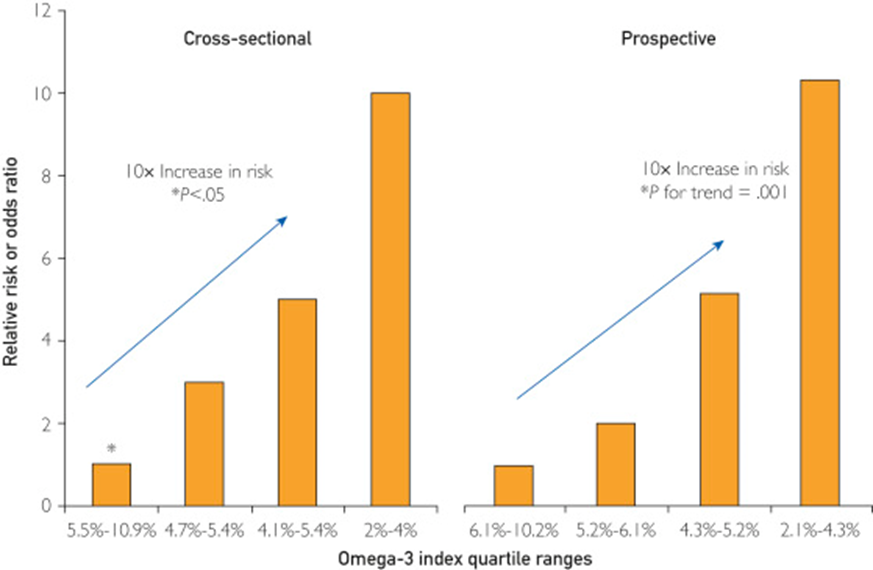
In addition, higher levels of omega 3 are associated with >=80% reduction in sudden death associated with acute myocardial infarction (acute MI) and > 80% reduction in sudden death in cohorts without known coronary artery disease followed long term.

Two Coronary CT Angiogram (CCTA) studies demonstrated that patients with stable coronary artery disease on statin therapy randomized to high dose EPA and DHA had “prevention of coronary plaque progression when an omega-3 fatty acid index >= 4% was achieved.”

 Another CCTA study demonstrated that patients receiving omega 3 supplementation had significantly less coronary atherosclerotic “high risk” lipid rich plaque prevalence (3.8% versus 32%) and lower total non-calcified plaque burden independent of cardiovascular risk factors compared to matched controls not receiving omega 3 supplements.

Omega 3 supplementation after an acute myocardial infarction has been found to reduce infarct size, reduce scaring (fibrosis), and enhance heart tissue healing. (Randomized controlled clinical trial) However a post MI study in 1027 elderly patients randomized to receive 1.8 grams per day of EPA+DHA versus a control group receiving corn oil showed no reduction in the primary composite cardiovascular endpoint between the two groups at 2 years but a higher incidence of AF in the omega 3 group that did not reach statistical significance.

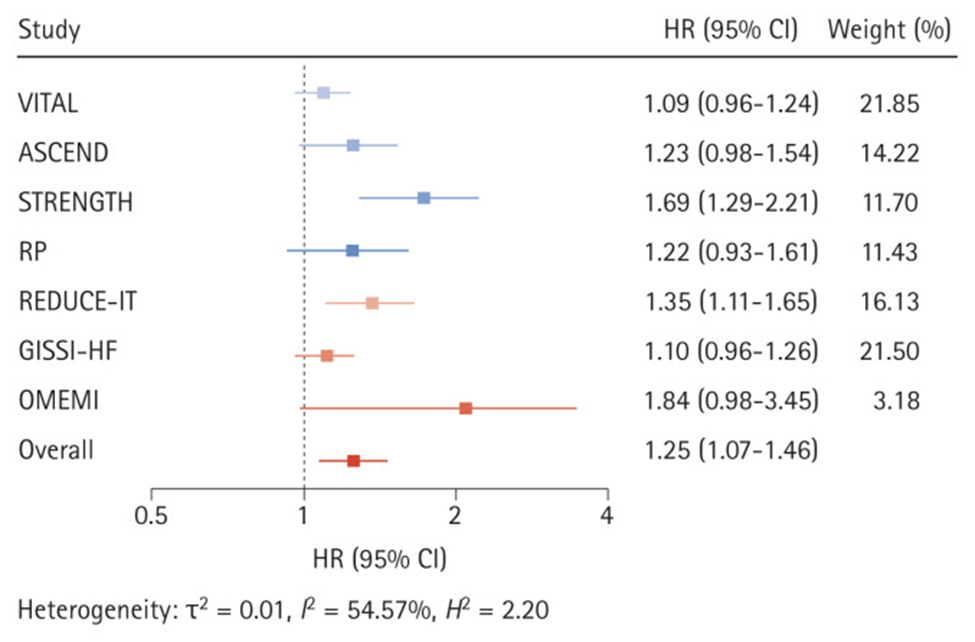
Recently a study, widely reported by the lay press, suggested that high dose omega-3 supplementation was associated with increased risk of atrial fibrillation (AF). These results conflicted with previous studies which demonstrated just the opposite, specifically prior studies demonstrated reduced risk of AF. The more recent study suffered a significant design flaw. The study in question failed to make statistical adjustment for the increased life span associated with higher levels of omega-3. Since age is a primary risk factor for AF, any intervention which increases life span would be expected to result in more AF over the lifetime of the patients as they aged (i.e., more elder years results in increased risk of AF). Therefore, statistical adjustment for that effect should be employed, but was not done in the study.

Unfortunately, science journalism has deteriorated to a state where the conclusions of study authors are most often quoted without interpretation or context, and without critical analysis or comparisons with previous studies that may have demonstrated opposing results.

In addition to large well-designed studies that have suggested a reduced risk of AF associated with omega-3 fatty acids, there have been natural experiments that provide reassuring information. The indigenous Inuit people of Greenland, for example, historically consumed large amounts of omega-3 in their diet with no evidence of increased risk of AF. In fact, before the introduction of western processed foods, estimates of AF among the Inuit were 0.6% (1963) compared to a “worldwide prevalence of AF in adults between 2 and 4%, between one and two percent in Canadian and the general US population and between 0.5% and 3% in most low- and middle-income countries.” A more recent study of Greenland yielded a prevalence of 1.4% likely reflecting a change in habits consisting of less exercise, more tobacco use and a shift to a more Western diet.

Still, multiple studies that used high dose omega 3 supplements in patients with known cardiac disease suggest an increased risk of AF. A good review of omega-3 fatty acids and atrial fibrillation was published in the Korean Journal of Internal Medicine, referenced below.

My interpretation of the complex data in this area is as follows.

At supplemental doses of EPA+DHA above 1.8 grams per day (and perhaps above 1 gram per day) in patients with known coronary artery disease (CAD), at high risk of CAD, or following a myocardial infarction, the risk of AF is increased by about 25% (relative risk). But the risk of lethal ventricular arrythmias (sudden death) associated with myocardial infarction (heart attack) is 80% lower in patients with a red blood cell omega 3 index of >=8. In people without known CAD, an omega-3 index >=8% is associated with an 80% reduction in sudden cardiac death. CCTA studies show significantly lower unstable “vulnerable” plaque in patients on omega-3 supplements. Similarly, omega 3 supplementation in patients on statins associates with halted plaque progression determined by serial CCTA in non-diabetics.

In addition, higher tissue levels of omega 3 are associated with significantly reduced all-cause, cardiovascular, and cancer mortality.

Omega-3 fatty acids are the chemical precursors of SPMs, specialized pro-resolving lipid mediators which help resolve inflammation. We know that cardiovascular events are driven by chronic inflammation in the walls of arteries, often mediated by insulin resistance. Chronic inflammation contributes to atherosclerosis (production of plaque in the artery wall) as well as cardiovascular events that result when unstable plaque ruptures.  Studies suggest that n-3 fatty acids may have antiarrhythmic properties with membrane-stabilizing effects in addition to antithrombotic and anti-inflammatory properties on the endothelial level. Basic science, observational studies and clinical trials have demonstrated that higher tissue levels of omega 3 fatty acids are associated with longer health span and lifespan. This understanding must be balanced with a probable increased risk of AF in certain clinical situations associated with high dose omega-3 supplements as described above (people with known CAD, high risk for CAD, or following and MI). Note that current AHA and ACC dietary guidelines include at least 2 servings of fatty fish per week, one serving provides approximately 1800 mg of omega-3.

Getting omega-3 fatty acids from cold water fatty fish would be ideal. Unfortunately, many individuals do not like salmon, sardines, mackerel or herring and simply will not consume enough of this fish to achieve protective tissue levels. Other species of fish and seafood provide much less amounts of omega 3. Another consideration is that individuals process omega 3 fats differently so different amounts of omega 3 will be necessary to reach the same protective levels in tissue. You can obtain a red blood cell omega-3 index using a home kit and a finger prick without a prescription (https://omegaquant.com/). The sample is mailed in to the lab and results reported directly to you. I have no financial relationship with these folks.

Bill Harris, PhD, is widely published in the area of omega-3 science. He developed the first clinically useful tissue assay which measures the % of omega 3 fat in red blood cell membranes, the “omega-3 index” which is the gold standard for omega 3 research and clinical testing. Although serum levels correlate with the red blood cell index, the later reveals dietary consequences of a 2-3 month period while serum levels reflect just a few days of most recent dietary habits. The red blood cell omega 3 index is analogous to the hemoglobin A1c which reveals average blood sugars over a 2–3-month period. Bill Harris suggests that 1800 mg per day of omega 3 fat consumption (food plus supplements) will achieve an index of >= 8% in most individuals.

Here are some references.

Harris WS, Tintle NL et.al., Fatty Acids and Outcomes Research Consortium (FORCE). Blood n-3 fatty acid levels and total and cause-specific mortality from 17 prospective studies. Nat Communications. 2021 Apr 22;12(1):2329. doi: 10.1038/s41467-021-22370-2. PMID: 33888689; PMCID: PMC8062567. https://pubmed.ncbi.nlm.nih.gov/33888689/

“Here we report the results of a de novo pooled analysis conducted with data from 17 prospective cohort studies examining the associations between blood omega-3 fatty acid levels and risk for all-cause mortality. Over a median of 16 years of follow-up, 15,720 deaths occurred among 42,466 individuals. We found that, after multivariable adjustment for relevant risk factors, risk for death from all causes was significantly lower (by 15-18%, at least p < 0.003) in the highest vs the lowest quintile for circulating long chain (20-22 carbon) omega-3 fatty acids (eicosapentaenoic, docosapentaenoic, and docosahexaenoic acids). Similar relationships were seen for death from cardiovascular disease, cancer and other causes”

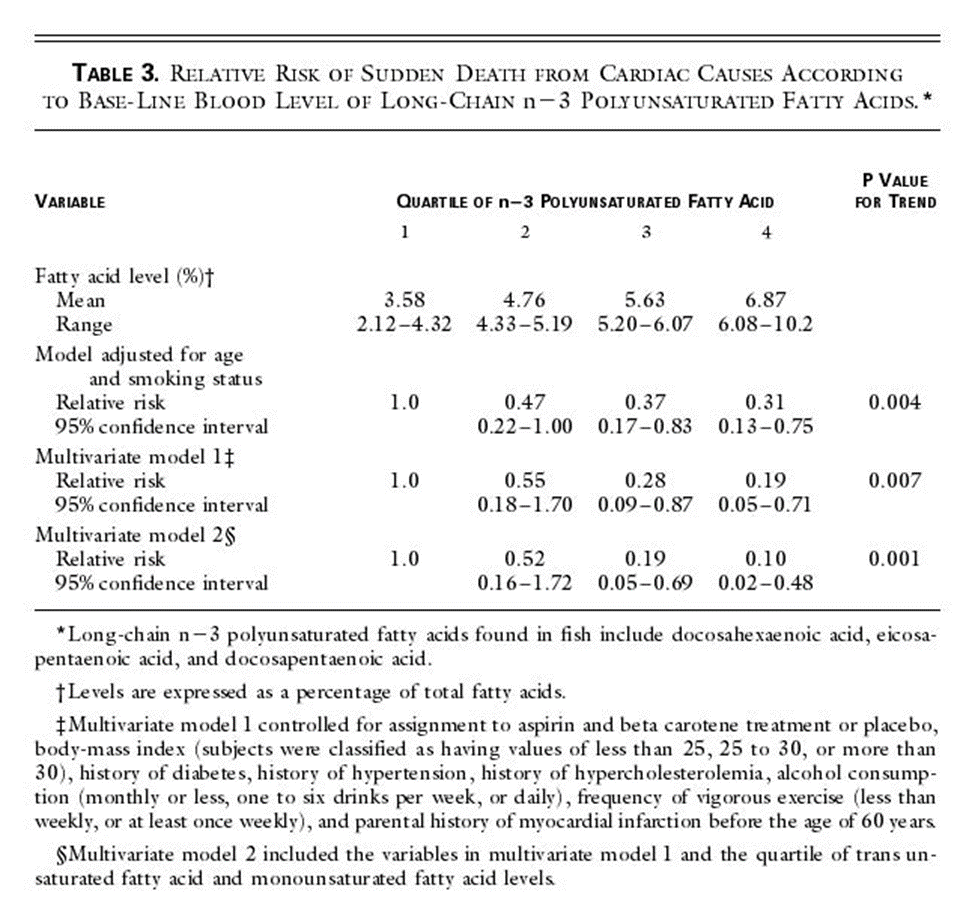
Blood Levels of Long-Chain n–3 Fatty Acids and the Risk of Sudden Death Authors: Christine M. Albert, M.D., M.P.H., Hannia Campos, Ph.D., Meir J. Stampfer, M.D., Dr.P.H., Paul M. Ridker, M.D., M.P.H., JoAnn E. Manson, M.D., Dr.P.H., Walter C. Willett, M.D., Dr.P.H., and Jing Ma, M.D., Ph.D.

Published April 11, 2002 N Engl J Med 2002;346:1113-1118DOI:10.1056/NEJMoa012918 VOL. 346 NO. 15 https://www.nejm.org/doi/full/10.1056/NEJMoa012918

We conducted a prospective, nested case–control analysis among apparently healthy men who were followed for up to 17 years in the Physicians’ Health Study. The fatty-acid composition of previously collected blood was analyzed by gas–liquid chromatography for 94 men in whom sudden death occurred as the first manifestation of cardiovascular disease and for 184 controls matched with them for age and smoking status.

RESULTS

Base-line blood levels of long-chain n–3 fatty acids were inversely related to the risk of sudden death both before adjustment for potential confounders (P for trend = 0.004) and after such adjustment (P for trend = 0.007). As compared with men whose blood levels of long-chain n–3 fatty acids were in the lowest quartile, the relative risk of sudden death was significantly lower among men with levels in the third quartile (adjusted relative risk, 0.28; 95 percent confidence interval, 0.09 to 0.87) and the fourth quartile (adjusted relative risk, 0.19; 95 percent confidence interval, 0.05 to 0.71).

CONCLUSIONS

The n–3 fatty acids found in fish are strongly associated with a reduced risk of sudden death among men without evidence of prior cardiovascular disease.

Heydari B, Abdullah S, Pottala JV, Shah R, Abbasi S, Mandry D, Francis SA, Lumish H, Ghoshhajra BB, Hoffmann U, Appelbaum E, Feng JH, Blankstein R, Steigner M, McConnell JP, Harris W, Antman EM, Jerosch-Herold M, Kwong RY. Effect of Omega-3 Acid Ethyl Esters on Left Ventricular Remodeling After Acute Myocardial Infarction: The OMEGA-REMODEL Randomized Clinical Trial. Circulation. 2016 Aug 2;134(5):378-91. doi: 10.1161/CIRCULATIONAHA.115.019949. PMID: 27482002; PMCID: PMC4973577. https://www.ahajournals.org/doi/10.1161/CIRCULATIONAHA.115.019949

Conclusions: Treatment of patients with acute myocardial infarction with high-dose omega-3 fatty acids was associated with reduction of adverse left ventricular remodeling, noninfarct myocardial fibrosis, and serum biomarkers of systemic inflammation beyond current guideline-based standard of care.

Effect of Different Antilipidemic Agents and Diets on Mortality A Systematic Review

Studer M, Briel M, Leimenstoll B, Glass TR, Bucher HC. Effect of Different Antilipidemic Agents and Diets on Mortality: A Systematic Review. Arch Intern Med. 2005;165(7):725–730. doi:10.1001/archinte.165.7.725

Compared with control groups, risk ratios for cardiac mortality indicated benefit from statins (0.78; 95% CI, 0.72-0.84), resins (0.70; 95% CI, 0.50-0.99) and n-3 fatty acids (0.68; 95% CI, 0.52-0.90).

Feuchtner G, Langer C, Barbieri F, Beyer C, Dichtl W, Friedrich G, Schgoer W, Widmann G, Plank F. The effect of omega-3 fatty acids on coronary atherosclerosis quantified by coronary computed tomography angiography. Clin Nutr. 2021 Mar;40(3):1123-1129. doi: 10.1016/j.clnu.2020.07.016. Epub 2020 Jul 22. PMID: 32778459. https://pubmed.ncbi.nlm.nih.gov/32778459/

Conclusions: Omega-3-PUFA supplementation is associated with less coronary atherosclerotic “high-risk” plaque (lipid-rich) and lower total non-calcified plaque burden independent on cardiovascular risk factors. Our study supports direct anti-atherogenic effects of Omega-3-PUFA.

Alfaddagh A, Elajami TK, Saleh M, Mohebali D, Bistrian BR, Welty FK. An omega-3 fatty acid plasma index ≥4% prevents progression of coronary artery plaque in patients with coronary artery disease on statin treatment. Atherosclerosis. 2019 Jun;285:153-162. doi: 10.1016/j.atherosclerosis.2019.04.213. Epub 2019 Apr 13. PMID: 31055222; PMCID: PMC7963401.An omega-3 fatty acid plasma index ≥4% prevents progression of coronary artery plaque in patients with coronary artery disease on statin treatment – PMC (nih.gov)

Conclusions: EPA and DHA added to statins prevented coronary plaque progression in nondiabetic subjects with mean LDL-C <80 mg/dL, when an omega-3 index ≥4% was achieved. Low omega-3 index <3.43% identified nondiabetic subjects at risk of coronary plaque progression despite statin therapy

Association of Plasma Phospholipid Long-Chain Omega-3 FattyAcids with Incident Atrial Fibrillation in Older Adults: The Cardiovascular Health Study, Circulation Volume 125, Number 9 https://doi.org/10.1161/CIRCULATIONAHA.111.062653

Among 3326 US men and women ≥65 years of age and free of AF or heart failure at baseline, plasma phospholipid levels of eicosapentaenoic acid, docosapentaenoic acid, and docosahexaenoic acid were measured at baseline by use of standardized methods. Incident AF (789 cases) was identified prospectively from hospital discharge records and study visit ECGs during 31 169 person-years of follow-up (1992-2006).

Conclusions: In older adults, higher circulating total long-chain n-3 PUFA and docosahexaenoic acid levels were associated with lower risk of incident AF (atrial fibrillation). These results highlight the need to evaluate whether increased dietary intake of these fatty acids could be effective for the primary prevention of AF.

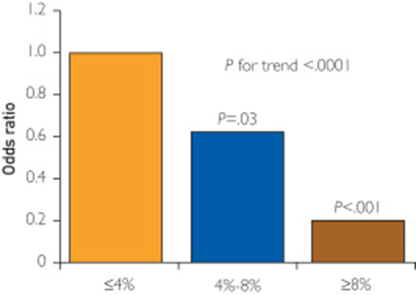
Omega-3 Fatty Acid Therapy: The Tide Turns for a Fish Story https://www.mayoclinicproceedings.org/article/S0025-6196(16)30764-9/fulltext

An omega-3 index of less than 4% is associated with increased CHD risk, particularly for sudden cardiac death. In contrast, an omega-3 index of more than 8% is associated with low CHD risk, whereas the range between 4% and 8% is considered intermediate risk

Risk of sudden death

Alfaddagh A, Elajami TK, Ashfaque H, Saleh M, Bistrian BR, Welty FK. Effect of Eicosapentaenoic and Docosahexaenoic Acids Added to Statin Therapy on Coronary Artery Plaque in Patients with Coronary Artery Disease: A Randomized Clinical Trial. J Am Heart Assoc. 2017; 6: e006981. 10.1161/JAHA.117.006981. https://pubmed.ncbi.nlm.nih.gov/29246960/

“High-dose eicosapentaenoic acid and docosahexaenoic acid provided additional benefit to statins in preventing progression of fibrous coronary plaque in subjects adherent to therapy with well-controlled low-density lipoprotein cholesterol levels.”

Huh JH, Jo SH. Omega-3 fatty acids and atrial fibrillation. Korean J Intern Med. 2023 May;38(3):282-289. doi: 10.3904/kjim.2022.266. Epub 2022 Dec 14. PMID: 36514212; PMCID: PMC10175873 https://pubmed.ncbi.nlm.nih.gov/36514212/

.

Effects of omega-3 fatty acid supplementation on the risk of atrial fibrillation. HR, hazard ratio; CI, confidence interval; VITAL, Vitamin D and Omega-3 Trial; ASCEND, A Study of Cardiovascular Events in Diabetes; STRENGTH, Statin Residual Risk with Epanova in High Cardiovascular Risk Patients with Hypertriglyceridemia; RP, Risk and Prevention Study; REDUCE-IT, Reduction of Cardiovascular Events With Icosapent Ethyl-Intervention Trial; GISSI-HF, Gruppo Italiano per lo Studio della Sopravvivenza nell’Insufficienza Cardiaca-Heart Failure; OMEMI, Omega-3 Fatty Acids in Elderly With Myocardial Infarction. Effects of omega-3 fatty acid supplementation on the risk of atrial fibrillation. HR, hazard ratio; CI, confidence interval; VITAL, Vitamin D and Omega-3 Trial; ASCEND, A Study of Cardiovascular Events in Diabetes; STRENGTH, Statin Residual Risk with Epanova in High Cardiovascular Risk Patients with Hypertriglyceridemia; RP, Risk and Prevention Study; REDUCE-IT, Reduction of Cardiovascular Events With Icosapent Ethyl-Intervention Trial; GISSI-HF, Gruppo Italiano per lo Studio della Sopravvivenza nell’Insufficienza Cardiaca-Heart Failure; OMEMI, Omega-3 Fatty Acids in Elderly With Myocardial Infarction. Effects of omega-3 fatty acid supplementation on the risk of atrial fibrillation. HR, hazard ratio; CI, confidence interval; VITAL, Vitamin D and Omega-3 Trial; ASCEND, A Study of Cardiovascular Events in Diabetes; STRENGTH, Statin Residual Risk with Epanova in High Cardiovascular Risk Patients with Hypertriglyceridemia; RP, Risk and Prevention Study; REDUCE-IT, Reduction of Cardiovascular Events With Icosapent Ethyl-Intervention Trial; GISSI-HF, Gruppo Italiano per lo Studio della Sopravvivenza nell’Insufficienza Cardiaca-Heart Failure; OMEMI, Omega-3 Fatty Acids in Elderly With Myocardial Infarction

THIS WEBSITE PROVIDES INFORMATION FOR EDUCATIONAL PURPOSES ONLY. CONSULT YOUR HEALTH CARE PROVIDER FOR MEDICAL ADVICE.

Eat clean, drink filtered water, love, laugh, exercise outdoors in a greenspace, get some morning sunlight, block the blue light before bed, engage in meaningful work, find a sense of purpose, spend time with those you love, AND sleep well tonight.

Doctor Bob
4th International Evolutionary Health Conference

Sorry for the confusion. The website for the International Evolutionary Health Conference changed when the venue changed from Boston to Virtual. Here is the correct website link which gives a list of speakers/topics and sign up information. 

https://2023.evolutionaryhealthconference.com/

The previously published link will lead you to a site that says “canceled”. The conference is not cancelled, the venue has changed to virtual. 

Dr. Bob

/

Fourth International Evolutionary Health Conference

I’ve been asked to talk at the fourth International Evolutionary Health Conference on the topic of Cardiovascular Risk Assessment. This year the conference is virtual. Presenters include clinicians and researchers discussing many topics related to health. The underlying principle of this approach attributes modern degenerative and chronic diseases to mismatch between our evolutionary biology and present day life. You can sign up for this virtual event here.

https://2023.evolutionaryhealthconference.com/

Agenda

9:45 AM – 10:00 AM

Opening remarks

Prof. Lynda Frassetto

10:00 AM – 10:30 AM

Maladaptive cognitive/emotional processing as the cause of the stress response

Prof. Igor Mitrovic


Physiologic reserve is spare capacity activated when demand exceeds baseline, causing stress. If demand surpasses reserve, it damages the system and leads to death. The brain predicts the future to a…
View More

10:30 AM – 11:00 AM

How breathing patterns affect health

Dr. Michael Mew

11:00 AM – 11:15 AM

Round table with Q & A (Moderator: Darryl Edwards)

Dr. Michael Mew

Prof. Igor Mitrovic

11:15 AM – 11:45 AM

Break and Poster session


If you would like to submit a poster, please contact us at evolution.conference@nutriscience.pt

11:45 AM – 12:15 PM

Decoding The Truth: Cancer, Carbs and Cure

Darryl Edwards, MSc


1. We will delve into the extensive evidence showcasing how higher levels of physical activity can reduce the risk of various cancers. 2. While awareness of the importance of exercise exists, we will…
View More

12:15 PM – 12:45 PM

Influential factors on sun-induced vitamin D synthesis

Pedro Bastos, PhD candidate


Ultraviolet B radiation is absorbed in the epidermis by 7-dehydrocholesterol, giving rise to previtamin D3 and subsequently to vitamin D3. In the liver, vitamin D is converted to one of the various c…
View More

12:45 PM – 1:00 PM

Round table with Q & A (Moderator: Prof. Lynda Frassetto)

Darryl Edwards, MSc

Pedro Bastos, PhD candidate

1:00 PM – 2:15 PM

Lunch Break

2:15 PM – 2:45 PM

How nutrition can impact microbiome composition/permeability/immune response

Prof. Alessio Fasano


Improved hygiene and reduced microorganism exposure are linked to the ‘epidemic’ of chronic inflammatory diseases (CID) in developed nations. This hygiene hypothesis suggests that lifestyle and envir…
View More

2:45 PM – 3:15 PM

Comprehensive cardiovascular risk assessment

Dr. Robert Hansen


Assessing insulin resistance is central to predicting CV risk. LDL-C and standard lipid profile is extremely limited in predictive value. A systems engineering understanding of atherosclerosis and ev…
View More

3:15 PM – 3:30 PM

Round table with Q & A (Moderator: Pedro Bastos)

Prof. Alessio Fasano

Dr. Robert Hansen

3:30 PM – 3:45 PM

Short Break

3:45 PM – 4:15 PM

Environmental influences on cellular senescence and aging

Prof. Peter Stenvinkel


Planetary health recognizes that human well-being depends on the health of ecosystems. Neglecting this concept has led to an anthropocentric world, causing increased greenhouse gas emissions, heat st…
View More

4:15 PM – 4:45 PM

Fueling a Bright Future: The Role of Diet in Preventing Childhood Obesity

Dr. Polina Sayess


Childhood obesity is a global health issue. In my presentation, I’ll explore its origins, classifications, and mitigation strategies. I’ll discuss the definitions and distinctions between “overweight…
View More

4:45 PM – 5:00 PM

Round table with Q & A (Moderator: Prof. Lynda Frassetto)

Prof. Peter Stenvinkel

Dr. Polina Sayess

5:00 PM – 5:30 PM

Final discussion with all speakers and moderators


Establishing future research and intervention directions.

5:30 PM – 5:45 PM

Closing remarks

Prof. Lynda Frassetto

Please join us if you can.

Dr. Bob

Antibiotic Resistant Infections: A growing threat

  • At least 1.27 million deaths per year are directly attributable to AMR (Antimicrobial Resistance), according to global AMR estimates released earlier this year by IHME (Institute of Health Metrics and Evaluation) and Global Research on Antimicrobial Resistance (GRAM) Project partners.
     
  • The deadliest pathogen-drug combination globally was methicillin-resistant Staphylococcus aureus (MRSA), which caused more than 100,000 deaths attributable to AMR in 2019.
     
  • MRSA can infect cuts or scrapes in the skin and then be passed through skin-to-skin contact or through items such as towels or clothing that have touched the infected skin.

There are several pathways converging on Anti-Microbial Resistance.

  • Misuse and Overuse of antibiotics in raising meat, farmed fish, dairy, poultry and eggs
  • Excessive use of antibiotics in Medicine
  • Lack of clean water and sanitation in many poor countries
  • Poor infection and disease prevention and control in health-care facilities and farms
  • Poor access to quality, affordable medicines and vaccines
  • Lack of awareness and knowledge

Emerging resistant strains include sexually transmitted infections (gonorrhea, syphilis, chlamydia), MRSA, tuberculosis, several bacteria that cause pneumonia, urinary tract infections and food poisoning.

Viral infections are also demonstrating antibiotic resistance including HIV (10% of cases in the majority of monitored countries in Africa, Asia and Latin America).

Malaria is also developing drug resistance and as global warming pushes this disease further north, soon greater parts of USA will be experiencing this mosquito vectored disease.

Drug resistant fungal infections (especially Candida which represents a major threat to immunocompromised individuals, especially in the hospital setting) are becoming widespread.

Antibiotic resistance in animal husbandry presents unique challenges.

Antibiotic resistance is of great public health concern because the antibiotic-resistant bacteria associated with the animals may be pathogenic to humans, easily transmitted to humans via food chains, and widely disseminated in the environment via animal wastes. These may cause complicated, untreatable, and prolonged infections in humans, leading to higher healthcare cost and sometimes death.

One of the problems with the RWA designation (Raised Without Antibiotics) is that it does not distinguish between overuse (used for prevention, growth and output) and use to treat infections. There should be a category of RWA that indicates that antibiotics are used only to treat illness in animals, not to prevent infections or foster growth.

RWA programs are intended to supply customers, such as restaurants, grocers and other food service establishments, with meat, eggs, and dairy products that can be labeled as having never had exposure to antibiotics.

Research in animal husbandry has demonstrated that pork, beef, chicken, dairy, and eggs raised without preventive antibiotics following simple sanitary protocols can decrease total cost in the long run. (Taking into account costs of antimicrobial resistance) Yet farmers continue to utilize antibiotics routinely to prevent rather than treat infections, due to habit, marketing (pharmaceutical industry) and fear of change.

This raises the issue of free-range economics vs raising animals in crowded environments. Regenerative agricultural practice incorporates free-range animal husbandry into crop management in a manner that utilizes animal waste for fertilizer instead of fossil-based nitrogen sources (reducing carbon foot print and creating rather than destroying soil), and eliminates crowded conditions, decreasing risk of infection. In addition there are many other potential approaches to help solve the problem of AMR.

Phytochemicals added to chicken feed represents a possible alternative to antibiotics to control antibiotic resistance in poultry.

Altering simple practices in the dairy industry (changing the rate at which a slurry tank is emptied) can delay the proliferation of multidrug-resistant bacteria.

There are many potential approaches to animal husbandry that can mitigate the growing problem of AMR.

The use of antibiotics to enhance profitability margins in the animal production industry is still practiced worldwide. Although many technical and economic reasons gave rise to these practices, the continued emergence of antimicrobial resistant bacteria is furthering the need to reduce the use of medically important antibiotics. This will require improving on-farm management and biosecurity practices, and the development of effective antibiotic alternatives that will reduce the dependence on antibiotics within the animal industry in the foreseeable future. A number of approaches are being closely scrutinized and optimized to achieve this goal, including the development of promising antibiotic alternatives to control bacterial virulence through quorum-sensing disruption, the use of synthetic polymers and nanoparticles, the exploitation of recombinant enzymes/proteins (such as glucose oxidases, alkaline phosphatases and proteases), and the use of phytochemicals.

Studies investigating various alternatives to antibiotics use in livestock show promising results. These alternatives include the application of bacteriophages and phage derived peptidoglycan degrading enzymes, engineered peptides, egg yolk antibodies, probiotics, prebiotics and synbiotics, as well as quorum quenching molecules

Simple sanitation techniques in raising poultry can achieve benefit without the use of prophylactic antibiotics.

Keeping strict biosecurity in segregation, traffic control, cleaning, and disinfection, helps prevent a large proportion of harmful bacteria and viruses from entering poultry barns (Segal, 2013). Apart from good management practices, there are many alternative approaches proposed and explored by researchers worldwide to overcome bacterial infections in birds.

Likewise, eliminating antibiotics from pig feed does not reduce growth measured at the end of finisher stage, and eliminates the cost of antibiotics in the feed.

At the consumer level, purchase animal products raised without prophylactic antibiotics. This will protect your family and send a message to the marketplace. The more we demand food raised without preventive antibiotics, the more producers will be forced to change old-unsafe habits.

Buying meat, poultry, dairy and eggs from local farmers that do not utilize preventive antibiotic usage and practice regenerative agriculture, is a great way to shift the marketplace towards a safer and more sustainable food system that improves health and safety while addressing loss of soil and carbon footprint.

If you prefer watching documentaries there are several that address issues related to regenerative agriculture. Here are a few:

https://www.thepollinators.net/

https://www.biggestlittlefarmmovie.com/

https://www.bbc.com/future/bespoke/follow-the-food/

https://www.sacredcow.info/about-the-film

In the context of the COVID 19 pandemic I will close with the usual summary.

  1. Avoid alcohol consumption (alcohol wreaks havoc with your immunity)
  2. Get plenty of sleep (without adequate sleep your immune system does not work well )
  3. Follow good sleep habits
  4. Exercise, especially out of doors in a green space, supports the immune system
  5. Get some sunshine and make sure you have adequate Vitamin D levels. Supplement with Vitamin D3 to get your levels above 30 ng/ml, >40ng/ml arguably better.
  6. Eat an anti-inflammatory diet rich in micronutrients.
  7. Practice stress reduction like meditation and yoga which improves the immune system
  8. Eliminate sugar-added foods and beverages from your diet. These increase inflammation, cause metabolic dysfunction, and suppress immunity.
  9. Eliminate refined-inflammatory “vegetable oils” from your diet, instead eat healthy fat.
  10. Clean up your home environment and minimize your family’s exposure to environmental toxins by following recommendations at EWG.org with regards to household products, personal care products, and organic foods. (https://www.ewg.org/)
  11. Drink water filtered through a high quality system that eliminates most environmental toxins. (Such as a Berkey or reverse osmosis filter)
  12. HEPA filters or the home-made version (Corsi-Rosenthal box) used in your home or workplace can reduce circulating viral load by 80%. This works for any respiratory virus transmitted by aerosol and this winter we have the triple threat of RSV, Influenza, and SARS-CoV-2. It also decreases indoor air pollution.
  13. If you are eligible for vaccination, consider protecting yourself and your neighbor with a few jabs. Age > 50 and/or risk factors (Diabetes, pre-diabetes, insulin resistance, hypertension, obesity, heart disease, COPD, asthma, cancer treatment, immune suppression) suggests benefit from a booster. Risk for complications of boosters in adolescents, especially males, without risk factors, may equal benefit. Previous infection with Covid can be considered as protective as a booster. Discuss risk vs benefits with your doctor.

THIS WEBSITE PROVIDES INFORMATION FOR EDUCATIONAL PURPOSES ONLY. CONSULT YOUR HEALTH CARE PROVIDER FOR MEDICAL ADVICE.

Eat clean, drink filtered water, love, laugh, exercise outdoors in a greenspace, get some morning sunlight, block the blue light before bed, engage in meaningful work, find a sense of purpose, spend time with those you love, AND sleep well tonight.

Doctor Bob
3 Respiratory Viruses Threaten World Health this winter

Winter approaches with a perfect storm of 3 respiratory viruses, increased indoor activity, dry spaces, and holiday gatherings. The 3 viruses already filling many hospitals (including children’s hospitals) include RSV (Respiratory Syncytial Virus), Influenza, and SARS-CoV-2.

Respiratory viruses spread by aerosol typically enter through the nose and throat. Dry nasal and oral-pharyngeal mucosa (the lining of the nose and throat) presents an ideal incubator for respiratory viruses. With winter comes drier indoor environments created by heating systems.

A recently published study concluded:

Indoor conditions, particularly indoor RH (relative humidity) modulate the spread and severity of COVID-19 outbreaks.

The sweet spot was between 40% and 60% humidity to minimize spread and severity of infection.

Here is a picture of the temperature and humidity monitor in my home office.

Note that while outdoor humidity is 55%, indoor humidity is only 34%, short of the “ideal” range for decreased viral transmission and severity. We have a humidifier in our bedroom where the RH is higher.

In addition to a bedroom humidifier we have several HEPA filters dispersed throughout the house. HEPA filters can decrease aerosol (viral load) by 80% or more as can the homemade Corsi-Rosenthal box. HEPA filters and the Corsi-Rosenthal Box also significantly reduce indoor air pollution, potentially protecting us from not only respiratory disease but also heart attacks, strokes, dementia and cancer.

As the winter approaches consider protecting your family and friends from RSV, Influenza, and COVID-19 by utilizing a humidifier and free standing HEPA filters. Improving indoor air quality will have many health benefits.

In the context of the COVID 19 pandemic I will close with the usual summary.

  1. Avoid alcohol consumption (alcohol wreaks havoc with your immunity)
  2. Get plenty of sleep (without adequate sleep your immune system does not work well )
  3. Follow good sleep habits
  4. Exercise, especially out of doors in a green space, supports the immune system
  5. Get some sunshine and make sure you have adequate Vitamin D levels. Supplement with Vitamin D3 to get your levels above 30 ng/ml, >40ng/ml arguably better.
  6. Eat an anti-inflammatory diet rich in micronutrients.
  7. Practice stress reduction like meditation and yoga which improves the immune system
  8. Eliminate sugar-added foods and beverages from your diet. These increase inflammation, cause metabolic dysfunction, and suppress immunity.
  9. Eliminate refined-inflammatory “vegetable oils” from your diet, instead eat healthy fat.
  10. Clean up your home environment and minimize your family’s exposure to environmental toxins by following recommendations at EWG.org with regards to household products, personal care products, and organic foods. (https://www.ewg.org/)
  11. Drink water filtered through a high quality system that eliminates most environmental toxins. (Such as a Berkey or reverse osmosis filter)
  12. HEPA filters or the home-made version (Corsi-Rosenthal box) used in your home or workplace can reduce circulating viral load by 80%. This works for any respiratory virus transmitted by aerosol and this winter we have the triple threat of RSV, Influenza, and SARS-CoV-2. It also decreases indoor air pollution.
  13. If you are eligible for vaccination, consider protecting yourself and your neighbor with a few jabs. Age > 50 and/or risk factors (Diabetes, pre-diabetes, insulin resistance, hypertension, obesity, heart disease, COPD, asthma, cancer treatment, immune suppression) suggests benefit from a booster. Risk for complications of boosters in adolescents, especially males, without risk factors, may equal benefit. Previous infection with Covid can be considered as protective as a booster. Discuss risk vs benefits with your doctor.

THIS WEBSITE PROVIDES INFORMATION FOR EDUCATIONAL PURPOSES ONLY. CONSULT YOUR HEALTH CARE PROVIDER FOR MEDICAL ADVICE.

Eat clean, drink filtered water, love, laugh, exercise outdoors in a greenspace, get some morning sunlight, block the blue light before bed, engage in meaningful work, find a sense of purpose, spend time with those you love, AND sleep well tonight.

Doctor Bob
The argument for cattle grazing and meat consumption: COP27

The 2022 United Nations Climate Change Conference or Conference of the Parties of the UNFCCC, more commonly referred to as COP27, is the 27th United Nations Climate Change conference and is being held from 6 November until 18 November 2022 in Sharm El Sheikh, Egypt.

The summit presented an opportunity for nutritionist and healthy food advocate Diana Rogers to offer an alternative to the false narrative so prevalent today regarding beef, global warming, and nutrition.

The false narrative states that methane released by raising cattle is a major contributor to global warming and meat is unhealthy. This narrative diverts attention from the real source of global warming, fossil fuels. Importantly this narrative ignores the importance of meat consumption for human health as well the importance of ruminant grazing for soil regeneration as well as economic and food stability for many poor people. Lastly it ignores the contribution of properly raised cattle, lamb and other animal food sources to carbon sequestration.

By most estimates, the number of ruminants roaming our plains and forests before the industrial era was equal to the number of wild and domestic ruminants in the US today.

Global warming was not a problem before industrialization. This simple fact should belie the false narrative.

Diana Rogers has been a champion for honest science in this debate. She is the only nutritionist to present information at the conference. She has recently posted on twitter the slides presented at the global COP27.

Here are some of her slides that speak for themselves.

Well managed cattle when raised in an integrative fashion with crops in a process called regenerative agriculture:

  • sequester carbon
  • regenerate soils
  • provide high quality nutrition to an increasingly diseased and nutrient deficient population
  • Reduce the need for fossil fuels and fossil-based fertilizer, providing natural fertizlizer

Mono-agriculture, which predominates US farmland (90%)

  • destroys soil, killing essential microbes and converting soil to dirt
  • converts cropland to desert contributing to air pollution (dust storms), soil erosion and floods
  • releases carbon into the atmosphere during tillage
  • utilizes Roundup-ready crops that are sprayed with roundup before harvest (carcinogenic, endocrine disruptor which contaminates our food and water)
  • consumes large amounts of fossil fuel and fossil-based fertilizer creating a large carbon footprint.
  • Kills more innocent bystander animals directly (during tillage, planting, and harvest) and indirectly (habitat destruction), then the number of animals slaughtered for human consumption (are cattle more worthy of protection than rabbits, squirrels, mice, birds, snakes etc., all of which are killed by mono-agriculture practices?)
  • Depletes our soil, and therefore our food, of nutrients, reducing the nutrient content of vegetables and fruits. (example: 8 oranges today have the same nutrients as 1 orange 100 years ago)

Animal protein offers twice the bioavailability of plant protein.

Malnutrition is rampant throughout the world.

This affects health, brain development and educational achievement.

Livestock contribute to food security.

It is time for the narrative about eating and raising animal sources of protein to change. We need to produce rather than destroy soil, enhance rather than degrade the nutrient value of crops, sequester rather than release carbon, utilize ruminant waste for fertilizer instead of fossil based fertilizer, and provide our children and adults with nutrient dense healthy food that includes animal sources of protein.

The cow-methane narrative ignores much of science and diverts our attention from the source of global warming, the burning of fossil fuels.

To learn more about this topic visit the Global Food Justice Alliance

The Global Food Justice Alliance advocates for the right of all people to choose nutrient-dense foods such as meat, milk, and eggs, which are critical for nutritious, environmentally sustainable, and equitable food systems that can sustain both human life and the planet.

Here are some of the bullet points from Diana Rogers’ presentation at COP27

  • Many are claiming meat is unhealthy, unsustainable, unnecessary and unethical, but are these claims justified? Are we looking at livestock agriculture in a holistic way? What strong evidence do we have to prove this?
  • Or are policymakers and others pushing for the removal or dramatic reduction in livestock suffering from “carbon tunnel vision”? Are they failing to account for the value meat plays to human health, rural economies, and overall ecosystem function?
  • Worldwide, 1 in 2 children and 2 in 3 women have at least one micronutrient deficiency, wreaking havoc on immune systems, hindering growth and development, and limiting human potential.
  • These deficiencies are not limited to low- and middle-income countries. Iron deficiency alone impacts 1 in 5 women in the US, where we’re told to eat less meat, which is the best source of iron.
  • The leading micronutrient deficiencies are: iron, zinc, folate, vitamin A, vitamin D, and B12. As many as 40% of children and 70% of women have multiple deficiencies at the same time. Animal-sourced foods are the only or best source of all those above except folate (which is found in liver, but plant-based foods like lentils are also a good source).
  • If we are to discuss a “climate friendly diet”, we need to consider not just “emissions” but the nutritional value of the food per serving (not per calorie), because a further shift away from meat will do more harm, especially to women and children.
  • The evidence against meat for health reasons is based on shaky science. There are no experimental studies showing meat causes harm, only associations, but we know typical meat eaters also tend to partake in other unhealthy behaviors like smoking and drinking. When accounting for these factors, red meat has not been found to cause ill health.
  • When it comes to processed meat, the science is also not significant. Your overall risk of getting colon cancer is 5.6% and eating 5 slices of bacon every single day for your whole life would raise your risk to 6.6%. This is not statistically significant. However, the media reports this as a 20% increase, which is misleading to consumers.
  • We only have one experimental study looking at meat vs. less meat, which was done in Kenyan school children. It proved that adding meat increased their academic scores, their physical ability, and their behavior.
  • Because livestock can “up-cycle” nutrient poor food (food scraps, waste from the plant-protein industry, and grains) into protein, iron, B12, and other critical nutrients, they are a net win for our food system.
  • Livestock are less susceptible to drought or extreme weather.
  • 12% of the world’s population rely solely on livestock for their livelihood.
  • Women in ½ the countries worldwide are unable to own land, but in many cases, they can own livestock, improving gender equality and household nutrition.
  • Plus, most of our agricultural land is too dry, brittle, or rocky to crop, but livestock thrive on this marginal land.
  • Food choice is a privilege. Those with the means to push away nutritious food like meat should not be creating policies limiting access to nutrients in meat, which is also a culturally appropriate food to most. This is moral and cultural imperialism.
  • We need a lot more recognition that livestock can provide critical ecosystem function and micronutrients.

Check out the work of Diana Rogers

info@sacredcow.info
sustainabledish.com

In the context of the COVID 19 pandemic I will close with the usual summary.

  1. Avoid alcohol consumption (alcohol wreaks havoc with your immunity)
  2. Get plenty of sleep (without adequate sleep your immune system does not work well )
  3. Follow good sleep habits
  4. Exercise, especially out of doors in a green space, supports the immune system
  5. Get some sunshine and make sure you have adequate Vitamin D levels. Supplement with Vitamin D3 to get your levels above 30 ng/ml, >40ng/ml arguably better.
  6. Eat an anti-inflammatory diet rich in micronutrients.
  7. Practice stress reduction like meditation and yoga which improves the immune system
  8. Eliminate sugar-added foods and beverages from your diet. These increase inflammation, cause metabolic dysfunction, and suppress immunity.
  9. Eliminate refined-inflammatory “vegetable oils” from your diet, instead eat healthy fat.
  10. Clean up your home environment and minimize your family’s exposure to environmental toxins by following recommendations at EWG.org with regards to household products, personal care products, and organic foods. (https://www.ewg.org/)
  11. Drink water filtered through a high quality system that eliminates most environmental toxins. (Such as a Berkey or reverse osmosis filter)
  12. HEPA filters or the home-made version (Corsi-Rosenthal box) used in your home or workplace can reduce circulating viral load by 80%. This works for any respiratory virus transmitted by aerosol and this winter we have the triple threat of RSV, Influenza, and SARS-CoV-2. It also decreases indoor air pollution.
  13. If you are eligible for vaccination, consider protecting yourself and your neighbor with a few jabs. Age > 50 and/or risk factors (Diabetes, pre-diabetes, insulin resistance, hypertension, obesity, heart disease, COPD, asthma, cancer treatment, immune suppression) suggests benefit from a booster. Risk for complications of boosters in adolescents, especially males, without risk factors, may equal benefit. Previous infection with Covid can be considered as protective as a booster. Discuss risk vs benefits with your doctor.

THIS WEBSITE PROVIDES INFORMATION FOR EDUCATIONAL PURPOSES ONLY. CONSULT YOUR HEALTH CARE PROVIDER FOR MEDICAL ADVICE.

Eat clean, drink filtered water, love, laugh, exercise outdoors in a greenspace, get some morning sunlight, block the blue light before bed, engage in meaningful work, find a sense of purpose, spend time with those you love, AND sleep well tonight.

Doctor Bob
Paxlovid is a winner, but lifestyle changes are essential to mitigate Covid risk.

This discussion was originally posted before PAXLOVID WAS AVAILABLE. The title was originally Lifestyle More Effective than Drugs.

But now we have Paxlovid. Paxlovid is very effective in reducing morbidity and mortality associated with Covid-19 infection but also appears to reduce risk of Long Covid. Standard dosing: PAXLOVID two 150-mg tablets of nirmatrelvir, one 100-mg tablet of ritonavir twice daily for 5 days.

Dose adjustments are necessary for certain medical conditions and there are many drug interactions that should be considered. But do not let that discourage you from asking your provider to prescribe this drug for an acute Covid infection. This is a truly effective drug. It decreases morbidity and mortality as well as risk for Long Covid.

The results of a randomized placebo controlled clinical trial in high risk individuals has been published in the NEJM. The study was done just when Omicron hit. The study demonstrated an 89% reduction of hospitalizations and deaths by day 28 (absolute reduction of 6.2/100) with ZERO deaths in the Paxlovid group (7 in the placebo group). Paxlovid also had LESS side effects than placebo.

Another study from Israel demonstrated equally impressive results as shown here.

In addition, a study from the VA has looked at longer term effects (pre-print publication, still waiting for peer review.)

The study included 9000 Paxlovid patients treated within 5 days of symptom onset during the Omicron and subvariant waves and compared the treated patients with approximately 47,000 matched controls.

There was a 26% reduction in Long Covid.

Here is a breakdown of the Long Covid Symptoms

The VA study also showed a 48% reduction of death and 30% reduction in hospitalization after the acute phase (acute phase = first 30 days) as demonstrated here.

Many drug intervention trials for treating COVID-19 early in the pandemic have been disappointing. No studies have shown benefit for hydroxychloroquine, with or without azithromycin. This topic has been covered in previous posts. Remdesivir was FDA approved based upon one study that showed reduction in duration of symptoms. The mortality rate with Remdesivir, however, did not demonstrate a statistically significant difference when compared to “usual care”. https://www.niaid.nih.gov/news-events/nih-clinical-trial-shows-remdesivir-accelerates-recovery-advanced-covid-19

Another study published in Lancet failed to show any clinical benefit from Remdesivir.

“No statistically significant benefits were observed for remdesivir treatment beyond those of standard of care treatment. Our trial did not attain the predetermined sample size because the outbreak of COVID-19 was brought under control in China. Future studies of remdesivir, including earlier treatment in patients with COVID-19 and higher-dose regimens or in combination with other antivirals or SARS-CoV-2 neutralising antibodies in those with severe COVID-19 are needed to better understand its potential effectiveness.”

https://www.thelancet.com/journals/lancet/article/PIIS0140-6736(20)31022-9/fulltext

Likewise well designed studies of Ivermectin have shown no clinical benefit.

Monoclonal antibodies effective against early variants are no longer effective against the newer variants. So in terms of drug therapies for acute Covid infections we have Paxlovid for out patient care and dexamethasone for critically ill patients.

But we do know that certain underlying conditions such as obesity, diabetes, pre-diabetes (insulin resistance) and hypertension significantly increase risk of DEATH AND COMPLICATIONS with COVID-19. Since there are lifestyle interventions that can quickly and effectively mitigate these problems (diet, exercise, sleep, stress reduction….) now would seem like a good time to take our epidemics of obesity and diabetes in hand with aggressive lifestyle interventions to decrease the mortality rate of COVID-19 infection.

Such measures do not require expensive drugs or expensive drug trials, they simply require knowledge, guidelines and the will to implement change in our daily habits. Yet there has been little discussion about this in the media or on the part of public health officials.

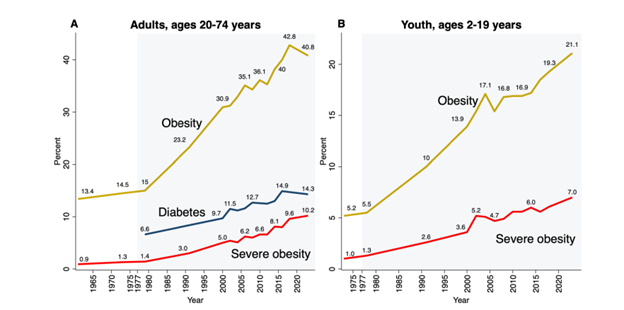
Lets look at obesity in the US.

From 1999–2000 through 2017–2018, the age-adjusted prevalence of obesity increased from

30.5% to 42.4%, and the prevalence of severe obesity increased from 4.7% to 9.2%.

The most effective tool for addressing obesity and diabetes is a very low carbohydrate diet.

Effects of the Low Carbohydrate, High Fat Diet on Glycemic Control and Body Weight in Patients With Type 2 Diabetes: Experience From a Community-Based Cohort

https://pubmed.ncbi.nlm.nih.gov/32193200/

This study was a done in a community-based program, not an academic practice setting. That is significant since it demonstrates feasibility outside of academic centers with standard community resources. The results of this study confirmed the results of many previous studies done in academic settings including better blood sugar control, reduction or elimination of diabetic medications, and significant weight loss.

All patients following the LCHF diet who initially took
insulin had either a reduction or discontinuation of
this therapy by their healthcare provider when clinically
indicated, compared with less than a quarter of
those receiving usual care.

In another study done in Italy, significant weight reduction (7 kg), waistline reduction (7 cm.), fat mass reduction (3.8%) and systolic blood pressure reduction (10.5 mmHg) were achieved in 3 months with a Very Low Carbohydrate diet.

Middle and Long-Term Impact of a Very Low-Carbohydrate Ketogenic Diet on Cardiometabolic Factors: A Multi-Center, Cross-Sectional, Clinical Study (https://pubmed.ncbi.nlm.nih.gov/25986079/

Nina Teicholz had an opinion piece published in the Wall Street Journal on May 30, discussing the USDA dietary guidelines that have largely ignored a massive body of evidence supporting a Very Low Carbohydrate Diet for obesity and diabetes. She cites many studies that have been ignored by the USDA dietary guidelines committee. Here is here opening statement.

“Americans with obesity, diabetes, heart disease and other diet-related diseases are about three times more likely to suffer worsened outcomes from Covid-19, including death. Had we flattened the still-rising curves of these conditions, it’s quite possible that our fight against the virus would today look very different.”

You can read the full article here:

https://www.wsj.com/articles/a-low-carb-strategy-for-fighting-the-pandemics-toll-11590811260

But think about that simple statement, THREE TIMES MORE LIKELY TO SUFFER WORSENED OUTCOMES FROM COVID-19. Yet these conditions are highly responsive to lifestyle interventions that not only mitigate obesity, insulin resistance and high blood pressure, but also enhance immune function.

More from Teicholz’s opinion piece:

Other studies have found that dietary changes can rapidly and substantially improve cardiovascular risk factors, including conditions like hypertension that are major risk factors for worsened Covid-19 outcomes. A 2011 study in the journal Obesity on 300 clinic patients eating a very low-carbohydrate diet saw blood pressure quickly drop and remain low for years. And a 2014 trial on 148 subjects, funded by the National Institutes of Health, found a low-carb diet to be “more effective for weight loss and cardiovascular risk factor reduction” than a low-fat control diet at the end of the 1-year experiment.

In a recent letter to the editor published in the journal METABOLISM, Dr. Casey Means points out:

A diagnosis of diabetes has been a key indicator of the severity of
COVID-19, and in this regard, the virus has relentlessly highlighted our
global Achilles heel of metabolic dysfunction, and points to a prime opportunity
to fight back.
That fight, however, is not going to be won with Clorox, Purell,
masks, or anti-IL-6 drugs. The fight will only be won through a serious
commitment to improving everyone’s foundational metabolic health,
starting with the lowest hanging evidence-based fruit: dietary and lifestyle
interventions.

Read the full letter here: https://www.metabolismjournal.com/article/S0026-0495(20)30118-9/pdf

In 2 pages the letter describes multiple benefits of better glucose control relative to COVID -19 infection and the immune system as well as reduction of factors that lead to cytokine storm (terminal event for many COVID-19 patients). The letter also discusses the benefit of reducing environmental toxins (discussed in previous posts about COVID-19 and other health problems) that would likely benefit COVID-19 patients.

Research published April 18th, 2020 found that patients exposed to
highest amount of environmental nitrogen dioxide (NO2) had increased
risk of death fromCOVID-19, and that long-term exposure to this pollutant
may be one of the most important contributors to fatality by
compounding lung inflammation [20].

Minimizing exposure to environmental
pollutants may serve a role in quelling the underlying pro-inflammatory
state that characterizes metabolic disease and COVID-19 associated
cytokine storms
.

Other environmental toxins, including persistent organic pollutants
(POPs) found in air, water, and food generated from pesticides
and industrial chemicals, are also strongly implicated in the pathogenesis
of metabolic syndrome; promoting “clean living,” toxin-avoidant
strategies for patients as simple as emphasizing organic foods, home
air purification, and non-toxic home supplies could be considered, although
the clinical utility of these measures in the acute setting is unknown
[21].

In discussing the white elephant in the room he states:

What is starkly missing is the clear, simple, and strong recommendation for no added
sugar or ultra-refined carbohydrates, both of which are known drivers
of postprandial hyperglycemia and inflammation. As a medical community, we must not miss the opportunity to serve patients with straightforward, evidence-based nutritional and lifestyle strategies to assist in glycemic control.

I would encourage you to follow the link and read the 2 pages supported by multiple peer-reviewed references.

An ancestral (paleo) diet is also very effective for addressing insulin resistance, diabetes type 2 and obesity. Multiple studies have demonstrated this. Although an ancestral approach is typically low carb it is not typically ketogenic, but a ketogenic ancestral diet (high in non starchy vegetables to support the gut microbiome) can be implemented by restricting fruits to one serving of berries per day and limiting starchy vegetables.

Even without severe carbohydrate restriction, an ancestral anti-inflammatory diet will quickly address insulin resistance, type 2 diabetes, and obesity. In this study, insulin resistance was reversed in 10 days.

And another study compared an Ancestral (Paleo) diet to the Mediterranean diet in patients with ischemic heart disease AND insulin resistance (glucose intolerance or type 2 diabetes). Ancestral diet was superior to the Mediterranean diet in improving insulin sensitivity, blood sugar control and greater fat loss. Fasting blood sugars normalized in all patients on the Ancestral diet who had previously had abnormal blood sugars.

And here is a slide from one of my lectures with references on how an ancestral diet modulates immunity.

Leptin resistance, insulin resistance and obesity travel together. Here is yet another study demonstrating the effectiveness of an ancestral diet.

If you have obesity, diabetes or pre-diabetes the Very Low Carbohydrate version of the anti-inflammatory diet linked above would be the fastest and most effective intervention you can immediately employ to reduce your risk of succumbing to COVID-19. (Of course wear an N-95, follow good hygiene with hand-washing frequently, and use a HEPA filter or Corsi-Rosenthal box in your home, office, and enclosed work spaces)

In the context of the COVID 19 pandemic I will close with the usual summary.

  1. Avoid alcohol consumption (alcohol wreaks havoc with your immunity)
  2. Get plenty of sleep (without adequate sleep your immune system does not work well )
  3. Follow good sleep habits
  4. Exercise, especially out of doors in a green space, supports the immune system
  5. Get some sunshine and make sure you have adequate Vitamin D levels. Supplement with Vitamin D3 to get your levels above 30 ng/ml, >40ng/ml arguably better.
  6. Eat an anti-inflammatory diet rich in micronutrients.
  7. Practice stress reduction like meditation and yoga which improves the immune system
  8. Eliminate sugar-added foods and beverages from your diet. These increase inflammation, cause metabolic dysfunction, and suppress immunity.
  9. Eliminate refined-inflammatory “vegetable oils” from your diet, instead eat healthy fat.
  10. Clean up your home environment and minimize your family’s exposure to environmental toxins by following recommendations at EWG.org with regards to household products, personal care products, and organic foods. (https://www.ewg.org/)
  11. Drink water filtered through a high quality system that eliminates most environmental toxins.
  12. HEPA filters or the home-made version (Corsi-Rosenthal box) used in your home or workplace can reduce circulating viral load as discussed on this website.
  13. If you are eligible for vaccination, consider protecting yourself and your neighbor with a few jabs. Age > 50 and/or risk factors (Diabetes, pre-diabetes, insulin resistance, hypertension, obesity, heart disease, COPD, asthma, cancer treatment, immune suppression) suggests benefit from a booster. Risk for complications of boosters in adolescents, especially males, without risk factors, may equal benefit. Previous infection with Covid can be considered as protective as a booster. Discuss risk vs benefits with your doctor.

THIS WEBSITE PROVIDES INFORMATION FOR EDUCATIONAL PURPOSES ONLY. CONSULT YOUR HEALTH CARE PROVIDER FOR MEDICAL ADVICE.

Eat clean, drink filtered water, love, laugh, exercise outdoors in a greenspace, get some morning sunlight, block the blue light before bed, engage in meaningful work, find a sense of purpose, spend time with those you love, AND sleep well tonight.

Doctor Bob