Tag Archives: heart attack

Omega-3 fatty acids, Pain and Arthritis

Before modern pharmacy an early treatment for Rheumatoid Arthritis (RA) was cod liver oil, rich in omega-3 fats and vitamin D. A 2013 study demonstrated that consumption of cod liver oil resulted in a reduction of daily diclofenac in Rheumatoid Arthritis. As early as 1959 cod liver oil was recommended for arthritis in the medical literature. A 2017 review of marine omega-3 fats for arthritis pain found moderate quality evidence in rheumatoid arthritis patients. A 2024 review of prevention and treatment for RA suggested that a diet rich in fiber, vitamins, omega 3 and low glycemic index foods contributes to protection from RA. A comprehensive review of omega-3 fatty acids for RA included analysis of several studies and concluded that omega-3 was a valuable therapeutic option to improve pain symptoms, tender joint count, duration of morning stiffness and the frequency of NSAID consumption. A 2019 review of cumulative data on omega-3 fats to combat autoimmune diseases concluded:

“The promising findings coming from the cumulative research work over the last decade solidified the role of ω-3 PUFAs as a potential candidate to prevent or even treat such autoimmune diseases as type 1 diabetes, RA, SLE, MS”

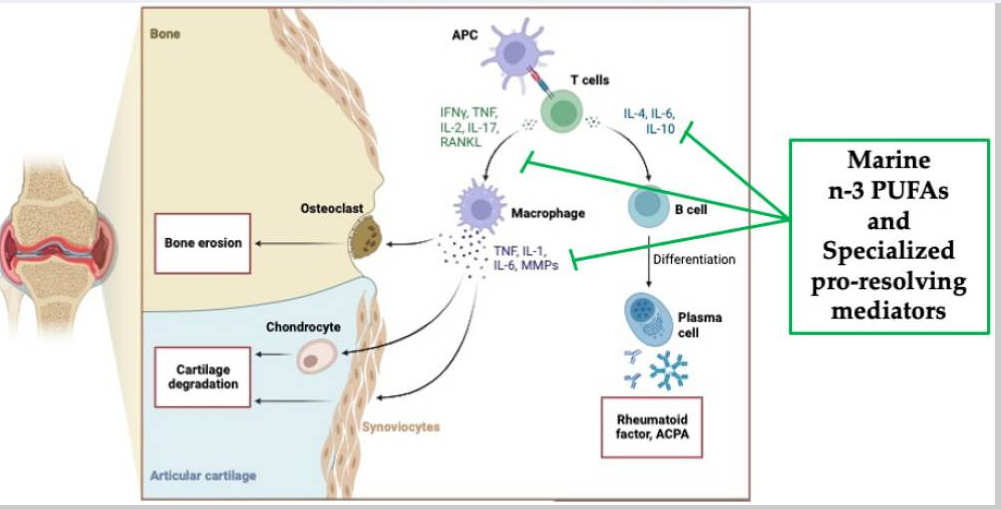
A 2024 review of marine omega-3 PUFA (polyunsaturated fatty acids) for RA reported:

“Altogether the data reported in this review show that anti-inflammatory interventions, i.e., high fish consumption or supplements containing n-3 PUFAs, should be the standard of care, along with pharmacotherapy, in treating patients with RA.”

And here is a graphic from that article showing the effect of SPMs (specialized pro-resolving mediators, derived from omega-3s):

What about osteoarthritis?

A multicenter randomized double blind placebo controlled trial of krill oil containing 0.60 g EPA/d, 0.28 g DHA/d, 0.45 g astaxanthin/d demonstrated improvements in pain, stiffness and physical function.

Some omega-3 supplement studies have demonstrated no significant pain relief in osteoarthritis. Those studies did not reduce the consumption of pro-inflammatory n-6 fatty acids which compete with omega-3 fats for the enzymes which can lead to pro or anti-inflammatory mediators. They also did not measure the omega 6/omega 3 ratio in blood or tissues. Nor did they measure the omega-3 index (% of omega-3 achieved in red blood cell membranes, the gold standard for evaluating tissue levels achieved) This 2018 analysis stated:

“High Omega-3 (n-3) polyunsaturated fatty acids (PUFAs) are associated with lower levels of inflammatory mediators, anti-nociception, and adaptive cognitive/emotional functioning. High Omega-6 (n-6) PUFAs are associated with inflammation, nociception, and psychological distress. While findings related to n-3 supplementation in knee OA are mixed, consideration of the n-6:n-3 ratio and additional outcome measures may provide improved understanding of the potential relevance of these fatty acids in OA”

The authors went on to access blood n-6/n-3 ratios in patients with OA and found the following:

“The high ratio group reported greater pain and functional limitations, (all p’s<0.04), mechanical temporal summation (hand and knee, p<0.05), and perceived stress (p=0.008) but not depressive symptoms.”

“In adults with knee pain, a high n-6:n-3 ratio is associated with greater clinical pain/functional limitations, experimental pain sensitivity, and psychosocial distress compared to a low ratio group.”

The anti-inflammatory diet that I follow and recommend eliminates the major sources of excess omega-6 in the diet, specifically the “vegetable oils” which are actually seed, grain, and legume oils predominated by soy oil, corn oil, peanut and cottonseed oil present in cooking “vegetable oils” and processed foods. A table that displays the ratio of omega 3 to omega 6 in various oils can be found here. Note that this table does not reveal the amounts of MUFA (mono unsaturated fatty acids) which are arguably “heart healthy”. Nor does it address the important issue of protective polyphenols and anti-oxidants (such as in Extra Virgin Olive oil aka EVOO). So do not make choices of oil based only on the omega-3/6 ratio.

Another consideration in choosing oils for cooking (as opposed to salad dressing) is the smoke point. Under high heat, oils are subject to oxidation which creates a proinflammatory effect when consumed. Refined Avocado oil has the highest smoke point (520 degrees F). But we digress. Back to pain and arthritis.

An article just published in Nutrients reviewed Omega-3 Supplementation and Its Effects on Osteoarthritis.

“omega-3 polyunsaturated fatty acids (PUFA) have demonstrated an influential role in the progression of OA, resulting in the reduction of cartilage destruction, inhibition of pro-inflammatory cytokine cascades, and production of oxylipins that promote anti-inflammatory pathways.” 

“Research has demonstrated a positive effect on the modulation of OA symptoms through diet and exercise to promote an anti-inflammatory environment. More specifically, omega-3 PUFAs have demonstrated a reduction in inflammatory biomarkers and cartilage degradation, counteracting the natural disease state of OA. In addition to their chondroprotective role, omega-3 supplementation has been shown to have indirect positive effects on muscle tissue recovery following exercise, which is necessary to prevent the progression of OA and maintain an independent, healthy lifestyle. The effects of omega-3 supplementation on the disease state of OA and its symptoms remain inconclusive. Further clinical trials utilizing human participants are warranted to provide a conclusive recommendation on standardized supplementation of omega-3 for the modulation of osteoarthritis.”

Given the cardioprotective effects, discussed in my last post (including an 80% reduction in sudden death at the highest quintile of omega-3 index) and other benefits (reduction in all cause mortality with high tissue levels), there are many reasons to include large amounts of low mercury fatty fish (wild Alaskan salmon, sardines, herring, trout) in the diet and to consider supplementation when your omega 3 index is < 8%. Likewise, in the presence of arthritis and pain, getting tissue levels of omega 3 up and reducing excessive pro-inflammatory omega 6 will likely provide significant benefit.

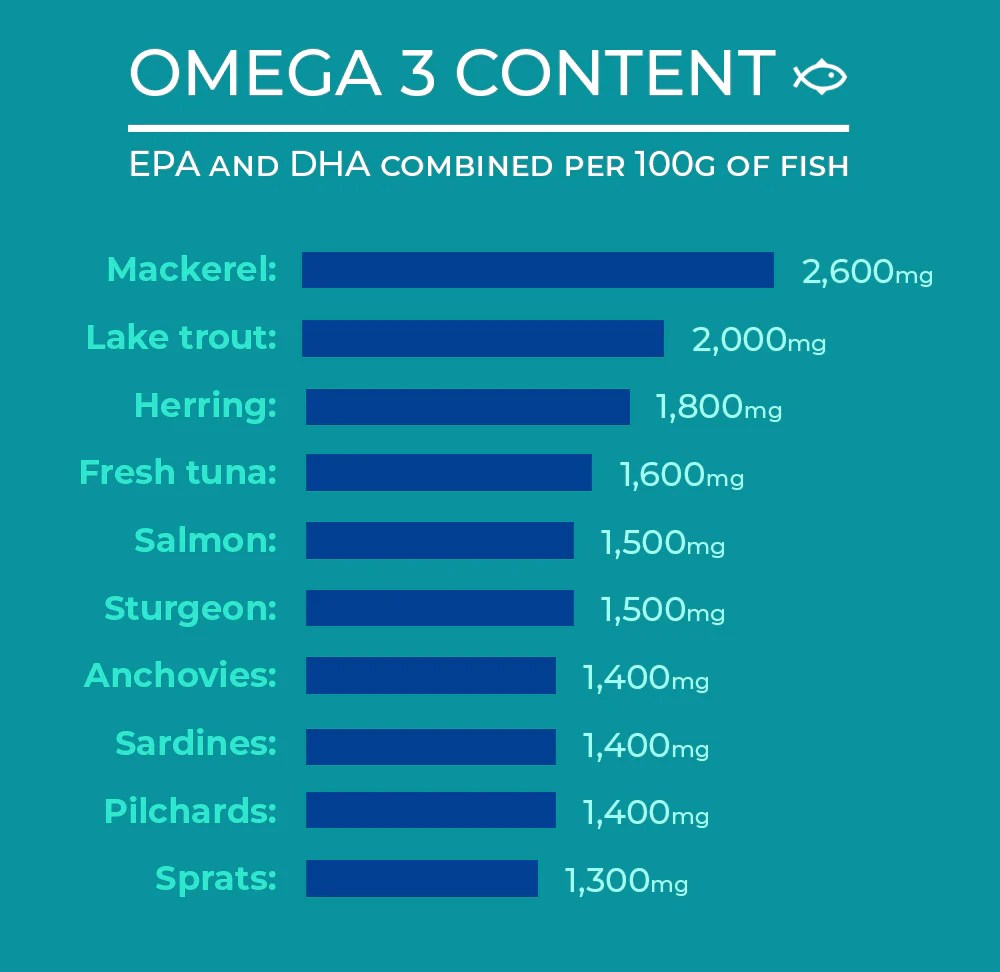
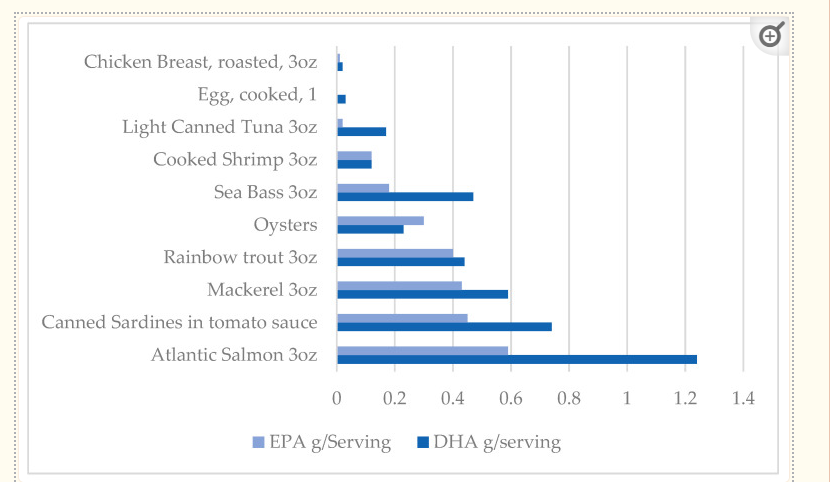
Here is a graphic with the omega 3 content of some foods.

And another:

As mentioned in my previous post about omega-3 and cardiovascular health, 1800 mg of omega-3 FA daily is adequate in most people to achieve and omega-3 index of 8%, the level at which cardiovascular protection is greatest.

THIS WEBSITE PROVIDES INFORMATION FOR EDUCATIONAL PURPOSES ONLY. CONSULT YOUR HEALTH CARE PROVIDER FOR MEDICAL ADVICE.

Eat clean, drink filtered water, love, laugh, exercise outdoors in a greenspace, get some morning sunlight, block the blue light before bed, engage in meaningful work, find a sense of purpose, spend time with those you love, AND sleep well tonight.

Doctor Bob
Omega-3 in your diet and supplements

The benefit of omega-3 supplementation has been debated in the cardiology and nutritional literature for many years. Most studies of supplementation have failed to measure tissue levels achieved and often used very low doses. But when tissue levels were measured, either in the serum or red blood cell membrane, the studies consistently demonstrated significant reductions in all-cause mortality and cardiovascular mortality associated with high levels of omega-3 fatty acids.

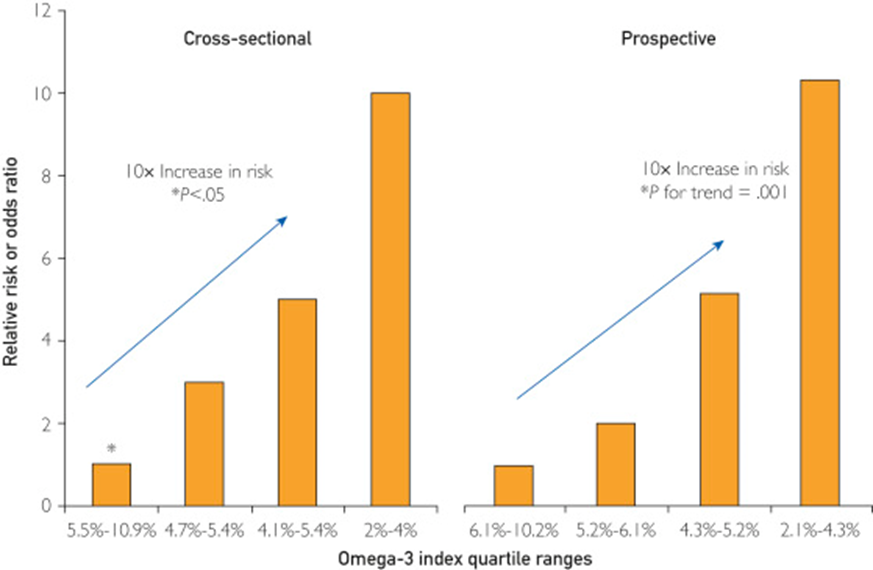
In addition, higher levels of omega 3 are associated with >=80% reduction in sudden death associated with acute myocardial infarction (acute MI) and > 80% reduction in sudden death in cohorts without known coronary artery disease followed long term.

Two Coronary CT Angiogram (CCTA) studies demonstrated that patients with stable coronary artery disease on statin therapy randomized to high dose EPA and DHA had “prevention of coronary plaque progression when an omega-3 fatty acid index >= 4% was achieved.”

 Another CCTA study demonstrated that patients receiving omega 3 supplementation had significantly less coronary atherosclerotic “high risk” lipid rich plaque prevalence (3.8% versus 32%) and lower total non-calcified plaque burden independent of cardiovascular risk factors compared to matched controls not receiving omega 3 supplements.

Omega 3 supplementation after an acute myocardial infarction has been found to reduce infarct size, reduce scaring (fibrosis), and enhance heart tissue healing. (Randomized controlled clinical trial) However a post MI study in 1027 elderly patients randomized to receive 1.8 grams per day of EPA+DHA versus a control group receiving corn oil showed no reduction in the primary composite cardiovascular endpoint between the two groups at 2 years but a higher incidence of AF in the omega 3 group that did not reach statistical significance.

Recently a study, widely reported by the lay press, suggested that high dose omega-3 supplementation was associated with increased risk of atrial fibrillation (AF). These results conflicted with previous studies which demonstrated just the opposite, specifically prior studies demonstrated reduced risk of AF. The more recent study suffered a significant design flaw. The study in question failed to make statistical adjustment for the increased life span associated with higher levels of omega-3. Since age is a primary risk factor for AF, any intervention which increases life span would be expected to result in more AF over the lifetime of the patients as they aged (i.e., more elder years results in increased risk of AF). Therefore, statistical adjustment for that effect should be employed, but was not done in the study.

Unfortunately, science journalism has deteriorated to a state where the conclusions of study authors are most often quoted without interpretation or context, and without critical analysis or comparisons with previous studies that may have demonstrated opposing results.

In addition to large well-designed studies that have suggested a reduced risk of AF associated with omega-3 fatty acids, there have been natural experiments that provide reassuring information. The indigenous Inuit people of Greenland, for example, historically consumed large amounts of omega-3 in their diet with no evidence of increased risk of AF. In fact, before the introduction of western processed foods, estimates of AF among the Inuit were 0.6% (1963) compared to a “worldwide prevalence of AF in adults between 2 and 4%, between one and two percent in Canadian and the general US population and between 0.5% and 3% in most low- and middle-income countries.” A more recent study of Greenland yielded a prevalence of 1.4% likely reflecting a change in habits consisting of less exercise, more tobacco use and a shift to a more Western diet.

Still, multiple studies that used high dose omega 3 supplements in patients with known cardiac disease suggest an increased risk of AF. A good review of omega-3 fatty acids and atrial fibrillation was published in the Korean Journal of Internal Medicine, referenced below.

My interpretation of the complex data in this area is as follows.

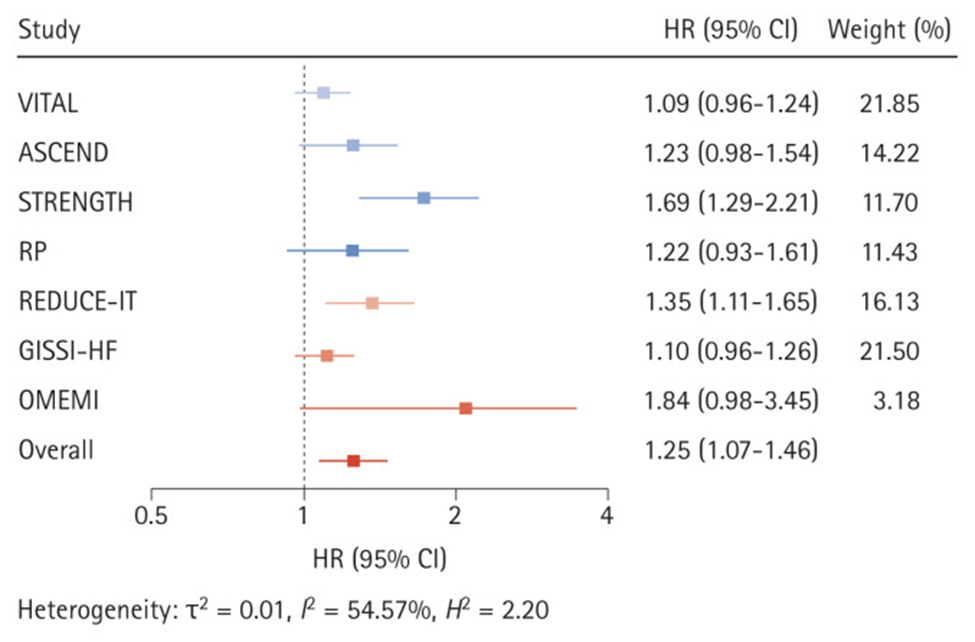
At supplemental doses of EPA+DHA above 1.8 grams per day (and perhaps above 1 gram per day) in patients with known coronary artery disease (CAD), at high risk of CAD, or following a myocardial infarction, the risk of AF is increased by about 25% (relative risk). But the risk of lethal ventricular arrythmias (sudden death) associated with myocardial infarction (heart attack) is 80% lower in patients with a red blood cell omega 3 index of >=8. In people without known CAD, an omega-3 index >=8% is associated with an 80% reduction in sudden cardiac death. CCTA studies show significantly lower unstable “vulnerable” plaque in patients on omega-3 supplements. Similarly, omega 3 supplementation in patients on statins associates with halted plaque progression determined by serial CCTA in non-diabetics.

In addition, higher tissue levels of omega 3 are associated with significantly reduced all-cause, cardiovascular, and cancer mortality.

Omega-3 fatty acids are the chemical precursors of SPMs, specialized pro-resolving lipid mediators which help resolve inflammation. We know that cardiovascular events are driven by chronic inflammation in the walls of arteries, often mediated by insulin resistance. Chronic inflammation contributes to atherosclerosis (production of plaque in the artery wall) as well as cardiovascular events that result when unstable plaque ruptures.  Studies suggest that n-3 fatty acids may have antiarrhythmic properties with membrane-stabilizing effects in addition to antithrombotic and anti-inflammatory properties on the endothelial level. Basic science, observational studies and clinical trials have demonstrated that higher tissue levels of omega 3 fatty acids are associated with longer health span and lifespan. This understanding must be balanced with a probable increased risk of AF in certain clinical situations associated with high dose omega-3 supplements as described above (people with known CAD, high risk for CAD, or following and MI). Note that current AHA and ACC dietary guidelines include at least 2 servings of fatty fish per week, one serving provides approximately 1800 mg of omega-3.

Getting omega-3 fatty acids from cold water fatty fish would be ideal. Unfortunately, many individuals do not like salmon, sardines, mackerel or herring and simply will not consume enough of this fish to achieve protective tissue levels. Other species of fish and seafood provide much less amounts of omega 3. Another consideration is that individuals process omega 3 fats differently so different amounts of omega 3 will be necessary to reach the same protective levels in tissue. You can obtain a red blood cell omega-3 index using a home kit and a finger prick without a prescription (https://omegaquant.com/). The sample is mailed in to the lab and results reported directly to you. I have no financial relationship with these folks.

Bill Harris, PhD, is widely published in the area of omega-3 science. He developed the first clinically useful tissue assay which measures the % of omega 3 fat in red blood cell membranes, the “omega-3 index” which is the gold standard for omega 3 research and clinical testing. Although serum levels correlate with the red blood cell index, the later reveals dietary consequences of a 2-3 month period while serum levels reflect just a few days of most recent dietary habits. The red blood cell omega 3 index is analogous to the hemoglobin A1c which reveals average blood sugars over a 2–3-month period. Bill Harris suggests that 1800 mg per day of omega 3 fat consumption (food plus supplements) will achieve an index of >= 8% in most individuals.

Here are some references.

Harris WS, Tintle NL et.al., Fatty Acids and Outcomes Research Consortium (FORCE). Blood n-3 fatty acid levels and total and cause-specific mortality from 17 prospective studies. Nat Communications. 2021 Apr 22;12(1):2329. doi: 10.1038/s41467-021-22370-2. PMID: 33888689; PMCID: PMC8062567. https://pubmed.ncbi.nlm.nih.gov/33888689/

“Here we report the results of a de novo pooled analysis conducted with data from 17 prospective cohort studies examining the associations between blood omega-3 fatty acid levels and risk for all-cause mortality. Over a median of 16 years of follow-up, 15,720 deaths occurred among 42,466 individuals. We found that, after multivariable adjustment for relevant risk factors, risk for death from all causes was significantly lower (by 15-18%, at least p < 0.003) in the highest vs the lowest quintile for circulating long chain (20-22 carbon) omega-3 fatty acids (eicosapentaenoic, docosapentaenoic, and docosahexaenoic acids). Similar relationships were seen for death from cardiovascular disease, cancer and other causes”

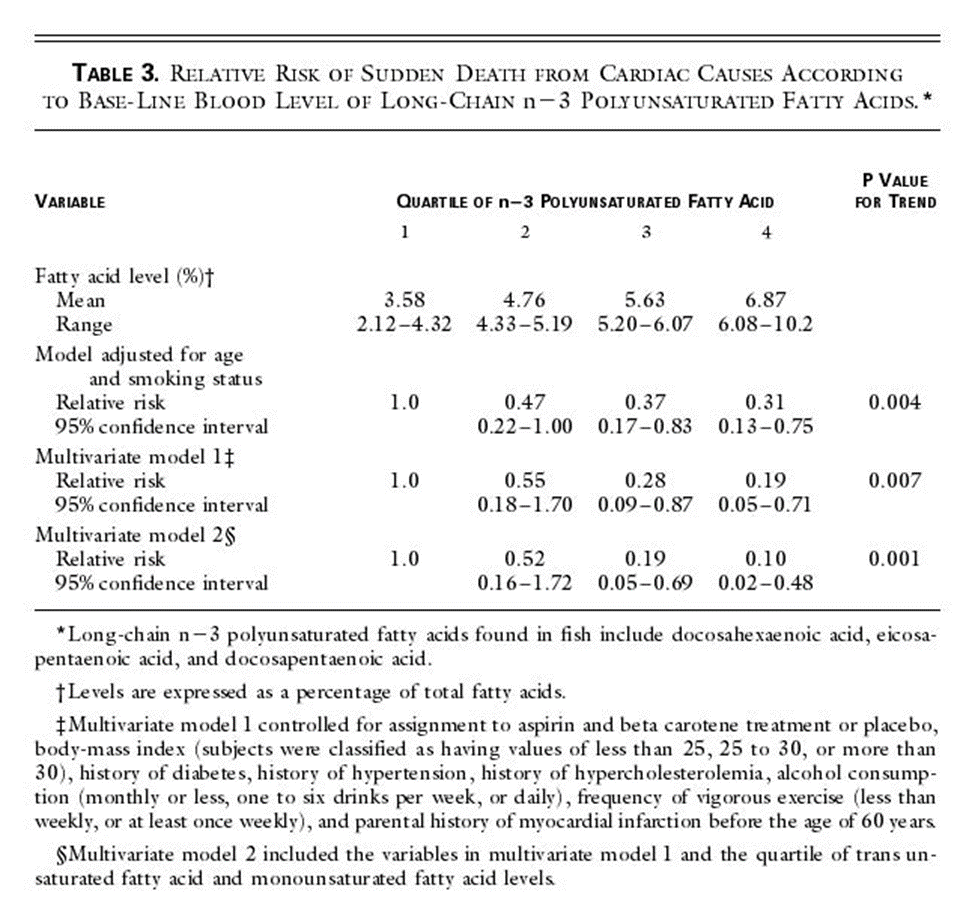
Blood Levels of Long-Chain n–3 Fatty Acids and the Risk of Sudden Death Authors: Christine M. Albert, M.D., M.P.H., Hannia Campos, Ph.D., Meir J. Stampfer, M.D., Dr.P.H., Paul M. Ridker, M.D., M.P.H., JoAnn E. Manson, M.D., Dr.P.H., Walter C. Willett, M.D., Dr.P.H., and Jing Ma, M.D., Ph.D.

Published April 11, 2002 N Engl J Med 2002;346:1113-1118DOI:10.1056/NEJMoa012918 VOL. 346 NO. 15 https://www.nejm.org/doi/full/10.1056/NEJMoa012918

We conducted a prospective, nested case–control analysis among apparently healthy men who were followed for up to 17 years in the Physicians’ Health Study. The fatty-acid composition of previously collected blood was analyzed by gas–liquid chromatography for 94 men in whom sudden death occurred as the first manifestation of cardiovascular disease and for 184 controls matched with them for age and smoking status.

RESULTS

Base-line blood levels of long-chain n–3 fatty acids were inversely related to the risk of sudden death both before adjustment for potential confounders (P for trend = 0.004) and after such adjustment (P for trend = 0.007). As compared with men whose blood levels of long-chain n–3 fatty acids were in the lowest quartile, the relative risk of sudden death was significantly lower among men with levels in the third quartile (adjusted relative risk, 0.28; 95 percent confidence interval, 0.09 to 0.87) and the fourth quartile (adjusted relative risk, 0.19; 95 percent confidence interval, 0.05 to 0.71).

CONCLUSIONS

The n–3 fatty acids found in fish are strongly associated with a reduced risk of sudden death among men without evidence of prior cardiovascular disease.

Heydari B, Abdullah S, Pottala JV, Shah R, Abbasi S, Mandry D, Francis SA, Lumish H, Ghoshhajra BB, Hoffmann U, Appelbaum E, Feng JH, Blankstein R, Steigner M, McConnell JP, Harris W, Antman EM, Jerosch-Herold M, Kwong RY. Effect of Omega-3 Acid Ethyl Esters on Left Ventricular Remodeling After Acute Myocardial Infarction: The OMEGA-REMODEL Randomized Clinical Trial. Circulation. 2016 Aug 2;134(5):378-91. doi: 10.1161/CIRCULATIONAHA.115.019949. PMID: 27482002; PMCID: PMC4973577. https://www.ahajournals.org/doi/10.1161/CIRCULATIONAHA.115.019949

Conclusions: Treatment of patients with acute myocardial infarction with high-dose omega-3 fatty acids was associated with reduction of adverse left ventricular remodeling, noninfarct myocardial fibrosis, and serum biomarkers of systemic inflammation beyond current guideline-based standard of care.

Effect of Different Antilipidemic Agents and Diets on Mortality A Systematic Review

Studer M, Briel M, Leimenstoll B, Glass TR, Bucher HC. Effect of Different Antilipidemic Agents and Diets on Mortality: A Systematic Review. Arch Intern Med. 2005;165(7):725–730. doi:10.1001/archinte.165.7.725

Compared with control groups, risk ratios for cardiac mortality indicated benefit from statins (0.78; 95% CI, 0.72-0.84), resins (0.70; 95% CI, 0.50-0.99) and n-3 fatty acids (0.68; 95% CI, 0.52-0.90).

Feuchtner G, Langer C, Barbieri F, Beyer C, Dichtl W, Friedrich G, Schgoer W, Widmann G, Plank F. The effect of omega-3 fatty acids on coronary atherosclerosis quantified by coronary computed tomography angiography. Clin Nutr. 2021 Mar;40(3):1123-1129. doi: 10.1016/j.clnu.2020.07.016. Epub 2020 Jul 22. PMID: 32778459. https://pubmed.ncbi.nlm.nih.gov/32778459/

Conclusions: Omega-3-PUFA supplementation is associated with less coronary atherosclerotic “high-risk” plaque (lipid-rich) and lower total non-calcified plaque burden independent on cardiovascular risk factors. Our study supports direct anti-atherogenic effects of Omega-3-PUFA.

Alfaddagh A, Elajami TK, Saleh M, Mohebali D, Bistrian BR, Welty FK. An omega-3 fatty acid plasma index ≥4% prevents progression of coronary artery plaque in patients with coronary artery disease on statin treatment. Atherosclerosis. 2019 Jun;285:153-162. doi: 10.1016/j.atherosclerosis.2019.04.213. Epub 2019 Apr 13. PMID: 31055222; PMCID: PMC7963401.An omega-3 fatty acid plasma index ≥4% prevents progression of coronary artery plaque in patients with coronary artery disease on statin treatment – PMC (nih.gov)

Conclusions: EPA and DHA added to statins prevented coronary plaque progression in nondiabetic subjects with mean LDL-C <80 mg/dL, when an omega-3 index ≥4% was achieved. Low omega-3 index <3.43% identified nondiabetic subjects at risk of coronary plaque progression despite statin therapy

Association of Plasma Phospholipid Long-Chain Omega-3 FattyAcids with Incident Atrial Fibrillation in Older Adults: The Cardiovascular Health Study, Circulation Volume 125, Number 9 https://doi.org/10.1161/CIRCULATIONAHA.111.062653

Among 3326 US men and women ≥65 years of age and free of AF or heart failure at baseline, plasma phospholipid levels of eicosapentaenoic acid, docosapentaenoic acid, and docosahexaenoic acid were measured at baseline by use of standardized methods. Incident AF (789 cases) was identified prospectively from hospital discharge records and study visit ECGs during 31 169 person-years of follow-up (1992-2006).

Conclusions: In older adults, higher circulating total long-chain n-3 PUFA and docosahexaenoic acid levels were associated with lower risk of incident AF (atrial fibrillation). These results highlight the need to evaluate whether increased dietary intake of these fatty acids could be effective for the primary prevention of AF.

Omega-3 Fatty Acid Therapy: The Tide Turns for a Fish Story https://www.mayoclinicproceedings.org/article/S0025-6196(16)30764-9/fulltext

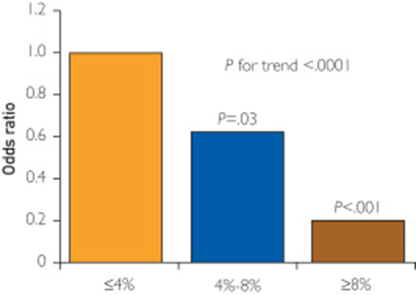
An omega-3 index of less than 4% is associated with increased CHD risk, particularly for sudden cardiac death. In contrast, an omega-3 index of more than 8% is associated with low CHD risk, whereas the range between 4% and 8% is considered intermediate risk

Risk of sudden death

Alfaddagh A, Elajami TK, Ashfaque H, Saleh M, Bistrian BR, Welty FK. Effect of Eicosapentaenoic and Docosahexaenoic Acids Added to Statin Therapy on Coronary Artery Plaque in Patients with Coronary Artery Disease: A Randomized Clinical Trial. J Am Heart Assoc. 2017; 6: e006981. 10.1161/JAHA.117.006981. https://pubmed.ncbi.nlm.nih.gov/29246960/

“High-dose eicosapentaenoic acid and docosahexaenoic acid provided additional benefit to statins in preventing progression of fibrous coronary plaque in subjects adherent to therapy with well-controlled low-density lipoprotein cholesterol levels.”

Huh JH, Jo SH. Omega-3 fatty acids and atrial fibrillation. Korean J Intern Med. 2023 May;38(3):282-289. doi: 10.3904/kjim.2022.266. Epub 2022 Dec 14. PMID: 36514212; PMCID: PMC10175873 https://pubmed.ncbi.nlm.nih.gov/36514212/

.

Effects of omega-3 fatty acid supplementation on the risk of atrial fibrillation. HR, hazard ratio; CI, confidence interval; VITAL, Vitamin D and Omega-3 Trial; ASCEND, A Study of Cardiovascular Events in Diabetes; STRENGTH, Statin Residual Risk with Epanova in High Cardiovascular Risk Patients with Hypertriglyceridemia; RP, Risk and Prevention Study; REDUCE-IT, Reduction of Cardiovascular Events With Icosapent Ethyl-Intervention Trial; GISSI-HF, Gruppo Italiano per lo Studio della Sopravvivenza nell’Insufficienza Cardiaca-Heart Failure; OMEMI, Omega-3 Fatty Acids in Elderly With Myocardial Infarction. Effects of omega-3 fatty acid supplementation on the risk of atrial fibrillation. HR, hazard ratio; CI, confidence interval; VITAL, Vitamin D and Omega-3 Trial; ASCEND, A Study of Cardiovascular Events in Diabetes; STRENGTH, Statin Residual Risk with Epanova in High Cardiovascular Risk Patients with Hypertriglyceridemia; RP, Risk and Prevention Study; REDUCE-IT, Reduction of Cardiovascular Events With Icosapent Ethyl-Intervention Trial; GISSI-HF, Gruppo Italiano per lo Studio della Sopravvivenza nell’Insufficienza Cardiaca-Heart Failure; OMEMI, Omega-3 Fatty Acids in Elderly With Myocardial Infarction. Effects of omega-3 fatty acid supplementation on the risk of atrial fibrillation. HR, hazard ratio; CI, confidence interval; VITAL, Vitamin D and Omega-3 Trial; ASCEND, A Study of Cardiovascular Events in Diabetes; STRENGTH, Statin Residual Risk with Epanova in High Cardiovascular Risk Patients with Hypertriglyceridemia; RP, Risk and Prevention Study; REDUCE-IT, Reduction of Cardiovascular Events With Icosapent Ethyl-Intervention Trial; GISSI-HF, Gruppo Italiano per lo Studio della Sopravvivenza nell’Insufficienza Cardiaca-Heart Failure; OMEMI, Omega-3 Fatty Acids in Elderly With Myocardial Infarction

THIS WEBSITE PROVIDES INFORMATION FOR EDUCATIONAL PURPOSES ONLY. CONSULT YOUR HEALTH CARE PROVIDER FOR MEDICAL ADVICE.

Eat clean, drink filtered water, love, laugh, exercise outdoors in a greenspace, get some morning sunlight, block the blue light before bed, engage in meaningful work, find a sense of purpose, spend time with those you love, AND sleep well tonight.

Doctor Bob
Ketogenic Diet, Keto-Medicine

I have spent a few days watching lectures from various low-carb-healthy-fat meetings. There is an impressive amount of solid clinical data to support Very Low Carb (with healthy fat)  diets to treat obesity, insulin resistance, diabetes, pre-diabetes, metabolic syndrome, and seizure disorders. Eric Westman MD, author, Associate Professor of Medicine, Past Chairman of the Obesity Medicine Association,  and director of Duke University Lifestyle Medical Clinic gave an impassioned and authoritative talk on the success of LCHF in treating all of these disorders here.


Dr. Steven Phinney,  Professor Emeritus UC Davis and presently Chief Medical Officer for VIRTA has given numerous talks on the beneficial effects of a ketogenic diet. He and Jeff Volek Ph.D. have done research for decades on the physiology of low carbohydrate diets. They elucidated the changes that occur in high level athletes as they adapt to burning fat as their major fuel source during and after a period of “fat adaptation”. It turns out that endurance athletes, after a period of 1 to 3 months of adaptation to a low carb-high fat diet (variable from person to person) perform at equal or higher levels as compared to their performance when previously on a high carbohydrate diet. In fact, because lean athletes have much greater energy stored in fat as compared to glycogen (carbohydrate) they can go for many hours longer than an athlete who is dependent on carbohydrate metabolism (not fat adapted). Glycogen is the starch source of energy that humans store in the liver (100 grams) and in muscle (400 grams). Compared to glycogen, fat stores in lean individuals, including buff athletes,  can provide more than 10 times the amount of energy. Endurance athletes who are keto-adapted (fat burners) can ride a bike all day or run an ultra-marathon (100 miles) without taking in any energy source. (They must of course replace fluid and electrolytes). Whereas athletes who have followed a traditional high carb diet must start consuming calories after about 3 hours of moderate-high intensity exercise. Doctors Phinney and Volek have done clinical research on humans with obesity, pre-diabetes and diabetes and they have demonstrated superior results when compared to any other dietary approach.

You can learn about their work here:

And here:

So what is this all about? If carbohydrates are restricted to very low levels and instead we consume (healthy) fat as our major source of energy with moderate amounts of protein, then the human body starts to burn fat. This process results in the production of ketones (in the liver) which serve not only as a source of energy but also act as “signaling” molecules that turn on beneficial genes that fight inflammation and turn off genes that produce inflammation. When a well formulated ketogenic diet is followed under medical supervision, diabetics can often get off most or all of their diabetes medications within weeks to months as they lose weight. Improvements are seen quickly in blood pressure, fasting blood sugar, liver function tests, insulin sensitivity, inflammatory markers, subjective energy levels, mental clarity and mood. Triglycerides are reduced, HDL increases, and improvements are seen in the “atherogenic profile” with reductions in small dense LDL particles with a shift to large buoyant LDL particles. On a ketogenic diet humans spontaneously consume lower caloric intake because fat and protein are more satiating compared to carbohydrate. Circulating saturated fat in the blood DECREASES on a keto-genic diet. Refined carbohydrates and sugar (so prevalent in processed foods) produce increased circulating fat in the blood and increased fat storage throughout the body, often leading to fatty liver disease and the long list of chronic diseases caused by and associated with insulin resistance.

A ketogenic diet is also part of Dr. Dale Bredesen’s effective treatment program for early dementia (ReCoDe-Reversal of Cognitive Decline). I have discussed Dr. Bredesen’s approach before. Here is one of his discussions.

You can read Dr. Bredesen’s report of 100 patients who have reversed cognitive decline using a ketogenic diet as PART of the ReCoDe program here.

So what are the healthy fats in a low carb high fat diet?

They include fats found in whole foods such as nuts and avocados, pasture raised animals free of hormones and antibiotics, free range poultry and eggs, wild fish and seafood (avoiding large fish that have high mercury levels), extra virgin olive oil, avocado oil, butter from pastured grass-fed animals, and coconut oil. (yes butter is included despite that fact that strict paleo excludes dairy)

You should avoid all of the processed/refined oils that come from seeds, grains and legumes including soy oil, corn oil, cottonseed oil, canola oil, safflower oil, sunflower oil, sesame oil. You can learn why these (misnamed) “vegetable oils” are dangerous and how they were marketed to an unwitting public with the help and support of faulty science by listening to Nina Teicholz here:

There are many great lectures about the low-carb-high-fat ketogenic diet in addressing obesity, insulin resistance, pre-diabetes, metabolic syndrome, diabetes, seizures and more. Go to youtube and search “keto diet”, “low carb high fat”.

Before I sign off I will provide one more link:

Remember, this website offers educational information only. Consult your health care provider for medical advice.

Sleep well, exercise outdoors, laugh, love, engage in meaningful work, drink filtered water, eat clean, eat whole foods, get plenty of sunshine, spend time with those you love.

Doctor Bob


Western Diet (high sugar, refined carbs, unhealthy fats) alters genes and causes inflammation

New study (in mice) shows fast food makes the immune system more aggressive in a detrimental way.

Major points:

  1. The immune system reacts similarly to a high sugar, high (unhealthy) fat and high calorie diet as to a bacterial infection.
  2. Unhealthy food seems to make the body’s defenses (innate immune system) more aggressive in the long term. Even long after switching to a healthy diet, inflammation towards innate immune stimulation is more pronounced.
  3. These changes may be involved in the development of arteriosclerosis and diabetes.
  4. These changes are due to alterations in gene transcription (up-regulation of genes associated with inflammation)
  5. This up regulation of pro-inflammatory genes persists even after converting to a healthier diet.

Read more at News from IRT

Here: Fast food makes the immune system more aggressive in the long term: Study shows that even after a change to a healthy diet, the body’s defenses remain hyperactive — ScienceDaily

And here Western Diet Triggers NLRP3-Dependent Innate Immune Reprogramming: Cell

This study is an example of epigenetics, where an environmental factor (diet) alters the expression of genes. We know that regular consumption of a variety of colorful vegetables mediates many beneficial effects and part of that process involves altering the transcription of many genes related to health and our ability to defend against Oxidative Stress .

The epigenetic effect of nutrition can be transmitted to the next generation.

The epigenetic effects of diet include many aspects of health including  cancer risk.

And epigenetic changes in humans can begin  before birth in response to maternal nutrition and maternal exposure to environmental toxins .

Diet also effects the gut microbiome, which in turn affects health .

So avoid fast food and other forms of processed-refined foods. Eat a whole foods-ancestral diet that includes a variety of organic colorful vegetables and fruits, grass fed/finished meats and wild seafood. This will not only provide important micro and macro nutrients but will also turn up and turn on genes that prevent disease.

Live clean, sleep well, laugh and love.

Doctor Bob

Obesity Epidemic Requires a Paradigm Shift

The obesity epidemic requires a paradigm shift. Several medical myths stand in the way of taking the most effective steps to safely help patients lose weight. The most important myth relates to saturated fat. Saturated fat consumption does not contribute to cardiovascular disease. This must be understood and accepted by the medical community so that sound advice can be given.

A meta-analysis of prospective epidemiologic studies showed that there is no significant evidence for concluding that dietary saturated fat is associated with an increased risk of CHD or CVD.( Am J Clin Nutr. 2010 Mar;91(3):497-9. )

In fact, as early as 2004, Mozaffarian et. al. investigated the influence of diet on atherosclerotic progression in postmenopausal women with quantitative angiography and found that:

In multivariate analyses, a higher saturated fat intake was associated with a smaller decline in mean minimal coronary diameter (P = 0.001) and less progression of coronary stenosis (P = 0.002) during follow-up. (Am J Clin Nutr. 2004 Nov;80(5):1175-84)

In addition, they further found that:

Carbohydrate intake was positively associated with atherosclerotic progression (P = 0.001), particularly when the glycemic index was high.

            Polyunsaturated fat intake was positively associated with progression when replacing other fats (P = 0.04)

These findings should come as no surprise given the basic science of atherosclerosis. Oxidized and glycated LDL stimulate macrophages to become foam cells initiating the creation of plaque. Cellular receptors that allow macrophages to ingest oxidized LDL are specific for oxidized LDL. These receptors do not recognize normal LDL to a significant degree.

Holovet et. al. studied the ability of oxidized LDL versus the Global Risk Factor Assessment Score (GRAS) to detect coronary artery disease. GRAS identified coronary artery disease 49% of the time, while oxidized LDL was correct 82% of the time.

In a large prospective study, Meisinger et al found that plasma oxidized LDL was the strongest predictor of CHD events when compared to conventional lipoprotein risk assessment and other risk factors for CHD.

Polyunsaturated fats are easily oxidized, saturated fats are not. It is the polyunsaturated fatty acids (PUFA) in the membrane of LDL particles that become oxidized and then initiate the cascade of inflammatory events leading to atherosclerosis. The major source of these PUFA in the American diet are “vegetable oils” (corn oil, soy oil etc.)  rich in the omega-6 PUFA, linoleic acid.

So why is this important to understand relative to the obesity epidemic? Because the most effective weight loss “diet” is arguably a low carbohydrate/high fat (LCHF) diet. This approach does not require calorie counting. This approach has been demonstrated to spontaneously reduce caloric intake whereas low fat diets require calorie counting and result in persistent hunger.

When compared to low fat calorie restricted diets  the LCHF approach has been equal or superior with respect to weight loss, insulin sensitivity, blood pressure reduction, and lipid profiles whenever these parameters have been measured.

But LCHF has not been embraced by the medical community due to the perceived dangers of saturated fat consumption and a low-fat ideology that lacks legitimate scientific evidence.

Once we dispel the mythology of saturated fat, the safety and efficacy of LCHF will be more readily accepted by physicians, the media and the lay public.

The nutritional villains in our society are highly refined and easily oxidized “vegetable oils” filled with pro-inflammatory omega-6 PUFA (linoleic acid), added sugar (especially HFCS) so prevalent in most processed foods and soft drinks, and the nutrient poor wasted calories of processed flour foods. These three culprits are responsible for our epidemics of obesity, insulin resistance and metabolic syndrome. These three conspire together to generate fatty liver disease, atherosclerotic plaque, and chronic inflammation.

When a LCHF approach is combined with  eating only fresh whole foods and avoiding added sugar, refined flour, and unhealthy  “vegetable oils”, we have the perfect recipe for our obesity epidemic.

The following references provide examples of studies that have demonstrated the efficacy, safety and  usual superiority of the LCHF  approach to weight loss.

Dig Dis Sci. 2007 Feb;52(2):589-93. Epub 2007 Jan 12. The effect of a low-carbohydrate, ketogenic diet on nonalcoholic fatty liver disease: a pilot study. Tendler D, Lin S, Yancy WS Jr, Mavropoulos J, Sylvestre P, Rockey DC Westman EC.

Fred Kummerow, PhD, fought the battle against Trans Fats for over 50 years.

Professor Fred Kummerow passed away on May 31 at his home in Urbana, Ill at age 102. He ate butter, red meat and eggs cooked in butter, along with plenty of fruits and vegetables. He avoided margarine, french fries and other fried foods, along with cookies, cake and crackers which contained artificial trans-fats. He conducted research in his nutrition science laboratory at the University of Illinois up until his death. he authored the book Cholesterol Won’t Kill You, But Trans Fat Could: Separating Scientific Fact from Nutritional Fiction in What You Eat

Fred warned the American public and scientists in the 1950s about the dangers of artificial man-made trans fats. His research was largely ignored and criticized by the food industry and by scientists who were funded by the food industry for decades. Despite mounting evidence in both animals and humans that artificial trans fats dramatically increased the risk of heart attacks, strokes, peripheral vascular disease, diabetes, obesity, and probably several forms of cancer, the FDA ignored his pleas to address the issue. In 2009 Professor Kummerow filed a petition with the FDA to ban the use of trans fats. Although federal law required that the FDA respond within 180 days to such a petition, the FDA remained silent. In 2013, approaching the age of 99, Professor Kummerow sued the FDA. Two years latter in 2015 the FDA declared that artificial trans-fats were unsafe and should be eliminated from the US food supply by 2018.

Through his lifelong work, Professor Kummerow has produced a policy change that will likely save hundreds of thousands of lives.

What are trans fats and why have they been in our food for 7 decades?

Although there are some forms of natural trans fats which are safe for consumption when consumed in whole foods, artificial trans-fats are produced by placing unsaturated fat (such as corn oil, soy oil) under high pressure and high temperature conditions and adding hydrogen in the presence of a metal catalyst. These fats were introduced to many American foods because they dramatically extend the shelf life of foods and give a pleasant mouth texture to a variety of processed foods. They remain in many foods still on the shelves today. You cannot rely on labels such as “NO TRANS FATS” OR “TRANS FAT FREE” because food companies are allowed to make this statement as long as the amount of trans fats does not exceed 0.5 grams per serving. No amount is safe!

The Institute of Medicine, on July 10, 2002 declared manufactured trans fatty acid (TFA) a serious danger to the health of our nation with a: “tolerable upper intake level of zero.”  This means there is no safe level of consumption. Despite that strong statement in 2002, it has taken the efforts of an elderly professor, including a lawsuit, to bring the FDA around to finally address the issue.

But it is not over yet, you can bet that the food industry will try to delay the implementation of the ban or possibly even argue against the overwhelming science that supports such a ban.

In the meantime read labels. If any food item contains “partially hydrogenated” oil of any kind or “hydrogenated oil” of any kind it contains trans fats. These foods are typically foods you should not be eating any way because they usually also contain added sugar, refined flour and/or refined easily oxidized inflammatory “vegetable” oils. They are not whole foods and therefore should not be consumed for many reasons. But if you want to eat cake, cookies, crackers, bread, or any other processed foods, beware and read the ingredients so as to at least avoid trans-fats.

You can read about Fred Kummerow, his life and research at these sites:

Fred A. Kummerow, scientist who raised early warnings about trans fats, dies at 102 – The Washington Post

Fred A. Kummerow, an Early Opponent of Trans Fats, Dies at 102 – The New York Times

Fred Kummerow, U. of I. professor who fought against trans fats, dies at 102 – Chicago Tribune

Fred also studied the effects of a oxysterols and oxidized low-density lipoprotein (OxLDL) both of which contribute to atherosclerosis.  In a  2013 publication Professor Kummerow stated

“levels of oxysterols and OxLDL increase primarily as a result of three diet or lifestyle factors: the consumption of oxysterols from commercially fried foods such as fried chicken, fish and french fries; oxidation of cholesterol in vivo driven by the consumption of excess polyunsaturated fatty acids from vegetable oils; and cigarette smoking.”

Yet the American Heart Association continues to recommend increased consumption of polyunsaturated fats from the likes of corn oil, soy oil, cottonseed and similar oils. I have discussed the problems with that advice here and here.

So the next time you avoid trans fats by reading food labels, think of Professor Kummerow who brought light to some very dark areas in the history of nutrition and food in the US.

Eat clean, live clean, and enjoy.

Dr. Bob

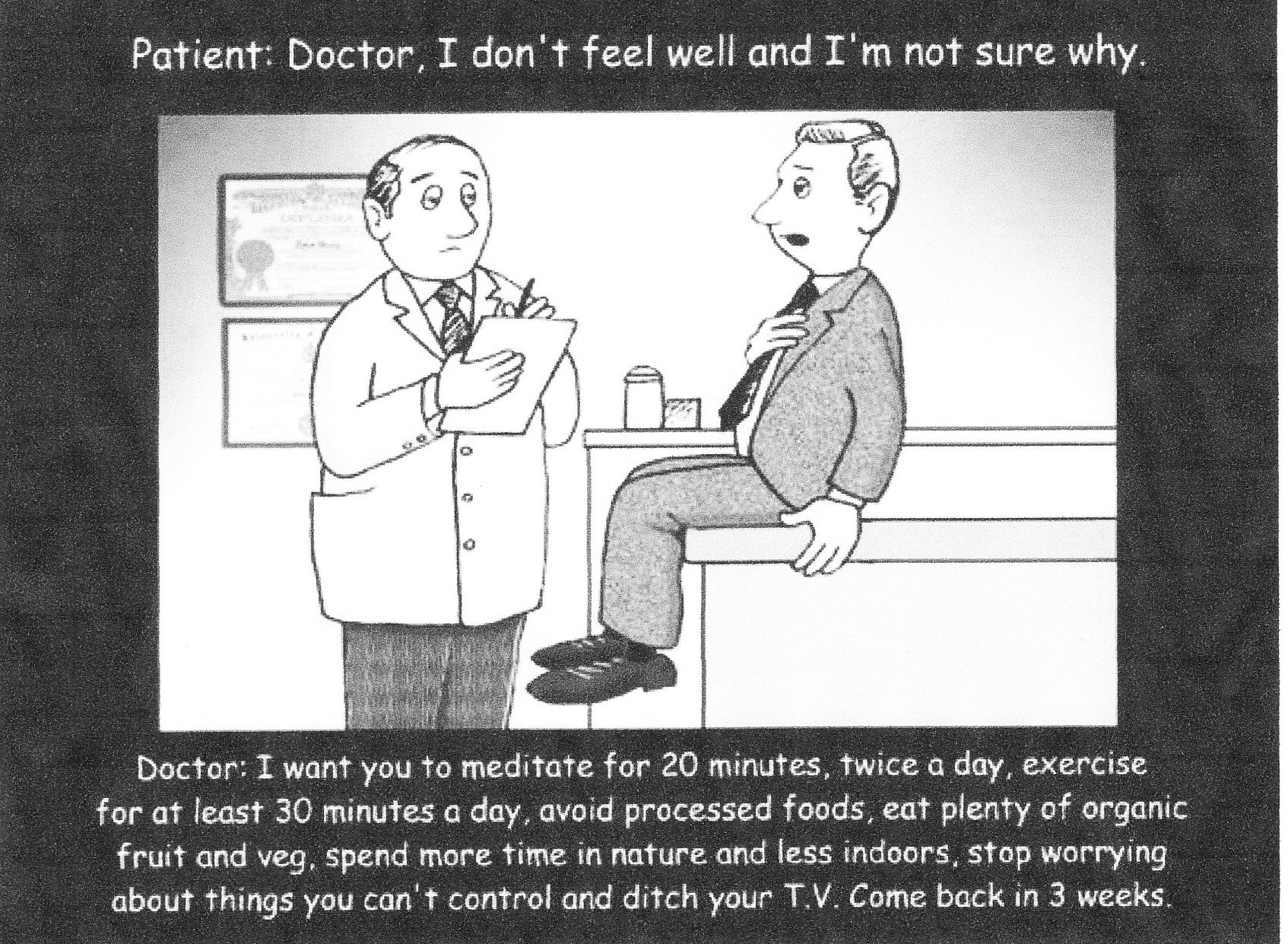
Cartoon humor: A Prescription for Health!


prescription-for-exercise-cropped

Hat tip to Tommy Wood MD, PhD for introducing me to this great cartoon.

So what would happen if your doctor prescribed this? Would you be shocked? Would you follow the advice? Sadly few doctors make such recommendations as explicitly as this cartoon and fewer patients follow the advice.

How important are the elements in this advice?

They are essential. We too often focus on dietary concerns at the expense of ignoring other important low hanging fruit. Early morning  outdoor exercise with exposure to natural light in a green space, even on a cloudy or rainy day, is essential for health. Why? There are many reasons. Click the link above to read fitness expert Darryl Edward’s discussion with references. In fact outdoor exercise in a greenspace is more beneficial than the same exercise indoors. The reasons are many, including but not limited to Vitamin D production.

Early daytime exposure to natural outdoor light helps to maintain our Circadian rhythm and align the biologic clock in all of our cells and organs with the central biological Circadian clock in our brain. Most folks do not know that we have a biologic clock deep within our brain and that all the organs and cells of our body also have clocks. They all need to be synchronized with each other and with the sun for optimal health. When they are not synchronized bad things happen. Night shift workers and other folks with disturbed sleep have higher rates of cancer , depressionhypertension, heart attack and stroke.

Maintaining our circadian rhythm is vital to achieving adequate high quality restorative sleep. In turn, obtaining adequate restorative sleep contributes to lower cardiovascular disease risk in addition to four traditional lifestyle risk factors.

Exposure to artificial light at night disrupts our circadian rhythm and impairs the onset of sleep.

In medical school I learned that our retina has two cell types, rods and cones. But advances in science have revealed a  third cell type called retinal ganglionic cells. 

These cells are  particularly sensitive to blue light and directly connected to our central biological clock . Exposure to artificial light, especially from TV screens, computers, cell phones and other electronic devices after sunset disrupts our sleep cycle and delays the onset of sleep. That is why wearing blue light filtering glasses in the evening helps many folks to improve their sleep quality and duration.

Sleep deprivation for even one night causes elevation in interleukin 6 levels the following day. Interleukin 6 suppresses immune function and excessive levels cause bone and tissue damage (especially cardiovascular). Sleep deprivation  increases  Stress hormones (cortisol, adrenalin), decreases prolactin and Growth hormone , and decreases the nightly production of ATP .

Melatonin , often called the sleep hormone, is produced most abundantly during restorative sleep and essential for tissue healing, immune function, cancer prevention, and defense against tissue oxidation. These are just a few of the roles melatonin and sleep cycles play in determining our health..

So exercise outdoors in a green space daily to help synchronize your biologic clock with the sun, dim the lights in the evening and if you must watch TV or work on electronic devices before bed wear Blue Light filter glasses .

Of course eating an abundance of colorful fresh organic vegetables and fruits, and practicing some stress reduction techniques every day are equally important and essential to health and functional status.

Finally, not mentioned in the cartoon above is another healthy lifestyle choice, intermittent fasting (IF). IF will be discussed in the next post.

Until then, sleep well, exercise regularly out doors in a green space environment, eat clean, learn and practice some regular stress reduction techniques and read the next post about IF.

Bob Hansen MD

Sugar Industry paid Harvard researchers to trash fat and exonerate sugar!

By now most of you have already heard about the study published in JAMA that reveals an unsavory historical scenario wherein the sugar industry  funded an academic review paper that diverted the medical community’s attention from sugar as a vector for disease and erroneously placed it on saturated fat and cholesterol consumption. You can read about it by clicking on the following link.

How the Sugar Industry Shifted Blame to Fat – The New York Times

Here is a quote from the above cited article in the NY times:

The internal sugar industry documents, recently discovered by a researcher at the University of California, San Francisco, and published Monday in JAMA Internal Medicine, suggest that five decades of research into the role of nutrition and heart disease, including many of today’s dietary recommendations, may have been largely shaped by the sugar industry.

Here is the abstract of the article published in JAMA (Journal of the American Medical Association).

Sugar Industry and Coronary Heart Disease Research:  A Historical Analysis of Internal Industry Documents | JAMA Internal Medicine | JAMA Network

Early warning signals of the coronary heart disease (CHD) risk of sugar (sucrose) emerged in the 1950s. We examined Sugar Research Foundation (SRF) internal documents, historical reports, and statements relevant to early debates about the dietary causes of CHD and assembled findings chronologically into a narrative case study. The SRF sponsored its first CHD research project in 1965, a literature review published in the New England Journal of Medicine, which singled out fat and cholesterol as the dietary causes of CHD and downplayed evidence that sucrose consumption was also a risk factor. The SRF set the review’s objective, contributed articles for inclusion, and received drafts. The SRF’s funding and role was not disclosed. Together with other recent analyses of sugar industry documents, our findings suggest the industry sponsored a research program in the 1960s and 1970s that successfully cast doubt about the hazards of sucrose while promoting fat as the dietary culprit in CHD. Policymaking committees should consider giving less weight to food industry–funded studies and include mechanistic and animal studies as well as studies appraising the effect of added sugars on multiple CHD biomarkers and disease development.

This disturbing conspiracy reveals yet another industry sponsored distortion of science which had great impact on the health of our nation. The impact is accelerating today as the epidemics of obesity and diabetes rage out of control. But sugar consumption has not just been tied to obesity, diabetes, heart attacks and strokes. Sugar added foods and beverages have likely contributed to dementia,  many forms of cancer and other chronic debilitating diseases. Sugar and refined carbohydrates mediate these effects by increasing systemic inflammation and contributing to insulin resistance. Inflammation and insulin resistance are pathways to many disease processes. Metabolic syndrome (pre-diabetes) is the hallmark combination of multiple abnormalities with insulin resistance as the underlying root cause. Prolonged insulin resistance leads to type 2 diabetes and contributes to heart attacks, strokes,  cancer and dementia. In fact dementia is often referred to as type 3 diabetes, mediated in large part by insulin resistance in the brain.

Here are links to discussions and videos relevant to these topics.

Preventing Alzheimer’s Disease Is Easier Than You Think | Psychology Today

How to Diagnose, Prevent and Treat Insulin Resistance [Infographic] – Diagnosis:Diet

Reversing Type 2 diabetes starts with ignoring the guidelines | Sarah Hallberg | TEDxPurdueU – YouTube

I have previously provided links to the YouTube lectures given by the brilliant Dr. Jason Fung, These are worth mentioning again.

The Aetiology of Obesity Part 1 of 6: A New Hope

Insulin Toxicity and How to Cure Type 2 Diabetes

How to Reverse Type 2 Diabetes Naturally

Nina Teicholz is also worth a watch.

Nina Teicholz: The Big Fat Surprise – (08/07/2014)

And here is an important talk about sugar, refined carbohydrates and cancer.

Plenty to chew on.

We did not evolve to eat lots of sugar! It is dangerous stuff.

Bob Hansen MD


STATINS OF NO BENEFIT AGE 80 AND UP, even after a heart attack!

Finally IT HAS BEEN LOOKED AT AND TRUTHFULLY PUBLISHED, statin drugs for individuals 80 years of age and older  WITH DOCUMENTED HEART DISEASE SHOWS NO BENEFIT, EVEN AFTER A HEART ATTACK

Here is the abstract from the study

Statin Therapy and Mortality in Older Adults With CAD
Abstract
Objectives: To examine the effect of statins on long-term mortality in older adults hospitalized with coronary artery disease (CAD).
Design: Retrospective analysis.
Setting: University teaching hospital.
Participants: Individuals aged 80 and older (mean aged 85.2, 56% female) hospitalized from January 2006 to December 2010 with acute myocardial infarction (AMI), unstable angina pectoris, or chronic CAD and discharged alive (N = 1,262). Participants were divided into those who did (n = 913) and did not (n = 349) receive a discharge prescription for a statin.
Measurements: All-cause mortality over a median follow-up of 3.1 years.
Results: Participants treated with statins were more likely to be male, to have a primary diagnosis of AMI, to have traditional cardiovascular risk factors, and to receive other standard cardiovascular medications in addition to statins. In unadjusted analysis, statin therapy was associated with lower mortality (hazard ratio (HR) = 0.83, 95% confidence interval (CI) = 0.71–0.96). After adjustment for baseline differences between groups and propensity for receiving statin therapy, the effect of statins on mortality was no longer significant (HR = 0.88, 95% CI = 0.74–1.05). The association between statins and mortality was similar in participants aged 80 to 84 and those aged 85 and older.
Conclusion: In this cohort of older adults hospitalized with CAD, statin therapy had no significant effect on long-term survival after adjustment for between-group differences. These findings, although preliminary, call into question the benefit of statin therapy for secondary prevention in a real-world population of adults aged 80 and older and underscore the need for shared decision-making when prescribing statins in this age group.

In layman’s terms. This study compared patients aged 80 and older who were hospitalized with documented coronary artery disease and compared those sent home on statins and those sent home without a prescription for statins. There was no difference in death rates between the two groups. The use of statins in this situation (known heart disease) is referred to as secondary prophylaxis. Secondary prophylaxis would be expected to have greater risk reduction when compared to primary prophylaxis (no know heart disease).

I have advocated against the use of statins in primary prophylaxis. Statin Guidelines, one step forward, two steps backwards | Practical Evolutionary Health

The data in this study shows no protection from statins when used for secondary prophylaxis (higher risk group) for age 80 and above.

For more discussions on statins, atherosclerosis, coronary artery disease, go here. Statin Drugs | Practical Evolutionary Health

Live clean, eat clean, sleep well.

Bob Hansen MD

Nutrition Journals and the influence of the food industry

Ever wonder why the public is so confused about nutrition recommendations? Just follow the money and you will understand that most of the professional societies that publish nutrition articles are funded by big food companies that are trying to sell more sugar, refined carbs and junk food. I recently read an excellent post about this topic here:

The Vilest Villain: American Society of Nutrition

This theme is repeated by medical journals that are “The Official Journal of the Society of >>>>>>” Just fill in the blanks for just about any medical society. Funding comes from big pharmaceutical companies the same way that funding in the nutrition Journals comes from large (junk) “food” manufacturers.

Don’t get me wrong, there are plenty of very valuable, life-saving drugs out there.

But most chronic human disease in developed societies is generated by various combinations of poor nutrition, lack of exercise, disruption of circadian rhythm, inadequate restorative sleep, stress and lack of social support systems.

The obesity and diabetes epidemics continue to worsen yet the failed dietary advise of major health organizations is slow to respond to the data. Excess refined carbs (especially in the form of “food” made with flour) and added sugar (especially in the form of HFCS) are the major driving forces for obesity, diabetes and cardiovascular disease. Red meat is not the culprit, provided the meat is properly sourced (hormone and antibiotic free, grass fed) and cooked in a manner that does not create carcinogens and inflammatory mediators (cook with slow, low, moist heat, high temperature grilling and smoking cause problems, but that topic  is for another post).

Americans consume an average 130 pounds per year of added sugar and 140 pounds per year of refined flour. Those are averages so there are many people who consume more. The added sugar is not the white stuff people put in their coffee. It comes in all sorts of forms but is found in energy drinks, soda, lattes and mochas, salad dressing,  ketchup, canned soups, canned vegetables, white AND whole grain breads, pasta (even “whole grain”), crackers, breakfast cereal,  just about any packaged food that has more than one ingredient on the label. These foods represent 70% of the American diet. The problems created by this situation are enormous and will bankrupt our “healthcare system”. This is a cultural and economic problem.

The solutions are simple but largely ignored in our society. We are creatures of habit and convenience.

Eat whole foods, nothing from a package that has more than one ingredient. Eat meat, seafood, poultry, fresh organic vegetables (6-9 servings per day), fresh organic fruits, and nuts. Meat should be hormone and antibiotic free (free range, grass fed). Seafood should be wild. Poultry should be free range and the eggs should come from free range chickens, ducks, geese.

Do not worry about eating fat as long as it comes from healthy animals and sources such as coconut oil, extra-virgin olive oil, avocado oil and clarified butter (ghee).

Do not use any “vegetable” oils (corn, soy, and other oils from grains or seeds) The vegetable oils are highly refined and inflammatory. They contain easily oxidized omega 6 fats that feed the production of inflammatory mediators in your body and create oxidized LDL leading to atherosclerosis.

Exercise daily, preferably outside in a green space. Twice per week spend 20-30 minutes  doing resistance training (lift weights, work against the resistance of bands, use your own body weight doing pushups, pull-ups etc)

Reduce stress with mediation, yoga, tai chi, dancing, engaging in fun sports and social activities. Walk on the beach, by a lake, river or stream, in the woods, listen to music.

Get some sunshine regularly especially during the morning to get your circadian rhythm in order and to produce adequate amounts of vitamin D.

Spend time with family, friends and colleagues who are supportive and fun to be around.

Sleep in the dark.

Get at least 7 hours of sleep per night. Avoid TV, computer screens and other electronic devices for at least 2 hours before bedtime.

Unplug from the internet, email, etc on a regular basis.

We evolved as hunter-gatherers.

Peace

Bob Hansen MD