Category Archives: stress

COVID-19: ARDS, CYTOKINE STORM, and GLUTATHIONE

My good friend Dr. Deborah Gordon recently sent me a terrific article on an Integrative Medicine Approach to Covid-19. It confirmed much of what I have discussed about COVID-19 and provides 383 scientific references (many of which were cited in my previous posts). Thank you Dr. Deborah!

In my last post I promised to write about glutathione and cytokine storm.

Cytokines are proteins made by our immune system. When our body suffers an infection, cytokines act as essential signaling proteins that produce a defensive inflammatory response. In a cytokine storm the usual regulatory process that helps resolve inflammation becomes disturbed and self destruction can occur.

With COVID-19 this can happen in any organ of the body but frequently starts in the lungs, resulting in ARDS (Acute Respiratory Distress Syndrome).

In most clinical contexts the mortality rate of ARDS is 40-45%. In the context of COVID-19 it is 80-90 % lethal in most clinical reports (twice the usual mortality rate for ARDS). However, the ICU doctors in the Northwell Hospital system in NYC have been using NAC (n-Acetylcysteine).

While using NAC as part of their treatment protocol of COVID-19 associated ARDS, they are getting 50% of patients off the ventilator with a significant reduction in mortality rates compared to previous reports (personal communication with a Northwell physician and also mentioned in the Review Article cited above.)

This drug (also available as a dietary supplement) has been used for decades to treat acetaminophen (APAP) overdose (Tylenol brand name, also called paracetamol in Europe). If not treated early APAP overdose commonly causes death from liver failure.

Chronic acetaminophen toxicity is the most common cause of liver failure leading to liver transplant in the US.

How does this treatment  with NAC work in the setting of APAP overdose?

“When paracetamol is taken in large quantities, a minor metabolite called N-acetyl-p-benzoquinone imine (NAPQI) accumulates within the body. It is normally conjugated by glutathione, but when taken in excess, the body’s glutathione reserves are not sufficient to deactivate the toxic NAPQI. This metabolite is then free to react with key hepatic enzymes, thereby damaging liver cells. This may lead to severe liver damage and even death by acute liver failure.”

NAC (n-acetylcysteine) provides cysteine, one of the three amino acids that make up glutathione.

“glutathione synthesis is primarily controlled by the cellular level of the amino acid cysteine, the availability of which is the rate-limiting step.”

So by providing a source of cysteine, the body produces more glutathione which can detoxify the liver damaging metabolites of APAP.

Glutathione is our MASTER ANTI-OXIDANT. Since a cytokine storm involves an overwhelming amount of oxidative stress, glutathione is obviously important.

Clinical research in the 1990s established that the lungs of patients with ARDS are very deficient in glutathione.

A profound 20 fold reduction was confirmed in this study.

“Glutathione is a tripeptide that is able to react with and effectively neutralize oxidants, such as hydrogen peroxide. The present study found that the alveolar epithelial lining fluid of patients with ARDS was deficient in total glutathione compared with that of normal subjects (31.5 ± 8.4 versus 651.0 ± 103.1 µM, p = 0.0001) and patients with cardiogenic pulmonary edema (31.5 ± 8.4 versus 154.1 ± 52.4 µM, p = 0.001). In addition, a greater percentage of total glutathione was in the oxidized form in patients with ARDS compared with normal subjects (30.6 ± 6.1 versus 6.4 ± 2.9%, p = 0.03). This deficiency of reduced glutathione in the alveolar fluid may predispose these patients to enhanced lung cell injury.

Subsequent studies of humans with ARDS on ventilators showed clinical benefit by increasing glutathione levels with NAC.

“In our controlled clinical trials with NAC we found that patients with ARDS have depressed plasma and red cell glutathione concentrations, that these levels are substantially increased by therapy with intravenous NAC and there are measurable clinical responses to treatment with regard to increased oxygen delivery, improved lung compliance and resolution of pulmonary edema.”

Despite these findings decades ago, the use of NAC for ARDS has not been widely adopted. But it would make sense to employ this inexpensive medication, widely used for APAP overdose, for ARDS and in particular for cytokine storm caused by COVID-19.

Oxidative stress decreases glutathione levels and if these levels reach a critically  low level in tissues, organ damage can ensue rapidly. Cytokine storm is the extreme example.

Chronic alcohol abuse also decreases protective glutathione levels in the lung.

In my recent posts on COVID-19 I have pointed out that alcohol (even 2 drinks) suppresses the immune system for at least a few days. Alcohol consumption is a double hit, first as an immune suppressant, then as a major source of oxidative stress and reduction in protective glutathione levels. Two glasses of wine tonight followed by a COVID-19 sneeze in your face the next day could be the difference between an effective immune response (mild symptoms) versus an overwhelming life threatening infection!

Likewise, one night of inadequate sleep (which immediately suppresses immunity) followed by a COVID sneeze in your face the next day could have the same deleterious effect.

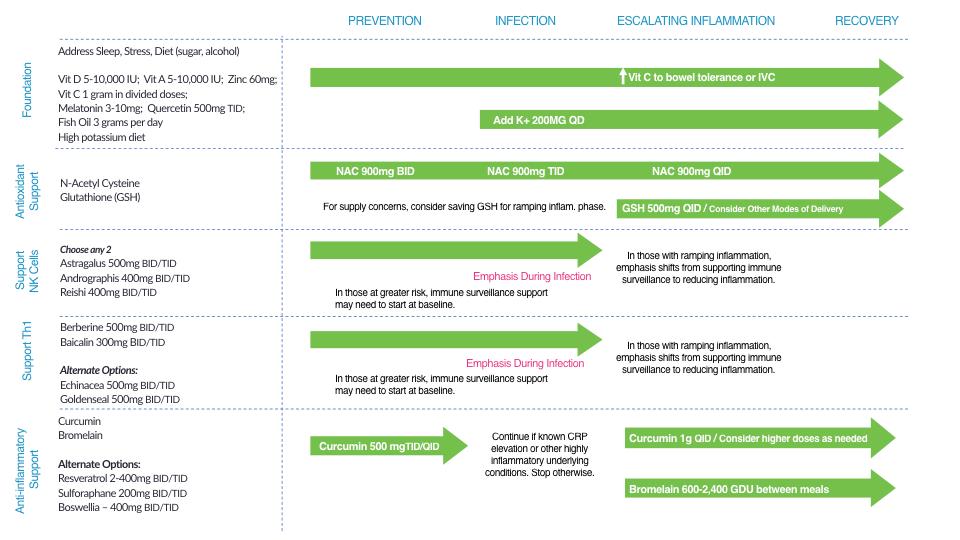
Below is a chart from the review article mentioned at the start of this post. Notice the top line states “ADDRESS SLEEP, STRESS, DIET, SUGAR, ALCOHOL

If you have been reading my posts on COVID-19, you have heard this before.

integrative medicine chart

Notice the second row in the chart with escalating doses of NAC as intensity of disease increases. When cytokine storm hits NAC dose recommendations peak and glutathione (available for IV administration) is recommended. IV glutathione surprisingly is not part of most hospital formularies and I have never seen it used in a hospital setting. Functional medicine physicians sometimes use it outside of the hospital setting. IV glutathione has become a sexy and lucrative office procedure in some functional medicine practices.

NAC has high bioavailability, meaning it is absorbed well in our gut. So oral supplementation can rapidly and effectively increase levels of glutathione in the body. IN FACT, treatment of acetaminophen overdose in the ER typically begins with oral NAC (often administered through a naso-gastric feeding tube, passed through the nose and into the stomach) Doses are often calculated by the regional poison control center (available by phone 24/7/365) and subsequent doses follow a standard protocol based on weight.

I would encourage you to read through this COVID-19 INTEGRATIVE MEDICINE review article.

It is thick with science but you might be surprised by how much you understand and learn.

In the chart above there is specific mention of Vitamin C supplementation in escalating doses as degree of illness increases. Vitamin C is an important anti-oxidant and in that sense is a glutathione sparing agent helping to mitigate glutathione depletion.

Other important factors mentioned in the article and the chart above include items mentioned here in previous posts: ZINC, ZINC IONOPHORES, phytochemicals (quercitin, EGCg, curcumin), Vitamin D, exercise, sleep, stress reduction, sunshine.

So I will close this post the way I have closed on many posts related to COVID-19.

Support your immune system.

In the context of the COVID 19 pandemic I will close with the usual summary.

  1. Avoid alcohol consumption (alcohol wreaks havoc with your immunity)
  2. Get plenty of sleep (without adequate sleep your immune system does not work well )
  3. Follow good sleep habits
  4. Exercise, especially out of doors in a green space, supports the immune system
  5. Get some sunshine and make sure you have adequate Vitamin D levels. Supplement with Vitamin D3 to get your levels above 30 ng/ml, >40ng/ml arguably better.
  6. Eat an anti-inflammatory diet rich in micronutrients.
  7. Practice stress reduction like meditation and yoga which improves the immune system
  8. Eliminate sugar-added foods and beverages from your diet. These increase inflammation, cause metabolic dysfunction, and suppress immunity.
  9. Eliminate refined-inflammatory “vegetable oils” from your diet, instead eat healthy fat.
  10. Clean up your home environment and minimize your family’s exposure to environmental toxins by following recommendations at EWG.org with regards to household products, personal care products, and organic foods. (https://www.ewg.org/)
  11. Drink water filtered through a high quality system that eliminates most environmental toxins.
  12. HEPA filters or the home-made version (Corsi-Rosenthal box) used in your home or workplace can reduce circulating viral load by 80%. This works for any respiratory virus transmitted by aerosol and this winter we have the triple threat of RSV, Influenza, and SARS-CoV-2. It also decreases indoor air pollution.
  13. If you are eligible for vaccination, consider protecting yourself and your neighbor with a few jabs. Age > 50 and/or risk factors (Diabetes, pre-diabetes, insulin resistance, hypertension, obesity, heart disease, COPD, asthma, cancer treatment, immune suppression) suggests benefit from a booster. Risk for complications of boosters in adolescents, especially males, without risk factors, may equal benefit. Previous infection with Covid can be considered as protective as a booster. Discuss risk vs benefits with your doctor.

THIS WEBSITE PROVIDES INFORMATION FOR EDUCATIONAL PURPOSES ONLY. CONSULT YOUR HEALTH CARE PROVIDER FOR MEDICAL ADVICE.

Eat clean, drink filtered water, love, laugh, exercise outdoors in a greenspace, get some morning sunlight, block the blue light before bed, engage in meaningful work, find a sense of purpose, spend time with those you love, AND sleep well tonight.

Doctor Bob
Glutathione review links are below:

Glutathione!

Mitochondrial Glutathione, a key survival antioxidant

Glutathione: overview of its protective roles, measurement, and biosynthesis

Study shows only 12% of US adults are metabolically healthy!

What does this mean? The authors of this study looked at several important markers of health: waist circumference, fasting blood sugar, hemoglobin A1c, blood pressure, triglycerides, HDL, and whether someone was taking any medication related to these markers. They used data from the National Health and Nutrition Examination Survey 2009-2016. Only 12.3% of US adults qualified as healthy on all measures. So how did we get into this horrible situation?

Let’s step back and look at modifiable factors that play into these health measures.

  • Adequate restorative sleep
  • Stress
  • Nutrition
  • Exercise
  • Sunlight (Vitamin D)
  • Social connection
  • Environmental toxins
  • Rest

I have discussed the importance of sleep in several posts. Following this link you will find recommendations for good sleep habits that can enhance the quality and duration of your sleep.

If you have not watched Dan Pardi’s discussion of “HOW TO OPTIMIZE LIGHT FOR HEALTH” I recommend you watch this.

STRESS

Stress reduction is a huge topic. Managing stress involves so many areas it deserves a separate discussion. But here are some basics. Getting adequate sleep is the place to start. Activities like Meditation, Yoga, moderate exercise (walking outdoors in a green space) Tai Chi, music, practicing Mindfulness, and spending time with family and friends are all potential avenues to reduce the deletrious effects of stress in our lives.

NUTRITION

I have presented one approach to an anti-inflammatory diet  and if you have not read through the details just follow the link. The low hanging fruit begins with elimination of processed foods, sweetened beverages, and pro-inflammatory “vegetable oils” (OILS made from corn, soy, cottonseed, safflower, sunflower, canola, margarine). EAT WHOLE FOODS.

TO LEARN ABOUT THE ILL-EFFECTS OF “VEGETABLE OILS” LISTEN TO NINA:

EXERCISE

My post about exercise as medicine can be found here. 

The best way to exercise is to play as described by my friend Daryl Edwards in his TED talk.


Most Americans do not get enough, but some get too much. Moderation is important.

SUNLIGHT

Getting outdoor light exposure early in the day and avoiding the deleterious effects of artificial light in the evening (wear blue light blocking glasses in the evening) are two important ways to get the most benefit from light exposure, improve your sleep and enhance your Vitamin D level. Exercise outdoors in a green space provides more benefit than walking the treadmill indoors.

SOCIAL CONNECTION

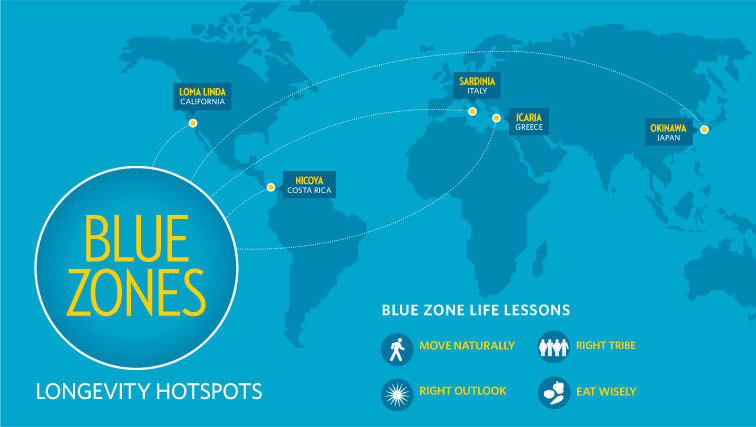
Blue Zones are areas in the world that have the greatest numbers of individuals living to age 100. The climates and food varies among the various areas. They  all have two things in common. First is a high degree of social connection, strong family ties, lifelong friends. Social connection within a supportive community is arguably one of the most important factors affecting health, longevity, and healthspan. Second, they eat REAL WHOLE FOOD.

blue zones longevity hotspots.jpg


ENVIORNMENTAL TOXINS

Part of eliminating environmental toxins includes consuming organic fruits and vegetables and eating meat, poultry and eggs from hormone-free, antibiotic-free, free- range/pastured sources. (ALL PART OF AN ANCESTRAL/PALEO DIET) If you are not familiar with the “dirty dozen” and the “clean 15” head on over to EWG.org where you will learn not only about what foods have the most/least residual pesticides, but also what personal care products and household cleaners are safe for you and your family.

WATER: Because humans have spent the last 4-5 decades polluting our air and water there is probably no water supply that is totally free of enviornmental toxins. To minimize your consumption of enviornmental toxins, filter your drinking water through a high quality system.

REST

Matthew Redlund MD has written a great book “THE POWER OF REST”. Here he discusses why sleep is not enough.

The fact that only 12% of American adults are metabolically healthy should be cause for great alarm. All chronic and degenerative  diseases including dementia, heart disease, stroke, arthritis and cancer rise as metabolic health deteriorates.

Remember, this website offers educational information only. Consult your health care provider for medical advice.

Sleep well, exercise outdoors, laugh, love, engage in meaningful work, drink filtered water, eat clean, eat whole foods, get plenty of sunshine, spend time with those you love.

Doctor Bob


My Autoimmune Disease: remission with the AIP (and one medication)

In September of 2018 I awakened with swollen, red and painful hands. I could not make a fist. I could not grip a steering wheel without extreme pain. I left dropped items on the floor because it was too painful to pick them up. All of my joints were painful and stiff. My legs were swollen. My wife had to help dress me so I could go to work. The simplest hand techniques to perform nerve blocks were painful. Just putting on sterile gloves caused severe pain. This happened just a few days after a week of camping. I felt weak all over and had trouble sleeping, unable to find a comfortable position.

(My camping vacation included digressions from my typical paleo/ancestral diet. I drank wine, ate some gluten containing foods and some dairy. I ate some wheat and sugar containing deserts.)

As a physician I ordered a variety of blood tests for tick born illness (such as Lyme’s Disease), rheumatoid arthritis, and other disorders that could cause my symptoms. All tests were negative except for an inflammatory marker (hsCRP) which was very high.

I queried physician friends about something I may have overlooked. No suggestions were forthcoming above and beyond what I had already done.

I prescribed myself a non-steroidal anti-inflammatory drug  NSAID. That provided modest relief but I was still suffering severe symptoms.

After 6 stubborn weeks I consulted a rheumatologist and he diagnosed me as having  “sero-negative” rheumatoid arthritis. Given the choice of several pharmaceutical interventions I chose the least toxic and started a drug called hydroxychloroquine. I was told it would take about 3 months to produce results, and in the meantime should continue the NSAID.

I immediately started to follow the Autoimmune Protocol AIP

Within one week of the AIP the redness in the joints of my hands was gone.

Within 2 weeks the pain in my joints was significantly reduced.

Within 3 weeks the swelling in my hands/fingers was completely gone and I stopped the NSAID. I no longer had pain in my hands and fingers while doing every day tasks.

Within 4 weeks I was able to resume my daily yoga and Pilates routine.

Within six weeks I felt in complete remission.

My rheumatologist agreed that I appeared to be in remission at follow up visit (no signs of inflammation, synovitis, etc., on examination with resolution of presenting symptoms) but he was and remains skeptical about the auto-immune protocol.

My clinical response was clearly way ahead of the expected time sequence for hydroxychloroquine. I concluded that the AIP was a major factor in my recovery.

All X-rays and MRI scans of my joints (which have suffered from osteoarthritis) were negative for the typical findings associated with rheumatoid arthritis.

The autoimmune protocol is a combination of lifestyle modifications involving diet, sleep, exercise, and stress reduction. It goes beyond the paleo diet. The paleo (ancestral) diet  eliminates processed/refined foods,  grains, legumes, dairy, added sugar, and refined vegetable oils. It stresses the consumption of a variety of organic vegetables and organic fruit, grass-fed meats, organ meats, free range poultry and eggs, wild seafood. The auto-immune protocol adds further restrictions: no nuts, eggs, nightshades, seeds, spices from seeds, and absolutely no alcohol.

There are many reasons for the added restrictions under the AIP. The added dietary restrictions are important for what they avoid but also important for the resulting increase in other beneficial foods that are allowed. The foods are omitted because they can cause or contribute to: gut irritation, dysbiosis, act as carrier molecules across the gut barrier, increase gut permeability, and/or cause inflammation. In theory, by eliminating those foods (hopefully on a temporary basis) and substituting nutrient dense less potentially harmful foods, we reduce some of the contributing factors to autoimmunity and inflammation.

For a detailed discussion of the AIP I suggest you visit Sarah Ballantyne’s  website and read her book: The Paleo Approach, Reverse Autoimmune disease and Heal Your Body.

Avoiding potentially harmful foods and beverages while increasing healthy nutrient dense foods represents the major focus of many individuals following the AIP. But equally important are the other lifestyle components. These include obtaining adequate  restorative sleep, reducing/managing stress (Stress Reduction and Health), getting reasonable amounts of playful exercise (this should be fun and occur in a green space as much as possible), sunshine, eliminating exposure to  environmental toxins, drinking filtered water, and frequent contact with supportive family and friends. Without addressing all of these areas one is not likely to succeed in achieving remission from an auto-immune disease.

In addition to Sarah’s Ballantyne’s book and website, if you have an auto-immune disease I recommend Dr. Terry Wahl’s website and book. Dr. Wahl’s, a medical school faculty physician, teacher and researcher,  was wheelchair bound with Multiple Sclerosis and facing death having failed all available medical treatments as well as some experimental drug protocols. She read about functional medicine, paleo nutrition and evolutionary biology in order to create her own treatment plan. One year latter she was in remission and riding her bike 20 miles. She subsequently raised money to do clinical research using her version of the AIP and has published a successful clinical trial.

There have been few controlled clinical trials of the AIP for auto-immune disease, largely because it does not involve drug research (no profits to be made) and because the NIH does not like to fund studies that alter multiple parameters at one time. Unfortunately, NIH funding has followed a drug and surgery model of medical treatment and does not look favorably on lifestyle interventions (one exception being the Mediterranean diet). I hope that bias changes in the future. In the meantime, physicians and scientists like Terry Wahls MD and Dale Bredesen MD, PhD (neurologist/researcher/author, The End of Alzheimer’s) remain pioneers in functional medicine and lifestyle interventions, being left to start their own foundations and raise money to fund medical research.

Both of these physicians have conducted clinical trials of lifestyle interventions (see below) that have produced revolutionary results, largely ignored by major medical societies and medical organizations. Progress occurs slowly, today’s iconoclasts are often tomorrows Nobel laureates.

Sometimes, despite significant clinical improvement with the AIP, some medication remains necessary with an auto-immune disease. If the auto-immune disease has been present for a long time, permanent damage may be present. That does not represent failure. If one can reduce drug doses, eliminate one or more drugs from a complicated medical regimen, and improve symptoms beyond what drugs alone achieve, I would call that success. Anecdotal reports from many patients (including my own) with auto-immune disease, suggest that it is not a cure-all, and those that show significant clinical improvement demonstrate various time responses ranging from weeks to several months in order to see results. But there are no down-sides to the AIP, no bad side-effects, no dangerous drugs, and only potential for clinical improvement. That seems like a no-brainer to me.

After eight weeks of strict dietary adherence, having achieved remission and appearing to be stable, I slowly added back small amounts of eggs, nuts and some nightshades (one at a time, observing for negative responses). I have been successful with that approach. I have not suffered any symptoms of rheumatoid arthritis since my initial remission. I remain on a paleo/ancestral diet and remain very cautions with regards to sleep habits, exercise, stress reduction, and social support. I try to laugh frequently and continue to engage in meaningful work. All of these components are essential to the AIP and to healthy living in general.

The following are links to published studies on the auto-immune protocol as well as links to a similar lifestyle intervention for Alzheimer’s disease. Another link is an editorial on inflammatory bowel disease and diet. The Autoimmune Protocol has been studied for Inflammatory Bowel Disease. In a peer reviewed published clinical trial it improved symptoms and inflammation seen on endoscopy, even producing remission in some patients. (https://www.ncbi.nlm.nih.gov/pmc/articles/PMC5647120/) It has also been studied for Hashimoto’s Thyroiditis and found to be effective .(https://www.ncbi.nlm.nih.gov/pmc/articles/PMC6592837/)

Efficacy of the Autoimmune Protocol for Hashimoto’s Thyroiditis

Efficacy of the Autoimmune Protocol for Inflammatory Bowel Disease

Randomized control trial evaluation of a modified Paleolithic dietary intervention in the treatment of relapsing-remitting multiple sclerosis: a pilot study.

Multimodal intervention improves fatigue and quality of life in subjects with progressive multiple sclerosis: a pilot study.

Diet and Inflammatory Bowel Disease

A Multimodal, Nonpharmacologic Intervention Improves Mood and Cognitive Function in People with Multiple Sclerosis.

Reversal of cognitive decline in Alzheimer’s disease.

Inhalational Alzheimer’s disease: an unrecognized – and treatable – epidemic.

A colleague and scientist (Pedro Bastos), after reading my post, sent the following links to related articles (two by Loren Cordain, and a Master’s Thesis by one of his graduate students). For those interested in understanding the theories of molecular mimicry as triggers and mechanisms in autoimmune disease, Cordain’s work is outstanding.

Cereal grains, double-edged sword, Loren Cordain, 1999, Evolutionary Aspects of Nutrition and Health.

Rheumatoid Arthritis, molecular mimicry, dietary lectins, Loren Cordain, 2000, British Journal of Nutrition

Master’s Thesis, auto-immune disease and Paleo Diet, Trevor Connor

Eat clean, sleep well, exercise out-doors, get sunshine, love and laugh.

Bob Hansen MD

Sleep! You can’t live without it.

Circadian rhythm refers to the cycling of hormones according to the time of day. Every hormone cycles with daylight and darkness, each in it’s own way. Our brain has a master clock, called the circadian clock, controlled by specialized cells deep in the brain. There is a direct connection from our retina (in the back of the eyes) to the circadian clock in the brain. Blue light (part of the normal outdoor spectrum of light) stimulates very specific receptor cells in the retina which in turn communicates directly with the circadian clock telling the brain whether it is day or night. To synchronize our hormones and achieve restorative sleep, we must get outdoor light exposure to our eyes (without sunglasses, early in the day) and limit light exposure in the evening.

Artificial light, especially from cell phones and other devices that emit intense blue light, shift work, late night social activity, poor eating habits, sedentary lifestyle and at the opposite extreme, late evening workouts,  can all disrupt our circadian rhythm preventing adequate restorative sleep. A rare genetic illness called fatal insomnia that strikes adults at middle age prevents sleep and results in death within a few months, highlighting the importance of sleep. Sleep deprivation can kill a human quicker than starvation! Adequate amounts of deep non-REM sleep are required for tissue regeneration, healing, DNA repair and immune function. REM sleep with dreaming provides great benefit by organizing our memory, discharging the emotional content of traumatic events, and facilitating creative brain activity. One night of short-sleep produces a state of inattention and slow reflexes as dangerous as driving under the influence of alcohol intoxication. Chronic  short sleep and disrupted circadian rhythm results in increased risk of depression, cancer, hypertension, diabetes, dementia, obesity, metabolic syndrome, insulin resistance, heart attack and stroke, to name a few. Sleep interruption immediately halts weight loss during a calorie restricted diet (likely the result of hormonal disruption). So getting an adequate amount of restorative sleep every night is essential to good health. Here a few tips to help achieve a good night’s sleep each and every night.

  1. GET OUTDOOR LIGHT EXPOSURE ON YOUR EYES WITHOUT SUNGLASSES EVERY DAY, EARLY IN THE DAY. This helps set your biologic/circadian clock. Even on a cloudy day, outdoor light is much stronger and natural than indoor light. It is essential for setting your biologic/circadian clock. If you cannot get outside, stand or sit in front of a large window for 20-30 minutes in the morning, looking outside. Take a lunch break outside without sunglasses. Wear a shade hat instead of sunglasses. Your brain needs to experience natural outdoor light during the day.
  2. Avoid bright light in the evening, especially the light from TV, computer screens, cell phones, which all emit intense blue light and trick your brain into thinking it is daytime. Wear blue light blocking glasses/goggles for 2-3 hours before bed. (Amber tinted glasses which block blue light can be purchased on-line and can be worn over reading glasses) There is also software available that will decrease the blue light intensity of computer screens and cell phones in the evening.
  3. Practice time restricted eating. Limit all eating to an eight hour period, thus providing for an over-night fast of 16 hours. If that does not seem possible try to limit eating to a 10-hour period which provides a 14-hour overnight fast. This improves sleep, circadian rhythm, blood pressure, blood sugar and reduces stress hormones. NO SNACKS BETWEEN MEALS. NO FOOD FOR 2 HOURS BEFORE BED. For every hour decrease in eating time period from 12 hours to 8 hours you get health benefit.
  4. Eat an anti-inflammatory diet.
  5. If you snore, are overweight/obese, fall asleep during the day, or do not feel refreshed in the morning ask your doctor to order a sleep study. Obstructive Sleep Apnea makes restorative sleep impossible and increases risk of heart attack, stroke and most chronic diseases.
  6. Avoid alcohol altogether and avoid caffeine after late morning.  Alcohol in the evening may help you fall asleep but it results in a withdrawal from alcohol during the night. This disrupts normal sleep patterns.
  7. Sleep in a cold, dark, quiet room. Use black-out curtains, no night lights, no phone charger lights, no lights of any kind should be on in the room. Any amount of light in the room impairs the production of melatonin which facilitates sleep onset.
  8. Have a winddown time every evening. Develop habits of non-stressful activities, soft music, dim light, casual conversation, enjoyable reading. Do not spend evening time dealing with finances, conflict, or emotional activity.
  9. Try a magnesium supplement before bedtime. Magnesium glycinate, magnesium citrate, magnesium gluconate, are absorbed much better than cheaper supplements such as magnesium oxide. Magnesium L-Threonate is expensive, but it crosses the blood brain barrier into the brain with the greatest brain penetration of all magnesium supplements.
  10. Manage stress with yoga, meditation, regular exercise (but no intense exercise in the evening.) Perform most of your exercise outdoors in a green space. This provides much more health benefit than the equivalent exercise indoors.
  11. Regular contact with supportive family and friends is essential to health and reduces stress. The greatest predictor of health vs disease is the amount of social connectedness an individual experiences.
  12. Establish regular wake-up times and go-to-bed times. Regular sleep habits are essential. If you must rely on alarm clocks you do not have good sleep habits.

A few words about alcohol, caffeine and sleeping pills.

A drink or two in the evening may help you relax but it disrupts your sleep by causing a mild episode of alcohol withdrawal as your liver metabolizes the alcohol and your blood levels drop. Even this slight degree of alcohol withdrawal will impair a good night’s sleep.

Caffeine impairs sleep by blocking adenosine receptors in the brain. Adenosine is the neurotransmitter that increases gradually during the day creating a sate referred to as sleep pressure. Some people metabolize caffeine quickly, others slowly. The slower you metabolize caffeine the longer it takes to clear it from your adenosine receptors. Without adequate sleep pressure (adenosine receptors filled with adenosine in the brain) you cannot fall asleep. Many sleep experts recommend complete abstinence from caffeine and suggest that if you need caffeine to get started in the morning you are regularly sleep deprived.

Sleeping pills of all kinds interfere with normal sleep architecture. While they facilitate falling asleep, they impair your ability to achieve deep restorative stages of sleep and can produce many undesirable side effects including addiction, withdrawal symptoms, sleep walking, sleep driving, worsening of asthma and COPD, constipation, diarrhea, daytime drowsiness, burning and tingling sensations, unusual dreams, weakness, heartburn, etc…. Most importantly they all interfere with cycling through the various stages of sleep in a normal, restorative pattern!

If you want to explore these concepts in depth here are two excellent books that discuss sleep and circadian rhythm.

Why We Sleep, by Matthew Walker Ph.D.

The Circadian Code, by Satchin Panda Ph.D.

Eat clean, sleep well, spend time exercising out of doors, love one another.

Bob Hansen MD

The Broken Brain Docuseries is now re-running

Due to popular demand the producers of this terrific series are making it available again  on line this weekend. If you have not taken advantage of this information you can do it here:

Replay (YouTube) | Broken Brain

Enjoy

Bob Hansen MD

Weight loss, discussion by Tommy Wood MD, PhD

My friend and colleague, Dr. Tommy Wood, recently posted a terrific discussion on weight loss and the many factors to consider. You can read it here. Should Calorie Counting Be the Main Focus for Somebody Trying to Lose Weight (Body Fat)? | Nourish Balance Thrive

Tommy is the smartest physician I know. He researches a topic extensively and carefully separates bad science from good science.

If Tommy renders an opinion, you can take it to the bank.

Read the NBT post by Tommy at the link above and you will not be disappointed. Then sign up to receive short weekly e-mails with sound advice on health and nutrition.

I have discussed the importance of circadian rhythm, restorative sleep, hormonal effects of food choices, and the effects of stress. Tommy covers all of these and much more with links to scientific papers if you are interested in delving deeply into the issues. But if you just want sound advice on weight loss,  read the post and organize your life around improving your habits as he recommends.

Live clean, eat real food, spend time with friends and family, hug someone every day, engage in meaningful work, get sunshine early in the day, exercise in a green space and live in the moment.

Doctor Bob.

Nutrition Journals and the influence of the food industry

Ever wonder why the public is so confused about nutrition recommendations? Just follow the money and you will understand that most of the professional societies that publish nutrition articles are funded by big food companies that are trying to sell more sugar, refined carbs and junk food. I recently read an excellent post about this topic here:

The Vilest Villain: American Society of Nutrition

This theme is repeated by medical journals that are “The Official Journal of the Society of >>>>>>” Just fill in the blanks for just about any medical society. Funding comes from big pharmaceutical companies the same way that funding in the nutrition Journals comes from large (junk) “food” manufacturers.

Don’t get me wrong, there are plenty of very valuable, life-saving drugs out there.

But most chronic human disease in developed societies is generated by various combinations of poor nutrition, lack of exercise, disruption of circadian rhythm, inadequate restorative sleep, stress and lack of social support systems.

The obesity and diabetes epidemics continue to worsen yet the failed dietary advise of major health organizations is slow to respond to the data. Excess refined carbs (especially in the form of “food” made with flour) and added sugar (especially in the form of HFCS) are the major driving forces for obesity, diabetes and cardiovascular disease. Red meat is not the culprit, provided the meat is properly sourced (hormone and antibiotic free, grass fed) and cooked in a manner that does not create carcinogens and inflammatory mediators (cook with slow, low, moist heat, high temperature grilling and smoking cause problems, but that topic  is for another post).

Americans consume an average 130 pounds per year of added sugar and 140 pounds per year of refined flour. Those are averages so there are many people who consume more. The added sugar is not the white stuff people put in their coffee. It comes in all sorts of forms but is found in energy drinks, soda, lattes and mochas, salad dressing,  ketchup, canned soups, canned vegetables, white AND whole grain breads, pasta (even “whole grain”), crackers, breakfast cereal,  just about any packaged food that has more than one ingredient on the label. These foods represent 70% of the American diet. The problems created by this situation are enormous and will bankrupt our “healthcare system”. This is a cultural and economic problem.

The solutions are simple but largely ignored in our society. We are creatures of habit and convenience.

Eat whole foods, nothing from a package that has more than one ingredient. Eat meat, seafood, poultry, fresh organic vegetables (6-9 servings per day), fresh organic fruits, and nuts. Meat should be hormone and antibiotic free (free range, grass fed). Seafood should be wild. Poultry should be free range and the eggs should come from free range chickens, ducks, geese.

Do not worry about eating fat as long as it comes from healthy animals and sources such as coconut oil, extra-virgin olive oil, avocado oil and clarified butter (ghee).

Do not use any “vegetable” oils (corn, soy, and other oils from grains or seeds) The vegetable oils are highly refined and inflammatory. They contain easily oxidized omega 6 fats that feed the production of inflammatory mediators in your body and create oxidized LDL leading to atherosclerosis.

Exercise daily, preferably outside in a green space. Twice per week spend 20-30 minutes  doing resistance training (lift weights, work against the resistance of bands, use your own body weight doing pushups, pull-ups etc)

Reduce stress with mediation, yoga, tai chi, dancing, engaging in fun sports and social activities. Walk on the beach, by a lake, river or stream, in the woods, listen to music.

Get some sunshine regularly especially during the morning to get your circadian rhythm in order and to produce adequate amounts of vitamin D.

Spend time with family, friends and colleagues who are supportive and fun to be around.

Sleep in the dark.

Get at least 7 hours of sleep per night. Avoid TV, computer screens and other electronic devices for at least 2 hours before bedtime.

Unplug from the internet, email, etc on a regular basis.

We evolved as hunter-gatherers.

Peace

Bob Hansen MD


Chronic Pain: How does it occur and what can be done about it?

I have discussed the effects of nutrition, stress-reduction, sleep, and circadian rhythm on pain in previous posts . I have not yet discussed the theory of how chronic pain develops and persists. This post discusses some of the mechanisms involved in chronic pain as well as therapeutic approaches that have proven to be effective in addressing the root causes of chronic pain and suffering.

THE CENTRAL NERVOUS SYSTEM (BRAIN AND SPINAL CORD) CAN INDEPENDENTLY CAUSE PAIN AND OTHER PHYSICAL SYMPTOMS THROUGH THE DEVELOPMENT OF LEARNED NERVE PATHWAYS. THESE PATHWAYS INCLUDE CIRCUITS WITHIN THE BRAIN AND CIRCUITS CONNECTING THE SPINAL CORD TO VARIOUS PARTS OF THE BRAIN. THEY CAN PRODUCE PAIN EVEN IN THE ABSENCE OF ONGOING TISSUE DAMAGE.

THESE LEARNED NERVE PATHWAYS CAN DEVELOP AS A RESULT OF SEVERAL WEEKS OR MONTHS OF CONTINUOUS PAIN CAUSED BY AN INJURY OR DEGENERATIVE-INFLAMMATORY DISEASE. IF WE EXPERIENCE RELENTLESS PAINFUL IMPULSES COURSING THROUGH THE BODY THESE BOMBARD THE SPINAL CORD AND BRAIN WITH PAINFUL MESSAGES AND OUR BRAIN AND SPINAL CORD EXPERIENCE A CHANGE SIMILAR TO THE CHANGES THAT CAN OCCUR WITH PTSD CAUSED BY ONE OR MORE TRAUMATIC EVENTS.

THESE LEARNED NERVOUS SYSTEM PATHWAYS REPRESENT “NEUROPLASTICITY” MEANING CHANGES IN THE NERVOUS SYSTEM BROUGHT ABOUT BY EVENTS SUCH AS TRAUMA AND STRESS. THEY REPRESENT A “MEMORY” OF THE PAIN, TRAUMA AND STRESS IMPRINTED ON THE NERVOUS SYSTEM. THIS “MEMORY” INCLUDES NEWLY (AND OFTEN PERMANENTLY) FORMED CIRCUITS THAT OFTEN CONNECT VARIOUS PARTS OF THE BRAIN ASSOCIATED WITH PAIN, ANXIETY, DEPRESSION AND ANGER TO PARTS OF THE BRAIN AND SPINAL CORD THAT MEDIATE SENSATIONS OF LIGHT TOUCH AND PRESSURE. THESE CONNECTIONS PRODUCE “ALLODYNIA” WHICH IS A PAINFUL RESPONSE TO A STIMULUS WHICH IS USUALLY NOT PAINFUL. WE CAN ALSO EXPERIENCE “HYPERALGESIA” WHICH IS AN EXAGGERATED PAIN EXPERIENCE, OUT OF PROPORTION TO THE PAINFUL STIMULUS.

THE NERVOUS SYSTEM HAS A BUILT IN “MUFFLER” DESIGNED TO DAMPEN DOWN PAIN MESSAGES BUT IN CHRONIC PAIN THIS MUFFLER BECOMES AN AMPLIFIER THAT NOT ONLY AMPLIFIES THE TRANSMISSION OF PAIN BUT ALSO CONNECTS THIS AMPLIFIED PAIN SYSTEM TO PARTS OF THE BRAIN ASSOCIATED WITH ANXIETY, ANGER, AND DEPRESSION.

ONCE THESE CIRCUITS OR PATHWAYS ARE IN PLACE (“LEARNED”) THEY CAN NOT BE ELIMINATED (“UNLEARNED”). EFFECTIVE PAIN REDUCTION REQUIRES ACTIVATING ON A REGULAR BASIS ALTERNATIVE PATHWAYS THAT ALREADY EXIST SUCH AS THOSE ASSOCIATED WITH PLAY, MUSIC, DANCE, HUMOR, LAUGHING. ACTIVATING OTHER PATHWAYS CAN ALLOW THE PAIN PATHWAYS TO BE “TURNED OFF” OR MUFFLED. AS CHILDREN WE LEARN TO PLAY AND THOSE LEARNED PATHWAYS STAY WITH US FOR LIFE. WITH PRACTICE WE CAN REGULARLY ACTIVATE THOSE BRAIN PATHWAYS AND MAKE THEM AND OTHER PATHWAYS THE PREDOMINANT PATHWAYS OF OUR BRAIN ACTIVITY.

BUT BEFORE WE CAN UTILIZE THE PLEASANT ALREADY-LEARNED PATHWAYS IN THE BRAIN TO CIRCUMVENT THE PAINFUL-ANXIOUS PATHWAYS WE MUST FIRST DEAL WITH OUR ANGER. DEALING WITH OUR NATURAL AND JUSTIFIABLE ANGER REQUIRES FORGIVENESS. UNTIL THE ANGER IS RELEASED AND FORGIVENESS ACHIEVED WE CANNOT MAKE USE OF THE THERAPIES AND STRATEGIES AVAILABLE TO DECREASE AND MANAGE OUR PAIN. ANGER BLOCKS THE PATH TO HEALING AND PAIN REDUCTION.

The brain processes an emotional insult in exactly the same way that the brain processes a physical insult. Stressful life events and our emotional reactions to them may cause pain that is severe. This is why chronic pain becomes worse when we experience a stressful event. Vicious cycles develop as multiple circuits connecting pain pathways to areas of the brain associated with anxiety and depression become activated and stay activated.

COGNITIVE BEHAVIORAL THERAPY: Over the course of months and years, our reaction to chronic pain often includes repetitive negative thoughts. Cognitive behavioral therapy helps us learn techniques to avoid repetitive negative thoughts.

Mindfulness Based Stress Reduction is another technique that can help mitigate the suffering associated with pain. Mindful Meditation practiced 30 minutes per day produces measurable changes in brain activity that can be seen on Functional MRI scans of the brain within 90 days. These changes demonstrate decreased brain activity in areas associated with pain, depression, anxiety and anger. Scientific studies have also demonstrated that MBSR produces improved immune function, reduces blood pressure, reduces heart rate AND improves heart rate variability (an indicator of cardiovascular and metabolic health), improves sleep and provides other beneficial physiologic changes associated with healing and wellness. Yoga and meditation are essential components of an MBSR program.

SLEEP: Pain cannot be managed or successfully treated unless an individual gets 7-8 hours of restorative sleep per night. Sleep hygiene recommendations are an essential part of the path to wellness. Daily exposure to sunlight outdoors early in the day and restoring normal circadian rhythm are essential for pain management. Going to bed at the same time every evening and sticking to a regular schedule is an important part of improving sleep. Early daytime exposure to sunlight and dimming the lights in the evening are also required. Regular exercise (daily walking) is essential. Wearing blue-light blocking glasses for 2-3 hours before bedtime can facilitate sleep. When blue light wavelengths (light bulbs, computer screens, TV screens) hit the retina of the eye a message is immediately relayed to the “internal clock” of the brain that tells the brain there is still daylight. This inhibits the production of melatonin (the “sleep hormone”). Avoiding bright light (especially from TV or computer screens) for 2-3 hours before bedtime is important. If you must watch TV or work on the computer in the evening than blue light blocking glasses or goggles are a must. There are free software programs that will eliminate the blue light from your computer screen and cell phone as an alternative to blue light blockers.

NUTRITION: Pain involves inflammatory pathways. An anti-inflammatory diet is essential for treating pain and providing the nutritional components necessary for healing tissue and establishing better brain chemistry. Paleo (also called Ancestral) Diet removes potential sources of inflammation from the diet. If a patient suffers from an auto-immune disorder the more restrictive Autoimmune Protocol version of the Paleo-diet can help put the disease into remission and decrease the inflammation associated with the auto-immune process.

OBESITY AND OVERWEIGHT: Extra fat around the belly and internal organs causes chronic inflammation throughout the body. The fat cells around internal organs and the immune cells that reside alongside the fat cells both produce a steady stream of chemicals that circulate throughout the body stimulating inflammation everywhere. These circulating chemicals are called cytokines and chemokines. Certain cytokines and chemokines cause fatigue, brain fog, and sensitize the nerves, increasing pain. They also interfere with sleep. Weight loss is an essential component to pain reduction for overweight and obese patients. The best nutritional approach to weight loss includes a Paleo Diet with carbohydrate restriction (low carbohydrate, high-healthy-fat whole food diet). Adding medically supervised intermittent fasting (such as an 18- 24 hour fast every 1-2 weeks, consuming only water for 18-24 hours) can also be effective especially combined with a carbohydrate restricted Paleo Diet and lifestyle.

Exercise and Physical Conditioning: Chronic pain causes sedentary behavior which results in physical de-conditioning. This process involves loss of muscle, decreased bone density, shortening of ligaments and tendons and shrinkage of the tissues that envelope muscle. This leads to more pain when physical activity is increased and a vicious cycle is created. This cycle must be broken with a graduated daily exercise and physical conditioning program. If you follow a medically prescribed exercise program you will not damage your body even though it may be painful during the first several days. Exercise also helps to convert the “amplifier” back to a “muffler” in the nervous system.

Below are some links to articles related to this discussion.

Eat clean, live clean.

Bob Hansen MD

Applying modern pain neuroscience in clinical practice: criteria for the classification of central sensitization pain.

Central sensitization and altered central pain processing in chronic low back pain: fact or myth?

How to explain central sensitization to patients with ‘unexplained’ chronic musculoskeletal pain: practice guidelines.

Addressing sleep problems and cognitive dysfunctions in comprehensive rehabilitation for chronic musculoskeletal pain.

Exercise therapy for chronic musculoskeletal pain: Innovation by altering pain memories.

Efficacy of a modern neuroscience approach versus usual care evidence-based physiotherapy on pain, disability and brain characteristics in chronic spinal pain patients: protocol of a randomized clinical trial.

The effect of relaxation therapy on autonomic functioning, symptoms and daily functioning, in patients with chronic fatigue syndrome or fibromyalgia: a systematic review.

Pro-nociceptive and anti-nociceptive effects of a conditioned pain modulation protocol in participants with chronic low back pain and healthy control subjects.

Vagal modulation and symptomatology following a 6-month aerobic exercise program for women with fibromyalgia.

Brain-derived neurotrophic factor as a driving force behind neuroplasticity in neuropathic and central sensitization pain: a new therapeutic target?

The role of central sensitization in shoulder pain: A systematic literature review.

Chronic whiplash-associated disorders: to exercise or not?

Exercise, not to exercise, or how to exercise in patients with chronic pain? Applying science to practice.

Evidence for central sensitization in patients with osteoarthritis pain: a systematic literature review.

Malfunctioning of the autonomic nervous system in patients with chronic fatigue syndrome: a systematic literature review.

Endogenous pain modulation in response to exercise in patients with rheumatoid arthritis, patients with chronic fatigue syndrome and comorbid fibromyalgia, and healthy controls: a double-blind randomized controlled trial.

You may need a nerve to treat pain: the neurobiological rationale for vagal nerve activation in pain management.

Avoidance behavior towards physical activity in chronic fatigue syndrome and fibromyalgia: the fear for post-exertional malaise.

The role of mitochondrial dysfunctions due to oxidative and nitrosative stress in the chronic pain or chronic fatigue syndromes and fibromyalgia patients: peripheral and central mechanisms as therapeutic targets?

Thinking beyond muscles and joints: therapists’ and patients’ attitudes and beliefs regarding chronic musculoskeletal pain are key to applying effective treatment.

Evidence for central sensitization in chronic whiplash: a systematic literature review.

Pain in patients with chronic fatigue syndrome: time for specific pain treatment?

Kinesiophobia, catastrophizing and anticipated symptoms before stair climbing in chronic fatigue syndrome: an experimental study.

Central sensitization in patients with rheumatoid arthritis: a systematic literature review.

A Paleo physician’s journey through major surgery

At age 46 I had a total hip arthroplasty (THA). Metal and plastic components replaced my hip joint (the stem, ball and socket of the hip). I am convinced that if I had adopted a Paleo lifestyle at age twenty instead of age 58 I would have not needed that surgery. But more about that another time.

On Monday I underwent a revision of that surgery to replace some components, scrape out bad bone, remove inflamed joint lining, flush out plastic debris, and place some bone grafts into areas where bone cysts had formed. The surgery was necessary because the plastic debris from my first artificial joint had stimulated my immune system in a way that caused my macrophages (white blood cells) and osteoclasts (a special kind of bone cell) to start destroying the bone around my hip socket. This process is called osteolysis.

Our immune cells evolved to destroy and consume bacteria and viruses, not plastic powder. So as the plastic liner of my hip prosthesis wore down, the plastic debris provided a constant source of inflammation, stimulating my immune system to get rid of a foreign invader. The bone around my prosthesis got caught in friendly fire. This problem does not seem to occur since a newer form of plastic, having only 10% the wear rate of the old plastic has been introduced. Time will tell if that proves to be true.

To prepare for surgery I reviewed my Paleo behavior with respect to diet, sleep, exercise, stress reduction and outdoor time. My exercise routine was already very reasonable. I had been strictly avoiding grains (except for occasional white rice) and legumes but did include some fermented dairy (kefir and cheese) and wine. So I eliminated all dairy and all alcohol. Sleep has always been an issue because as a physician I take call and sometimes work through the night with emergency cases.

My last call night was 3 weeks before surgery and I was up all night. The next day I flew to NJ for two important events (a reunion and a wedding) both of which were definitely not Paleo environments. A flight cancelation required more sleep deprivation in order to reach my first event on time. That sleep deprivation in combination with the changes in time zone disrupted my circadian rhythm so upon returning home two weeks before surgery I knew I had to play catch-up to be ready for surgery. I avoided alcohol except for a few drinks at my brother’s wedding and violated the wheat prohibition once with a piece of wedding cake.

When I returned to California I was 6 pounds heavier and jet lagged. I promptly got an upper respiratory infection (probably acquired on my flight home) which started in my throat and nose and went to my lungs.

So now I am jet-lagged and infected just two weeks from surgery. Not a good situation.

Thereafter I was strictly Paleo in diet, sleep, and stress reduction (yoga and meditation) but had to limit exercise to yoga and walking in order to fight the infection and prepare for surgery. I spent as much time walking outdoors as was feasible and focused on eight hours sleep each night. After one week I was beating the URI so I decided to do two 30 minute sessions of resistance training during the last week before surgery.

By the day of surgery the URI was completely cleared and I was down 6 pounds to my baseline.

I self administered my own pre-operative medication protocol (designed to mitigate post operative pain) and received a spinal anesthetic from my friend and colleague using a combination of local anesthetic and a small dose of spinal morphine. The latter can provide pain reduction for up to 24 hours after surgery.

So here is the amazing result.

5 hours after surgery I walked without pain using a walker bearing full weight on the surgical leg. I walked again that evening without pain. I knew this was the honeymoon period because the spinal morphine was still protecting me.

The next morning the honeymoon was over but I was still able to walk with full weight bearing without any pain medications and subsequently walked several times up and down the hospital halls during the first three post operative days. Although I had pain with movement I had no pain at rest.

On the day after surgery my CRP (C reactive protein) was 0.2 mg/dl. CRP is a measure of inflammation in the body. Normal range is zero to 0.5. I was elated. One day after a major traumatic event which typically initiates an inflammatory cascade, I did not have excess inflammation throughout my body as measured by CRP. My WBC (white blood cell count) was also normal.

A paleo lifestyle will not prevent pain after surgery but being in a low inflammatory state before surgery certainly helped with recovery.

My walking ability immediately after surgery and during the next three days astounded the physical therapists and nurses. They all stated I had set records.

My colleagues in the Anesthesia Department could not believe that I received no opiate or NSAID pain medications during my recovery. It is now five days since surgery. I have taken no opiate pain killers or NSAIDs except for low dose aspirin (starting yesterday) to help prevent blood clots

I avoided NSAIDs because NSAIDs increase intestinal permeability (which leads to an inflammatory response) and also because NSAIDs increase risk of cardiovascular events (heart attack, stroke, blood clots in the legs which can travel to the lungs and cause death in severe cases)

I can attribute my success to many factors including an excellent anesthetic, a great surgeon, an optimal pre-operative medication protocol, the superb nursing and therapy staffs and the Paleo lifestyle. In preparing for surgery I was able to make an effective come back from a stressful travel week, two successive nights of sleep deprivation and an upper respiratory infection only because of the Paleo approach.

As I walked my laps around the orthopedic unit I noticed that most patients spent the entire day in bed except for a few laps each day with PT. Many factors contribute to that problem. Our PT department is very aggressive but post operative pain, obesity, inflammatory diets and sedentary lifestyles all contribute to slow recovery. The hospital menu is highly inflammatory thick with processed-carbohydrates, pro-inflammatory grains, legumes, and refined vegetable oils, and yes,  even some trans fats. A strictly Paleo menu would be very helpful. But most of those patients have been living the Standard American Lifestyle (inflammatory diet, chronic sleep deprivation, inadequate exercise, poor stress management, etc.)  for a lifetime prior to surgery and it can take months to years of a Paleo lifestyle to mitigate a lifetime of self abuse. Even then some damage is permanent (like my hip).

I ate the hospital’s fresh fruit, vegetables and wild seafood, the rest was delivered from home by my loving spouse. Kathie is my anchor in the storm and my guiding light when I become lost. The importance of love and human physical contact is well recognized by the Paleo community so it is appropriate that I end with an expression of gratitude to Kathie and the host of friends who visited me during recovery. Hugs and kisses are as important as an anti-inflammatory diet.

Live clean and prosper.

Bob Hansen MD

Stress Reduction and Health

Mindfulness based stress reduction (MBSR) has been demonstrated to have beneficial effects relative to several physiologic measurements in humans. These include improved immune status, decreased inflammation as measured by blood tests, improved DNA repair (increased telomere length), and alterations in metabolic activity in areas of the brain that are viewed as beneficial relative to stress, anxiety and pain as measured by functional MRI scan of the brain (fMRI). Similarly other forms of meditation have been studied relative to cardiovascular risk in humans. The results indicate that stress reduction from meditation can decrease the “composite risk of death, heart attack and stroke” by 48% in patients who have experienced a previous heart attack. (1)

“A selected mind-body intervention, the TM program, significantly reduced risk for mortality, myocardial infarction, and stroke in coronary heart disease patients. These changes were associated with lower blood pressure and psychosocial stress factors. Therefore, this practice may be clinically useful in the secondary prevention of cardiovascular disease.”

This degree of protection exceeds the benefits of statin drugs in patients who have had a heart attack  and exceeds the risk reduction accomplished by cardiac rehabilitation exercise programs.

A review of studies on the effects of meditation on cardiovascular disease reported: (2)

Psychosocial stress is a nontraditional risk factor for cardiovascular morbidity and mortality that may respond to behavioral or psychosocial interventions. …. Randomized controlled trials, meta-analyses, and other controlled studies indicate this meditation technique reduces risk factors and can slow or reverse the progression of pathophysiological changes underlying cardiovascular disease. Studies with this technique have revealed reductions in blood pressure, carotid artery intima-media thickness, myocardial ischemia, left ventricular hypertrophy, mortality, and other relevant outcomes. The magnitudes of these effects compare favorably with those of conventional interventions for secondary prevention

Dr. Dean Ornish utilized both meditation and yoga training in his lifestyle intervention program along with moderate exercise, smoke cessation and elimination of junk food (low fat vegan diet). The results demonstrated reduced coronary artery plaque within 2 years. Although many have attributed this to the vegan low fat diet, I have suggested in the past that the beneficial results were accomplished by stress reduction, exercise, smoke cessation, and elimination of junk food (especially refined sugar, flour, trans-fats and refined vegetable oils)

Our culture is not attuned to the regular practice of meditation or yoga. When I recommend stress reduction with these techniques to my patients few pursue it despite providing them with detailed descriptions of the physical benefits demonstrated by medical studies. One does not need to become a Buddhist in order to benefit from the practice of meditation. In the early 1970s the first stress reduction clinic utilizing MBSR(Mindfulness Based Stress Reduction) and Yoga was established at the University of Massachusetts Medical Center by Jon Kabat Zinn PhD. Since then many studies have documented the benefits of stress reduction relative to cardiovascular disease, diabetes, hypertension, chronic pain management, depression and anxiety.

Patients who have experienced their first major depressive episode can reduce the risk of a subsequent major depressive episode by 50% simply practicing MBSR regularly.

Unlike drugs, angioplasty, coronary stents, surgery, and injections, meditation and yoga have no potential negative side effects or complications. They simply require time, practice and a modest amount of training. Inexpensive self-help books, CDs and on-line resources are available to get started. Measurable physiologic benefits are experienced within a few weeks. Blood pressure drops, stress hormones decrease, blood sugars come down, insulin sensitivity improves, immune cells work better, sleep improves, suffering from chronic pain decreases, and functional status improves. That’s a considerable amount of benefit achieved by simply sitting quietly and observing your breath as it moves in and out of your body.

Meditation and yoga are two ways to reduce stress. For a healthy life to achieve stress reduction we must examine many areas. What aspects of daily life can increase and decrease stress and our physiologic response to stress?

Important factors to consider include social isolation, physical and social contact with friends/family/pets, meaningful work, laughter and humor, time spent outdoors, exercise, proper sleep habits and exposure to natural rather than artificial light. These all play significant roles in governing our stress levels, physiologic response to stress and the attendant changes in health.

Social isolation is harmful while regular contact with family and friends is beneficial. Caring for a pet seems to reduce blood pressure and enhance longevity. Engaging in meaningful work for pay or as a volunteer is essential for health, longevity and happiness. Spending time outdoors regularly and cycling your daily activity with the sun (circadian rhythm normalization) are essential to health and stress reduction. Laughter and social interaction provide healing while rumination over problems causes illness. All of these aspects to healthy living deserve attention but if you are ill, overweight, suffer chronic pain, disability or substance abuse then meditation and yoga can have profoundly beneficial effects. When combined with a Paleolithic diet and adequate restorative sleep, stress reduction techniques provide a powerful healing pathway.

Below is a long list of links to articles related to stress reduction, meditation, and yoga in the areas of chronic pain, cardiovascular disease, cancer, pre-natal care, anxiety disorders, depression, insomnia, smoke cessation, burnout, immune function, inflammation, migraine, blood pressure control, traumatic brain injury and even psoriasis.

Read to your heart’s content.

Bob Hansen MD

(1) Stress reduction in the secondary prevention of cardiovascular disease: randomized, controlled trial of transcendental meditation and health education in Blacks.

(2) Psychosocial stress and cardiovascular disease Part 2: effectiveness of the Transcendental Meditation program in treatment and prevention.

Here is the long list of other references. I have tried to group them in categories. There is allot of overlap between categories so my classification is somewhat arbitrary.

Asthma

Yoga intervention for adults with mild-to-moderate asthma: a pilot study.

Cardiovascular Disease:

Stress reduction in the secondary prevention of cardiovascular disease: randomized, controlled trial of transcendental meditation and health education in Blacks.

Usefulness of the transcendental meditation pro… [Am J Cardiol. 1996] – PubMed – NCBI

A randomised controlled trial of stress reduction for hypertension in older African Americans.

Effect of meditation on endothelial function in Black Americans with metabolic syndrome: a randomized trial.

Is there a role for stress management in reducing hypertension in African Americans?

Trial of stress reduction for hypertension in older African Americans. II. Sex and risk subgroup analysis.

Yoga for the primary prevention of cardiovascular disease.

Randomized controlled trial of mindfulness-based stress reduction for prehypertension.

Yoga Nidra relaxation increases heart rate variability and is unaffected by a prior bout of Hatha yoga.

Influence of psychosocial factors and biopsychosocial interventions on outcomes after myocardial infarction.

Influence of psychosocial factors and biopsychosocial interventions on outcomes after myocardial infarction.

Trial of relaxation in reducing coronary risk: four year follow up.

When and why do heart attacks occur? Cardiovascular triggers and their potential role.

Emotional stressors trigger cardiovascular events.

How brain influences neuro-cardiovascular dysfunction.

CNS effects:

Short-term meditation training improves attention and self-regulation

Central and autonomic nervous system interaction is altered by short-term meditation

Neruoimaging and EEG

Neural mechanisms of mindfulness and meditation: Evidence from neuroimaging studies.

Short-term meditation induces white matter changes in the anterior cingulate

Mechanisms of white matter changes induced by meditation

Meditation’s impact on default mode network and hippocampus in mild cognitive impairment: a pilot study.

Mindfulness starts with the body: somatosensory attention and top-down modulation of cortical alpha rhythms in mindfulness meditation.

Effects of mindfulness meditation training on anticipatory alpha modulation in primary somatosensory cortex.

Effects of mindfulness meditation training on anticipatory alpha modulation in primary somatosensory cortex.

Cancer:

Increased mindfulness is related to improved stress and mood following participation in a mindfulness-based stress reduction program in individuals with cancer.

Impact of Mindfulness-Based Stress Reduction (MBSR) on attention, rumination and resting blood pressure in women with cancer: a waitlist-controlled study.

A non-randomized comparison of mindfulness-based stress reduction and healing arts programs for facilitating post-traumatic growth and spirituality in cancer outpatients.

One year pre-post intervention follow-up of psychological, immune, endocrine and blood pressure outcomes of mindfulness-based stress reduction (MBSR) in breast and prostate cancer outpatients.

Impact of mindfulness-based stress reduction (MBSR) on sleep, mood, stress and fatigue symptoms in cancer outpatients.

Keeping the balance–an overview of mind-body therapies in pediatric oncology.

Randomised controlled trials of yoga interventions for women with breast cancer: a systematic literature review.

Mindfulness-based stress reduction in relation to quality of life, mood, symptoms of stress and levels of cortisol, dehydroepiandrosterone sulfate (DHEAS) and melatonin in breast and prostate cancer outpatients.

A pilot study evaluating the effect of mindfulness-based stress reduction on psychological status, physical status, salivary cortisol, and interleukin-6 among advanced-stage cancer patients and their caregivers.

Can diet in conjunction with stress reduction affect the rate of increase in prostate specific antigen after biochemical recurrence of prostate cancer?

Meditation, melatonin and breast/prostate cancer: hypothesis and preliminary data.

Diabetes

Mindfulness-based stress reduction is associated with improved glycemic control in type 2 diabetes mellitus: a pilot study.

Immune System:

Alterations in brain and immune function produced by mindfulness meditation.

Insomnia and Sleep Physiology.

Mind-body interventions for the treatment of insomnia: a review.

Mindfulness-based stress reduction compared with cognitive behavioral therapy for the treatment of insomnia comorbid with cancer: a randomized, partially blinded, noninferiority trial.

Experienced mindfulness meditators exhibit higher parietal-occipital EEG gamma activity during NREM sleep.

I-CAN SLEEP: rationale and design of a non-inferiority RCT of Mindfulness-based Stress Reduction and Cognitive Behavioral Therapy for the treatment of Insomnia in CANcer survivors.

New insights into circadian aspects of health and disease.

Irritable Bowel

Mindfulness-based stress reduction for the treatment of irritable bowel syndrome symptoms: a randomized wait-list controlled trial.


Pain:

A comparison of mindfulness-based stress reduction and an active control in modulation of neurogenic inflammation.

The validation of an active control intervention for Mindfulness Based Stress Reduction (MBSR).

[Mindfulness-based therapeutic approaches: benefits for individuals suffering from pain].

Mindfulness-based stress reduction, mindfulness-based cognitive therapy, and Zen meditation for depression, anxiety, pain, and psychological distress.

Mindfulness starts with the body: somatos… [Front Hum Neurosci. 2013] – PubMed – NCBI

Altered anterior insula activation during anticipation and experience of painful stimuli in expert meditators.

Differential effects on pain intensity and unpleasantness of two meditation practices.

Self-directed Mindfulness Training and Improvement in Blood Pressure, Migraine Frequency, and Quality of Life.

Effectiveness of mindfulness meditation (Vipassana) in the management of chronic low back pain.

Mindfulness meditation in the control of severe headache.

The clinical use of mindfulness meditation for the self-regulation of chronic pain.

An outpatient program in behavioral medicine for chronic pain patients based on the practice of mindfulness meditation: theoretical considerations and preliminary results.

Mindfulness-based stress reduction for chronic pain conditions: variation in treatment outcomes and role of home meditation practice.

Psych, Depression, Anxiety, Burnout, Students

Mindfulness meditation practices as adjunctive treatments for psychiatric disorders.

Reducing psychological distress and obesity through Yoga practice

Yoga and social support reduce prenatal depression, anxiety and cortisol.

Meditation Programs for Psychological Stress and Well-Being [Internet].

Meditation programs for psychological stress and well-being: a systematic review and meta-analysis.

Tai chi training reduces self-report of inattention in healthy young adults.

Mindfulness for teachers: A pilot study to assess effects on stress, burnout and teaching efficacy.

Mindfulness-Based Stress Reduction for Low-Income, Predominantly African American Women With PTSD and a History of Intimate Partner Violence.

Mindfulness-based cognitive therapy for generalized anxiety disorder.

Three-year follow-up and clinical implications of a mindfulness meditation-based stress reduction intervention in the treatment of anxiety disorders.

Effectiveness of a meditation-based stress reduction program in the treatment of anxiety disorders.

Enhanced response inhibition during intensive meditation training predicts improvements in self-reported adaptive socioemotional functioning.

Intensive meditation training improves perceptual discrimination and sustained attention.

Home-based deep breathing for depression in patients with coronary heart disease: a randomised controlled trial.

Mindfulness-based stress reduction lowers psychological distress in medical students.

Yoga and exercise for symptoms of depression and anxiety in people with poststroke disability: a randomized, controlled pilot trial.

The effect of yoga on coping strategies among intensive care unit nurses.

Mindfulness-based stress reduction and health-related quality of life in a heterogeneous patient population.

Developing mindfulness in college students through movement-based courses: effects on self-regulatory self-efficacy, mood, stress, and sleep quality.

Differential effects of mindful breathing, progressive muscle relaxation, and loving-kindness meditation on decentering and negative reactions to repetitive thoughts.

Psychological and neural mechanisms of trait mindfulness in reducing depression vulnerability.

A narrative review of yoga and mindfulness as complementary therapies for addiction.

The acute effects of yogic breathing exercises on craving and withdrawal symptoms in abstaining smokers.

Yoga and massage therapy reduce prenatal depression and prematurity.

Mind-body interventions during pregnancy for preventing or treating women’s anxiety.

Misc. and General

Mindfulness-based interventions for physical conditions: a narrative review evaluating levels of evidence.

Evaluation of a Mindfulness-Based Stress Reduction (MBSR) program for caregivers of children with chronic conditions.

Empirical explorations of mindfulness: conceptual and methodological conundrums.

Mindfulness meditation: do-it-yourself medicalization of every moment.

Becoming conscious: the science of mindfulness.

Meditate to medicate.

Mindfulness in medicine.

Cultivating mindfulness: effects on well-being.

Mind-body medicine. An introduction and review of the literature.

Tai chi chuan in medicine and health promotion.

Tai chi/yoga effects on anxiety, heartrate, EEG and math computations.

Mindfulness Research Update: 2008.

Development and preliminary evaluation of a telephone-based mindfulness training intervention for survivors of critical illness.

A randomized controlled trial of Koru: a mindfulness program for college students and other emerging adults.

Hair Cortisol as a Biomarker of Stress in Mindfulness Training for Smokers.

A review of the literature examining the physiological processes underlying the therapeutic benefits of Hatha yoga.

Body Awareness: a phenomenological inquiry into the common ground of mind-body therapies.

Cortical dynamics as a therapeutic mechanism for touch healing.

Establishing key components of yoga interventions for musculoskeletal conditions: a Delphi survey.

Hatha yoga on body balance.

Yoga might be an alternative training for the quality of life and balance in postmenopausal osteoporosis.

Becoming conscious: the science of mindfulness.

Organ Transplant

Mindfulness meditation to reduce symptoms after organ transplant: a pilot study.

Post Traumatic Brain Injury

A pilot study examining the effect of mindfulness-based stress reduction on symptoms of chronic mild traumatic brain injury/postconcussive syndrome.

Psoriasis

Influence of a mindfulness meditation-based stress reduction intervention on rates of skin clearing in patients with moderate to severe psoriasis undergoing phototherapy (UVB) and photochemotherapy (PUVA).

Telemorase, DNA, Genes

Rapid changes in histone deacetylases and inflammatory gene expression in expert meditators.

Can meditation slow rate of cellular aging? Cognitive stress, mindfulness, and telomeres.

Intensive meditation training, immune cell telomerase activity, and psychological mediators.

Contemplative practice, chronic fatigue, and telomerase activity: a comment on Ho et al.

Toward a unified field of study: longevity, regeneration, and protection of health through meditation and related practices.