Category Archives: metabolic syndrome

COVID-19, Lifestyle interventions more effective than most drugs. (But Paxlovid is a winner)

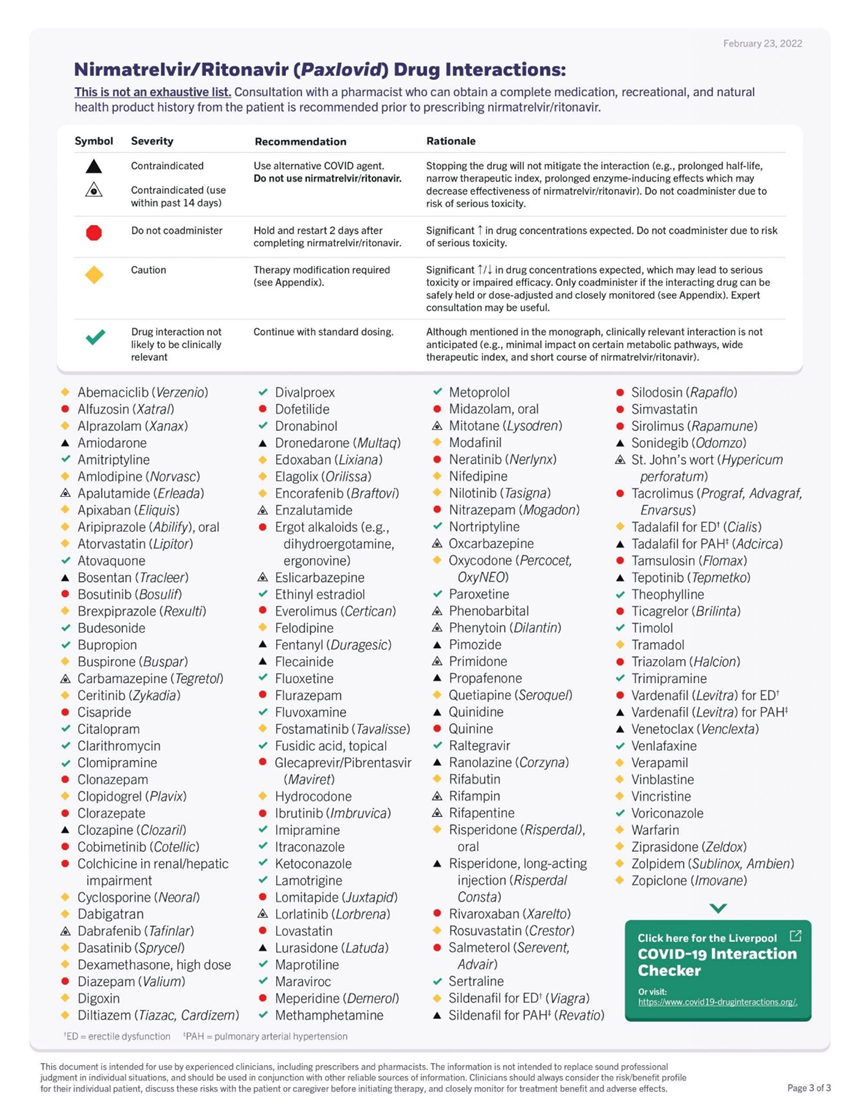
This discussion was originally posted before PAXLOVID WAS AVAILABLE. Paxlovid is very effective in reducing morbidity and mortality associated with Covid-19 infection. Standard dosing: PAXLOVID two 150-mg tablets of nirmatrelvir, one 100-mg tablet of ritonavir twice daily for 5 days.

Dose adjustments are necessary for certain medical conditions and there are many drug interactions that should be considered.
The results of a randomized placebo controlled clinical trial in high risk individuals has been published in the NEJM. The study was done just when Omicron hit. The study demonstrated an 89% reduction of hospitalizations and deaths by day 28 (absolute reduction of 6.2/100) with ZERO deaths in the Paxlovid group (7 in the placebo group). Paxlovid also had LESS side effects than placebo.

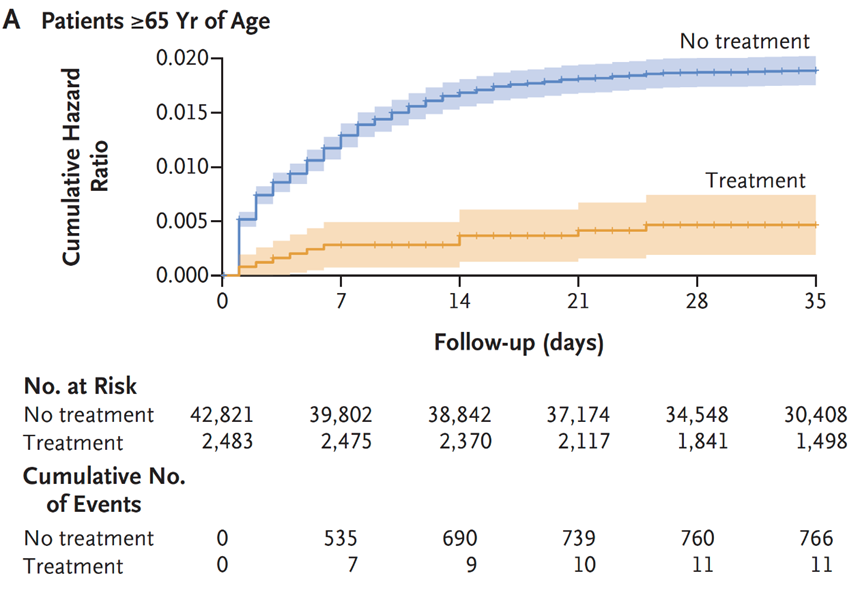
Another study from Israel demonstrated equally impressive results as shown here.
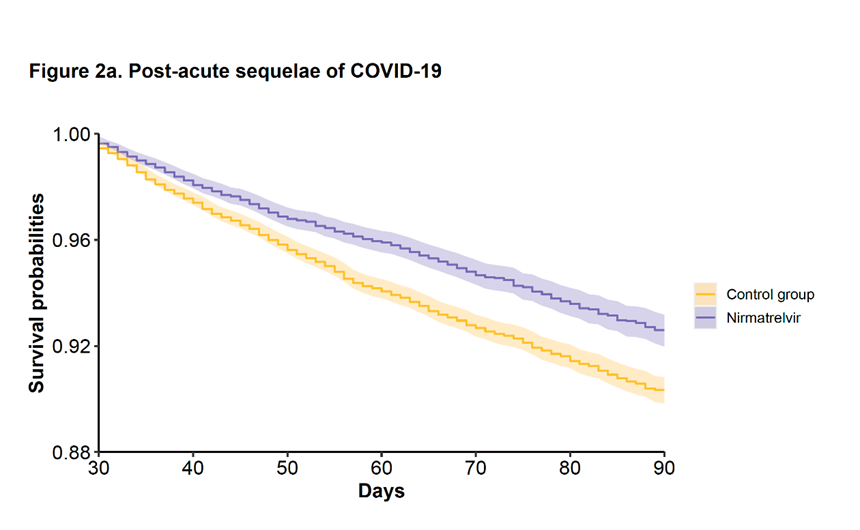
In addition, a study from the VA has looked at longer term effects (pre-print publication, still waiting for peer review.)

The study included 9000 Paxlovid patients treated within 5 days of symptom onset during the Omicron and subvariant waves and compared the treated patients with approximately 47,000 matched controls.

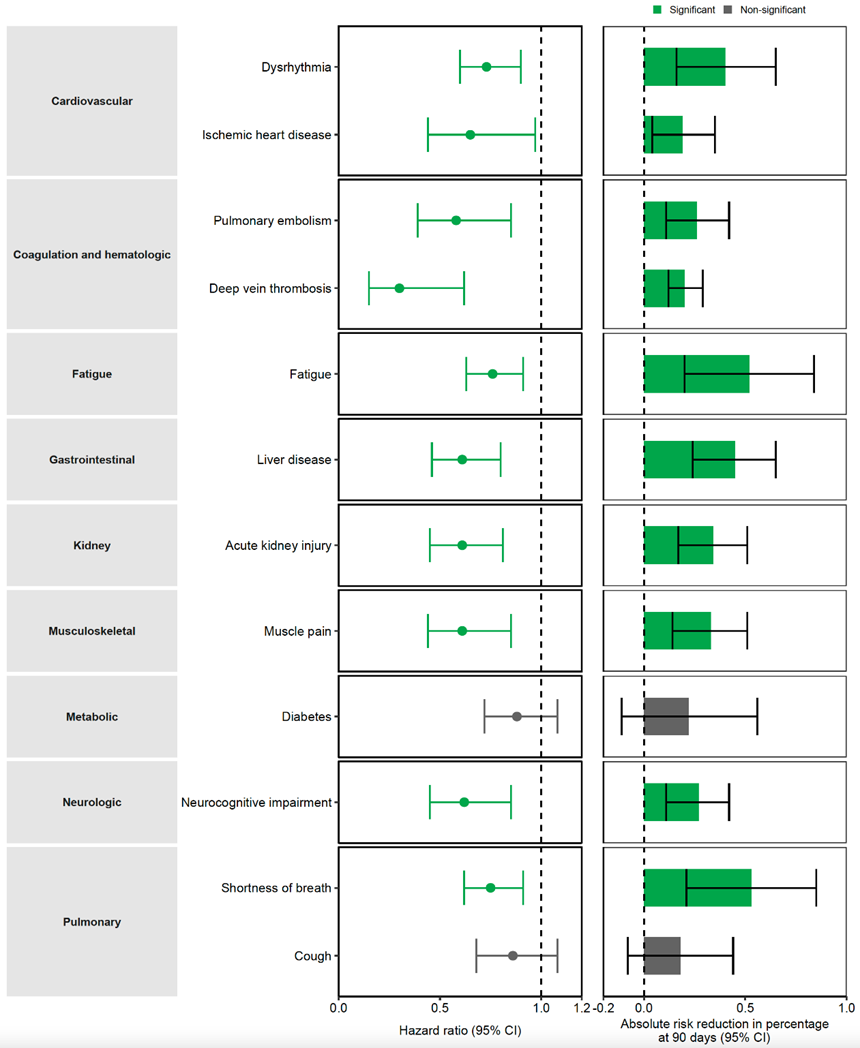
There was a 26% reduction in Long Covid.
Here is a breakdown of the Long Covid Symptoms
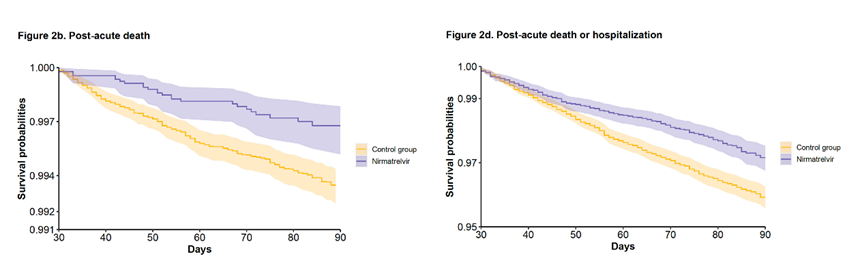
The VA study also showed a 48% reduction of death and 30% reduction in hospitalization after the acute phase (acute phase = first 30 days) as demonstrated here.
Many drug intervention trials for treating COVID-19 early in the pandemic have been disappointing. No studies have shown benefit for hydroxychloroquine, with or without azithromycin. This topic has been covered in previous posts. Remdesivir was FDA approved based upon one study that showed reduction in duration of symptoms. The mortality rate with Remdesivir, however, did not demonstrate a statistically significant difference when compared to “usual care”. https://www.niaid.nih.gov/news-events/nih-clinical-trial-shows-remdesivir-accelerates-recovery-advanced-covid-19

Another study published in Lancet failed to show any clinical benefit from Remdesivir.

“No statistically significant benefits were observed for remdesivir treatment beyond those of standard of care treatment. Our trial did not attain the predetermined sample size because the outbreak of COVID-19 was brought under control in China. Future studies of remdesivir, including earlier treatment in patients with COVID-19 and higher-dose regimens or in combination with other antivirals or SARS-CoV-2 neutralising antibodies in those with severe COVID-19 are needed to better understand its potential effectiveness.”

https://www.thelancet.com/journals/lancet/article/PIIS0140-6736(20)31022-9/fulltext

Likewise well designed studies of Ivermectin have shown no clinical benefit.

Monoclonal antibodies effective against early variants are no longer effective against the newer variants. So in terms of drug therapies for acute Covid infections we have Paxlovid for out patient care and dexamethasone for critically ill patients.

But we do know that certain underlying conditions such as obesity, diabetes, pre-diabetes (insulin resistance) and hypertension significantly increase risk of DEATH AND COMPLICATIONS with COVID-19. Since there are lifestyle interventions that can quickly and effectively mitigate these problems (diet, exercise, sleep, stress reduction….) now would seem like a good time to take our epidemics of obesity and diabetes in hand with aggressive lifestyle interventions to decrease the mortality rate of COVID-19 infection.

Such measures do not require expensive drugs or expensive drug trials, they simply require knowledge, guidelines and the will to implement change in our daily habits. Yet there has been little discussion about this in the media or on the part of public health officials.

Lets look at obesity in the US.

From 1999–2000 through 2017–2018, the age-adjusted prevalence of obesity increased from

30.5% to 42.4%, and the prevalence of severe obesity increased from 4.7% to 9.2%.

The most effective tool for addressing obesity and diabetes is a very low carbohydrate diet.

Effects of the Low Carbohydrate, High Fat Diet on Glycemic Control and Body Weight in Patients With Type 2 Diabetes: Experience From a Community-Based Cohort

https://pubmed.ncbi.nlm.nih.gov/32193200/

This study was a done in a community-based program, not an academic practice setting. That is significant since it demonstrates feasibility outside of academic centers with standard community resources. The results of this study confirmed the results of many previous studies done in academic settings including better blood sugar control, reduction or elimination of diabetic medications, and significant weight loss.

All patients following the LCHF diet who initially took
insulin had either a reduction or discontinuation of
this therapy by their healthcare provider when clinically
indicated, compared with less than a quarter of
those receiving usual care.

In another study done in Italy, significant weight reduction (7 kg), waistline reduction (7 cm.), fat mass reduction (3.8%) and systolic blood pressure reduction (10.5 mmHg) were achieved in 3 months with a Very Low Carbohydrate diet.

Middle and Long-Term Impact of a Very Low-Carbohydrate Ketogenic Diet on Cardiometabolic Factors: A Multi-Center, Cross-Sectional, Clinical Study (https://pubmed.ncbi.nlm.nih.gov/25986079/

Nina Teicholz had an opinion piece published in the Wall Street Journal on May 30, discussing the USDA dietary guidelines that have largely ignored a massive body of evidence supporting a Very Low Carbohydrate Diet for obesity and diabetes. She cites many studies that have been ignored by the USDA dietary guidelines committee. Here is here opening statement.

“Americans with obesity, diabetes, heart disease and other diet-related diseases are about three times more likely to suffer worsened outcomes from Covid-19, including death. Had we flattened the still-rising curves of these conditions, it’s quite possible that our fight against the virus would today look very different.”

You can read the full article here:

https://www.wsj.com/articles/a-low-carb-strategy-for-fighting-the-pandemics-toll-11590811260

But think about that simple statement, THREE TIMES MORE LIKELY TO SUFFER WORSENED OUTCOMES FROM COVID-19. Yet these conditions are highly responsive to lifestyle interventions that not only mitigate obesity, insulin resistance and high blood pressure, but also enhance immune function.

More from Teicholz’s opinion piece:

Other studies have found that dietary changes can rapidly and substantially improve cardiovascular risk factors, including conditions like hypertension that are major risk factors for worsened Covid-19 outcomes. A 2011 study in the journal Obesity on 300 clinic patients eating a very low-carbohydrate diet saw blood pressure quickly drop and remain low for years. And a 2014 trial on 148 subjects, funded by the National Institutes of Health, found a low-carb diet to be “more effective for weight loss and cardiovascular risk factor reduction” than a low-fat control diet at the end of the 1-year experiment.

In a recent letter to the editor published in the journal METABOLISM, Dr. Casey Means points out:

A diagnosis of diabetes has been a key indicator of the severity of
COVID-19, and in this regard, the virus has relentlessly highlighted our
global Achilles heel of metabolic dysfunction, and points to a prime opportunity
to fight back.
That fight, however, is not going to be won with Clorox, Purell,
masks, or anti-IL-6 drugs. The fight will only be won through a serious
commitment to improving everyone’s foundational metabolic health,
starting with the lowest hanging evidence-based fruit: dietary and lifestyle
interventions.

Read the full letter here: https://www.metabolismjournal.com/article/S0026-0495(20)30118-9/pdf

In 2 pages the letter describes multiple benefits of better glucose control relative to COVID -19 infection and the immune system as well as reduction of factors that lead to cytokine storm (terminal event for many COVID-19 patients). The letter also discusses the benefit of reducing environmental toxins (discussed in previous posts about COVID-19 and other health problems) that would likely benefit COVID-19 patients.

Research published April 18th, 2020 found that patients exposed to
highest amount of environmental nitrogen dioxide (NO2) had increased
risk of death fromCOVID-19, and that long-term exposure to this pollutant
may be one of the most important contributors to fatality by
compounding lung inflammation [20].

Minimizing exposure to environmental
pollutants may serve a role in quelling the underlying pro-inflammatory
state that characterizes metabolic disease and COVID-19 associated
cytokine storms
.

Other environmental toxins, including persistent organic pollutants
(POPs) found in air, water, and food generated from pesticides
and industrial chemicals, are also strongly implicated in the pathogenesis
of metabolic syndrome; promoting “clean living,” toxin-avoidant
strategies for patients as simple as emphasizing organic foods, home
air purification, and non-toxic home supplies could be considered, although
the clinical utility of these measures in the acute setting is unknown
[21].

In discussing the white elephant in the room he states:

What is starkly missing is the clear, simple, and strong recommendation for no added
sugar or ultra-refined carbohydrates, both of which are known drivers
of postprandial hyperglycemia and inflammation. As a medical community, we must not miss the opportunity to serve patients with straightforward, evidence-based nutritional and lifestyle strategies to assist in glycemic control.

I would encourage you to follow the link and read the 2 pages supported by multiple peer-reviewed references.

An ancestral (paleo) diet is also very effective for addressing insulin resistance, diabetes type 2 and obesity. Multiple studies have demonstrated this. Although an ancestral approach is typically low carb it is not typically ketogenic, but a ketogenic ancestral diet (high in non starchy vegetables to support the gut microbiome) can be implemented by restricting fruits to one serving of berries per day and limiting starchy vegetables.

Even without severe carbohydrate restriction, an ancestral anti-inflammatory diet will quickly address insulin resistance, type 2 diabetes, and obesity. In this insulin resistance was reversed in 10 days.
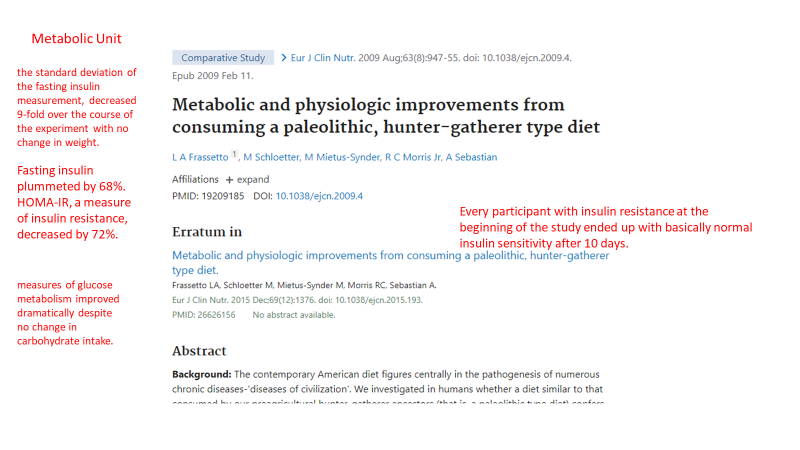
And another study:

And another study

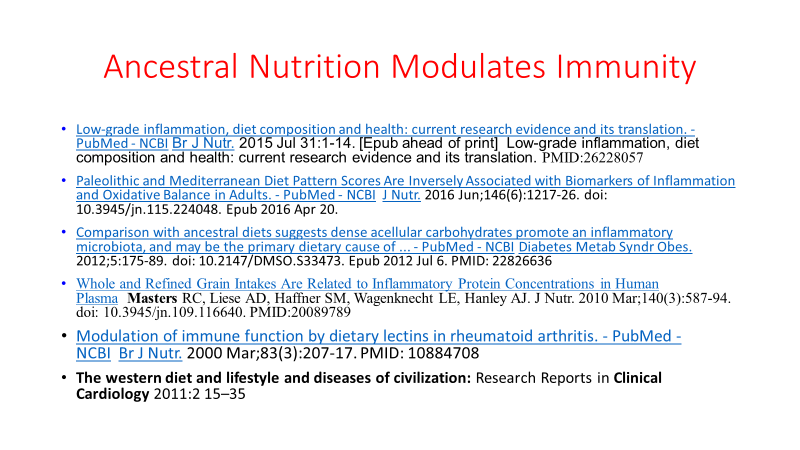
And here is a slide from one of my lectures with references on how an ancestral diet modulates immunity.
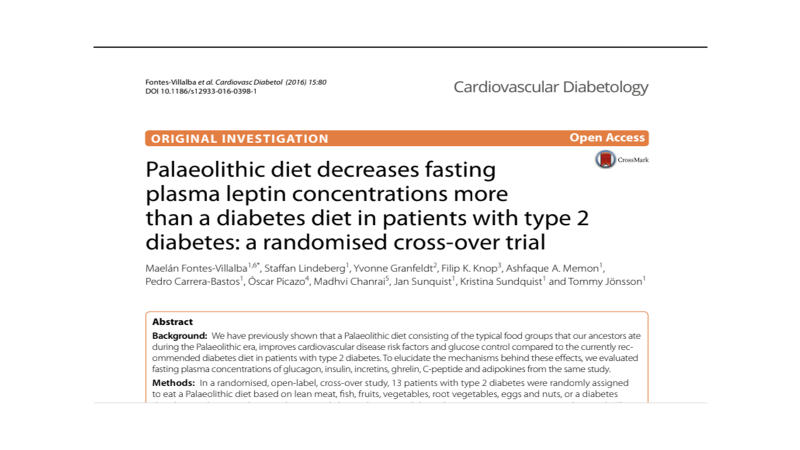
Leptin resistance, insulin resistance and obesity travel together. Here is yet another study demonstrating the effectiveness of an ancestral diet.
If you have obesity, diabetes or pre-diabetes the Very Low Carbohydrate version of the anti-inflammatory diet linked above would be the fastest and most effective intervention you can immediately employ to reduce your risk of succumbing to COVID-19. (Of course wear an N-95, follow good hygiene with hand-washing frequently, and use a HEPA filter or Corsi-Rosenthal box in your home, office, and enclosed work spaces)

In the context of the COVID 19 pandemic I will close with the usual summary.

  1. Avoid alcohol consumption (alcohol wreaks havoc with your immunity)
  2. Get plenty of sleep (without adequate sleep your immune system does not work well )
  3. Follow good sleep habits
  4. Exercise, especially out of doors in a green space, supports the immune system
  5. Get some sunshine and make sure you have adequate Vitamin D levels. Supplement with Vitamin D3 to get your levels above 30 ng/ml, >40ng/ml arguably better.
  6. Eat an anti-inflammatory diet rich in micronutrients.
  7. Practice stress reduction like meditation and yoga which improves the immune system
  8. Eliminate sugar-added foods and beverages from your diet. These increase inflammation, cause metabolic dysfunction, and suppress immunity.
  9. Eliminate refined-inflammatory “vegetable oils” from your diet, instead eat healthy fat.
  10. Clean up your home environment and minimize your family’s exposure to environmental toxins by following recommendations at EWG.org with regards to household products, personal care products, and organic foods. (https://www.ewg.org/)
  11. Drink water filtered through a high quality system that eliminates most environmental toxins.
  12. HEPA filters or the home-made version (Corsi-Rosenthal box) used in your home or workplace can reduce circulating viral load as discussed on this website.
  13. If you are eligible for vaccination, consider protecting yourself and your neighbor with a few jabs. Age > 50 and/or risk factors (Diabetes, pre-diabetes, insulin resistance, hypertension, obesity, heart disease, COPD, asthma, cancer treatment, immune suppression) suggests benefit from a booster. Risk for complications of boosters in adolescents, especially males, without risk factors, may equal benefit. Previous infection with Covid can be considered as protective as a booster. Discuss risk vs benefits with your doctor.

THIS WEBSITE PROVIDES INFORMATION FOR EDUCATIONAL PURPOSES ONLY. CONSULT YOUR HEALTH CARE PROVIDER FOR MEDICAL ADVICE.

Eat clean, drink filtered water, love, laugh, exercise outdoors in a greenspace, get some morning sunlight, block the blue light before bed, engage in meaningful work, find a sense of purpose, spend time with those you love, AND sleep well tonight.

Doctor Bob

COVID-19: Hydroxychloroquine and Chloroquine, BAD NEWS.

The most comprehensive study on the use of these 2 drugs, including 96,032 patients in multiple hospitals and multiple countries shows increased risk of death with either of these two drugs in patients hospitalized with COVID-19. This was a retrospective study but offers the most amount of data to date on the issue of clinical efficacy and risk. You can read the full article https://www.thelancet.com/journals/lancet/article/PIIS0140-6736(20)31180-6/fulltext.

TreatmentDeath rateventricular arrhythmia
No drug9.30%0.30%
Hydroxychloroquine18%6.10%
Hydroxychloroquine plus Macrolide23.80%8.10%
Chloroquine16.40%4.30%
Chloroquine plus Macrolide22.20%6.50%
Macrolide is an antibiotic like Zithromax.
Differences between no drug and all drug treatment categories statistically significant.

This was not a randomized prospective controlled clinical trial. However the data were adjusted for:

age, sex, race or ethnicity, body-mass index, underlying cardiovascular disease and its risk factors, diabetes, underlying lung disease, smoking, immunosuppressed condition, and baseline disease severity.

So far it is the best information we have available.

There have been many physicians who have supported the use of these drugs without randomized controlled trials based on anecdotal reports in the medical literature. Given the desparate situation without a known effective drug that is understandable.

The authors note:

The absence of an effective treatment against severe acute respiratory syndrome coronavirus 2 (SARS-CoV-2) infection has led clinicians to redirect drugs that are known to be effective for other medical conditions to the treatment of COVID-19. Key among these repurposed therapeutic agents are the antimalarial drug chloroquine and its analogue hydroxychloroquine, which is used for the treatment of autoimmune diseases, such as systemic lupus erythematosus and rheumatoid arthritis.

However, the use of this class of drugs for COVID-19 is based on a small number of anecdotal experiences that have shown variable responses in uncontrolled observational analyses, and small, open-label, randomised trials that have largely been inconclusive.

 The combination of hydroxychloroquine with a second-generation macrolide, such as azithromycin (or clarithromycin), has also been advocated, despite limited evidence for its effectiveness.

This study is an important milestone, disappointing but illustrative of a common phenomenon in medicine.

Previous warnings about potential lethal heart rhythm issues were viewed with skepticism by armchair pundits claiming that there was not much data on sudden death related to use of these widely used drugs. Those pundits failed to understand that sudden death caused by prolonged QT interval (effect of these and many other drugs) cannot be diagnosed without an EKG during the event. When this occurs outside the hospital setting, or even in the hospital without a continuous EKG monitor on the patient, it goes unrecognized.

An important dictum in medicine is “first do no harm” (primum non nocere).

In the meantime, we do know what reduces risk:

Test/Trace/Isolate, social distance, MASKS4ALL, wash hands frequently, disinfect surfaces, show consideration for others. To understand why and how these measures can make a big difference you can go to this website. https://www.erinbromage.com/

In addition you can read a great article about the same topic here. https://www.newyorker.com/science/medical-dispatch/amid-the-coronavirus-crisis-a-regimen-for-reentry

I will close with the sermon on lifestyle and COVID-19.

  1. Avoid alcohol consumption (alcohol wreaks havoc with your immunity)
  2. Get plenty of sleep (without adequate sleep your immune system does not work well )
  3. You must follow good sleep habits
  4. Exercise, especially out of doors in a green space, supports the immune system
  5. Get some sunshine and make sure you have adequate Vitamin D levels.
  6. Eat an anti-inflammatory diet rich in micronutrients.
  7. Practice stress reduction like meditation and yoga which improves the immune system
  8. Eliminate sugar-added foods and beverages from your diet. These increase inflammation, cause metabolic dysfunction, and suppress immunity.

THIS WEBSITE PROVIDES INFORMATION FOR EDUCATIONAL PURPOSES ONLY. CONSULT YOUR HEALTH CARE PROVIDER FOR MEDICAL ADVICE.

Eat clean, drink filtered water, love, laugh, exercise outdoors in a greenspace, get some morning sunlight, block the blue light before bed, engage in meaningful work, find a sense of purpose, spend time with those you love, AND sleep well tonight.

Doctor Bob

Study shows only 12% of US adults are metabolically healthy!

What does this mean? The authors of this study looked at several important markers of health: waist circumference, fasting blood sugar, hemoglobin A1c, blood pressure, triglycerides, HDL, and whether someone was taking any medication related to these markers. They used data from the National Health and Nutrition Examination Survey 2009-2016. Only 12.3% of US adults qualified as healthy on all measures. So how did we get into this horrible situation?

Let’s step back and look at modifiable factors that play into these health measures.

  • Adequate restorative sleep
  • Stress
  • Nutrition
  • Exercise
  • Sunlight (Vitamin D)
  • Social connection
  • Environmental toxins
  • Rest

I have discussed the importance of sleep in several posts. Following this link you will find recommendations for good sleep habits that can enhance the quality and duration of your sleep.

If you have not watched Dan Pardi’s discussion of “HOW TO OPTIMIZE LIGHT FOR HEALTH” I recommend you watch this.

STRESS

Stress reduction is a huge topic. Managing stress involves so many areas it deserves a separate discussion. But here are some basics. Getting adequate sleep is the place to start. Activities like Meditation, Yoga, moderate exercise (walking outdoors in a green space) Tai Chi, music, practicing Mindfulness, and spending time with family and friends are all potential avenues to reduce the deletrious effects of stress in our lives.

NUTRITION

I have presented one approach to an anti-inflammatory diet  and if you have not read through the details just follow the link. The low hanging fruit begins with elimination of processed foods, sweetened beverages, and pro-inflammatory “vegetable oils” (OILS made from corn, soy, cottonseed, safflower, sunflower, canola, margarine). EAT WHOLE FOODS.

TO LEARN ABOUT THE ILL-EFFECTS OF “VEGETABLE OILS” LISTEN TO NINA:

EXERCISE

My post about exercise as medicine can be found here. 

The best way to exercise is to play as described by my friend Daryl Edwards in his TED talk.


Most Americans do not get enough, but some get too much. Moderation is important.

SUNLIGHT

Getting outdoor light exposure early in the day and avoiding the deleterious effects of artificial light in the evening (wear blue light blocking glasses in the evening) are two important ways to get the most benefit from light exposure, improve your sleep and enhance your Vitamin D level. Exercise outdoors in a green space provides more benefit than walking the treadmill indoors.

SOCIAL CONNECTION

Blue Zones are areas in the world that have the greatest numbers of individuals living to age 100. The climates and food varies among the various areas. They  all have two things in common. First is a high degree of social connection, strong family ties, lifelong friends. Social connection within a supportive community is arguably one of the most important factors affecting health, longevity, and healthspan. Second, they eat REAL WHOLE FOOD.

blue zones longevity hotspots.jpg


ENVIORNMENTAL TOXINS

Part of eliminating environmental toxins includes consuming organic fruits and vegetables and eating meat, poultry and eggs from hormone-free, antibiotic-free, free- range/pastured sources. (ALL PART OF AN ANCESTRAL/PALEO DIET) If you are not familiar with the “dirty dozen” and the “clean 15” head on over to EWG.org where you will learn not only about what foods have the most/least residual pesticides, but also what personal care products and household cleaners are safe for you and your family.

WATER: Because humans have spent the last 4-5 decades polluting our air and water there is probably no water supply that is totally free of enviornmental toxins. To minimize your consumption of enviornmental toxins, filter your drinking water through a high quality system.

REST

Matthew Redlund MD has written a great book “THE POWER OF REST”. Here he discusses why sleep is not enough.

The fact that only 12% of American adults are metabolically healthy should be cause for great alarm. All chronic and degenerative  diseases including dementia, heart disease, stroke, arthritis and cancer rise as metabolic health deteriorates.

Remember, this website offers educational information only. Consult your health care provider for medical advice.

Sleep well, exercise outdoors, laugh, love, engage in meaningful work, drink filtered water, eat clean, eat whole foods, get plenty of sunshine, spend time with those you love.

Doctor Bob


Ketogenic Diet, Keto-Medicine

I have spent a few days watching lectures from various low-carb-healthy-fat meetings. There is an impressive amount of solid clinical data to support Very Low Carb (with healthy fat)  diets to treat obesity, insulin resistance, diabetes, pre-diabetes, metabolic syndrome, and seizure disorders. Eric Westman MD, author, Associate Professor of Medicine, Past Chairman of the Obesity Medicine Association,  and director of Duke University Lifestyle Medical Clinic gave an impassioned and authoritative talk on the success of LCHF in treating all of these disorders here.


Dr. Steven Phinney,  Professor Emeritus UC Davis and presently Chief Medical Officer for VIRTA has given numerous talks on the beneficial effects of a ketogenic diet. He and Jeff Volek Ph.D. have done research for decades on the physiology of low carbohydrate diets. They elucidated the changes that occur in high level athletes as they adapt to burning fat as their major fuel source during and after a period of “fat adaptation”. It turns out that endurance athletes, after a period of 1 to 3 months of adaptation to a low carb-high fat diet (variable from person to person) perform at equal or higher levels as compared to their performance when previously on a high carbohydrate diet. In fact, because lean athletes have much greater energy stored in fat as compared to glycogen (carbohydrate) they can go for many hours longer than an athlete who is dependent on carbohydrate metabolism (not fat adapted). Glycogen is the starch source of energy that humans store in the liver (100 grams) and in muscle (400 grams). Compared to glycogen, fat stores in lean individuals, including buff athletes,  can provide more than 10 times the amount of energy. Endurance athletes who are keto-adapted (fat burners) can ride a bike all day or run an ultra-marathon (100 miles) without taking in any energy source. (They must of course replace fluid and electrolytes). Whereas athletes who have followed a traditional high carb diet must start consuming calories after about 3 hours of moderate-high intensity exercise. Doctors Phinney and Volek have done clinical research on humans with obesity, pre-diabetes and diabetes and they have demonstrated superior results when compared to any other dietary approach.

You can learn about their work here:

And here:

So what is this all about? If carbohydrates are restricted to very low levels and instead we consume (healthy) fat as our major source of energy with moderate amounts of protein, then the human body starts to burn fat. This process results in the production of ketones (in the liver) which serve not only as a source of energy but also act as “signaling” molecules that turn on beneficial genes that fight inflammation and turn off genes that produce inflammation. When a well formulated ketogenic diet is followed under medical supervision, diabetics can often get off most or all of their diabetes medications within weeks to months as they lose weight. Improvements are seen quickly in blood pressure, fasting blood sugar, liver function tests, insulin sensitivity, inflammatory markers, subjective energy levels, mental clarity and mood. Triglycerides are reduced, HDL increases, and improvements are seen in the “atherogenic profile” with reductions in small dense LDL particles with a shift to large buoyant LDL particles. On a ketogenic diet humans spontaneously consume lower caloric intake because fat and protein are more satiating compared to carbohydrate. Circulating saturated fat in the blood DECREASES on a keto-genic diet. Refined carbohydrates and sugar (so prevalent in processed foods) produce increased circulating fat in the blood and increased fat storage throughout the body, often leading to fatty liver disease and the long list of chronic diseases caused by and associated with insulin resistance.

A ketogenic diet is also part of Dr. Dale Bredesen’s effective treatment program for early dementia (ReCoDe-Reversal of Cognitive Decline). I have discussed Dr. Bredesen’s approach before. Here is one of his discussions.

You can read Dr. Bredesen’s report of 100 patients who have reversed cognitive decline using a ketogenic diet as PART of the ReCoDe program here.

So what are the healthy fats in a low carb high fat diet?

They include fats found in whole foods such as nuts and avocados, pasture raised animals free of hormones and antibiotics, free range poultry and eggs, wild fish and seafood (avoiding large fish that have high mercury levels), extra virgin olive oil, avocado oil, butter from pastured grass-fed animals, and coconut oil. (yes butter is included despite that fact that strict paleo excludes dairy)

You should avoid all of the processed/refined oils that come from seeds, grains and legumes including soy oil, corn oil, cottonseed oil, canola oil, safflower oil, sunflower oil, sesame oil. You can learn why these (misnamed) “vegetable oils” are dangerous and how they were marketed to an unwitting public with the help and support of faulty science by listening to Nina Teicholz here:

There are many great lectures about the low-carb-high-fat ketogenic diet in addressing obesity, insulin resistance, pre-diabetes, metabolic syndrome, diabetes, seizures and more. Go to youtube and search “keto diet”, “low carb high fat”.

Before I sign off I will provide one more link:

Remember, this website offers educational information only. Consult your health care provider for medical advice.

Sleep well, exercise outdoors, laugh, love, engage in meaningful work, drink filtered water, eat clean, eat whole foods, get plenty of sunshine, spend time with those you love.

Doctor Bob


Can LED light bulbs, computer screens and TV make your pain worse?

The answer is probably yes.

The mechanism(s) go like this:

Exposure to full spectrum light in the evening > reduces quantity and quality of restorative sleep which in turn > increases chronic inflammation and contributes to depression both of which make pain worse.

Exposure to full spectrum light in the evening also > reduces nitric oxide production > which increases blood pressure and risk of cardiovascular disease and metabolic disorders.

In animal studies interruption of circadian rhythm with artificial light exposure when the animal would typically be sleeping decreases memory capacity.

And fat tissue has specific receptors for light which alters fat storage. Increased visceral fat produces more inflammatory cytokines and chemokines which sensitize pain fibers and increase inflammation throughout the body.

Exposure to artificial light in the evening even worsens the grades of children in school.

Adequate restorative sleep is so important that I prescribe all patients with chronic pain 2 pages of  sleep hygiene recommendations.

To optimize your circadian rhythm get some early morning light exposure (without sunglasses) before 12 noon and at sundown reduce your ambient light exposure to mimic the natural light outdoors. Sleep in absolute darkness and wear blue light blocking glasses in the evening.

You can learn more about this topic by listening to a 12 minute TEDtalk by Dan Pardi who does research in the Circadian LAB at Stanford.

Hat tip to Tommy Wood for bringing this TEDtalk to my attention.

Sleep well.

Doctor Bob.

Don’t eat plastic foam in your food, another reason to avoid bread, bakery and flour foods

I recently came across an article at EWG.org, Nearly 500 ways to make a yoga mat sandwich | EWG

If you’ve planked on a yoga mat, slipped on flip-flops, extracted a cell phone from protective padding or lined an attic with foam insulation, chances are you’ve had a brush with an industrial chemical called azodicarbonamide, nicknamed ADA. In the plastics industry, ADA is the “chemical foaming agent” of choice. It is mixed into polymer plastic gel to generate tiny gas bubbles, something like champagne for plastics. The results are materials that are strong, light, spongy and malleable. “

Turns out, ADA is in nearly five hundred foods including breads, tortillas, bagels, pizza, hamburger buns, various pastries, hot dog rolls, sandwich buns, Italian bread, bread sticks, dinner rolls, croutons, english muffins, focaccia, wheat bread. Not all food producers include ADA in their products but many do, including fast food chains.

“Over the years, health activists concerned about synthetic chemicals in food have attacked the widespread use of ADA, but it did not attract nationwide headlines until Hari of Food Babe circulated a petition demanding that Subway, among the nation’s biggest fast-food outlets, stop using the chemical in its loaves. Subway responded [http://www.subway.com/subwayroot/about_us/PR_Docs/QualityBread.pdf] that ADA was safe, but even so, it had quietly been seeking a substitute over the past year. The company pointed out that ADA is “found in the breads of most chains such as Starbuck’s, Wendy’s, McDonald’s, Arby’s, Burger King, and Dunkin Donuts.” Those other fast food giants joined Subway on the defensive.”

So head on over to the environmental working group website by clicking the link above and educate yourself. The reasons to avoid flour foods continue to mount, glyphosate (roundup), ADA, obesity, auto-immune disease, metabolic syndrome, diabetes, heart attack, stroke, endotoxemia…..

Live clean, sleep well, love and laugh.

Dr. Bob


The Broken Brain Docuseries is now re-running

Due to popular demand the producers of this terrific series are making it available again  on line this weekend. If you have not taken advantage of this information you can do it here:

Replay (YouTube) | Broken Brain

Enjoy

Bob Hansen MD

Functional Medicine: Getting to the Root Causes of Illness, A cure for Alzheimer’s

Today I watched a great TED talk by Dr. Rangan Chaterjee discussing his own journey in the discovery and implementation of a functional medicine approach to caring for his patients. The concept of using basic science and clinical science to diagnose and treat the root causes of illness, rather than treating symptoms, has been around for more than two decades.  This approach has recently started to attract more attention, especially within the community of younger physicians who have become more dissatisfied with the frustrations of traditional allopathic medicine.

Here is the talk. Dr. Chatterjee covers lots of ground in a passionate and informative talk.

Enjoy this talk. If you would like to learn about how a functional medicine approach can CURE ALZHEIMER’S DISEASE then watch this video of Dr. Bredesen who gave this lecture at a meeting of the American College of Nutrition.

Doctor Bredesen, an acclaimed neuroscientist, researcher, and more recently a brilliant clinician, has been criticized by the academic research community for implementing a clinical research protocol that addresses more than one variable at a time! Unfortunately, medical science has been handcuffed by the drug-model of clinical research wherein only one variable (drug vs. placebo for example) is studied. But if an illness has many potential contributing root causes, changing only one variable is doomed to failure, as Dr. Bredesen explains in this lecture.

Sleep well, eat clean, get outdoors every morning to help keep your circadian rhythm and biological clock in order.

Bob Hansen MD

Don’t drink beverages or water from plastic bottles.

This week the European Court of Justice  ruled that the European Commission has not adequately identified and banned harmful endocrine disrupting chemicals that play a role in hormone related cancers like prostate, thyroid and breast as well as obesity and type two diabetes.

The FDA, European Union and Canadian authorities have claimed that BPA exposure likely does not pose health risks but the endocrinology societies, research scientists, and now the European Court of Justice thinks otherwise.

Most folks have heard about BPA (bis-phenol A). But there are over one hundred endocrine disrupting chemicals (EDCs)  in our environment. These chemicals interfere with our hormone function by mimicking hormones or blocking normal hormone signals. Using BPA free plastic bottles and cans does not guarantee you are safe from the toxic effects of these chemicals because BPA is often replaced by one of many other disrupting alternative chemicals. There are 13 types of bisphenols alone, along with over one hundred total identified EDCs. Many beverage and food items come in plastic containers or cans lined with EDCs, exposing us to the  unnecessary risk of endocrine disruptors. Acidic beverages and acidic foods (such as coffee, soda, lemon juice, etc) are particularly more likely to leach out these chemicals into the foods and beverages contained therein. Extremes of temperature (hot or cold) will also increase the amount of chemicals leached into the food and then into your body. So sipping a hot coffee or tea through a plastic lid is not an innocuous event, yet millions of Americans do it every day. Serving “bottled water” in plastic containers that have been sitting on shelves, shipped in hot trucks, or sitting in the sun at a party may not be very helpful to your guests.

Emerging evidence has established a role for these endocrine disruptors not only for cancer but for obesity, diabetes, ADD and autism.

A recent study has suggested that because of endocrine disruptors in our environment, we must today consume less calories and exercise more to avoid obesity. (Obes Res Clin Pract. 2015; DOI:10.1016/j.orcp.2015.08.007).

“for a given amount of caloric intake, macronutrient intake or leisure time physical activity, the predicted BMI was up to 2.3 kg/m2 higher in 2006 that in 1988 in the mutually adjusted model (P < 0.05).”

From a Medscape report on this topic:

“A European ( study ) reported earlier this year suggested that health effects from endocrine-disrupting chemicals cost the European Community €157 billion annually, and this report linked prenatal exposure to BPA to childhood obesity, with associated lifetime costs of €1.54 billion.”

Links to some articles and resources are listed below.

Be careful out there!

Dr. Bob

Emerging Picture on Role of EDCs, Microbiome in Obesity, Diabetes

Endocrine Disruptors Cause Range of Diseases; Cost 157 Billion Euros

US Endocrine Society Warns Again on Endocrine Disrupters

Endocrine disruptor – Wikipedia, the free encyclopedia

endocrine disruptors AND obesity – Google Scholar

endocrine disruptors AND cancer – Google Scholar

endocrine disruptors AND autism – Google Scholar

endocrine disruptors AND attention deficit disorder – Google Scholar


Cure diabetes by fasting or eating less sugar and starch? No drugs involved.

Jason Fung is a brilliant Canadian physician who has treated obesity and diabetes with a fasting protocol. Intermittent fasting produces physiologic changes similar to a low carbohydrate ketogenic diet (LCKD). Both approaches have been successfully used to treat diabetes, insulin resistance, obesity and metabolic syndrome. Learn why most medications that are used to treat diabetes do not address the underlying root cause by watching this video.

After watching that video consider the following discussion by Dr. Tim Noakes who cured his own “pre-diabetes” with a LCKD. Dr. Noakes was criticized by his less open-minded colleagues for employing a beneficial lifestyle change that allows most diabetics to reduce or eliminate their medications. Dr. Noakes had followed the “prudent diet” recommended by the USDA and AHA for decades. Despite following that “prudent diet” and exercising regularly by running long distances he had developed “pre-diabetes” (insulin resistance which often leads to type II diabetes). Then he stumbled upon an iconoclastic approach,

So he read more about it and decided to try it. The results were stunning to this physician who became an ardent proponent of carbohydrate restriction.

Now if you have not heard enough, listen to Eric C. Westman, MD, MHS who treats patients and teaches medical students and residents at the Duke University Lifestyle Medicine Clinic.

A paleo diet in combination with carbohydrate restriction is arguably the most beneficial nutritional approach to diabetes, pre-diabetes and obesity. The data that supports this statement grows on a daily basis.

You can read about why a LCKD should be the default diet for diabetes here.

Dietary carbohydrate restriction as the first approach in diabetes management: Critical review and evidence base – Nutrition

Eat clean, live clean.


BOB