Author Archives: Bob Hansen MD

Unknown's avatar

About Bob Hansen MD

I am a practicing physician, board certified in Anesthesiology and Internal Medicine with Certificate of Special Qualifications in Critical Care. My interests include the effects of lifestyle on health and health care policy.

Too late for containment, now we must flatten the curve of COVID19

We are past the point of containment, COVID19 is here. A travel ban from Europe (announced by Trump) is useless. It will cause harm by  diverting resources from truly effective measures. Yes, travel bans cost money and resources to implement, money and resources better spent elsewhere.

Experts advise that we must flatten the curve of COVID19 spread to prevent overwhelming our medical facilities and personnel. The US has a finite number of ICU beds, hospital beds, doctors, nurses and technicians. In fact the number of hospitals and hospital beds has dropped considerably compared to other countries.

FROM MSN:

“The limits of America’s hospital system are an unexpected downside of progress in efficiency, advances in technology and pharmaceutical breakthroughs that have made it easier to keep patients out of the hospitals. Insurers have accelerated the trend by steering patients to less-costly care, pushing for more procedures to be done on an outpatient basis, often outside hospital walls. The number of hospital beds—and hospitals—has contracted in recent decades, dropping 16% and 12%, respectively, between 1975 and 2018, according to survey data from the American Hospital Association. 

After years of consolidation and scaling back on construction, with the sector pouring more capital into outpatient centers, the system has less capacity for surges in demand.

U.S. hospital beds per American have declined in the past two decades to a ratio of 2.8 beds for every 1,000 people as of 2016. That ranks among the lowest across comparable countries, a Kaiser Family Foundation analysis of Organization for Economic Cooperation and Development data shows. The average across those countries, including Japan, Germany and Australia, is 5.4 beds per 1,000 people.”

So what does it mean to “flatten the curve?

We must take measures that will slow down the rise of cases and flatten the peak so that our resources can handle a lower and more widely spread peak. There will be a critical point where if more sick cases appear not everyone will get the care they need (no more ventilators, no more ICU beds, etc.) That point is represented by the Health care system capacity line below.
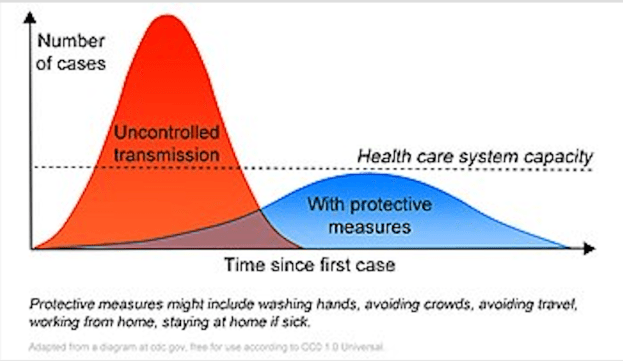
flatten curve 3.png

SOCIAL DISTANCING:

Social distancing includes avoiding crowded spaces such as theatres, museums, concerts, public gatherings. What size constitutes a “crowd”? The cutoff is arbitrary. The NBA and NHL have canceled their seasons. NYC has closed museums and Broadway theatres are closed. More stringent social distancing closes smaller venues. This sort of activity requires effective leadership which presently is coming from states and local governments. (Trump has failed to lead us. He has ignored and contradicted expert opinion from CDC etc. More about that another time.)

OTHER MEASURES:

As indicated in the above graph depicting flattening the curve, we as individual citizens can help flatten the curve.

  1.  Wash hands frequently (at least 20 seconds with soap and water)
  2.  Work from home whenever possible
  3.  If you are sick, stay at home, do not spread the virus.
  4.  Cover your nose and mouth with your arm when coughing or sneezing
  5.  Immediately dispose of used tissue paper.

Many people do not have paid sick time. That is why immediate federal legislation to support sick people so they can stay home is vitally important. That leadership is thankfully coming from Nancy Pelosi.

FROM NPR: “House Speaker Nancy Pelosi says her chamber will move forward Friday with a legislative package to handle the coronavirus pandemic, though Republicans don’t fully support it. The deal taking shape includes paid sick leave, nutrition aid and assistance for states, including unemployment and Medicaid costs.”

THESE MEASURES ARE VITALLY IMPORTANT. WHEN FACED WITH A DECISION TO STAY HOME WHEN SICK MEANS NO FOOD ON THE TABLE AND NO RENT CHECK, PEOPLE ARE MORE LIKELY TO MAKE THE DECISION TO FEED THEIR FAMILY and go to work. But that will expose others to the virus and cause a peak in infections, potentially overloading our medical system. The federal government must take measures that make it economically possible for sick folks to stay home and avoid rapidly infecting others.

Closing schools and shifting to on-line classes can help slow the spread.

FROM NPR: Every day for the past week, more than 100 colleges and universities around the country have canceled in-person classes and have taken the unprecedented step of moving classes online. 

This is an important example of social distancing.

From NPR: “According to a report in Education Week, at least 10,600 schools have been closed or are scheduled to close for several weeks. That is a small but quickly growing fraction of the approximately 50 million K-12 students in the United States.”

But closing K-12 places some children at increased risk as discussed below.

PROTECTING OUR CHILDREN:

FROM NPR: The Life Kit team looks at what you need to know about working from home and parenting young children.

And from that website link here are some important quotes.

“Luckily, public health officials in King County, Washington, offer this helpful guidance:

“Social distancing doesn’t mean you have to stay stuck in your house. … The current recommendation is to avoid large groups. That mostly means groups over 50 people but conservatively means anything more than 10 people. However, if you don’t fall into the high risk group, you can still certainly visit each other.”

Think of it as a good opportunity for one-on-one hangouts.

  1. What’s the single most important thing we can do to protect our kids?

Make sure they understand that hand-washing isn’t optional. And that means showing them how to do it properly: using soap, warm water and time. Washing should take 20 seconds, which means you may need to help them find a song they can sing (in their heads, maybe twice) — like the ABCs or “Happy Birthday” songs. Be sure they wash whenever they come in from outside, before eating, after coughing or sneezing or blowing their nose and, of course, after using the bathroom.

GOATS AND SODA

Just For Kids: A Comic Exploring The New Coronavirus

For younger kids, it can’t hurt to remind them that nose-picking is a no-go, and that they should cough into their elbows. If you’re feeling ambitious, clip their fingernails frequently, as they provide a sneaky hiding spot for viruses. Hand lotion keeps skin comfy and unbroken, which also helps prevent the spread of infection.

  1. Why is/isn’t my school being closed?

Closing schools is a complicated decision. Many school leaders and public health officials seem to be waiting for an infection or potential infection in their immediate school community before closing. While the science suggests closing schools earlier is more effective at slowing the spread of disease, it’s important to understand why so many school leaders are so reluctant to close schools.

For one thing, parents should understand that for many kids in the United States, being sent home from school is also a public health risk. Many children may not have parents who can take off work, or work from home, if school is canceled. They may also live in unsafe neighborhoods. Millions of U.S. children rely on schools for free or reduced-price meals, too, and 1.5 million schoolchildren nationwide are housing-insecure. For many of these kids, having to miss several weeks of school could be incredibly destabilizing.

A few more ideas: Try laundering things like coats, backpacks and reusable shopping bags more frequently and take off shoes when you come inside. For cleaning the house, the Centers for Disease Control and Prevention says “diluted household bleach solutions, alcohol solutions with at least 70% alcohol, and most common EPA-registered household disinfectants should be effective.”

If you have not read my first 2 posts about COVID19 please do so.

Remember, many infected people have no or little symptoms but they can still transmit the disease. High risk individuals include the elderly and those with chronic disease, especially cardiovascular disease, pulmonary (COPD, asthma, emphysema, smokers) and diabetics. Anyone on immune suppressive drugs is at very high risk.

Do everything you can to support your immune system:

  1.  Get adequate sleep
  2.  Practice stress reduction techniques
  3.  Walk outdoors in a greenspace
  4.  Eat an anti-inflammatory diet
  5.  Avoid environmental toxins
  6.  Avoid endocrine disruptors

THIS WEBSITE PROVIDES INFORMATION FOR EDUCATIONAL PURPOSES ONLY. CONSULT YOUR HEALTH CARE PROVIDER FOR MEDICAL ADVICE.

Eat clean, drink filtered water, love, laugh, exercise outdoors in a greenspace, get some morning sunlight, block the blue light before bed, engage in meaningful work, find a sense of purpose, spend time with those you love, AND sleep well tonight.

 Doctor Bob


Droplets vs Aerosol spread, COVID19

I spoke to a friend who was the Public Health Officer for Sacramento County for many years. She still consults on infectious disease and public health.

There is an important distinction between DROPLET spread and AEROSOL spread.

TB and measles are examples of AEROSOL spread. If someone coughs or sneezes in a room the particles can remain suspended in the air for long periods of time. So if you walk into the room after someone coughs or sneezes you can get the disease. This transmission requires “negative pressure” rooms in a hospital for isolation.

Corona virus and flu were believed to be different. They were thought to be spread by droplets which do not remain suspended in the air. The infected person must sneeze or cough droplets in your face or you must get the droplets from a contaminated surface (example: door knob) and then touch your face. In hospitals this requires only closing the door of the hospital room, not a negative pressure room (the negative pressure does not allow the aerosol to leave the room and it filters the room air).

Since this original post more scientific data have become available that strongly suggest that aerosol spread can occur with SARS CO2, (COVID-19) in community circumstances. Likelihood of transmission increases depending on many variables:

  • enclosed space (meeting room, bar, restaurant, living room, etc.)
  • poor ventilation (windows not open, air turnover from HVAC slow)
  • duration of exposure (time spent in enclosed area, or outside face to face contact)
  • proximity of individuals to one another (need to wear effective masks and socially distance)
  • proximity to air flow from HVAC system which can circulate aerosol
  • viral load of infected individual
  • immune status of individual
  • yelling, loud talking, singing, coughing, sneezing, dramatically increase aerosol and droplet production and transmission distance

Masks and social distancing decrease spread.

Some never develop symptoms. Asymptomatic individuals can carry and transmit the virus.

In individuals who develop symptoms, transmission can occur several days before symptoms appear.

Surfaces like doorknobs, keyboards, tables are not as important as previously thought. If someone is sick OR infected but not symptomatic with COVID19, the virus was thought previously to be transmitted by contact with a surface like a doorknob. cleaning these surfaces with Clorox or similar virus killing antiseptics was considered essential. Now we know that transmission by that route is much less important. AEOROSOL TRANSMISSION is the primary mode of transmission.

Nevertheless, frequent handwashing (at least 20 seconds) would be prudent.

Important: PUBLIC HEALTH RECOMMENDATIONS FOR INDIVIDUALS OVER AGE 65 AND THOSE WITH CHRONIC DISEASE INCLUDE VACCINATION FOR PNEUMOCCOUS. Contracting pneumococcal pneumonia before or after COVID19 would be very dangerous.

It is unlikely that there will be an effective COVID19 vaccine for a long time, if ever. Why? Because corona viruses MUTATE QUICKLY. There has never been an effective corona virus vaccine. But huge resources are now devoted to developing a vaccine and new technologies and approaches are being tried. (This was posted March 12, 2020, 9 months later a vaccine was available. However the “MUTATE QUICKLY” concern has proven true. As of 11/12/2022 we are still dealing with rapidly developing mutations with increasing immune evasion characteristics. But we have PAXLOVID, a combination anti-viral that is very effective in reducing morbidity, mortality, and risk of LONG COVID.

In the context of the COVID 19 pandemic I will close with the usual summary.

  1. Avoid alcohol consumption (alcohol wreaks havoc with your immunity)
  2. Get plenty of sleep (without adequate sleep your immune system does not work well )
  3. Follow good sleep habits
  4. Exercise, especially out of doors in a green space, supports the immune system
  5. Get some sunshine and make sure you have adequate Vitamin D levels. Supplement with Vitamin D3 to get your levels above 30 ng/ml, >40ng/ml arguably better.
  6. Eat an anti-inflammatory diet rich in micronutrients.
  7. Practice stress reduction like meditation and yoga which improves the immune system
  8. Eliminate sugar-added foods and beverages from your diet. These increase inflammation, cause metabolic dysfunction, and suppress immunity.
  9. Eliminate refined-inflammatory “vegetable oils” from your diet, instead eat healthy fat.
  10. Clean up your home environment and minimize your family’s exposure to environmental toxins by following recommendations at EWG.org with regards to household products, personal care products, and organic foods. (https://www.ewg.org/)
  11. Drink water filtered through a high quality system that eliminates most environmental toxins.
  12. HEPA filters or the home-made version (Corsi-Rosenthal box) used in your home or workplace can reduce circulating viral load as discussed on this website.
  13. If you are eligible for vaccination, consider protecting yourself and your neighbor with a few jabs. Age > 50 and/or risk factors (Diabetes, pre-diabetes, insulin resistance, hypertension, obesity, heart disease, COPD, asthma, cancer treatment, immune suppression) suggests benefit from a booster. Risk for complications of boosters in adolescents, especially males, without risk factors, may equal benefit. Previous infection with Covid can be considered as protective as a booster. Discuss risk vs benefits with your doctor.

THIS WEBSITE PROVIDES INFORMATION FOR EDUCATIONAL PURPOSES ONLY. CONSULT YOUR HEALTH CARE PROVIDER FOR MEDICAL ADVICE.

Eat clean, drink filtered water, love, laugh, exercise outdoors in a greenspace, get some morning sunlight, block the blue light before bed, engage in meaningful work, find a sense of purpose, spend time with those you love, AND sleep well tonight.

 Doctor Bob

COVID19 UPDATE, UCSF CONFERENCE REPORTS FRIGHTENING INFORMATION, posted March 12, 2020

On March 10, 2020 a panel discussion/conference of Infectious Disease and PANDEMIC experts convened at UCSF (University of California San Francisco). Here are the panelists.

  • Panelists
    • Joe DeRisi:  UCSF’s top infectious disease researcher.  Co-president of ChanZuckerberg BioHub (a JV involving UCSF / Berkeley / Stanford).  Co-inventor of the chip used in SARS epidemic.
    • Emily Crawford:  COVID task force director.  Focused on diagnostics
    • Cristina Tato:   Rapid Response Director.  Immunologist.
    • Patrick Ayescue:   Leading outbreak response and surveillance.  Epidemiologist.
    • Chaz Langelier:   UCSF Infectious Disease doctor

Unless bracketed, these are direct quotes of the panelists. This was forwarded to me by a physician friend whose colleague prepared it. The “I” refers to that colleague.

University of California, San Francisco BioHub Panel on COVID-19

March 10, 2020

  • Top takeaways 
    • At this point, we are past containment.  Containment is basically futile.  Our containment efforts won’t reduce the number who get infected in the US.  
    • Now we’re just trying to slow the spread, to help healthcare providers deal with the demand peak.  In other words, the goal of containment is to “flatten the curve”, to lower the peak of the surge of demand that will hit healthcare providers.  And to buy time, in hopes a drug can be developed. 
    • How many in the community already have the virus?  No one knows.
    • We are moving from containment to care.  
    • We in the US are currently where Italy was a week ago.  We see nothing to say we will be substantially different.
    • 40-70% of the US population will be infected over the next 12-18 months.  After that level you can start to get herd immunity.  Unlike flu this is entirely novel to humans, so there is no latent immunity in the global population.
    • [We used their numbers to work out a guesstimate of deaths— indicating about 1.5 million Americans may die.  The panelists did not disagree with our estimate.  This compares to seasonal flu’s average of 50K Americans per year.  Assume 50% of US population, that’s 160M people infected.  With 1% mortality rate that’s 1.6M Americans die over the next 12-18 months.]  
      • The fatality rate is in the range of 10X flu.
      • This assumes no drug is found effective and made available.
    • The death rate varies hugely by age.  Over age 80 the mortality rate could be 10-15%.  [See chart by age Signe found online, attached at bottom.]
    • Don’t know whether COVID-19 is seasonal but if is and subsides over the summer, it is likely to roar back in fall as the 1918 flu did
    • I can only tell you two things definitively.  Definitively it’s going to get worse before it gets better.  And we’ll be dealing with this for the next year at least.  Our lives are going to look different for the next year.
  • What should we do now?  What are you doing for your family?
    • Appears one can be infectious before being symptomatic.  We don’t know how infectious before symptomatic, but know that highest level of virus prevalence coincides with symptoms.  We currently think folks are infectious 2 days before through 14 days after onset of symptoms (T-2 to T+14 onset).
    • How long does the virus last?
      • On surfaces, best guess is 4-20 hours depending on surface type (maybe a few days) but still no consensus on this
      • The virus is very susceptible to common anti-bacterial cleaning agents:  bleach, hydrogen peroxide, alcohol-based.
    • Avoid concerts, movies, crowded places.
    • We have cancelled business travel.
    • Do the basic hygiene, eg hand washing and avoiding touching face.
    • Stockpile your critical prescription medications.  Many pharma supply chains run through China.  Pharma companies usually hold 2-3 months of raw materials, so may run out given the disruption in China’s manufacturing.
    • Pneumonia shot might be helpful.  Not preventative of COVID-19, but reduces your chance of being weakened, which makes COVID-19 more dangerous.
    • Get a flu shot next fall.  Not preventative of COVID-19, but reduces your chance of being weakened, which makes COVID-19 more dangerous.
    • We would say “Anyone over 60 stay at home unless it’s critical”.  CDC toyed with idea of saying anyone over 60 not travel on commercial airlines.
    • We at UCSF are moving our “at-risk” parents back from nursing homes, etc. to their own homes.  Then are not letting them out of the house.  The other members of the family are washing hands the moment they come in.
    • Three routes of infection
      • Hand to mouth / face
      • Aerosol transmission
      • Fecal oral route
  • What if someone is sick?
    • If someone gets sick, have them stay home and socially isolate.  There is very little you can do at a hospital that you couldn’t do at home.  Most cases are mild.  But if they are old or have lung or cardio-vascular problems, read on.
    • If someone gets quite sick who is old (70+) or with lung or cardio-vascular problems, take them to the ER.
    • There is no accepted treatment for COVID-19.  The hospital will give supportive care (eg IV fluids, oxygen) to help you stay alive while your body fights the disease.  i.e. to prevent sepsis.
    • If someone gets sick who is high risk (eg. is both old and has lung/cardio-vascular problems), you can try to get them enrolled for “compassionate use” of Remdesivir, a drug that is in clinical trial at San Francisco General and UCSF, and in China.  Need to find a doc there in order to ask to enroll.  Remdesivir is an anti-viral from Gilead that showed effectiveness against MERS in primates and is being tried against COVID-19.  If the trials succeed it might be available for next winter as production scales up far faster for drugs than for vaccines.  [MoreI found online.]
    • Why is the fatality rate much higher for older adults?
      • Your immune system declines past age 50
      • Fatality rate tracks closely with “co-morbidity”, i.e. the presence of other conditions that compromise the patient’s health, especially respiratory or cardio-vascular illness.  These conditions are higher in older adults.
      • Risk of pneumonia is higher in older adults.
  • What about testing to know if someone has COVID-19? 
    • Bottom line, there is not enough testing capacity to be broadly useful.  Here’s why.
    • Currently, there is no way to determine what a person has other than a PCR test.  No other test can yet distinguish “COVID-19 from flu or from the other dozen respiratory bugs that are circulating”.
    • A Polymerase Chain Reaction (PCR) test can detect COVID-19’s RNA.  However they still don’t have confidence in the test’s specificity, i.e. they don’t know the rate of false negatives.
    • The PCR test requires kits with reagents and requires clinical labs to process the kits.
    • While the kits are becoming available, the lab capacity is not growing.
    • The leading clinical lab firms, Quest and LabCorp have capacity to process 1000 kits per day.  For the nation.
    • Expanding processing capacity takes “time, space, and equipment.”  And certification.   i.e. it won’t happen soon.
    • UCSF and UC Berkeley have donated their research labs to process kits.  But each has capacity to process only 20-40 kits per day.  And are not clinically certified.
    • Novel test methods are on the horizon, but not here now and won’t be at any scale to be useful for the present danger.
  • How well is society preparing for the impact?
    • Local hospitals are adding capacity as we speak.  UCSF’s Parnassus campus has erected “triage tents” in a parking lot.  They have converted a ward to “negative pressure” which is needed to contain the virus.  They are considering re-opening the shuttered Mt Zion facility.
    • If COVID-19 affected children then we would be seeing mass departures of families from cities.  But thankfully now we know that kids are not affected.
    • School closures are one the biggest societal impacts.  We need to be thoughtful before we close schools, especially elementary schools because of the knock-on effects.  If elementary kids are not in school then some hospital staff can’t come to work, which decreases hospital capacity at a time of surging demand for hospital services.
    • Public Health systems are prepared to deal with short-term outbreaks that last for weeks, like an outbreak of meningitis.  They do not have the capacity to sustain for outbreaks that last for months.  Other solutions will have to be found.
    • What will we do to handle behavior changes that can last for months?
      • Many employees will need to make accommodations for elderly parents and those with underlying conditions and immune-suppressed.
      • Kids home due to school closures
    • [Dr. DeRisi had to leave the meeting for a call with the governor’s office.  When he returned we asked what the call covered.]  The epidemiological models the state is using to track and trigger action.  The state is planning at what point they will take certain actions.  i.e. what will trigger an order to cease any gatherings of over 1000 people.
  • Where do you find reliable news?
    • The John Hopkins Center for Health Security site.   Which posts daily updates.  The site says you can sign up to receive a daily newsletter on COVID-19 by email.  [I tried and the page times out due to high demand.  After three more tries I was successful in registering for the newsletter.]
    • The New York Times is good on scientific accuracy.
  • Observations on China
    • Unlike during SARS, China’s scientists are publishing openly and accurately on COVID-19.
    • While China’s early reports on incidence were clearly low, that seems to trace to their data management systems being overwhelmed, not to any bad intent.
    • Wuhan has 4.3 beds per thousand while US has 2.8 beds per thousand.  Wuhan built 2 additional hospitals in 2 weeks.  Even so, most patients were sent to gymnasiums to sleep on cots.
    • Early on no one had info on COVID-19.  So China reacted in a way unique modern history, except in wartime.
  • Every few years there seems another:  SARS, Ebola, MERS, H1N1, COVID-19.  Growing strains of antibiotic resistant bacteria.  Are we in the twilight of a century of medicine’s great triumph over infectious disease?
    • “We’ve been in a back and forth battle against viruses for a million years.”
    • But it would sure help if every country would shut down their wet markets.
    • As with many things, the worst impact of COVID-19 will likely be in the countries with the least resources, eg Africa.  See article on Wired magazine on sequencing of virus from Cambodia.

So that is the synopsis provided by my friend’s colleague.

Unfortunately, the Trump administration has been dangerously incompetent in addressing-mitigating the public health and economic impact. Trump STILL HAS NOT DECLARED THIS A NATIONAL EMERGENCY!

Whitehouse spokespeople have stated Trump does not want to declare this an emergency because it would contradict his earlier statements that COVID19 is not a serious problem (he tweeted and stated it is less serious than the flu). If declared a NATIONAL EMERGENCY it would free up large amounts of money and resources for public health, FEMA, and economic assistance, yet it has not been done. INSTEAD, TRUMP is waiting for his son-in-law (who has no scientific training) to research COVID19 and make recommendations for national policy!!!!!!!!!!!!!!!!!!!!!!!!!!!!!!!!!!!!!

SERIOUSLY???????????

This post and all posts are for informational, educational purposes and should not be taken as medical advice. Consult your health care practitioner for medical advise.

Eat clean, drink filtered water, love, laugh, exercise outdoors in a greenspace, get some morning sunlight, block the blue light before bed, engage in meaningful work, find a sense of purpose, spend time with those you love, AND sleep well tonight.

Doctor Bob

Study shows only 12% of US adults are metabolically healthy!

What does this mean? The authors of this study looked at several important markers of health: waist circumference, fasting blood sugar, hemoglobin A1c, blood pressure, triglycerides, HDL, and whether someone was taking any medication related to these markers. They used data from the National Health and Nutrition Examination Survey 2009-2016. Only 12.3% of US adults qualified as healthy on all measures. So how did we get into this horrible situation?

Let’s step back and look at modifiable factors that play into these health measures.

  • Adequate restorative sleep
  • Stress
  • Nutrition
  • Exercise
  • Sunlight (Vitamin D)
  • Social connection
  • Environmental toxins
  • Rest

I have discussed the importance of sleep in several posts. Following this link you will find recommendations for good sleep habits that can enhance the quality and duration of your sleep.

If you have not watched Dan Pardi’s discussion of “HOW TO OPTIMIZE LIGHT FOR HEALTH” I recommend you watch this.

STRESS

Stress reduction is a huge topic. Managing stress involves so many areas it deserves a separate discussion. But here are some basics. Getting adequate sleep is the place to start. Activities like Meditation, Yoga, moderate exercise (walking outdoors in a green space) Tai Chi, music, practicing Mindfulness, and spending time with family and friends are all potential avenues to reduce the deletrious effects of stress in our lives.

NUTRITION

I have presented one approach to an anti-inflammatory diet  and if you have not read through the details just follow the link. The low hanging fruit begins with elimination of processed foods, sweetened beverages, and pro-inflammatory “vegetable oils” (OILS made from corn, soy, cottonseed, safflower, sunflower, canola, margarine). EAT WHOLE FOODS.

TO LEARN ABOUT THE ILL-EFFECTS OF “VEGETABLE OILS” LISTEN TO NINA:

EXERCISE

My post about exercise as medicine can be found here. 

The best way to exercise is to play as described by my friend Daryl Edwards in his TED talk.


Most Americans do not get enough, but some get too much. Moderation is important.

SUNLIGHT

Getting outdoor light exposure early in the day and avoiding the deleterious effects of artificial light in the evening (wear blue light blocking glasses in the evening) are two important ways to get the most benefit from light exposure, improve your sleep and enhance your Vitamin D level. Exercise outdoors in a green space provides more benefit than walking the treadmill indoors.

SOCIAL CONNECTION

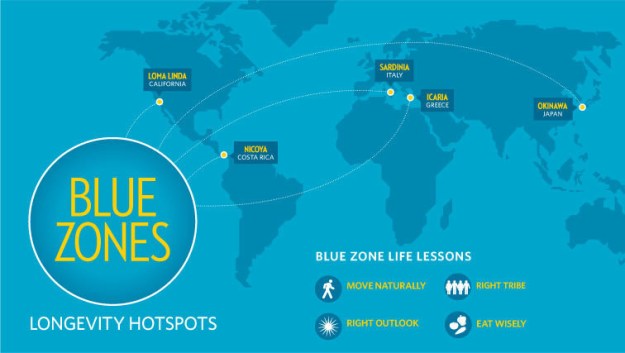
Blue Zones are areas in the world that have the greatest numbers of individuals living to age 100. The climates and food varies among the various areas. They  all have two things in common. First is a high degree of social connection, strong family ties, lifelong friends. Social connection within a supportive community is arguably one of the most important factors affecting health, longevity, and healthspan. Second, they eat REAL WHOLE FOOD.

blue zones longevity hotspots.jpg


ENVIORNMENTAL TOXINS

Part of eliminating environmental toxins includes consuming organic fruits and vegetables and eating meat, poultry and eggs from hormone-free, antibiotic-free, free- range/pastured sources. (ALL PART OF AN ANCESTRAL/PALEO DIET) If you are not familiar with the “dirty dozen” and the “clean 15” head on over to EWG.org where you will learn not only about what foods have the most/least residual pesticides, but also what personal care products and household cleaners are safe for you and your family.

WATER: Because humans have spent the last 4-5 decades polluting our air and water there is probably no water supply that is totally free of enviornmental toxins. To minimize your consumption of enviornmental toxins, filter your drinking water through a high quality system.

REST

Matthew Redlund MD has written a great book “THE POWER OF REST”. Here he discusses why sleep is not enough.

The fact that only 12% of American adults are metabolically healthy should be cause for great alarm. All chronic and degenerative  diseases including dementia, heart disease, stroke, arthritis and cancer rise as metabolic health deteriorates.

Remember, this website offers educational information only. Consult your health care provider for medical advice.

Sleep well, exercise outdoors, laugh, love, engage in meaningful work, drink filtered water, eat clean, eat whole foods, get plenty of sunshine, spend time with those you love.

Doctor Bob


Ketogenic Diet, Keto-Medicine

I have spent a few days watching lectures from various low-carb-healthy-fat meetings. There is an impressive amount of solid clinical data to support Very Low Carb (with healthy fat)  diets to treat obesity, insulin resistance, diabetes, pre-diabetes, metabolic syndrome, and seizure disorders. Eric Westman MD, author, Associate Professor of Medicine, Past Chairman of the Obesity Medicine Association,  and director of Duke University Lifestyle Medical Clinic gave an impassioned and authoritative talk on the success of LCHF in treating all of these disorders here.


Dr. Steven Phinney,  Professor Emeritus UC Davis and presently Chief Medical Officer for VIRTA has given numerous talks on the beneficial effects of a ketogenic diet. He and Jeff Volek Ph.D. have done research for decades on the physiology of low carbohydrate diets. They elucidated the changes that occur in high level athletes as they adapt to burning fat as their major fuel source during and after a period of “fat adaptation”. It turns out that endurance athletes, after a period of 1 to 3 months of adaptation to a low carb-high fat diet (variable from person to person) perform at equal or higher levels as compared to their performance when previously on a high carbohydrate diet. In fact, because lean athletes have much greater energy stored in fat as compared to glycogen (carbohydrate) they can go for many hours longer than an athlete who is dependent on carbohydrate metabolism (not fat adapted). Glycogen is the starch source of energy that humans store in the liver (100 grams) and in muscle (400 grams). Compared to glycogen, fat stores in lean individuals, including buff athletes,  can provide more than 10 times the amount of energy. Endurance athletes who are keto-adapted (fat burners) can ride a bike all day or run an ultra-marathon (100 miles) without taking in any energy source. (They must of course replace fluid and electrolytes). Whereas athletes who have followed a traditional high carb diet must start consuming calories after about 3 hours of moderate-high intensity exercise. Doctors Phinney and Volek have done clinical research on humans with obesity, pre-diabetes and diabetes and they have demonstrated superior results when compared to any other dietary approach.

You can learn about their work here:

And here:

So what is this all about? If carbohydrates are restricted to very low levels and instead we consume (healthy) fat as our major source of energy with moderate amounts of protein, then the human body starts to burn fat. This process results in the production of ketones (in the liver) which serve not only as a source of energy but also act as “signaling” molecules that turn on beneficial genes that fight inflammation and turn off genes that produce inflammation. When a well formulated ketogenic diet is followed under medical supervision, diabetics can often get off most or all of their diabetes medications within weeks to months as they lose weight. Improvements are seen quickly in blood pressure, fasting blood sugar, liver function tests, insulin sensitivity, inflammatory markers, subjective energy levels, mental clarity and mood. Triglycerides are reduced, HDL increases, and improvements are seen in the “atherogenic profile” with reductions in small dense LDL particles with a shift to large buoyant LDL particles. On a ketogenic diet humans spontaneously consume lower caloric intake because fat and protein are more satiating compared to carbohydrate. Circulating saturated fat in the blood DECREASES on a keto-genic diet. Refined carbohydrates and sugar (so prevalent in processed foods) produce increased circulating fat in the blood and increased fat storage throughout the body, often leading to fatty liver disease and the long list of chronic diseases caused by and associated with insulin resistance.

A ketogenic diet is also part of Dr. Dale Bredesen’s effective treatment program for early dementia (ReCoDe-Reversal of Cognitive Decline). I have discussed Dr. Bredesen’s approach before. Here is one of his discussions.

You can read Dr. Bredesen’s report of 100 patients who have reversed cognitive decline using a ketogenic diet as PART of the ReCoDe program here.

So what are the healthy fats in a low carb high fat diet?

They include fats found in whole foods such as nuts and avocados, pasture raised animals free of hormones and antibiotics, free range poultry and eggs, wild fish and seafood (avoiding large fish that have high mercury levels), extra virgin olive oil, avocado oil, butter from pastured grass-fed animals, and coconut oil. (yes butter is included despite that fact that strict paleo excludes dairy)

You should avoid all of the processed/refined oils that come from seeds, grains and legumes including soy oil, corn oil, cottonseed oil, canola oil, safflower oil, sunflower oil, sesame oil. You can learn why these (misnamed) “vegetable oils” are dangerous and how they were marketed to an unwitting public with the help and support of faulty science by listening to Nina Teicholz here:

There are many great lectures about the low-carb-high-fat ketogenic diet in addressing obesity, insulin resistance, pre-diabetes, metabolic syndrome, diabetes, seizures and more. Go to youtube and search “keto diet”, “low carb high fat”.

Before I sign off I will provide one more link:

Remember, this website offers educational information only. Consult your health care provider for medical advice.

Sleep well, exercise outdoors, laugh, love, engage in meaningful work, drink filtered water, eat clean, eat whole foods, get plenty of sunshine, spend time with those you love.

Doctor Bob


Depression, Food, Sunshine, Gut Microbiome

A family member was admitted to a psychiatric hospital this year with a major depressive episode. For the sake of anonymity lets call her Margie. I investigated the hospital and found that the medical director, chief nursing officer and CEO had excellent credentials. I asked Margie about her food choices, opportunity for exercise and time outdoors. All of these were deplorable. The only opportunity to spend time outdoors was to go outside with the smoking group for 20 minutes twice per day (cigarette breaks). There was no exercise program or exercise opportunity other than walking the halls and walking up and down the stairs with the smoking group going to/from a smoking session. The only green leafy vegetable available was iceberg lettuce (minimal nutritional value). Food options included high sugar and high starch content items, with very few vegetables and fresh fruits. Sugar and refined carbohydrates contribute to inflammation and gut dysbiosis, both of which contribute to psychiatric illness.

Margie had insomnia and depression. These two problems travel together and feed on each other. The lack of outdoor light in the morning and presence of artificial light in the evening all contribute to disruption of  circadian rhythm, worsening depression and insomnia. Lack of exercise also contributes to both.

Here is an excerpt of a letter I sent to her treating psychiatrist with copies to the CEO, medical director and chief nursing officer.

I do have concerns about the lack of availability at XXXXXXXXX Hospital of two essential components to mental health, specifically nutritional support and exercise.

So far the dietician has not yet consulted with XXXXX. I called the dietary department to discuss my concerns that she has been served primarily nutritionally deplete starch and sugar laden foods with a minimum of vegetables, fruit, healthy fat and protein. I was told that the only green leafy vegetable available is lettuce and when I inquired about other vegetables the response was very limited. Bob in the dietary department was great and very receptive to my concerns but seems somewhat limited in the availability of appropriate nutrient dense food at XXXXXXXX.

In addition, Margie tells me that XXXXXXX has no exercise program or exercise facility for patients. The importance of exercise and nutrition has been discussed extensively in the psychiatry literature.

Enclosed are a few review articles and abstracts relevant to nutrition and exercise for in-patient psychiatry. I hope you find these useful and would consider making efforts along the lines of the author’s recommendations in these studies and review articles.

I found the review by Dr LaChance and Dr. Ramsey “Antidepressant foods: An evidence-based nutrient profiling system for depression” to be most informative. You are probably aware that Dr. Ramsey has presented many lectures at the annual meeting of the American Psychiatric Association. The authors of the other studies enclosed have also been well represented at that meeting.

Despite requesting a response from the Medical Director, Chief Nursing Officer, and CEO, I never received any communication in response to my concerns.

The concept of “NUTRITIONAL PSYCHIATRY” has received much attention in the psychiatry literature. This article was published in the World Journal of Psychiatry. Antidepressant foods: An evidence-based nutrient profiling system for depression.

The article discusses nutrients that are “related to the prevention and treatment of depressive disorders”

Here is a summary:

Twelve Antidepressant Nutrients relate to the prevention and treatment of depressive disorders: Folate, iron, long-chain omega-3 fatty acids (EPA and DHA), magnesium, potassium, selenium, thiamine, vitamin A, vitamin B6, vitamin B12, vitamin C, and zinc.

The highest scoring foods were bivalves such as oysters and mussels, various seafoods, and organ meats for animal foods. The highest scoring plant foods were leafy greens, lettuces, peppers, and cruciferous vegetables.

This description aligns with the anti-inflammatory diet that I recommend to patients.

This dietary approach provides essential nutrients for brain health but also provides for healthy diversity in the gut microbiome,.

The relationship between psychiatric illness and the gut microbiome has been extensively reviewed in the medical literature.

Source of image:

Frontiers in Integrative Neuroscience, 11 September 2018 | https://doi.org/10.3389/fnint.2018.00033

This complicated picture depicts the interaction between food, gut microbiome, immune system, inflammation, endocrine system (stress response mediated by the hypothalamic pituitary adrenal axis), nervous system, neuro-transmitters including serotonin (the purported target of many anti-depressant medications). BBB is the blood brain barrier. ENS is the enteric nervous system. SCFAs are short chain fatty acids, very important for health, produced by “good” gut bacteria by using dietary fiber.

SCFAs serve several useful purposes including nourishment for the cells that line the gut, protection of the tight junctions between those cells (prevent leaky gut), direct anti-inflammatory actions and more. Leaky gut leads to an increase in pro-inflammatory substances crossing the gut barrier and entering the body (instead of staying in the gut and leaving with stool) with a cascade of undesirable consequences. LPS (lipopolysaccharides) are bacterial wall toxins that stimulate the immune system and create inflammation. This inflammatory response is a major contributor to death in the setting of systemic infections (sepsis).

If you are interested in understanding this picture you can read the entire article here.

It is clear from this picture that the authors recommend beans and whole grains. I advise  against the consumption of grains and legumes in favor of colorful vegetables which provide for 5-7 times the amount of fiber per calorie compared to grains. Many reasons to avoid grains and legumes have been discussed on the website many times.

Fiber-rich diets are the main fermentable sources for SCFAs which contribute to the attenuation of systemic inflammation by inducing regulatory T cells. (Lucas et al., 2018) and through multiple other mechanisms.

SCFAs are one of many metabolites produced by gut bacteria that contribute to the prevention of depression

The mechanisms of action include direct communication to the brain through the Vagus nerve, absorption of SCFAs into the blood where it can reach the brain and have beneficial effects, dampening of the inflammatory immune response, protecting the gut lining as mentioned above. These are depicted below.

SCFAs and depression

Image Source : Microb Cell 2019 Oct 7,; 6(10): 451-481, PMID 31646148

Exercise protects against depression and is useful as therapy for depression.

In her discussion of depression as a brain inflammatory disorder Psychiatrist Emily Dean describes well some of these interactions.

This is not the first time I have observed  very limited access to nutritious foods, exercise and sunlight in the setting of a psychiatric hospital. Unfortunately, it will likely not be the last despite multiple studies and articles in the medical literature pointing to the importance of these three ingredients for general and psychiatric health.

To prevent and treat depression and other psychiatric illnesses, nutrition, exercise, sunshine are all important. Lack of these basic treatment modalities hampers recovery and health.

Eat clean, drink filtered water, love, laugh, exercise outdoors in a greenspace, get some morning sunlight, block the blue light before bed, engage in meaningful work, find a sense of purpose.

Doctor Bob

Exercise as Medicine

For many chronic health problems, regular exercise is more effective than any drug.

Exercise as Medicine is a major movement at John’s Hopkins School of Medicine.

You can visit this website for links to many topics on the benefits of exercise.

You can find the top 10 things you need to know about exercise here. They include the following evidence based recommendations from the Physical Activity Guidelines for Americans.

any amount of physical activity has some health benefits. Americans can benefit from small amounts of moderate-to-vigorous physical activity throughout the day.

The benefits of exercise are cumulative, walk 10 minutes 3 times per day and you get the same benefit as a 30 minute walk. Walk  5 minutes 6 times and the benefit equals that of 30 minutes continuous walking. So you can break up your exercise in little pieces throughout the day. No requirement for a specific long period devoted to exercise.

New evidence shows that physical activity has immediate health benefits. For example, physical activity can reduce anxiety and blood pressure and improve quality of sleep and insulin sensitivity.

Exercise improves cognition, decreases cancer risk, decreases risk of depression, hypertension, diabetes, stroke and heart disease. It lowers risk of falls and injuries from falls. It decreases pain and helps a variety of conditions. Exercise reduces all cause mortality (death rates from all causes)

Here are some direct quotes from the second edition of the  Physical Activity Guidelines.

  • For youth, physical activity can help improve cognition,* bone health, fitness, and heart health. It can also reduce the risk of depression.
  • For adults, physical activity helps prevent 8 types of cancer (bladder,* breast, colon, endometrium,* esophagus,* kidney,* stomach,* and lung*); reduces the risk of dementia* (includingAlzheimer’s disease*), all-cause mortality, heart disease, stroke, high blood pressure, type 2 diabetes, and depression; and improves bone health, physical function, and quality of life.
  • For older adults, physical activity also lowers the risk of falls and injuries from falls.*
  • For pregnant women, physical activity reduces the risk of postpartum depression.*
  • New evidence shows that physical activity can help manage more health conditions that Americans already have. For example, physical activity can decrease pain for those with osteoarthritis, reduce disease progression for hypertension and type 2 diabetes, reduce symptoms of anxiety and depression, and improve cognition for those with dementia, multiple sclerosis, ADHD, and Parkinson’s disease.

You can choose from a variety of TEDtalks on exercise here.

I particularly enjoyed my friend Darryl Edwards talk here.


So sleep well, exercise often, eat clean, filter your water, avoid environmental toxins, get plenty of sunshine, and most important of all, stay connected with friends and family.

Doctor Bob


Can LED light bulbs, computer screens and TV make your pain worse?

The answer is probably yes.

The mechanism(s) go like this:

Exposure to full spectrum light in the evening > reduces quantity and quality of restorative sleep which in turn > increases chronic inflammation and contributes to depression both of which make pain worse.

Exposure to full spectrum light in the evening also > reduces nitric oxide production > which increases blood pressure and risk of cardiovascular disease and metabolic disorders.

In animal studies interruption of circadian rhythm with artificial light exposure when the animal would typically be sleeping decreases memory capacity.

And fat tissue has specific receptors for light which alters fat storage. Increased visceral fat produces more inflammatory cytokines and chemokines which sensitize pain fibers and increase inflammation throughout the body.

Exposure to artificial light in the evening even worsens the grades of children in school.

Adequate restorative sleep is so important that I prescribe all patients with chronic pain 2 pages of  sleep hygiene recommendations.

To optimize your circadian rhythm get some early morning light exposure (without sunglasses) before 12 noon and at sundown reduce your ambient light exposure to mimic the natural light outdoors. Sleep in absolute darkness and wear blue light blocking glasses in the evening.

You can learn more about this topic by listening to a 12 minute TEDtalk by Dan Pardi who does research in the Circadian LAB at Stanford.

Hat tip to Tommy Wood for bringing this TEDtalk to my attention.

Sleep well.

Doctor Bob.

My Autoimmune Disease: remission with the AIP (and one medication)

In September of 2018 I awakened with swollen, red and painful hands. I could not make a fist. I could not grip a steering wheel without extreme pain. I left dropped items on the floor because it was too painful to pick them up. All of my joints were painful and stiff. My legs were swollen. My wife had to help dress me so I could go to work. The simplest hand techniques to perform nerve blocks were painful. Just putting on sterile gloves caused severe pain. This happened just a few days after a week of camping. I felt weak all over and had trouble sleeping, unable to find a comfortable position.

(My camping vacation included digressions from my typical paleo/ancestral diet. I drank wine, ate some gluten containing foods and some dairy. I ate some wheat and sugar containing deserts.)

As a physician I ordered a variety of blood tests for tick born illness (such as Lyme’s Disease), rheumatoid arthritis, and other disorders that could cause my symptoms. All tests were negative except for an inflammatory marker (hsCRP) which was very high.

I queried physician friends about something I may have overlooked. No suggestions were forthcoming above and beyond what I had already done.

I prescribed myself a non-steroidal anti-inflammatory drug  NSAID. That provided modest relief but I was still suffering severe symptoms.

After 6 stubborn weeks I consulted a rheumatologist and he diagnosed me as having  “sero-negative” rheumatoid arthritis. Given the choice of several pharmaceutical interventions I chose the least toxic and started a drug called hydroxychloroquine. I was told it would take about 3 months to produce results, and in the meantime should continue the NSAID.

I immediately started to follow the Autoimmune Protocol AIP

Within one week of the AIP the redness in the joints of my hands was gone.

Within 2 weeks the pain in my joints was significantly reduced.

Within 3 weeks the swelling in my hands/fingers was completely gone and I stopped the NSAID. I no longer had pain in my hands and fingers while doing every day tasks.

Within 4 weeks I was able to resume my daily yoga and Pilates routine.

Within six weeks I felt in complete remission.

My rheumatologist agreed that I appeared to be in remission at follow up visit (no signs of inflammation, synovitis, etc., on examination with resolution of presenting symptoms) but he was and remains skeptical about the auto-immune protocol.

My clinical response was clearly way ahead of the expected time sequence for hydroxychloroquine. I concluded that the AIP was a major factor in my recovery.

All X-rays and MRI scans of my joints (which have suffered from osteoarthritis) were negative for the typical findings associated with rheumatoid arthritis.

The autoimmune protocol is a combination of lifestyle modifications involving diet, sleep, exercise, and stress reduction. It goes beyond the paleo diet. The paleo (ancestral) diet  eliminates processed/refined foods,  grains, legumes, dairy, added sugar, and refined vegetable oils. It stresses the consumption of a variety of organic vegetables and organic fruit, grass-fed meats, organ meats, free range poultry and eggs, wild seafood. The auto-immune protocol adds further restrictions: no nuts, eggs, nightshades, seeds, spices from seeds, and absolutely no alcohol.

There are many reasons for the added restrictions under the AIP. The added dietary restrictions are important for what they avoid but also important for the resulting increase in other beneficial foods that are allowed. The foods are omitted because they can cause or contribute to: gut irritation, dysbiosis, act as carrier molecules across the gut barrier, increase gut permeability, and/or cause inflammation. In theory, by eliminating those foods (hopefully on a temporary basis) and substituting nutrient dense less potentially harmful foods, we reduce some of the contributing factors to autoimmunity and inflammation.

For a detailed discussion of the AIP I suggest you visit Sarah Ballantyne’s  website and read her book: The Paleo Approach, Reverse Autoimmune disease and Heal Your Body.

Avoiding potentially harmful foods and beverages while increasing healthy nutrient dense foods represents the major focus of many individuals following the AIP. But equally important are the other lifestyle components. These include obtaining adequate  restorative sleep, reducing/managing stress (Stress Reduction and Health), getting reasonable amounts of playful exercise (this should be fun and occur in a green space as much as possible), sunshine, eliminating exposure to  environmental toxins, drinking filtered water, and frequent contact with supportive family and friends. Without addressing all of these areas one is not likely to succeed in achieving remission from an auto-immune disease.

In addition to Sarah’s Ballantyne’s book and website, if you have an auto-immune disease I recommend Dr. Terry Wahl’s website and book. Dr. Wahl’s, a medical school faculty physician, teacher and researcher,  was wheelchair bound with Multiple Sclerosis and facing death having failed all available medical treatments as well as some experimental drug protocols. She read about functional medicine, paleo nutrition and evolutionary biology in order to create her own treatment plan. One year latter she was in remission and riding her bike 20 miles. She subsequently raised money to do clinical research using her version of the AIP and has published a successful clinical trial.

There have been few controlled clinical trials of the AIP for auto-immune disease, largely because it does not involve drug research (no profits to be made) and because the NIH does not like to fund studies that alter multiple parameters at one time. Unfortunately, NIH funding has followed a drug and surgery model of medical treatment and does not look favorably on lifestyle interventions (one exception being the Mediterranean diet). I hope that bias changes in the future. In the meantime, physicians and scientists like Terry Wahls MD and Dale Bredesen MD, PhD (neurologist/researcher/author, The End of Alzheimer’s) remain pioneers in functional medicine and lifestyle interventions, being left to start their own foundations and raise money to fund medical research.

Both of these physicians have conducted clinical trials of lifestyle interventions (see below) that have produced revolutionary results, largely ignored by major medical societies and medical organizations. Progress occurs slowly, today’s iconoclasts are often tomorrows Nobel laureates.

Sometimes, despite significant clinical improvement with the AIP, some medication remains necessary with an auto-immune disease. If the auto-immune disease has been present for a long time, permanent damage may be present. That does not represent failure. If one can reduce drug doses, eliminate one or more drugs from a complicated medical regimen, and improve symptoms beyond what drugs alone achieve, I would call that success. Anecdotal reports from many patients (including my own) with auto-immune disease, suggest that it is not a cure-all, and those that show significant clinical improvement demonstrate various time responses ranging from weeks to several months in order to see results. But there are no down-sides to the AIP, no bad side-effects, no dangerous drugs, and only potential for clinical improvement. That seems like a no-brainer to me.

After eight weeks of strict dietary adherence, having achieved remission and appearing to be stable, I slowly added back small amounts of eggs, nuts and some nightshades (one at a time, observing for negative responses). I have been successful with that approach. I have not suffered any symptoms of rheumatoid arthritis since my initial remission. I remain on a paleo/ancestral diet and remain very cautions with regards to sleep habits, exercise, stress reduction, and social support. I try to laugh frequently and continue to engage in meaningful work. All of these components are essential to the AIP and to healthy living in general.

The following are links to published studies on the auto-immune protocol as well as links to a similar lifestyle intervention for Alzheimer’s disease. Another link is an editorial on inflammatory bowel disease and diet. The Autoimmune Protocol has been studied for Inflammatory Bowel Disease. In a peer reviewed published clinical trial it improved symptoms and inflammation seen on endoscopy, even producing remission in some patients. (https://www.ncbi.nlm.nih.gov/pmc/articles/PMC5647120/) It has also been studied for Hashimoto’s Thyroiditis and found to be effective .(https://www.ncbi.nlm.nih.gov/pmc/articles/PMC6592837/)

Efficacy of the Autoimmune Protocol for Hashimoto’s Thyroiditis

Efficacy of the Autoimmune Protocol for Inflammatory Bowel Disease

Randomized control trial evaluation of a modified Paleolithic dietary intervention in the treatment of relapsing-remitting multiple sclerosis: a pilot study.

Multimodal intervention improves fatigue and quality of life in subjects with progressive multiple sclerosis: a pilot study.

Diet and Inflammatory Bowel Disease

A Multimodal, Nonpharmacologic Intervention Improves Mood and Cognitive Function in People with Multiple Sclerosis.

Reversal of cognitive decline in Alzheimer’s disease.

Inhalational Alzheimer’s disease: an unrecognized – and treatable – epidemic.

A colleague and scientist (Pedro Bastos), after reading my post, sent the following links to related articles (two by Loren Cordain, and a Master’s Thesis by one of his graduate students). For those interested in understanding the theories of molecular mimicry as triggers and mechanisms in autoimmune disease, Cordain’s work is outstanding.

Cereal grains, double-edged sword, Loren Cordain, 1999, Evolutionary Aspects of Nutrition and Health.

Rheumatoid Arthritis, molecular mimicry, dietary lectins, Loren Cordain, 2000, British Journal of Nutrition

Master’s Thesis, auto-immune disease and Paleo Diet, Trevor Connor

Eat clean, sleep well, exercise out-doors, get sunshine, love and laugh.

Bob Hansen MD