Tag Archives: diet

Bariatric surgery is NOT superior to lifestyle changes

There have been multiple studies comparing “lifestyle” interventions to bariatric surgery in treating obesity and diabetes. Repeatedly the authors conclude that bariatric surgery is superior to “lifestyle” interventions.

But none of these studies have utilized very low carbohydrate diets or medically supervised fasting as a lifestyle intervention. Instead, the diets employed for the “lifestyle” intervention are typically an ADA calorie restricted low-fat diet. I find this very frustrating as a physician.

The science in this area has demonstrated that very low carbohydrate diets consistently out-perform the low fat calorie restricted diet in terms of weight loss, blood sugar control, blood pressure control and lipid profiles.

Bariatric surgery carries a mortality rate of up to 3% depending on the surgeon, hospital and other circumstances. As an anesthesiologist and pain management physician I have seen multiple complications of bariatric surgery including but not limited to multiple chronic nutritional deficiencies (malabsorption), hernias, sepsis, renal failure, rhabdomyalisis, respiratory failure requiring prolonged ventilation, multi-organ failure requiring prolonged ICU care, and death.

And although many patients have profound weight loss in the first year after bariatric surgery many patients ultimately gain back most of the weight initially lost.

We need studies that compare bariatric surgery to very low carbohydrate and paleo diets. We need studies that compare bariatric surgery to intermittent medically supervised fasting. Until those studies are performed we should not conclude that bariatric surgery is superior to lifestyle interventions, particularly given the high complication rates of this surgery and the proven effects of VLC diets and medically supervised fasting.

Here are links to videos that discuss this topic.

They are all worth watching.

The SkinnyNews-Tim Noakes

The Aetiology of Obesity Part 1 of 6: A New Hope

The Science and Practice of Low-Carb Diets {Duke University Office Hours}

Prof. Tim Noakes; Medical aspects of the low carbohydrate lifestyles

Low-Carb Experts: Eric Westman, MD, MHS – Segment One (9:30)

Dr Eric Westman – Duke University New Atkins Ketogenic Diet for Weight Loss and Health

Dr Eric Westman about the new Atkins diet, part 1/2

Debunking Low Carb Myths with Dr. Eric Westman

Insulin Toxicity and How to Cure Type 2 Diabetes

How to Reverse Type 2 Diabetes Naturally

I have previously discussed the issue of carbohydrate restriction, diabetes and obesity with multiple scientific references provided in previous posts.

Peace,

Bob Hansen MD


Nutrition Journals and the influence of the food industry

Ever wonder why the public is so confused about nutrition recommendations? Just follow the money and you will understand that most of the professional societies that publish nutrition articles are funded by big food companies that are trying to sell more sugar, refined carbs and junk food. I recently read an excellent post about this topic here:

The Vilest Villain: American Society of Nutrition

This theme is repeated by medical journals that are “The Official Journal of the Society of >>>>>>” Just fill in the blanks for just about any medical society. Funding comes from big pharmaceutical companies the same way that funding in the nutrition Journals comes from large (junk) “food” manufacturers.

Don’t get me wrong, there are plenty of very valuable, life-saving drugs out there.

But most chronic human disease in developed societies is generated by various combinations of poor nutrition, lack of exercise, disruption of circadian rhythm, inadequate restorative sleep, stress and lack of social support systems.

The obesity and diabetes epidemics continue to worsen yet the failed dietary advise of major health organizations is slow to respond to the data. Excess refined carbs (especially in the form of “food” made with flour) and added sugar (especially in the form of HFCS) are the major driving forces for obesity, diabetes and cardiovascular disease. Red meat is not the culprit, provided the meat is properly sourced (hormone and antibiotic free, grass fed) and cooked in a manner that does not create carcinogens and inflammatory mediators (cook with slow, low, moist heat, high temperature grilling and smoking cause problems, but that topic  is for another post).

Americans consume an average 130 pounds per year of added sugar and 140 pounds per year of refined flour. Those are averages so there are many people who consume more. The added sugar is not the white stuff people put in their coffee. It comes in all sorts of forms but is found in energy drinks, soda, lattes and mochas, salad dressing,  ketchup, canned soups, canned vegetables, white AND whole grain breads, pasta (even “whole grain”), crackers, breakfast cereal,  just about any packaged food that has more than one ingredient on the label. These foods represent 70% of the American diet. The problems created by this situation are enormous and will bankrupt our “healthcare system”. This is a cultural and economic problem.

The solutions are simple but largely ignored in our society. We are creatures of habit and convenience.

Eat whole foods, nothing from a package that has more than one ingredient. Eat meat, seafood, poultry, fresh organic vegetables (6-9 servings per day), fresh organic fruits, and nuts. Meat should be hormone and antibiotic free (free range, grass fed). Seafood should be wild. Poultry should be free range and the eggs should come from free range chickens, ducks, geese.

Do not worry about eating fat as long as it comes from healthy animals and sources such as coconut oil, extra-virgin olive oil, avocado oil and clarified butter (ghee).

Do not use any “vegetable” oils (corn, soy, and other oils from grains or seeds) The vegetable oils are highly refined and inflammatory. They contain easily oxidized omega 6 fats that feed the production of inflammatory mediators in your body and create oxidized LDL leading to atherosclerosis.

Exercise daily, preferably outside in a green space. Twice per week spend 20-30 minutes  doing resistance training (lift weights, work against the resistance of bands, use your own body weight doing pushups, pull-ups etc)

Reduce stress with mediation, yoga, tai chi, dancing, engaging in fun sports and social activities. Walk on the beach, by a lake, river or stream, in the woods, listen to music.

Get some sunshine regularly especially during the morning to get your circadian rhythm in order and to produce adequate amounts of vitamin D.

Spend time with family, friends and colleagues who are supportive and fun to be around.

Sleep in the dark.

Get at least 7 hours of sleep per night. Avoid TV, computer screens and other electronic devices for at least 2 hours before bedtime.

Unplug from the internet, email, etc on a regular basis.

We evolved as hunter-gatherers.

Peace

Bob Hansen MD


Chronic Pain: How does it occur and what can be done about it?

I have discussed the effects of nutrition, stress-reduction, sleep, and circadian rhythm on pain in previous posts . I have not yet discussed the theory of how chronic pain develops and persists. This post discusses some of the mechanisms involved in chronic pain as well as therapeutic approaches that have proven to be effective in addressing the root causes of chronic pain and suffering.

THE CENTRAL NERVOUS SYSTEM (BRAIN AND SPINAL CORD) CAN INDEPENDENTLY CAUSE PAIN AND OTHER PHYSICAL SYMPTOMS THROUGH THE DEVELOPMENT OF LEARNED NERVE PATHWAYS. THESE PATHWAYS INCLUDE CIRCUITS WITHIN THE BRAIN AND CIRCUITS CONNECTING THE SPINAL CORD TO VARIOUS PARTS OF THE BRAIN. THEY CAN PRODUCE PAIN EVEN IN THE ABSENCE OF ONGOING TISSUE DAMAGE.

THESE LEARNED NERVE PATHWAYS CAN DEVELOP AS A RESULT OF SEVERAL WEEKS OR MONTHS OF CONTINUOUS PAIN CAUSED BY AN INJURY OR DEGENERATIVE-INFLAMMATORY DISEASE. IF WE EXPERIENCE RELENTLESS PAINFUL IMPULSES COURSING THROUGH THE BODY THESE BOMBARD THE SPINAL CORD AND BRAIN WITH PAINFUL MESSAGES AND OUR BRAIN AND SPINAL CORD EXPERIENCE A CHANGE SIMILAR TO THE CHANGES THAT CAN OCCUR WITH PTSD CAUSED BY ONE OR MORE TRAUMATIC EVENTS.

THESE LEARNED NERVOUS SYSTEM PATHWAYS REPRESENT “NEUROPLASTICITY” MEANING CHANGES IN THE NERVOUS SYSTEM BROUGHT ABOUT BY EVENTS SUCH AS TRAUMA AND STRESS. THEY REPRESENT A “MEMORY” OF THE PAIN, TRAUMA AND STRESS IMPRINTED ON THE NERVOUS SYSTEM. THIS “MEMORY” INCLUDES NEWLY (AND OFTEN PERMANENTLY) FORMED CIRCUITS THAT OFTEN CONNECT VARIOUS PARTS OF THE BRAIN ASSOCIATED WITH PAIN, ANXIETY, DEPRESSION AND ANGER TO PARTS OF THE BRAIN AND SPINAL CORD THAT MEDIATE SENSATIONS OF LIGHT TOUCH AND PRESSURE. THESE CONNECTIONS PRODUCE “ALLODYNIA” WHICH IS A PAINFUL RESPONSE TO A STIMULUS WHICH IS USUALLY NOT PAINFUL. WE CAN ALSO EXPERIENCE “HYPERALGESIA” WHICH IS AN EXAGGERATED PAIN EXPERIENCE, OUT OF PROPORTION TO THE PAINFUL STIMULUS.

THE NERVOUS SYSTEM HAS A BUILT IN “MUFFLER” DESIGNED TO DAMPEN DOWN PAIN MESSAGES BUT IN CHRONIC PAIN THIS MUFFLER BECOMES AN AMPLIFIER THAT NOT ONLY AMPLIFIES THE TRANSMISSION OF PAIN BUT ALSO CONNECTS THIS AMPLIFIED PAIN SYSTEM TO PARTS OF THE BRAIN ASSOCIATED WITH ANXIETY, ANGER, AND DEPRESSION.

ONCE THESE CIRCUITS OR PATHWAYS ARE IN PLACE (“LEARNED”) THEY CAN NOT BE ELIMINATED (“UNLEARNED”). EFFECTIVE PAIN REDUCTION REQUIRES ACTIVATING ON A REGULAR BASIS ALTERNATIVE PATHWAYS THAT ALREADY EXIST SUCH AS THOSE ASSOCIATED WITH PLAY, MUSIC, DANCE, HUMOR, LAUGHING. ACTIVATING OTHER PATHWAYS CAN ALLOW THE PAIN PATHWAYS TO BE “TURNED OFF” OR MUFFLED. AS CHILDREN WE LEARN TO PLAY AND THOSE LEARNED PATHWAYS STAY WITH US FOR LIFE. WITH PRACTICE WE CAN REGULARLY ACTIVATE THOSE BRAIN PATHWAYS AND MAKE THEM AND OTHER PATHWAYS THE PREDOMINANT PATHWAYS OF OUR BRAIN ACTIVITY.

BUT BEFORE WE CAN UTILIZE THE PLEASANT ALREADY-LEARNED PATHWAYS IN THE BRAIN TO CIRCUMVENT THE PAINFUL-ANXIOUS PATHWAYS WE MUST FIRST DEAL WITH OUR ANGER. DEALING WITH OUR NATURAL AND JUSTIFIABLE ANGER REQUIRES FORGIVENESS. UNTIL THE ANGER IS RELEASED AND FORGIVENESS ACHIEVED WE CANNOT MAKE USE OF THE THERAPIES AND STRATEGIES AVAILABLE TO DECREASE AND MANAGE OUR PAIN. ANGER BLOCKS THE PATH TO HEALING AND PAIN REDUCTION.

The brain processes an emotional insult in exactly the same way that the brain processes a physical insult. Stressful life events and our emotional reactions to them may cause pain that is severe. This is why chronic pain becomes worse when we experience a stressful event. Vicious cycles develop as multiple circuits connecting pain pathways to areas of the brain associated with anxiety and depression become activated and stay activated.

COGNITIVE BEHAVIORAL THERAPY: Over the course of months and years, our reaction to chronic pain often includes repetitive negative thoughts. Cognitive behavioral therapy helps us learn techniques to avoid repetitive negative thoughts.

Mindfulness Based Stress Reduction is another technique that can help mitigate the suffering associated with pain. Mindful Meditation practiced 30 minutes per day produces measurable changes in brain activity that can be seen on Functional MRI scans of the brain within 90 days. These changes demonstrate decreased brain activity in areas associated with pain, depression, anxiety and anger. Scientific studies have also demonstrated that MBSR produces improved immune function, reduces blood pressure, reduces heart rate AND improves heart rate variability (an indicator of cardiovascular and metabolic health), improves sleep and provides other beneficial physiologic changes associated with healing and wellness. Yoga and meditation are essential components of an MBSR program.

SLEEP: Pain cannot be managed or successfully treated unless an individual gets 7-8 hours of restorative sleep per night. Sleep hygiene recommendations are an essential part of the path to wellness. Daily exposure to sunlight outdoors early in the day and restoring normal circadian rhythm are essential for pain management. Going to bed at the same time every evening and sticking to a regular schedule is an important part of improving sleep. Early daytime exposure to sunlight and dimming the lights in the evening are also required. Regular exercise (daily walking) is essential. Wearing blue-light blocking glasses for 2-3 hours before bedtime can facilitate sleep. When blue light wavelengths (light bulbs, computer screens, TV screens) hit the retina of the eye a message is immediately relayed to the “internal clock” of the brain that tells the brain there is still daylight. This inhibits the production of melatonin (the “sleep hormone”). Avoiding bright light (especially from TV or computer screens) for 2-3 hours before bedtime is important. If you must watch TV or work on the computer in the evening than blue light blocking glasses or goggles are a must. There are free software programs that will eliminate the blue light from your computer screen and cell phone as an alternative to blue light blockers.

NUTRITION: Pain involves inflammatory pathways. An anti-inflammatory diet is essential for treating pain and providing the nutritional components necessary for healing tissue and establishing better brain chemistry. Paleo (also called Ancestral) Diet removes potential sources of inflammation from the diet. If a patient suffers from an auto-immune disorder the more restrictive Autoimmune Protocol version of the Paleo-diet can help put the disease into remission and decrease the inflammation associated with the auto-immune process.

OBESITY AND OVERWEIGHT: Extra fat around the belly and internal organs causes chronic inflammation throughout the body. The fat cells around internal organs and the immune cells that reside alongside the fat cells both produce a steady stream of chemicals that circulate throughout the body stimulating inflammation everywhere. These circulating chemicals are called cytokines and chemokines. Certain cytokines and chemokines cause fatigue, brain fog, and sensitize the nerves, increasing pain. They also interfere with sleep. Weight loss is an essential component to pain reduction for overweight and obese patients. The best nutritional approach to weight loss includes a Paleo Diet with carbohydrate restriction (low carbohydrate, high-healthy-fat whole food diet). Adding medically supervised intermittent fasting (such as an 18- 24 hour fast every 1-2 weeks, consuming only water for 18-24 hours) can also be effective especially combined with a carbohydrate restricted Paleo Diet and lifestyle.

Exercise and Physical Conditioning: Chronic pain causes sedentary behavior which results in physical de-conditioning. This process involves loss of muscle, decreased bone density, shortening of ligaments and tendons and shrinkage of the tissues that envelope muscle. This leads to more pain when physical activity is increased and a vicious cycle is created. This cycle must be broken with a graduated daily exercise and physical conditioning program. If you follow a medically prescribed exercise program you will not damage your body even though it may be painful during the first several days. Exercise also helps to convert the “amplifier” back to a “muffler” in the nervous system.

Below are some links to articles related to this discussion.

Eat clean, live clean.

Bob Hansen MD

Applying modern pain neuroscience in clinical practice: criteria for the classification of central sensitization pain.

Central sensitization and altered central pain processing in chronic low back pain: fact or myth?

How to explain central sensitization to patients with ‘unexplained’ chronic musculoskeletal pain: practice guidelines.

Addressing sleep problems and cognitive dysfunctions in comprehensive rehabilitation for chronic musculoskeletal pain.

Exercise therapy for chronic musculoskeletal pain: Innovation by altering pain memories.

Efficacy of a modern neuroscience approach versus usual care evidence-based physiotherapy on pain, disability and brain characteristics in chronic spinal pain patients: protocol of a randomized clinical trial.

The effect of relaxation therapy on autonomic functioning, symptoms and daily functioning, in patients with chronic fatigue syndrome or fibromyalgia: a systematic review.

Pro-nociceptive and anti-nociceptive effects of a conditioned pain modulation protocol in participants with chronic low back pain and healthy control subjects.

Vagal modulation and symptomatology following a 6-month aerobic exercise program for women with fibromyalgia.

Brain-derived neurotrophic factor as a driving force behind neuroplasticity in neuropathic and central sensitization pain: a new therapeutic target?

The role of central sensitization in shoulder pain: A systematic literature review.

Chronic whiplash-associated disorders: to exercise or not?

Exercise, not to exercise, or how to exercise in patients with chronic pain? Applying science to practice.

Evidence for central sensitization in patients with osteoarthritis pain: a systematic literature review.

Malfunctioning of the autonomic nervous system in patients with chronic fatigue syndrome: a systematic literature review.

Endogenous pain modulation in response to exercise in patients with rheumatoid arthritis, patients with chronic fatigue syndrome and comorbid fibromyalgia, and healthy controls: a double-blind randomized controlled trial.

You may need a nerve to treat pain: the neurobiological rationale for vagal nerve activation in pain management.

Avoidance behavior towards physical activity in chronic fatigue syndrome and fibromyalgia: the fear for post-exertional malaise.

The role of mitochondrial dysfunctions due to oxidative and nitrosative stress in the chronic pain or chronic fatigue syndromes and fibromyalgia patients: peripheral and central mechanisms as therapeutic targets?

Thinking beyond muscles and joints: therapists’ and patients’ attitudes and beliefs regarding chronic musculoskeletal pain are key to applying effective treatment.

Evidence for central sensitization in chronic whiplash: a systematic literature review.

Pain in patients with chronic fatigue syndrome: time for specific pain treatment?

Kinesiophobia, catastrophizing and anticipated symptoms before stair climbing in chronic fatigue syndrome: an experimental study.

Central sensitization in patients with rheumatoid arthritis: a systematic literature review.

Cure diabetes by fasting or eating less sugar and starch? No drugs involved.

Jason Fung is a brilliant Canadian physician who has treated obesity and diabetes with a fasting protocol. Intermittent fasting produces physiologic changes similar to a low carbohydrate ketogenic diet (LCKD). Both approaches have been successfully used to treat diabetes, insulin resistance, obesity and metabolic syndrome. Learn why most medications that are used to treat diabetes do not address the underlying root cause by watching this video.

After watching that video consider the following discussion by Dr. Tim Noakes who cured his own “pre-diabetes” with a LCKD. Dr. Noakes was criticized by his less open-minded colleagues for employing a beneficial lifestyle change that allows most diabetics to reduce or eliminate their medications. Dr. Noakes had followed the “prudent diet” recommended by the USDA and AHA for decades. Despite following that “prudent diet” and exercising regularly by running long distances he had developed “pre-diabetes” (insulin resistance which often leads to type II diabetes). Then he stumbled upon an iconoclastic approach,

So he read more about it and decided to try it. The results were stunning to this physician who became an ardent proponent of carbohydrate restriction.

Now if you have not heard enough, listen to Eric C. Westman, MD, MHS who treats patients and teaches medical students and residents at the Duke University Lifestyle Medicine Clinic.

A paleo diet in combination with carbohydrate restriction is arguably the most beneficial nutritional approach to diabetes, pre-diabetes and obesity. The data that supports this statement grows on a daily basis.

You can read about why a LCKD should be the default diet for diabetes here.

Dietary carbohydrate restriction as the first approach in diabetes management: Critical review and evidence base – Nutrition

Eat clean, live clean.


BOB

Why do our tax dollars continue to subsidize death, disability and disease?

Yesterday I posted a comment on Medscape after reading an article Longtime Dietary Fat Advice Unsupported by Data: Analysis . Medscape is a website with articles and news written for physicians and other health professionals. Anyone can access this information by creating a user name and password, there is no fee.

Here is my comment. It is long and technical. I will provide an explanation in lay terms after quoting myself.

Sugar, especially HFCS (high fructose corn syrup), used in so many foods is more inflammatory than saturated fat. Grass fed meat from ruminants has a fatty acid mix that is exactly the same as wild game, which we evolved to eat, along with tubers, green leafy vegetables, and fruit in season. Excess refined fructose intake AND use of modern refined “vegetable oils” along with non-healthy grains combine to cause excess caloric intake, NAFLD (non-alcoholic fatty liver disease), obesity, metabolic syndrome and CAD (coronary artery disease). N6 PUFA (omega six polyunsaturated fatty acids) are easily oxidized. N3 PUFA (omega 3 fatty acids) despite greater number of double bonds are protected from oxidation in cell and Lipoprotein membranes by plasmalogens as opposed to linoleic acid which is not easily  incorporated into plasmalogens. The PUFA in vegetable oils (linoleic acid) is the FA (fatty acid) that is oxidized on LDL particles and remnant particles, stimulating monocytes to transform to macrophages and then foam cells. The USDA, ADA and AHA have had it upside down for decades and they still fail to admit folly. We evolved for > 1 million years without grains and they have contributed to disease. Per calorie fresh vegetables have five times the amount of fiber compared to whole grains. We do not need grains and would be better without them. They contain anti-nutrients and wheat, hybridized in the 1980s to a storm resistant dwarf plant, now has 50 times more gluten/gliadin than the old wheat. This has generated more gluten intolerance and celiac. Our greatest nutritional threats to public health include refined sugar, carbohydrates predominantly from grains and refined vegetable oils. Vegetable oils are not healthy, we did not evolve to eat them. N3 FAs are anti-inflammatory but have been competing in our diets with a sea of inflammatory N6 PUFA from unnatural refined and easily oxidized “vegetable oils”. Even though PUFA can reduce LDL-C they wreak havoc by creating ox-LDL particles which initiate the cascade of atherosclerosis. Substituting SFA (saturated fatty acids) with PUFA results in increased levels of Lp(a) and oxLDL in humans, not a good thing. Close the feed lots, stop government subsidy of corn, wheat, dairy and soy, eat meat from grass fed ruminants, wild seafood, fresh organic vegetables and fruits in season. Nibble on tree nuts. Stop creating carcinogens with high dry heat cooking methods and we will watch obesity, insulin resistance, metabolic syndrome and atherosclerosis melt away.

That was my comment. Here is some explanation.

I have previously discussed the pro-inflammatory nature of refined “vegetable oils”. “Vegetable oils” are actually not from vegetables, they are from grains, seeds and legumes. The two major sources of excess omega six polyunsaturated fats in the American diet are corn oil and soy oil marketed by various brand names such as Wesson. They are major components of margarine and other butter substitutes and are present in most salad dressings. Most salad dressings sold in our supermarkets contain high levels of easily oxidized unhealthy refined “vegetable oils” and HFCS. The use of these salad dressings converts a healthy salad into a vector for disease.

The major source of caloric sweeteners in our food and beverages is high fructose corn syrup. Both corn (oil and sugar) and soy predominate our processed food supply because they are cheap. They are cheap because our tax dollars subsidize their production. This subsidy started during the Nixon administration. Once a food subsidy is put in place it is very difficult to eliminate, Big Agriculture provides a deep pocket for lobby money and our elected officials from the mid-west bread-basket respond to $$.

Another major source of disease causing elements in the standard American diet is highly refined flour from wheat. Doctors Davis and Perlmutter discuss the problems associated with wheat-flour foods in their books Wheat Belly and Grain Brain respectively. The production of wheat has also been subsidized since the Nixon administration.

Wheat is not what it used to be. A new dwarf hybrid wheat has predominated the US market since the 1980s. Bread and pasta are not what they used to be when great grand-mother made her own bread and pasta in the kitchen from coarsely ground whole flour. But even if we all went back to making our own whole-grain bread and pasta from locally ground pre-1980s wheat, bread, pasta and pastry would still present a health risk because of issues related to intestinal permeability, auto-immune disease (now epidemic in the USA), and the presence of nasty lectins and phytates (discussed in my manifesto and previous posts).

The Medscape comment quoted above describes  adverse consequences caused by replacing saturated fat in the diet with “vegetable oils”. This is a complex subject and I will try to be brief for now but promise to expand on this in a future post.

Many factors contribute to atherosclerosis, heart attack and stroke. Sedentary lifestyle, stress, inadequate restorative sleep, smoking and poor dietary choices top the list. These factors also contribute to obesity, diabetes, metabolic syndrome, insulin resistance and many cancers.

DIETARY FACTORS:

The combination of sugared foods and beverages (predominantly sweetened with HFCS), refined flour foods, and excess consumption of the PUFA in “vegetable oils” TOGETHER  contribute to the formation of plaque in the walls of our arteries (atherosclerosis).

How does this happen?

LDL (low density lipoprotein) is a particle that transports cholesterol and triglycerides through our blood to our organs. This particle is comprised of a core and a surrounding membrane.  Here is a picture.
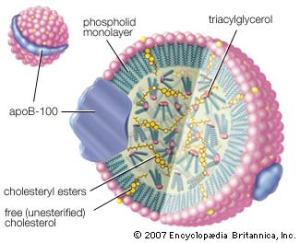
LDL 2

The core contains cholesterol in a storage form (esters) and triglycerides. The outer membrane includes a large protein called apoprotein B-100, “free” cholesterol molecules and phospholipids. The phospholipids contain fatty acids, including PUFA.

LDL has been demonized as “the bad cholesterol” and that demonization has mislead the public.

hdl_ldl good guy bad guy

LDL is the major lipoprotein in our blood but there are others that have different names.

Cholesterol is cholesterol, whether it is carried in LDL or HDL. When carried in the core of a lipoprotein it is carried as a cholesterol ester. 80% of the cholesterol in an LDL particle is carried as an ester in the core. 20% is carried as “free” cholesterol on the outer surface or membrane.

LDLand cholesterol molecule

HDL (high density lipoprotein) is smaller and denser. HDL has been called “the good cholesterol”, another misnomer.

HDL particles, when they are functioning correctly can protect us from atherosclerosis but in patients with diabetes, obesity, and insulin resistance, HDL particles do not function well and in fact probably contribute to disease. (More about that in a future post)

But back to LDL.

Although the risk of cardiovascular disease is correlated with the amount of cholesterol carried by LDL in our blood (referred to as LDL-C), the total amount of cholesterol shuttled by LDL particles is much less relevant than one would be led to believe given the great use of statin drugs to lower LDL-C.

The short version is as follows.

Compared to LDL-C, a much better predictor of cardiovascular disease is the amount of “modified” LDL particles circulating in the blood. Oxidized LDL particles are one form of “modified LDL”. LDL can also  be modified by excess blood sugar levels (especially from HFCS). This modification is referred to as glycosylated or glycated LDL. In this latter form of modification, the major protein on the outer membrane of the LDL particle (apo B 100 in the picture above) becomes attached to a sugar and the result is an LDL particle that is not easily cleared by normal processes. The modified LDL is not “recognized” by the LDL receptors that act as entry points into our cells for proper processing. The result is that the glycated LDL particles circulate longer and are more likely to use up their anti-oxidants (Vitamin E and  Co-enzyme Q 10).

As a result glycated LDL are more likely to become oxidized. That is not good because oxidized LDL sets up a cascade of unhealthy events.

The portion of the LDL particle that becomes oxidized is the fat (fatty acid) from “vegetable oil”, specifically the fatty acid called linoleic acid. This fatty acid has two double bonds making it more likely to be oxidized than for example oleic acid, the major fatty acid in extra virgin olive oil which has only one double bond.

The double bonds between the carbons in the fatty acids are unstable and easily oxidized. The single bonds in saturated fat do not get oxidized.

All other things being equal (and you will see that they are not), the more double bonds in a fatty acid the greater chance for oxidation.

Here is a picture showing the linoleic acid, also called linoleate, on the outer membrane of the LDL particle.
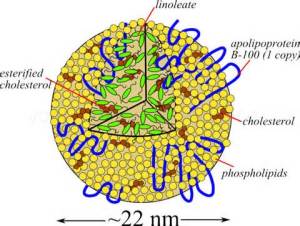
LDL with linoleate

And here is a picture that shows the phospholipids that contain the linoleic acid.
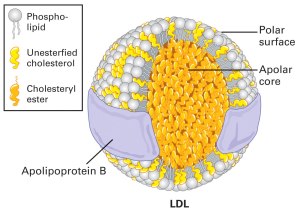
LDL 3

Let’s say it again. The fatty acid found in “vegetable” oil, linoleic acid, is easily oxidized because it has two double bonds.

Saturated fats are not oxidized because they contain no double bonds.

The part of the LDL particle that becomes oxidized is the fatty acid that comes from “vegetable oils”.

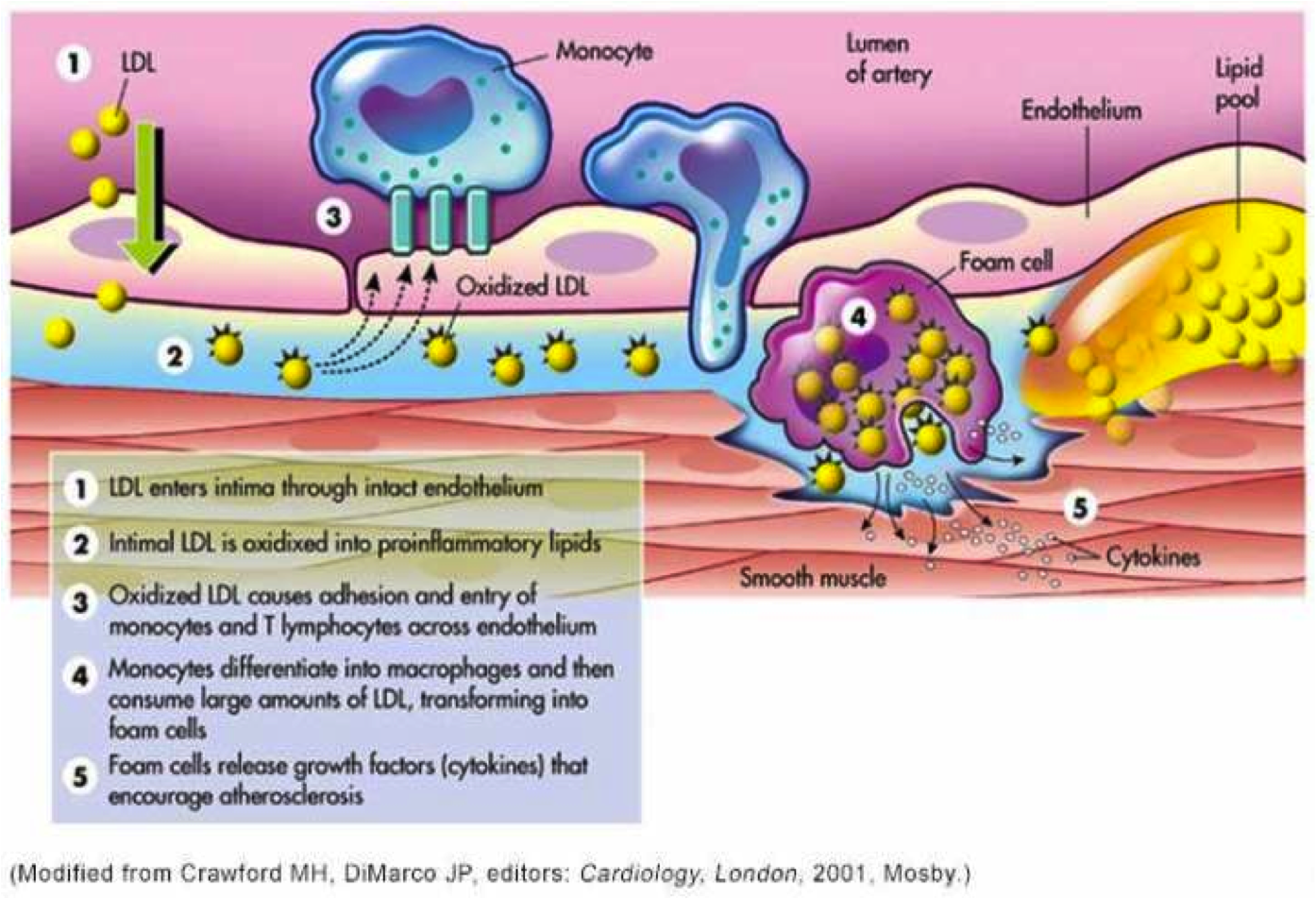
A particular kind of immune cell (white blood cells called monocytes) have  special receptors for oxidized LDL particles. When ox-LDL are “seen” by these monocytes, the monocytes become transformed into macrophages. Macrophages are designed to destroy bacteria that invade our bodies. The oxidized LDL particles resemble the structures of invading bacteria. The macrophages, with very specialized receptors for oxidized LDL, “swallow” the LDL particles and release toxic chemicals to destroy “the invader”.  The macrophages then become “foam cells” in the walls of our arteries, initiating the creation of plaque. Here is a picture.
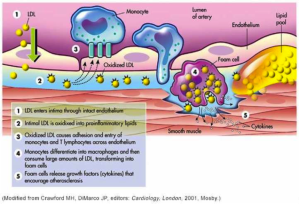
ldl_mechanisms oxidation in vessel wall

This picture depicts the oxidation occurring in the wall of the artery after LDL particles have penetrated the wall. However LDL particles can and do become oxidized while still circulating in the blood and these oxidized particles can stimulate monocytes to transform into macrophages and gobble up the oxidized or modified LDL while these particles are still circulating in the blood.

How and whether unmodified LDL particles cross the wall of arteries into the “sub-endothelial” area remains an unsolved complex issue. The picture above implies that LDL particles simply move across the endothelial cells that line the wall of the artery but that is a presumption.

Clearly, macrophages that have “swallowed” modified LDL particles have mechanisms to work their way between the junctions formed by adjacent endothelial cells.

This is an important distinction because many cardiologists believe that what drives atherosclerosis is a mass effect. The greater the number of LDL particles, the more likely they are to cross the endothelial barrier, get oxidized and retained and start the process of plaque formation. However the process is much more complex and not clearly understood.

We do not yet know or understand completely the factors that influence the permeability of the endothelium to Lipoprotein particles. We do know that modified (oxidized and glycated LDL) disrupt the protective surface of endothelial cells which is called the glyocalyx. Other factors that disrupt the glyocalyx include high blood sugars, dramatic fluctuations in blood pressure (too high or too low), oxidative stress, infections, and circulating endotoxin (which is governed by intestinal permeability).

It is clear from several studies that modified (oxidized) LDL as a single variable predicts cardiovascular disease and heart attacks with much greater accuracy than LDL-C (total cholesterol content of LDL particles). It is also clear that monocyte receptors are specific for modified LDL and that the  process that initiates the cascade of events that leads to plaque formation involves the interaction between modified lipoprotein particles and the immune system (monocytes).

Now here is another twist.

Omega 3 fatty acids in fish oil are considered “heart healthy”. They help prevent heart attacks and strokes. They also decrease inflammation throughout the body thereby producing many health benefits.

BUT OMEGA 3 FAT HAS MORE DOUBLE BONDS THAN OMEGA 6 FAT (LINOLEIC ACID) YET THEY HELP PROTECT THE HEART. HOW CAN THAT BE?

How do they avoid contributing to atherosclerosis? Are they not even more readily oxidized than linoleic acid?

The simple answer is no.

The major reason is that the omega three fatty acids are protected by “plasmalogens” which are important components of our LDL particle outer membranes. Plasmalogens are found in the membranes of lipoprotein particles and in the membranes of human cells. Because of their chemical structures, omega three fats are easily incorporated into plasmalogens which protect the double bonds of omega three fats from oxidation. Linoleic acid, the predominant component of “vegetable oils” is not easily incorporated into the protective arms of plasmalogens.

This selective protection is well described on pages 141-142 of  “The Fats of Life”, written by Dr. Glen Lawrence and published in paperback in 2013. (link below)

I asked Dr. Lawrence about this issue in an email and here was his response.

“The omega-3 fatty acids are preferentially incorporated into plasmalogens, which act as antioxidants due to the double bond adjacent to the ether linkage of these phospholipids. This structure would tend to scavenge free radicals or reactive oxygen species near the surface of the membrane, rather than allowing them to penetrate deeper in the membrane where the double bonds of PUFA are located. This makes any polyunsaturated fatty acids attached to the plasmalogens more resistant to oxidation than they would be in a regular phospholipid. See pp 141-142 of The Fats of Life. The shorter chain and less unsaturated linoleic acid does not tend to be incorporated into plasmalogens.”

In summary:

  1. “Vegetable oil” is actually not oil from vegetables but rather a highly processed and refined oil. This oil contains primarily the easily oxidized omega 6 PUFA (polyunsaturated fatty acid) linoleic acid. Oxidation can occur during manufacture,  before consumption while sitting in the bottle, but especially during high heat cooking (fried foods). Oxidation can also in your body as this fat circulates in your blood on the membrane of lipoprotein particles.
  2.  LDL particles are the major lipoprotein particles that shuttle cholesterol and fatty acids (in in the form of triglycerides) through our bodies in our bloodstream.
  3. Modified LDL particles (glycated and/or oxidized LDL) stimulate monocytes (immune cells) to transform into macrophages and gobble up the modified LDL. In addition, glycated LDL particles are more easily oxidized because they circulate longer in our blood.
  4. Macrophages become filled with modified LDL. These are called foam cells. Foam cells  initiate a cascade of events that lead to the formation of plaque in the walls of our arteries.
  5. The part of the LDL particle membrane that becomes oxidized is the phospholipid that contains linoleic acid which comes from “vegetable oils”
  6. High amounts of sugar, especially HFCS, and highly refined flour foods in our diets cause larger blood sugar fluctuations than whole foods and therefore contribute to the glycation of LDL particles. This glycation leads to more oxidation of LDL. In this manner HFCS and refined flour foods contribute to the process of atherosclerosis.
  7. High amounts of sugar, HFCS and refined flour foods also contribute to obesity, insulin resistance and diabetes which then increase the risk of heart attack and stroke.
  8. Several factors contribute to the disruption of the glycocalyx which is the protective surface of the endothelial cells that line our arteries. These include but are not limited to modified LDL, inflammation, high blood sugars, abnormal fluctuations in blood pressure, circulating endotoxin (associated with increased intestinal permeability), infections. Disruption of the glycocalyx contributes to the formation of plaque (atherosclerosis).
  9. Modified LDL particles might also migrate through the junctions that connect adjacent endothelial cells either inside macrophages or on their own. Many factors, known and unknown likely determine the susceptibility or permeability of these junctions to this migration.

These are the major points, but there is allot more to discuss. Substituting “vegetable oils” for saturated fat in our diets not only increases the amount of oxidized LDL but also increases a dangerous lipoprotein called Lp(a). On third of Americans have an amount of Lp(a) that is considered “high risk” for heart attack and stroke. More about that in a future post.

Then there is the process of an actual heart attack or stroke which involves disruption of plaque and the creation of a blood clot that ultimately disrupts the flow of blood and the death of heart or brain tissue. The susceptibility of plaque to disruption is a huge topic that involves high blood pressure, diabetes, insulin resistance, oxidative stress, inadequate sleep, and stress to name a few. So much more to discuss.

But getting back to the title of this post, why don’t you ask your elected representatives why our tax dollars continue to subsidize nutritional root causes of death, disability and disease?

Here are some links to papers and books that support the discussion above.

Circulating Oxidized LDL Is a Useful Marker for Identifying Patients With Coronary Artery Disease

Cholesterol deposition in macrophages: foam cell formation mediated by cholesterol-enriched oxidized low density lipoprotein.

Erythrocyte fatty acid profiles can predict acute non-fatal myocard… – PubMed – NCBI

Changes in Dietary Fat Intake Alter Plasma Levels of Oxidized Low-Density Lipoprotein and Lipoprotein(a)

Low-density lipoprotein subclass patterns and risk of myocardial in… – PubMed – NCBI

Subendothelial Lipoprotein Retention as the Initiating Process in Atherosclerosis

Oxidative susceptibility of low density lipoprotein subfractions is… – PubMed – NCBI

Effects of linoleate-enriched and oleate-enriched diets in combinat… – PubMed – NCBI

Enhanced oxidative susceptibility and reduced antioxidant content o… – PubMed – NCBI

Susceptibility of small, dense, low-density lipoproteins to oxidati… – PubMed – NCBI

Modulation of Endothelial Glycocalyx Structure under Inflammatory Conditions

Oxidized Lipoproteins Degrade the Endothelial Surface Layer

S1P Control of Endothelial Integrity

Mechanical control of the endothelial barrier. – PubMed – NCBI

Therole of actin-binding proteins in the control of endothelial bar… – PubMed – NCBI

The Fats of Life, Dr. Glen Lawrence

Functions of plasmalogen lipids in health and disease

Grain Brain: The Surprising Truth about Wheat, Carbs, and Sugar–Your Brain’s Silent Killers: David Perlmutter, Kristin Loberg: 9780316234801: Amazon.com: Books

Finally a quote from the Dali Lama (thanks to my cousin Diane for bringing this to my attention).

“Man. Because he sacrifices his health in order to make money. Then he sacrifices money to recuperate his health. And then he is so anxious about the future that he does not enjoy the present, the result being that he does not live in the present or the future, he lives as if he is never going to die, and dies having never really lived.”

Eat clean, live clean, sleep well, exercise wisely, rest often, enjoy the company of loved ones, spend time outdoors and live in the present.

BOB

The Dirty Dozen and The Clean Fifteen, from the Environmental Working Group

I’ve been working on two projects that have kept me from blogging. The first project was a lecture given at the January meeting of Physicians for Ancestral Health. The second project, still on-going, developed out of a new working relationship with Dr. Tommy Wood who I met at the PAH meeting. I will be sharing more about both of these in future posts.

But today I am returning where I left off with my last post about toxins in our babies and our environment. i promised to discuss the The Dirty Dozen and The Clean Fifteen, both trademarks of the Environmental Working Group . So here it is.

The EWG developed these lists to help individuals make informed purchasing decisions  relative to organic vs non-organic vegetables and fruits. The EWG analyzed data from testing for residuals of pesticides. So if you cannot afford to purchase all organic produce, you can get the most benefit from your dollar by limiting your non-organic produce to the “clean” list and purchasing only organic from the “dirty list”.

Highlights of Dirty Dozen™ 2014

Each of these foods contained a number of different pesticide residues and showed high concentrations of pesticides relative to other produce items.

EWG’s Dirty Dozen™ list of produce includes

  1. apples,
  2. strawberries,
  3. grapes,
  4. celery,
  5. peaches,
  6. spinach,
  7. sweet bell peppers,
  8. imported nectarines,
  9. cucumbers,
  10. cherry tomatoes,
  11. imported snap peas
  12. potatoes.

“In particular:

  • Every sample of imported nectarines and 99 percent of apple samples tested positive for at least one pesticide residue.
  • The average potato had more pesticides by weight than any other food.
  • A single grape sample contained 15 pesticides. Single samples of celery, cherry tomatoes, imported snap peas and strawberries showed 13 different pesticides apiece.”

 Dirty Dozen PLUS™

For the third year, EWG expanded the Dirty Dozen™ with a Plus category to highlight two foods that contain trace levels of highly hazardous pesticides. These foods do not meet traditional Dirty Dozen™ ranking criteria but were frequently contaminated with insecticides that are toxic to the human nervous system. EWG recommends that people who eat a lot of these foods buy organic instead.

  1. Leafy greens – kale and collard greens
  2. hot peppers

The Clean Fifteen™ Relatively few pesticides were detected on these foods, and tests found low total concentrations of pesticides.

EWG’s Clean Fifteen™ for 2014 – the produce least likely to hold pesticide residues – are

  1. avocados,
  2. sweet corn,
  3. pineapples,
  4. cabbage,
  5. frozen sweet peas,
  6. onions,
  7. asparagus,
  8. mangoes,
  9. papayas,
  10. kiwis,
  11. eggplant,
  12. grapefruit,
  13. cantaloupe,
  14. cauliflower
  15. sweet potatoes.

 “Notable findings:

  • Avocados were the cleanest: only 1 percent of avocado samples showed any detectable pesticides.
  • Some 89 percent of pineapples, 82 percent of kiwi, 80 percent of papayas, 88 percent of mango and 61 percent of cantaloupe had no residues.
  • No single fruit sample from the Clean Fifteen™ tested positive for more than 4 types of pesticides.
  • Detecting multiple pesticide residues is extremely rare on Clean Fifteen™ vegetables. Only 5.5 percent of Clean Fifteen samples had two or more pesticides.”

At the PAH meeting I spoke with Dr.Tommy Wood and Darryl Edwards , both from England, about food choices in Europe vs the USA.  We had this conversation while eating out and asking the waitress questions about the sources of food. They both commented that when eating in England or the European Union they are not often concerned about food quality because the use of pesticides, hormones, and antibiotics is so reasonably regulated. Most produce is considered organic or close to organic. In addition most meats are grass-fed, free of or low in exogenous hormones and antibiotics, free of excess pro-inflammatory omega six fat and contain more anti-inflammatory and beneficial omega 3 fat, similar to the fat profiles of wild game. Concentrated Animal Feeding Operations (CAFOs) so prevalent in the US are rare in the European Union.

Food for thought and thoughts about food.

Eat clean, live clean and prosper.

Bob

Chronic Pain Reduced by the Paleo Lifestyle

I spend 50% of my clinical time treating chronic pain patients. A paleolithic diet which consists of pastured grass-fed meat, free range poultry and eggs, fresh seafood, fresh vegetables, fruits and nuts decreases inflammation by eliminating major sources of dietary induced inflammation.

Yesterday I saw a patient one month after he started a paleolithic lifestyle (paleo diet, 8 hours of sleep per night- cycling with the sun, regular exercise including a prescribed spine rehab program).

Within 30 days his pain  has decreased by more than 50%, He feels  more energetic. He stated “I have started to dream again and get a full night’s sleep”. He has lost 12 pounds in one month and his blood pressure is down. He is ready to return to work after not working for eight months (with some activity restrictions). He is not taking any opiate pain medication.

His MRI scan and X-rays of the spine will not demonstrate any improvement. He still has degenerative disc disease, one or more tears in a disc annulus (outer wall of the disc) and arthritis in the facet joints of his neck (cervical spine) and lower back (lumbar spine). But the lifestyle elements that have contributed to his chronic inflammation have been significantly reduced in just 30 days and he has benefited “tremendously” in his own words.

There are many mechanisms involved with chronic inflammation. Most patients with chronic pain have an inflammatory component. Many patients with chronic pain are overweight or obese. Excess visceral adiposity (fat around the internal organs) creates a state of chronic inflammation by constantly producing inflammatory chemicals called chemokines and cytokines. These inflammatory mediators are produced by the fat cells and by the white blood cells (macrophages) that reside alongside the fat cells. They contribute to a process called central sensitization where the brain and spinal cord nerves that mediate pain  become sensitized and over-react to sensory input. Interleukin 6 is one of these mediators. Increased levels are associated with fatigue, depression and a state of hyperalgesia where painful stimuli are amplified. Tumor necrosis factor alpha is another important inflammatory mediator produced in excess when excess fat accumulates around the internal organs. Weight loss is essential to decease systemic inflammation, particularly in the setting of chronic pain when someone is overweight or obese.

Pro-inflammatory foods can also increase inflammation by altering intestinal flora and increasing intestinal permeability. These mechanisms have been discussed in previous posts and in the manifesto page of this website.

Few patients follow my dietary and lifestyle advice. Most seem to prefer taking pills, getting injections and other interventional pain procedures. In other words, they prefer to “be-fixed” rather than  take lifestyle initiatives that are likely to not only decrease their pain but also improve their general health. As an interventional pain practitioner I encourage patients to take full advantage of the pharmacology and interventional procedures that are likely to help. But without significant changes in bad dietary habits, poor sleep hygiene and without adopting a rehabilitation exercise program the pills and injections/procedures are much less effective and the prognosis is poor.

Stress reduction is also essential for health in general and for pain reduction in particular. Yet despite repeated recommendations to utilize an inexpensive stress reduction workbook, few patients ever bother to take this important step to reduce pain, anxiety and suffering.

Our culture is one in which patients expect to “be fixed” rather than to be led down a path which leads to healing and functional improvement by actively participating in their own rehabilitation and healing. Our culture is also one in which  major organizations provide bad dietary advice, particularly with respect to encouraging increased consumption of grains and legumes which have pro-inflammatory components and anti-nutrients. We evolved over a few million years without consuming grains, legumes, refined vegetable olis or dairy. Our evolutionary biology and physiology thrive when these foods, particularly processed foods are eliminated from the diet and we consume only those whole natural foods we have evolved to eat.

Modern medicine provides many remarkable drugs, surgeries and procedures that can be life saving and life altering. But application of this technology without addressing the fundamental determinants of health (proper nutrition, restorative sleep, judicious exercise, stress reduction, and restoration of circadian rhythm) yields much less benefit. Ultimately, unless we remove from our lives the destructive components of modern society and culture we cannot heal and instead continue to suffer from chronic degenerative diseases that cause pain, loss of intellect and loss of mobility.

No references tonight, just comments and reflection. References have been provided in previous posts.

Peace, health, and happiness.

Dr. Bob

Amputations, Gangrene and Carbohydrates

As an anesthesiologist I have spent more than 60,000 hours in the operating room and cared for over 30,000 patients. I often observe the end-results of bad dietary advice. I am referring to the liberal carbohydrate allowance that the American Diabetes Association and other agencies offer diabetics.

Today was a particularly poignant day as I cared for two diabetics who required amputations for complications of diabetes type II. These complications could have likely been avoided if our supermarkets were not stocked with high carb nutritionally deplete “food” AND if the ADA, physicians and nutritionists counseled diabetics to significantly reduce their carbohydrate intake. Instead, the low fat narrative has so predominated our culture, that we have taken our eyes off of the major dietary threats during the past 40 years, excessive carbohydrates and especially refined carbohydrates.

The leading cause of amputations in modern society are the complications of diabetes including peripheral arterial disease (atherosclerosis in the arteries to our limbs) and peripheral neuropathy (loss of sensation in the feet and hands). The combination of these two, or just one alone can lead to non-healing wounds and ulcers in the feet, then chronic infections and ultimately gangrene. Futile efforts to restore circulation to the legs with vascular bypass surgeries or arterial stents usually just briefly delay the inevitable series of amputations that start in the toes and progress up the leg, step by step until only a stump is left above the level once occupied by the knee.

Gangrene is an ugly thing. During the Civil War the major cause was trauma. Today the major cause is diabetes and indirectly, excess carbohydrate consumption.

The visual experience of gangrene results in a visceral reaction, even after more than 30 years of observation. The knowledge that most of these complications could be avoided by simply eating whole fresh foods instead of crap in a bag or crap in a box is frustrating. The human suffering and economic costs (lost wages, disability, medical expenses) are staggering. Diabetes type II is largely a disease of lifestyle. The lifestyle elements involved include poor dietary habits, lack of exercise, inadequate sleep, and stress. All of these contribute and all are modifiable and avoidable.

Type II diabetes is arguably reversible early in the disease process. As it progresses a patient reaches an irreversible point of no return where the pancreas has been exhausted and the insulin producing cells are no longer efficient and effective. Equally important,  the cells in the rest of the body do not respond in a normal fashion to what little insulin is produced. But even at this stage carbohydrate restriction can mitigate complications if only healthy fresh whole-foods are consumed and modest exercise is practiced on a daily basis.

Other complications of diabetes including blindness, painful neuropathy, kidney failure requiring dialysis, heart attack and stroke all are arguably avoidable with a whole foods paleolithic carbohydrate restricted diet and modest amounts of regular exercise.

What a pity, what a shame, what a waste.

Below are some links and research articles to back up my statements.

Peace, health, and harmony.

BOB

1. Type 2 Diabetes

2. American Diabetes Association Embraces Low-Carbohydrate Diets. Can You Believe It? | Richard David Feinman

3. Nutrition Science on Pinterest

4. Low-Carb for You: Low-Carb versus Low-Fat

And Many More:

Jenkins DJ, Kendall CW, McKeown-Eyssen G, Josse RG, Silverberg J, Booth GL, Vidgen E, Josse AR, Nguyen TH, Corrigan S et al: Effect of a low-glycemic index or a high-cereal fiber diet on type 2 diabetes: a randomized trial. JAMA 2008, 300(23):2742-2753.

Westman EC, Yancy WS, Mavropoulos JC, Marquart M, McDuffie JR: The Effect of a Low-Carbohydrate, Ketogenic Diet Versus a Low-Glycemic Index Diet on Glycemic Control in Type 2 Diabetes Mellitus. Nutr Metab (Lond) 2008, 5(36).

Gannon MC, Hoover H, Nuttall FQ: Further decrease in glycated hemoglobin following ingestion of a LoBAG30 diet for 10 weeks compared to 5 weeks in people with untreated type 2 diabetes. Nutr Metab (Lond) 2010, 7:64.

Gannon MC, Nuttall FQ: Control of blood glucose in type 2 diabetes without weight loss by modification of diet composition. Nutr Metab (Lond) 2006, 3:16.

Gannon MC, Nuttall FQ: Effect of a high-protein, low-carbohydrate diet on blood glucose control in people with type 2 diabetes. Diabetes 2004, 53(9):2375-2382.

Forsythe CE, Phinney SD, Feinman RD, Volk BM, Freidenreich D, Quann E, Ballard K, Puglisi MJ, Maresh CM, Kraemer WJ et al: Limited effect of dietary saturated fat on plasma saturated fat in the context of a low carbohydrate diet. Lipids 2010, 45(10):947-962.

Jakobsen MU, Overvad K, Dyerberg J, Schroll M, Heitmann BL: Dietary fat and risk of coronary heart disease: possible effect modification by gender and age. Am J Epidemiol 2004, 160(2):141-149.

Siri-Tarino PW, Sun Q, Hu FB, Krauss RM: Saturated fat, carbohydrate, and cardiovascular disease. Am J Clin Nutr 2010, 91(3):502-509.

Int J Cardiol. 2006 Jun 16;110(2):212-6. Epub 2005 Nov 16. Effect of a low-carbohydrate, ketogenic diet program compared to a low-fat diet on fasting lipoprotein subclasses. Westman EC, Yancy WS Jr, Olsen MK, Dudley T, Guyton JR.

Mol Cell Biochem. 2007 Aug;302(1-2):249-56. Epub 2007 Apr 20.Beneficial effects of ketogenic diet in obese diabetic subjects. Dashti HM, Mathew TC, Khadada M, Al-Mousawi M, Talib H, Asfar SK, Behbahani AI, Al-Zaid NS.


Saturated Fat vs. Sugar

Within one week of my post on saturated fat two discussions supporting my position have appeared in peer-reviewed journals. The first discussion can be found here.

Observations: Saturated fat is not the major issue | BMJ

The second can be found here.

Dietary Fats and Health: Dietary Recommendations in the Context of Scientific Evidence

The first article was written by a cardiologist who teaches and practices at Croydon University Hospital in London. He states that advice to reduce saturated fat intake

“has led to the over-medication of millions of people with statins and has diverted our attention from the more egregious risk factor of atherogenic dyslipidaemia”

He states that recent studies “have not supported any significant association between saturated fat intake and risk of CVD”. He discusses sugar and highly refined carbohydrates as the culprit in causing atherogenic (artery plaque forming) dyslipidaemia (abnormal blood lipid profiles).

Here are comments by three Professors about Dr. Malhotra’s article:

David Haslam, Chair of Britain’s National Obesity Forum states the following.

“It’s extremely naive of the public and the medical profession to imagine that a calorie of bread, a calorie of meat and a calorie of alcohol are all dealt in the same way by the amazingly complex systems of the body. The assumption has been made that increased fat in the bloodstream is caused by increased saturated fat in the diet, whereas modern scientific evidence is proving that refined carbohydrates and sugar in particular are actually the culprits.”

Professor Robert Lustig (Pediatric Endocrinologist, UCSF) stated

“Food should confer wellness, not illness. And real food does just that, including saturated fat. But when saturated fat got mixed up with the high sugar added to processed food in the second half of the 20th century, it got a bad name. Which is worse, the saturated fat or the added sugar? The American Heart Association has weighed in – the sugar many times over. Plus added sugar causes all of the diseases associated with metabolic syndrome. Instead of lowering serum cholesterol with statins, which is dubious at best, how about serving up some real food?”

Timothy Noakes (Professor of Exercise and Sports Science, University of Cape Town) states

“Focusing on an elevated blood cholesterol concentration as the exclusive cause of coronary heart disease is unquestionably the worst medical error of our time. After reviewing all the scientific evidence I draw just one conclusion – Never prescribe a statin drug for a loved one.”

Here is the abstract summary of the second article cited above.

“Although early studies showed that saturated fat diets with very low levels of PUFAs increase serum cholesterol, whereas other studies showed high serum cholesterol increased the risk of coronary artery disease (CAD), the evidence of dietary saturated fats increasing CAD or causing premature death was weak. Over the years, data revealed that dietary saturated fatty acids (SFAs) are not associated with CAD and other adverse health effects or at worst are weakly associated in some analyses when other contributing factors may be overlooked. Several recent analyses indicate that SFAs, particularly in dairy products and coconut oil, can improve health. The evidence of ω6 polyunsaturated fatty acids (PUFAs) promoting inflammation and augmenting many diseases continues to grow, whereas ω3 PUFAs seem to counter these adverse effects. The replacement of saturated fats in the diet with carbohydrates, especially sugars, has resulted in increased obesity and its associated health complications. Well-established mechanisms have been proposed for the adverse health effects of some alternative or replacement nutrients, such as simple carbohydrates and PUFAs. The focus on dietary manipulation of serum cholesterol may be moot in view of numerous other factors that increase the risk of heart disease. The adverse health effects that have been associated with saturated fats in the past are most likely due to factors other than SFAs, which are discussed here. This review calls for a rational reevaluation of existing dietary recommendations that focus on minimizing dietary SFAs, for which mechanisms for adverse health effects are lacking.”

Of course both articles produced a stormy debate with letters to the editor from supporters and detractors, but thank God this debate has finally entered mainstream academic discussion.

These two authors have coincidentally introduced the topics of my next two blogs so please stay tuned for discussions of sugar/refined carbohydrates and coconut oil (filled with health promoting and infection fighting medium chain triglycerides)

Go in peace

Bob Hansen MD