Category Archives: nutrition

Why do our tax dollars continue to subsidize death, disability and disease?

Yesterday I posted a comment on Medscape after reading an article Longtime Dietary Fat Advice Unsupported by Data: Analysis . Medscape is a website with articles and news written for physicians and other health professionals. Anyone can access this information by creating a user name and password, there is no fee.

Here is my comment. It is long and technical. I will provide an explanation in lay terms after quoting myself.

Sugar, especially HFCS (high fructose corn syrup), used in so many foods is more inflammatory than saturated fat. Grass fed meat from ruminants has a fatty acid mix that is exactly the same as wild game, which we evolved to eat, along with tubers, green leafy vegetables, and fruit in season. Excess refined fructose intake AND use of modern refined “vegetable oils” along with non-healthy grains combine to cause excess caloric intake, NAFLD (non-alcoholic fatty liver disease), obesity, metabolic syndrome and CAD (coronary artery disease). N6 PUFA (omega six polyunsaturated fatty acids) are easily oxidized. N3 PUFA (omega 3 fatty acids) despite greater number of double bonds are protected from oxidation in cell and Lipoprotein membranes by plasmalogens as opposed to linoleic acid which is not easily  incorporated into plasmalogens. The PUFA in vegetable oils (linoleic acid) is the FA (fatty acid) that is oxidized on LDL particles and remnant particles, stimulating monocytes to transform to macrophages and then foam cells. The USDA, ADA and AHA have had it upside down for decades and they still fail to admit folly. We evolved for > 1 million years without grains and they have contributed to disease. Per calorie fresh vegetables have five times the amount of fiber compared to whole grains. We do not need grains and would be better without them. They contain anti-nutrients and wheat, hybridized in the 1980s to a storm resistant dwarf plant, now has 50 times more gluten/gliadin than the old wheat. This has generated more gluten intolerance and celiac. Our greatest nutritional threats to public health include refined sugar, carbohydrates predominantly from grains and refined vegetable oils. Vegetable oils are not healthy, we did not evolve to eat them. N3 FAs are anti-inflammatory but have been competing in our diets with a sea of inflammatory N6 PUFA from unnatural refined and easily oxidized “vegetable oils”. Even though PUFA can reduce LDL-C they wreak havoc by creating ox-LDL particles which initiate the cascade of atherosclerosis. Substituting SFA (saturated fatty acids) with PUFA results in increased levels of Lp(a) and oxLDL in humans, not a good thing. Close the feed lots, stop government subsidy of corn, wheat, dairy and soy, eat meat from grass fed ruminants, wild seafood, fresh organic vegetables and fruits in season. Nibble on tree nuts. Stop creating carcinogens with high dry heat cooking methods and we will watch obesity, insulin resistance, metabolic syndrome and atherosclerosis melt away.

That was my comment. Here is some explanation.

I have previously discussed the pro-inflammatory nature of refined “vegetable oils”. “Vegetable oils” are actually not from vegetables, they are from grains, seeds and legumes. The two major sources of excess omega six polyunsaturated fats in the American diet are corn oil and soy oil marketed by various brand names such as Wesson. They are major components of margarine and other butter substitutes and are present in most salad dressings. Most salad dressings sold in our supermarkets contain high levels of easily oxidized unhealthy refined “vegetable oils” and HFCS. The use of these salad dressings converts a healthy salad into a vector for disease.

The major source of caloric sweeteners in our food and beverages is high fructose corn syrup. Both corn (oil and sugar) and soy predominate our processed food supply because they are cheap. They are cheap because our tax dollars subsidize their production. This subsidy started during the Nixon administration. Once a food subsidy is put in place it is very difficult to eliminate, Big Agriculture provides a deep pocket for lobby money and our elected officials from the mid-west bread-basket respond to $$.

Another major source of disease causing elements in the standard American diet is highly refined flour from wheat. Doctors Davis and Perlmutter discuss the problems associated with wheat-flour foods in their books Wheat Belly and Grain Brain respectively. The production of wheat has also been subsidized since the Nixon administration.

Wheat is not what it used to be. A new dwarf hybrid wheat has predominated the US market since the 1980s. Bread and pasta are not what they used to be when great grand-mother made her own bread and pasta in the kitchen from coarsely ground whole flour. But even if we all went back to making our own whole-grain bread and pasta from locally ground pre-1980s wheat, bread, pasta and pastry would still present a health risk because of issues related to intestinal permeability, auto-immune disease (now epidemic in the USA), and the presence of nasty lectins and phytates (discussed in my manifesto and previous posts).

The Medscape comment quoted above describes  adverse consequences caused by replacing saturated fat in the diet with “vegetable oils”. This is a complex subject and I will try to be brief for now but promise to expand on this in a future post.

Many factors contribute to atherosclerosis, heart attack and stroke. Sedentary lifestyle, stress, inadequate restorative sleep, smoking and poor dietary choices top the list. These factors also contribute to obesity, diabetes, metabolic syndrome, insulin resistance and many cancers.

DIETARY FACTORS:

The combination of sugared foods and beverages (predominantly sweetened with HFCS), refined flour foods, and excess consumption of the PUFA in “vegetable oils” TOGETHER  contribute to the formation of plaque in the walls of our arteries (atherosclerosis).

How does this happen?

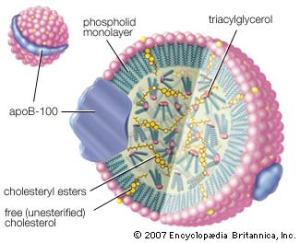
LDL (low density lipoprotein) is a particle that transports cholesterol and triglycerides through our blood to our organs. This particle is comprised of a core and a surrounding membrane.  Here is a picture.
LDL 2

The core contains cholesterol in a storage form (esters) and triglycerides. The outer membrane includes a large protein called apoprotein B-100, “free” cholesterol molecules and phospholipids. The phospholipids contain fatty acids, including PUFA.

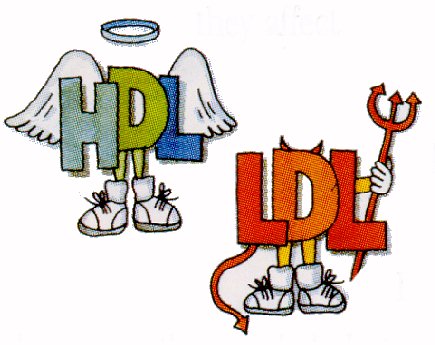
LDL has been demonized as “the bad cholesterol” and that demonization has mislead the public.

hdl_ldl good guy bad guy

LDL is the major lipoprotein in our blood but there are others that have different names.

Cholesterol is cholesterol, whether it is carried in LDL or HDL. When carried in the core of a lipoprotein it is carried as a cholesterol ester. 80% of the cholesterol in an LDL particle is carried as an ester in the core. 20% is carried as “free” cholesterol on the outer surface or membrane.

LDLand cholesterol molecule

HDL (high density lipoprotein) is smaller and denser. HDL has been called “the good cholesterol”, another misnomer.

HDL particles, when they are functioning correctly can protect us from atherosclerosis but in patients with diabetes, obesity, and insulin resistance, HDL particles do not function well and in fact probably contribute to disease. (More about that in a future post)

But back to LDL.

Although the risk of cardiovascular disease is correlated with the amount of cholesterol carried by LDL in our blood (referred to as LDL-C), the total amount of cholesterol shuttled by LDL particles is much less relevant than one would be led to believe given the great use of statin drugs to lower LDL-C.

The short version is as follows.

Compared to LDL-C, a much better predictor of cardiovascular disease is the amount of “modified” LDL particles circulating in the blood. Oxidized LDL particles are one form of “modified LDL”. LDL can also  be modified by excess blood sugar levels (especially from HFCS). This modification is referred to as glycosylated or glycated LDL. In this latter form of modification, the major protein on the outer membrane of the LDL particle (apo B 100 in the picture above) becomes attached to a sugar and the result is an LDL particle that is not easily cleared by normal processes. The modified LDL is not “recognized” by the LDL receptors that act as entry points into our cells for proper processing. The result is that the glycated LDL particles circulate longer and are more likely to use up their anti-oxidants (Vitamin E and  Co-enzyme Q 10).

As a result glycated LDL are more likely to become oxidized. That is not good because oxidized LDL sets up a cascade of unhealthy events.

The portion of the LDL particle that becomes oxidized is the fat (fatty acid) from “vegetable oil”, specifically the fatty acid called linoleic acid. This fatty acid has two double bonds making it more likely to be oxidized than for example oleic acid, the major fatty acid in extra virgin olive oil which has only one double bond.

The double bonds between the carbons in the fatty acids are unstable and easily oxidized. The single bonds in saturated fat do not get oxidized.

All other things being equal (and you will see that they are not), the more double bonds in a fatty acid the greater chance for oxidation.

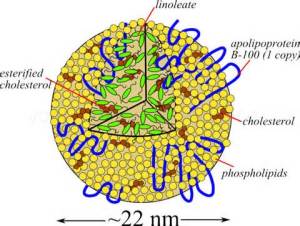
Here is a picture showing the linoleic acid, also called linoleate, on the outer membrane of the LDL particle.
LDL with linoleate

And here is a picture that shows the phospholipids that contain the linoleic acid.
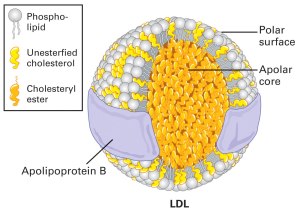
LDL 3

Let’s say it again. The fatty acid found in “vegetable” oil, linoleic acid, is easily oxidized because it has two double bonds.

Saturated fats are not oxidized because they contain no double bonds.

The part of the LDL particle that becomes oxidized is the fatty acid that comes from “vegetable oils”.

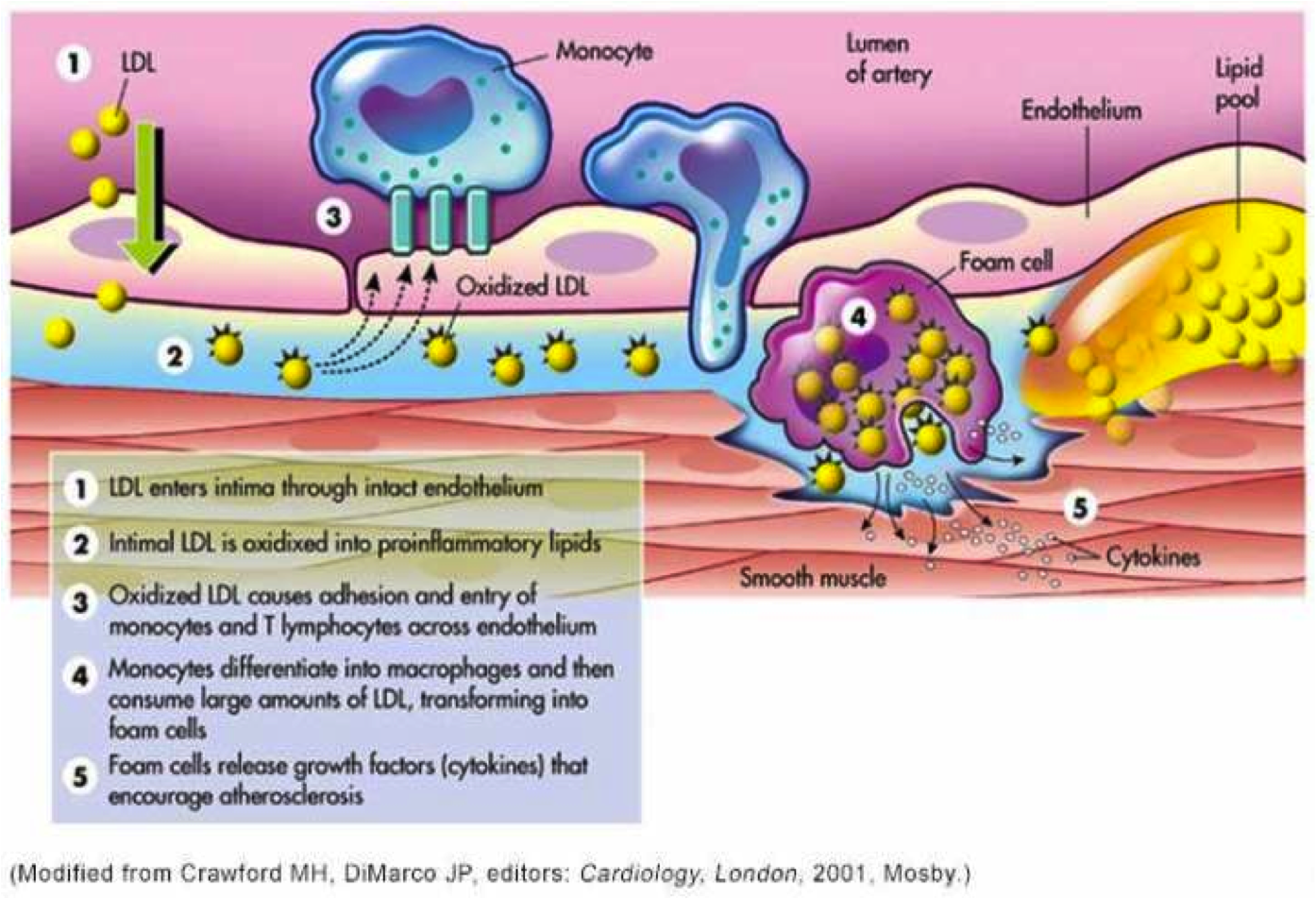
A particular kind of immune cell (white blood cells called monocytes) have  special receptors for oxidized LDL particles. When ox-LDL are “seen” by these monocytes, the monocytes become transformed into macrophages. Macrophages are designed to destroy bacteria that invade our bodies. The oxidized LDL particles resemble the structures of invading bacteria. The macrophages, with very specialized receptors for oxidized LDL, “swallow” the LDL particles and release toxic chemicals to destroy “the invader”.  The macrophages then become “foam cells” in the walls of our arteries, initiating the creation of plaque. Here is a picture.
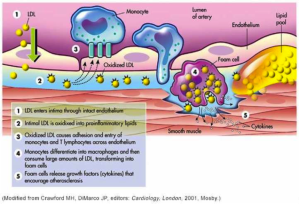
ldl_mechanisms oxidation in vessel wall

This picture depicts the oxidation occurring in the wall of the artery after LDL particles have penetrated the wall. However LDL particles can and do become oxidized while still circulating in the blood and these oxidized particles can stimulate monocytes to transform into macrophages and gobble up the oxidized or modified LDL while these particles are still circulating in the blood.

How and whether unmodified LDL particles cross the wall of arteries into the “sub-endothelial” area remains an unsolved complex issue. The picture above implies that LDL particles simply move across the endothelial cells that line the wall of the artery but that is a presumption.

Clearly, macrophages that have “swallowed” modified LDL particles have mechanisms to work their way between the junctions formed by adjacent endothelial cells.

This is an important distinction because many cardiologists believe that what drives atherosclerosis is a mass effect. The greater the number of LDL particles, the more likely they are to cross the endothelial barrier, get oxidized and retained and start the process of plaque formation. However the process is much more complex and not clearly understood.

We do not yet know or understand completely the factors that influence the permeability of the endothelium to Lipoprotein particles. We do know that modified (oxidized and glycated LDL) disrupt the protective surface of endothelial cells which is called the glyocalyx. Other factors that disrupt the glyocalyx include high blood sugars, dramatic fluctuations in blood pressure (too high or too low), oxidative stress, infections, and circulating endotoxin (which is governed by intestinal permeability).

It is clear from several studies that modified (oxidized) LDL as a single variable predicts cardiovascular disease and heart attacks with much greater accuracy than LDL-C (total cholesterol content of LDL particles). It is also clear that monocyte receptors are specific for modified LDL and that the  process that initiates the cascade of events that leads to plaque formation involves the interaction between modified lipoprotein particles and the immune system (monocytes).

Now here is another twist.

Omega 3 fatty acids in fish oil are considered “heart healthy”. They help prevent heart attacks and strokes. They also decrease inflammation throughout the body thereby producing many health benefits.

BUT OMEGA 3 FAT HAS MORE DOUBLE BONDS THAN OMEGA 6 FAT (LINOLEIC ACID) YET THEY HELP PROTECT THE HEART. HOW CAN THAT BE?

How do they avoid contributing to atherosclerosis? Are they not even more readily oxidized than linoleic acid?

The simple answer is no.

The major reason is that the omega three fatty acids are protected by “plasmalogens” which are important components of our LDL particle outer membranes. Plasmalogens are found in the membranes of lipoprotein particles and in the membranes of human cells. Because of their chemical structures, omega three fats are easily incorporated into plasmalogens which protect the double bonds of omega three fats from oxidation. Linoleic acid, the predominant component of “vegetable oils” is not easily incorporated into the protective arms of plasmalogens.

This selective protection is well described on pages 141-142 of  “The Fats of Life”, written by Dr. Glen Lawrence and published in paperback in 2013. (link below)

I asked Dr. Lawrence about this issue in an email and here was his response.

“The omega-3 fatty acids are preferentially incorporated into plasmalogens, which act as antioxidants due to the double bond adjacent to the ether linkage of these phospholipids. This structure would tend to scavenge free radicals or reactive oxygen species near the surface of the membrane, rather than allowing them to penetrate deeper in the membrane where the double bonds of PUFA are located. This makes any polyunsaturated fatty acids attached to the plasmalogens more resistant to oxidation than they would be in a regular phospholipid. See pp 141-142 of The Fats of Life. The shorter chain and less unsaturated linoleic acid does not tend to be incorporated into plasmalogens.”

In summary:

  1. “Vegetable oil” is actually not oil from vegetables but rather a highly processed and refined oil. This oil contains primarily the easily oxidized omega 6 PUFA (polyunsaturated fatty acid) linoleic acid. Oxidation can occur during manufacture,  before consumption while sitting in the bottle, but especially during high heat cooking (fried foods). Oxidation can also in your body as this fat circulates in your blood on the membrane of lipoprotein particles.
  2.  LDL particles are the major lipoprotein particles that shuttle cholesterol and fatty acids (in in the form of triglycerides) through our bodies in our bloodstream.
  3. Modified LDL particles (glycated and/or oxidized LDL) stimulate monocytes (immune cells) to transform into macrophages and gobble up the modified LDL. In addition, glycated LDL particles are more easily oxidized because they circulate longer in our blood.
  4. Macrophages become filled with modified LDL. These are called foam cells. Foam cells  initiate a cascade of events that lead to the formation of plaque in the walls of our arteries.
  5. The part of the LDL particle membrane that becomes oxidized is the phospholipid that contains linoleic acid which comes from “vegetable oils”
  6. High amounts of sugar, especially HFCS, and highly refined flour foods in our diets cause larger blood sugar fluctuations than whole foods and therefore contribute to the glycation of LDL particles. This glycation leads to more oxidation of LDL. In this manner HFCS and refined flour foods contribute to the process of atherosclerosis.
  7. High amounts of sugar, HFCS and refined flour foods also contribute to obesity, insulin resistance and diabetes which then increase the risk of heart attack and stroke.
  8. Several factors contribute to the disruption of the glycocalyx which is the protective surface of the endothelial cells that line our arteries. These include but are not limited to modified LDL, inflammation, high blood sugars, abnormal fluctuations in blood pressure, circulating endotoxin (associated with increased intestinal permeability), infections. Disruption of the glycocalyx contributes to the formation of plaque (atherosclerosis).
  9. Modified LDL particles might also migrate through the junctions that connect adjacent endothelial cells either inside macrophages or on their own. Many factors, known and unknown likely determine the susceptibility or permeability of these junctions to this migration.

These are the major points, but there is allot more to discuss. Substituting “vegetable oils” for saturated fat in our diets not only increases the amount of oxidized LDL but also increases a dangerous lipoprotein called Lp(a). On third of Americans have an amount of Lp(a) that is considered “high risk” for heart attack and stroke. More about that in a future post.

Then there is the process of an actual heart attack or stroke which involves disruption of plaque and the creation of a blood clot that ultimately disrupts the flow of blood and the death of heart or brain tissue. The susceptibility of plaque to disruption is a huge topic that involves high blood pressure, diabetes, insulin resistance, oxidative stress, inadequate sleep, and stress to name a few. So much more to discuss.

But getting back to the title of this post, why don’t you ask your elected representatives why our tax dollars continue to subsidize nutritional root causes of death, disability and disease?

Here are some links to papers and books that support the discussion above.

Circulating Oxidized LDL Is a Useful Marker for Identifying Patients With Coronary Artery Disease

Cholesterol deposition in macrophages: foam cell formation mediated by cholesterol-enriched oxidized low density lipoprotein.

Erythrocyte fatty acid profiles can predict acute non-fatal myocard… – PubMed – NCBI

Changes in Dietary Fat Intake Alter Plasma Levels of Oxidized Low-Density Lipoprotein and Lipoprotein(a)

Low-density lipoprotein subclass patterns and risk of myocardial in… – PubMed – NCBI

Subendothelial Lipoprotein Retention as the Initiating Process in Atherosclerosis

Oxidative susceptibility of low density lipoprotein subfractions is… – PubMed – NCBI

Effects of linoleate-enriched and oleate-enriched diets in combinat… – PubMed – NCBI

Enhanced oxidative susceptibility and reduced antioxidant content o… – PubMed – NCBI

Susceptibility of small, dense, low-density lipoproteins to oxidati… – PubMed – NCBI

Modulation of Endothelial Glycocalyx Structure under Inflammatory Conditions

Oxidized Lipoproteins Degrade the Endothelial Surface Layer

S1P Control of Endothelial Integrity

Mechanical control of the endothelial barrier. – PubMed – NCBI

Therole of actin-binding proteins in the control of endothelial bar… – PubMed – NCBI

The Fats of Life, Dr. Glen Lawrence

Functions of plasmalogen lipids in health and disease

Grain Brain: The Surprising Truth about Wheat, Carbs, and Sugar–Your Brain’s Silent Killers: David Perlmutter, Kristin Loberg: 9780316234801: Amazon.com: Books

Finally a quote from the Dali Lama (thanks to my cousin Diane for bringing this to my attention).

“Man. Because he sacrifices his health in order to make money. Then he sacrifices money to recuperate his health. And then he is so anxious about the future that he does not enjoy the present, the result being that he does not live in the present or the future, he lives as if he is never going to die, and dies having never really lived.”

Eat clean, live clean, sleep well, exercise wisely, rest often, enjoy the company of loved ones, spend time outdoors and live in the present.

BOB

The Dirty Dozen and The Clean Fifteen, from the Environmental Working Group

I’ve been working on two projects that have kept me from blogging. The first project was a lecture given at the January meeting of Physicians for Ancestral Health. The second project, still on-going, developed out of a new working relationship with Dr. Tommy Wood who I met at the PAH meeting. I will be sharing more about both of these in future posts.

But today I am returning where I left off with my last post about toxins in our babies and our environment. i promised to discuss the The Dirty Dozen and The Clean Fifteen, both trademarks of the Environmental Working Group . So here it is.

The EWG developed these lists to help individuals make informed purchasing decisions  relative to organic vs non-organic vegetables and fruits. The EWG analyzed data from testing for residuals of pesticides. So if you cannot afford to purchase all organic produce, you can get the most benefit from your dollar by limiting your non-organic produce to the “clean” list and purchasing only organic from the “dirty list”.

Highlights of Dirty Dozen™ 2014

Each of these foods contained a number of different pesticide residues and showed high concentrations of pesticides relative to other produce items.

EWG’s Dirty Dozen™ list of produce includes

  1. apples,
  2. strawberries,
  3. grapes,
  4. celery,
  5. peaches,
  6. spinach,
  7. sweet bell peppers,
  8. imported nectarines,
  9. cucumbers,
  10. cherry tomatoes,
  11. imported snap peas
  12. potatoes.

“In particular:

  • Every sample of imported nectarines and 99 percent of apple samples tested positive for at least one pesticide residue.
  • The average potato had more pesticides by weight than any other food.
  • A single grape sample contained 15 pesticides. Single samples of celery, cherry tomatoes, imported snap peas and strawberries showed 13 different pesticides apiece.”

 Dirty Dozen PLUS™

For the third year, EWG expanded the Dirty Dozen™ with a Plus category to highlight two foods that contain trace levels of highly hazardous pesticides. These foods do not meet traditional Dirty Dozen™ ranking criteria but were frequently contaminated with insecticides that are toxic to the human nervous system. EWG recommends that people who eat a lot of these foods buy organic instead.

  1. Leafy greens – kale and collard greens
  2. hot peppers

The Clean Fifteen™ Relatively few pesticides were detected on these foods, and tests found low total concentrations of pesticides.

EWG’s Clean Fifteen™ for 2014 – the produce least likely to hold pesticide residues – are

  1. avocados,
  2. sweet corn,
  3. pineapples,
  4. cabbage,
  5. frozen sweet peas,
  6. onions,
  7. asparagus,
  8. mangoes,
  9. papayas,
  10. kiwis,
  11. eggplant,
  12. grapefruit,
  13. cantaloupe,
  14. cauliflower
  15. sweet potatoes.

 “Notable findings:

  • Avocados were the cleanest: only 1 percent of avocado samples showed any detectable pesticides.
  • Some 89 percent of pineapples, 82 percent of kiwi, 80 percent of papayas, 88 percent of mango and 61 percent of cantaloupe had no residues.
  • No single fruit sample from the Clean Fifteen™ tested positive for more than 4 types of pesticides.
  • Detecting multiple pesticide residues is extremely rare on Clean Fifteen™ vegetables. Only 5.5 percent of Clean Fifteen samples had two or more pesticides.”

At the PAH meeting I spoke with Dr.Tommy Wood and Darryl Edwards , both from England, about food choices in Europe vs the USA.  We had this conversation while eating out and asking the waitress questions about the sources of food. They both commented that when eating in England or the European Union they are not often concerned about food quality because the use of pesticides, hormones, and antibiotics is so reasonably regulated. Most produce is considered organic or close to organic. In addition most meats are grass-fed, free of or low in exogenous hormones and antibiotics, free of excess pro-inflammatory omega six fat and contain more anti-inflammatory and beneficial omega 3 fat, similar to the fat profiles of wild game. Concentrated Animal Feeding Operations (CAFOs) so prevalent in the US are rare in the European Union.

Food for thought and thoughts about food.

Eat clean, live clean and prosper.

Bob

Babies born with more than 200 toxic chemicals in their blood

The  Environmental Working Group (EWG) is a non profit organization devoted to protecting the public from one of our greatest health threats, pollution in all of it’s forms. The EWG supported a study in which newborn infants were tested for known industrial and agricultural toxic chemicals. All of the infants had > 200 and some up to 300 toxic chemicals found circulating in their blood at birth. These babies were not born to parents living in or near toxic waste dumps, or working in dangerous industrial environments. They were born to parents living like you and me. You can read about this and many other issues here.

The 1976 Toxic Substances Control Act grandfathered >70,000 industrial and agricultural chemicals already in use as “safe” and provided for no effective standardized testing requirements for the introduction of new chemicals. Heather White, Executive Director of the EWG was recently interviewed for an  Autoimmune Summit. I have attended this health related summit on-line while recovering from my surgery and was shocked to hear and then read about out environmental exposure and lack of protection.

We often think about pollution and environmental toxins as contributing to cancer, birth defects, asthma and similar problems but auto-immunity is another problem with links to our toxic exposure.

During the Auto-Immune Summit Aristo Vojdani, Ph.D., M.Sc., M.T. scientist and editor of a peer-reviewed journal on auto-immunity, estimated that 60% of auto-immune diseases are “triggered” by environmental toxins, 30% triggered by dietary components, and 10% triggered by infectious disease. He distinguished triggers from predisposing factors which represent the physiologic milieu that leads to auto-immunity. This terminology of triggers vs. predisposing factors may seem confusing and arbitrary. In a nutshell, underlying the molecular mimicry theory of auto-immunity is “leaky gut”.  The “gateway to autoimmunity” is “leaky gut” (increased intestinal permeability) which allows foreign substances to cross the intestinal barrier, enter the circulation and challenge our immune system. Leaky gut  has many contributing factors including but not limited to diet, stress, gut dysbiosis and infections.  Although the % of auto-immune disease that is “triggered by” environmental toxins (versus diet and infections) remains speculative, there is mounting evidence that all of these factors contribute to greater or lesser degrees in various patients.

The paleo community has often stressed the importance of eliminating specific foods and replacing sugar laden flour foods with nutrient dense foods. But emphasis has also been placed on eating organic foods to avoid pesticides, herbicides and hormones.

Dr Vojdani has suggested that in addition to the gut-immune related mechanisms of molecular mimicry, environmental toxins, especially heavy metals, BPA and organic solvents,  act not only has foreign invaders stimulating the immune system but also stimulate the immune system by causing tissue damage directly and thereby presenting damaged or transformed tissue to the immune system as foreign. Environmental toxins do not require a leaky gut to enter our bodies. Many are absorbed through our lungs and skin, and many are directly absorbed through our guts even in the absence of a “Leaky gut”. Heavy metals including mercury, lead and cadmium do not require a leaky gut for intestinal absorption, nor do pesticides, herbicides or hormones administered to the animal we consume. They wreak havoc not only by directly damaging our organs but also by altering our immune system.

Dr Noel Rose, Director of Center for Autoimmune Research (John’s Hopkin’s University) and Dr. Ahmet Hoke, Director, Division of Neuomuscular Disease (John’s Hopkins NIMH Center) opine that our rising rates of auto-immune disease are the result of our “unsuccessful adaptation to new environmental agents”. (See Forward written in Last Best Cure | Donna Jackson Nakazawa.)

The  Government Accountability Office (GAO) is the Federal Government’s internal watchdog agency. A GAO report ( U.S. GAO – Environmental Justice: EPA Needs to Take Additional Actions to Help Ensure Effective Implementation) revealed that 85% of the new chemicals introduced into our environment are not accessed for safety. The  Environmental Protection Agency receives 90 days notice prior to the introduction of new chemicals (industrial, agricultural, etc). Industry does not have the burden of proof relative to safety. Instead, the EPA must determine, within 90 days, if a new chemical is “safe”. Shouldn’t it be the other way around?

Beyond that issue we have the problem of multiple  low grade simultaneous exposures. If a given level of toxin is “safe” based on short term studies of animals or humans, how do we know that a combination of hundreds or thousands of toxins over many years are “safe”. Likewise, if  air concentrations or water concentrations of a single toxin are deemed “safe” how can we possible test the combined effects of hundreds and thousands of environmental toxins in our air, water, soil and food?

The EPA, created under the Nixon administration, was decimated during the Bush administration when budget cuts resulted in the loss of > 50% of it’s senior scientists. With that executive action most of the EPA’s institutional memory was lost and along with it many of the already limited safeguards we had in place.

The concept of “eating clean” minimizes exposure to the potentially harmful effects of anti-nutrients  and immune stimulants (harmful plant lectins and saponins, excess phytic acid, excess omega 6 fatty acids) and more importantly encourages the consumption of nutrient dense foods (lots of colorful vegetables, grass fed meats, wild seafood). But “eating clean” also requires avoiding environmental toxins, including pesticides and herbicides.

To achieve that goal within a budget you can consult the EWG’s lists of foods that have the most and the least amount/variety of pesticides/herbicides. These lists are called the “dirty dozen” and the “clean fifteen”.

To avoid heavy metal exposure (especially mercury) eat seafood that is low on the food chain (less opportunity to accumulate mercury in their tissue). Many people do not realize that most of the mercury in our seafood comes from burning coal. Multiple heavy metals are present in coal. When coal is burned to generate electricity the heavy metals are released into the air and are then washed into our rivers, streams, lakes and oceans where they can accumulate in fish. As the heavy metals work up the food chain they accumulate in tissues. The best/safeest sources of healthy omega three fats are in smaller cold water fish (sardines, anchovies, small mackeral, salmon, trout). And do not forget oysters, scallops,  mussels,  and clams which may have less amounts of omega 3 fats but are safe with respect to heavy metals being low down on the food chain.

The concept of “living clean” involves more than being selective about food and cooking techniques. It involves avoiding exposure to toxic chemicals which can be found in our water (drinking and bathing), air, soil, clothing, furniture, make-up, deodorant, toothpaste and household cleaners. You can learn about these exposures at the EWG’s website. Consumer Guides | Environmental Working Group

Here is a fact that might get your attention, 90% of red lipstick has mercury in it. That’s right, 90%. Every day women around the world are painting their lips with lipstick that has mercury. The average American uses 10-12 personal care products per day which exposes us to 120 or more toxic ingredients. The law that regulates personal care products was written in 1938 (after a woman became blind from using mascara). It needs to be updated and there is much lobbying against better regulation (lots of money in personal care products an make-up). In the meantime we need to be more aware about what we put on and in our bodies.

Our environment is filled with “endocrine disruptors” which mimic and interfere with our hormones. The most common one is BPA (plastic) which has estrogen like effects.

What are our greatest exposures to BPA? Answer: plastic lids on coffee/tea to-go cups, plastic bottles of soda and plastic bottles containing citrus juices. Heat and acid both leech BPA (and probably other toxins) out of plastic into the liquids we drink. The most acidic beverage by far is SODA (as low as pH 2.2). So toxic chemical exposure is yet another reason to avoid soda. Do not serve your guests soda or water in plastic containers at parties. Set an example. Store your foods in glass containers and especially do not put warm or hot food into plastic containers. Get a water filter for your drinking water. Some even go so far as to get a water filter for their showers and baths.

Finally, flame retardants (furniture and clothing) required by law represent major health hazards by filling the air of our homes and exposing our skin to toxic substances. Mothers and toddlers have an estimated 3 times greater risk for this exposure which has been linked to neuro-development disorders, ADHD and endocrine disruption. Firefighters have very elevated levels of toxic chemicals derived from flame retardants. Some patients with a variety of illnesses have seen improvement in symptoms by having their furniture re-upholstered with coverings that do not contain flame retardants (anecdotal reports). Consider getting a HEPA air filter for your home and office. Remember hurricane Katrina? Remember the great number of illnesses reported by families made homeless by Katrina who were relocated to live in temporary portable housing. Those buildings were releasing formaldehyde and other toxic chemicals and produced illness within just a few days.

In my next post I will provide the “dirty dozen” and “clean fifteen” lists to help you make decisions about organic food purchases if you cannot afford to purchase 100% organic. In the meantime check out the EWG website. Also coming soon is a recipe for tumeric-ginger tea/marinade as an anti-inflammatory alternative to NSAIDs.

Live Clean and Prosper

Bob Hansen MD.

Paleolithic Diet Reversed Osteoporosis and Fatty Liver in an 82 year old man

Joe (not his real name) is an 82 year old man who presented to me in 2009 with severe degenerative arthritis of the spine, debilitating chronic pain,  osteoporosis, coronary artery disease, congestive heart failure and fatty liver. When I first met him in 2009 he weighed 265 pounds (6 foot), had just undergone multi-vessel coronary artery bypass surgery. He could not walk more than 30 feet without feeling short of breath and severe low back pain. He was referred to me for interventional pain management. At that time the only way he could sleep was in a hospital bed with his head elevated to a 90 degree angle. Otherwise he experienced “orthopnea” (shortness of breath lying flat caused by congestive heart failure). His osteoporosis (demineralization of bone) was so bad it was difficult to do pain blocks using X-RAY because the bone did not show up well on X-Ray due to the osteoporosis. He had also suffered compression fractures in the lumbar spine. Compression fractures are caused by weak bones where just the weight of the body can cause one or more vertebrae to partially collapse.

I recommended a paleolithic-carbohydrate restricted diet. He lost 90 pounds and on the paleo diet was able to get off some of his medication for congestive heart failure.

I saw Joe yesterday for an interventional pain management procedure (radio-frequency ablation of nerves to his painful arthritic lower lumbar facet joints). He gets these about every 6 months to treat chronic pain.

I recalled the first time I did this procedure. It was a struggle because his bones were so demineralized. But yesterday it was a breeze, his bones looked 30 years younger and had enough calcium and other minerals to provide beautiful fluoroscopic (live X-ray) images.

Joe is now sleeping with just 10 degrees elevation at the head of his bed (previously 90 degrees). His fatty liver disease is gone.

The Paleo diet allowed this elderly gentleman to lose 90 pounds, improve his exercise tolerance dramatically (he just won a metal detecting contest competing against young adults) and significantly improve his bone strength. It also cured his fatty liver disease.

Not bad for just limiting food to fresh vegetables, fresh fruits, meat, seafood, nuts and eggs.

Joe’s improvement is not a surprise. A study done at UCSF on the metabolic ward demonstrated improved calcium metabolism (reduced urinary excretion of calcium)  within 2 weeks of placing young “couch potato” adults on a paleolithic diet. It also demonstrated improvements in blood pressure, glucose tolerance, decreased insulin secretion, increased insulin sensitivity and improved lipid profiles in just a few weeks. This occurred without an exercise program (exercise will enhance bone strength, reduce blood pressure, improve insulin sensitivity and improve lipid profiles) and without weight loss. The subjects were “force fed” to avoid weight loss so the beneficial effects of the dietary change alone could be analyzed without the con-founder of weight loss. You can read the abstract of this study here.

The improvements in calcium metabolism are not mentioned in the abstract but appear in the full article in Table 1.

Joe is very grateful for the tremendous improvement in his quality of life, primarily achieved by adopting a Paleo-diet.

Until next time.

BOB Hansen MD

Low Carb Beats Low Fat Again, Annals of Internal Medicine article

Once again, a randomized trial demonstrates that a carbohydrate restricted approach is superior to a low fat diet with regards to weight loss, inflammation, body composition and cardiovascular risk factors. This study was recently published in the Annals of Internal Medicine, the official journal for the American College of Physicians.

Men and women aged 22 to 75 years with a body mass index of 30 to 45 kg/m2 (obesity defined as BMI > 30, morbid obesity defined as BMI >35) were recruited from the general public by using mailing lists, fliers, work site and community screenings, and television advertisements.

Neither diet included a specific calorie or energy goal. Participants in each group were asked to refrain from changing their physical activity levels during the intervention

Here is the summary cut and pasted from the abstract.

Objective: To examine the effects of a low-carbohydrate diet compared with a low-fat diet on body weight and cardiovascular risk factors.

Design: A randomized, parallel-group trial. (ClinicalTrials.gov: NCT00609271)

Setting: A large academic medical center.

Participants: 148 men and women without clinical cardiovascular disease and diabetes.

Intervention: A low-carbohydrate (<40 g/d) or low-fat (<30% of daily energy intake from total fat [<7% saturated fat]) diet. Both groups received dietary counseling at regular intervals throughout the trial.

Measurements: Data on weight, cardiovascular risk factors, and dietary composition were collected at 0, 3, 6, and 12 months.

Results: Sixty participants (82%) in the low-fat group and 59 (79%) in the low-carbohydrate group completed the intervention. At 12 months, participants on the low-carbohydrate diet had greater decreases in weight (mean difference in change, −3.5 kg [95% CI, −5.6 to −1.4 kg]; P = 0.002), fat mass (mean difference in change, −1.5% [CI, −2.6% to −0.4%]; P = 0.011), ratio of total–high-density lipoprotein (HDL) cholesterol (mean difference in change, −0.44 [CI, −0.71 to −0.16]; P = 0.002), and triglyceride level (mean difference in change, −0.16 mmol/L [−14.1 mg/dL] [CI, −0.31 to −0.01 mmol/L {−27.4 to −0.8 mg/dL}]; P = 0.038) and greater increases in HDL cholesterol level (mean difference in change, 0.18 mmol/L [7.0 mg/dL] [CI, 0.08 to 0.28 mmol/L {3.0 to 11.0 mg/dL}]; P < 0.001) than those on the low-fat diet.

Limitation: Lack of clinical cardiovascular disease end points.

Conclusion: The low-carbohydrate diet was more effective for weight loss and cardiovascular risk factor reduction than the low-fat diet.

Primary Funding Source: National Institutes of Health.

Let’s go through those results again: At 12 months, participants on the low-carbohydrate diet had

  1.  greater decreases in weight. This has been demonstrated in multiple previously published studies.
  2.  greater decreases in  fat mass. This is an important distinction, the low carb group lost more fat, not muscle.
  3.  greater decreases in the ratio of total to high-density lipoprotein (HDL) cholesterol. This ratio is a measure of cardiovascular risk (risk for heart attack and stroke). It improved more on low carb than on low fat diets.
  4.  greater decreases in triglyceride level. Triglyceride level is also an important cardiovascular risk factor. It went down significantly more as compared to the low fat diet.
  5.  greater increases in HDL cholesterol level. This result is considered to be protective against heart attack and stroke.
  6. greater decreases in CRP level than those in the low-fat group. CRP (C-reactive protein) is a blood test for inflammation and is also a cardiovascular risk factor.
  7. significant decreases in estimated 10-year risk for coronary heart disease as measured by the Framingham risk analysis at 6 and 12 months, whereas those in the low-fat group did not. Say again, the low fat group did not decrease their Framingham risk analysis but the low carb group did.

All of these differences were “statistically significant”, meaning they were unlikely caused by accident.
And what about side-effects?

The number of participants who had symptoms, including constipation, fatigue, thirst, polyuria, diarrhea, heartburn, gas, nausea, vomiting, appetite changes, or headache, did not differ significantly between the low-carbohydrate and low-fat groups, except significantly more participants on the low-fat diet reported headaches at 3 months

The authors concluded:

Our study found that a low-carbohydrate diet induced greater weight loss and reductions in cardiovascular risk factors at 12 months than a low-fat diet among black and white obese adults who did not have diabetes, CVD, or kidney disease at baseline. Compared with a low-fat diet, a low-carbohydrate diet resulted in greater improvements in body composition, HDL cholesterol level, ratio of total–HDL cholesterol, triglyceride level, CRP level, and estimated 10-year CHD risk. Because CVD is the most common cause of death in the United States and obesity is a particularly prevalent risk factor, our study has important clinical and public health implications

Effects of Low-Carbohydrate and Low-Fat Diets: A Randomized Trial, A. Bazzano, MD, PhD, MPH et. al., Ann Intern Med. 2014;161(5):309-318. doi:10.7326/M14-0180

Get rid of the sugar-added foods, processed and refined flour foods and vegetable oils. Send a message to corporate America that crap-in-a bag and crap-in-a-box is no longer in demand. Eat only grass-fed meat, wild seafood, fresh vegetables, fresh fruit and tree nuts. Enjoy better health and better food.


Bob Hansen MD.

Carbohydrate Restriction for Diabetes I and II

A great review article challenging the current low fat dogma has been published. This should be required reading for all physicians. It brings clarity, data, and perspective to the discussion.

Here is the abstract:

Abstract

“The inability of current recommendations to control the epidemic of diabetes, the specific failure of the prevailing low-fat diets to improve obesity, cardiovascular risk or general health and the persistent reports of some serious side effects of commonly prescribed diabetic medications, in combination with the continued success of low-carbohydrate diets in the treatment of diabetes and metabolic syndrome without significant side effects, point to the need for a reappraisal of dietary guidelines.”

Here are the opening paragraphs.

“The benefits of carbohydrate restriction in diabetes are immediate and well-documented. Concerns about the efficacy and safety are long-term and conjectural rather than data-driven. Dietary carbohydrate restriction reliably reduces high blood glucose, does not require weight loss (although is still best for weight loss) and leads to the reduction or elimination of medication and has never shown side effects comparable to those seen in many drugs.

Here we present 12 points of evidence supporting the use of low-carbohydrate diets as the first approach to treating type 2 diabetes and as the most effective adjunct to pharmacology in type 1. They represent the best-documented, least controversial results. The insistence on long-term random-controlled trials as the only kind of data that will be accepted is without precedent in science. The seriousness of diabetes requires that we evaluate all of the evidence that is available. The 12 points are sufficiently compelling that we feel that the burden of proof rests with those who are opposed.

“At the end of our clinic day, we go home thinking, ‘The clinical improvements are so large and obvious, why don’t other doctors understand?’ Carbohydrate restriction is easily grasped by patients: because carbohydrates in the diet raise the blood glucose, and as diabetes is defined by high blood glucose, it makes sense to lower the carbohydrate in the diet. By reducing the carbohydrate in the diet, we have been able to taper patients off as much as 150 units of insulin per day in eight days, with marked improvement in glycemic control – even normalization of glycemic parameters.”

— Eric Westman, MD, MHS [1].

Here is the link to the whole article.

Dietary Carbohydrate restriction as the first approach in diabetes management. Critical review and evidence base

Peace and good health.

Bob Hansen MD

Chronic Pain Reduced by the Paleo Lifestyle

I spend 50% of my clinical time treating chronic pain patients. A paleolithic diet which consists of pastured grass-fed meat, free range poultry and eggs, fresh seafood, fresh vegetables, fruits and nuts decreases inflammation by eliminating major sources of dietary induced inflammation.

Yesterday I saw a patient one month after he started a paleolithic lifestyle (paleo diet, 8 hours of sleep per night- cycling with the sun, regular exercise including a prescribed spine rehab program).

Within 30 days his pain  has decreased by more than 50%, He feels  more energetic. He stated “I have started to dream again and get a full night’s sleep”. He has lost 12 pounds in one month and his blood pressure is down. He is ready to return to work after not working for eight months (with some activity restrictions). He is not taking any opiate pain medication.

His MRI scan and X-rays of the spine will not demonstrate any improvement. He still has degenerative disc disease, one or more tears in a disc annulus (outer wall of the disc) and arthritis in the facet joints of his neck (cervical spine) and lower back (lumbar spine). But the lifestyle elements that have contributed to his chronic inflammation have been significantly reduced in just 30 days and he has benefited “tremendously” in his own words.

There are many mechanisms involved with chronic inflammation. Most patients with chronic pain have an inflammatory component. Many patients with chronic pain are overweight or obese. Excess visceral adiposity (fat around the internal organs) creates a state of chronic inflammation by constantly producing inflammatory chemicals called chemokines and cytokines. These inflammatory mediators are produced by the fat cells and by the white blood cells (macrophages) that reside alongside the fat cells. They contribute to a process called central sensitization where the brain and spinal cord nerves that mediate pain  become sensitized and over-react to sensory input. Interleukin 6 is one of these mediators. Increased levels are associated with fatigue, depression and a state of hyperalgesia where painful stimuli are amplified. Tumor necrosis factor alpha is another important inflammatory mediator produced in excess when excess fat accumulates around the internal organs. Weight loss is essential to decease systemic inflammation, particularly in the setting of chronic pain when someone is overweight or obese.

Pro-inflammatory foods can also increase inflammation by altering intestinal flora and increasing intestinal permeability. These mechanisms have been discussed in previous posts and in the manifesto page of this website.

Few patients follow my dietary and lifestyle advice. Most seem to prefer taking pills, getting injections and other interventional pain procedures. In other words, they prefer to “be-fixed” rather than  take lifestyle initiatives that are likely to not only decrease their pain but also improve their general health. As an interventional pain practitioner I encourage patients to take full advantage of the pharmacology and interventional procedures that are likely to help. But without significant changes in bad dietary habits, poor sleep hygiene and without adopting a rehabilitation exercise program the pills and injections/procedures are much less effective and the prognosis is poor.

Stress reduction is also essential for health in general and for pain reduction in particular. Yet despite repeated recommendations to utilize an inexpensive stress reduction workbook, few patients ever bother to take this important step to reduce pain, anxiety and suffering.

Our culture is one in which patients expect to “be fixed” rather than to be led down a path which leads to healing and functional improvement by actively participating in their own rehabilitation and healing. Our culture is also one in which  major organizations provide bad dietary advice, particularly with respect to encouraging increased consumption of grains and legumes which have pro-inflammatory components and anti-nutrients. We evolved over a few million years without consuming grains, legumes, refined vegetable olis or dairy. Our evolutionary biology and physiology thrive when these foods, particularly processed foods are eliminated from the diet and we consume only those whole natural foods we have evolved to eat.

Modern medicine provides many remarkable drugs, surgeries and procedures that can be life saving and life altering. But application of this technology without addressing the fundamental determinants of health (proper nutrition, restorative sleep, judicious exercise, stress reduction, and restoration of circadian rhythm) yields much less benefit. Ultimately, unless we remove from our lives the destructive components of modern society and culture we cannot heal and instead continue to suffer from chronic degenerative diseases that cause pain, loss of intellect and loss of mobility.

No references tonight, just comments and reflection. References have been provided in previous posts.

Peace, health, and happiness.

Dr. Bob

Amputations, Gangrene and Carbohydrates

As an anesthesiologist I have spent more than 60,000 hours in the operating room and cared for over 30,000 patients. I often observe the end-results of bad dietary advice. I am referring to the liberal carbohydrate allowance that the American Diabetes Association and other agencies offer diabetics.

Today was a particularly poignant day as I cared for two diabetics who required amputations for complications of diabetes type II. These complications could have likely been avoided if our supermarkets were not stocked with high carb nutritionally deplete “food” AND if the ADA, physicians and nutritionists counseled diabetics to significantly reduce their carbohydrate intake. Instead, the low fat narrative has so predominated our culture, that we have taken our eyes off of the major dietary threats during the past 40 years, excessive carbohydrates and especially refined carbohydrates.

The leading cause of amputations in modern society are the complications of diabetes including peripheral arterial disease (atherosclerosis in the arteries to our limbs) and peripheral neuropathy (loss of sensation in the feet and hands). The combination of these two, or just one alone can lead to non-healing wounds and ulcers in the feet, then chronic infections and ultimately gangrene. Futile efforts to restore circulation to the legs with vascular bypass surgeries or arterial stents usually just briefly delay the inevitable series of amputations that start in the toes and progress up the leg, step by step until only a stump is left above the level once occupied by the knee.

Gangrene is an ugly thing. During the Civil War the major cause was trauma. Today the major cause is diabetes and indirectly, excess carbohydrate consumption.

The visual experience of gangrene results in a visceral reaction, even after more than 30 years of observation. The knowledge that most of these complications could be avoided by simply eating whole fresh foods instead of crap in a bag or crap in a box is frustrating. The human suffering and economic costs (lost wages, disability, medical expenses) are staggering. Diabetes type II is largely a disease of lifestyle. The lifestyle elements involved include poor dietary habits, lack of exercise, inadequate sleep, and stress. All of these contribute and all are modifiable and avoidable.

Type II diabetes is arguably reversible early in the disease process. As it progresses a patient reaches an irreversible point of no return where the pancreas has been exhausted and the insulin producing cells are no longer efficient and effective. Equally important,  the cells in the rest of the body do not respond in a normal fashion to what little insulin is produced. But even at this stage carbohydrate restriction can mitigate complications if only healthy fresh whole-foods are consumed and modest exercise is practiced on a daily basis.

Other complications of diabetes including blindness, painful neuropathy, kidney failure requiring dialysis, heart attack and stroke all are arguably avoidable with a whole foods paleolithic carbohydrate restricted diet and modest amounts of regular exercise.

What a pity, what a shame, what a waste.

Below are some links and research articles to back up my statements.

Peace, health, and harmony.

BOB

1. Type 2 Diabetes

2. American Diabetes Association Embraces Low-Carbohydrate Diets. Can You Believe It? | Richard David Feinman

3. Nutrition Science on Pinterest

4. Low-Carb for You: Low-Carb versus Low-Fat

And Many More:

Jenkins DJ, Kendall CW, McKeown-Eyssen G, Josse RG, Silverberg J, Booth GL, Vidgen E, Josse AR, Nguyen TH, Corrigan S et al: Effect of a low-glycemic index or a high-cereal fiber diet on type 2 diabetes: a randomized trial. JAMA 2008, 300(23):2742-2753.

Westman EC, Yancy WS, Mavropoulos JC, Marquart M, McDuffie JR: The Effect of a Low-Carbohydrate, Ketogenic Diet Versus a Low-Glycemic Index Diet on Glycemic Control in Type 2 Diabetes Mellitus. Nutr Metab (Lond) 2008, 5(36).

Gannon MC, Hoover H, Nuttall FQ: Further decrease in glycated hemoglobin following ingestion of a LoBAG30 diet for 10 weeks compared to 5 weeks in people with untreated type 2 diabetes. Nutr Metab (Lond) 2010, 7:64.

Gannon MC, Nuttall FQ: Control of blood glucose in type 2 diabetes without weight loss by modification of diet composition. Nutr Metab (Lond) 2006, 3:16.

Gannon MC, Nuttall FQ: Effect of a high-protein, low-carbohydrate diet on blood glucose control in people with type 2 diabetes. Diabetes 2004, 53(9):2375-2382.

Forsythe CE, Phinney SD, Feinman RD, Volk BM, Freidenreich D, Quann E, Ballard K, Puglisi MJ, Maresh CM, Kraemer WJ et al: Limited effect of dietary saturated fat on plasma saturated fat in the context of a low carbohydrate diet. Lipids 2010, 45(10):947-962.

Jakobsen MU, Overvad K, Dyerberg J, Schroll M, Heitmann BL: Dietary fat and risk of coronary heart disease: possible effect modification by gender and age. Am J Epidemiol 2004, 160(2):141-149.

Siri-Tarino PW, Sun Q, Hu FB, Krauss RM: Saturated fat, carbohydrate, and cardiovascular disease. Am J Clin Nutr 2010, 91(3):502-509.

Int J Cardiol. 2006 Jun 16;110(2):212-6. Epub 2005 Nov 16. Effect of a low-carbohydrate, ketogenic diet program compared to a low-fat diet on fasting lipoprotein subclasses. Westman EC, Yancy WS Jr, Olsen MK, Dudley T, Guyton JR.

Mol Cell Biochem. 2007 Aug;302(1-2):249-56. Epub 2007 Apr 20.Beneficial effects of ketogenic diet in obese diabetic subjects. Dashti HM, Mathew TC, Khadada M, Al-Mousawi M, Talib H, Asfar SK, Behbahani AI, Al-Zaid NS.


Not all calories are the same.

The old school teaching about obesity went like this. Consume more calories than you burn and you gain weight. Consume less calories than you burn and you lose weight. Obesity is just a problem of self control. All calories are the same.

This way of thinking has been dis proven but still pervades many discussions.

Ample evidence supports the following facts that should be considered in choosing foods and mitigating the obesity epidemic.

  • High glycemic high carbohydrate foods and beverages such as bread, pasta, potatoes, crackers, chips, granola bars, breakfast cereal, soda, energy drinks produce a rapid rise in blood sugar and insulin levels, stimulate hunger, enhance further carbohydrate cravings, and drive people to overeat. Thus, what kind of food you eat affects how much you eat. (1,2)
  • High carbohydrate diets  result in decreased calorie burning (decreased metabolic rate) compared to high fat high protein diets. Thus, a diet with carbohydrate restriction not only limits hunger (improves satiety) but also results in burning more calories for the same level of activity and at rest. I have previously discussed weight loss studies that consistently demonstrate that carbohydrate restriction results in spontaneous reduction in caloric consumption. At the same time this approach results in burning more calories while you watch TV or go for a walk. (3)
  • The human body does not absorb all of the calories present in food. A higher % of the calories present in highly processed refined foods (which represent 70% of the American diet) are absorbed compared to whole unprocessed foods such as tree nuts. (4)
  • Whole foods, especially non-starchy vegetables, provide much more satiety producing fiber (non-starchy vegetables have five to seven times as much fiber compared to whole grain bread on a per calorie basis)
  • Food choices produce different effects on the gut flora. A diet consisting of whole hunter-gatherer type foods (grass fed meat, free range poultry and eggs, wild seafood, fresh fruits, vegetables and nuts) enhance and support the development of “good bacteria” in the gut. As discussed before , the gut flora have a major impact on the risk of obesity and other diseases.
  • High carbohydrate diets produce higher insulin levels.  Insulin results in conversion of carbohydrate into fat and storage of fat. Insulin inhibits the burning of fat. Carbohydrate restriction results in burning fat for energy.
  • The process of protein digestion consumes more calories compared to the digestion of carbohydrate. Protein has a higher  thermogenic effect compared to carbohydrate.

THE BOTTOM LINE: not all calories are the same. The quality of the food we consume affects our metabolic rate, our absorption of calories, how quickly we feel full and therefore how many calories we consume, and the mix of good bacteria and bad bacteria that live in our GI tract.

Good health, peace and tranquility to all

BOB

1. Fed Up Asks, Are All Calories Equal? – NYTimes.com

2. Changes in diet and lifestyle and long-term wei… [N Engl J Med. 2011] – PubMed – NCBI

3. Effects of Dietary Composition During Weight Loss Maintenance: A Controlled Feeding Study

4. Impact of Peanuts and Tree Nuts on Body Weight and Healthy Weight Loss in Adults

Weight Gain, Another Reason to Avoid Statins

Published on line two days ago in advance of print publication, a new study demonstrates an association between statin use and increased caloric intake resulting in weight gain. (1)

A brief editorial (Written by Dr. Rita Redberg, on faculty at UCSF and editor of JAMA: INTERNAL MEDICINE). is worth quoting in entirety as it succinctly reviews many criticisms of statin overuse that I have discussed in previous posts here and here.

“There remains much controversy over the risks and benefits of statins for primary prevention. Besides the risks of muscle aches, diabetes, and cognitive dysfunction, I have observed over the years that for many patients, statins provide a false reassurance, as people seem to believe that statins can compensate for poor dietary choices and a sedentary life. In an elegantly performed analysis of NHANES data from 1999 to 2010, Sugiyama and colleagues have documented exactly such behavior. They found that compared with statin nonusers, statin users significantly increased their fat intake and calorie consumption, along with their BMI, in the last decade. This article raises concerns of a potential moral hazard of statin use, in addition to the already known adverse effects. Focusing on cholesterol levels can be distracting from the more beneficial focus on healthy lifestyle to reduce heart disease risk.” (2)

Of course association does not imply causation, but the editorial above suggests a plausible explanation for the relationship.

I have previously discussed how a carbohydrate restricted whole foods diet (here and here) results in superior weight loss, improved glucose control, reduced blood pressure, reduced triglycerides and improved HDL when compared to a low fat American Heart Association type diet. The former results in spontaneous reduction of caloric intake (improved satiety-no calorie counting required), the latter requires calorie counting in order to reduce caloric intake. The carbohydrate restricted approach does NOT result in increased net fat intake but because carbohydrates are reduced, fat as a % of total calories is increased. On average most studies in adults report a spontaneous reduction of about 400-600 calories per day when carbohydrates are significantly restricted.

A paleolithic diet that eliminates all processed foods, refined vegetable oils, grains, legumes and dairy but includes pastured grass-fed meat, wild seafood, free range poultry and eggs, organic fresh vegetables, fruit and nuts is typically low carbohydrate compared to the standard American diet (SAD). A paleolithic nutritional approach produces similar metabolic improvement within a few weeks. (3)

(1) Sugiyama T, Tsugawa Y, Tseng C-H, Kobayashi Y, Shapiro MF. Different time trends of caloric and fat intake between statin users and nonusers among US adults: gluttony in the time of statins? [published online April 24, 2014]. JAMA Intern Med. doi:10.1001/jamainternmed.2014.1927. PubMed

(2) Statins and Weight Gain: Redberg RF. JAMA Intern Med. 2014 Apr 24. doi: 10.1001/jamainternmed.2014.1994. [Epub ahead of print]  PubMed

(3) Metabolic and physiologic improvements from consuming a paleolithic, hunter-gatherer type diet L A Frassetto1, M Schloetter, M Mietus-Synder, R C Morris Jr1 and A Sebastian European Journal of Clinical Nutrition (2009) 63, 947–955; doi:10.1038/ejcn.2009.4; published online 11 February 2009 PubMed

Go in peace

Bob Hansen MD