Category Archives: cardiovascular disease

Statin Guidelines, one step forward, two steps backwards

The new statin guidelines published jointly by the AHA (American Heart Association) and ACC (American College of Cardiology) present some good news but also allot of bad news.

The good news (one step forward) is that the guidelines acknowledge the following:

1. None of the cholesterol lowering drugs (except for statins) have ever demonstrated the ability to save lives by lowering cholesterol.

2. The ability of statin drugs to save lives (after a heart attack) is independent of whether and by how much the cholesterol is lowered.

This acknowledgement is very important because it sheds light on the fact that statins work primarily by effects independent of how much cholesterol is circulating in the blood. This is a fact that is not well understood by many physicians or patients. This fact will create some confusion because the American public has been misinformed for many years by physicians, the media and professional organizations all using terms like “good cholesterol” and “bad cholesterol”. These terms are meaningless, confusing, and counter-productive.

The new guidelines are two steps backwards for a few reasons:

1. They expand the number of patients under the guidelines in the US by tens of millions of people who will not benefit from their use and implementation of the guidelines will likely harm many.

2. The guidelines continue to assume and quote unrealistically low and inaccurate complication rates.

3. The risk assessment tool that accompanies the guidelines over-estimates risk for heart attack and stroke by 75-150%. This calculation of the over-estimate is based upon application of the guidelines to a huge database of real patients. This analysis has been published in a Peer Reviewed Journal and this analysis has already been discussed by the lay-press to the embarrassment of the AHA and ACC. This particular concern was communicated to the guideline committee one year ago by a prominent research cardiologist and statistician on the faculty of Harvard Medical School, but ignored by the guideline committee.

4. The guidelines have lowered the recommended 10 year  risk threshold for use of statins from the previous 10-20% level to a 7.5% level (thereby tremendously increasing the number of people who would be placed on statins). And since the risk calculator, as discussed in #3 above, greatly inflates the risk it essentially would apply the statin guidelines in reality to individuals with only a 3.75 to 4% risk of a cardiovascular event in the next 10 years. This shifts the risk/benefit ratio to a much higher level than the already high risk/benefit ratio of the previous guidelines.

Gratefully the excessive use of statins as well as the folly of the previous and new guidelines have  been brought to the public arena and the debate has finally drawn attention. Perhaps some reasonable discussion will ensue and perhaps the medical community at large will finally think about the bias represented in policy statements and guidelines as well as the bias presented in the many review articles that have been published on this topic.

Here are links to some reading of recent articles in the lay press.

Cholesterol Guidelines Under Attack – NYTimes.com

New Cholesterol Advice Startles Even Some Doctors – NYTimes.com

Risk Calculator for Cholesterol Appears Flawed – NYTimes.com

“After the guidelines were published, two Harvard Medical School professors identified flaws in the risk calculator that apparently had been discovered a year ago but were never fixed, as Gina Kolata reported in The Times on Monday.

In a commentary to be published Tuesday in The Lancet, a leading medical journal, the professors estimate that as many as half of the 33 million do not actually have risk thresholds exceeding the 7.5 percent level. Other experts who have tested the calculator found absurd results; even patients with healthy characteristics would be deemed candidates for statins.”

Be careful out there.

Peace,

Bob Hansen MD

Don’t Give More Patients Statins

On November 14, the following editorial was published in the New York Times.

Don’t Give More Patients Statins

By JOHN D. ABRAMSON and RITA F. REDBERG

New guidelines published on Tuesday of last week widely expand the category of who should take statins.

Two physicians authored the article providing an excellent analysis and warning against implementation of the new guidelines which are unfortunately and again, not based on sound evidence or reasonable analysis.

” based on the same data the new guidelines rely on, 140 people in this risk group would need to be treated with statins in order to prevent a single heart attack or stroke, without any overall reduction in death or serious illness.”

“At the same time, 18 percent or more of this group would experience side effects, including muscle pain or weakness, decreased cognitive function, increased risk of diabetes  (especially for women),  cataracts or sexual dysfunction.”

“We believe that the new guidelines are not adequately supported by objective data, and that statins should not be recommended for this vastly expanded class of healthy Americans. Instead of converting millions of people into statin customers, we should be focusing on the real factors that undeniably reduce the risk of heart disease: healthy diets, exercise and avoiding smoking. Patients should be skeptical about the guidelines, and have a meaningful dialogue with their doctors about statins, including what the evidence does and does not show, before deciding what is best for them.”

History repeats itself, soon the AHA and ACA will want statins in the water. The 18% estimate of serious side effects in my opinion is understated. Every week in the pain clinic I diagnose statin myopathy and/or cognitive impairment on at least one patient. Here are some stories about patients that appeared in the comments section of the oped on-line.

Noreen stated:

I am a victim of statin “therapy.” At the age of 72, with just a moderately high LDL, Simvastatin was prescribed. I took it for approximately 2 weeks, and severe pain developed in my whole body, but, primarily in my lower legs. I read the side effects on line and stopped taking it.
The pain went away, but my legs were weak. After much investigation by neurologists at University of California, SFMC, I was diagnosed with statin-induced neuropathy. The calf muscle in both legs has totally gone — nothing left but sinew. My life has been severely damaged by an inability to walk properly. I cannot raise on my toes. It has been three years since I took this medication, and there is no further hope of recovery. Prior to taking Simvastatin I was an athlete all my life. At the time of this pharmaceutical invasion I was still, hiking, exercising regularly and downhill skiing. Shame of this hired committee of “experts.”

Here is how a physician/patient described his experience.

I agree with Abramson and Redburg that treating a numbers instead of the patient is wrong. I am in a high risk group and I would hope to prevent another heart attack (I had one in 2009), yet I cannot take statins as I repeatedly developed muscle pain and then progressive weakness and loss of balance with all the statins I tried. My cardiologists (including Mayo physicians) and internists continued to push trying different statins and other cholesterol lowering medications even though I complained of side effects. Although some of my loss of power is due to aging and not statins, I used to be able to hike 10 to 20 miles with up to 5 to 6,000 feet elevation gain in a day before my statin era and now I can barely manage 4-5 miles at a slow pace. I’ve seen this in others taking statins. Even though the percentage who develop weakness may be low compared to the majority, it is a real debilitating effect for some. Doctors are brain washed (and the lay public too by TV and other ad bombardment), by the pharmaceutical industry to treat numbers rather than individuals. The result is the standard of care is now to treat the lab test instead of the person. Statins are dangerous medications and should not be prescribed lightly. SD Markowitz, MD

George from CA describes his experience as follows.

I had been on statins for over 15 years. Slowly, I began experiencing cognitive dysfunction, balance issues, muscle weakness, etc. even though I exercised both my body and brain. I quit several months ago and have been feeling better all around every day with improvement in every area. I’d rather die feeling good in 10 or 20 years than be miserable for however long this terrible medicine might extend my life.

JR Hoffman MD from Los Angeles provided further insight.

Congratulations to Drs Abramson and Redberg for their outstanding editorial, and to the NYT for having the courage to print it. As the authors note, this new guideline’s major beneficiary will be the pharmaceutical industry, while the American people will likely be its primary victim.

The British Medical Journal has recently printed a series of papers (disclosure — I co-authored one of those papers) addressing the biases and distortions that enter far too many published clinical guidelines, because a large majority of panel members and panel chairs have a financial conflict of interest, and because panels are stacked to support viewpoints reflecting those conflicts, independent of the evidence. This is particularly true of guidelines from prominent medical specialty societies … societies which themselves receive major financial support from industry. 

How many people targeted by the new guidelines would take one of these medicines if they were told that far more than 9 out of 10 (in fact probably more than 99%) would get no possible benefit whatever? And essentially none would get an overall reduction in major morbidity or mortality? And that this would come at a substantial cost in the side effects that a good many would suffer (not even considering the cost in dollars)?

If your physician tells you that you “need” a statin, please ask her for the details of how likely you as an individual are to benefit, and at what chance of harm.

Statin drugs interfere with the human production of many important substances. One of these is Coenzyme Q 10 also called uibiquinone. Co Q 10 functions as an important anti-oxidant and as an essential component of the apparatus inside every cell that produces ATP, the fundamental unit of energy that provides energy for every cellular function. Without ATP the cells in every organ shut down and cannot do any work.

Statin side effects can include not only muscle pain and weakness but also nerve damage, dementia, amnesia.  Shortness of breath can be the only symptoms when the muscles of respiration are affected.  Diabetes can be caused by any of the statin drugs and this can be permanent.  Rarely, statins can cause death . This happens when a massive amount of muscle damage causes a flood of debris that overwhelms the body’s ability to clear the debris. Damage to muscles and nerves can be permanent without any recovery after  the statin is stopped. A former astronaut and flight surgeon suffered transient global amnesia which fortunately cleared after stopping the statin drug. He has since published a few books about the dangers and inappropriate use of statins. Kidney failure requiring dialysis or kidney transplant is also a rare but potential result of statin medication.

Cardiologists and primary care physicians often ignore complaints about muscle pain, fatigue, weakness and forgetfulness in older patients and attribute it to old age. But even when these complaints are recognized as a side effect, rarely does a physician report it  to the FDA. As a result, post marketing surveillance data underestimates tremendously the frequency of side effects.

Be careful out there. Read my first post about statin medications. it provides risk-benefit data. Remember, we do not know with certainty the frequency of side effects and permanent damage, but you can be sure it happens more often than the drug company states. It happens more often than most physicians realize.

Peace

Bob Hansen MD

Sugar, a serious addiction

Sugar affects the pleasure centers of the brain in a manner much the same as cocaine, heroin, and other addictive substances. In that respect Americans are addicted to sugar. The average American consumes 136 pounds of added sugar per year. This includes 68 pounds of high fructose corn syrup (HFCS) and other corn-derived sweetener. These figures do not include the amount of natural sugar found in whole foods. These figures cover only the sugar added to food and beverages to make them sweeter.

From wikipedia:

“Sugar is the generalized name for a class of chemically-related sweet-flavored substances, most of which are used as food. They are carbohydrates, composed of carbon, hydrogen and oxygen. There are various types of sugar derived from different sources. Simple sugars are called monosaccharides and include glucose (also known as dextrose), fructose and galactose. The table or granulated sugar most customarily used as food is sucrose, a disaccharide (in the body, sucrose hydrolyses into fructose and glucose). Other disaccharides include maltose and lactose. Chemically-different substances may also have a sweet taste, but are not classified as sugars. Some are used as lower-calorie food substitutes for sugar described as artificial sweeteners.”

“The most widely used varieties of HFCS are: HFCS 55 (mostly used in soft drinks), approximately 55% fructose and 42% glucose; and HFCS 42 (used in beverages, processed foods, cereals, and baked goods), approximately 42% fructose and 53% glucose”

also from Wikipedia:

“It used to be believed that sugar raised blood glucose levels more quickly than did starch because of its simpler chemical structure. However, it turned out that white bread or French fries have the same effect on blood sugar as pure glucose, while fructose, although a simple carbohydrate, has a minimal effect on blood sugar. As a result, as far as blood sugar is concerned, carbohydrates are classified according to their glycemic index, a system for measuring how quickly a food that is eaten raises blood sugar levels, and glycemic load, which takes into account both the glycemic index and the amount of carbohydrate in the food.[60]”

Our blood sugars (glucose level measured as milligrams per deciliter or mg/dl) rise after every meal or snack and our body responds with the secretion of insulin from the pancreas to enable efficient processing of the sugar. Insulin facilitates the uptake of glucose into cells for utilization as energy and storage as starch (glycogen) or fat. Since glycogen storage capacity in the human body is relatively small (equivalent to two hours of hard labor) and filled quickly, most caloric intake that is not used immediately for work gets stored as fat.

Diabetics have higher blood sugars than “normal” people after an overnight fast as well as after a meal. But the definition of a “normal” fasting blood sugar as compared to a diabetic or “pre-diabetic” level is quite arbitrary. Likewise the definition of a “normal” blood sugar 2 hours after swallowing 75 grams of sugar ( oral glucose tolerance test or OGTT) is also quite arbitrary.

Now the story becomes alarming. Blood sugar levels measured 2 hours after a challenge with 50 or 75 grams of oral sugar intake  that are below the diabetic range are associated with a significantly  increased risk of heart attack and stroke. Likewise, hemoglobin A1c levels (A1c) below the diabetic range are also associated with increased risk of heart attack. Hemoglobin is the protein in red blood cells that carries and delivers oxygen throughout our bodies. A1c is a measurement of the %  hemoglobin that has a molecule of sugar attached to it. A1c is thought to reflect the average amount of blood sugar during the prior 3 months (the average life of a red blood cell is 3 months). A1c is also called glycated hemoglobin.

So let’s discuss some data.

The Whitehall study followed 17,869 male civil servants aged 40-64 in England for 33 years. They measured the blood sugar 2 hours after consumption of 50 grams of glucose at the start of the study and recorded death from all causes, cardiovascular causes, and respiratory causes and cancers during the 33 year period. They found a direct linear relationship between the baseline 2 hour blood sugar measurement and the risk of coronary death over 33 years. The higher the blood sugar two hours after the sugar drink, the greater the risk of death from a cardiac event. This relationship held true for blood sugars starting at 83 mg/dl (considered normal). There was a dose response relationship between 83 mg/dl and 200 mg/dl. The linear relationship was attenuated by 45% after adjustment for baseline coronary heart disease, BMI, systolic blood pressure, blood cholesterol, smoking, physical activity, lung function and employment grade. They also found that glucose intolerance (post-load blood glucose level 96-200 mg/dl) is associated with increased mortality risk from all causes, stroke, and respiratory disease but not all cancers. At the time of this study publication diabetes was defined as a two hour blood sugar response greater than 200 mg/dl, responses between 96 and 200 were labeled glucose intolerance.

They stated:

Our findings are consistent with recent meta-analyses of post-load glucose and CVD mortality that have assembled results from diverse population-based studies of non diabetic subjects and shown the effect of glucose intolerance on risk over median follow-up of 9-12 years.

Relation between blood glucose and coronary mortality over 33 years in theWhitehall Study.

A study in 2009 showed that patients who did not meet the ADA definition of diabetes (2 hour blood sugar  > 140 mg/dl using 75 gm of glucose) but had elevated  one hour glucose tolerance test (> 155 mg/dl) had “sub clinical inflammation, high lipid ratios and insulin resistance.” These translate into increased cardiovascular risk.

Inflammation markers and metabolic characteristics of subjects with one-hour plasma glucose levels

Hemoglobin A1c is a measurement of the amount of sugar attached to the hemoglobin protein in the red blood cells that carry oxygen in the blood. It is thought to reflect an average blood sugar level during the previous 2-3 months. A1c > 6.5% is considered diagnostic for diabetes. But cardiovascular risk increases at  A1c levels well below the level associated with diabetes. In one non-diabetic adults with A1c below 5% had the lowest rates of cardiovascular disease. Cardiovascular disease and death increased by 24 % for every 1% rise above A1c of 5% in non-diabetics.

Association of Hemoglobin A1c with Cardiovascular Disease and Mortality in Adults: The European Prospective Investigation into Cancer in Norfolk.

In another study heart disease risk increased as A1c rose above 4.6%, a level that corresponds to an average blood sugar level of 86 mg/dl, remarkably close to the threshold of 83 mg/dl found in the Whitehall study.

In non diabetic adults, HbA1c level was not related to CHD risk below a level of 4.6% but was significantly related to risk above that level (P<.001). In diabetic adults, the risk of CHD increased throughout the range of HbA1c levels. In the adjusted model, the Risk Ratio of CHD for a 1 percentage point increase in HbA1c level was 2.36 (95% CI, 1.43-3.90) in persons without diabetes but with an HbA1c level greater than 4.6%. In diabetic adults, the Risk Ratio was 1.14 (95% CI, 1.07-1.21) per 1 percentage point increase in HbA1c across the full range of HbA1c values.”

In other words, A1c level of 5.6% vs 4.6% was associated with more than doubling the risk of CHD. That is a profound difference. (Statin drugs  reduced risk of cardiac mortality by 13%  in studies that mixed primary and secondary prophylaxis populations)

Glycemic Control and Coronary Heart Disease Risk in Persons With and Without Diabetes. The Atherosclerosis Risk in Communities Study.

In a study that followed 11,092 adults without diabetes or cardiovascular disease for 15 years the associations between A1c at baseline and the development of diabetes, coronary artery disease and stroke were evaluated.

Multivariate-Adjusted Hazard Ratio
A1c at baseline            coronary disease risk   diabetes risk                stroke risk
<5%                             0.96 (0.74-1.24)         0.52 (0.40 to 0.69)      1.09 (0.67-1.76)
5% to < 5.5%:             1.00 (reference)           1.00 (reference)           1.00
5.5% to < 6%:              1.23 (1.07-1.41)         1.86 (1.67 to 2.08)      1.23 (1.07-1.41)
6% to < 6.5%:              1.78 (1.48-2.15)         4.48 (3.92 to 5.13)      1.78 (1.48-2.15)
>= 6.5%:                     1.95 (1.53-2.48)          16.47 (14.22-19.08)    1.95 (1.53-2.48)

So below the range for diabetes, A1c levels in the range of 6 to <6.5% are associated with an increased the risk of heart disease and stroke by 78% an astounding amount in comparison to the purported effects of blood cholesterol. But this study had another interesting result.

“The association between the fasting glucose levels and the risk of cardiovascular disease or death from any cause was not significant in models with adjustment for all co-variates as well as glycated hemoglobin. For coronary heart disease, measures of risk discrimination showed significant improvement when glycated hemoglobin was added to models including fasting glucose.”

In other words, when A1c was included in a mathematical model of multiple risk factors the effect of fasting glucose on risk of cardiovascular disease disappeared. There are theoretical reasons to explain this but that is the topic of another post.

The authors summarized by saying.

“In this community-based population of non diabetic adults, glycated hemoglobin was similarly associated with a risk of diabetes and more strongly associated with risks of cardiovascular disease and death from any cause as compared with fasting glucose.”

Glycated Hemoglobin, Diabetes, and Cardiovascular Risk in Nondiabetic Adults.

Now some folks are concerned that the 2 hour blood sugar response to swallowing 75 grams of sugar does not reflect the reality of a real meal.  Although the literature has revealed that the results of an OGTT  is a better predictor of cardiovascular events and all-cause mortality than fasting blood glucose (FBG) the OGTT is not a real meal and represents only a surrogate for a real meal. So a group of researchers decided

“To evaluate whether postprandial blood glucose predicts cardiovascular events and all-cause mortality in type 2 diabetes in a long term follow-up taking into account A1c and the main cardiovascular risk factors.”

They found that both A1c and blood sugars measured 2 hours after lunch were predictors of cardiovascular events and death.

Postprandial Blood Glucose Predicts Cardiovascular Events and All-Cause Mortality in Type 2 Diabetes in a 14-Year Follow-Up Lessons from the San Luigi Gonzaga Diabetes Study

Remember, association does not prove causation. So what is going on here? How could higher blood sugar, even below the levels associated with diabetes, cause heart attacks, strokes and death?

Many complex mechanisms are likely involved.  Three to consider include

  1. modification of LDL particles
  2. glycation of proteins throughout the body
  3. increased inflammation.

Recall that LDL particles carry cholesterol and fat (fatty acids) in the blood to deliver both cholesterol and fat to cells that need them. The various cells of our body have LDL receptors that engage the particle for docking and delivery.

As  mentioned in previous posts, modified LDL particles are great stimulators for the development of atherosclerotic plaques in the walls of arteries. Modified LDL particles stimulate cells of the immune system to transform and become disposal units for the modified LDL. Unfortunately, the disposal process leads to deposition of the remnants of this process in the wall of our artery, creating a plaque (atherosclerotic plaque).

LDL particles can be modified by oxidation  (the polyunsaturated fats on the surface of LDL become oxidized, remember saturated fats are not easily oxidized ) or by having sugar attach to the protein that envelopes the LDL particle (creating glycated LDL). Both forms of modified LDL (glycated and oxidized) are involved with atherosclerosis. Both forms stimulate the immune system to react as described above.

So far we have discussed the data for “normal blood sugar” levels wreaking havoc with respect to heart attack and stroke, but the same applies to other potential forms of damage including peripheral artery disease, kidney failure, peripheral neuropathy, cataracts, and dementia to name a few. All of these involve increased risk associated with higher blood sugar levels,  inflammation and probably the glycation of various proteins in the body that are essential to normal function of our cells. When this glycation occurs we refer to the glycated proteins as advanced glycation end products (AGEs).

Glycosylation weakens the tight junction between the endothelial cells that line the arteries making them leaky and vulnerable to tears. Glycosylation of proteins in the lens of the eye creates cataracts. Glycosylation in the tiny blood vessels in the back of the eye makes them leak and bleed and can cause diabetic retinopathy, a leading cause of blindness. Glycosylation of the collagen in the skin makes skin less elastic and stiffer (aging skin). Glycosylation of collagen in your joints impairs joint mobility and can lead to arthritis. Glycosylation of the elastic tissue in lungs can impair pulmonary function.

AGEs disrupt the normal function of cells, no matter what organ is involved, and as AGEs accumulate we literally age. The human body has a way to deal with AGEs. There are mechanisms to rid ourselves of AGEs but if production exceeds elimination the imbalance leads to disease and this can occur anywhere in the body.

We have been talking about blood glucose but what about fructose? Fructose is handled by the human body in a manner very different from glucose. In overweight and obese humans fructose compared to glucose in equal caloric amounts over a 10 week period causes.

  1. increased fasting glucose
  2. increased fasting insulin levels,
  3. decreased insulin sensitivity,
  4. increased production of fat in the liver,
  5. increased fasting levels of oxidized LDL,
  6. increased fasting levels of small dense LDL (considered to be more atherogenic than large buoyant LDL)
  7. increased blood levels of pro-inflammatory and pro-thrombotic (blood clot forming) mediators
  8. Increased uric acid

This list represents some but not all of the differences as discussed in many papers including the following.

Consuming fructose-sweetened, not glucose-sweetened, beverages increases visceral adiposity and lipids and decreases insulin sensitivity in overweight/obese humans.

Consumption of fructose– but not glucose-sweetened beverages for 10 weeks increases circulating concentrations of uric acid, retinol binding protein-4, and gamma-glutamyl transferase activity in overweight/obese humans.

Circulating concentrations of monocyte chemoattractant protein-1, plasminogen activator inhibitor-1, and soluble leukocyte adhesion molecule-1 in overweight/obese men and women consuming fructose– or glucose-sweetened beverages for 10 weeks.

In addition,

  1. Fructose is 10 times more reactive in the formation of AGEs than is glucose.
  2. Fructose appears to cause changes in the brain that may lead to overeating. These findings are published in the January 2, 2013 issue of the Journal of the American Medical Association.
  3. Fructose consumption in young men and women increases LDL-cholesterol, apolipprotein B and triglycerides.
  4. In rhesus monkeys fructose consumption provides a model for insulin resistance, metabolic syndrome, and type 2 diabetes.
  5. Fructose consumption for 10 weeks reduces energy expenditure and the burning of fat in overweight and obese men and women.

Arguably, the 68 pounds per year of corn syryp that American adults consume (along with the other 68 pounds of added sugar) have contributed significantly to the obesity epidemic in the US.

Dietary sugars: a fat difference.

And along with obesity and diabetes come increased risk of cognitive decline (demetia);

“The incidence of obesity has increased dramatically over the past several years, and in parallel, so has the prevalence of type 2 diabetes (T2D). Numerous studies have demonstrated that both obesity and T2D are associated with lower cognitive performance, cognitive decline, and dementia. Intake of dietary fructose has also increased. In fact, high-fructose corn syrup (HFCS) accounts for as much as 40% of caloric sweeteners used in the United States. Given the increase in the incidence of Alzheimer’s disease (AD), characterized by an age-related decline in memory and cognitive functioning, in this report we review the effects of obesity on cognitive performance and the impact of high fructose intake in promoting cognitive decline. The paper then considers the effects of omega-3 fatty acids (FAs), which have been linked to promising results in cognitive function including ameliorating the impact of a high-fructose diet.”

The emerging role of dietary fructose in obesity and … [Nutr J. 2013] – PubMed – NCBI

The relationship between dietary sugar, refined carbohydrates and obesity are explored in great detail in Good Calories, Bad Calories by Gary Taubes. Taubes presents convincing and consistent data that supports the thesis that dietary sugar and refined carbohydrates contribute significantly to our obesity epidemic and that fat consumption from whole foods including animal fat do not cause obesity or cardiovascular disease. The simple logic is that sugar and refined carbohydrates increase insulin levels which in turn causes storage of carbohydrate as fat and impairs the utilization of fat for energy. While many criticize Taubes thesis for being to simple, the physiologic effects of insulin on fat storage and energy utilization are not disputed.

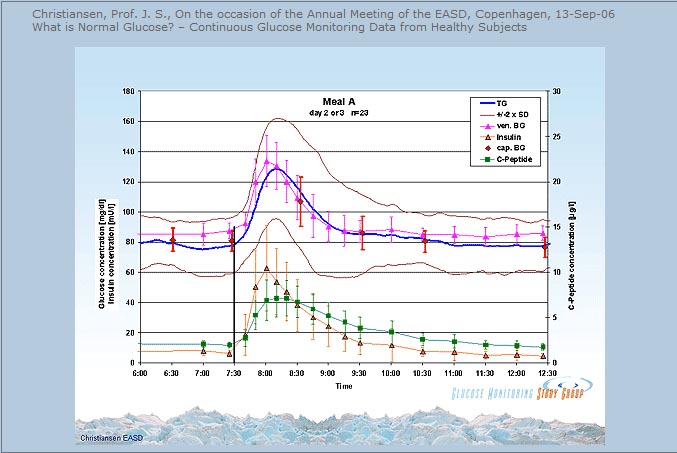
The issue of blood sugar levels and glycosylation appears to be one of level and duration of exposure. If we plot blood sugar over time and draw a graph, the area under the curve of the graph represents total exposure to  levels of blood sugar. If we draw a straight horizontal line under this curve that represents a toxic threshold (levels that result in glycosylation that exceed our ability to eliminate AGEs)  then the area of toxicity is equal to the area above the threshold line and below the curve of blood sugar. In theory then we should live a lifestyle (nutrition, sleep, exercise, stress reduction) that results in keeping our blood sugars as close as possible to the threshold of toxicity. The Whitehall study suggests that line would be drawn at 86 mg/dl. this discussion provides a conceptual framework. There is no proof of this argument, just data that support the concept that as blood sugars stay elevated above a certain level, this elevation increases the risk of disease. When we examine this argument in the light of evolutionary medicine/health it makes sense. Before the onset of agriculture we did not consume added sweeteners, refined carbohydrates, refined “vegetable” oils (oils from seeds, grains and legumes), nor did we consume manufactured trans fats. So draw a horizontal line in the graph below at some level, make it 86 mg/dl, and look at the area between the blood sugar level and that horizontal line. That is the theoretical toxicity zone.

blood sugar curve

The association between “normal blood sugar levels” and risk of heart attack and stroke have been observed for a long time but this association has received much less attention than the concern over consumption of fat and cholesterol in the diet. In previous posts I have pointed out the evidence that contradicts the notion that  consumption of saturated fat and cholesterol is a problem. Instead, there is growing evidence that easily oxidized polyunsaturated fat (vegetable oil) contributes to atherosclerosis , cardiovascular disease and chronic inflammation. Likewise, there is growing evidence that consumption of sweetened foods and beverages, as well as refined flour foods (which increase blood sugars much more than whole foods) are wreaking havoc in many ways.

So if there is a link between dietary sugar/refined carbohydrate consumption, blood sugar levels and disease, mediated by inflammation and glycosylation, what can we do about it? If there is a link between excessive consumption of pro-inflammatory and easily oxidized refined vegetable oils (linoleic acid) what can we do about it?

  • Avoid sweetened food and beverages
  • Drink only water and modest amounts of coffee or tea.
  • Avoid flour foods and other forms of refined carbohydrate which result in blood sugar surges and over time stress the pancreas
  • Eat only whole foods
  • Save your carbs for dinner
  • Walk for 15 minutes after every meal or 30-45 minutes per day
  • Engage in resistance training (weight lifting, resistance bands) for 20-30 minutes twice per week.
  • Get 8-9 hours of sleep each night
  • And if you really want to get serious about nutritional changes,  eat only the foods we have evolved to eat. Eat like a hunter-gatherer. Eat only pastured meat, free range poultry and free range eggs, fresh  wild fish and seafood, fresh  vegetables, fresh fruits and nuts.  Avoid grains, legumes, dairy. Avoid refined vegetable oils. Do not eat any food with “partially hydrogenated oil” or “hydrogenated oil” of any kind.

Resistance training twice per week for just 20-30 minutes will increase muscle mass and insulin sensitivity, lower blood sugars, preserve bone density, and provide many health benefits.

Eating most  carbs at dinner improved weight loss, lowered hunger, reduced abdominal circumference and enhanced body fat mass reductions in a calorie restricted weight loss study of obese adults.

Greater weight loss and hormonal cha… [Obesity (Silver Spring). 2011] – PubMed – NCBI

Sleep deprivation impairs insulin sensitivity, increases the risk of diabetes, hypertension, cardiovascular disease, depression, accidents and cancer, impairs immune function and wound healing, and impairs weight loss on a calorie restricted diet.

Meta-Analysis of Short Sleep Duration and Obesity in Children and Adults

Sleep duration and body mass index in twins: a gene-en… [Sleep. 2012] – PubMed – NCBI

Impact of insufficient sleep on total daily energy expenditure, food intake, and weight gain.

Neurobiological consequences of sleep deprivation.

Sleep and type 2 diabetes mellitus- clinical implications.

The influence of shift work on cognitive functions and oxidative stress.

Sleep disorders and depression: brief review of the literature, case report, and nonpharmacologic interventions for depression.

The impact of sleep deprivation on food desire in the human brain.

Walking 15 minutes after every meal in adults 60 years and older significantly improved 24 hour blood glucose control relative to control subjects who did not walk and was significantly more effective than 45 minutes of sustained morning or afternoon walking in lowering 3 hour post-dinner glucose levels.

Three 15-min bouts of moderate postmeal walking significantly improves 24-h glycemic control in older people at risk for impaired glucose tolerance.

Food, sleep, exercise and stress are the primary determinants of health.

While this post discussed two of three proposed mechanisms linking blood sugar levels to disease (modified LDL and AGEs) I did not discuss inflammation. The relationship between dietary sugar, refined carbohydrates and inflammation will be discussed in future posts.

In the meantime, stay tuned for “an egg a day keeps the doctor away”.

Peace,

Bob Hansen MD
Saturated Fat vs. Sugar

Within one week of my post on saturated fat two discussions supporting my position have appeared in peer-reviewed journals. The first discussion can be found here.

Observations: Saturated fat is not the major issue | BMJ

The second can be found here.

Dietary Fats and Health: Dietary Recommendations in the Context of Scientific Evidence

The first article was written by a cardiologist who teaches and practices at Croydon University Hospital in London. He states that advice to reduce saturated fat intake

“has led to the over-medication of millions of people with statins and has diverted our attention from the more egregious risk factor of atherogenic dyslipidaemia”

He states that recent studies “have not supported any significant association between saturated fat intake and risk of CVD”. He discusses sugar and highly refined carbohydrates as the culprit in causing atherogenic (artery plaque forming) dyslipidaemia (abnormal blood lipid profiles).

Here are comments by three Professors about Dr. Malhotra’s article:

David Haslam, Chair of Britain’s National Obesity Forum states the following.

“It’s extremely naive of the public and the medical profession to imagine that a calorie of bread, a calorie of meat and a calorie of alcohol are all dealt in the same way by the amazingly complex systems of the body. The assumption has been made that increased fat in the bloodstream is caused by increased saturated fat in the diet, whereas modern scientific evidence is proving that refined carbohydrates and sugar in particular are actually the culprits.”

Professor Robert Lustig (Pediatric Endocrinologist, UCSF) stated

“Food should confer wellness, not illness. And real food does just that, including saturated fat. But when saturated fat got mixed up with the high sugar added to processed food in the second half of the 20th century, it got a bad name. Which is worse, the saturated fat or the added sugar? The American Heart Association has weighed in – the sugar many times over. Plus added sugar causes all of the diseases associated with metabolic syndrome. Instead of lowering serum cholesterol with statins, which is dubious at best, how about serving up some real food?”

Timothy Noakes (Professor of Exercise and Sports Science, University of Cape Town) states

“Focusing on an elevated blood cholesterol concentration as the exclusive cause of coronary heart disease is unquestionably the worst medical error of our time. After reviewing all the scientific evidence I draw just one conclusion – Never prescribe a statin drug for a loved one.”

Here is the abstract summary of the second article cited above.

“Although early studies showed that saturated fat diets with very low levels of PUFAs increase serum cholesterol, whereas other studies showed high serum cholesterol increased the risk of coronary artery disease (CAD), the evidence of dietary saturated fats increasing CAD or causing premature death was weak. Over the years, data revealed that dietary saturated fatty acids (SFAs) are not associated with CAD and other adverse health effects or at worst are weakly associated in some analyses when other contributing factors may be overlooked. Several recent analyses indicate that SFAs, particularly in dairy products and coconut oil, can improve health. The evidence of ω6 polyunsaturated fatty acids (PUFAs) promoting inflammation and augmenting many diseases continues to grow, whereas ω3 PUFAs seem to counter these adverse effects. The replacement of saturated fats in the diet with carbohydrates, especially sugars, has resulted in increased obesity and its associated health complications. Well-established mechanisms have been proposed for the adverse health effects of some alternative or replacement nutrients, such as simple carbohydrates and PUFAs. The focus on dietary manipulation of serum cholesterol may be moot in view of numerous other factors that increase the risk of heart disease. The adverse health effects that have been associated with saturated fats in the past are most likely due to factors other than SFAs, which are discussed here. This review calls for a rational reevaluation of existing dietary recommendations that focus on minimizing dietary SFAs, for which mechanisms for adverse health effects are lacking.”

Of course both articles produced a stormy debate with letters to the editor from supporters and detractors, but thank God this debate has finally entered mainstream academic discussion.

These two authors have coincidentally introduced the topics of my next two blogs so please stay tuned for discussions of sugar/refined carbohydrates and coconut oil (filled with health promoting and infection fighting medium chain triglycerides)

Go in peace

Bob Hansen MD

Saturated fat, does it matter?

Recommendations to reduce saturated fat consumption have pervaded our media since the AHA published its first dietary guidelines for the American public in 1961. The AMA at first opposed the recommendations but the AHA pushed on. The guidelines encouraged substitution of polyunsaturates for saturated fat. The guidelines were presented in a two page report with 1/2 page of references. A subsequent independent review of those references revealed that 1/2 of them did not support the recommendations, details, details.

My last blog looked at a meta-analysis of the major studies subsequently published on this topic and found that implementation of that recommendation does not reduce heart attacks or cardiac deaths and in fact there was a trend (not statistically significant) for worse outcomes associated with substituting PUFA (polyunsaturated fatty acids, primarily linoleic acid) for SFA (saturated fatty acids).

Please note that we are talking hard endpoints here, death and heart attack. So much of the literature that consumes this issue only looks at the effect on so called risk factors. When you actually look at the clinical outcomes (death, heart attack, stroke)  there is no benefit demonstrated when saturated fats are reduced.

In 1966 the makers of Mazola Corn Oil and Mazola Margarine sponsored publication of Your Heart Has Nine Lives, a book advocating the substitution of vegetable oils for butter and other “artery clogging” saturated fats.

The history of this campaign to demonize SFA and glorify PUFA is well described in Gary Taubes Good Calories, Bad Calories, as well as in Mary Enig’s essay The Oiling of America. I would encourage you to read both.  The latter is available on line as is Gary Taubes’ famous essay What if its all a big fat lie?

http://www.westonaprice.org/know-your-fats/the-oiling-of-america

In 2010 a highly respected lipid research group published what should have been a wake-up call study for the medical profession.

Meta-analysis of prospective cohort studies evaluating the association of saturated fat with cardiovascular disease.

The data included 5 to 23 years follow up on 347,747 subjects. 11,006 developed coronary heart disease or stroke. Intake of saturated fat was not associated with an increased risk of coronary heart disease (CHD), stroke, or  cardiovascular disease (CVD =CHD plus stroke).

“there is no significant evidence for concluding that dietary saturated fat is associated with an increased risk of CHD or CVD.”

To be clear, association (statistical correlation) does not prove or disprove causation, but if such a large amount of data from prospective studies shows no statistically significant correlation, than a causative theory should be rejected until and unless randomized controlled clinical trials suggest otherwise.

This study should have created a tsunami in the media and in the medical community but it hardly caused a ripple in the pond. Michael Eades explains why in an excellent post here.

http://www.proteinpower.com/drmike/lipid-hypothesis/eat-less-move-die-anyway/

The editors of the journal published a scathing rebuke of the authors but could not find anything wrong with the data and conclusions except that the data refuted their belief system. Busy physicians tend to read the editorials and place more credence in an editorial than in a study that questions or refutes a major thesis.

Lets look at some other studies that considered hard clinical endpoints.

Low-fat dietary pattern and risk of cardiovascular disease: the Women’s Health Initiative Randomized Controlled Dietary Modification Trial.

The objective of this study was:

“To test the hypothesis that a dietary intervention, intended to be low in fat and high in vegetables, fruits, and grains to reduce cancer, would reduce CVD risk.”

This study was a randomized controlled trial of 48,835 postmenopausal women aged 50-79 years of diverse backgrounds and ethnicity.

“RESULTS: By year 6, mean fat intake decreased by 8.2% of energy intake in the intervention vs the comparison group, with small decreases in saturated (2.9%), monounsaturated (3.3%), and polyunsaturated (1.5%) fat; increases occurred in intakes of vegetables/fruits (1.1 servings/d) and grains (0.5 serving/d).”

Did this decrease heart attacks or strokes? NO

“The diet had no significant effects on incidence of CHD (hazard ratio [HR], 0.97; 95% confidence interval [CI], 0.90-1.06), stroke (HR, 1.02; 95% CI, 0.90-1.15), or CVD (HR, 0.98; 95% CI, 0.92-1.05).”

Now lets look at a study where women were followed after a heart attack to see if reducing saturated fat helped.

Dietary fats, carbohydrate, and progression of coronary atherosclerosis in postmenopausal women. Am J Clin Nutr. 2004 Nov;80(5):1175-84.

In this study quantitative coronary angiography was performed at baseline and after mean follow up of 3.1 years. 2243 coronary artery segments in 235 women were studied.

Here is what they found.

  • a higher saturated fat intake was associated with a smaller decline in mean minimal coronary diameter (P = 0.001) and less progression of coronary stenosis (P = 0.002) during follow-up
  • Carbohydrate intake was positively associated with atherosclerotic progression (P = 0.001), particularly when the glycemic index was high
  • Polyunsaturated fat intake was positively associated with progression (of coronary atherosclerosis) when replacing other fats (P = 0.04) but not when replacing carbohydrate or protein
  • Monounsaturated and total fat intakes were not associated with progression. (extra virgin olive oil and macadamia nuts are rich in monounsaturated fat)

The P values cited demonstrate unequivocal statistical significance for all of these associations.

So intake of carbohydrate and polyunsaturated fat was positively associated with progression of coronary atherosclerosis. Conversely, saturated fat intake was associated with less progression of coronary stenosis.  Again, I must point out that association does not prove or disprove causation. Nevertheless, there have been no prospective studies that demonstrate an association between saturated fat consumption and cardiovascular events (real clinical endpoints). Here we have data that show a negative association with saturated fat but positive association with carbohydrate and polyunsaturated fat consumption.

The logic has always been that substituting PUFA for SFA reduces cholesterol levels (short term studies) and therefore it should reduce heart attacks and strokes. But if you search the medical literature you find that the overwhelming body of data shows no reduction in hard clinical outcomes by reducing saturated fat, in fact just the opposite is true as in the two Ramsden studies cited in my previous post.

Uffe Ravnskov has pointed out that the proponents of the dietary  saturated fat-cholesterol theory often times misrepresent the data from published studies and cite those studies in support of the theory when in fact the data actually refute the theory. (as was the case for the AHA’s first dietary recommendations demonizing saturated fat in 1961) Uffe’s letters to the editor have been a nuisance to the proponents of that theory for decades.

An exhaustive review of the literature by Ravnskov was published in 1996. The summary deserves a complete quotation here.

J Clin Epidemiol. 1998 Jun;51(6):443-60.

The questionable role of saturated and polyunsaturated fatty acids in cardiovascular disease.

Source

uffe.ravnskov@swipnet.se

Abstract

A fat diet, rich in saturated fatty acids (SFA) and low in polyunsaturated fatty acids (PUFA), is said to be an important cause of atherosclerosis and cardiovascular diseases (CVD). The evidence for this hypothesis was sought by reviewing studies of the direct link between dietary fats and atherosclerotic vascular disease in human beings. The review included ecological, dynamic population, cross-sectional, cohort, and case-control studies, as well as controlled, randomized trials of the effect of fat reduction alone. The positive ecological correlations between national intakes of total fat (TF) and SFA and cardiovascular mortality found in earlier studies were absent or negative in the larger, more recent studies. Secular trends of national fat consumption and mortality from coronary heart disease (CHD) in 18-35 countries (four studies) during different time periods diverged from each other as often as they coincided. In cross-sectional studies of CHD and atherosclerosis, one group of studies (Bantu people vs. Caucasians) were supportive; six groups of studies (West Indians vs. Americans, Japanese, and Japanese migrants vs. Americans, Yemenite Jews vs. Yemenite migrants; Seminole and Pima Indians vs. Americans, Seven Countries) gave partly supportive, partly contradictive results; in seven groups of studies (Navajo Indians vs. Americans; pure vegetarians vs. lacto-ovo-vegetarians and non-vegetarians, Masai people vs. Americans, Asiatic Indians vs. non-Indians, north vs. south Indians, Indian migrants vs. British residents, Geographic Study of Atherosclerosis) the findings were contradictory. Among 21 cohort studies of CHD including 28 cohorts, CHD patients had eaten significantly more SFA in three cohorts and significantly less in one cohort than had CHD-free individuals; in 22 cohorts no significant difference was noted. In three cohorts, CHD patients had eaten significantly more PUFA, in 24 cohorts no significant difference was noted. In three of four cohort studies of atherosclerosis, the vascular changes were unassociated with SFA or PUFA; in one study they were inversely related to TF. No significant differences in fat intake were noted in six case-control studies of CVD patients and CVD-free controls; and neither total or CHD mortality were lowered in a meta-analysis of nine controlled, randomized dietary trials with substantial reductions of dietary fats, in six trials combined with addition of PUFA. The harmful effect of dietary SFA and the protective effect of dietary PUFA on atherosclerosis and CVD are questioned.

That was published in 1998, since then the evidence remains as Uffe described it 15 years ago. More studies show no relationship between saturated fat consumption and cardiovascular death, heart attack, or stroke.

Finally, multiple autopsy studies around the world have been conducted to investigate an association between diet and atherosclerosis. None of these studies have demonstrated a positive association between degree of atherosclerosis and saturated fat intake.

Yet the AHA continues to recommend lower levels of saturated fat consumption while showing little concern for the problem of sugar and refined carbohydrates.

In my next post I will discuss why sugar and refined carbohydrates are major players in the physiology of atherosclerosis. Future posts will address the China Study, Forks Over Knives, the Ornish Diet and related topics. Additionally I will discuss why an egg a day keeps the doctor away.

Go in peace.

Bob Hansen MD.

Number Needed to Treat (NNT) website and Statin Drugs

My 85 year old mother-in-law was placed on a statin drug two years ago by her primary care physician. She had no risk factors for coronary disease other than age, she had a prior completely normal cardiac catheterization (coronary angiogram) and was totally without symptoms before being placed on the statin. Within weeks she developed muscle pain and weakness, suffered fatigue and overall felt poorly. I convinced her to stop the statin and within a few weeks she felt great. I see similar scenarios frequently in the pain clinic. I personally suffered severe statin induced myopathy pain from two different statins (in the days before enlightenment) and gratefully recovered when I stopped the drug each time. I have since learned more about coronary artery disease, cholesterol metabolism, statins, and related topics.

There is a great website that analyzes data from multiple studies to estimate the number of patients needed to treat in order to help and/or harm a patient. Two such analyses on this website are the NNT with statin drugs for five years to achieve certain results. They analyze data  in patients without known coronary artery disease (primary prophylaxis) and in patients with known coronary artery disease (secondary prophylaxis).

Here is the website:

TheNNT

Here is the page for primary prophylaxis:

Statins for Heart Disease Prevention (Without Prior Heart Disease) | TheNNT

Here is the link to the page on secondary prophylaxis:

Statins for Heart Disease Prevention (With Known Heart Disease) | TheNNT

Here are the results for primary prophylaxis.

“In Summary, for those who took the statin for 5 years:

  • 98% saw no benefit
  • 0% were helped by being saved from death
  • 1.6% were helped by preventing a heart attack
  • 0.4% were helped by preventing a stroke
  • 1.5% were harmed by developing diabetes*
  • 10% were harmed by muscle damage

In Other Words:

  • None were helped (life saved)
  • 1 in 60 were helped (preventing heart attack)
  • 1 in 268 were helped (preventing stroke)
  • 1 in 67 were harmed (develop diabetes*)
  • 1 in 10 were harmed (muscle damage)”

Here are the results for secondary prophylaxis.

“In Summary, for those who took the statin for 5 years:

  • 96% saw no benefit
  • 1.2% were helped by being saved from death
  • 2.6% were helped by preventing a repeat heart attack
  • 0.8% were helped by preventing a stroke
  • 0.6% were harmed by developing diabetes*

In Other Words:

  • 1 in 83 were helped (life saved)
  • 1 in 39 were helped (preventing non-fatal heart attack)
  • 1 in 125 were helped (preventing stroke)
  • 1 in 167 were harmed (develop diabetes*)”

If anything, the side effects (harm) are understated and the authors acknowledge this because many of the studies do not adequately report side effects and complications. (The studies were funded in part or in totality by the pharmaceutical company that makes the drug and that is a problem as discussed below)

Association of funding and conclusions in randomized dr… [JAMA. 2003] – PubMed – NCBI

It is rare that this sort of analysis would be presented to a patient in the physician’s office to help a patient decide whether the risks and benefits are acceptable. (I provide patients with this data on a multi-page handout with significant narrative and explanation when I diagnose statin myopathy.)

The obsession that American physicians have with cholesterol (another topic to be addressed in future posts) creates a knee-jerk reaction to a lab value that results too often in muscle damage and pain and sometimes cognitive impairment.

My experience in the pain clinic has been that the % of elderly with statin induced muscle damage and/or muscle pain is much higher. When I suggest that the patient stop the statin drug because they are suffering disabling pain and possibly permanent muscle damage they often return at the next visit to tell me they were started on a different statin drug. Most patients who suffer this complication will have a repeat of the same complication when placed on a different statin drug. This complication can cause permanent damage.

In the medical literature, many studies presented as “primary prophylaxis” are not truly primary prophylaxis because there are some patients included that have known diagnosed coronary disease. This tainted data is then presented as if it were a true primary prophylaxis study.

A more recent study purported to demonstrate once and for all that statins in primary prophylaxis can save lives. Unfortunately, there were problems with this study as well. Here is an excerpt from a commentary in the publishing journal:

“There are reasons to be cautious about the findings of the meta-analysis by Taylor and colleagues. As the authors note, all but 1 of the trials were partly or fully funded by pharmaceutical companies. Trials funded by for-profit organizations are more likely to recommend the experimental drug than are trials funded by nonprofit organizations (4). Further, adverse event reporting in the original trials was poor, with few details about type or severity, and quality of life was rarely assessed. Some adverse events, such as cognitive impairment, are rarer and not assessed.”

Disappointingly, the commentary failed to point out that the study data again included some patients with diagnosed coronary artery disease. (up to 10%).

Here are the authors own words.

“We included randomized controlled trials of statins versus placebo or usual care control with minimum treatment duration of one year and follow-up of six months, in adults with no restrictions on total, low density lipoprotein (LDL) or high density lipoprotein (HDL) cholesterol levels, and where 10% or less had a history of CVD.”

Once again we have a “primary prophylaxis” meta-analysis that is not really a primary prophylaxis study. It never seems to end.

When drug companies fund studies the conclusions often overstate the benefit and understate the risks. If you do not look for a side effect or complication, you will not find one. Here is an excerpt from a large study that look at the issue of bias in drug company sponsored research.

“CONTEXT:

Previous studies indicate that industry-sponsored trials tend to draw proindustry conclusions.

OBJECTIVE:

To explore whether the association between funding and conclusions in randomized drug trials reflects treatment effects or adverse events.

CONCLUSIONS:

Conclusions in trials funded by for-profit organizations may be more positive due to biased interpretation of trial results. Readers should carefully evaluate whether conclusions in randomized trials are supported by data.”

Association of funding and conclusions in randomized dr… [JAMA. 2003] – PubMed – NCBI

There are many ways that authors can present data to give the appearance of success. A more recent study published in Lancet alleged to demonstrate benefit (death prevention) for statins in primary prophylaxis.

Here it is.

The effects of lowering LDL cholesterol with statin therapy in people at low risk of vascular disease: meta-analysis of individual data from 27 randomised trials : The Lancet

But when you drill down into the data you  discover a mechanism of deception. The benefits reported in the paper applied only to patients whose cholesterol dropped significantly. Looking at all patients in the study who took the statin did not result in decreased death rates. Selecting those whose cholesterol dropped 40 points did show death prevention benefit. They presented risk reduction per unit of cholesterol reduction. From a scientific point of view this is less than honest. The authors simply demonstrated that patients who responded to the drug benefited.

DUH***All previous studies that simply compared patients on statins vs. those not on statins (primary prophylaxis) showed no prevention of death. This is an important distinction, The cost implications of putting low risk individuals on statins are enormous. Statins also rarely can cause death (from rhabdomyalysis) and frequently caused harm.  One comment about this studies’ conclusions was titled “Statins for all by the age of 50 years?” That frightens me.

The mechanism of statin drug benefits are likely related to many known potentially beneficial physiologic effects, not from a reduction of cholesterol. As you will learn in future posts, cholesterol reduction in and of itself is almost meaningless. The amount of circulating cholesterol in your blood is not the problem. The problem is much more complex and relates in part to the oxidation of LDL particles, which has little to do with the amount of cholesterol carried in those particles. Other important factors include systemic inflammation and the response of the innate immune system to factors such as circulating LPS which in turn reflects intestinal permeability. I apologize for the sudden onslaught of abbreviations and medical terms but stay tuned and you will learn what they all mean.

Finally, in the secondary prophylaxis group, the benefits of statin drug use are equivalent to the benefits achieved with exercise-based cardiac rehabilitation following a heart attack. Cardiac rehab offers many benefits in addition to saving lives, produces no significant negative side effects, and improves quality of life and sense of well-being. Many patients on statins feel lousy.

Efficacy of exercise-based cardiac rehabilitation… [Am Heart J. 2011] – PubMed – NCBI

In my next post I will discuss saturated fat  and coronary artery disease. This issue represents the crux of controversy in the heart-healthy diet debate which most physicians and the AHA consider clarified (eat less saturated fat). You already know generally what I have to say about that if you have read my Manifesto page. The next post will expand on the saturated fat section in the Manifesto. Subsequent posts will discuss cholesterol, LDL cholesterol, LDL particle number, oxidized LDL and glycated LDL (the last two are referred to as modified LDL)

Bob Hansen MD