Category Archives: atherosclerosis

Low Carb Beats Low Fat Again, Annals of Internal Medicine article

Once again, a randomized trial demonstrates that a carbohydrate restricted approach is superior to a low fat diet with regards to weight loss, inflammation, body composition and cardiovascular risk factors. This study was recently published in the Annals of Internal Medicine, the official journal for the American College of Physicians.

Men and women aged 22 to 75 years with a body mass index of 30 to 45 kg/m2 (obesity defined as BMI > 30, morbid obesity defined as BMI >35) were recruited from the general public by using mailing lists, fliers, work site and community screenings, and television advertisements.

Neither diet included a specific calorie or energy goal. Participants in each group were asked to refrain from changing their physical activity levels during the intervention

Here is the summary cut and pasted from the abstract.

Objective: To examine the effects of a low-carbohydrate diet compared with a low-fat diet on body weight and cardiovascular risk factors.

Design: A randomized, parallel-group trial. (ClinicalTrials.gov: NCT00609271)

Setting: A large academic medical center.

Participants: 148 men and women without clinical cardiovascular disease and diabetes.

Intervention: A low-carbohydrate (<40 g/d) or low-fat (<30% of daily energy intake from total fat [<7% saturated fat]) diet. Both groups received dietary counseling at regular intervals throughout the trial.

Measurements: Data on weight, cardiovascular risk factors, and dietary composition were collected at 0, 3, 6, and 12 months.

Results: Sixty participants (82%) in the low-fat group and 59 (79%) in the low-carbohydrate group completed the intervention. At 12 months, participants on the low-carbohydrate diet had greater decreases in weight (mean difference in change, −3.5 kg [95% CI, −5.6 to −1.4 kg]; P = 0.002), fat mass (mean difference in change, −1.5% [CI, −2.6% to −0.4%]; P = 0.011), ratio of total–high-density lipoprotein (HDL) cholesterol (mean difference in change, −0.44 [CI, −0.71 to −0.16]; P = 0.002), and triglyceride level (mean difference in change, −0.16 mmol/L [−14.1 mg/dL] [CI, −0.31 to −0.01 mmol/L {−27.4 to −0.8 mg/dL}]; P = 0.038) and greater increases in HDL cholesterol level (mean difference in change, 0.18 mmol/L [7.0 mg/dL] [CI, 0.08 to 0.28 mmol/L {3.0 to 11.0 mg/dL}]; P < 0.001) than those on the low-fat diet.

Limitation: Lack of clinical cardiovascular disease end points.

Conclusion: The low-carbohydrate diet was more effective for weight loss and cardiovascular risk factor reduction than the low-fat diet.

Primary Funding Source: National Institutes of Health.

Let’s go through those results again: At 12 months, participants on the low-carbohydrate diet had

  1.  greater decreases in weight. This has been demonstrated in multiple previously published studies.
  2.  greater decreases in  fat mass. This is an important distinction, the low carb group lost more fat, not muscle.
  3.  greater decreases in the ratio of total to high-density lipoprotein (HDL) cholesterol. This ratio is a measure of cardiovascular risk (risk for heart attack and stroke). It improved more on low carb than on low fat diets.
  4.  greater decreases in triglyceride level. Triglyceride level is also an important cardiovascular risk factor. It went down significantly more as compared to the low fat diet.
  5.  greater increases in HDL cholesterol level. This result is considered to be protective against heart attack and stroke.
  6. greater decreases in CRP level than those in the low-fat group. CRP (C-reactive protein) is a blood test for inflammation and is also a cardiovascular risk factor.
  7. significant decreases in estimated 10-year risk for coronary heart disease as measured by the Framingham risk analysis at 6 and 12 months, whereas those in the low-fat group did not. Say again, the low fat group did not decrease their Framingham risk analysis but the low carb group did.

All of these differences were “statistically significant”, meaning they were unlikely caused by accident.
And what about side-effects?

The number of participants who had symptoms, including constipation, fatigue, thirst, polyuria, diarrhea, heartburn, gas, nausea, vomiting, appetite changes, or headache, did not differ significantly between the low-carbohydrate and low-fat groups, except significantly more participants on the low-fat diet reported headaches at 3 months

The authors concluded:

Our study found that a low-carbohydrate diet induced greater weight loss and reductions in cardiovascular risk factors at 12 months than a low-fat diet among black and white obese adults who did not have diabetes, CVD, or kidney disease at baseline. Compared with a low-fat diet, a low-carbohydrate diet resulted in greater improvements in body composition, HDL cholesterol level, ratio of total–HDL cholesterol, triglyceride level, CRP level, and estimated 10-year CHD risk. Because CVD is the most common cause of death in the United States and obesity is a particularly prevalent risk factor, our study has important clinical and public health implications

Effects of Low-Carbohydrate and Low-Fat Diets: A Randomized Trial, A. Bazzano, MD, PhD, MPH et. al., Ann Intern Med. 2014;161(5):309-318. doi:10.7326/M14-0180

Get rid of the sugar-added foods, processed and refined flour foods and vegetable oils. Send a message to corporate America that crap-in-a bag and crap-in-a-box is no longer in demand. Eat only grass-fed meat, wild seafood, fresh vegetables, fresh fruit and tree nuts. Enjoy better health and better food.


Bob Hansen MD.

Stress Reduction and Health

Mindfulness based stress reduction (MBSR) has been demonstrated to have beneficial effects relative to several physiologic measurements in humans. These include improved immune status, decreased inflammation as measured by blood tests, improved DNA repair (increased telomere length), and alterations in metabolic activity in areas of the brain that are viewed as beneficial relative to stress, anxiety and pain as measured by functional MRI scan of the brain (fMRI). Similarly other forms of meditation have been studied relative to cardiovascular risk in humans. The results indicate that stress reduction from meditation can decrease the “composite risk of death, heart attack and stroke” by 48% in patients who have experienced a previous heart attack. (1)

“A selected mind-body intervention, the TM program, significantly reduced risk for mortality, myocardial infarction, and stroke in coronary heart disease patients. These changes were associated with lower blood pressure and psychosocial stress factors. Therefore, this practice may be clinically useful in the secondary prevention of cardiovascular disease.”

This degree of protection exceeds the benefits of statin drugs in patients who have had a heart attack  and exceeds the risk reduction accomplished by cardiac rehabilitation exercise programs.

A review of studies on the effects of meditation on cardiovascular disease reported: (2)

Psychosocial stress is a nontraditional risk factor for cardiovascular morbidity and mortality that may respond to behavioral or psychosocial interventions. …. Randomized controlled trials, meta-analyses, and other controlled studies indicate this meditation technique reduces risk factors and can slow or reverse the progression of pathophysiological changes underlying cardiovascular disease. Studies with this technique have revealed reductions in blood pressure, carotid artery intima-media thickness, myocardial ischemia, left ventricular hypertrophy, mortality, and other relevant outcomes. The magnitudes of these effects compare favorably with those of conventional interventions for secondary prevention

Dr. Dean Ornish utilized both meditation and yoga training in his lifestyle intervention program along with moderate exercise, smoke cessation and elimination of junk food (low fat vegan diet). The results demonstrated reduced coronary artery plaque within 2 years. Although many have attributed this to the vegan low fat diet, I have suggested in the past that the beneficial results were accomplished by stress reduction, exercise, smoke cessation, and elimination of junk food (especially refined sugar, flour, trans-fats and refined vegetable oils)

Our culture is not attuned to the regular practice of meditation or yoga. When I recommend stress reduction with these techniques to my patients few pursue it despite providing them with detailed descriptions of the physical benefits demonstrated by medical studies. One does not need to become a Buddhist in order to benefit from the practice of meditation. In the early 1970s the first stress reduction clinic utilizing MBSR(Mindfulness Based Stress Reduction) and Yoga was established at the University of Massachusetts Medical Center by Jon Kabat Zinn PhD. Since then many studies have documented the benefits of stress reduction relative to cardiovascular disease, diabetes, hypertension, chronic pain management, depression and anxiety.

Patients who have experienced their first major depressive episode can reduce the risk of a subsequent major depressive episode by 50% simply practicing MBSR regularly.

Unlike drugs, angioplasty, coronary stents, surgery, and injections, meditation and yoga have no potential negative side effects or complications. They simply require time, practice and a modest amount of training. Inexpensive self-help books, CDs and on-line resources are available to get started. Measurable physiologic benefits are experienced within a few weeks. Blood pressure drops, stress hormones decrease, blood sugars come down, insulin sensitivity improves, immune cells work better, sleep improves, suffering from chronic pain decreases, and functional status improves. That’s a considerable amount of benefit achieved by simply sitting quietly and observing your breath as it moves in and out of your body.

Meditation and yoga are two ways to reduce stress. For a healthy life to achieve stress reduction we must examine many areas. What aspects of daily life can increase and decrease stress and our physiologic response to stress?

Important factors to consider include social isolation, physical and social contact with friends/family/pets, meaningful work, laughter and humor, time spent outdoors, exercise, proper sleep habits and exposure to natural rather than artificial light. These all play significant roles in governing our stress levels, physiologic response to stress and the attendant changes in health.

Social isolation is harmful while regular contact with family and friends is beneficial. Caring for a pet seems to reduce blood pressure and enhance longevity. Engaging in meaningful work for pay or as a volunteer is essential for health, longevity and happiness. Spending time outdoors regularly and cycling your daily activity with the sun (circadian rhythm normalization) are essential to health and stress reduction. Laughter and social interaction provide healing while rumination over problems causes illness. All of these aspects to healthy living deserve attention but if you are ill, overweight, suffer chronic pain, disability or substance abuse then meditation and yoga can have profoundly beneficial effects. When combined with a Paleolithic diet and adequate restorative sleep, stress reduction techniques provide a powerful healing pathway.

Below is a long list of links to articles related to stress reduction, meditation, and yoga in the areas of chronic pain, cardiovascular disease, cancer, pre-natal care, anxiety disorders, depression, insomnia, smoke cessation, burnout, immune function, inflammation, migraine, blood pressure control, traumatic brain injury and even psoriasis.

Read to your heart’s content.

Bob Hansen MD

(1) Stress reduction in the secondary prevention of cardiovascular disease: randomized, controlled trial of transcendental meditation and health education in Blacks.

(2) Psychosocial stress and cardiovascular disease Part 2: effectiveness of the Transcendental Meditation program in treatment and prevention.

Here is the long list of other references. I have tried to group them in categories. There is allot of overlap between categories so my classification is somewhat arbitrary.

Asthma

Yoga intervention for adults with mild-to-moderate asthma: a pilot study.

Cardiovascular Disease:

Stress reduction in the secondary prevention of cardiovascular disease: randomized, controlled trial of transcendental meditation and health education in Blacks.

Usefulness of the transcendental meditation pro… [Am J Cardiol. 1996] – PubMed – NCBI

A randomised controlled trial of stress reduction for hypertension in older African Americans.

Effect of meditation on endothelial function in Black Americans with metabolic syndrome: a randomized trial.

Is there a role for stress management in reducing hypertension in African Americans?

Trial of stress reduction for hypertension in older African Americans. II. Sex and risk subgroup analysis.

Yoga for the primary prevention of cardiovascular disease.

Randomized controlled trial of mindfulness-based stress reduction for prehypertension.

Yoga Nidra relaxation increases heart rate variability and is unaffected by a prior bout of Hatha yoga.

Influence of psychosocial factors and biopsychosocial interventions on outcomes after myocardial infarction.

Influence of psychosocial factors and biopsychosocial interventions on outcomes after myocardial infarction.

Trial of relaxation in reducing coronary risk: four year follow up.

When and why do heart attacks occur? Cardiovascular triggers and their potential role.

Emotional stressors trigger cardiovascular events.

How brain influences neuro-cardiovascular dysfunction.

CNS effects:

Short-term meditation training improves attention and self-regulation

Central and autonomic nervous system interaction is altered by short-term meditation

Neruoimaging and EEG

Neural mechanisms of mindfulness and meditation: Evidence from neuroimaging studies.

Short-term meditation induces white matter changes in the anterior cingulate

Mechanisms of white matter changes induced by meditation

Meditation’s impact on default mode network and hippocampus in mild cognitive impairment: a pilot study.

Mindfulness starts with the body: somatosensory attention and top-down modulation of cortical alpha rhythms in mindfulness meditation.

Effects of mindfulness meditation training on anticipatory alpha modulation in primary somatosensory cortex.

Effects of mindfulness meditation training on anticipatory alpha modulation in primary somatosensory cortex.

Cancer:

Increased mindfulness is related to improved stress and mood following participation in a mindfulness-based stress reduction program in individuals with cancer.

Impact of Mindfulness-Based Stress Reduction (MBSR) on attention, rumination and resting blood pressure in women with cancer: a waitlist-controlled study.

A non-randomized comparison of mindfulness-based stress reduction and healing arts programs for facilitating post-traumatic growth and spirituality in cancer outpatients.

One year pre-post intervention follow-up of psychological, immune, endocrine and blood pressure outcomes of mindfulness-based stress reduction (MBSR) in breast and prostate cancer outpatients.

Impact of mindfulness-based stress reduction (MBSR) on sleep, mood, stress and fatigue symptoms in cancer outpatients.

Keeping the balance–an overview of mind-body therapies in pediatric oncology.

Randomised controlled trials of yoga interventions for women with breast cancer: a systematic literature review.

Mindfulness-based stress reduction in relation to quality of life, mood, symptoms of stress and levels of cortisol, dehydroepiandrosterone sulfate (DHEAS) and melatonin in breast and prostate cancer outpatients.

A pilot study evaluating the effect of mindfulness-based stress reduction on psychological status, physical status, salivary cortisol, and interleukin-6 among advanced-stage cancer patients and their caregivers.

Can diet in conjunction with stress reduction affect the rate of increase in prostate specific antigen after biochemical recurrence of prostate cancer?

Meditation, melatonin and breast/prostate cancer: hypothesis and preliminary data.

Diabetes

Mindfulness-based stress reduction is associated with improved glycemic control in type 2 diabetes mellitus: a pilot study.

Immune System:

Alterations in brain and immune function produced by mindfulness meditation.

Insomnia and Sleep Physiology.

Mind-body interventions for the treatment of insomnia: a review.

Mindfulness-based stress reduction compared with cognitive behavioral therapy for the treatment of insomnia comorbid with cancer: a randomized, partially blinded, noninferiority trial.

Experienced mindfulness meditators exhibit higher parietal-occipital EEG gamma activity during NREM sleep.

I-CAN SLEEP: rationale and design of a non-inferiority RCT of Mindfulness-based Stress Reduction and Cognitive Behavioral Therapy for the treatment of Insomnia in CANcer survivors.

New insights into circadian aspects of health and disease.

Irritable Bowel

Mindfulness-based stress reduction for the treatment of irritable bowel syndrome symptoms: a randomized wait-list controlled trial.


Pain:

A comparison of mindfulness-based stress reduction and an active control in modulation of neurogenic inflammation.

The validation of an active control intervention for Mindfulness Based Stress Reduction (MBSR).

[Mindfulness-based therapeutic approaches: benefits for individuals suffering from pain].

Mindfulness-based stress reduction, mindfulness-based cognitive therapy, and Zen meditation for depression, anxiety, pain, and psychological distress.

Mindfulness starts with the body: somatos… [Front Hum Neurosci. 2013] – PubMed – NCBI

Altered anterior insula activation during anticipation and experience of painful stimuli in expert meditators.

Differential effects on pain intensity and unpleasantness of two meditation practices.

Self-directed Mindfulness Training and Improvement in Blood Pressure, Migraine Frequency, and Quality of Life.

Effectiveness of mindfulness meditation (Vipassana) in the management of chronic low back pain.

Mindfulness meditation in the control of severe headache.

The clinical use of mindfulness meditation for the self-regulation of chronic pain.

An outpatient program in behavioral medicine for chronic pain patients based on the practice of mindfulness meditation: theoretical considerations and preliminary results.

Mindfulness-based stress reduction for chronic pain conditions: variation in treatment outcomes and role of home meditation practice.

Psych, Depression, Anxiety, Burnout, Students

Mindfulness meditation practices as adjunctive treatments for psychiatric disorders.

Reducing psychological distress and obesity through Yoga practice

Yoga and social support reduce prenatal depression, anxiety and cortisol.

Meditation Programs for Psychological Stress and Well-Being [Internet].

Meditation programs for psychological stress and well-being: a systematic review and meta-analysis.

Tai chi training reduces self-report of inattention in healthy young adults.

Mindfulness for teachers: A pilot study to assess effects on stress, burnout and teaching efficacy.

Mindfulness-Based Stress Reduction for Low-Income, Predominantly African American Women With PTSD and a History of Intimate Partner Violence.

Mindfulness-based cognitive therapy for generalized anxiety disorder.

Three-year follow-up and clinical implications of a mindfulness meditation-based stress reduction intervention in the treatment of anxiety disorders.

Effectiveness of a meditation-based stress reduction program in the treatment of anxiety disorders.

Enhanced response inhibition during intensive meditation training predicts improvements in self-reported adaptive socioemotional functioning.

Intensive meditation training improves perceptual discrimination and sustained attention.

Home-based deep breathing for depression in patients with coronary heart disease: a randomised controlled trial.

Mindfulness-based stress reduction lowers psychological distress in medical students.

Yoga and exercise for symptoms of depression and anxiety in people with poststroke disability: a randomized, controlled pilot trial.

The effect of yoga on coping strategies among intensive care unit nurses.

Mindfulness-based stress reduction and health-related quality of life in a heterogeneous patient population.

Developing mindfulness in college students through movement-based courses: effects on self-regulatory self-efficacy, mood, stress, and sleep quality.

Differential effects of mindful breathing, progressive muscle relaxation, and loving-kindness meditation on decentering and negative reactions to repetitive thoughts.

Psychological and neural mechanisms of trait mindfulness in reducing depression vulnerability.

A narrative review of yoga and mindfulness as complementary therapies for addiction.

The acute effects of yogic breathing exercises on craving and withdrawal symptoms in abstaining smokers.

Yoga and massage therapy reduce prenatal depression and prematurity.

Mind-body interventions during pregnancy for preventing or treating women’s anxiety.

Misc. and General

Mindfulness-based interventions for physical conditions: a narrative review evaluating levels of evidence.

Evaluation of a Mindfulness-Based Stress Reduction (MBSR) program for caregivers of children with chronic conditions.

Empirical explorations of mindfulness: conceptual and methodological conundrums.

Mindfulness meditation: do-it-yourself medicalization of every moment.

Becoming conscious: the science of mindfulness.

Meditate to medicate.

Mindfulness in medicine.

Cultivating mindfulness: effects on well-being.

Mind-body medicine. An introduction and review of the literature.

Tai chi chuan in medicine and health promotion.

Tai chi/yoga effects on anxiety, heartrate, EEG and math computations.

Mindfulness Research Update: 2008.

Development and preliminary evaluation of a telephone-based mindfulness training intervention for survivors of critical illness.

A randomized controlled trial of Koru: a mindfulness program for college students and other emerging adults.

Hair Cortisol as a Biomarker of Stress in Mindfulness Training for Smokers.

A review of the literature examining the physiological processes underlying the therapeutic benefits of Hatha yoga.

Body Awareness: a phenomenological inquiry into the common ground of mind-body therapies.

Cortical dynamics as a therapeutic mechanism for touch healing.

Establishing key components of yoga interventions for musculoskeletal conditions: a Delphi survey.

Hatha yoga on body balance.

Yoga might be an alternative training for the quality of life and balance in postmenopausal osteoporosis.

Becoming conscious: the science of mindfulness.

Organ Transplant

Mindfulness meditation to reduce symptoms after organ transplant: a pilot study.

Post Traumatic Brain Injury

A pilot study examining the effect of mindfulness-based stress reduction on symptoms of chronic mild traumatic brain injury/postconcussive syndrome.

Psoriasis

Influence of a mindfulness meditation-based stress reduction intervention on rates of skin clearing in patients with moderate to severe psoriasis undergoing phototherapy (UVB) and photochemotherapy (PUVA).

Telemorase, DNA, Genes

Rapid changes in histone deacetylases and inflammatory gene expression in expert meditators.

Can meditation slow rate of cellular aging? Cognitive stress, mindfulness, and telomeres.

Intensive meditation training, immune cell telomerase activity, and psychological mediators.

Contemplative practice, chronic fatigue, and telomerase activity: a comment on Ho et al.

Toward a unified field of study: longevity, regeneration, and protection of health through meditation and related practices.


Carbohydrate Restriction for Diabetes I and II

A great review article challenging the current low fat dogma has been published. This should be required reading for all physicians. It brings clarity, data, and perspective to the discussion.

Here is the abstract:

Abstract

“The inability of current recommendations to control the epidemic of diabetes, the specific failure of the prevailing low-fat diets to improve obesity, cardiovascular risk or general health and the persistent reports of some serious side effects of commonly prescribed diabetic medications, in combination with the continued success of low-carbohydrate diets in the treatment of diabetes and metabolic syndrome without significant side effects, point to the need for a reappraisal of dietary guidelines.”

Here are the opening paragraphs.

“The benefits of carbohydrate restriction in diabetes are immediate and well-documented. Concerns about the efficacy and safety are long-term and conjectural rather than data-driven. Dietary carbohydrate restriction reliably reduces high blood glucose, does not require weight loss (although is still best for weight loss) and leads to the reduction or elimination of medication and has never shown side effects comparable to those seen in many drugs.

Here we present 12 points of evidence supporting the use of low-carbohydrate diets as the first approach to treating type 2 diabetes and as the most effective adjunct to pharmacology in type 1. They represent the best-documented, least controversial results. The insistence on long-term random-controlled trials as the only kind of data that will be accepted is without precedent in science. The seriousness of diabetes requires that we evaluate all of the evidence that is available. The 12 points are sufficiently compelling that we feel that the burden of proof rests with those who are opposed.

“At the end of our clinic day, we go home thinking, ‘The clinical improvements are so large and obvious, why don’t other doctors understand?’ Carbohydrate restriction is easily grasped by patients: because carbohydrates in the diet raise the blood glucose, and as diabetes is defined by high blood glucose, it makes sense to lower the carbohydrate in the diet. By reducing the carbohydrate in the diet, we have been able to taper patients off as much as 150 units of insulin per day in eight days, with marked improvement in glycemic control – even normalization of glycemic parameters.”

— Eric Westman, MD, MHS [1].

Here is the link to the whole article.

Dietary Carbohydrate restriction as the first approach in diabetes management. Critical review and evidence base

Peace and good health.

Bob Hansen MD

Weight Gain, Another Reason to Avoid Statins

Published on line two days ago in advance of print publication, a new study demonstrates an association between statin use and increased caloric intake resulting in weight gain. (1)

A brief editorial (Written by Dr. Rita Redberg, on faculty at UCSF and editor of JAMA: INTERNAL MEDICINE). is worth quoting in entirety as it succinctly reviews many criticisms of statin overuse that I have discussed in previous posts here and here.

“There remains much controversy over the risks and benefits of statins for primary prevention. Besides the risks of muscle aches, diabetes, and cognitive dysfunction, I have observed over the years that for many patients, statins provide a false reassurance, as people seem to believe that statins can compensate for poor dietary choices and a sedentary life. In an elegantly performed analysis of NHANES data from 1999 to 2010, Sugiyama and colleagues have documented exactly such behavior. They found that compared with statin nonusers, statin users significantly increased their fat intake and calorie consumption, along with their BMI, in the last decade. This article raises concerns of a potential moral hazard of statin use, in addition to the already known adverse effects. Focusing on cholesterol levels can be distracting from the more beneficial focus on healthy lifestyle to reduce heart disease risk.” (2)

Of course association does not imply causation, but the editorial above suggests a plausible explanation for the relationship.

I have previously discussed how a carbohydrate restricted whole foods diet (here and here) results in superior weight loss, improved glucose control, reduced blood pressure, reduced triglycerides and improved HDL when compared to a low fat American Heart Association type diet. The former results in spontaneous reduction of caloric intake (improved satiety-no calorie counting required), the latter requires calorie counting in order to reduce caloric intake. The carbohydrate restricted approach does NOT result in increased net fat intake but because carbohydrates are reduced, fat as a % of total calories is increased. On average most studies in adults report a spontaneous reduction of about 400-600 calories per day when carbohydrates are significantly restricted.

A paleolithic diet that eliminates all processed foods, refined vegetable oils, grains, legumes and dairy but includes pastured grass-fed meat, wild seafood, free range poultry and eggs, organic fresh vegetables, fruit and nuts is typically low carbohydrate compared to the standard American diet (SAD). A paleolithic nutritional approach produces similar metabolic improvement within a few weeks. (3)

(1) Sugiyama T, Tsugawa Y, Tseng C-H, Kobayashi Y, Shapiro MF. Different time trends of caloric and fat intake between statin users and nonusers among US adults: gluttony in the time of statins? [published online April 24, 2014]. JAMA Intern Med. doi:10.1001/jamainternmed.2014.1927. PubMed

(2) Statins and Weight Gain: Redberg RF. JAMA Intern Med. 2014 Apr 24. doi: 10.1001/jamainternmed.2014.1994. [Epub ahead of print]  PubMed

(3) Metabolic and physiologic improvements from consuming a paleolithic, hunter-gatherer type diet L A Frassetto1, M Schloetter, M Mietus-Synder, R C Morris Jr1 and A Sebastian European Journal of Clinical Nutrition (2009) 63, 947–955; doi:10.1038/ejcn.2009.4; published online 11 February 2009 PubMed

Go in peace

Bob Hansen MD

Fat consumption, Fat circulating in your blood, Heart Disease

Another nail has been driven into the coffin of the diet-heart hypothesis. The Annals of Internal Medicine (the official journal for the American College of Physicians) just published a review article that considered three kinds of studies related to fat and heart disease. (1)

  1. Studies that evaluated the association between dietary consumption of different kinds of fat and cardiovascular disease (heart attack and stroke)
  2. Studies that evaluated the association between levels of different kinds of fat circulating in the blood and cardiovascular disease
  3. Studies that evaluated supplementation with various kinds of fat and cardiovascular disease.

Most importantly, the authors found no statistical association between consumption of saturated fat and cardiovascular disease. I have previously discussed another large meta-analysis published in 2010 with the same finding. (2)

I have discussed the unscientific demonization of saturated fat many times (3,4,5).

This is important because it again speaks against the dietary advice promulgated by the AHA and the USDA to reduce consumption of saturated fat. The low-fat advice has resulted in a proliferation of low-fat high-sugar and high-carbohydrate food products which arguably have contributed to the epidemics of obesity and diabetes in the US.

Similarly, recent studies have correlated dementia with high carbohydrate consumption. (6) If you reduce fat in the diet you must replace it with something else and unfortunately in the US that something else has been sugar and other refined carbohydrates.

Other statistically significant findings in the Annals of Internal Medicine study were an inverse relationship between circulating blood levels of the omega three fats found in seafood (EPA and DHA) and cardiovascular events. The authors pointed out that although higher blood levels of EPA and DHA were significantly associated with lower cardiovascular risk, supplementation with EPA and DHA have had mixed results  with many studies showing positive results but some showing no protective effects. My comments on the omega three supplement studies are

  1. supplementation with fish oil (omega three fats) will not benefit most individuals unless excess pro-inflammatory omega six fats (found in refined vegetable oils) are reduced/eliminated and that side of the equation has not been addressed in any of the published studies. In other words, the studies did not reduce omega 6 fats, they just supplemented with omega 3 fat. If an individual is consuming 30-60 grams of omega six fats per day, trying to balance that with 2-3 grams per day of fish oil will not achieve a healthy ratio.
  2. many of the fish oil (omega three) supplement studies used very low amounts of fish oil, well below the amounts used in the studies that demonstrated benefit.

I am not suggesting that everyone should take fish oil supplements. Instead, I support eating a whole foods paleolithic diet based on grass-fed meat, free range poultry, free range eggs, fresh wild seafood, fresh vegetables, fresh fruits and nuts.

Finally, the data on trans-fat consumption demonstrated statistically significant correlation with cardiovascular disease. The biochemistry and physiology of manufactured trans-fats demonstrate a disruptive role of these man-made fats and the elimination of these harmful fats from our food supply will likely provide great health benefits.

The authors comment on the complex relationship between fat consumption and circulating levels of specific fats in the blood as demonstrated by Forsythe et al. (6,7) I will discuss this in future posts. For now consider the paradox that high-fat carbohydrate restricted diets result in lower circulating levels of saturated fat compared to high carbohydrate diets. (6,7), Explanation: excess carbohydrates are immediately converted to fat and stored as saturated fat by humans.

1. Annals of Internal Medicine | Association of Dietary, Circulating, and Supplement Fatty Acids With Coronary Risk: A Systematic Review and Meta-analysis

2. Siri-Tarino PW, Sun Q, Hu FB, Krauss RM. Meta-analysis of prospective cohort studies evaluating the association of saturated fat with cardiovascular disease. Am J Clin Nutr. 2010; 91:535-46.
PubMed

3. https://practical-evolutionary-health.com/2014/02/16/can-goose-liver-grass-fed-meat-aged-hard-cheese-free-range-eggs-and-cod-liver-oil-prevent-a-heart-attack/

4. https://practical-evolutionary-health.com/2013/11/03/saturated-fat-vs-sugar/

5. https://practical-evolutionary-health.com/2013/11/01/saturated-fat-does-it-matter/

6. Relative intake of macronutrients impacts risk of mild cognitive impairment or dementia. Journal of Alzheimers Dis. 2012;32(2):329-39. doi: 10.3233/JAD-2012-120862.

7. Forsythe CE, Phinney SD, Feinman RD, Volk BM, Freidenreich D, Quann E, et al. Limited effect of dietary saturated fat on plasma saturated fat in the context of a low carbohydrate diet. Lipids. 2010; 45:947-62. PubMed

8. Forsythe CE, Phinney SD, Fernandez ML, Quann EE, Wood RJ, Bibus DM, et al. Comparison of low fat and low carbohydrate diets on circulating fatty acid composition and markers of inflammation. Lipids. 2008; 43:65-77. PubMed

Peace,

Bob Hansen MD

Can goose liver, grass-fed meat, aged hard cheese, free range eggs and cod liver oil prevent a heart attack?

The data suggests that the answer is yes. The first four of these health foods are rich sources of vitamin K2 and the last food item is packed with Vitamins A and D. The proposed mechanism for their protective effect rests in a wonderful biological quartet. The instruments of this quartet include  the fat soluble vitamins D, K2, and A playing harmoniously  with a ubiquitous human protein called Matrix gla protein  (MGP).

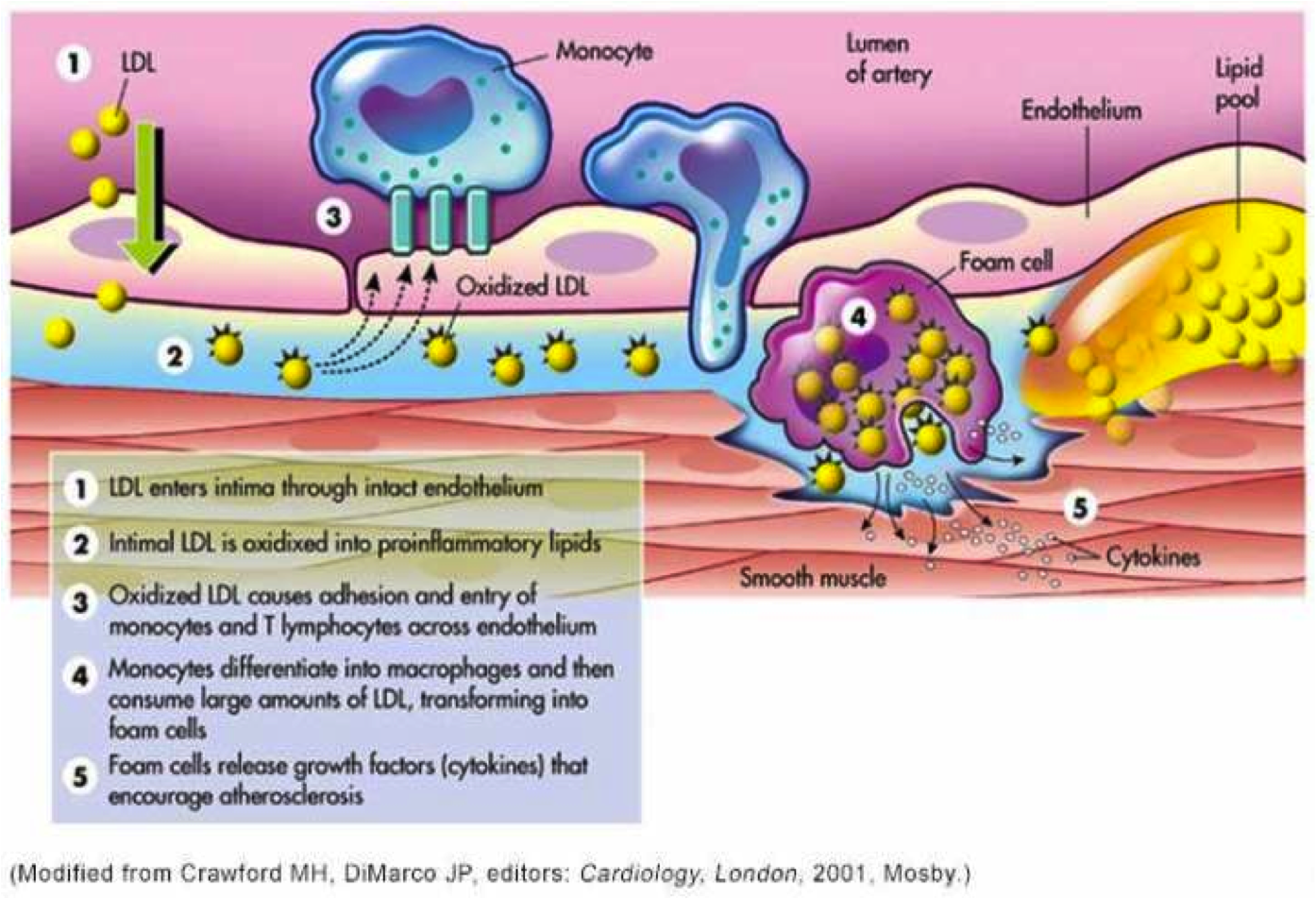
The basic science is exquisite. Vitamins D and A acting together enhance the expression of MGP.  In other words, these two fat-soluble vitamins cause our bodies to increase the production of MGP.  MGP resides throughout our bodies including the walls of our arteries. Vitamin K2 then activates the MGP which in turn regulates (prevents) the calcification of plaque in the walls of our arteries. MGP masterfully plays this role in many arteries and it’s artistry is particularly effective in the coronary arteries that supply blood and oxygen to heart muscle.

Heavily calcified coronary plaque (the nasty stuff that produces atherosclerosis) as compared to un-calcified plaque is much more likely to rupture and create an acute blockage, thereby causing a heart attack. By inhibiting calcification of coronary plaque activated MGP decreases the risk of a heart attack. The biochemistry and physiology of this process are well accepted and discussed in the opening of several papers that address this topic. (1,2,3)

The data that support this theory includes a lot of basic science that describes the interaction between the four players as well as nutritional studies in humans and rodents.

The first major human study was the Rotterdam study published in the Journal of the American Society for Nutritional Sciences, 2004. Here is a quote from the summary.

“Vitamin K-dependent proteins, including matrix Gla-protein, have been shown to inhibit vascular calcification. Activation of these proteins via carboxylation depends on the availability of vitamin K. We examined whether dietary intake of phylloquinone (vitamin K-1) and menaquinone (vitamin K-2) were related to aortic calcification and coronary heart disease (CHD) in the population-based Rotterdam Study.”

The study followed 4801 adults for over 7 years and analyzed the relationship between Vitamin K intake and incidence of heart attacks, (fatal and non-fatal), death from all causes, and atherosclerosis in the aorta (the major artery of the body). The results were impressive. The analysis divided the 4801 people into three equal groups, 1/3 with the highest consumption of Vitamin K, 1/3 with the lowest consumption, and 1/3 in the middle. The higher and middle groups compared to the group with the lowest consumption had:

  • significantly fewer non-fatal heart attacks,
  • significantly fewer deaths from heart attack,
  • significantly fewer deaths from all causes.

In addition, the group with the highest consumption of Vitamin K2 had significantly less calcified plaque in the walls of their aortas.

Comparing the group of the highest intake of vitamin K2 to the group with the lowest intake, the highest intake group had 41% less risk of non-fatal heart attack, 57% lower risk of death from heart attack and 26% lower risk of  death from all causes after adjusting for multiple factors that are believed to play a role in heart attack risk.  (Those other factors included age, gender, total energy intake, BMI, smoking status, pack-years smoking, diabetes, education, alcohol consumption. consumption of saturated fat, poly unsaturated fat, flavonoids (anti-oxidants) and calcium.)

Vitamin K2  consumption showed these significant associations whereas Vitamin K1 did not. Vitamin K2 is found most abundantly in animal foods that contain  erroneously demonized saturated fat, Vitamin K1 is found in plants that do not contain much if any saturated fat. So this represents not only a strong statistical signal for the health benefit of Vitamin K2, but also supports the health benefit of consuming animal foods with saturated fat. The individuals who consumed more meat and more full fat fermented cheese (the two major sources of vitamin K2 in this study) had dramatically reduced risk of heart attack (both fatal and non-fatal), reduced risk of death from all causes, and less calcified plaque in the major artery of the body, the aorta. Vitamin K2 is a fat soluble vitamin which means it comes with the fat in these foods. Eating low fat foods misses this healthy opportunity.

Five years after the Rotterdam study was published, another study demonstrated similar findings. The title tells the story.

“A high menaquinone (vitamin K2) intake reduces the incidence of coronary heart disease.”

This study followed 16,057 women aged 49-70 years for 8 years. The study participants had no known heart disease at the start of the study. The results:

“After adjustment for traditional risk factors and (other) dietary factors, we observed an inverse association between vitamin K(2) and risk of CHD with a Hazard Ratio (HR) of 0.91 [95% CI 0.85-1.00] per 10 microg/d vitamin K(2) intake.”

Translation: for every increase in daily consumption of vitamin K2 by 10 micrograms per day, there was an average 9% reduction in risk of coronary disease events.

Let’s look at how much Vitamin K2 was consumed in the three groups described in the first study. Going from the lowest to the highest daily consumption the groups averaged 15.1, 26.9 and 40.9 micrograms per day. To put this in perspective, you can view a table of the Vitamin K2 content of various foods produced by Chris Masterjohn, a portion of which appears below. Before you do that, let me explain some facts about Vitamin K2.

Vitamin K2 actually represents a group of very similar vitamins that differ chemically only  in the number of specific chemical side chains. The  number of these side chains varies from 4 to 10, so these are referred to as MK-4 through MK-10. From Wikepedia:

All K vitamins are similar in structure: they share a “quinone” ring, but differ in the length and degree of saturation of the carbon tail and the number of “side chains”.[1] The number of side chains is indicated in the name of the particular menaquinone (e.g., MK-4 means that four molecular units – called isoprene units – are attached to the carbon tail) and this influences the transport to different target tissues.

MK-4 is made in the tissue of grass-eating mammals that convert Vitamin K1 (from the green plants) to Vitamin K2 (MK-4). This can be obtained from animal muscle, organ meats, or the milk and milk products of mammals, including human breast milk.

The other forms of Vitamin K-2 (side-chain length > 4) are made by bacteria during the fermentation of foods (such as cheese, sauerkraut, kim chee and Natto). Here is the table from Chris Masterjohn. Go here for the original table.

The percentage of vitamin K2 present as MK-4 represents that synthesized by animal tissues, while the remainder represents that synthesized by bacteria during fermentation.

FOOD VITAMIN K2 (MCG/100G)
Natto 1103.4 (0% MK-4)
Goose Liver Paste 369.0 (100% MK-4)
Hard Cheeses 76.3 (6% MK-4)
Soft Cheeses 56.5 (6.5% MK-4)
Egg Yolk (Netherlands) 32.1 (98% MK-4)
Goose Leg 31.0 (100% MK-4)
Curd Cheeses 24.8 (1.6% MK-4)
Egg Yolk (United States) 15.5 (100% MK-4)
Butter 15.0 (100% MK-4)
Chicken Liver 14.1 (100% MK-4)
Salami 9.0 (100% MK-4)
Chicken Breast 8.9 (100% MK-4)
Chicken Leg 8.5 (100% MK-4)
Ground Beef (Medium Fat) 8.1 (100% MK-4)
Bacon 5.6 (100% MK-4)
Calf Liver 5.0 (100% MK-4)
Sauerkraut 4.8 (8% MK-4)
Whole Milk 1.0 (100% MK-4)

Where did our paleolithic hunter-gatherer ancestors get their Vitamin K2? They did not consume dairy products. Vitamin K2 is heavily concentrated in the pancreas, brain and liver of humans and animals. Hunter-gatherers do not waste these valuable fatty organs, in fact offal was deemed the most treasured part of a successful hunt among many hunter-gatherer societies studied during the 19th and 20th centuries.

Not many Americans eat offal such as pancreas, brain and liver so similar to Holland (where these studies were conducted) most Vitamin K2 in the American diet probably comes from hard cheese and egg yolks.

But what is the weakness in drawing conclusions from these two studies?

First they were epidemiological studies, the data was obtained from FFQs (food frequency questionnaires). They were not randomized controlled clinical trials (RCTs). There have been no RCTs that have looked specifically at Vitamin K2 relative to coronary artery disease and deaths. Having said that, you should be aware that most nutrition studies that have been published (in particular those that  demonize saturated fat ) fall into the same category, they are epidemiological studies based upon food frequency questionnaires (FFQs) and such studies have been criticized with regards to reliability of data and for lack of controlling the multiple dietary and non-dietary factors that can influence health outcomes.(4)

Unlike the two studies discussed here that statistically adjusted for multiple known or argued risk factors, the epidemiologic studies that are alleged to suggest potential harm from saturated fat did not control or adjust for other statistical “con-founders”. In addition, the review papers that have so overwhelmed our society causing fat-phobia have ignored the large body of evidence that demonstrates the health benefits of consuming animal foods that contain fat soluble vitamins as well as many other vital nutrients. (4)

Regarding randomized controlled trials, there have been many convincing RCTs in rodents that demonstrate not only prevention of calcified plaques in arterial walls but actual reversal of atherosclerosis in rodents with high doses of vitamin K2. (5)  Furthermore, a certain breed of experimental rodent that completely lacks MGP suffers from early death caused by severe atherosclerosis further supporting the fundamental role of activated MGP in maintaining vascular health. (6)

1. Dietary Intake of Menaquinone Is Associated with a Reduced Risk of Coronary Heart Disease: The Rotterdam Study

2. A high menaquinone intake reduces … [Nutr Metab Cardiovasc Dis. 2009] – PubMed – NCBI

3. Vitamin K status and vascular calcification: eviden… [Adv Nutr. 2012] – PubMed – NCBI

4. Dietary Fats and Health: Dietary Recommendations in the Context of Scientific Evidence

5. Regression of warfarin-induced medial elastocalcinosis… [Blood. 2007] – PubMed – NCBI

6. Two sides of MGP null arterial disease: chondrogenic lesions dependent on transglutaminase 2 and elastin fragmentation associated with induction of adipsin.

The Ornish Low Fat Vegetarian Diet, does it work?

Dr. Dean Ornish has done wonderful research in the area of cardiovascular disease and lifestyle intervention. His study on comprehensive lifestyle intervention (1) is often quoted to support a low fat vegetarian diet as treatment for cardiovascular disease. But his “Intensive lifestyle changes for reversal of coronary heart disease” included several components that would be expected to improve health and decrease cardiovascular risk independent of a vegetarian diet as will be discussed below.

Let’s review what this study did.

48 patients with diagnosed moderate to severe coronary artery disease were randomized to one of two treatment groups, an “intensive lifestyle change” (ILC) group or a “usual-care” (UC) control group. 28 patients were allocated randomly to the ILC group and 20 were allocated to the UC group. Out of 48 patients starting the study only 35 completed the study,   20 out of 28 in the ILC group completed the study and 15 out of 20 in the UC group completed the study.

The intensive lifestyle change group followed this program:

  • 10% fat whole foods vegetarian diet
  • daily aerobic exercise
  • stress management training (training in and daily performance of meditation and/or yoga)
  • smoke cessation (they quit smoking)
  • group psychosocial support (3 hour group therapy sessions)

At the start of the study only one patient in the ILC group was smoking and she quit. We do not know how many smokers were in the UC group or how many quit. (I consider that a deficiency of this study. Because smoking is such a significant determinant of cardiovascular outcome, details of smoking at start and end of the study for both groups should have been reported)

At the end of five years the intensive lifestyle change group demonstrated an average 3.1% absolute reduction in the coronary artery blockage as measured by coronary arteriograms (or to put it another way, the diameter of the blocked coronary arteries increased by 3.1%). The usual care group (receiving cholesterol lowering statin drugs) showed an average 2.3% absolute increase in the coronary artery blockage (2.3% reduction in diameter). These are not huge changes or differences but they were measurable and statistically significant.

Twenty five total  “cardiac events” occurred in the 28 patients randomized to the intensive lifestyle change group over the five years and 45 cardiac events occurred in the 20 patients randomized to the “usual care” group (receiving cholesterol lowering statin drugs). But this was due to differences in the number of hospitalizations and angioplasties. There was no statistically significant difference in the number of deaths, heart attacks or coronary artery bypass surgeries.

By the end of the study 2 patients in the ILC group had died compared to 1 death in the usual care group but as mentioned above, this difference was not statistically significant.  We do not know how many deaths occurred in the 8 patients who dropped out of the treatment group or in the 5 patients who dropped out of the usual care group, nor do we know any of the other outcomes for the drop-out patients.

So there were no lives saved by the intensive lifestyle change program and no reduction in the number of heart attacks. In fact the ILC group had 2 deaths compared to 1 in the usual care group.

What does this all mean and why has the Ornish Diet attracted so much attention.?

First, I would suggest that the demonstrated benefits (reductions in the number of angioplasties and hospitalizations) are likely explained by the following parts of the lifestyle changes.

  1. stress reduction training and implementation (meditation and yoga)
  2. elimination of manufactured trans-fats from the diet
  3. elimination of unhealthy pro-inflammatory excess omega six fats (vegetable oils) from the diet
  4. elimination/reduction of processed carbohydrates and sugar.

Although the intensive lifestyle intervention included regular exercise the data show no significant difference in times per week or hours per week of exercise at the end of the study between the two groups.

The big difference was in stress management. The ILC group averaged practicing meditation and/or yoga 5 times per week (48 minutes per day) versus less that once per week (8 minutes per day) in the usual care group.

Stress reduction is a major issue in any disease and in particular in cardiovascular disease.

Several studies have demonstrated that the daily practice of meditation  improves immune function, increases telomerase activity, reduces inflammatory markers, and reduces circulating stress hormones (cortisol and epinephrine) independent of dietary changes.
Meditation has also been observed to improve “endothelial function”, the ability of the cells that line arteries to respond to changes in demand. (2,3,4,5,6,7)

Here is a press release from the American Heart Association 13 November 2012. (8)

“African Americans with heart disease who practiced Transcendental Meditation regularly were 48 percent less likely to have a heart attack, stroke or die from all causes compared with African Americans who attended a health education class over more than five years, according to new research published in the American Heart Association journal Circulation: Cardiovascular Quality and Outcomes.

Those practicing meditation also lowered their blood pressure and reported less stress and anger. And the more regularly patients meditated, the greater their survival, said researchers who conducted the study at the Medical College of Wisconsin in Milwaukee.”

I believe the major benefit of the interventional program was from the stress reduction and the elimination of three major dietary sources of trouble (trans-fats, excess omega 6 fats from processed-refined vegetable oils, and refined carbohydrates-sugar)

I have already discussed in other posts the problems associated with excess omega 6 fats and refined carbohydrates-sugar relative to cardiovascular risk. (9,10,11)

There is little controversy that elimination/reduction in trans-fats produces benefit. (12,13,14)

All three of these changes were essential to the whole foods approach of the intervention group.

I have also discussed the lack of data to support the contention that saturated fat from animal sources of protein contributes to cardiovascular disease. (15, 16))

I remain a strong proponent of a whole foods diet that includes a variety and abundance of organic vegetables and fruits, nuts, pastured grass-fed meat, fresh wild seafood, free-range organic poultry and eggs from that kind of poultry.  This diet represents the foods we have evolved to eat, free from added sugar, hormones, antibiotics, pesticides. This dietary approach also produces a healthy balance of omega 6 to omega 3 fatty acid as well as a significant improvement in the ratio of potassium to sodium.

Stress reduction should be an essential part of our lives and data on this aspect of health will be discussed in future posts. References for this discussion appear below.

Peace,

BOB Hansen MD

REFERENCES:

1. JAMA Network | JAMA | Intensive Lifestyle Changes for Reversal of Coronary Heart Disease

2. Intensive meditation training, immune cell telomerase activity, and psychological mediators.

3. Can meditation slow rate of cellular aging? Cognitive stress, mindfulness, and telomeres.

4. A pilot study of yogic meditation for family dementia caregivers with depressive symptoms: effects on mental health, cognition, and telomerase activity.

5. Meditation Improves Endothelial Function in Metabolic Syndrome, American Psychosomatic Society (APS) 69th Annual Scientific Meeting: Abstract 1639. Presented March 10, 2011.

6. Alterations in brain and immune function produced by mindfulness meditation.

7. Adrenocortical activity during meditation.

8. Meditation may reduce death, heart attack and stroke in heart patients | American Heart Association

9. Polyunsaturated fat, Saturated fat and the AHA

10, Lose weight, control blood sugar, reduce inflammation

11. Sugar, a serious addiction

12. The negative effects of hydrogenated trans fats and what to do about them.

13. Trans fats in America: a review of their use… [J Am Diet Assoc. 2010] – PubMed – NCBI

14. FDA to Ban Trans Fats in Foods – US News and World Report

15. saturated fat | Practical Evolutionary Health

16. Meta-analysis of prospective cohort studies evaluating the association of saturated fat with cardiovascular disease.

Unnecessary Cardiac Stents and Angioplasty Procedures

Acute Coronary Syndrome is a very dangerous situation. If a patient with this problem reaches a well-equipped and well-staffed hospital on time, a balloon angioplasty,  placement of a coronary stent or emergency bypass surgery can prevent a death, limit the size of heart muscle damage, and reduce complications of a heart attack. But what if a person is found to have some coronary artery disease (blockages in the arteries that supply blood and oxygen to the heart muscle and heart valves) but is considered “stable”.

Multiple studies have demonstrated that such stable patients do not benefit from having an angioplasty or having one or more stents placed in heart arteries that have partial blockages from plaque.  Despite the fact that over one dozen studies have demonstrated that stents placed in coronary arteries for patients with stable coronary artery disease do not prevent deaths, heart attacks or other problems associated with atherosclerosis, an estimated 50% of the 700,000 coronary stents placed each year in the US are placed in patients who have stable disease. Deaths Linked to Cardiac Stents Rise as Overuse Seen – Bloomberg

By 2012 the excessive utilization of angioplasty and stents had become such a large problem that Bill Boden MD, a cardiologist on the faculty of SUNY wrote an editorial in Archives of Internal Medicine titled Mounting Evidence for Lack of PCI Benefit in Stable Ischemic Heart Disease:What More Will It Take to Turn the Tide of Treatment?:  Comment on “Initial Coronary Stent Implantation With Medical Therapy vs Medical Therapy Alone for Stable Coronary Artery Disease”

In this editorial Dr. Boden explains that while angioplasty and/or placement of stents (Percutaneous Coronary Intervention) is beneficial for acute coronary syndrome, it has never been demonstrated to benefit patients with stable coronary artery disease compared with standard medical management.

Since that editorial was published a more recent review of the medical literature draws the same conclusion.

Cardiologists are paid an average $1,000 (range about $600 to $2500) for this procedure and hospitals and surgery centers receive about $25,000 for this procedure. If only half of the stents placed in patients with stable coronary disease are unnecessary the cost for the procedure alone amounts to $26,000 times 150,000 procedures per year in the US for stent placement. That is $390 million dollars a year in the US. If all of the stents placed in stable patients are unnecessary the direct cost totals $780 million per year.

But there is more cost than that. Patients who receive a stent must take potent blood thinning agents such as Plavix

Use of drugs like Plavix can result in costly and life threatening complications such as gastrointestinal bleeding (2% annually), cerebral hemorrhage resulting in stroke (0.1 to 0.4 % annually) severe drop in infection fighting white blood cells (1/2000) and other complications.

The placement of a coronary stent or performance of an angioplasty in a stable patient is also associated with complications that can result in death. What Are the Risks of Having a Stent? – NHLBI, NIH

So if you are not in the middle of a heart attack, what options are available to treat or prevent the complications of coronary artery disease? Optimal nutrition, exercise,  stress reduction and medications. This combination approach offers as much benefit with much less risk than having a coronary artery stent placed or an angioplasty performed.

Peace

Bob Hansen MD

Saturated fat, does it matter?

Recommendations to reduce saturated fat consumption have pervaded our media since the AHA published its first dietary guidelines for the American public in 1961. The AMA at first opposed the recommendations but the AHA pushed on. The guidelines encouraged substitution of polyunsaturates for saturated fat. The guidelines were presented in a two page report with 1/2 page of references. A subsequent independent review of those references revealed that 1/2 of them did not support the recommendations, details, details.

My last blog looked at a meta-analysis of the major studies subsequently published on this topic and found that implementation of that recommendation does not reduce heart attacks or cardiac deaths and in fact there was a trend (not statistically significant) for worse outcomes associated with substituting PUFA (polyunsaturated fatty acids, primarily linoleic acid) for SFA (saturated fatty acids).

Please note that we are talking hard endpoints here, death and heart attack. So much of the literature that consumes this issue only looks at the effect on so called risk factors. When you actually look at the clinical outcomes (death, heart attack, stroke)  there is no benefit demonstrated when saturated fats are reduced.

In 1966 the makers of Mazola Corn Oil and Mazola Margarine sponsored publication of Your Heart Has Nine Lives, a book advocating the substitution of vegetable oils for butter and other “artery clogging” saturated fats.

The history of this campaign to demonize SFA and glorify PUFA is well described in Gary Taubes Good Calories, Bad Calories, as well as in Mary Enig’s essay The Oiling of America. I would encourage you to read both.  The latter is available on line as is Gary Taubes’ famous essay What if its all a big fat lie?

http://www.westonaprice.org/know-your-fats/the-oiling-of-america

In 2010 a highly respected lipid research group published what should have been a wake-up call study for the medical profession.

Meta-analysis of prospective cohort studies evaluating the association of saturated fat with cardiovascular disease.

The data included 5 to 23 years follow up on 347,747 subjects. 11,006 developed coronary heart disease or stroke. Intake of saturated fat was not associated with an increased risk of coronary heart disease (CHD), stroke, or  cardiovascular disease (CVD =CHD plus stroke).

“there is no significant evidence for concluding that dietary saturated fat is associated with an increased risk of CHD or CVD.”

To be clear, association (statistical correlation) does not prove or disprove causation, but if such a large amount of data from prospective studies shows no statistically significant correlation, than a causative theory should be rejected until and unless randomized controlled clinical trials suggest otherwise.

This study should have created a tsunami in the media and in the medical community but it hardly caused a ripple in the pond. Michael Eades explains why in an excellent post here.

http://www.proteinpower.com/drmike/lipid-hypothesis/eat-less-move-die-anyway/

The editors of the journal published a scathing rebuke of the authors but could not find anything wrong with the data and conclusions except that the data refuted their belief system. Busy physicians tend to read the editorials and place more credence in an editorial than in a study that questions or refutes a major thesis.

Lets look at some other studies that considered hard clinical endpoints.

Low-fat dietary pattern and risk of cardiovascular disease: the Women’s Health Initiative Randomized Controlled Dietary Modification Trial.

The objective of this study was:

“To test the hypothesis that a dietary intervention, intended to be low in fat and high in vegetables, fruits, and grains to reduce cancer, would reduce CVD risk.”

This study was a randomized controlled trial of 48,835 postmenopausal women aged 50-79 years of diverse backgrounds and ethnicity.

“RESULTS: By year 6, mean fat intake decreased by 8.2% of energy intake in the intervention vs the comparison group, with small decreases in saturated (2.9%), monounsaturated (3.3%), and polyunsaturated (1.5%) fat; increases occurred in intakes of vegetables/fruits (1.1 servings/d) and grains (0.5 serving/d).”

Did this decrease heart attacks or strokes? NO

“The diet had no significant effects on incidence of CHD (hazard ratio [HR], 0.97; 95% confidence interval [CI], 0.90-1.06), stroke (HR, 1.02; 95% CI, 0.90-1.15), or CVD (HR, 0.98; 95% CI, 0.92-1.05).”

Now lets look at a study where women were followed after a heart attack to see if reducing saturated fat helped.

Dietary fats, carbohydrate, and progression of coronary atherosclerosis in postmenopausal women. Am J Clin Nutr. 2004 Nov;80(5):1175-84.

In this study quantitative coronary angiography was performed at baseline and after mean follow up of 3.1 years. 2243 coronary artery segments in 235 women were studied.

Here is what they found.

  • a higher saturated fat intake was associated with a smaller decline in mean minimal coronary diameter (P = 0.001) and less progression of coronary stenosis (P = 0.002) during follow-up
  • Carbohydrate intake was positively associated with atherosclerotic progression (P = 0.001), particularly when the glycemic index was high
  • Polyunsaturated fat intake was positively associated with progression (of coronary atherosclerosis) when replacing other fats (P = 0.04) but not when replacing carbohydrate or protein
  • Monounsaturated and total fat intakes were not associated with progression. (extra virgin olive oil and macadamia nuts are rich in monounsaturated fat)

The P values cited demonstrate unequivocal statistical significance for all of these associations.

So intake of carbohydrate and polyunsaturated fat was positively associated with progression of coronary atherosclerosis. Conversely, saturated fat intake was associated with less progression of coronary stenosis.  Again, I must point out that association does not prove or disprove causation. Nevertheless, there have been no prospective studies that demonstrate an association between saturated fat consumption and cardiovascular events (real clinical endpoints). Here we have data that show a negative association with saturated fat but positive association with carbohydrate and polyunsaturated fat consumption.

The logic has always been that substituting PUFA for SFA reduces cholesterol levels (short term studies) and therefore it should reduce heart attacks and strokes. But if you search the medical literature you find that the overwhelming body of data shows no reduction in hard clinical outcomes by reducing saturated fat, in fact just the opposite is true as in the two Ramsden studies cited in my previous post.

Uffe Ravnskov has pointed out that the proponents of the dietary  saturated fat-cholesterol theory often times misrepresent the data from published studies and cite those studies in support of the theory when in fact the data actually refute the theory. (as was the case for the AHA’s first dietary recommendations demonizing saturated fat in 1961) Uffe’s letters to the editor have been a nuisance to the proponents of that theory for decades.

An exhaustive review of the literature by Ravnskov was published in 1996. The summary deserves a complete quotation here.

J Clin Epidemiol. 1998 Jun;51(6):443-60.

The questionable role of saturated and polyunsaturated fatty acids in cardiovascular disease.

Source

uffe.ravnskov@swipnet.se

Abstract

A fat diet, rich in saturated fatty acids (SFA) and low in polyunsaturated fatty acids (PUFA), is said to be an important cause of atherosclerosis and cardiovascular diseases (CVD). The evidence for this hypothesis was sought by reviewing studies of the direct link between dietary fats and atherosclerotic vascular disease in human beings. The review included ecological, dynamic population, cross-sectional, cohort, and case-control studies, as well as controlled, randomized trials of the effect of fat reduction alone. The positive ecological correlations between national intakes of total fat (TF) and SFA and cardiovascular mortality found in earlier studies were absent or negative in the larger, more recent studies. Secular trends of national fat consumption and mortality from coronary heart disease (CHD) in 18-35 countries (four studies) during different time periods diverged from each other as often as they coincided. In cross-sectional studies of CHD and atherosclerosis, one group of studies (Bantu people vs. Caucasians) were supportive; six groups of studies (West Indians vs. Americans, Japanese, and Japanese migrants vs. Americans, Yemenite Jews vs. Yemenite migrants; Seminole and Pima Indians vs. Americans, Seven Countries) gave partly supportive, partly contradictive results; in seven groups of studies (Navajo Indians vs. Americans; pure vegetarians vs. lacto-ovo-vegetarians and non-vegetarians, Masai people vs. Americans, Asiatic Indians vs. non-Indians, north vs. south Indians, Indian migrants vs. British residents, Geographic Study of Atherosclerosis) the findings were contradictory. Among 21 cohort studies of CHD including 28 cohorts, CHD patients had eaten significantly more SFA in three cohorts and significantly less in one cohort than had CHD-free individuals; in 22 cohorts no significant difference was noted. In three cohorts, CHD patients had eaten significantly more PUFA, in 24 cohorts no significant difference was noted. In three of four cohort studies of atherosclerosis, the vascular changes were unassociated with SFA or PUFA; in one study they were inversely related to TF. No significant differences in fat intake were noted in six case-control studies of CVD patients and CVD-free controls; and neither total or CHD mortality were lowered in a meta-analysis of nine controlled, randomized dietary trials with substantial reductions of dietary fats, in six trials combined with addition of PUFA. The harmful effect of dietary SFA and the protective effect of dietary PUFA on atherosclerosis and CVD are questioned.

That was published in 1998, since then the evidence remains as Uffe described it 15 years ago. More studies show no relationship between saturated fat consumption and cardiovascular death, heart attack, or stroke.

Finally, multiple autopsy studies around the world have been conducted to investigate an association between diet and atherosclerosis. None of these studies have demonstrated a positive association between degree of atherosclerosis and saturated fat intake.

Yet the AHA continues to recommend lower levels of saturated fat consumption while showing little concern for the problem of sugar and refined carbohydrates.

In my next post I will discuss why sugar and refined carbohydrates are major players in the physiology of atherosclerosis. Future posts will address the China Study, Forks Over Knives, the Ornish Diet and related topics. Additionally I will discuss why an egg a day keeps the doctor away.

Go in peace.

Bob Hansen MD.

Number Needed to Treat (NNT) website and Statin Drugs

My 85 year old mother-in-law was placed on a statin drug two years ago by her primary care physician. She had no risk factors for coronary disease other than age, she had a prior completely normal cardiac catheterization (coronary angiogram) and was totally without symptoms before being placed on the statin. Within weeks she developed muscle pain and weakness, suffered fatigue and overall felt poorly. I convinced her to stop the statin and within a few weeks she felt great. I see similar scenarios frequently in the pain clinic. I personally suffered severe statin induced myopathy pain from two different statins (in the days before enlightenment) and gratefully recovered when I stopped the drug each time. I have since learned more about coronary artery disease, cholesterol metabolism, statins, and related topics.

There is a great website that analyzes data from multiple studies to estimate the number of patients needed to treat in order to help and/or harm a patient. Two such analyses on this website are the NNT with statin drugs for five years to achieve certain results. They analyze data  in patients without known coronary artery disease (primary prophylaxis) and in patients with known coronary artery disease (secondary prophylaxis).

Here is the website:

TheNNT

Here is the page for primary prophylaxis:

Statins for Heart Disease Prevention (Without Prior Heart Disease) | TheNNT

Here is the link to the page on secondary prophylaxis:

Statins for Heart Disease Prevention (With Known Heart Disease) | TheNNT

Here are the results for primary prophylaxis.

“In Summary, for those who took the statin for 5 years:

  • 98% saw no benefit
  • 0% were helped by being saved from death
  • 1.6% were helped by preventing a heart attack
  • 0.4% were helped by preventing a stroke
  • 1.5% were harmed by developing diabetes*
  • 10% were harmed by muscle damage

In Other Words:

  • None were helped (life saved)
  • 1 in 60 were helped (preventing heart attack)
  • 1 in 268 were helped (preventing stroke)
  • 1 in 67 were harmed (develop diabetes*)
  • 1 in 10 were harmed (muscle damage)”

Here are the results for secondary prophylaxis.

“In Summary, for those who took the statin for 5 years:

  • 96% saw no benefit
  • 1.2% were helped by being saved from death
  • 2.6% were helped by preventing a repeat heart attack
  • 0.8% were helped by preventing a stroke
  • 0.6% were harmed by developing diabetes*

In Other Words:

  • 1 in 83 were helped (life saved)
  • 1 in 39 were helped (preventing non-fatal heart attack)
  • 1 in 125 were helped (preventing stroke)
  • 1 in 167 were harmed (develop diabetes*)”

If anything, the side effects (harm) are understated and the authors acknowledge this because many of the studies do not adequately report side effects and complications. (The studies were funded in part or in totality by the pharmaceutical company that makes the drug and that is a problem as discussed below)

Association of funding and conclusions in randomized dr… [JAMA. 2003] – PubMed – NCBI

It is rare that this sort of analysis would be presented to a patient in the physician’s office to help a patient decide whether the risks and benefits are acceptable. (I provide patients with this data on a multi-page handout with significant narrative and explanation when I diagnose statin myopathy.)

The obsession that American physicians have with cholesterol (another topic to be addressed in future posts) creates a knee-jerk reaction to a lab value that results too often in muscle damage and pain and sometimes cognitive impairment.

My experience in the pain clinic has been that the % of elderly with statin induced muscle damage and/or muscle pain is much higher. When I suggest that the patient stop the statin drug because they are suffering disabling pain and possibly permanent muscle damage they often return at the next visit to tell me they were started on a different statin drug. Most patients who suffer this complication will have a repeat of the same complication when placed on a different statin drug. This complication can cause permanent damage.

In the medical literature, many studies presented as “primary prophylaxis” are not truly primary prophylaxis because there are some patients included that have known diagnosed coronary disease. This tainted data is then presented as if it were a true primary prophylaxis study.

A more recent study purported to demonstrate once and for all that statins in primary prophylaxis can save lives. Unfortunately, there were problems with this study as well. Here is an excerpt from a commentary in the publishing journal:

“There are reasons to be cautious about the findings of the meta-analysis by Taylor and colleagues. As the authors note, all but 1 of the trials were partly or fully funded by pharmaceutical companies. Trials funded by for-profit organizations are more likely to recommend the experimental drug than are trials funded by nonprofit organizations (4). Further, adverse event reporting in the original trials was poor, with few details about type or severity, and quality of life was rarely assessed. Some adverse events, such as cognitive impairment, are rarer and not assessed.”

Disappointingly, the commentary failed to point out that the study data again included some patients with diagnosed coronary artery disease. (up to 10%).

Here are the authors own words.

“We included randomized controlled trials of statins versus placebo or usual care control with minimum treatment duration of one year and follow-up of six months, in adults with no restrictions on total, low density lipoprotein (LDL) or high density lipoprotein (HDL) cholesterol levels, and where 10% or less had a history of CVD.”

Once again we have a “primary prophylaxis” meta-analysis that is not really a primary prophylaxis study. It never seems to end.

When drug companies fund studies the conclusions often overstate the benefit and understate the risks. If you do not look for a side effect or complication, you will not find one. Here is an excerpt from a large study that look at the issue of bias in drug company sponsored research.

“CONTEXT:

Previous studies indicate that industry-sponsored trials tend to draw proindustry conclusions.

OBJECTIVE:

To explore whether the association between funding and conclusions in randomized drug trials reflects treatment effects or adverse events.

CONCLUSIONS:

Conclusions in trials funded by for-profit organizations may be more positive due to biased interpretation of trial results. Readers should carefully evaluate whether conclusions in randomized trials are supported by data.”

Association of funding and conclusions in randomized dr… [JAMA. 2003] – PubMed – NCBI

There are many ways that authors can present data to give the appearance of success. A more recent study published in Lancet alleged to demonstrate benefit (death prevention) for statins in primary prophylaxis.

Here it is.

The effects of lowering LDL cholesterol with statin therapy in people at low risk of vascular disease: meta-analysis of individual data from 27 randomised trials : The Lancet

But when you drill down into the data you  discover a mechanism of deception. The benefits reported in the paper applied only to patients whose cholesterol dropped significantly. Looking at all patients in the study who took the statin did not result in decreased death rates. Selecting those whose cholesterol dropped 40 points did show death prevention benefit. They presented risk reduction per unit of cholesterol reduction. From a scientific point of view this is less than honest. The authors simply demonstrated that patients who responded to the drug benefited.

DUH***All previous studies that simply compared patients on statins vs. those not on statins (primary prophylaxis) showed no prevention of death. This is an important distinction, The cost implications of putting low risk individuals on statins are enormous. Statins also rarely can cause death (from rhabdomyalysis) and frequently caused harm.  One comment about this studies’ conclusions was titled “Statins for all by the age of 50 years?” That frightens me.

The mechanism of statin drug benefits are likely related to many known potentially beneficial physiologic effects, not from a reduction of cholesterol. As you will learn in future posts, cholesterol reduction in and of itself is almost meaningless. The amount of circulating cholesterol in your blood is not the problem. The problem is much more complex and relates in part to the oxidation of LDL particles, which has little to do with the amount of cholesterol carried in those particles. Other important factors include systemic inflammation and the response of the innate immune system to factors such as circulating LPS which in turn reflects intestinal permeability. I apologize for the sudden onslaught of abbreviations and medical terms but stay tuned and you will learn what they all mean.

Finally, in the secondary prophylaxis group, the benefits of statin drug use are equivalent to the benefits achieved with exercise-based cardiac rehabilitation following a heart attack. Cardiac rehab offers many benefits in addition to saving lives, produces no significant negative side effects, and improves quality of life and sense of well-being. Many patients on statins feel lousy.

Efficacy of exercise-based cardiac rehabilitation… [Am Heart J. 2011] – PubMed – NCBI

In my next post I will discuss saturated fat  and coronary artery disease. This issue represents the crux of controversy in the heart-healthy diet debate which most physicians and the AHA consider clarified (eat less saturated fat). You already know generally what I have to say about that if you have read my Manifesto page. The next post will expand on the saturated fat section in the Manifesto. Subsequent posts will discuss cholesterol, LDL cholesterol, LDL particle number, oxidized LDL and glycated LDL (the last two are referred to as modified LDL)

Bob Hansen MD