Category Archives: Sugar

The Ornish Low Fat Vegetarian Diet, does it work?

Dr. Dean Ornish has done wonderful research in the area of cardiovascular disease and lifestyle intervention. His study on comprehensive lifestyle intervention (1) is often quoted to support a low fat vegetarian diet as treatment for cardiovascular disease. But his “Intensive lifestyle changes for reversal of coronary heart disease” included several components that would be expected to improve health and decrease cardiovascular risk independent of a vegetarian diet as will be discussed below.

Let’s review what this study did.

48 patients with diagnosed moderate to severe coronary artery disease were randomized to one of two treatment groups, an “intensive lifestyle change” (ILC) group or a “usual-care” (UC) control group. 28 patients were allocated randomly to the ILC group and 20 were allocated to the UC group. Out of 48 patients starting the study only 35 completed the study,   20 out of 28 in the ILC group completed the study and 15 out of 20 in the UC group completed the study.

The intensive lifestyle change group followed this program:

  • 10% fat whole foods vegetarian diet
  • daily aerobic exercise
  • stress management training (training in and daily performance of meditation and/or yoga)
  • smoke cessation (they quit smoking)
  • group psychosocial support (3 hour group therapy sessions)

At the start of the study only one patient in the ILC group was smoking and she quit. We do not know how many smokers were in the UC group or how many quit. (I consider that a deficiency of this study. Because smoking is such a significant determinant of cardiovascular outcome, details of smoking at start and end of the study for both groups should have been reported)

At the end of five years the intensive lifestyle change group demonstrated an average 3.1% absolute reduction in the coronary artery blockage as measured by coronary arteriograms (or to put it another way, the diameter of the blocked coronary arteries increased by 3.1%). The usual care group (receiving cholesterol lowering statin drugs) showed an average 2.3% absolute increase in the coronary artery blockage (2.3% reduction in diameter). These are not huge changes or differences but they were measurable and statistically significant.

Twenty five total  “cardiac events” occurred in the 28 patients randomized to the intensive lifestyle change group over the five years and 45 cardiac events occurred in the 20 patients randomized to the “usual care” group (receiving cholesterol lowering statin drugs). But this was due to differences in the number of hospitalizations and angioplasties. There was no statistically significant difference in the number of deaths, heart attacks or coronary artery bypass surgeries.

By the end of the study 2 patients in the ILC group had died compared to 1 death in the usual care group but as mentioned above, this difference was not statistically significant.  We do not know how many deaths occurred in the 8 patients who dropped out of the treatment group or in the 5 patients who dropped out of the usual care group, nor do we know any of the other outcomes for the drop-out patients.

So there were no lives saved by the intensive lifestyle change program and no reduction in the number of heart attacks. In fact the ILC group had 2 deaths compared to 1 in the usual care group.

What does this all mean and why has the Ornish Diet attracted so much attention.?

First, I would suggest that the demonstrated benefits (reductions in the number of angioplasties and hospitalizations) are likely explained by the following parts of the lifestyle changes.

  1. stress reduction training and implementation (meditation and yoga)
  2. elimination of manufactured trans-fats from the diet
  3. elimination of unhealthy pro-inflammatory excess omega six fats (vegetable oils) from the diet
  4. elimination/reduction of processed carbohydrates and sugar.

Although the intensive lifestyle intervention included regular exercise the data show no significant difference in times per week or hours per week of exercise at the end of the study between the two groups.

The big difference was in stress management. The ILC group averaged practicing meditation and/or yoga 5 times per week (48 minutes per day) versus less that once per week (8 minutes per day) in the usual care group.

Stress reduction is a major issue in any disease and in particular in cardiovascular disease.

Several studies have demonstrated that the daily practice of meditation  improves immune function, increases telomerase activity, reduces inflammatory markers, and reduces circulating stress hormones (cortisol and epinephrine) independent of dietary changes.
Meditation has also been observed to improve “endothelial function”, the ability of the cells that line arteries to respond to changes in demand. (2,3,4,5,6,7)

Here is a press release from the American Heart Association 13 November 2012. (8)

“African Americans with heart disease who practiced Transcendental Meditation regularly were 48 percent less likely to have a heart attack, stroke or die from all causes compared with African Americans who attended a health education class over more than five years, according to new research published in the American Heart Association journal Circulation: Cardiovascular Quality and Outcomes.

Those practicing meditation also lowered their blood pressure and reported less stress and anger. And the more regularly patients meditated, the greater their survival, said researchers who conducted the study at the Medical College of Wisconsin in Milwaukee.”

I believe the major benefit of the interventional program was from the stress reduction and the elimination of three major dietary sources of trouble (trans-fats, excess omega 6 fats from processed-refined vegetable oils, and refined carbohydrates-sugar)

I have already discussed in other posts the problems associated with excess omega 6 fats and refined carbohydrates-sugar relative to cardiovascular risk. (9,10,11)

There is little controversy that elimination/reduction in trans-fats produces benefit. (12,13,14)

All three of these changes were essential to the whole foods approach of the intervention group.

I have also discussed the lack of data to support the contention that saturated fat from animal sources of protein contributes to cardiovascular disease. (15, 16))

I remain a strong proponent of a whole foods diet that includes a variety and abundance of organic vegetables and fruits, nuts, pastured grass-fed meat, fresh wild seafood, free-range organic poultry and eggs from that kind of poultry.  This diet represents the foods we have evolved to eat, free from added sugar, hormones, antibiotics, pesticides. This dietary approach also produces a healthy balance of omega 6 to omega 3 fatty acid as well as a significant improvement in the ratio of potassium to sodium.

Stress reduction should be an essential part of our lives and data on this aspect of health will be discussed in future posts. References for this discussion appear below.

Peace,

BOB Hansen MD

REFERENCES:

1. JAMA Network | JAMA | Intensive Lifestyle Changes for Reversal of Coronary Heart Disease

2. Intensive meditation training, immune cell telomerase activity, and psychological mediators.

3. Can meditation slow rate of cellular aging? Cognitive stress, mindfulness, and telomeres.

4. A pilot study of yogic meditation for family dementia caregivers with depressive symptoms: effects on mental health, cognition, and telomerase activity.

5. Meditation Improves Endothelial Function in Metabolic Syndrome, American Psychosomatic Society (APS) 69th Annual Scientific Meeting: Abstract 1639. Presented March 10, 2011.

6. Alterations in brain and immune function produced by mindfulness meditation.

7. Adrenocortical activity during meditation.

8. Meditation may reduce death, heart attack and stroke in heart patients | American Heart Association

9. Polyunsaturated fat, Saturated fat and the AHA

10, Lose weight, control blood sugar, reduce inflammation

11. Sugar, a serious addiction

12. The negative effects of hydrogenated trans fats and what to do about them.

13. Trans fats in America: a review of their use… [J Am Diet Assoc. 2010] – PubMed – NCBI

14. FDA to Ban Trans Fats in Foods – US News and World Report

15. saturated fat | Practical Evolutionary Health

16. Meta-analysis of prospective cohort studies evaluating the association of saturated fat with cardiovascular disease.

Addendum to lose weight, control blood sugar, decrease inflammation

To those of you who have subscribed to my blog by e-mail, I must apologize that I hit the “publish button” by mistake before I completed the finished article. So if you would like to read the full article, please go to the website for the updated and completed version.

Thanks

Bob Hansen MD

Lose weight, control blood sugar, reduce inflammation

The Duke University Lifestyle Medicine Clinic prescribes a nutritional program based upon a very simple concept, limit carbohydrate intake and multiple problems improve. This approach is so powerful in controlling blood sugar that diabetic patients must reduce their medication  before adopting the nutritional program in order to avoid very low blood sugars.

Compared to a low-fat diet weight loss approach, it is better or equal on every measurement studied. Here is what happens on the carbohydrate restricted program when compared to a low fat diet (American Heart Association diet). The carbohydrate restricted diet results in

  • Greater reduction in weight and body fat
  • Greater reduction in fasting blood sugar
  • Reduction in the amount of saturated fat circulating in the blood despite a higher intake than a low fat diet
  • Greater reduction in insulin with improved insulin sensitivity
  • Reduction in small LDL (low fat diets increase small LDL which is considered to be associated with more heart attacks and strokes)
  • Increase in HDL (low fat diets decrease HDL, decreased HDL is associated with increased risk of heart attack and stroke)
  • Greater reduction in Triglycerides
  • Reduction in the ApoB/ApoA-1 ratio (low fat diets do the opposite, and the opposite is considered to increase risk of heart attack and stroke).
  • Reduction in multiple markers of inflammation
  • Spontaneous reduction in caloric consumption without counting or restricting calories (people automatically eat less as a result of restricting carbohydrates, low-fat diets require counting and restricting calories in order to lose weight)
  • Increased consumption of non-starchy vegetables

All of these beneficial effects are accepted by the medical community as reducing cardiovascular risk .

The improved metabolic outcome can occur even without weight loss simply by substituting fat for carbohydrate.

“The key principle is that carbohydrate, directly or indirectly through the effect of insulin, controls the disposition of excess dietary nutrients. Dietary carbohydrate modulates lipolysis, lipoprotein assembly and processing and affects the relation between dietary intake of saturated fat intake and circulating levels.” see here

Yet despite these proven effects, the proponents of low-fat diets refer to the carbohydrate restriction approach as a “fad diet”. In his excellent discussion of this term, Richard Feinman points out that historically, a carbohydrate restriction approach is actually the longest standing and proven approach to the treatment of obesity compared to a low-fat diet which is a relative newcomer. He describes how a low-fat diet more closely meets the dictionary’s definition of a “fad”.

Multiple Studies have compared carbohydrate restriction to low fat diet approaches and the results are consistent. In addition to the advantages cited above, carbohydrate restricted approaches when compared to low-fat diets reveal that symptoms of  “negative affect and hunger improved to a greater degree” compared with those following a low fat diet”. (see here)

When one analyzes the carbohydrate restricted diet (CRD) approach employed by many centers, including the Duke Interventional Medicine Clinic, one finds great similarity to a paleolithic diet.

They both eliminate or dramatically reduce

  • sugar-sweetened foods and beverages,
  • grains, flour foods and cereal foods
  • legumes (paleo completely, CRD to a large extent)
  • processed-refined vegetable oils
  • dairy (paleo completely, CRD to a large extent)

Fruits under a CRD are limited to small amounts of berries initially and this is liberalized over time as weight loss is achieved and metabolic parameters are improved. This is consistent with a paleolithic approach that recognizes that fruits and vegetables grown today have been bred to provide much higher sugar and starch content compared to the pre-agricultural  fruits and vegetables that early hominids consumed for hundreds of thousands of years.

A carbohydrate restricted nutritional approach to treat obesity, diabetes, or metabolic syndrome appears to be a valid and arguably superior remedy to a growing problem in the developed world. Yet despite this strong and convincing scientific data, dietary fat-phobia has impaired the utilization of this proven therapeutic modality.

Peace,

Bob Hansen M.D.

Sugar II

In my first post about sugar I discussed increased cardiovascular risk associated with consumption of added sugar, sweetened foods and beverages. This post will discuss other risks including childhood obesity and adult obesity, diabetes and Metabolic syndrome.

The marketing efforts directed at young children by soda producers and fast food restaurants is astounding. You can view a video produced by a concerned mother here.

Some highlights of the video include:

  • 1:14 How her daughter’s obsession with one particular person made her realize what was happening.
  • 2:20 Can you guess how much money the food industry spends marketing to kids?
  • 3:15 There’s even a term for the way they make children more annoying.
  • 3:55 Find out just how many thousands of ads kids see if they watch a regular amount of television.
  • 4:30 Here’s why just turning off the TV isn’t a solution.
  • 4:50 Learn which school supplies are now sponsored by junk food.
  • 5:54 Find out how companies like Coca-Cola and Pepsi are straight-up conning school communities to buy their products.
  • 6:47 Here’s what she finds most upsetting.
  • 8:10 And here’s how they get even more information about kids.
  • 9:30 She talks about the life and death consequences that hang in the balance with this issue.
  • 10:24 We’re seeing the most depressing innovations in health care now thanks to the food industry.
  • 12:00 You’ll never believe where McDonald’s wanted to advertise.
  • 13:01 Find out who’s fighting these food behemoths and saving generations to come.

You can read more about this topic here. Nutritional Content of Food and Beverage Products in Television Advertisements Seen on Children’s Programming.

So what’s all the fuss? Where is the data to support a connection between sweetened beverages, sweetened foods and obesity, diabetes and metabolic syndrome?

Let’s start with a study by Gitanjali Singh and associates from Harvard School of Public Health reported here, the Epidemiology and Prevention/Nutrition, Physical Activity and Metabolism 2013 Scientific Sessions. I read about this on Medscape published on-line. You must establish a user name and password to access these reviews, written for physicians and health professionals.

They reported that drinking large amounts of sugar sweetened beverages (SSBs) was associated with an increased body-mass index (BMI). Increased BMI is associated with deaths from diabetes, cardiovascular disease and cancer, so the authors calculated deaths associated with consumption SSBs from diabetes, CVD and cancer.

The researchers found that in 2010

“132,000 deaths from diabetes, 44,000 deaths from CVD, and 6000 deaths from cancer in the world could be attributed to drinking sugar-sweetened soft drinks, fruit juice, or sports beverages.”

“As part of the Global Burden of Disease study, the researchers obtained data from 114 national dietary surveys, representing more than 60% of the world’s population.

Based on data from large prospective cohort studies, they determined how changes in consumption of sugary drinks affected BMI, and next, how elevated BMI affected CVD, diabetes, and 7 obesity-related cancers (breast, uterine, esophageal, gallbladder, colorectal, kidney, and pancreatic cancer). Using data from the World Health Organization, they calculated the number of deaths from BMI-related CVD, diabetes, and cancer for men and for women aged 20 to 44, 45 to 64, and 65 years and older.”

Mexico had the highest number of deaths and Japan the lowest number of deaths attributed to the risk factor of sweetened beverage consumption. The USA had an estimated 25,000 deaths per year associated with drinking sugar sweetened beverages.

Medscape quoted Rachel K. Johnson, Ph.D. an AHA spokesperson.

“The evidence base that sugar-sweetened beverages are associated with excess weight gain is well established; what these investigators have done is to take it a step further by saying the excess weight gain that is attributable to sugary drinks actually increases the risk of death from diabetes, CVD, and cancer,” 

The obesity literature is in agreement that consuming beverages with calories does not result in a decrease in an equivalent amount of calories from solid food consumption. In fact studies of humans demonstrate that sugar sweetened beverages increase the total amount of calories consumed by an amount equal to the calories in the beverage. This is added calories that do not produce satiety. This is why my Manifesto recommends drinking only water, coffee, tea, and no sweetened beverages.

Here is a discussion about sugar added beverages vs sweetened solid foods.

Consumption of Added Sugars from Liquid but Not Solid Sources Predicts Impaired Glucose Homeostasis and Insulin Resistance among Youth at Risk of Obesity.

“a higher consumption (10 g/d) of added sugars from liquid sources was associated with 0.04 mmol/L higher fasting glucose, 2.3 pmol/L higher fasting insulin, 0.1 unit higher homeostasis model assessment of insulin resistance (HOMA-IR), and 0.4 unit lower Matsuda-insulin sensitivity index (Matsuda-ISI) in all participants (P < 0.01).”

Translation, just 10 grams (1/3 ounce) of added sugar from beverages increased fasting blood sugar, increased fasting insulin, worsened Insulin resistance. Insulin resistance is the precursor to diabetes. This is a chronic inflammatory state.

How much sugar is in a can of coke? Look here. How Much Sugar in Sodas and Beverages? 39 grams in a 12 oz bottle of coke, 79 grams in a 7-Eleven 32 oz Big gulp, 128 grams in a 7-Eleven 44 oz Super Gulp. 77 grams in a 20 oz bottle of Mountain Dew, But it only takes 10 grams a day to cause harm.

” liquid added sugars were a risk factor for the development of impaired glucose homeostasis and insulin resistance over 2 y among youth at risk of obesity.”

But let’s look at another study.

A meta-analysis published in 2010 reported that consumption of just one or two sugar-sweetened beverages per day is associated with a 26% greater risk of developing type 2 diabetes and a 20% increased risk of developing metabolic syndrome. Abstract

They concluded:

“In addition to weight gain, higher consumption of SSBs (sugar sweetened beverages) is associated with development of metabolic syndrome and type 2 diabetes. These data provide empirical evidence that intake of SSBs should be limited to reduce obesity-related risk of chronic metabolic diseases”

Malik VS, Popkin BM, Bray GA, et al. Sugar-sweetened beverages and risk of metabolic syndrome and type 2 diabetes: A meta-analysis. Diabetes Care 2010: 33:2477–2483.

At the time of this study publication,  cities and states were introducing legislation for “soda taxes” on sugar-sweetened beverages. There were also attempts to make sodas and sugar drinks ineligible for food stamp purchases. See the discussion here.

That same year the American Journal of Clinical Nutrition published a study Carbohydrate quantity and quality and risk of type 2 diabetes in the European Prospective Investigation into Cancer and Nutrition–Netherlands (EPIC-NL) study

We investigated the associations of dietary glycemic load (GL), glycemic index (GI), carbohydrate, and fiber intake with the incidence of type 2 diabetes.

They followed 37,846 participants for a mean follow up period of 10 years.

They concluded:

“Diets high in GL, GI, and starch and low in fiber were associated with an increased diabetes risk. Both carbohydrate quantity and quality seem to be important factors in diabetes prevention. “

There is plenty of low quality carbohydrate in the sodas featured above. And there is no fiber to slow the absorption of the sugar. You might as well start an IV and deliver 128 grams of super-gulp sugar directly into the blood.

In 2010 a Health Policy Report concerning the consumption of sweetened beverages was published in the New England Journal of Medicine.

The Public Health and Economic Benefits of Taxing Sugar-Sweetened Beverages – NEJMhpr0905723

They open up by stating:

The consumption of sugar-sweetened beverages 
has been linked to risks for obesity, diabetes, 
and heart disease.
A meta-analysis showed positive associations between intake of sugar-sweetened beverages and body weight-associations that were stronger in longitudinal studies than in cross-sectional studies and in studies that were not funded by the beverage industry than in those that were.
They go on to discuss how a meta-analysis funded by the beverage industry was interpreted as showing no evidence of an association between consumption of sugar-sweetened beverages and body weight,
“but it erroneously gave large weight to several small negative studies: when a more realistic weighting was used, the meta-analysis summary supported a positive association”
The authors site several studies linking sugar sweetened beverages to obesity in children and adults. Please click on the link above and go to page two for charts demonstrating the historical trend in sugared beverage consumption.
Since that publication multiple studies, discussions and policy statements have appeared in the medical literature. If you perform a PubMed search with “tax AND sugar” you will get 8 pages of citations. Here are some of them.

Evidence that a tax on sugar sweetened beverages reduces the obesity rate: a meta-analysis.

This one concluded that:

Six articles from the USA showed that a higher price could also lead to a decrease in BMI, and decrease the prevalence of overweight and obesity.    

More studies from the search “sugar AND tax”.

Overall and income specific effect on prevalence of overweight and obesity of 20% sugar sweetened drink tax in UK: econometric and comparative risk assessment modelling study.

A substantial tax on sugar sweetened drinks could help reduce obesity.

Building a strategy for obesity prevention one piece at a time: the case of sugar-sweetened beverage taxation.

The potential impact on obesity of a 10% tax on sugar-sweetened beverages in Ireland, an effect assessment modelling study.

The sugar-sweetened beverage wars: public health and the role of the beverage industry.

A typology of beverage taxation: multiple approaches for obesity prevention and obesity prevention-related revenue generation.

Taxing sugar-sweetened beverages: the fight against obesity.

Sugar tax and obesity.

Intended and unintended consequences of a proposed national tax on sugar-sweetened beverages to combat the U.S. obesity problem.

Despite all of this discussion there has not been a “sugar tax” on sweetened beverages and here are several reasons.

Taxes on sugar-sweetened beverages: results from a 2011 national public opinion survey.

“Consumption of sugar-sweetened beverages including non-diet sodas, sport drinks, and energy drinks has been linked with obesity. Recent state and local efforts to tax these beverages have been unsuccessful. Enactment will be unlikely without public support, yet little research is available to assess how to effectively make the case for such taxes.

The objectives were to assess public opinion about arguments used commonly in tax debates regarding sugar-sweetened beverages and to assess differences in public opinion by respondents’ political party affiliation.

Findings indicated greater public agreement with anti- than pro-tax arguments. The most popular anti-tax argument was that a tax on sugar-sweetened beverages is arbitrary because it does not affect consumption of other unhealthy foods (60%). A majority also agreed that such taxes were a quick way for politicians to fill budget holes (58%); an unacceptable intrusion of government into people’s lives (53.8%); opposed by most Americans (53%); and harmful to the poor (51%). No pro-tax arguments were endorsed by a majority of the public. Respondents reported highest agreement with the argument that sugar-sweetened beverages were the single largest contributor to obesity (49%) and would raise revenue for obesity prevention (41%).”

So the relationship between sugar sweetened beverages and diabetes, obesity and metabolic syndrome seems well established but as a public policy issue there has been no traction on taxation remedies. And as the video above demonstrates, Coke and Pepsi have more than a foot in the door in our school systems and our homes (TV adds).

You can make a difference. vote here Tell the Soda Industry to Use Their Influence to Combat Childhood Obesity

A future post will discuss artificial sweeteners (diet beverages) which unfortunately also have a dismal track record.

Until next time,

Peace

Bob Hansen MD

Sugar, a serious addiction

Sugar affects the pleasure centers of the brain in a manner much the same as cocaine, heroin, and other addictive substances. In that respect Americans are addicted to sugar. The average American consumes 136 pounds of added sugar per year. This includes 68 pounds of high fructose corn syrup (HFCS) and other corn-derived sweetener. These figures do not include the amount of natural sugar found in whole foods. These figures cover only the sugar added to food and beverages to make them sweeter.

From wikipedia:

“Sugar is the generalized name for a class of chemically-related sweet-flavored substances, most of which are used as food. They are carbohydrates, composed of carbon, hydrogen and oxygen. There are various types of sugar derived from different sources. Simple sugars are called monosaccharides and include glucose (also known as dextrose), fructose and galactose. The table or granulated sugar most customarily used as food is sucrose, a disaccharide (in the body, sucrose hydrolyses into fructose and glucose). Other disaccharides include maltose and lactose. Chemically-different substances may also have a sweet taste, but are not classified as sugars. Some are used as lower-calorie food substitutes for sugar described as artificial sweeteners.”

“The most widely used varieties of HFCS are: HFCS 55 (mostly used in soft drinks), approximately 55% fructose and 42% glucose; and HFCS 42 (used in beverages, processed foods, cereals, and baked goods), approximately 42% fructose and 53% glucose”

also from Wikipedia:

“It used to be believed that sugar raised blood glucose levels more quickly than did starch because of its simpler chemical structure. However, it turned out that white bread or French fries have the same effect on blood sugar as pure glucose, while fructose, although a simple carbohydrate, has a minimal effect on blood sugar. As a result, as far as blood sugar is concerned, carbohydrates are classified according to their glycemic index, a system for measuring how quickly a food that is eaten raises blood sugar levels, and glycemic load, which takes into account both the glycemic index and the amount of carbohydrate in the food.[60]”

Our blood sugars (glucose level measured as milligrams per deciliter or mg/dl) rise after every meal or snack and our body responds with the secretion of insulin from the pancreas to enable efficient processing of the sugar. Insulin facilitates the uptake of glucose into cells for utilization as energy and storage as starch (glycogen) or fat. Since glycogen storage capacity in the human body is relatively small (equivalent to two hours of hard labor) and filled quickly, most caloric intake that is not used immediately for work gets stored as fat.

Diabetics have higher blood sugars than “normal” people after an overnight fast as well as after a meal. But the definition of a “normal” fasting blood sugar as compared to a diabetic or “pre-diabetic” level is quite arbitrary. Likewise the definition of a “normal” blood sugar 2 hours after swallowing 75 grams of sugar ( oral glucose tolerance test or OGTT) is also quite arbitrary.

Now the story becomes alarming. Blood sugar levels measured 2 hours after a challenge with 50 or 75 grams of oral sugar intake  that are below the diabetic range are associated with a significantly  increased risk of heart attack and stroke. Likewise, hemoglobin A1c levels (A1c) below the diabetic range are also associated with increased risk of heart attack. Hemoglobin is the protein in red blood cells that carries and delivers oxygen throughout our bodies. A1c is a measurement of the %  hemoglobin that has a molecule of sugar attached to it. A1c is thought to reflect the average amount of blood sugar during the prior 3 months (the average life of a red blood cell is 3 months). A1c is also called glycated hemoglobin.

So let’s discuss some data.

The Whitehall study followed 17,869 male civil servants aged 40-64 in England for 33 years. They measured the blood sugar 2 hours after consumption of 50 grams of glucose at the start of the study and recorded death from all causes, cardiovascular causes, and respiratory causes and cancers during the 33 year period. They found a direct linear relationship between the baseline 2 hour blood sugar measurement and the risk of coronary death over 33 years. The higher the blood sugar two hours after the sugar drink, the greater the risk of death from a cardiac event. This relationship held true for blood sugars starting at 83 mg/dl (considered normal). There was a dose response relationship between 83 mg/dl and 200 mg/dl. The linear relationship was attenuated by 45% after adjustment for baseline coronary heart disease, BMI, systolic blood pressure, blood cholesterol, smoking, physical activity, lung function and employment grade. They also found that glucose intolerance (post-load blood glucose level 96-200 mg/dl) is associated with increased mortality risk from all causes, stroke, and respiratory disease but not all cancers. At the time of this study publication diabetes was defined as a two hour blood sugar response greater than 200 mg/dl, responses between 96 and 200 were labeled glucose intolerance.

They stated:

Our findings are consistent with recent meta-analyses of post-load glucose and CVD mortality that have assembled results from diverse population-based studies of non diabetic subjects and shown the effect of glucose intolerance on risk over median follow-up of 9-12 years.

Relation between blood glucose and coronary mortality over 33 years in theWhitehall Study.

A study in 2009 showed that patients who did not meet the ADA definition of diabetes (2 hour blood sugar  > 140 mg/dl using 75 gm of glucose) but had elevated  one hour glucose tolerance test (> 155 mg/dl) had “sub clinical inflammation, high lipid ratios and insulin resistance.” These translate into increased cardiovascular risk.

Inflammation markers and metabolic characteristics of subjects with one-hour plasma glucose levels

Hemoglobin A1c is a measurement of the amount of sugar attached to the hemoglobin protein in the red blood cells that carry oxygen in the blood. It is thought to reflect an average blood sugar level during the previous 2-3 months. A1c > 6.5% is considered diagnostic for diabetes. But cardiovascular risk increases at  A1c levels well below the level associated with diabetes. In one non-diabetic adults with A1c below 5% had the lowest rates of cardiovascular disease. Cardiovascular disease and death increased by 24 % for every 1% rise above A1c of 5% in non-diabetics.

Association of Hemoglobin A1c with Cardiovascular Disease and Mortality in Adults: The European Prospective Investigation into Cancer in Norfolk.

In another study heart disease risk increased as A1c rose above 4.6%, a level that corresponds to an average blood sugar level of 86 mg/dl, remarkably close to the threshold of 83 mg/dl found in the Whitehall study.

In non diabetic adults, HbA1c level was not related to CHD risk below a level of 4.6% but was significantly related to risk above that level (P<.001). In diabetic adults, the risk of CHD increased throughout the range of HbA1c levels. In the adjusted model, the Risk Ratio of CHD for a 1 percentage point increase in HbA1c level was 2.36 (95% CI, 1.43-3.90) in persons without diabetes but with an HbA1c level greater than 4.6%. In diabetic adults, the Risk Ratio was 1.14 (95% CI, 1.07-1.21) per 1 percentage point increase in HbA1c across the full range of HbA1c values.”

In other words, A1c level of 5.6% vs 4.6% was associated with more than doubling the risk of CHD. That is a profound difference. (Statin drugs  reduced risk of cardiac mortality by 13%  in studies that mixed primary and secondary prophylaxis populations)

Glycemic Control and Coronary Heart Disease Risk in Persons With and Without Diabetes. The Atherosclerosis Risk in Communities Study.

In a study that followed 11,092 adults without diabetes or cardiovascular disease for 15 years the associations between A1c at baseline and the development of diabetes, coronary artery disease and stroke were evaluated.

Multivariate-Adjusted Hazard Ratio
A1c at baseline            coronary disease risk   diabetes risk                stroke risk
<5%                             0.96 (0.74-1.24)         0.52 (0.40 to 0.69)      1.09 (0.67-1.76)
5% to < 5.5%:             1.00 (reference)           1.00 (reference)           1.00
5.5% to < 6%:              1.23 (1.07-1.41)         1.86 (1.67 to 2.08)      1.23 (1.07-1.41)
6% to < 6.5%:              1.78 (1.48-2.15)         4.48 (3.92 to 5.13)      1.78 (1.48-2.15)
>= 6.5%:                     1.95 (1.53-2.48)          16.47 (14.22-19.08)    1.95 (1.53-2.48)

So below the range for diabetes, A1c levels in the range of 6 to <6.5% are associated with an increased the risk of heart disease and stroke by 78% an astounding amount in comparison to the purported effects of blood cholesterol. But this study had another interesting result.

“The association between the fasting glucose levels and the risk of cardiovascular disease or death from any cause was not significant in models with adjustment for all co-variates as well as glycated hemoglobin. For coronary heart disease, measures of risk discrimination showed significant improvement when glycated hemoglobin was added to models including fasting glucose.”

In other words, when A1c was included in a mathematical model of multiple risk factors the effect of fasting glucose on risk of cardiovascular disease disappeared. There are theoretical reasons to explain this but that is the topic of another post.

The authors summarized by saying.

“In this community-based population of non diabetic adults, glycated hemoglobin was similarly associated with a risk of diabetes and more strongly associated with risks of cardiovascular disease and death from any cause as compared with fasting glucose.”

Glycated Hemoglobin, Diabetes, and Cardiovascular Risk in Nondiabetic Adults.

Now some folks are concerned that the 2 hour blood sugar response to swallowing 75 grams of sugar does not reflect the reality of a real meal.  Although the literature has revealed that the results of an OGTT  is a better predictor of cardiovascular events and all-cause mortality than fasting blood glucose (FBG) the OGTT is not a real meal and represents only a surrogate for a real meal. So a group of researchers decided

“To evaluate whether postprandial blood glucose predicts cardiovascular events and all-cause mortality in type 2 diabetes in a long term follow-up taking into account A1c and the main cardiovascular risk factors.”

They found that both A1c and blood sugars measured 2 hours after lunch were predictors of cardiovascular events and death.

Postprandial Blood Glucose Predicts Cardiovascular Events and All-Cause Mortality in Type 2 Diabetes in a 14-Year Follow-Up Lessons from the San Luigi Gonzaga Diabetes Study

Remember, association does not prove causation. So what is going on here? How could higher blood sugar, even below the levels associated with diabetes, cause heart attacks, strokes and death?

Many complex mechanisms are likely involved.  Three to consider include

  1. modification of LDL particles
  2. glycation of proteins throughout the body
  3. increased inflammation.

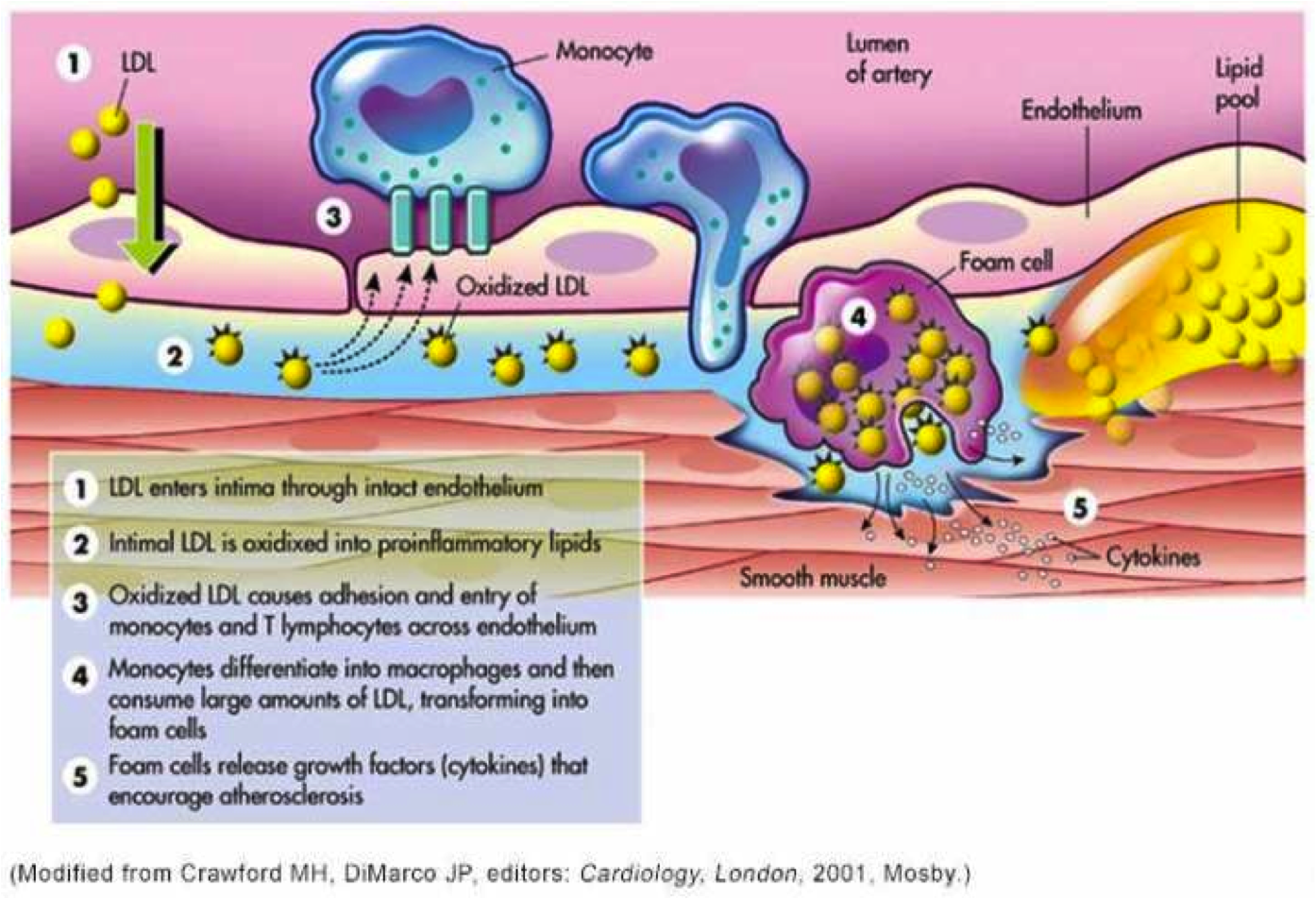
Recall that LDL particles carry cholesterol and fat (fatty acids) in the blood to deliver both cholesterol and fat to cells that need them. The various cells of our body have LDL receptors that engage the particle for docking and delivery.

As  mentioned in previous posts, modified LDL particles are great stimulators for the development of atherosclerotic plaques in the walls of arteries. Modified LDL particles stimulate cells of the immune system to transform and become disposal units for the modified LDL. Unfortunately, the disposal process leads to deposition of the remnants of this process in the wall of our artery, creating a plaque (atherosclerotic plaque).

LDL particles can be modified by oxidation  (the polyunsaturated fats on the surface of LDL become oxidized, remember saturated fats are not easily oxidized ) or by having sugar attach to the protein that envelopes the LDL particle (creating glycated LDL). Both forms of modified LDL (glycated and oxidized) are involved with atherosclerosis. Both forms stimulate the immune system to react as described above.

So far we have discussed the data for “normal blood sugar” levels wreaking havoc with respect to heart attack and stroke, but the same applies to other potential forms of damage including peripheral artery disease, kidney failure, peripheral neuropathy, cataracts, and dementia to name a few. All of these involve increased risk associated with higher blood sugar levels,  inflammation and probably the glycation of various proteins in the body that are essential to normal function of our cells. When this glycation occurs we refer to the glycated proteins as advanced glycation end products (AGEs).

Glycosylation weakens the tight junction between the endothelial cells that line the arteries making them leaky and vulnerable to tears. Glycosylation of proteins in the lens of the eye creates cataracts. Glycosylation in the tiny blood vessels in the back of the eye makes them leak and bleed and can cause diabetic retinopathy, a leading cause of blindness. Glycosylation of the collagen in the skin makes skin less elastic and stiffer (aging skin). Glycosylation of collagen in your joints impairs joint mobility and can lead to arthritis. Glycosylation of the elastic tissue in lungs can impair pulmonary function.

AGEs disrupt the normal function of cells, no matter what organ is involved, and as AGEs accumulate we literally age. The human body has a way to deal with AGEs. There are mechanisms to rid ourselves of AGEs but if production exceeds elimination the imbalance leads to disease and this can occur anywhere in the body.

We have been talking about blood glucose but what about fructose? Fructose is handled by the human body in a manner very different from glucose. In overweight and obese humans fructose compared to glucose in equal caloric amounts over a 10 week period causes.

  1. increased fasting glucose
  2. increased fasting insulin levels,
  3. decreased insulin sensitivity,
  4. increased production of fat in the liver,
  5. increased fasting levels of oxidized LDL,
  6. increased fasting levels of small dense LDL (considered to be more atherogenic than large buoyant LDL)
  7. increased blood levels of pro-inflammatory and pro-thrombotic (blood clot forming) mediators
  8. Increased uric acid

This list represents some but not all of the differences as discussed in many papers including the following.

Consuming fructose-sweetened, not glucose-sweetened, beverages increases visceral adiposity and lipids and decreases insulin sensitivity in overweight/obese humans.

Consumption of fructose– but not glucose-sweetened beverages for 10 weeks increases circulating concentrations of uric acid, retinol binding protein-4, and gamma-glutamyl transferase activity in overweight/obese humans.

Circulating concentrations of monocyte chemoattractant protein-1, plasminogen activator inhibitor-1, and soluble leukocyte adhesion molecule-1 in overweight/obese men and women consuming fructose– or glucose-sweetened beverages for 10 weeks.

In addition,

  1. Fructose is 10 times more reactive in the formation of AGEs than is glucose.
  2. Fructose appears to cause changes in the brain that may lead to overeating. These findings are published in the January 2, 2013 issue of the Journal of the American Medical Association.
  3. Fructose consumption in young men and women increases LDL-cholesterol, apolipprotein B and triglycerides.
  4. In rhesus monkeys fructose consumption provides a model for insulin resistance, metabolic syndrome, and type 2 diabetes.
  5. Fructose consumption for 10 weeks reduces energy expenditure and the burning of fat in overweight and obese men and women.

Arguably, the 68 pounds per year of corn syryp that American adults consume (along with the other 68 pounds of added sugar) have contributed significantly to the obesity epidemic in the US.

Dietary sugars: a fat difference.

And along with obesity and diabetes come increased risk of cognitive decline (demetia);

“The incidence of obesity has increased dramatically over the past several years, and in parallel, so has the prevalence of type 2 diabetes (T2D). Numerous studies have demonstrated that both obesity and T2D are associated with lower cognitive performance, cognitive decline, and dementia. Intake of dietary fructose has also increased. In fact, high-fructose corn syrup (HFCS) accounts for as much as 40% of caloric sweeteners used in the United States. Given the increase in the incidence of Alzheimer’s disease (AD), characterized by an age-related decline in memory and cognitive functioning, in this report we review the effects of obesity on cognitive performance and the impact of high fructose intake in promoting cognitive decline. The paper then considers the effects of omega-3 fatty acids (FAs), which have been linked to promising results in cognitive function including ameliorating the impact of a high-fructose diet.”

The emerging role of dietary fructose in obesity and … [Nutr J. 2013] – PubMed – NCBI

The relationship between dietary sugar, refined carbohydrates and obesity are explored in great detail in Good Calories, Bad Calories by Gary Taubes. Taubes presents convincing and consistent data that supports the thesis that dietary sugar and refined carbohydrates contribute significantly to our obesity epidemic and that fat consumption from whole foods including animal fat do not cause obesity or cardiovascular disease. The simple logic is that sugar and refined carbohydrates increase insulin levels which in turn causes storage of carbohydrate as fat and impairs the utilization of fat for energy. While many criticize Taubes thesis for being to simple, the physiologic effects of insulin on fat storage and energy utilization are not disputed.

The issue of blood sugar levels and glycosylation appears to be one of level and duration of exposure. If we plot blood sugar over time and draw a graph, the area under the curve of the graph represents total exposure to  levels of blood sugar. If we draw a straight horizontal line under this curve that represents a toxic threshold (levels that result in glycosylation that exceed our ability to eliminate AGEs)  then the area of toxicity is equal to the area above the threshold line and below the curve of blood sugar. In theory then we should live a lifestyle (nutrition, sleep, exercise, stress reduction) that results in keeping our blood sugars as close as possible to the threshold of toxicity. The Whitehall study suggests that line would be drawn at 86 mg/dl. this discussion provides a conceptual framework. There is no proof of this argument, just data that support the concept that as blood sugars stay elevated above a certain level, this elevation increases the risk of disease. When we examine this argument in the light of evolutionary medicine/health it makes sense. Before the onset of agriculture we did not consume added sweeteners, refined carbohydrates, refined “vegetable” oils (oils from seeds, grains and legumes), nor did we consume manufactured trans fats. So draw a horizontal line in the graph below at some level, make it 86 mg/dl, and look at the area between the blood sugar level and that horizontal line. That is the theoretical toxicity zone.

blood sugar curve

The association between “normal blood sugar levels” and risk of heart attack and stroke have been observed for a long time but this association has received much less attention than the concern over consumption of fat and cholesterol in the diet. In previous posts I have pointed out the evidence that contradicts the notion that  consumption of saturated fat and cholesterol is a problem. Instead, there is growing evidence that easily oxidized polyunsaturated fat (vegetable oil) contributes to atherosclerosis , cardiovascular disease and chronic inflammation. Likewise, there is growing evidence that consumption of sweetened foods and beverages, as well as refined flour foods (which increase blood sugars much more than whole foods) are wreaking havoc in many ways.

So if there is a link between dietary sugar/refined carbohydrate consumption, blood sugar levels and disease, mediated by inflammation and glycosylation, what can we do about it? If there is a link between excessive consumption of pro-inflammatory and easily oxidized refined vegetable oils (linoleic acid) what can we do about it?

  • Avoid sweetened food and beverages
  • Drink only water and modest amounts of coffee or tea.
  • Avoid flour foods and other forms of refined carbohydrate which result in blood sugar surges and over time stress the pancreas
  • Eat only whole foods
  • Save your carbs for dinner
  • Walk for 15 minutes after every meal or 30-45 minutes per day
  • Engage in resistance training (weight lifting, resistance bands) for 20-30 minutes twice per week.
  • Get 8-9 hours of sleep each night
  • And if you really want to get serious about nutritional changes,  eat only the foods we have evolved to eat. Eat like a hunter-gatherer. Eat only pastured meat, free range poultry and free range eggs, fresh  wild fish and seafood, fresh  vegetables, fresh fruits and nuts.  Avoid grains, legumes, dairy. Avoid refined vegetable oils. Do not eat any food with “partially hydrogenated oil” or “hydrogenated oil” of any kind.

Resistance training twice per week for just 20-30 minutes will increase muscle mass and insulin sensitivity, lower blood sugars, preserve bone density, and provide many health benefits.

Eating most  carbs at dinner improved weight loss, lowered hunger, reduced abdominal circumference and enhanced body fat mass reductions in a calorie restricted weight loss study of obese adults.

Greater weight loss and hormonal cha… [Obesity (Silver Spring). 2011] – PubMed – NCBI

Sleep deprivation impairs insulin sensitivity, increases the risk of diabetes, hypertension, cardiovascular disease, depression, accidents and cancer, impairs immune function and wound healing, and impairs weight loss on a calorie restricted diet.

Meta-Analysis of Short Sleep Duration and Obesity in Children and Adults

Sleep duration and body mass index in twins: a gene-en… [Sleep. 2012] – PubMed – NCBI

Impact of insufficient sleep on total daily energy expenditure, food intake, and weight gain.

Neurobiological consequences of sleep deprivation.

Sleep and type 2 diabetes mellitus- clinical implications.

The influence of shift work on cognitive functions and oxidative stress.

Sleep disorders and depression: brief review of the literature, case report, and nonpharmacologic interventions for depression.

The impact of sleep deprivation on food desire in the human brain.

Walking 15 minutes after every meal in adults 60 years and older significantly improved 24 hour blood glucose control relative to control subjects who did not walk and was significantly more effective than 45 minutes of sustained morning or afternoon walking in lowering 3 hour post-dinner glucose levels.

Three 15-min bouts of moderate postmeal walking significantly improves 24-h glycemic control in older people at risk for impaired glucose tolerance.

Food, sleep, exercise and stress are the primary determinants of health.

While this post discussed two of three proposed mechanisms linking blood sugar levels to disease (modified LDL and AGEs) I did not discuss inflammation. The relationship between dietary sugar, refined carbohydrates and inflammation will be discussed in future posts.

In the meantime, stay tuned for “an egg a day keeps the doctor away”.

Peace,

Bob Hansen MD